Breast Aesthetics Market: Strategic Analysis & Forecast
- Single User License (1 Users) $ 3,500
- Team License (2~5 Users) $ 4,500
- Corporate License (>5 Users) $ 5,500
The global breast aesthetics market size is projected to 2.2 to 3.0 billion USD in 2026 at an anticipated Compound Annual Growth Rate (CAGR) ranging between 6.5% and 8.5% through 2031. Operating under stringent Class III medical device governance across prime regulatory jurisdictions, the sector is defined by elevated regulatory barriers, clinical safety mandates, and acute upstream supply concentration.
There are three trends for breast aesthetics market:
- A progressive departure from legacy macrotextured surfaces toward advanced biocompatible smooth micro-surfaces and highly cohesive viscoelastic gels, driven by regulatory bans and product liability litigation associated with Breast Implant-Associated Anaplastic Large Cell Lymphoma (BIA-ALCL).
- An expanding clinical integration of synthetic prostheses with biological matrices, notably Acellular Dermal Matrices (ADMs) and autologous fat transfer systems, shifting procedural standards from standalone device placement to hybrid reconstruction models.
- Commercial divergence between mature, highly regulated jurisdictions (dominated by concentrated oligopolies with high pricing leverage under Premarket Approval frameworks) and fragmented international territories reliant on hybrid direct-and-distributor commercial models.
Product Classification & Technological Architecture
● Silicone Gel-Filled Breast Implants
Silicone gel-filled implants represent the predominant segment of global commercial volume. These Class III devices feature an elastomeric shell manufactured from cross-linked polydimethylsiloxane, surrounding an internal core of high-cohesion silicone gel.
Key architectural components include:
- Multi-Layer Elastomer Engineering: Shell integrity relies on chemical barrier interlayers, such as BluSeal, engineered within the elastomer laminate to mitigate low-molecular-weight siloxane diffusion and gel bleed across the silicone envelope.
- Rheology and Dynamic Projection: Advanced cohesive formulations—including ProgressiveGel, ProgressiveGel PLUS, and ProgressiveGel Ultima—have transformed clinical mechanics. Rather than relying on rigid static shapes, dynamic formulations allow projection vectors to alter depending on patient posture, shifting maximum lower-pole projection dynamically to mirror physiological tissue movement while avoiding rotational malposition risks inherent to legacy anatomical designs.
- Surface Morphology Standards: Guided by ISO 14607:2018 parameters, shell surfaces have structurally pivoted from legacy aggressive texturing toward smooth micro-surfaces. Modern automated manufacturing platforms utilize 3D negative imprinting molding to deliver uniform micro-roughness (averaging 4 microns) without reliance on traditional particulate salt-loss or polyurethane debris methods. This micro-architecture reduces bacterial adhesion, limits biofilm formation, and minimizes subclinical peri-prosthetic chronic inflammation.
- Long-Term Clinical Safety Differentials: Decade-long prospective Core study evaluations of legacy silicone platforms historically documented primary augmentation reoperation rates between 24.0% and 36.1%, capsular contracture rates (Baker Grade III/IV) between 12.1% and 18.9%, and rupture rates between 8.5% and 24.2%. In contrast, modern smooth micro-surface cohorts (evaluated via multi-year Investigational Device Exemption frameworks) demonstrate capsular contracture rates below 1.0%, MRI-confirmed rupture rates below 1.0%, and all-cause reoperation rates under 9.0%. Large-scale post-market surveillance programs tracking several million advanced smooth units globally reflect adverse event rates for rupture and contracture below 0.1%, with zero confirmed primary BIA-ALCL associations.
- Passive Electronic Identification: Structural differentiation includes gel-embedded, non-ferromagnetic passive radio-frequency identification (RFID) microtransponders (e.g., Qid platforms). These micro-devices allow external radio-frequency interrogation of a 15-digit electronic serial number, securing life-long verification without generating diagnostic artifacts during magnetic resonance imaging (MRI).
● Saline-Filled Breast Implants
Saline devices utilize an empty vulcanized silicone elastomer envelope that is surgically placed into the pocket and subsequently inflated with sterile isotonic sodium chloride solution (0.9% NaCl).
- Technological Dynamics: Saline platforms historically captured notable market share in North America due to historical regulatory constraints on silicone devices. However, saline volume has contracted continuously, driven by clinical limitations including palpatory firmness, visible edge rippling, and abrupt deflation profiles.
- Clinical Utility in Staged Expansion: Saline fluid management remains indispensable in oncological reconstruction. It provides the operating mechanism for temporary tissue expanders, where remote or magnetic integral ports are incrementally injected over 3 to 6 months to expand myocutaneous tissue flaps before permanent implant placement.
● Autologous Fat Transfer and Grafting Systems
Adipose-derived autologous tissue transfer systems harvest endogenous fat cells via low-pressure negative aspiration liposuction from patient donor regions (abdomen, flanks, or thighs).
- Processing and Clinical Integration: Harvested tissue undergoes closed-loop mechanical washing, concentration, or centrifugation before micro-injection into regional tissue compartments. Rather than replacing silicone implants, fat transfer systems increasingly operate as an adjunctive methodology.
- Hybrid Procedural Adoption: Clinical demand is centering on hybrid augmentation paradigms, where lower-volume silicone devices are combined with targeted autologous fat micro-grafting. This approach optimizes soft-tissue coverage, masks prosthetic edge transitions, refines the cleavage corridor, and preserves natural tissue architecture through minimally invasive delivery.
Downstream Applications & Demand Dynamics
● Primary Breast Augmentation
- Indication Profile: Primary cosmetic breast augmentation is an elective intervention targeted at volumetric enlargement, post-partum involution correction, and bilateral asymmetry resolution. Annual global procedures approach approximately 1.7 million cases.
- Economic and Seasonal Sensitivities: Primary augmentation is almost universally an out-of-pocket, non-reimbursed personal expense. Procedural velocity is directly correlated with discretionary household income, inflationary trends, consumer confidence indices, and credit conditions.
- Volume Seasonality: Surgical volume experiences notable seasonality. In high-value geographies such as the United States, surgical bookings surge ahead of summer (Q2) and through the fourth quarter, followed by cyclical contractions of 20% to 30% across January-February and mid-summer. Additionally, procedural adoption has encountered peripheral competition from patient capital allocation toward novel metabolic GLP-1 weight-loss therapies.
● Post-Mastectomy Breast Reconstruction
- Oncological Demographics: Reconstructive surgery is indicated to restore the breast mound following total, modified radical, or skin-sparing mastectomy, lumpectomy, or prophylactic resection in high-risk genetic cohorts. With breast malignancies representing roughly 24% to 26% of all global female cancer diagnoses, clinical demand remains non-cyclical. In the United States alone, reconstructive interventions exceed 160,000 cases annually.
- Structural Reimbursement Drivers: Post-mastectomy reconstruction operates under institutional health insurance and statutory government reimbursement architectures (e.g., the U.S. Women's Health and Cancer Rights Act, Japan's National Health System coverage, and South Korea's National Health Insurance program).
- Regenerative Biomaterial Integration: Reconstructive protocols frequently employ a staged continuum: initial tissue expansion utilizing specialized expanders, followed by secondary permanent device placement reinforced by regenerative Acellular Dermal Matrices (ADMs). ADMs (such as AlloDerm and BellaCell HD) provide vascularizable structural integrity, support pre-pectoral pocket stabilization, decrease foreign-body complications, and drive portfolio synergies for multi-segment device manufacturers.
● Revision Augmentation & Reoperation
- Etiological Determinants: Revision interventions encompass device explantation, exchange, or surgical pocket capsulotomy/capsulectomy. These are triggered by mechanical envelope compromise (rupture, silent tears), biological capsule pathology (Baker Grade III/IV contracture, persistent periprosthetic seroma), anatomical displacement (symmastia, bottoming out, implant malrotation), or aesthetic contour dissatisfaction.
- Economic Liabilities and Warranty Constructs: Historical 10-year data demonstrating reoperation rates between 24% and 36% have made surgical revisions a key cost driver. Device manufacturers deploy multi-tiered product warranties (e.g., lifetime device replacements, multi-year contracture coverage, and supplemental surgical fee allowances up to $15,000 USD) as commercial risk-mitigation instruments to absorb revision costs and maintain patient loyalty.
Supply Chain Architecture & Operational Infrastructure
● Upstream Value Chain: Raw Materials and Component Engineering
- Medical-Grade Silicone Squeeze: The industry exhibits an acute structural bottleneck in raw material sourcing. The production of medical implants requires ultra-pure, implantable-grade silicone elastomers, dispersion coatings, and cohesive silicone gels. The global supply ecosystem is heavily concentrated, with Avantor, Inc. (via NuSil Technology) maintaining a primary market position and holding the necessary Drug Master Files (DMF) and Device Master Files (MAF) filed with global regulators. Manufacturers remain exposed to supply disruption or contract adjustments; long-term Master Supply Agreements often represent over 45% to 55% of a manufacturer's aggregate raw material expenditures. Non-compliance or unauthorized modifications in upstream silicone raw chemistry can result in national regulatory suspensions and severe product liability litigation.
- Biological Tissue Sourcing: Acellular Dermal Matrices require access to human donor tissue obtained via accredited tissue donor banks adhering to American Association of Tissue Banks (AATB) standards. Specialized processing partners (such as AlloSource) supply processed human allograft dermis under rigorous pathogen-inactivation standards.
- Microelectronics and Ancillary Components: Specialized tier-two providers supply precision electronic hardware for passive RFID microtransponders, medical-grade polycarbonate delivery packaging, minimally invasive insertion funnels (e.g., Keller Funnel), and microbial barrier Tyvek lids validated to maintain sterile integrity over five-year shelf-life cycles.
● Midstream Operations: Fabrication, Sterilization, and Quality Systems
- Cleanroom Infrastructure: Manufacturing operations require high-capital Class 10,000 (ISO 7) and Class 100 (ISO 5) cleanrooms. Advanced production facilities, such as the Sulàyöm Innovation Campus in Costa Rica's Coyol Free Zone, integrate carbon-neutral operations with high-precision 3D negative-imprinting mold tooling to produce micro-surfaces without traditional chemical leaching.
- Envelope Integration: Advanced fabrication relies on monobloc assembly architectures that chemically bind the shell elastomer layers to the posterior patch and internal cohesive silicone gel, eliminating structural points of failure.
- Sterilization and Audits: Assembled units undergo dry heat or ethylene oxide (EtO) sterilization cycles. Compliance must satisfy the Medical Device Single Audit Program (MDSAP)—unifying audits across the U.S. FDA, Health Canada, Brazil's ANVISA, Japan's PMDA, and Australia's TGA—alongside European Medical Device Regulation (EU MDR 2017/745) requirements.
● Downstream Commercial Channels & Go-To-Market Mechanics
- Direct Sales Organizations: Mature, concentrated medical device markets rely on direct commercial deployment. Dedicated clinical sales representatives interface directly with board-certified plastic surgeons, private surgical centers, ambulatory surgical centers (ASCs), and procurement committees of hospital networks.
- Consignment Inventory Dynamics: A key operational model across plastic surgery practices is consigned inventory management. Because surgical procedures demand intraoperative access to diverse catalogs across varied diameters, projection profiles, and volumetric variations, manufacturers maintain on-site consigned stock. Revenue recognition (governed by ASC 606 standards) occurs strictly upon written confirmation of device surgical implantation.
- Distributor Networks and International Coverage: In secondary and emerging international markets, manufacturers employ exclusive third-party regional distribution partners who absorb importation clearances, local warehousing, foreign exchange fluctuations, and downstream credit risks.
- Surgeon Education and KOL Strategy: Plastic surgeons serve as decisive gatekeepers. Direct-to-consumer digital initiatives drive macro-awareness, but market penetration relies on Key Opinion Leader (KOL) surgical education, procedural workshops on minimal-incision deployment technologies, and masterclasses in sub-fascial and pre-pectoral anatomical pocket dissection.
Regional Market Analysis
● North America: North America represents the highest-value global market by total expenditure. The regulatory barrier is established by the United States FDA Class III Premarket Approval (PMA) pathway, requiring multi-center prospective IDE clinical trials with long-term patient cohorts. This creates an entrenched oligopoly historically dominated by Allergan Aesthetics (AbbVie), Mentor Worldwide (Johnson & Johnson), and Sientra (Tiger Aesthetics Medical). The PMA clearance of Establishment Labs' Motiva platform in late 2024 represents the first market entry under this pathway in over a decade.
- Commercial Realization: High regulatory barriers enable substantial pricing premiums relative to other geographic regions, supporting corporate gross margins upwards of 68% to 70%. Health Canada enforces comparable clinical surveillance, having implemented decisive regulatory reviews and restrictions on macrotextured platforms.
● Europe
- Governance under EU MDR: Europe represents an expansive commercial region operating under Regulation (EU) 2017/745 (MDR). Breast implants, classified under Annex XVI as devices with aesthetic intent, face heightened Notified Body clinical evaluations, post-market surveillance scrutiny, and extensive administrative cycles.
- Commercial Dispersion: Western Europe (UK, Germany, France, Italy, Spain) exhibits established commercial channels, with leading manufacturers deploying direct field operations. The UK operates under the post-Brexit Medical Devices Regulations 2020 (recognizing CE marks through mid-2030), while Switzerland enforces individual Swiss Authorized Representative (CH-REP) structures following the lapse of the EU-Swiss Mutual Recognition Agreement.
- Competitive Fragmentation: The European landscape is competitive and fragmented, shared among multinational operators and prominent regional manufacturers, including GC Aesthetics, Groupe Sebbin, Polytech Health & Aesthetics, and Laboratoires Arion.
● Asia-Pacific (APAC): The Asia-Pacific zone represents a high-growth region, characterized by expanding private healthcare expenditure and evolving public healthcare infrastructure.
- Major National Markets:
* China: Governed by the National Medical Products Administration (NMPA). Major platforms have secured importation and distribution licenses, while domestic commercial partnerships (such as joint ventures combining local manufacturing capacity with advanced allograft IP) address the expanding reconstructive market.
* Japan: Supervised by the PMDA and MHLW. Regulatory approvals for next-generation smooth implants and expanders have been integrated into Japanese statutory healthcare coverage, driving oncological reconstruction volumes.
* Republic of Korea: The domestic market is valued within a baseline interval of 35 to 45 million USD, supported by the integration of post-mastectomy breast reconstruction into the National Health Insurance Service in 2015.
* Other Jurisdictions: Regulatory environments in Australia (TGA) enforce strict safety standards, having driven the clinical withdrawal of macrotextured surfaces, alongside expanding markets across Southeast Asia and Taiwan, China.
● Latin America: Latin America is an established market for aesthetic plastic surgery procedures globally, anchored by Brazil, Colombia, and Argentina. Brazil operates under ANVISA oversight and represents an early launch pad for advanced surgical systems and minimally invasive, tissue-preserving procedures.
- Manufacturing and Industrial Hubs: Costa Rica functions as a central export hub for the sector. The Coyol Free Zone hosts specialized medical device manufacturing parks operating under free-zone tax incentives, providing an international production footprint for advanced biocompatible devices.
- Competitive Landscape: The market features established domestic manufacturing capacity (notably Silimed in Brazil) alongside imported premium European and American brands.
● Middle East and Africa (MEA)
- Commercial Architecture: MEA operations are managed predominantly through third-party specialized medical distributors. Aesthetic surgery density is concentrated within the Gulf Cooperation Council (GCC) economies (United Arab Emirates, Saudi Arabia, Kuwait), where premium cosmetic enhancements drive volume, while public-sector tenders govern post-cancer restorative surgery across major tertiary referral medical complexes.
Regulatory Architecture & Policy Governance
● United States: FDA Class III Premarket Approval and Post-Market Orders
- Regulatory Standards: Implants are categorized as Class III devices under the FD&C Act. Commercial access requires a Premarket Approval Application (PMA) supported by multi-center Investigational Device Exemption (IDE) prospective trials over multi-year evaluation timelines.
- Safety Labeling Mandates: Following regulatory safety reviews, the FDA enforces comprehensive risk-mitigation measures, including:
* Boxed Warnings highlighting risks of BIA-ALCL, capsular contracture, and reoperation frequencies.
* Mandatory Patient Decision Checklists that must be reviewed, signed, and maintained in patient clinical files before surgical placement.
* Standardized Patient Device Cards documenting specific catalog serial numbers, envelope texturing profiles, and internal cohesive fill chemistry.
* Transition to the Quality Management System Regulation (QMSR) in early 2026, aligning 21 CFR 820 with ISO 13485 quality standards.
● European Union: Medical Device Regulation (EU MDR 2017/745)
- Heightened Device Scrutiny: Under the MDR, aesthetic devices are categorized within Annex XVI, subjecting manufacturers to continuous clinical safety evaluation and rigorous Notified Body surveillance.
- Regulatory Capacity Pressures: Lengthy review times under the MDR have created operational bottlenecks across the medical device ecosystem, prompting European Commission legislative initiatives to balance safety oversight with administrative flow and ensure continuity of device supply.
- Joint Clinical Assessments: Implementation of the EU Health Technology Assessment (HTA) Regulation standardizes Joint Clinical Assessments (JCAs) for Class III implantables across member states, streamlining clinical evaluations while preserving national sovereignty over reimbursement pricing.
● Healthcare Legislation and Reimbursement Structures
- Reimbursement Divergence: Cosmetic breast augmentation is an elective consumer-funded expense, whereas post-mastectomy breast reconstruction is recognized as an essential, reimbursable medical benefit under legislative frameworks globally, including the Women's Health and Cancer Rights Act in the United States, Japan's National Health System, and South Korea's National Health Insurance program.
- Systemic Healthcare Legislation: Legislative adjustments to federal healthcare frameworks (such as adjustments in Medicaid and public health coverage outlays under major U.S. budget reconciliations, alongside the Inflation Reduction Act's impact on broad medical funding flows) introduce peripheral shifts in tertiary hospital capital allocation and surgical department operating margins.
Company Profiles:
1. AbbVie (Allergan Aesthetics): AbbVie holds a leading global position in the breast aesthetic and reconstructive market via its Allergan Aesthetics business, coupling synthetic implant hardware with biological matrices.
- Flagship Products:
* Natrelle INSPIRA Collection: Round silicone implants featuring three cohesive gel options (Responsive, SoftTouch, and Cohesive) across diverse projection profiles.
* Natrelle 410 Anatomical: Form-stable, teardrop-shaped implants filled with cohesive silicone gel designed for natural slope dynamics.
* Natrelle Saline-Filled: Smooth round and contoured fluid-adjustable prostheses.
* Natrelle 133 Tissue Expanders: Temporary expanders with integrated magnetic injection domes for post-mastectomy soft-tissue preparation.
* Alloderm Regenerative Tissue Matrix: Acellular Dermal Matrix (ADM) used in pre-pectoral and sub-pectoral implant-based reconstructive plastic surgery.
2. Johnson & Johnson (Mentor Worldwide LLC): Johnson & Johnson operates via its Mentor Worldwide LLC subsidiary, one of the most established FDA-cleared breast device manufacturers globally.
- Flagship Products:
* Mentor MemoryGel & MemoryGel Xtra: Cohesive silicone gel round implants; MemoryGel Xtra features an optimized fill ratio designed to minimize shell rippling and preserve upper-pole fullness.
* Mentor MemoryShape: Anatomical silicone implants with cohesive fill and SILTEX textured shells designed for stable directional positioning.
* Mentor Saline: Round and contoured saline-filled devices with variable fill volumes.
* CPX4 & Artoura Expanders: Reconstructive tissue expanders featuring BufferZone puncture-resistant shells and magnetic self-sealing injection ports.
3. Establishment Labs: Establishment Labs is a fast-growing medical technology firm that entered the U.S. market in late 2024 via an FDA PMA approval, focusing on advanced surface design and digital tracking.
- Flagship Products:
* Motiva Ergonomix & Ergonomix2: Dynamic viscoelastic implants featuring ProgressiveGel Ultima that adjust shape from round to anatomical projection with gravity.
* Motiva Round: High-projection implants filled with ProgressiveGel PLUS for consistent upper-pole firmness.
* SmoothSilk / SilkSurface: Uniform smooth micro-surface manufactured without particulate leaching, designed to limit capsular contracture and bacterial biofilm.
* Motiva Flora Tissue Expander: Non-magnetic, MRI-conditional tissue expander utilizing a smooth micro-surface and an RFID-identifiable injection site.
* Q Inside Safety Technology (Qid): Embedded passive, non-ferromagnetic RFID microtransponder enabling electronic serial number interrogation.
4. Silimed (Silimed Indústria de Implantes Ltda.): Headquartered in Brazil, Silimed is the largest plastic surgery implant manufacturer in South America, known for its application of polyurethane-coated prostheses.
- Flagship Products:
* Bio-Design Collection: Comprehensive implant line configured in four distinct projections (Natural, Enhance, Nuance, and Maximum) relative to thoracic base widths.
* Microthane: Medical-grade polyurethane foam-coated silicone implants designed to integrate with surrounding tissue and minimize long-term contracture rates.
* Silimed True Texture & Smooth: Round and anatomical devices filled with HSC (High-Strength Cohesive) silicone gel.
* Silimed Tissue Expanders: Temporary expanders with remote or integrated valves for reconstructive procedures.
5. Laboratoires Arion: French medical technology manufacturer specializing in biocompatible silicone and hydrogel breast prostheses, continuing early historical innovations in breast implants.
- Flagship Products:
* Monobloc Silicone (SoftOne): Round and anatomical silicone gel implants manufactured with an autogenously welded barrier patch, eliminating conventional glued joints.
* Monobloc Hydrogel CMC: Pre-filled biocompatible hydrogel breast implant filled with carboxymethylcellulose and saline, offering a radiolucent and bio-absorbable profile.
* Monobloc Dual Gel: Anatomically shaped implants combining two cohesive silicone gel densities to balance posterior base fit with anterior projection.
6. Tiger Aesthetics: Tiger Aesthetics Medical (a division of Tiger BioSciences) expanded its aesthetics footprint through the acquisition of Sientra's breast aesthetics and reconstructive business.
- Flagship Products: Sientra Silicone Gel Implants, AlloX2 Tissue Expander, Dermaspan Tissue Expanders, alloClae.
7. GC Aesthetics: European medical technology manufacturer operating through its legacy brands, Eurosilicone and Nagor, with commercial activities across Europe, Latin America, and Asia.
- Flagship Products: PERLE, Nagor Impleo & CoGel, Eurosilicone Cristalline (ParGel), GCA Eve 4.0 & Expanders.
8. Polytech Health & Aesthetics: German manufacturer specializing in specialized shell coatings and lightweight implant filler formulations.
- Flagship Products: B-Lite Lightweight Implants, SublimeLine, Diagon\Gel 4Two, Microthane Surface.
9. Groupe Sebbin SAS: French medical device company producing precision silicone implants for aesthetic and reconstructive plastic surgery.
- Flagship Products: Sebbin Classic, Sublimity, and Integrity Collections, NanoSkin Shell Technology, S-Line Anatomical Implants, Sebbin Tissue Expanders.
10. HansBiomed: South Korean biomedical and tissue engineering company commercializing breast prostheses, acellular dermal allograft matrices, and polydioxanone (PDO) lifting systems.
- Flagship Products: BellaGel (BellaGel Smooth / SmoothFine), BOUNS, BellaGel Tissue Expanders, BellaCell HD.
Opportunities & Challenges
● Strategic Opportunities and Technological Catalysts
- Acceleration of Smooth Micro-Surfaces: Clinical data associating macrotextured surfaces with chronic inflammatory responses has driven widespread adoption of smooth micro-surfaces. Modern smooth micro-surfaces demonstrate long-term capsular contracture rates under 1.0%, MRI-confirmed rupture rates under 1.0%, and all-cause reoperation rates under 9.0%, alongside zero confirmed primary BIA-ALCL associations across millions of globally tracked units. This shift enables manufacturers of next-generation biocompatible platforms to gain share over legacy macrotextured designs.
- Adoption of Minimally Invasive Delivery Systems: Minimally invasive aesthetic procedures are expanding the addressable clinical market. Systems incorporating dynamic viscoelastic gels and automated, narrow insertion funnels allow device placement under local anesthesia with reduced incisions and shorter recovery times. Multi-year clinical trials for minimally invasive deployments document 0.0% capsular contracture rates, 0.0% rupture rates, and reoperation rates at or below 1.0%, appealing to consumer segments seeking lower procedural downtime.
- Synergies Between Biologics and Implants: The integration of Acellular Dermal Matrices (ADMs) and autologous adipose grafting systems into staged reconstructive plastic surgery expands commercial opportunity. ADMs optimize pocket reinforcement, reduce implant exposure, and improve aesthetic results in post-mastectomy reconstructions, while autologous fat transfer systems offer hybrid contouring advantages that improve procedural gross margins.
- Electronic Device Traceability: Embedded passive, non-ferromagnetic RFID microtransponders provide non-invasive electronic confirmation of unique serial numbers without generating MRI artifacts. This digital architecture improves post-market device tracking, facilitates product recall management, and supports long-term patient monitoring.
● Market Challenges and Systemic Liabilities
- Upstream Raw Material Concentration: The breast implant manufacturing sector relies on a narrow base of raw material suppliers for medical-grade, long-term implantable silicone elastomers and gels. Avantor, Inc. (NuSil Technology) functions as the primary global supplier, holding proprietary master files with regulatory authorities. Any disruption in upstream supply, raw material quality variations, or contract restructuring presents a material operational risk to device manufacturers.
- Regulatory Recalls and Product Liability Litigation: Variations in raw material chemical profiles or shell texturing introduce severe legal and financial risks:
* The global Class I recall of Allergan Biocell macrotextured implants and tissue expanders in July 2019, following hundreds of identified BIA-ALCL cases and related fatalities, resulted in multidistrict product liability litigation (MDL No. 2921 in the District of New Jersey), alongside substantial ongoing legal liabilities.
* Regulatory suspensions and mandatory device recalls triggered by the use of unapproved raw material silicone compositions (as observed with South Korea's MFDS suspension of BellaGel in late 2020) require multimillion-dollar litigation provisions and warranty compensation funds, demonstrating the operational necessity of strict material traceability.
- Discretionary Economic Exposure and Emerging Therapies: Primary cosmetic breast augmentation remains an elective, out-of-pocket medical expenditure. Procedural demand is sensitive to changes in disposable income, inflation, interest rates, and overall consumer confidence. In addition, the widespread adoption of glucagon-like peptide-1 (GLP-1) metabolic therapies introduces peripheral competition for discretionary healthcare budgets.
- Emerging Oncological Scrutiny: Regulatory health agencies continue to monitor rare malignancies in the periprosthetic fibrous capsule. Independent of BIA-ALCL, regulatory communications have noted reports of squamous cell carcinoma (SCC) and various lymphomas in peri-prosthetic scar tissue, while ongoing patient concern regarding self-reported Breast Implant Illness (BII) represents a persistent factor in surgical decision-making.
- Counterfeit Medical Devices in Price-Sensitive Regions: The emergence of counterfeit implants manufactured using non-medical-grade silicone elastomers in price-sensitive emerging markets presents significant patient safety hazards and threatens established brand equity.
1.1 Research Methodology and Analytical Framework 1
1.1.1 Primary Research and Key Opinion Leader Sourcing 2
1.1.2 Secondary Sourcing, Trade Flow Aggregation, and Patent Audits 3
1.1.3 Bottom-Up Sizing and Top-Down Econometric Cross-Validation 4
1.2 Scope and Underlying Modeling Assumptions 4
1.3 Abbreviations and Medical Nomenclature Glossary 5
Chapter 2 Global Breast Aesthetics Industry Landscape and Macro Trends 6
2.1 Market Sizing and Velocity Trajectory (2021-2031) 6
2.2 Sociodemographic Drivers and Aesthetic Procedure Acceptance 7
2.3 Regulatory Re-Classification Dynamics and Post-Market Surveillance 8
2.4 Shifts in Reconstructive Breast Cancer Paradigms 9
Chapter 3 Regulatory Architecture, Safety Standards, and Biomaterials Science 11
3.1 International Regulatory Mandates (FDA PMA, EU MDR Class III, NMPA) 11
3.2 Breast Implant-Associated Anaplastic Large Cell Lymphoma (BIA-ALCL) and Systemic Symptoms (BII) Surveillance 12
3.3 Surface Topography Evolution: Macrotextured, Microtextured, and Smooth Shells 14
3.4 Medical-Grade Cohesive Gel Engineering and Rheological Optimization 15
Chapter 4 Breast Aesthetics Value Chain and Raw Material Synthesis 17
4.1 Value Chain Architectural Breakdown 17
4.2 Upstream Sourcing: Medical Silicone Elastomers, Gels, and Biomaterials 19
4.3 Manufacturing Synthesis, Cleanroom Packaging, and Sterilization Protocols 22
4.4 Margin Realization and Value Capture across the Intermediary Distribution Tier 23
Chapter 5 Global Trade Patterns, Sourcing Channels, and Cross-Border Flows 24
5.1 Production Geography vs. Global Destination Trade Balances 24
5.2 Cross-Border Import and Export Dynamics by Primary Sourcing Nations 25
5.3 Tariff Impacts, Sterility Supply Chain Resilience, and Regulatory Custom Clearance 27
5.4 Logistics Routing of Cold-Chain Tissue Requisites vs. Terminally Sterilized Implants 28
Chapter 6 Global Breast Aesthetics Market Breakdown by Product Type 30
6.1 Breast Implant Market Valuation and Volume Forecast (2021-2031) 30
6.1.1 Silicone Gel-Filled Implants 32
6.1.2 Saline-Filled Implants 35
6.2 Autologous Fat Transfer/Grafting Systems 37
Chapter 7 Global Breast Aesthetics Market Breakdown by Downstream Application 39
7.1 Primary Breast Augmentation 39
7.2 Post-Mastectomy Reconstruction 42
7.3 Revision Augmentation and Reoperation 45
Chapter 8 Global Breast Aesthetics Market Breakdown by End-User Channel 47
8.1 Specialty Plastic Surgery Clinics and Ambulatory Surgical Centers (ASCs) 47
8.2 Tertiary Public and Private Hospitals 48
8.3 Academic Medical Centers and Oncology Treatment Networks 50
Chapter 9 Geographic Market Breakdown: Production Hubs and Consumption Epicenters 52
9.1 North America 52
9.1.1 United States: Manufacturing Hub and Primary Consumption Dynamics 53
9.1.2 Canada: Regulatory Access and Reconstruction Adoption 55
9.2 Europe 56
9.2.1 Germany: Precision Manufacturing and Regulatory Harmonization 57
9.2.2 France: Texturing Innovation and Safety Governance 58
9.2.3 United Kingdom: Clinical Register Integration and Private Sector Demand 59
9.2.4 Italy, Spain and Rest of Europe: Aesthetic Volume Drivers and Reconstruction Coverage 60
9.3 Latin America 61
9.3.1 Brazil: High-Volume Surgical Center and Export Axis 62
9.3.2 Mexico and Colombia: Medical Tourism and Market Penetration 63
9.3.3 Costa Rica: Device Assembly Infrastructure and Export Profile 64
9.4 Asia-Pacific 64
9.4.1 South Korea: Technical Innovation, Domestic Sourcing, and Export Trajectory 64
9.4.2 China: Regulatory Acceleration and Rising Primary Aesthetic Volumes 65
9.4.3 Japan and Australia: Safety Benchmarks and Reconstruction Reimbursement 65
9.5 Middle East and Africa 65
Chapter 10 Competitive Matrix and Supplier Positioning 66
10.1 Global Market Share Breakdown (2021-2026) 66
10.2 Strategic Positioning Matrix: Product Safety, Surface Topography, and Pricing 67
10.3 Mergers, Strategic Collaborations, and Clinical Pipeline Deployments 69
Chapter 11 Corporate Intelligence Framework and Key Player Profiles 71
11.1 AbbVie Inc. (Allergan Aesthetics) 71
11.1.1 Corporate Profile, Product Matrix, and Operational Footprint 71
11.1.2 SWOT Matrix and Competitive Moats 72
11.1.3 Breast Aesthetics Revenue, Cost, Gross Margin, and Market Share (2021-2026) 73
11.1.4 Strategic Pipeline and Manufacturing Expansion 74
11.2 Johnson & Johnson (Mentor Worldwide LLC) 75
11.2.1 Corporate Profile, Product Matrix, and Operational Footprint 75
11.2.2 SWOT Matrix and Competitive Moats 75
11.2.3 Breast Aesthetics Revenue, Cost, Gross Margin, and Market Share (2021-2026) 76
11.2.4 Capital Expenditure and Global Distribution Architecture 77
11.3 Establishment Labs Holdings Inc. 78
11.3.1 Corporate Profile, Product Matrix, and Operational Footprint 78
11.3.2 SWOT Matrix and Competitive Moats 78
11.3.3 Breast Aesthetics Revenue, Cost, Gross Margin, and Market Share (2021-2026) 79
11.3.4 Regulatory Penetration (FDA Premarket Approvals) and Global Logistics 80
11.4 Silimed Silicone e Instrumental Medico-Cirurgico e Hospitalar Ltda 81
11.4.1 Corporate Profile, Product Matrix, and Operational Footprint 81
11.4.2 SWOT Matrix and Competitive Moats 81
11.4.3 Breast Aesthetics Revenue, Cost, Gross Margin, and Market Share (2021-2026) 82
11.4.4 Regional Manufacturing Focus and Export Strategies 83
11.5 Laboratoires Arion 84
11.5.1 Corporate Profile, Product Matrix, and Operational Footprint 84
11.5.2 SWOT Matrix and Competitive Moats 84
11.5.3 Breast Aesthetics Revenue, Cost, Gross Margin, and Market Share (2021-2026) 85
11.5.4 Hydrogel and Silicone Portfolio Evolution 86
11.6 Tiger Aesthetics Medical, LLC 87
11.6.1 Corporate Profile, Product Matrix, and Operational Footprint 87
11.6.2 SWOT Matrix and Competitive Moats 87
11.6.3 Breast Aesthetics Revenue, Cost, Gross Margin, and Market Share (2021-2026) 88
11.6.4 Commercialization Pathways and Reconstructive Asset Acquisitions 89
11.7 GC Aesthetics plc 90
11.7.1 Corporate Profile, Product Matrix, and Operational Footprint 90
11.7.2 SWOT Matrix and Competitive Moats 91
11.7.3 Breast Aesthetics Revenue, Cost, Gross Margin, and Market Share (2021-2026) 92
11.7.4 European Production Footprint and Emerging Market Distribution 93
11.8 Polytech Health & Aesthetics GmbH 94
11.8.1 Corporate Profile, Product Matrix, and Operational Footprint 94
11.8.2 SWOT Matrix and Competitive Moats 95
11.8.3 Breast Aesthetics Revenue, Cost, Gross Margin, and Market Share (2021-2026) 96
11.8.4 Polyurethane Coating Technologies and MDR Compliance Milestones 97
11.9 Groupe Sebbin SAS 98
11.9.1 Corporate Profile, Product Matrix, and Operational Footprint 98
11.9.2 SWOT Matrix and Competitive Moats 99
11.9.3 Breast Aesthetics Revenue, Cost, Gross Margin, and Market Share (2021-2026) 100
11.9.4 Handcrafted Fabrication Standards and Clinical Research Initiatives 101
11.10 HansBiomed Corp. 102
11.10.1 Corporate Profile, Product Matrix, and Operational Footprint 102
11.10.2 SWOT Matrix and Competitive Moats 103
11.10.3 Breast Aesthetics Revenue, Cost, Gross Margin, and Market Share (2021-2026) 104
11.10.4 Asian Market Consolidation and Biocompatibility Innovations 105
Table 2 Global Breast Aesthetics Revenue by Segment (USD Million, 2021-2031) 7
Table 3 Global Implant Surface Classification Standards and Regulatory Compliance Matrix 13
Table 4 Upstream Raw Material Sourcing: Silicone Elastomers and Polymers Contract Pricing 20
Table 5 Production Capacity vs. Outbound Shipments across Primary Manufacturing Nations 25
Table 6 Global Breast Aesthetics Market by Product Type (USD Million, 2021-2031) 31
Table 7 Global Breast Aesthetics Volume by Product Type (Thousand Units, 2021-2031) 31
Table 8 Global Silicone Gel-Filled Implant Market by Sub-Category (USD Million, 2021-2031) 33
Table 9 Global Saline-Filled Implant Market by Design Configuration (USD Million, 2021-2031) 36
Table 10 Global Autologous Fat Grafting Equipment Market by Component (USD Million, 2021-2031) 38
Table 11 Global Breast Aesthetics Market by Downstream Application (USD Million, 2021-2031) 40
Table 12 Global Primary Augmentation Procedures and Device Utilization (2021-2031) 41
Table 13 Global Post-Mastectomy Reconstruction Device Adoption (USD Million, 2021-2031) 43
Table 14 Global Revision Augmentation Procedures by Etiology (USD Million, 2021-2031) 45
Table 15 Global Breast Aesthetics Market by End-User Channel (USD Million, 2021-2031) 49
Table 16 North America Breast Aesthetics Market by Country (USD Million, 2021-2031) 53
Table 17 Europe Breast Aesthetics Market by Country (USD Million, 2021-2031) 56
Table 18 Latin America Breast Aesthetics Market by Country (USD Million, 2021-2031) 61
Table 19 Asia-Pacific Breast Aesthetics Market by Country (USD Million, 2021-2031) 64
Table 20 Middle East and Africa Breast Aesthetics Market by Country (USD Million, 2021-2031) 65
Table 21 Global Breast Aesthetics Top 10 Manufacturers Market Share (2021-2026) 67
Table 22 AbbVie Inc. (Allergan Aesthetics) Breast Aesthetics Revenue, Cost and Gross Margin (2021-2026) 73
Table 23 Johnson & Johnson (Mentor) Breast Aesthetics Revenue, Cost and Gross Margin (2021-2026) 76
Table 24 Establishment Labs Breast Aesthetics Revenue, Cost and Gross Margin (2021-2026) 79
Table 25 Silimed Breast Aesthetics Revenue, Cost and Gross Margin (2021-2026) 82
Table 26 Laboratoires Arion Breast Aesthetics Revenue, Cost and Gross Margin (2021-2026) 85
Table 27 Tiger Aesthetics Breast Aesthetics Revenue, Cost and Gross Margin (2021-2026) 88
Table 28 GC Aesthetics Breast Aesthetics Revenue, Cost and Gross Margin (2021-2026) 92
Table 29 Polytech Health & Aesthetics Breast Aesthetics Revenue, Cost and Gross Margin (2021-2026) 96
Table 30 Groupe Sebbin Breast Aesthetics Revenue, Cost and Gross Margin (2021-2026) 100
Table 31 HansBiomed Corp. Breast Aesthetics Revenue, Cost and Gross Margin (2021-2026) 104
Figure 1 Global Breast Aesthetics Valuation Trajectory (USD Million, 2021-2031) 6
Figure 2 Biomaterial Rheology and Shell Cross-Linking Mechanics 16
Figure 3 Breast Aesthetics Supply Chain Architecture: Precursors to Post-Operative Care 18
Figure 4 Global Trade Interdependency Map: Raw Elastomer to Finished Sterile Unit Hubs 26
Figure 5 Global Breast Aesthetics Share by Product Type (2026 vs. 2031) 32
Figure 6 Silicone vs. Saline Unit Deployment Divergence (2021-2031) 35
Figure 7 Primary Augmentation vs. Reconstruction vs. Revision Procedure Share (2026) 39
Figure 8 End-User Distribution Channels: Volume Allocation Patterns 48
Figure 9 Regional Consumption Dynamics: Primary Demand Epicenters (2026) 52
Figure 10 United States Breast Aesthetics Market Penetration and Volume Growth 54
Figure 11 European Geographic Distribution of Implant Registries and MDR Compliance 57
Figure 12 Latin American Aesthetic Surgery Intensity per Capita Comparison 62
Figure 13 Global Competitive Tiering: Tier-1 Consolidators vs. Specialized Innovators 68
Figure 14 AbbVie Inc. (Allergan Aesthetics) Breast Aesthetics Market Share (2021-2026) 74
Figure 15 Johnson & Johnson (Mentor) Breast Aesthetics Market Share (2021-2026) 77
Figure 16 Establishment Labs Breast Aesthetics Market Share (2021-2026) 80
Figure 17 Silimed Breast Aesthetics Market Share (2021-2026) 83
Figure 18 Laboratoires Arion Breast Aesthetics Market Share (2021-2026) 86
Figure 19 Tiger Aesthetics Breast Aesthetics Market Share (2021-2026) 89
Figure 20 GC Aesthetics Breast Aesthetics Market Share (2021-2026) 93
Figure 21 Polytech Health & Aesthetics Breast Aesthetics Market Share (2021-2026) 97
Figure 22 Groupe Sebbin Breast Aesthetics Market Share (2021-2026) 101
Figure 23 HansBiomed Corp. Breast Aesthetics Market Share (2021-2026) 105
Research Methodology
- Market Estimated Methodology:
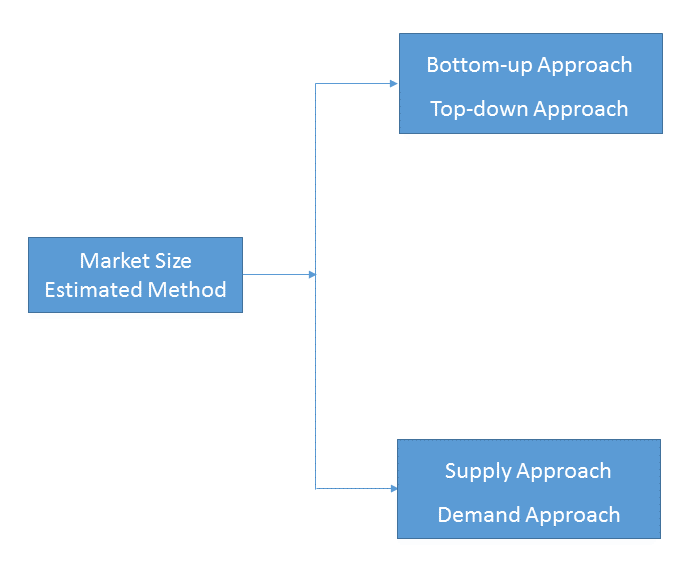
Bottom-up & top-down approach, supply & demand approach are the most important method which is used by HDIN Research to estimate the market size.
1)Top-down & Bottom-up Approach
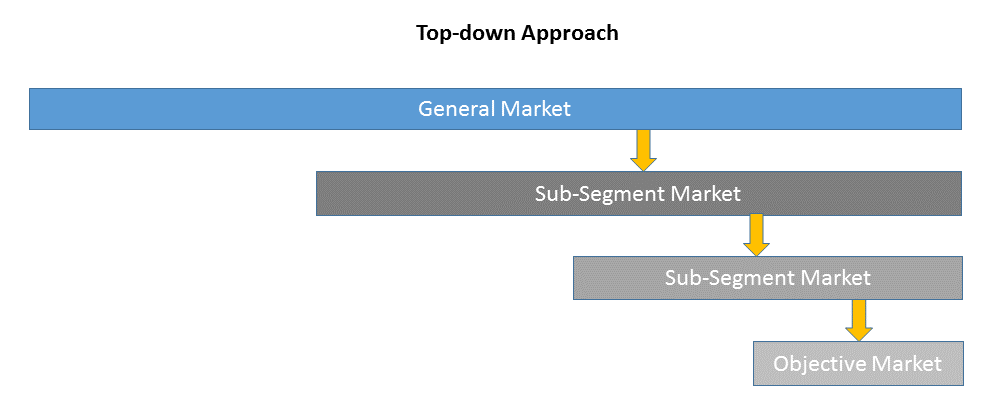
Top-down approach uses a general market size figure and determines the percentage that the objective market represents.
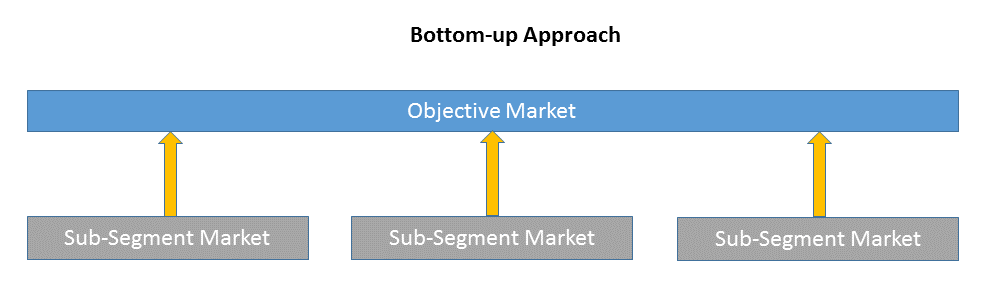
Bottom-up approach size the objective market by collecting the sub-segment information.
2)Supply & Demand Approach
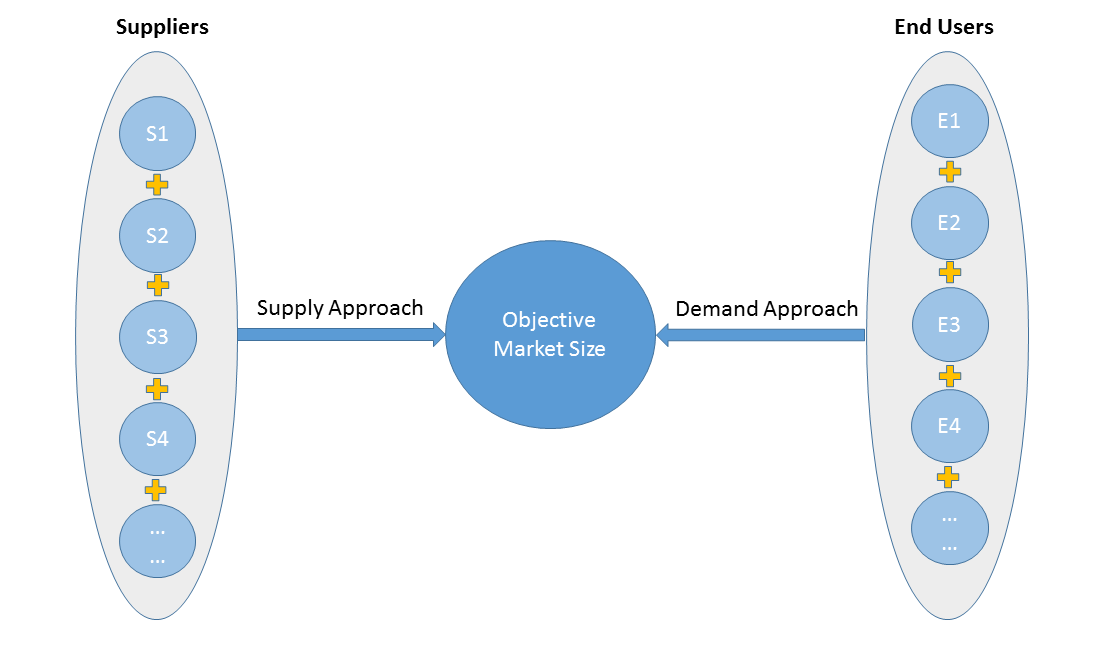
Supply approach is based on assessments of the size of each competitor supplying the objective market.
Demand approach combine end-user data within a market to estimate the objective market size. It is sometimes referred to as bottom-up approach.
- Forecasting Methodology
- Numerous factors impacting the market trend are considered for forecast model:
- New technology and application in the future;
- New project planned/under contraction;
- Global and regional underlying economic growth;
- Threatens of substitute products;
- Industry expert opinion;
- Policy and Society implication.
- Analysis Tools
1)PEST Analysis
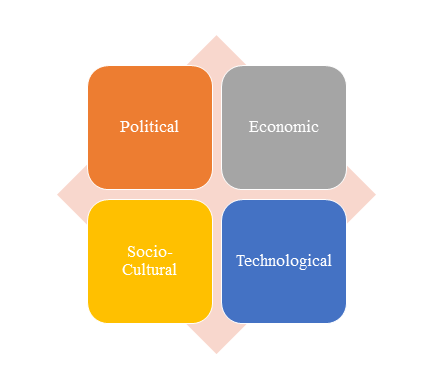
PEST Analysis is a simple and widely used tool that helps our client analyze the Political, Economic, Socio-Cultural, and Technological changes in their business environment.
- Benefits of a PEST analysis:
- It helps you to spot business opportunities, and it gives you advanced warning of significant threats.
- It reveals the direction of change within your business environment. This helps you shape what you’re doing, so that you work with change, rather than against it.
- It helps you avoid starting projects that are likely to fail, for reasons beyond your control.
- It can help you break free of unconscious assumptions when you enter a new country, region, or market; because it helps you develop an objective view of this new environment.
2)Porter’s Five Force Model Analysis
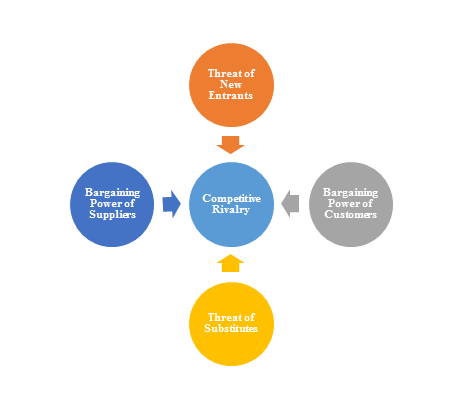
The Porter’s Five Force Model is a tool that can be used to analyze the opportunities and overall competitive advantage. The five forces that can assist in determining the competitive intensity and potential attractiveness within a specific area.
- Threat of New Entrants: Profitable industries that yield high returns will attract new firms.
- Threat of Substitutes: A substitute product uses a different technology to try to solve the same economic need.
- Bargaining Power of Customers: the ability of customers to put the firm under pressure, which also affects the customer's sensitivity to price changes.
- Bargaining Power of Suppliers: Suppliers of raw materials, components, labor, and services (such as expertise) to the firm can be a source of power over the firm when there are few substitutes.
- Competitive Rivalry: For most industries the intensity of competitive rivalry is the major determinant of the competitiveness of the industry.
3)Value Chain Analysis
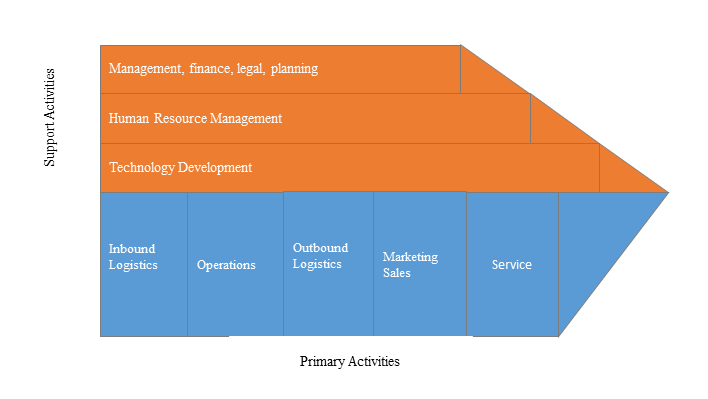
Value chain analysis is a tool to identify activities, within and around the firm and relating these activities to an assessment of competitive strength. Value chain can be analyzed by primary activities and supportive activities. Primary activities include: inbound logistics, operations, outbound logistics, marketing & sales, service. Support activities include: technology development, human resource management, management, finance, legal, planning.
4)SWOT Analysis
SWOT analysis is a tool used to evaluate a company's competitive position by identifying its strengths, weaknesses, opportunities and threats. The strengths and weakness is the inner factor; the opportunities and threats are the external factor. By analyzing the inner and external factors, the analysis can provide the detail information of the position of a player and the characteristics of the industry.
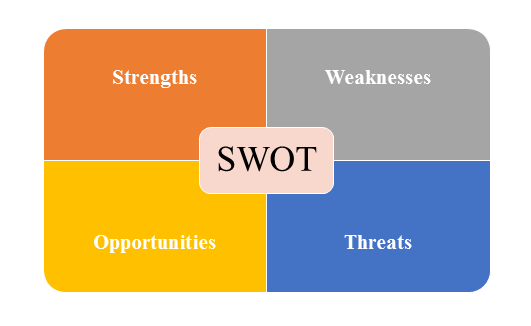
- Strengths describe what the player excels at and separates it from the competition
- Weaknesses stop the player from performing at its optimum level.
- Opportunities refer to favorable external factors that the player can use to give it a competitive advantage.
- Threats refer to factors that have the potential to harm the player.
- Data Sources
| Primary Sources | Secondary Sources |
|---|---|
| Face to face/Phone Interviews with market participants, such as: Manufactures; Distributors; End-users; Experts. Online Survey |
Government/International Organization Data: Annual Report/Presentation/Fact Book Internet Source Information Industry Association Data Free/Purchased Database Market Research Report Book/Journal/News |