Global Body Contouring Market Analysis: 2026-2031 Outlook
- Single User License (1 Users) $ 3,500
- Team License (2~5 Users) $ 4,500
- Corporate License (>5 Users) $ 5,500
The global body contouring market size is projected to reach between 58 billion and 68 billion USD in 2026, expanding at an anticipated compound annual growth rate of 8% to 12% through 2031. This expansion is governed by an unprecedented clinical catalyst: the mass commercial adoption of systemic glucagon-like peptide-1 (GLP-1) and glucose-dependent insulinotropic polypeptide (GIP) receptor agonists. While incretin mimetics induce rapid whole-body mass reduction, they fundamentally lack the biological mechanism to retract cutaneous tissue or selectively contour anatomical transitions, precipitating an acute downstream wave of dermal laxity, tissue deflation, and disproportionate residual adiposity. Consequently, hybrid clinical workflows will be the clinical trend. Equipment manufacturers and surgical networks are re-engineering portfolios to combine mechanical aspiration, internal fibroseptal network coagulation, acoustic and thermal non-invasive apoptosis, autologous structural fat transfer, and targeted biostimulation. Concurrently, device original equipment manufacturers (OEMs) are shifting their underlying financial models away from volatile, one-off capital workstation sales toward protected, high-margin recurring consumable architectures. While macroeconomic friction, elevated consumer borrowing costs, and geopolitical supply chain vulnerabilities present near-term operational headwinds, structural demand for post-weight-loss reconstruction and low-downtime lunchtime aesthetic interventions continues to secure long-term procedural expansion across both surgical practices and aesthetic clinics.
Taxonomy & Technological Modalities
The modern body contouring landscape spans three distinct clinical domains: invasive and minimally invasive surgical systems, non-invasive energy-based devices (EBDs), and complementary metabolic pharmacotherapy paired with biostimulatory agents.
1. Invasive & Minimally Invasive Surgical Systems
● Surgical Excisional Devices: Traditional excisional interventions such as abdominoplasty, brachioplasty, and thighplasty physically resect extensive cutaneous flaps and deep subcutaneous adipose deposits. While remaining the definitive standard of care for severe tissue redundancy following massive weight loss, excisional surgery carries extensive surgical trauma, long cicatricial scars, elevated thromboembolic and wound dehiscence risks, and prolonged convalescence under general anesthesia. To reduce operative morbidity, advanced electrosurgical generator consoles, including high-frequency helium plasma and radiofrequency systems, are increasingly utilized during tissue dissection to execute precise cutting and simultaneous hemostatic coagulation. Furthermore, minimally invasive micro-excisions, such as localized skin redraping under local tumescent anesthesia, are replacing traditional wide-undermining procedures in select patient cohorts.
● Laser-Assisted Lipoplasty (LAL): LAL delivers targeted optical energy into the subcutaneous fat layer via micro-cannulas housing sterile silica optical fibers. Specific laser wavelengths photocoagulate adipocyte membranes, liquefy intracellular triglycerides, and stimulate reticular dermal neocollagenesis while cauterizing microvasculature. This simultaneous photocoagulation suppresses intraoperative blood loss and postoperative ecchymosis. Corporate clinical filings indicate that while LAL provides efficient focal coagulation, emerging radiofrequency-assisted modalities demonstrate superior volumetric thermodynamic efficiency across expansive anatomical zones.
● Tumescent & Power-Driven Liposuction: Tumescent anesthesia eliminates general anesthesia and IV sedation risks by saturating targeted subcutaneous adipose compartments with high volumes of dilute lidocaine and epinephrine. Operating at scale, specialized procedural networks deploy pneumatic, needleless jet injection systems to achieve transdermal numbing, followed by 2 mm circular dermal punches that replace scalpel incisions. Specialized mechanical handpieces reciprocate or oscillate micro-cannulas at high frequencies, dislodging adipocytes along natural anatomical planes without tearing adjacent neurovascular or connective networks. This allows patients to remain awake throughout the intervention, lowers operative trauma, and shortens the typical recovery window to between 24 and 48 hours.
● Radiofrequency-Assisted Lipolysis (RFAL): RFAL utilizes closed-loop bipolar radiofrequency energy delivered between an internal sub-dermal cannula electrode and an external epidermal electrode. Operating under real-time temperature and impedance monitoring, internal subcutaneous adipose is heated to 50°C–70°C to induce directional adipocyte coagulation, vascular sealing, and liquefaction, while external epidermal temperatures are capped below 42°C. This closed-loop thermal profile triggers three-dimensional soft tissue contraction across the fibroseptal network, achieving double-digit skin surface retraction that bridges the historical gap between conventional liposuction and excisional surgery. Clinical developments in this segment include higher-power burst configurations and multi-depth cannula architectures engineered to treat deep structural fat and superficial subdermal laxity in a single pass.
● Ultrasound-Assisted Liposuction (UAL): UAL transmits high-frequency acoustic sound waves through titanium probe tips to generate transient acoustic cavitation. The micro-bubbles expand and collapse within tumescent fluid, selectively emulsifying fragile adipocyte clusters into a low-viscosity liquid while preserving fibrous septa, muscular fascia, and neurovascular bundles. This selective emulsification significantly minimizes surgeon physical exertion and patient postoperative ecchymosis. Modern platform engineering has shifted toward consolidating UAL cavitation, fluid infiltration, aspiration, and thermal soft tissue coagulation into unified, all-in-one workstations, reducing suite footprint and procedural turnover times.
● Suction-Assisted Lipoplasty (SAL) and Power-Assisted Lipoplasty (PAL): SAL remains the foundational aspiration mechanism for operative body shaping, utilizing vacuum pump pressure to extract loosened or emulsified adipose tissue through hollow rigid cannulas. In modern high-volume workflows, SAL is paired with PAL, which introduces pneumatically or electrically driven reciprocating motion at the cannula tip. Reciprocating speeds reaching thousands of cycles per minute fragment dense, fibrous adipose compartments, notably in secondary revision cases or male fibrous tissue, while preserving adipocyte structural integrity for sterile closed-loop collection and autologous structural fat grafting.
2. Non-Invasive Energy-Based Devices (EBD)
● Cryolipolysis: Based on the biological vulnerability of lipid-rich adipocytes to thermal crystallization, cryolipolysis delivers controlled transcutaneous extraction of heat via vacuum-assisted contact applicators. Sustained focal cooling induces selective adipocyte apoptosis while sparing overlying water-rich epidermal and neural structures. Apoptotic cells undergo macrophage-mediated phagocytosis and metabolic elimination through the lymphatic system over an 8 to 12-week timeframe. Advanced platform variants employ 360-degree surround-cooling cups and dual-applicator configurations to expand anatomical treatment zones per clinical session.
● Microwave Technology: Operating at selective frequencies of 2.45 GHz, specialized microwave platforms utilize differential dielectric tissue properties. Because the water-rich dermal layer retains low dielectric permittivity relative to the lipid-rich subcutaneous layer, approximately 80% of the electromagnetic microwave energy bypasses the superficial epidermis to focus hyperthermic absorption within deep subcutaneous fat. This hyperthermic focus induces simultaneous adipocyte death, solubilization of fibrous cellulite bands, and thermal contraction of dermal collagen fibrils. Recent engineering refinements include micro-applicators calibrated for thin subcutaneous compartments, such as submental laxity and localized facial fat.
● Laser Lipolysis (External / Non-Invasive): Non-invasive laser lipolysis deploys transcutaneous diode lasers, predominantly at 1060 nm, to elevate subcutaneous fat temperatures to sustained hyperthermic thresholds between 42°C and 47°C. Continuous surface contact sapphire cooling protects epidermal integrity while thermal energy disrupts adipocyte cellular membranes. Modern platform strategies combine these non-ablative hyperthermic sweeps with fractional ablative lasers, such as fractional carbon dioxide lasers, to treat superficial dermal texture and deep structural adiposity concurrently.
● High-Intensity Focused Ultrasound (HIFU): HIFU platforms emit micro-focused acoustic waves that traverse superficial dermal tissue without absorption, converging at precise focal depths within subcutaneous adipose tissue and the superficial muscular aponeurotic system (SMAS). At the focal zone, instantaneous acoustic energy creates thermal coagulation points reaching 65°C to 75°C, resulting in immediate coagulative necrosis of adipocytes and structural contraction of deep fascial collagen fibers, followed by sustained neocollagenesis.
● Radiofrequency (RF) Systems: RF platforms transmit high-frequency alternating electrical currents through tissue impedance, converting electrical energy into volumetric heat.
Monopolar RF: Channels electrical current from a single active treatment handpiece through deep tissue layers toward a distant dispersive return grounding pad. This architecture facilitates uniform, deep volumetric heating through the reticular dermis into fibrous subcutaneous septa, serving as a benchmark for skin tightening and structural collagen synthesis.
Bipolar and Hands-Free RF: Circulates current locally between paired electrodes integrated within a single housing, delivering controlled heating confined to superficial and mid-dermal targets. Hands-free configurations utilize algorithmic belt-affixed arrays with automated impedance tracking to sustain therapeutic skin surface temperatures across abdomen and thigh zones without requiring continuous manual operator manipulation.
Deep Subdermal Fractional RF Microneedling: Employs arrays of insulated or non-insulated micro-pins that physically penetrate the skin barrier to depths of 4 mm to 7 mm, discharging radiofrequency thermal energy directly into the subdermal adipose matrix and fibroseptal network. This modality achieves mechanical tissue subcision, adipocyte remodeling, and dermal matrix reorganization.
Vacuum-Assisted RF: Combines mechanical tissue acquisition via vacuum suction with RF pre-heating and ultra-short, high-voltage electroporation pulses, destabilizing adipocyte cellular membranes to achieve non-invasive circumference reduction and skin tightening.
● Electrical Muscle Stimulation (EMS) and High-Intensity Electromagnetic Fields: Moving beyond adipocyte elimination, functional body shaping incorporates neuromuscular stimulation. High-intensity electromagnetic fields or targeted electrical pulses depolarize motor neurons in deep muscle groups, provoking supramaximal contractions that cannot be duplicated through voluntary physical exercise. These supramaximal contractions force adaptive muscle architecture remodeling, characterized by myofibrillar hypertrophy and muscle fiber hyperplasia. The immense metabolic stress generated by these rapid contractions accelerates free fatty acid release, triggering localized catabolic lipid deflation. Leading multi-modality platforms now synchronize electromagnetic or electrical muscle activation with radiofrequency hyperthermia within a single applicator to execute simultaneous muscle hypertrophy and fat layer apoptosis.
● Mechanical Stimulation and Mechanobiology: Computerized, motor-driven mechanical massage systems deploy multi-directional motorized rollers, oscillating flaps, and pulsed suction to manipulate cutaneous and subcutaneous folds. This mechanotransduction stimulates vascular microcirculation, enhances lymphatic drainage, and applies targeted shear stress to stiffened fibrous septa, smoothing out cellulite dimpling. In interventional suites, mechanical subcision tools operate through tiny dermal access points to mechanically release rigid vertical fibrous septa across gluteal and femoral zones without applying thermal energy.
3. Complementary Pharmacotherapy & Biostimulatory Fillers
● GLP-1 and GIP Receptor Agonists: Systemic incretin mimetic therapies, specifically semaglutide and dual GIP/GLP-1 agonists like tirzepatide, alongside next-generation triple agonists like retatrutide, have fundamentally transformed medical weight management. These agents cross the blood-brain barrier to bind hypothalamic receptors, slowing gastric emptying, dampening appetite, and producing profound, multi-kilogram reductions in total body adipose mass. However, rapid massive weight loss routinely leaves patients with pronounced tissue deflation, severe structural skin laxity, and disproportionate residual fat pockets resistant to pharmacological intervention. This biological reality establishes a direct clinical handoff: incretin pharmacotherapies function as upstream volumetric debulking agents, funneling an expanding cohort of post-weight-loss patients into downstream aesthetic practices for energy-based skin tightening, surgical lifts, and body contouring.
● Dermal & Biostimulatory Injectables: Chemical biostimulators, such as poly-L-lactic acid and calcium hydroxylapatite, are increasingly injected into expanded body areas, including the buttocks, upper arms, abdomen, and thighs. Rather than functioning purely as temporary space-occupying synthetic fillers, these macro-particulate agents trigger a targeted sub-inflammatory foreign body reaction that recruits fibroblasts, depositing dense type I and type III collagen networks over several months. These biostimulatory agents are deployed in multi-modality treatment plans alongside energy devices and autologous structural fat transfers to address fine skin crinkling, cellulite depressions, and volume depletion following rapid pharmaceutical weight loss.
Regional Market Dynamics
● North America (United States & Canada)
North America commands the largest share of global market revenue. The United States market is defined by high procedure density, advanced direct-to-consumer digital marketing infrastructure, and rapid institutional adoption of novel surgical and non-invasive technologies. However, the region exhibits acute sensitivity to macroeconomic shifts, consumer debt loads, and high capital financing costs. Because aesthetic body contouring is almost exclusively an out-of-pocket elective expense, provider networks experienced procedural softness among entry-level demographics during 2024 and 2025. Surgical case expenditures in specialized networks average between 10,000 and 13,000 USD, driving a critical operational reliance on third-party consumer financing platforms. Procedural growth in North America is projected to stabilize within an interval of 7% to 10% annually through 2031, heavily supported by reconstructive demand following GLP-1 weight loss and a decisive clinical shift toward minimally invasive, awake lipoplasty protocols. In Canada, regulatory licensing expansions for advanced monopolar RF platforms have extended legal commercial penetration across regional dermatology and surgical practices.
● Asia-Pacific (APAC)
The Asia-Pacific region represents the fastest-growing market globally. Growth is underpinned by rising disposable incomes, expanding urban middle classes, low social stigma surrounding aesthetic interventions, and a rapidly expanding patient cohort in their 20s and 30s pursuing early preventative skin tightening and body toning.
Mainland China and Hong Kong: Mainland China represents a critical volume driver for non-invasive skin tightening and localized fat disruption. OEMs have accelerated regulatory registrations through the National Medical Products Administration (NMPA) to secure formal device licenses, followed by direct acquisitions of localized distribution networks to capture clinical demand. The market demonstrates high utilization rates for advanced non-invasive monopolar radiofrequency, submental lifting, and high-intensity focused ultrasound systems.
South Korea: Operating as both a massive domestic consumer market and a global R&D manufacturing hub, South Korea drives substantial global exports of competitive, high-performance HIFU, monopolar RF, and cryolipolysis platforms. South Korean device manufacturers compete aggressively across domestic and export markets, offering advanced engineering at lower capital costs than North American and European incumbents.
Taiwan, China: Functions as an established, technologically mature clinical market with high per-capita aesthetic procedure rates, serving as an important early-adoption testing environment for regional clinical protocols.
Southeast Asia: Countries including Thailand and Indonesia are expanding rapidly, supported by expanding domestic consumer demand and robust cross-border medical tourism ecosystems offering competitive surgical contouring packages.
● Europe
Europe maintains a mature market environment. Growth is anchored by Germany, the United Kingdom, France, Italy, and Spain. The European market exhibits high regulatory conservatism and rigorous clinical evidence thresholds, shaped by the complex transition to the European Union Medical Device Regulation (EU MDR). Clinically, European practitioners demonstrate high demand for non-invasive and minimally invasive energy systems that eliminate general anesthesia and extensive cicatricial scarring. The region is home to prominent laser, microwave, and mechanotherapy manufacturers, notably in Italy and France, which maintain strong footholds in selective microwave body shaping and computerized connective tissue manipulation platforms.
● South America
South America represents an exceptionally procedure-dense aesthetic environment.
Brazil: Brazil serves as the primary aesthetic anchor of the region, ranking among the world leaders in per-capita surgical body contouring and gluteal augmentation procedures. The Brazilian market is characterized by a high cultural acceptance of aesthetic surgery, highly skilled surgical societies, and progressive clinical adoption of energy-assisted liposuction and autologous fat transfer techniques. While recurring currency volatility and complex domestic regulatory clearance pathways (under ANVISA) present market hurdles, midstream manufacturers prioritize direct commercial entry and strategic local acquisitions in Brazil to bypass distributor layers and capture expanding procedural volumes.
● Middle East and Africa (MEA)
The MEA region is characterized by substantial regional variance. The primary growth engine resides within the Gulf Cooperation Council (GCC) nations, specifically Saudi Arabia, the United Arab Emirates, and Qatar. These markets feature high healthcare capital allocations, high per-capita disposable income, and luxury aesthetic clinics investing heavily in premier capital workstations. Clinical demand focuses on premium non-invasive skin tightening, high-definition surgical body sculpting, and facial-cervical contouring. Conversely, broader regional expansion remains partially constrained by geopolitical friction, localized economic instability, and disparate healthcare infrastructure outside the GCC perimeter.
Regulatory Frameworks and Industry Policy
The global body contouring device sector operates within an intricate, tightening regulatory matrix across major international jurisdictions.
● United States Food and Drug Administration (FDA)
Classification: Non-invasive and minimally invasive energy-based body shaping systems are generally regulated as Class II medical devices, requiring premarket notification under Section 510(k) to demonstrate substantial equivalence to established predicate platforms. Clearance cycles historically require between 3 and 12 months. Invasive structural implants or truly novel energy mechanisms without valid predicates are designated as Class III, necessitating rigorous, multi-year Premarket Approval (PMA) applications supported by prospective human clinical trials.
Workstation Multi-Modality Clearance: Regulatory strategies are focusing on consolidated workstation clearances. OEMs are expanding existing 510(k) clearances to unify disparate surgical modalities (e.g., combining fluid infiltration, ultrasound cavitation, closed-loop aspiration, electrosurgical coagulation, and helium plasma skin retraction) under single consolidated system submissions, followed by supplemental filings to incorporate power-assisted mechanical reciprocating liposuction.
Enforcement and Advertising Compliance: The FDA exercises rigorous oversight regarding current Good Manufacturing Practices (cGMP) under the Quality System Regulation (21 CFR Part 820), Medical Device Reporting (MDR) for adverse thermal and mechanical events, and prohibitions against off-label commercial promotion. Regulatory warnings and inquiry letters regularly target manufacturers promoting off-label tissue tightening or intracavitary claims without specific, vetted anatomical clearances.
● European Union Medical Device Regulation (EU MDR 2017/745)
Replacing the legacy Medical Devices Directive (MDD 93/42/EEC), the EU MDR framework has dramatically elevated clinical evidence thresholds for medical aesthetic systems. Under Annex XVI of the MDR, aesthetic and non-medical energy-based devices (including non-invasive fat-reducing and skin-tightening platforms) are explicitly brought under formal MDR scrutiny, requiring robust clinical evaluations, active post-market clinical follow-up (PMCF), and comprehensive technical documentation equivalent to medical therapies.
Because a global shortage of accredited Notified Bodies severely throttled certification throughput, the European Parliament enacted Regulation (EU) 2023/607, extending the transitional validity of legacy MDD certificates to December 31, 2028 (with select higher-risk Class III devices facing an earlier deadline of December 31, 2027). However, this extension applies only to manufacturers that have actively entered into formal MDR certification contracts, forcing OEMs to commit substantial regulatory and clinical capital to maintain commercial access to the European Single Market.
● United Kingdom: Post-Brexit Regulatory Architecture
Following withdrawal from the European Union, devices distributed in Great Britain must comply with the UK Medical Devices Regulations 2002. Manufacturers must secure UK Conformity Assessed (UKCA) markings overseen by the Medicines and Healthcare products Regulatory Agency (MHRA) and appoint an authorized UK Responsible Person, while Northern Ireland maintains alignment with EU MDR protocols.
● Medical Device Single Audit Program (MDSAP)
To streamline international regulatory compliance, multinational aesthetic manufacturers increasingly anchor their manufacturing facilities to MDSAP standards. A single MDSAP audit satisfies the medical device quality system standards of five major participating health authorities: the US FDA, Health Canada, Brazil's ANVISA, Japan's MHLW/PMDA, and Australia's TGA. Maintaining successful annual MDSAP audits without negative observations is critical for global device distribution without redundant multi-agency audits.
Company Profiles & Competitive Dossiers
1. Systemic Pharmacotherapy (Anti-Obesity & Incretin Mimetics)
● Novo Nordisk: Rapid vertical expansion into global metabolic therapeutics, utilizing its foundational protein engineering platform to commercialize high-dose semaglutide (Wegovy and Saxenda) across international obesity markets. Extensive global peptide manufacturing infrastructure, multi-billion-dollar fill-finish investments, and deep patent exclusivity across GLP-1 receptor agonist formulations. While fundamentally operating as a pharmaceutical developer, Novo Nordisk acts as a massive upstream volume creator for the aesthetic body contouring industry, generating millions of deflated, skin-lax post-weight-loss patients globally.
● Eli Lilly and Company: Transition toward multi-receptor incretin mimetics, pioneering dual GIP/GLP-1 receptor agonism with tirzepatide (Zepbound and Mounjaro) and advancing triple-agonist candidates (retatrutide) through late-stage clinical pipelines. Superior weight loss efficacy profiles demonstrating clinic-proven total body mass reductions exceeding 20%, paired with proprietary auto-injector device manufacturing and expansive direct-to-consumer digital telehealth ecosystems. Eli Lilly's therapies drive unprecedented volumetric reductions, intensifying consumer demand for corrective body lifting and autologous fat preservation.
2. Surgical & Minimally Invasive Body Contouring Technologies Players: MicroAire Surgical Instruments, Shanghai Kangnaixin Medical Technology Co. Ltd., AirSculpt Technologies Inc., Apyx Medical Corporation, InMode Ltd.
3. Non-Invasive Energy-Based Devices (EBDs) Players: Zeltiq Aesthetics / AbbVie (Allergan Aesthetics), Classys Inc., Sinclair, Zimmer MedizinSysteme GmbH, Cutera Inc., Bausch Health (Solta Medical), El.En. S.p.A., Lumenis Be Ltd., Candela Medical, Cynosure Lutronic, Erchonia Corporation, BTL Industries, Sisram Medical Ltd., Venus Concept Inc.
4. Mechanical & Connective Tissue Technologies (Mechanotherapy / Shockwave) Players: LPG Group.
Opportunities & Bottleneck Risks
The intersection of metabolic pharmaceuticals and physical body contouring presents an unprecedented strategic inflection point. Historically, industry observers hypothesized that the widespread adoption of highly efficacious GLP-1 weight loss medications would render mechanical fat removal and non-invasive lipolysis obsolete. Our research reveal the precise opposite: incretin therapies function as a massive, upstream volume expander for procedural aesthetics.
1. Structural Opportunities
● The GLP-1 Downstream Reconstruction Wave: Systemic pharmaceutical weight loss is physiologically non-targeted and rapid. While patients achieve significant total body mass reduction, the resulting rapid deflation leaves behind profound cutaneous laxity, superficial dermal redundancy, and persistent localized structural fat pads (such as submental, lower abdominal, and trochanteric deposits) that are biologically unresponsive to systemic hormonal signals. Because GLP-1 receptor agonists cannot synthesize structural collagen or tighten loose skin, downstream demand for surgical lifts, minimally invasive fibroseptal contracting platforms (RFAL, helium plasma), and non-invasive RF/HIFU skin tightening is projected to surge. Equipment manufacturers that secure formal regulatory clearances specifically indicated for post-bariatric or post-GLP-1 cutaneous laxity will capture a dominant position in this emerging multi-billion-dollar clinical funnel.
● The Autologous Fat Transfer Paradigm Shift: Consumer preferences are shifting decisively away from synthetic silicone and saline implants toward natural autologous fat grafting. Procedural volume for autologous structural fat transfer—specifically buttock enhancement, natural breast augmentation, and corrective structural filling of hollowed zones—continues to outpace synthetic alternatives. Workstation manufacturers that engineer closed-loop, sterile fat harvesting architectures into their body contouring consoles (combining atraumatic power-assisted aspiration with high cell-viability filtering) are positioned to capture high-margin consumable recurring revenue from plastic surgery practices capitalizing on this autologous pivot.
● The Consumable-First Financial Moat: From a corporate valuation perspective, capital equipment OEMs that successfully pivot to authenticated, high-margin consumable models command significant valuation premiums over pure hardware manufacturers. Single-use RFID-serialized treatment tips, disposable microneedle cartridges, and dedicated surgical handpieces decouple corporate financial performance from broader macroeconomic capital expenditure freezes. Clinics that have already deployed capital workstations must continually purchase proprietary disposables to satisfy patient procedural demand, shielding OEMs from broader economic volatility.
2. Critical Bottlenecks, Headwinds & Strategic Risks
● Single-Source Upstream Vulnerabilities and Geopolitical Fractures: The industry exhibits dangerous single-source supply chain vulnerabilities. Critical components—ranging from proprietary pneumatic handpieces manufactured by sole-source European engineering firms to specialized electronic generator subassemblies outsourced to facilities in Israel and Ningbo, China—leave major OEMs exposed to regional geopolitical disruption, international tariff realignments, and freight chokepoints. Diversifying Tier 1 subcontracting into localized, resilient manufacturing regions represents an urgent capital allocation mandate for midstream corporate leaders.
● Discretionary Affordability and High Financing Costs: Because body contouring remains almost entirely an elective, private-pay procedure unassisted by health insurance, clinical procedure volume correlates strongly with consumer disposable income and personal savings rates. Elevated macroeconomic interest rates impose a dual burden on the market: they inflate commercial equipment leasing and debt-financing costs for aesthetic practices delaying workstation upgrades, while simultaneously restricting consumer access to point-of-sale financing for surgical procedures averaging over 10,000 USD. Providers that lack flexible, in-house financing structures or lower-cost procedural tiers will face patient conversion friction during sustained macroeconomic contractions.
● Sterilization Mandates and Environmental Scrutiny: Surgical body contouring consumables face mounting operational bottlenecks surrounding commercial Ethylene Oxide (EtO) sterilization. With environmental and public health authorities increasing regulatory scrutiny over industrial EtO emissions, potential capacity contractions or operational closures of primary commercial EtO sterilization plants present an acute operational risk. Disruptions in EtO processing pipelines can halt distribution of sterile single-use surgical handpieces, cannulas, and fluid tubing sets, paralyzing provider procedural capacity. Capital must be deployed toward developing and validating alternative sterilization modalities, including low-temperature hydrogen peroxide gas plasma and targeted radiation, to protect disposable supply chains.
● Competitive Market Fragmentation and Clinical Misuse: The barrier to engineering basic transcutaneous heating or cooling devices remains relatively low, driving an influx of lower-cost, unvetted energy-based platforms, particularly from opportunistic manufacturers across regional export markets. This proliferation drives promotional price erosion among entry-level clinics and medical spas. Furthermore, because medical device OEMs sell high-power Class II consoles to clinical entities but lack supervisory authority over hands-on clinical technique, device operation by undertrained or unsupervised personnel in unregulated medspa settings introduces serious clinical liability risks. Thermal burns, severe skin necrosis, and permanent contour deformities resulting from improper energy administration expose brands to product liability litigation, regulatory crackdowns, and broader brand damage. Institutional winners will be defined by their ability to combine proprietary algorithmic safety shutoffs with accredited, comprehensive physician training academies.
1.1 Executive Summary and Scope Definition 1
1.2 Primary and Secondary Research Architectures 2
1.3 Bottom-Up and Top-Down Market Estimation Models 3
1.4 Key Economic, Demographic, and Technological Assumptions 4
1.5 Data Synthesis and Validation Engine 5
1.6 Standard Nomenclature and Acronym Directory 6
Chapter 2 Global Body Contouring Market Landscape and Macro-Dynamics 7
2.1 Global Aesthetic Market Convergence and Industry Transformation 7
2.2 Shift Toward Non-Invasive Paradigms and Surgical Synergies 8
2.3 The Incretin Revolution: GLP-1 Pharmacotherapy Impact on Adipose Remodeling 9
2.4 Demographic Evolutions and Post-Bariatric Demand Accretion 10
2.5 Global Market Sizing and Revenue Horizon (2021-2031) 11
2.6 Pricing Dynamics and Consumable Utilization Mechanics 12
Chapter 3 Body Contouring Value Chain and Sourcing Architecture 13
3.1 Upstream Componentry: Optoelectronics, Cryogenics, and RF Generators 13
3.2 Transducer, Ultrasonic Core, and Cannula Precision Machining 14
3.3 Active Pharmaceutical Ingredient (API) Synthesis and Peptide Formulation 15
3.4 Original Equipment Manufacturing (OEM) and Contract Assembly 16
3.5 Value Chain Margin Distribution and Profitability Hotspots 17
3.6 Downstream Distribution Ecosystem and Clinic Direct Procurement 18
Chapter 4 Global Trade Flows, Logistics, and Cross-Border Compliance 19
4.1 Global Trade Footprint of Energy-Based Aesthetic Consoles 19
4.2 Key Exporting Centers: United States, South Korea, Germany, and Israel 20
4.3 Key Importing Markets and Tariff Classification Codes 21
4.4 International Medical Device Regulatory Pathways: FDA 510(k), PMA, and EU MDR 22
4.5 Biopharmaceutical Regulatory Clearance and Off-Label Prescription Controls 23
4.6 Counterfeit Mitigation and Intellectual Property Border Protections 24
Chapter 5 Global Market Breakdown by Technology and Modality 25
5.1 Invasive and Minimally Invasive Surgical Systems 25
5.1.1 Surgical Excisional Devices 26
5.1.2 Laser-Assisted Lipoplasty (LAL) 27
5.1.3 Tumescent and Power-Driven Liposuction 28
5.1.4 Radiofrequency-Assisted Lipolysis (RFAL) 29
5.1.5 Ultrasound-Assisted Liposuction (UAL) 30
5.1.6 Suction-Assisted Lipoplasty (SAL) 31
5.1.7 Power-Assisted Lipoplasty (PAL) 32
5.2 Non-Invasive Energy-Based Devices 33
5.2.1 Cryolipolysis Systems 34
5.2.2 Microwave Technology Platforms 35
5.2.3 Laser Lipolysis Platforms 35
5.2.4 High-Intensity Focused Ultrasound (HIFU) Systems 35
5.2.5 Radiofrequency (RF) Skin Tightening and Fat Reduction 36
5.2.6 Electrical Muscle Stimulation (EMS) and Neuromuscular Activation 36
5.2.7 Mechanical Stimulation and Endermologie 36
5.3 Complementary Pharmacotherapy and Biostimulatory Injectables 36
5.3.1 GLP-1 Receptor Agonist Weight Loss Medications 36
5.3.2 Dermal and Biostimulatory Injectable Agents 36
Chapter 6 Global Market Breakdown by End-Use Setting and Target Anatomy 37
6.1 Hospitals and Ambulatory Surgical Centers (ASCs) 37
6.2 Specialized Cosmetic and Plastic Surgery Clinics 38
6.3 Medical Spas (MedSpas) and Aesthetic Centers 39
6.4 Body Contouring Sizing by Anatomical Site: Abdomen, Flanks, and Thighs 40
6.5 Submental, Arms, Buttocks, and Circumferential Applications 41
6.6 Patient Demographics and Gender-Specific Procedure Trajectories 42
6.7 Capital Equipment Replacement Cycles and Utilization Metrics 43
Chapter 7 North America Body Contouring Market Dynamics 44
7.1 Regional Architecture and Supply-Demand Realities 44
7.2 United States 45
7.3 Canada 49
Chapter 8 Europe Body Contouring Market Dynamics 51
8.1 Pan-European Aesthetic Regulation and EU MDR Ramifications 51
8.2 Germany: Precision Engineering Hub and Clinical Adoption 52
8.3 Italy: Design Leadership and Laser Lipoplasty Innovation 53
8.4 France: Aesthetic Medicine Preferences and Consumable Utilization 54
8.5 United Kingdom: Private Clinic Expansion and Non-Invasive Influx 55
8.6 Spain & Rest of Europe Market 56
Chapter 9 Asia-Pacific Body Contouring Market Dynamics 58
9.1 Macroeconomic Shifts and Aesthetic Consumer Sophistication 58
9.2 China: High-Growth Consumption Center and Domestic Substitution 59
9.3 South Korea: Innovation Epicenter, Export Matrix, and Clinical Protocols 61
9.4 Japan: Non-Invasive Preference and Aging Population Demand 62
9.5 Australia and India: Clinical Adoption Patterns and Out-of-Pocket Spend 63
Chapter 10 Latin America and Middle East & Africa Market Dynamics 65
10.1 Latin America Regional Growth Vectors and Procedural Volumes 65
10.2 Brazil: Global Plastic Surgery Epicenter and Device Consumption 66
10.3 Mexico and Colombia: Medical Tourism and Device Influx 67
10.4 Middle East Aesthetic Transformation and Disposable Income Impact 68
10.5 Saudi Arabia and United Arab Emirates: Premium Aesthetic Tech Adoption 69
Chapter 11 Global Competitive Landscape and Tier-1 Positioning Matrix 71
11.1 Competitive Positioning Matrix: Invasive vs. Non-Invasive vs. Pharma 71
11.2 Market Consolidation, Mergers, and Strategic Acquisitions (2021-2026) 72
11.3 Patent Landscape, White-Space Analysis, and Freedom-to-Operate 73
Chapter 12 Corporate Intelligence: Key Market Players 75
12.1 Novo Nordisk 75
12.1.1 Corporate Profile and Operational Footprint 75
12.1.2 Product Portfolio Analysis: Wegovy and Incretin Platforms 75
12.1.3 Strategic SWOT Matrix 76
12.1.4 Financial Performance: Revenue, Cost, and Gross Margin (2021-2026) 77
12.1.5 Market Share and Commercial Trajectory 78
12.2 Eli Lilly 79
12.2.1 Corporate Profile and Operational Footprint 79
12.2.2 Product Portfolio Analysis: Zepbound and Dual GIP/GLP-1 Platforms 79
12.2.3 Strategic SWOT Matrix 80
12.2.4 Financial Performance: Revenue, Cost, and Gross Margin (2021-2026) 81
12.2.5 Market Share and Commercial Trajectory 82
12.3 Zeltiq Aesthetics / AbbVie 83
12.3.1 Corporate Profile and Operational Footprint 83
12.3.2 Product Portfolio Analysis: CoolSculpting and CoolTone Platforms 83
12.3.3 Strategic SWOT Matrix 84
12.3.4 Financial Performance: Revenue, Cost, and Gross Margin (2021-2026) 85
12.3.5 Market Share and Commercial Trajectory 86
12.4 AirSculpt Technologies Inc. 87
12.4.1 Corporate Profile and Operational Footprint 87
12.4.2 Product Portfolio Analysis: Proprietary AirSculpt Methodology 87
12.4.3 Strategic SWOT Matrix 88
12.4.4 Financial Performance: Revenue, Cost, and Gross Margin (2021-2026) 89
12.4.5 Market Share and Commercial Trajectory 90
12.5 Apyx Medical Corp. 91
12.5.1 Corporate Profile and Operational Footprint 91
12.5.2 Product Portfolio Analysis: Renuvion and Helium Plasma Platforms 91
12.5.3 Strategic SWOT Matrix 92
12.5.4 Financial Performance: Revenue, Cost, and Gross Margin (2021-2026) 93
12.5.5 Market Share and Commercial Trajectory 94
12.6 InMode 95
12.6.1 Corporate Profile and Operational Footprint 95
12.6.2 Product Portfolio Analysis: BodyTite, Morpheus8, and EvolveX 95
12.6.3 Strategic SWOT Matrix 96
12.6.4 Financial Performance: Revenue, Cost, and Gross Margin (2021-2026) 97
12.6.5 Market Share and Commercial Trajectory 98
12.7 Bausch Health 99
12.7.1 Corporate Profile and Operational Footprint 99
12.7.2 Product Portfolio Analysis: Solta Medical and Liposonix Systems 99
12.7.3 Strategic SWOT Matrix 100
12.7.4 Financial Performance: Revenue, Cost, and Gross Margin (2021-2026) 101
12.7.5 Market Share and Commercial Trajectory 102
12.8 El.En. 103
12.8.1 Corporate Profile and Operational Footprint 103
12.8.2 Product Portfolio Analysis: Onda Microwave and Smartlipo Laser 103
12.8.3 Strategic SWOT Matrix 104
12.8.4 Financial Performance: Revenue, Cost, and Gross Margin (2021-2026) 105
12.8.5 Market Share and Commercial Trajectory 106
12.9 Classys Inc. 107
12.9.1 Corporate Profile and Operational Footprint 107
12.9.2 Product Portfolio Analysis: Ultraformer and Scizer HIFU Platforms 107
12.9.3 Strategic SWOT Matrix 108
12.9.4 Financial Performance: Revenue, Cost, and Gross Margin (2021-2026) 109
12.9.5 Market Share and Commercial Trajectory 110
12.10 Sisram Medical 111
12.10.1 Corporate Profile and Operational Footprint 111
12.10.2 Product Portfolio Analysis: Accent Prime and BeautiFill 111
12.10.3 Strategic SWOT Matrix 112
12.10.4 Financial Performance: Revenue, Cost, and Gross Margin (2021-2026) 113
12.10.5 Market Share and Commercial Trajectory 114
12.11 Cutera 115
12.11.1 Corporate Profile and Operational Footprint 115
12.11.2 Product Portfolio Analysis: truSculpt iD and truSculpt flex Systems 115
12.11.3 Strategic SWOT Matrix 116
12.11.4 Financial Performance: Revenue, Cost, and Gross Margin (2021-2026) 117
12.11.5 Market Share and Commercial Trajectory 118
12.12 Candela Medical 119
12.12.1 Corporate Profile and Operational Footprint 119
12.12.2 Product Portfolio Analysis: VelaShape and Profound Platforms 119
12.12.3 Strategic SWOT Matrix 120
12.12.4 Financial Performance: Revenue, Cost, and Gross Margin (2021-2026) 121
12.12.5 Market Share and Commercial Trajectory 122
12.13 Venus Concept Inc. 123
12.13.1 Corporate Profile and Operational Footprint 123
12.13.2 Product Portfolio Analysis: Venus Legacy and Venus Bliss Systems 123
12.13.3 Strategic SWOT Matrix 124
12.13.4 Financial Performance: Revenue, Cost, and Gross Margin (2021-2026) 125
12.13.5 Market Share and Commercial Trajectory 126
12.14 Lumenis Be Ltd 127
12.14.1 Corporate Profile and Operational Footprint 127
12.14.2 Product Portfolio Analysis: Legend Pro and NuEra Tight Platforms 127
12.14.3 Strategic SWOT Matrix 128
12.14.4 Financial Performance: Revenue, Cost, and Gross Margin (2021-2026) 129
12.14.5 Market Share and Commercial Trajectory 130
12.15 Cynosure Lutronic 131
12.15.1 Corporate Profile and Operational Footprint 131
12.15.2 Product Portfolio Analysis: SculpSure, StimSure, and AccuFit 131
12.15.3 Strategic SWOT Matrix 132
12.15.4 Financial Performance: Revenue, Cost, and Gross Margin (2021-2026) 133
12.15.5 Market Share and Commercial Trajectory 134
12.16 Erchonia Corporation 135
12.16.1 Corporate Profile and Operational Footprint 135
12.16.2 Product Portfolio Analysis: Emerald Laser and Low-Level Laser Lines 135
12.16.3 Strategic SWOT Matrix 136
12.16.4 Financial Performance: Revenue, Cost, and Gross Margin (2021-2026) 137
12.16.5 Market Share and Commercial Trajectory 138
12.17 Alma Lasers Ltd 139
12.17.1 Corporate Profile and Operational Footprint 139
12.17.2 Product Portfolio Analysis: Alma PrimeX and Alma Duo Systems 139
12.17.3 Strategic SWOT Matrix 140
12.17.4 Financial Performance: Revenue, Cost, and Gross Margin (2021-2026) 141
12.17.5 Market Share and Commercial Trajectory 142
12.18 Shanghai Kangnaixin Medical Technology Co. Ltd. 143
12.18.1 Corporate Profile and Operational Footprint 143
12.18.2 Product Portfolio Analysis: Liposuction and Fat Grafting Equipment 143
12.18.3 Strategic SWOT Matrix 144
12.18.4 Financial Performance: Revenue, Cost, and Gross Margin (2021-2026) 145
12.18.5 Market Share and Commercial Trajectory 146
12.19 MicroAire Surgical 147
12.19.1 Corporate Profile and Operational Footprint 147
12.19.2 Product Portfolio Analysis: PAL Power-Assisted Liposuction System 147
12.19.3 Strategic SWOT Matrix 148
12.19.4 Financial Performance: Revenue, Cost, and Gross Margin (2021-2026) 149
12.19.5 Market Share and Commercial Trajectory 150
12.20 BTL Industries 151
12.20.1 Corporate Profile and Operational Footprint 151
12.20.2 Product Portfolio Analysis: Emsculpt Neo and Exilis Ultra Platforms 151
12.20.3 Strategic SWOT Matrix 152
12.20.4 Financial Performance: Revenue, Cost, and Gross Margin (2021-2026) 153
12.20.5 Market Share and Commercial Trajectory 154
12.21 Zimmer MedizinSysteme GmbH 155
12.21.1 Corporate Profile and Operational Footprint 155
12.21.2 Product Portfolio Analysis: Z Lipo, Z Wave, and Cryotherapy Devices 155
12.21.3 Strategic SWOT Matrix 156
12.21.4 Financial Performance: Revenue, Cost, and Gross Margin (2021-2026) 157
12.21.5 Market Share and Commercial Trajectory 158
12.22 Sinclair 159
12.22.1 Corporate Profile and Operational Footprint 159
12.22.2 Product Portfolio Analysis: Viora Platforms and Lanluma Fillers 159
12.22.3 Strategic SWOT Matrix 160
12.22.4 Financial Performance: Revenue, Cost, and Gross Margin (2021-2026) 161
12.22.5 Market Share and Commercial Trajectory 162
12.23 LPG Group 163
12.23.1 Corporate Profile and Operational Footprint 163
12.23.2 Product Portfolio Analysis: Cellu M6 Alliance and Endermologie 163
12.23.3 Strategic SWOT Matrix 164
12.23.4 Financial Performance: Revenue, Cost, and Gross Margin (2021-2026) 165
12.23.5 Market Share and Commercial Trajectory 166
Table 2 Body Contouring Value Chain Gross Profit Margin Distribution by Stage 17
Table 3 Global Export Volume of Energy-Based Aesthetic Consoles by Country (2021-2026) 20
Table 4 Global Import Value of Aesthetic Body Contouring Platforms by Country (2021-2026) 21
Table 5 Global Body Contouring Market Revenue by Technology Category (2021-2031) 25
Table 6 Global Invasive and Minimally Invasive Surgical Systems Market Revenue by Modality (2021-2031) 26
Table 7 Global Non-Invasive Energy-Based Devices Market Revenue by Modality (2021-2031) 33
Table 8 Global Complementary Pharmacotherapy and Injectables Market Revenue by Modality (2021-2031) 36
Table 9 Global Body Contouring Market Revenue by End-Use Facility Setting (2021-2031) 37
Table 10 Global Body Contouring Market Revenue by Target Anatomical Area (2021-2031) 40
Table 11 North America Body Contouring Market Revenue by Country (2021-2031) 44
Table 12 United States Body Contouring Market Revenue by Technology Segment (2021-2031) 46
Table 13 Europe Body Contouring Market Revenue by Country (2021-2031) 51
Table 14 Asia-Pacific Body Contouring Market Revenue by Country (2021-2031) 58
Table 15 Latin America, Middle East and Africa Body Contouring Market Revenue by Country (2021-2031) 65
Table 16 Global Body Contouring Tier-1 Vendor Market Share Matrix (2021-2026) 71
Table 17 Novo Nordisk Body Contouring Revenue, Cost and Gross Margin (2021-2026) 77
Table 18 Eli Lilly Body Contouring Revenue, Cost and Gross Margin (2021-2026) 81
Table 19 Zeltiq Aesthetics/AbbVie Body Contouring Revenue, Cost and Gross Margin (2021-2026) 85
Table 20 AirSculpt Technologies Inc. Body Contouring Revenue, Cost and Gross Margin (2021-2026) 89
Table 21 Apyx Medical Corp. Body Contouring Revenue, Cost and Gross Margin (2021-2026) 93
Table 22 InMode Body Contouring Revenue, Cost and Gross Margin (2021-2026) 97
Table 23 Bausch Health Body Contouring Revenue, Cost and Gross Margin (2021-2026) 101
Table 24 El.En. Body Contouring Revenue, Cost and Gross Margin (2021-2026) 105
Table 25 Classys Inc. Body Contouring Revenue, Cost and Gross Margin (2021-2026) 109
Table 26 Sisram Medical Body Contouring Revenue, Cost and Gross Margin (2021-2026) 113
Table 27 Cutera Body Contouring Revenue, Cost and Gross Margin (2021-2026) 117
Table 28 Candela Medical Body Contouring Revenue, Cost and Gross Margin (2021-2026) 121
Table 29 Venus Concept Inc. Body Contouring Revenue, Cost and Gross Margin (2021-2026) 125
Table 30 Lumenis Be Ltd Body Contouring Revenue, Cost and Gross Margin (2021-2026) 129
Table 31 Cynosure Lutronic Body Contouring Revenue, Cost and Gross Margin (2021-2026) 133
Table 32 Erchonia Corporation Body Contouring Revenue, Cost and Gross Margin (2021-2026) 137
Table 33 Alma Lasers Ltd Body Contouring Revenue, Cost and Gross Margin (2021-2026) 141
Table 34 Shanghai Kangnaixin Medical Technology Co. Ltd. Body Contouring Revenue, Cost and Gross Margin (2021-2026) 145
Table 35 MicroAire Surgical Body Contouring Revenue, Cost and Gross Margin (2021-2026) 149
Table 36 BTL Industries Body Contouring Revenue, Cost and Gross Margin (2021-2026) 153
Table 37 Zimmer MedizinSysteme GmbH Body Contouring Revenue, Cost and Gross Margin (2021-2026) 157
Table 38 Sinclair Body Contouring Revenue, Cost and Gross Margin (2021-2026) 161
Table 39 LPG Group Body Contouring Revenue, Cost and Gross Margin (2021-2026) 165
Figure 1 Research Process Flow and Triangulation Architecture 3
Figure 2 Global Body Contouring Market Valuation and Annual Growth (2021-2031) 11
Figure 3 End-to-End Value Chain Map: Aesthetic Systems and Biopharma 13
Figure 4 Global Trade Matrix and Supply Route Corridors for Aesthetic Platforms 19
Figure 5 Technology Share Comparison: Invasive, Non-Invasive, and Incretin Therapies (2021-2031) 25
Figure 6 Non-Invasive Energy-Based Modality Revenue Distribution (2026) 34
Figure 7 Global End-Use Facility Share: Clinics vs. Hospitals vs. MedSpas (2021-2031) 37
Figure 8 Regional Revenue Contribution Comparison: 2021, 2026, and 2031 44
Figure 9 United States Body Contouring Modality Shift Dynamics (2021-2031) 45
Figure 10 Europe Regional Body Contouring Market Revenue Distribution (2026) 51
Figure 11 Asia-Pacific Country Growth Rate vs. Market Scale Matrix (2021-2031) 58
Figure 12 Latin America and Middle East Regional Growth Contours 65
Figure 13 Tier-1 Body Contouring Competitive Quadrant (2026) 71
Figure 14 Novo Nordisk Body Contouring Market Share (2021-2026) 78
Figure 15 Eli Lilly Body Contouring Market Share (2021-2026) 82
Figure 16 Zeltiq Aesthetics/AbbVie Body Contouring Market Share (2021-2026) 86
Figure 17 AirSculpt Technologies Inc. Body Contouring Market Share (2021-2026) 90
Figure 18 Apyx Medical Corp. Body Contouring Market Share (2021-2026) 94
Figure 19 InMode Body Contouring Market Share (2021-2026) 98
Figure 20 Bausch Health Body Contouring Market Share (2021-2026) 102
Figure 21 El.En. Body Contouring Market Share (2021-2026) 106
Figure 22 Classys Inc. Body Contouring Market Share (2021-2026) 110
Figure 23 Sisram Medical Body Contouring Market Share (2021-2026) 114
Figure 24 Cutera Body Contouring Market Share (2021-2026) 118
Figure 25 Candela Medical Body Contouring Market Share (2021-2026) 122
Figure 26 Venus Concept Inc. Body Contouring Market Share (2021-2026) 126
Figure 27 Lumenis Be Ltd Body Contouring Market Share (2021-2026) 130
Figure 28 Cynosure Lutronic Body Contouring Market Share (2021-2026) 134
Figure 29 Erchonia Corporation Body Contouring Market Share (2021-2026) 138
Figure 30 Alma Lasers Ltd Body Contouring Market Share (2021-2026) 142
Figure 31 Shanghai Kangnaixin Medical Technology Co. Ltd. Body Contouring Market Share (2021-2026) 146
Figure 32 MicroAire Surgical Body Contouring Market Share (2021-2026) 150
Figure 33 BTL Industries Body Contouring Market Share (2021-2026) 154
Figure 34 Zimmer MedizinSysteme GmbH Body Contouring Market Share (2021-2026) 158
Figure 35 Sinclair Body Contouring Market Share (2021-2026) 162
Figure 36 LPG Group Body Contouring Market Share (2021-2026) 166
Research Methodology
- Market Estimated Methodology:
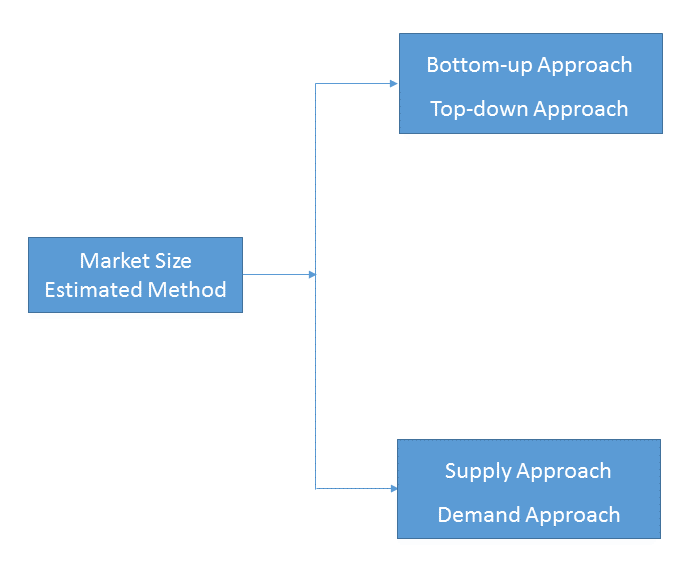
Bottom-up & top-down approach, supply & demand approach are the most important method which is used by HDIN Research to estimate the market size.
1)Top-down & Bottom-up Approach
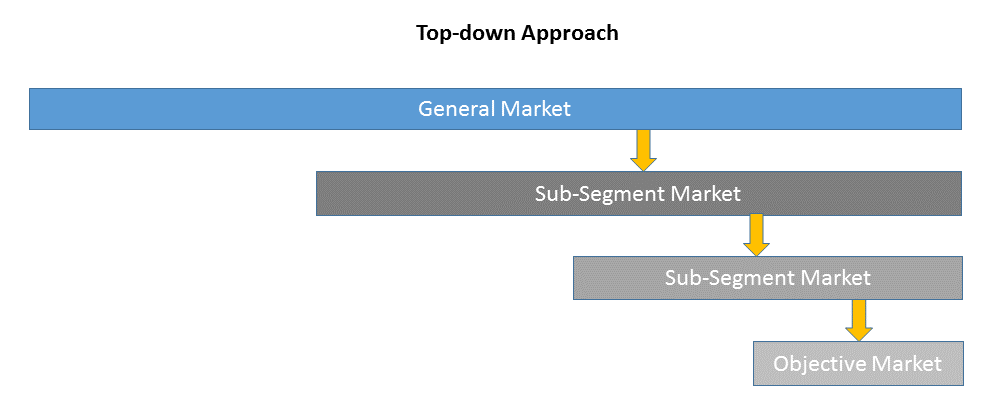
Top-down approach uses a general market size figure and determines the percentage that the objective market represents.
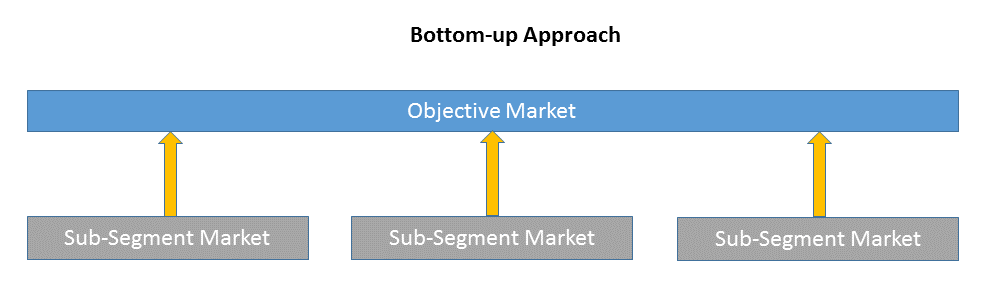
Bottom-up approach size the objective market by collecting the sub-segment information.
2)Supply & Demand Approach
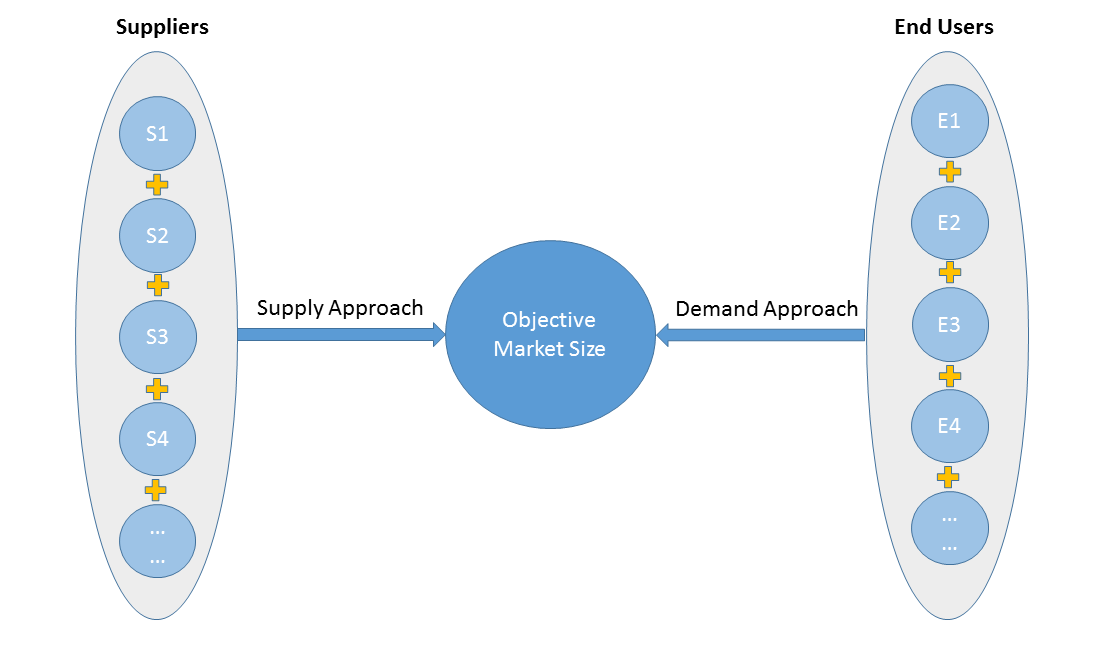
Supply approach is based on assessments of the size of each competitor supplying the objective market.
Demand approach combine end-user data within a market to estimate the objective market size. It is sometimes referred to as bottom-up approach.
- Forecasting Methodology
- Numerous factors impacting the market trend are considered for forecast model:
- New technology and application in the future;
- New project planned/under contraction;
- Global and regional underlying economic growth;
- Threatens of substitute products;
- Industry expert opinion;
- Policy and Society implication.
- Analysis Tools
1)PEST Analysis
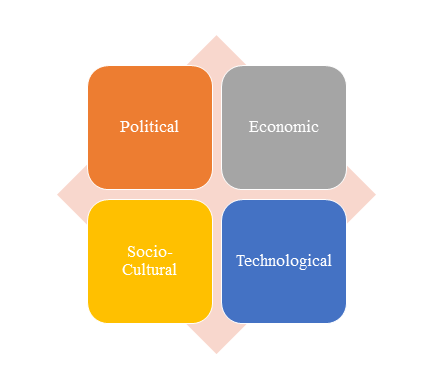
PEST Analysis is a simple and widely used tool that helps our client analyze the Political, Economic, Socio-Cultural, and Technological changes in their business environment.
- Benefits of a PEST analysis:
- It helps you to spot business opportunities, and it gives you advanced warning of significant threats.
- It reveals the direction of change within your business environment. This helps you shape what you’re doing, so that you work with change, rather than against it.
- It helps you avoid starting projects that are likely to fail, for reasons beyond your control.
- It can help you break free of unconscious assumptions when you enter a new country, region, or market; because it helps you develop an objective view of this new environment.
2)Porter’s Five Force Model Analysis
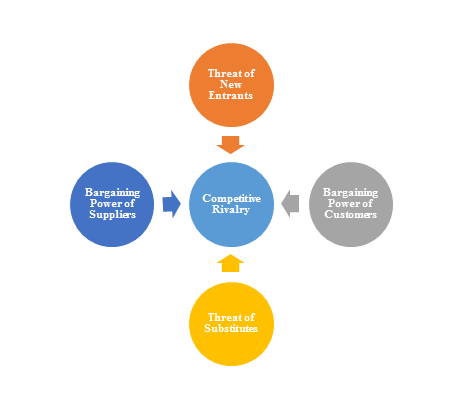
The Porter’s Five Force Model is a tool that can be used to analyze the opportunities and overall competitive advantage. The five forces that can assist in determining the competitive intensity and potential attractiveness within a specific area.
- Threat of New Entrants: Profitable industries that yield high returns will attract new firms.
- Threat of Substitutes: A substitute product uses a different technology to try to solve the same economic need.
- Bargaining Power of Customers: the ability of customers to put the firm under pressure, which also affects the customer's sensitivity to price changes.
- Bargaining Power of Suppliers: Suppliers of raw materials, components, labor, and services (such as expertise) to the firm can be a source of power over the firm when there are few substitutes.
- Competitive Rivalry: For most industries the intensity of competitive rivalry is the major determinant of the competitiveness of the industry.
3)Value Chain Analysis
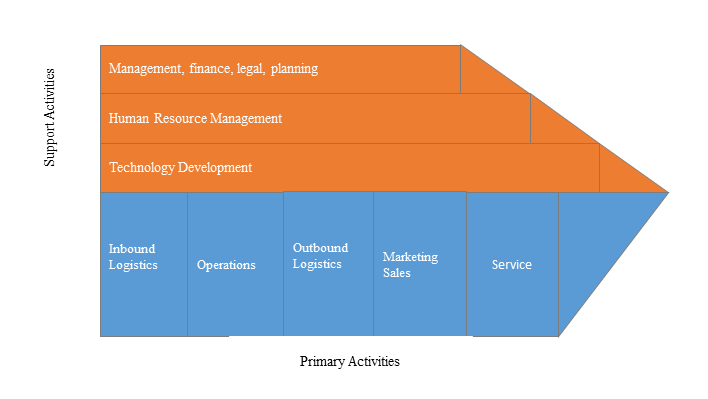
Value chain analysis is a tool to identify activities, within and around the firm and relating these activities to an assessment of competitive strength. Value chain can be analyzed by primary activities and supportive activities. Primary activities include: inbound logistics, operations, outbound logistics, marketing & sales, service. Support activities include: technology development, human resource management, management, finance, legal, planning.
4)SWOT Analysis
SWOT analysis is a tool used to evaluate a company's competitive position by identifying its strengths, weaknesses, opportunities and threats. The strengths and weakness is the inner factor; the opportunities and threats are the external factor. By analyzing the inner and external factors, the analysis can provide the detail information of the position of a player and the characteristics of the industry.
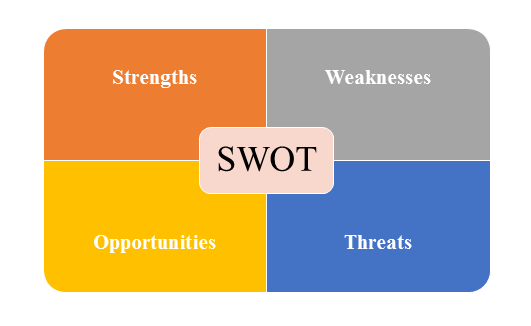
- Strengths describe what the player excels at and separates it from the competition
- Weaknesses stop the player from performing at its optimum level.
- Opportunities refer to favorable external factors that the player can use to give it a competitive advantage.
- Threats refer to factors that have the potential to harm the player.
- Data Sources
| Primary Sources | Secondary Sources |
|---|---|
| Face to face/Phone Interviews with market participants, such as: Manufactures; Distributors; End-users; Experts. Online Survey |
Government/International Organization Data: Annual Report/Presentation/Fact Book Internet Source Information Industry Association Data Free/Purchased Database Market Research Report Book/Journal/News |