Rail Fastening System Market Analysis & Forecast 2026-2031
- Single User License (1 Users) $ 3,500
- Team License (2~5 Users) $ 4,500
- Corporate License (>5 Users) $ 5,500
The global rail fastening system market size is estimated between 2.0 billion USD and 2.8 billion USD with a compound annual growth rate (CAGR) within the range of 3.5% to 5.5% through 2031. The market is driven by major network modernization, sovereign decarbonization commitments, and track topology migrations. As the safety-critical mechanical link connecting running rails to concrete ties or ballastless slabs, these assemblies must ensure millimeter-precise gauge retention, thermal stress distribution, dynamic vibration damping, and electrical signal insulation. Market momentum is bifurcated: advanced economies in Western Europe and North America operate largely in an asset-renewal and high-margin overhaul cycle, whereas developing transit corridors across China, Southeast Asia, North Africa, and the Middle East continue to drive high-volume original equipment manufacturer (OEM) procurement. Capital intensity, proprietary metallurgic formulations, and multi-year safety accreditation requirements reinforce an oligopolistic competitive moat, protecting incumbent tier-one integrators from generic fastener commoditization.
Regional Market Dynamics
● North America
The North American market is shaped fundamentally by private Class I freight operators, including Union Pacific, BNSF, CSX, Norfolk Southern, Canadian National, and Canadian Pacific Kansas City. These networks operate under extreme axle loads reaching 35 to 39 metric tons. The operating environment requires fastening architectures that provide high toe clamping force (often exceeding 12 kN) and wear resistance to counteract severe dynamic lateral thrust and dynamic gauge widening. In the passenger transit sphere, public agency procurements rely heavily on Buy America regulatory structures, compelling foreign suppliers to establish domestic manufacturing footprints. Deliveries in Mexico contracted following peak volumes for the Tren Maya project, while Canadian activity remains centered on ongoing maintenance contracts across timber and concrete tie networks.
● Asia-Pacific
Asia-Pacific remains the primary volume hub for rail fastening components, driven by mainland China's comprehensive network buildouts. By the end of 2025, China's high-speed rail network surpassed 50,000 route-kilometers, with ongoing projects expanding regional and intercity connectivity toward the national 2030 target of 60,000 kilometers. Municipal metro lines across Tier 1 and Tier 2 cities continue to deploy advanced vibration-damping assemblies. In Japan, demand is dictated by dense Shinkansen and commuter operations managed by the Japan Railway (JR) Group, private railway corporations, and municipal subways. This market is characterized by strict domestic supplier ecosystems and high-volume overhaul cycles. In Southeast Asia, major regional transit projects, including the East Coast Rail Link (ECRL) in Malaysia and high-speed links in Thailand, continue to generate baseline component orders. In Taiwan, China, Chun Yu Works supplies specialized track fastening components and safety-critical hardware to the Taiwan High Speed Rail and Kaohsiung Metro networks. In India, aggressive track electrification, Dedicated Freight Corridor commissioning, and network modernization support strong demand fundamentals.
● Europe
The European railway superstructure landscape is driven by the European Green Deal, Trans-European Transport Network (TEN-T) regulatory mandates, and domestic network modernization initiatives. High electrification rates and heavy network utilization have pushed core transport corridors into sustained maintenance cycles. In Germany, DB InfraGO is deploying substantial capital programs to execute comprehensive general renovations on core trunk lines such as the Riedbahn and the Hamburg-Berlin corridor. These operations require full superstructure replacements within tightly compressed track possession windows. Across cross-border routes, major engineering megaprojects require ballastless slab fasteners capable of wide vertical and lateral adjustments, including the Rail Baltica corridor, HS2 Phase 1 in the United Kingdom, the Fehmarnbelt Fixed Link, and deep alpine crossings such as the Brenner Base Tunnel and the Lyon-Turin high-speed link.
● South America
South America represents an infrastructure market driven by specialized mining, bulk agricultural freight corridors, and urban passenger transit systems in metropolitan hubs such as São Paulo, Santiago, and Buenos Aires. Operational environments demand heavy-haul ballasted track fastening systems capable of withstanding abrasive commodity transport and high axle weights. Greenfield project financing remains dependent on resource pricing and regional concession models.
● Middle East and Africa (MEA)
The MEA territory represents a rapidly emerging frontier for greenfield rail superstructures. North African investment programs are highlighted by the expansion of Morocco’s high-speed line between Kenitra, Casablanca, and Marrakesh, alongside Egypt’s construction of its green electrified high-speed rail corridor connecting the Red Sea and the Mediterranean. In Algeria, major industrial logistics investments include the 575-kilometer Western Mining Railway connecting Gara Djebilet to Béchar. Sub-Saharan activity is punctuated by resource evacuation corridors, such as the Simandou iron ore export railway project in Guinea, which requires heavy-haul ballastless and ballasted fastening solutions.
Supply Chain and Value Chain Architecture
The rail fastening system value chain exhibits high technical specificity, vertical integration, and stringent regulatory compliance spanning raw material transformation to downstream installation.
● Upstream Value Chain: Raw Materials and Metallurgy
Direct raw materials constitute between 67% and 70% of gross manufacturing costs for rail fastening components. The primary inputs include:
- Special alloy spring steels (such as 60Si2Mn and 60Si2Cr), delivered as hot-rolled wire rods for tension clamp fabrication. These alloys require specific chemical purity to maximize yield strength and prevent premature hydrogen embrittlement.
- Ductile cast iron (such as QT500-7 grade), used to pour heavy-duty baseplates, tie plates, and embedded sleeper shoulders designed to distribute lateral dynamic shock loads.
- Engineered polymers, notably high-viscosity Polyamide 66 (PA66) reinforced with short or long glass fibers, alongside high-density polyethylene (HDPE), utilized in injection molding operations for insulated gauge blocks, dowels, and angle plates.
- High-performance elastomers, including natural rubber, ethylene propylene diene monomer (EPDM), microcellular thermoplastic polyurethane (TPU), and microcellular polyurethane (PUR) formulations for rail and baseplate damping pads.
● Midstream Value Chain: Component Engineering and System Integration
Midstream manufacturing is split between system integrators holding comprehensive product type-approvals and independent specialized component suppliers:
- Tension clamp manufacturing demands continuous automated production architectures, including induction rod heating, computerized multi-axis bending, continuous walking-beam oil quenching, and precision tempering to establish cyclic fatigue endurance exceeding five million load cycles.
- Precision anchor bolt and coach screw production utilizes automated multi-station cold heading, precision thread rolling, and specialized anti-corrosion surface treatments, such as automated powder zinc sherardizing and chromate-free passivation, to achieve multi-thousand-hour salt spray endurance.
- Polymer and elastomeric component production utilizes closed-loop injection molding alongside precision vulcanization and microcellular foaming. Leading integrators utilize automated computer-vision dimensional inspection systems and dynamic mechanical test rigs (20 Hz to 1000 Hz) to verify dynamic-to-static stiffness parameters before system dispatch.
● Downstream Value Chain: Asset Owners, EPCs, and System Overhaul
Finished fastening assemblies are delivered directly to state-owned rail entities, regional transit authorities, turn-key civil EPC contractors, or specialized sleeper manufacturing yards:
- In ballastless track deployment, civil contractors embed fastening components, such as plastic dowels and anchor assemblies, directly into precast concrete track slabs (e.g., CRTS III systems) or sleeper blocks at automated prefabrication facilities.
- For ballasted track, components are shipped to sleeper fabrication plants for partial pre-assembly into prestressed concrete ties or directly to track renewal railheads for automated continuous-track-laying trains.
- Operational maintenance units and track bureaus manage aftermarket replacements, procuring individual replacement components or complete system overhaul kits to restore toe loads and rail cant geometries.
Company Profiles and Strategic Positioning
● Vossloh: Global track infrastructure systems integrator with extensive international reach and proprietary rail fastening portfolios across ballasted and ballastless networks. Holds deep relationships with major European infrastructure managers and extensive export access.
- Core Offerings: W-system configurations (W 14, W 21, W 30) for ballasted concrete ties; System 300 and DFF series for high-speed slab tracks; System 336 for light rail and urban transit networks.
● Pandrol: Pioneer of threadless, resilient rail fastening technology, maintaining an extensive global patent foundation. Strong competitive footprint across North American heavy-haul freight networks, European transit routes, and global urban metros.
- Core Offerings: Pandrol Fastclip (FC, FE systems) featuring pre-assembled, captive components for rapid automated track installation; e-Clip and PR-Clip series; Pandrol Vanguard and SFC (Slab Fastening Clip) platforms for low-vibration ballastless track.
● Schwihag AG: Specialized engineering capabilities focused on high-stress rail fixation, switch track, and turnout integration. Proprietary technology in lubrication-free turnout systems.
- Core Offerings: Modular turnout fastening assemblies, integrated roller slide plates for point mechanisms, elastic baseplate fixations, and heavy-duty sleeper anchoring components.
● voestalpine Railway Systems: Fully integrated metallurgical and industrial ecosystem spanning high-grade steel manufacturing, specialty rail production, turnout design, and proprietary track fastening engineering.
- Core Offerings: Resilient switch clamping assemblies, elastic turnout baseplate mechanisms, adjustable eccentric bushes, and insulated switch fastening assemblies.
● CRCC Longchang Railway Equipment: Direct subsidiary of China Railway Construction Corporation (CRCC), benefiting from direct channel integration into major domestic rail and international Belt and Road EPC projects.
- Core Offerings: High-speed ballastless fastening systems (WJ-7 and WJ-8 standards), Type II and Type III conventional elastic clip systems, and 30-ton axle-load heavy-haul track fastenings.
● Beijing Tieke Shougang Railway-Tech Co. Ltd.: Equity-backed system integrator aligned with the China Academy of Railway Sciences (CARS). Maintains substantial domestic high-speed rail market share and deep system-level IP ownership.
- Core Offerings: National standard WJ-7 and WJ-8 ballastless high-speed fastening systems, Type V ballasted elastic fasteners, WJ-12 heavy-haul fasteners, and multi-stage vibration-reduction metro assemblies.
● Hebei Yichen Industrial Group: The only non-state-owned tier-one CRCC-certified railway fastening system integrator in mainland China, operating high-volume production facilities.
- Core Offerings: CRCC-certified elastic rail fastening systems, complete SKL and E-type export clip assemblies, heavy industrial crane rail clamps, sleeper coach screws, and composite rail pads.
● Zhongyuan Lida Railway Track Technology Development: Direct subsidiary of China Railway Zhengzhou Bureau Group. Possesses deep operational experience across critical domestic trunk lines, specializing in regional line rehabilitation and high-stress track hardware.
- Core Offerings: High-speed ballastless track fastening assemblies, heavy-haul track fasteners, high-damping metro track components, and precision track gauge adjustment hardware.
● Anhui Chaohu Foundry Factory Co. Ltd.: Specialized iron casting infrastructure capable of high-volume production of ductile iron components and embedded track structures meeting rigorous railway impact tolerances.
- Core Offerings: Ductile iron embedded shoulders, tie plates, cast iron baseplates, turnout heel blocks, rail braces, and structural anchoring castings.
● Gem-Year Industrial Co. Ltd.: High-volume industrial fastener manufacturer featuring 100% in-house manufacturing for all metallic and non-metallic rail fastening system sub-components. Holds CRCC systems integrator certification.
- Core Offerings: High-tensile sleeper coach screws, foundation anchor bolts, fishplate track bolts, CRCC-approved elastic clips, and complete high-speed ballastless fastening systems.
● Shanghai Detroit Precision Fastener Co. Ltd: Specialized engineering footprint focused on critical threaded fasteners, locking mechanisms, and anti-loosening bolting systems for dynamic rail environments.
- Core Offerings: High-strength anti-loosening track bolts, turnout switch machine anchoring bolts, structural tie-rod fasteners, and high-tensile anchor studs.
● Chun Yu Works: Established regional fastener and carbon steel component manufacturer integrated within the Taiwan Steel Group, supporting long-term municipal rail and regional high-speed infrastructure.
- Core Offerings: Heavy-duty sleeper screw spikes, track joint fish bolts, high-strength hex nuts, dog spikes, and specialty structural fasteners compliant with AREMA, JIS, and UIC specifications.
● Yamato Trackwork System: Specialized Japanese engineering footprint focused on precision turnout components, expansion joints, and plain track fastening devices tailored to the Shinkansen and narrow-gauge networks.
- Core Offerings: Shinkansen-certified turnout slide baseplates, switch rail elastic clamping devices, signaling circuit insulated fasteners, and track expansion adjustment assemblies.
● Tetsudo Kiki Co. Ltd.: Turnout equipment and track hardware manufacturer with long-term supplier integration across Japan Railway Group networks.
- Core Offerings: Resilient clamping mechanisms for turnout crossings, movable-point frogs, rail expansion joints, vibration-insulating baseplates, and rail anti-creeping fixtures.
Opportunities and Bottlenecks
1. Macro Growth Drivers and Market Opportunities
● Ballastless Superstructure Migration on High-Speed Corridors
Sustained capital expenditure on high-speed rail (>250 km/h) mandates the deployment of ballastless slab track assemblies. Ballasted systems incur prohibitive maintenance costs at extreme speeds due to stone pulverization, track bed churning, and ballast-flying phenomena. Ballastless assemblies, such as the WJ-7, WJ-8, and System 300 series, transfer dynamic wheel-rail impact loads directly into reinforced concrete structures. Because concrete slabs have virtually zero intrinsic ballast elasticity, the fastening system must provide 100% of the superstructure vertical elasticity, vibration attenuation, and millimeter-level adjustability. The global expansion of ballastless tracks represents a high-margin opportunity for system integrators with certified component profiles.
● The High-Speed Rail Maintenance and Replacement Cycle
Track networks across mainland China and Western Europe that were built during high-density construction waves between 2005 and 2015 are now reaching major capital overhaul windows. Metallic spring clips undergo structural fatigue from millions of dynamic wheel impacts, while non-metallic elastomeric pads, plastic dowels, and insulating blocks suffer material degradation from UV exposure, dynamic shear, and chemical weathering. In response, tier-one manufacturers are shifting internal resources toward specialized MRO divisions. Component replacement, track speed-upgrade programs, and the supply of specialized multi-directional adjustment fasteners to rectify subgrade settling provide a recurring, high-margin revenue model that counteracts the cyclical volatility of greenfield civil contracting.
● Acoustic Mitigation and Urban Transit Densification
Accelerated urban transit development in metropolitan clusters requires the attenuation of ground-borne vibration and structural noise. Tunnel transit running near commercial and residential buildings requires specialized dampening fastenings. System integrators are capturing premium pricing through the supply of vulcanized rubber-metal baseplates, low-stiffness microcellular polyurethane rail pads, and anti-resonant clips tuned to prevent tunnel reverberation and premature fatigue failure.
● Sustainable Metallurgy and Circular Component Lifecycles
Regulatory policies, including the European Union Taxonomy for Sustainable Activities and corporate decarbonization targets, are elevating product sustainability from an operational option to a mandatory procurement specification. Integrators are executing substantial R&D investments in low-carbon steel alloys, electric arc furnace processing, and the recycling of engineered plastics. By engineering tension clamps that reduce Scope 3 carbon intensity by over 50% and recovering spent PA66 insulating dowels for closed-loop remanufacturing, certified suppliers are defending incumbent positions against commodity producers while securing competitive advantages in state procurement tenders.
● Smart Predictive Track Infrastructure
The railway industry is accelerating the integration of industrial Internet of Things (IoT) monitoring into track components. The development of intelligent fastening assemblies incorporating embedded strain sensors and cloud-connected smart bolts allows operators to monitor clamping forces, bolt torque relaxation, and thermal expansion in real time. This operational intelligence reduces manual track walking inspections, prevents catastrophic rail fractures, and facilitates condition-based maintenance across high-density corridors.
2. Structural Challenges, Bottlenecks, and Risk Factors
● Raw Material and Processing Cost Volatility
Fastener manufacturing remains exposed to raw material commodity cycles. With direct materials—specifically alloy spring steel, ductile pig iron, and engineering plastics—representing up to 70% of production costs, rapid price inflation can compress gross margins. Because rail contracts are generally secured through fixed-price state bidding processes with multi-year delivery cycles, suppliers cannot easily pass intermediate input cost increases on to downstream clients without explicit indexation clauses. Furthermore, industrial processing steps, such as continuous heat treatment, hot forging, and quenching, consume considerable electricity and natural gas, leaving conversion margins vulnerable to regional energy market volatility.
● Customer Monopsony and Sovereign Procurement Concentration
System integrators face severe customer concentration risks. In many jurisdictions, market access is dominated by a single state rail administration or national infrastructure authority (such as China State Railway Group, Deutsche Bahn, or SNCF). Suppliers are frequently exposed to shifts in national fiscal policy, infrastructure budget cuts, and state-directed schedule revisions. A political decision to delay a planned line or adjust fixed asset budgets can immediately depress an integrator's production capacity utilization, leading to delayed revenue recognition and inventory buildup.
● Working Capital Pressures and Extended Liquidity Cycles
The business model of railway fastening systems is characterized by extended working capital cycles. Public tender contracting frameworks require significant liquidity commitments, including bid bonds, performance bonds, and long-term warranty retentions. Typically, 5% to 10% of total project contract values are withheld by project asset owners as warranty deposits for three to five years following installation. Coupled with extended payment terms common among large public engineering contractors (EPCs), tier-one suppliers carry large balances of trade receivables and contract assets, necessitating rigorous credit management and conservative bad-debt provisioning.
● Geopolitical Protectionism and Local Content Mandates
Cross-border market entry is increasingly restricted by protectionist trade barriers and localization policies. European anti-dumping duties on Chinese iron and steel fasteners, United States Buy America regulations on federally funded transit infrastructure, and domestic manufacturing quotas in developing economies prevent centralized export models. To access foreign markets, integrators must establish joint ventures or localized manufacturing plants. This operational model increases capital expenditure requirements and introduces direct exposure to foreign currency translation volatility, complex local labor frameworks, and shifting political risk environments.
● Stringent Technical Certification and Extended R&D Horizons
Railway fastening components are safety-critical infrastructure elements where system failure risks high-speed derailment. Consequently, the industry is regulated by exhaustive regulatory certifications, such as the CRCC framework in China and TSI/IRIS standards across the European Union. Securing approval requires extensive laboratory fatigue trials, typically exceeding three to five million dynamic load cycles, followed by mandatory on-track test sections lasting multiple years. While these certification requirements shield established incumbents from outside competition, they also lock suppliers into lengthy development cycles, creating operational exposure if national rail authorities implement sudden changes to baseline technical specifications.
1.1 Study Framework and Analytical Scope 1
1.2 Strategic Research Methodology and Statistical Modeling 2
1.2.1 Primary Sourcing, Field Interviews and Industry Delphi Rounds 2
1.2.2 Secondary Triangulation, Trade Registries and Enterprise Filings 3
1.3 Multi-Factor Market Projection Baseline and Forecasting Assumptions 4
1.4 Economic and Regulatory Modeling Boundary Conditions 5
1.5 Standard Industry Acronyms and Technical Nomenclature 6
Chapter 2 Global Rail Fastening System Market Ecosystem and Macro Performance 7
2.1 Global Market Valuation and Volume Disruption Horizons (2021-2031) 7
2.2 Mega-Infrastructure Capital Outlays and Modern Transit Electrification 9
2.3 Track Integrity Standards, Dynamic Axle Loads and Track Elasticity Mandates 11
2.4 Cross-Regional Competitive Intensity and Consolidation Pressures 13
Chapter 3 Raw Material Dynamics, Manufacturing Processes and Value Chain Architecture 15
3.1 Value Chain Architecture and Upstream Inelasticities 15
3.2 Spring Steel, Ductile Cast Iron, High-Density Polymers and Composite Resins 17
3.3 Critical Manufacturing Methodologies: Precision Forging, Heat Treatment and Injection Molding 19
3.4 Total Cost Structures, Energy Overhead and Value Distribution Realities 20
Chapter 4 Global Rail Fastening System Market by Track Substructure Configuration 22
4.1 Substructure Engineering Segments and Structural Mechanics 22
4.2 Ballasted Track Fastening Systems 23
4.3 Ballastless Track Fastening Systems (Slab Track) 26
Chapter 5 Global Rail Fastening System Market by Material and Component Architecture 29
5.1 Technical Architecture Typology 29
5.2 Metallic Elastic Fastening Systems 30
5.3 Non-Metallic Fastening Systems and Structural Sub-Components 33
Chapter 6 Global Rail Fastening System Market by Application Verticals 36
6.1 Downstream Deployment Vector Segmentation 36
6.2 High-Speed Rail (HSR) Networks 37
6.3 Heavy-Haul Freight Rail Operations 39
6.4 Conventional and Mixed Traffic Railway Corridors 41
6.5 Urban Rail Transit: Metros, Light Rail Transit (LRT) and Subways 42
Chapter 7 Global Rail Fastening System Market by Sales and Procurement Channels 44
7.1 Commercial Procurement Dynamics 44
7.2 Original Equipment Manufacturer (OEM) Primary Rail Construction 45
7.3 Maintenance, Repair, and Overhaul (MRO) Secondary Capital Programs 47
Chapter 8 Global Trade Dynamics, Export-Import Matrix and Supply Chain Resilience 50
8.1 Cross-Border Logistics and Transcontinental Export-Import Flows 50
8.2 Tariff Architectures, Anti-Dumping Duties and Buy-National Mandates 51
8.3 Strategic Freight Corridors, Geopolitical Chokepoints and Nearshoring 53
8.4 Harmonized Tariff Code Analyses and Custom Valuation Variances 54
Chapter 9 Regional and National Production Hubs vs Consumption Market Dynamics 56
9.1 Macro-Geographic Production-Consumption Balance 56
9.2 Asia-Pacific Railway Capital Ecosystem 57
9.2.1 China: Domestic Manufacturing Base, HSR Penetration and Global Outbound Supply 57
9.2.2 Japan: Shinkansen Seismic Resilience Standards and Precision Fastener Output 59
9.2.3 India & Southeast Asia: Dedicated Freight Corridors, Metro Expansion and Make-in-India Integration 60
9.2.4 Taiwan (China): Precision Rail Fastener Component Manufacturing and Supply 61
9.3 Europe Rail Modernization and Trans-European Transport Network (TEN-T) 62
9.3.1 Germany: Central European Production Hub, Standardization and Advanced Metallurgy 62
9.3.2 France: High-Speed LGV Maintenance Cycles and European Interoperability 63
9.3.3 United Kingdom: High Speed 2 (HS2) Implementation and Network Rail Asset Renewals 64
9.3.3 Rest of Europe Market 65
9.4 North America Infrastructure and Freight Intensity 66
9.4.1 United States: Class I Freight Rail Re-Investments and Transit Modernization 66
9.4.2 Canada: Severe Climate Cold-Resilience Rail Fasteners and Resource Logistics 67
9.5 Rest of the World: Middle East Cross-Border Links and Latin American Mining Corridors 68
Chapter 10 Competitive Intelligence, Market Share Matrix and Strategic Differentiation 69
10.1 Global Tier-1 Competitive Benchmarking and Share Stratification (2026) 69
10.2 Proprietary Geometry Patents, Clip Mechanics and R&D Investment Profiles 70
10.3 Vertical Integration Index: Smelting, Forging, Synthetic Compounding and Assembly 71
10.4 Strategic Consolidation, Mergers, Joint Ventures and Capacity Roadmaps 73
Chapter 11 Deep-Dive Corporate Intelligence: Global Rail Fastening System Competitors 75
11.1 Vossloh 75
11.1.1 Corporate Identity, Industrial Footprint and Manufacturing Locations 75
11.1.2 Product Portfolio, System Innovations and Intellectual Property 75
11.1.3 Strategic SWOT Architecture 76
11.1.4 Financial Performance: Revenue, Cost Structure, Gross Margin and Market Share (2021-2026) 77
11.2 Pandrol 78
11.2.1 Corporate Identity, Industrial Footprint and Manufacturing Locations 78
11.2.2 Product Portfolio, System Innovations and Intellectual Property 78
11.2.3 Strategic SWOT Architecture 79
11.2.4 Financial Performance: Revenue, Cost Structure, Gross Margin and Market Share (2021-2026) 80
11.3 voestalpine Railway Systems 81
11.3.1 Corporate Identity, Industrial Footprint and Manufacturing Locations 81
11.3.2 Product Portfolio, System Innovations and Intellectual Property 81
11.3.3 Strategic SWOT Architecture 82
11.3.4 Financial Performance: Revenue, Cost Structure, Gross Margin and Market Share (2021-2026) 83
11.4 Schwihag AG 84
11.4.1 Corporate Identity, Industrial Footprint and Manufacturing Locations 84
11.4.2 Product Portfolio, System Innovations and Intellectual Property 84
11.4.3 Strategic SWOT Architecture 85
11.4.4 Financial Performance: Revenue, Cost Structure, Gross Margin and Market Share (2021-2026) 86
11.5 CRCC Longchang Railway Equipment 87
11.5.1 Corporate Identity, Industrial Footprint and Manufacturing Locations 87
11.5.2 Product Portfolio, System Innovations and Intellectual Property 87
11.5.3 Strategic SWOT Architecture 88
11.5.4 Financial Performance: Revenue, Cost Structure, Gross Margin and Market Share (2021-2026) 89
11.6 Beijing Tieke Shougang Railway-Tech Co. Ltd. 90
11.6.1 Corporate Identity, Industrial Footprint and Manufacturing Locations 90
11.6.2 Product Portfolio, System Innovations and Intellectual Property 91
11.6.3 Strategic SWOT Architecture 92
11.6.4 Financial Performance: Revenue, Cost Structure, Gross Margin and Market Share (2021-2026) 93
11.7 Gem-Year Industrial Co. Ltd. 94
11.7.1 Corporate Identity, Industrial Footprint and Manufacturing Locations 94
11.7.2 Product Portfolio, System Innovations and Intellectual Property 94
11.7.3 Strategic SWOT Architecture 95
11.7.4 Financial Performance: Revenue, Cost Structure, Gross Margin and Market Share (2021-2026) 96
11.8 Hebei Yichen Industrial Group 97
11.8.1 Corporate Identity, Industrial Footprint and Manufacturing Locations 97
11.8.2 Product Portfolio, System Innovations and Intellectual Property 98
11.8.3 Strategic SWOT Architecture 99
11.8.4 Financial Performance: Revenue, Cost Structure, Gross Margin and Market Share (2021-2026) 100
11.9 Shanghai Detroit Precision Fastener Co. Ltd 101
11.9.1 Corporate Identity, Industrial Footprint and Manufacturing Locations 101
11.9.2 Product Portfolio, System Innovations and Intellectual Property 101
11.9.3 Strategic SWOT Architecture 102
11.9.4 Financial Performance: Revenue, Cost Structure, Gross Margin and Market Share (2021-2026) 103
11.10 Zhongyuan Lida Railway Track Technology Development 104
11.10.1 Corporate Identity, Industrial Footprint and Manufacturing Locations 104
11.10.2 Product Portfolio, System Innovations and Intellectual Property 105
11.10.3 Strategic SWOT Architecture 106
11.10.4 Financial Performance: Revenue, Cost Structure, Gross Margin and Market Share (2021-2026) 107
11.11 Anhui Chaohu Foundry Factory Co. Ltd. 108
11.11.1 Corporate Identity, Industrial Footprint and Manufacturing Locations 108
11.11.2 Product Portfolio, System Innovations and Intellectual Property 108
11.11.3 Strategic SWOT Architecture 109
11.11.4 Financial Performance: Revenue, Cost Structure, Gross Margin and Market Share (2021-2026) 110
11.12 Chun Yu Works 111
11.12.1 Corporate Identity, Industrial Footprint and Manufacturing Locations 111
11.12.2 Product Portfolio, System Innovations and Intellectual Property 112
11.12.3 Strategic SWOT Architecture 113
11.12.4 Financial Performance: Revenue, Cost Structure, Gross Margin and Market Share (2021-2026) 114
11.13 Yamato Trackwork System 115
11.13.1 Corporate Identity, Industrial Footprint and Manufacturing Locations 115
11.13.2 Product Portfolio, System Innovations and Intellectual Property 116
11.13.3 Strategic SWOT Architecture 117
11.13.4 Financial Performance: Revenue, Cost Structure, Gross Margin and Market Share (2021-2026) 118
11.14 Tetsudo Kiki Co. Ltd. 119
11.14.1 Corporate Identity, Industrial Footprint and Manufacturing Locations 119
11.14.2 Product Portfolio, System Innovations and Intellectual Property 120
11.14.3 Strategic SWOT Architecture 121
11.14.4 Financial Performance: Revenue, Cost Structure, Gross Margin and Market Share (2021-2026) 122
Chapter 12 Strategic Industry Convergence and Technology Roadmaps (2027-2031) 123
Table 2 Global Rail Fastening System Market Valuation and Volume Forecast (2021-2031) 8
Table 3 Raw Material Cost Elasticity and Price Benchmarking (2021-2026) 18
Table 4 Global Rail Fastening System Revenue by Track Substructure Configuration (2021-2031) 22
Table 5 Global Ballasted Track Fastening System Market by Region (2021-2031) 25
Table 6 Global Ballastless Track Fastening System Market by Region (2021-2031) 28
Table 7 Global Rail Fastening System Revenue by Material Architecture (2021-2031) 29
Table 8 Global Metallic Elastic Fastening System Market by Type (2021-2031) 32
Table 9 Global Non-Metallic Fastening System Market by Material Group (2021-2031) 35
Table 10 Global Rail Fastening System Revenue by Application Vertical (2021-2031) 36
Table 11 Global High-Speed Rail (HSR) Fastening System Revenue by Region (2021-2031) 38
Table 12 Global Heavy-Haul Freight Rail Fastening System Market by Region (2021-2031) 40
Table 13 Global Conventional & Mixed Traffic Railway Fastening Revenue by Region (2021-2031) 41
Table 14 Global Urban Rail Transit Fastening System Market by Region (2021-2031) 43
Table 15 Global Rail Fastening System Revenue by Sales Channel (2021-2031) 44
Table 16 Global Rail Fastening System OEM Sales Value by Region (2021-2031) 46
Table 17 Global Rail Fastening System MRO Replacement Value by Region (2021-2031) 49
Table 18 Cross-Border Trade Matrix: Major Export Hubs vs Key Import Destinations (2026) 52
Table 19 Global Rail Fastening System Revenue by Macro-Region (2021-2031) 56
Table 20 Asia-Pacific Rail Fastening System Market Breakdown by Key Country (2021-2031) 58
Table 21 Europe Rail Fastening System Market Breakdown by Key Country (2021-2031) 63
Table 22 North America Rail Fastening System Market Breakdown by Country (2021-2031) 66
Table 23 Global Competitive Ranking and Market Share Stratification (2026) 70
Table 24 Vossloh Rail Fastening System Revenue, Cost and Gross Margin (2021-2026) 77
Table 25 Pandrol Rail Fastening System Revenue, Cost and Gross Margin (2021-2026) 80
Table 26 voestalpine Railway Systems Rail Fastening System Revenue, Cost and Gross Margin (2021-2026) 83
Table 27 Schwihag AG Rail Fastening System Revenue, Cost and Gross Margin (2021-2026) 86
Table 28 CRCC Longchang Railway Equipment Rail Fastening System Revenue, Cost and Gross Margin (2021-2026) 89
Table 29 Beijing Tieke Shougang Railway-Tech Co. Ltd. Rail Fastening System Revenue, Cost and Gross Margin (2021-2026) 93
Table 30 Gem-Year Industrial Co. Ltd. Rail Fastening System Revenue, Cost and Gross Margin (2021-2026) 96
Table 31 Hebei Yichen Industrial Group Rail Fastening System Revenue, Cost and Gross Margin (2021-2026) 100
Table 32 Shanghai Detroit Precision Fastener Co. Ltd Rail Fastening System Revenue, Cost and Gross Margin (2021-2026) 103
Table 33 Zhongyuan Lida Railway Track Technology Development Rail Fastening System Revenue, Cost and Gross Margin (2021-2026) 107
Table 34 Anhui Chaohu Foundry Factory Co. Ltd. Rail Fastening System Revenue, Cost and Gross Margin (2021-2026) 110
Table 35 Chun Yu Works Rail Fastening System Revenue, Cost and Gross Margin (2021-2026) 114
Table 36 Yamato Trackwork System Rail Fastening System Revenue, Cost and Gross Margin (2021-2026) 118
Table 37 Tetsudo Kiki Co. Ltd. Rail Fastening System Revenue, Cost and Gross Margin (2021-2026) 122
Figure 1 Rail Fastening System Research Methodology and Verification Funnel 3
Figure 2 Global Rail Fastening System Market Dynamics and Revenue Growth Vector (2021-2031) 9
Figure 3 Global Rail Network Operational Route Kilometers by Velocity Classification 12
Figure 4 End-to-End Value Chain and Industrial Processing Architecture 16
Figure 5 Rail Fastening System Structural Cost Breakdown: Bill of Materials vs Operational Expenditure 21
Figure 6 Global Rail Fastening System Revenue Share by Track Substructure Configuration (2026) 24
Figure 7 Global Ballastless Track Fastening System Deployment Curve (2021-2031) 27
Figure 8 Material Breakdown: Metallic Elastic Systems vs Non-Metallic High-Polymer Components 31
Figure 9 Application Sector Value Distribution: HSR, Heavy-Haul, Conventional and Urban Transit 37
Figure 10 Heavy-Haul Freight Track Maintenance and Fastener Replacement Cycles 40
Figure 11 Procurement Split: OEM Network Expansion vs MRO Infrastructure Modernization 45
Figure 12 Global Export Volume Corridors and Manufacturing Hub Centrality Index (2026) 51
Figure 13 Asia-Pacific vs Europe vs North America Rail Infrastructure Capital Intensity 57
Figure 14 China Rail Fastening System Production Output vs Domestic Network Absorption (2021-2031) 59
Figure 15 Tier-1 Manufacturer Market Share Dispersion in Global Rail Fastening Industry (2026) 72
Figure 16 Vossloh Rail Fastening System Market Share (2021-2026) 77
Figure 17 Pandrol Rail Fastening System Market Share (2021-2026) 80
Figure 18 voestalpine Railway Systems Rail Fastening System Market Share (2021-2026) 83
Figure 19 Schwihag AG Rail Fastening System Market Share (2021-2026) 86
Figure 20 CRCC Longchang Railway Equipment Rail Fastening System Market Share (2021-2026) 89
Figure 21 Beijing Tieke Shougang Railway-Tech Co. Ltd. Rail Fastening System Market Share (2021-2026) 93
Figure 22 Gem-Year Industrial Co. Ltd. Rail Fastening System Market Share (2021-2026) 96
Figure 23 Hebei Yichen Industrial Group Rail Fastening System Market Share (2021-2026) 100
Figure 24 Shanghai Detroit Precision Fastener Co. Ltd Rail Fastening System Market Share (2021-2026) 103
Figure 25 Zhongyuan Lida Railway Track Technology Development Rail Fastening System Market Share (2021-2026) 107
Figure 26 Anhui Chaohu Foundry Factory Co. Ltd. Rail Fastening System Market Share (2021-2026) 110
Figure 27 Chun Yu Works Rail Fastening System Market Share (2021-2026) 114
Figure 28 Yamato Trackwork System Rail Fastening System Market Share (2021-2026) 118
Figure 29 Tetsudo Kiki Co. Ltd. Rail Fastening System Market Share (2021-2026) 122
Figure 30 Future Technology Convergence: Smart Embedded Sensors in Next-Generation Fasteners 124
Research Methodology
- Market Estimated Methodology:
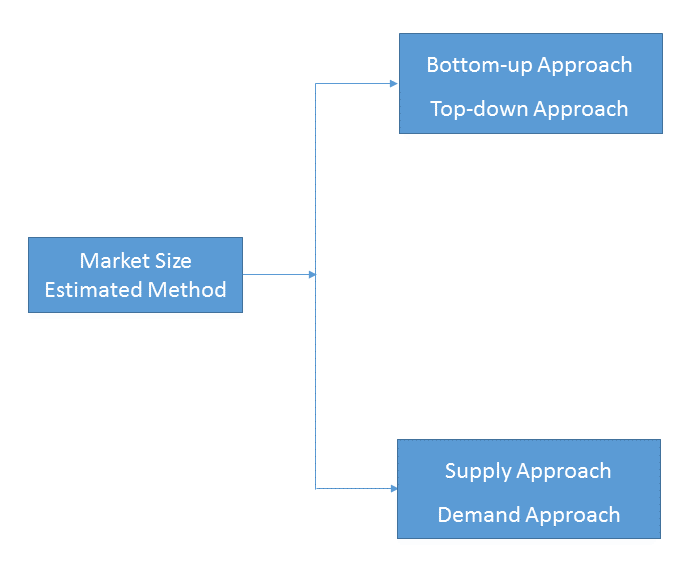
Bottom-up & top-down approach, supply & demand approach are the most important method which is used by HDIN Research to estimate the market size.
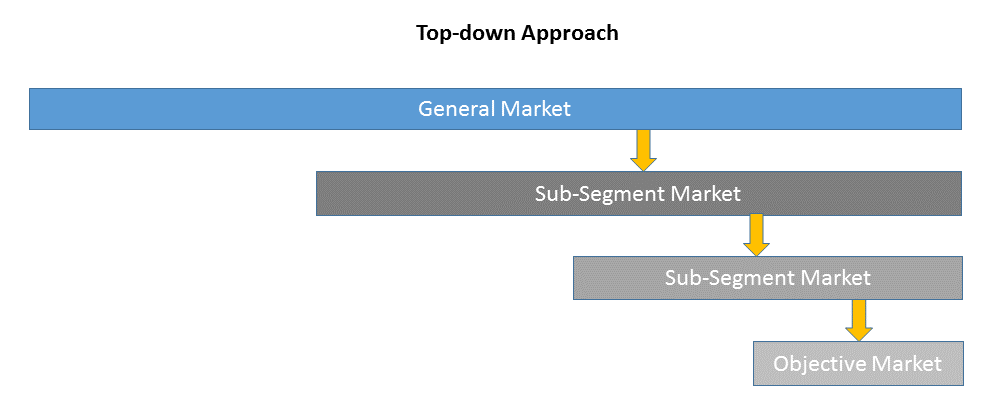
1)Top-down & Bottom-up Approach
Top-down approach uses a general market size figure and determines the percentage that the objective market represents.
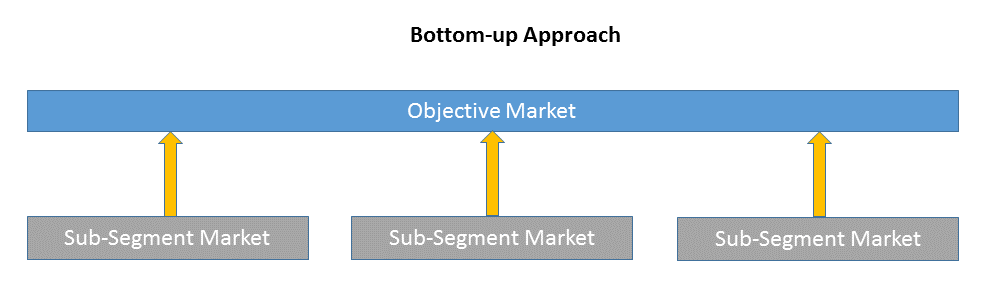
Bottom-up approach size the objective market by collecting the sub-segment information.
2)Supply & Demand Approach
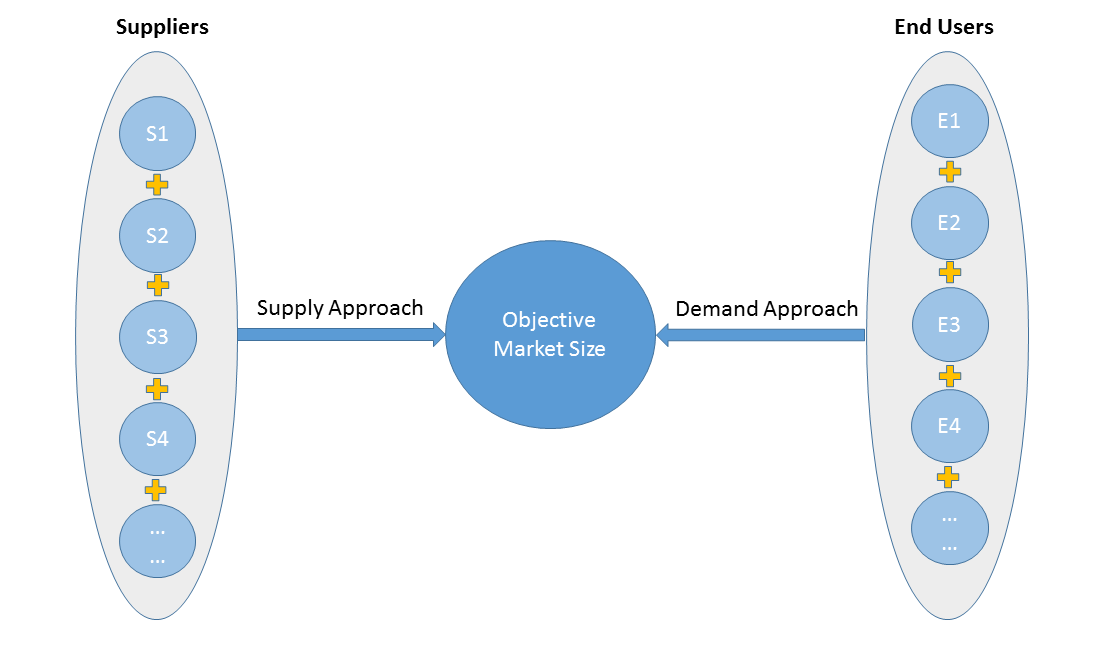
Supply approach is based on assessments of the size of each competitor supplying the objective market.
Demand approach combine end-user data within a market to estimate the objective market size. It is sometimes referred to as bottom-up approach.
- Forecasting Methodology
- Numerous factors impacting the market trend are considered for forecast model:
- New technology and application in the future;
- New project planned/under contraction;
- Global and regional underlying economic growth;
- Threatens of substitute products;
- Industry expert opinion;
- Policy and Society implication.
- Analysis Tools
1)PEST Analysis
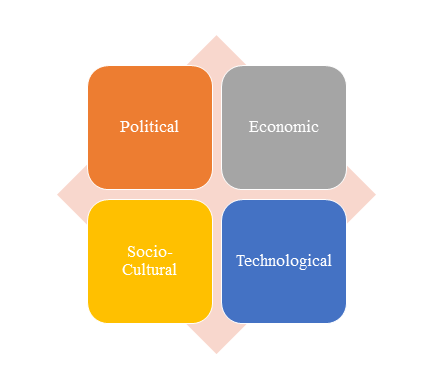
PEST Analysis is a simple and widely used tool that helps our client analyze the Political, Economic, Socio-Cultural, and Technological changes in their business environment.
- Benefits of a PEST analysis:
- It helps you to spot business opportunities, and it gives you advanced warning of significant threats.
- It reveals the direction of change within your business environment. This helps you shape what you’re doing, so that you work with change, rather than against it.
- It helps you avoid starting projects that are likely to fail, for reasons beyond your control.
- It can help you break free of unconscious assumptions when you enter a new country, region, or market; because it helps you develop an objective view of this new environment.
2)Porter’s Five Force Model Analysis
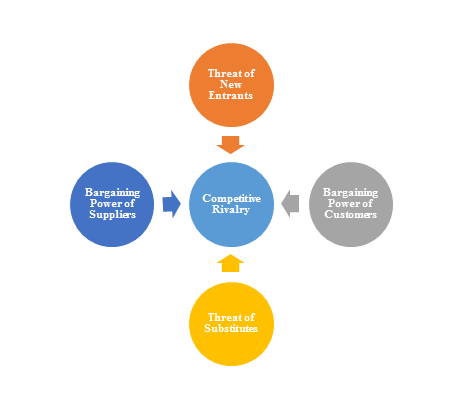
The Porter’s Five Force Model is a tool that can be used to analyze the opportunities and overall competitive advantage. The five forces that can assist in determining the competitive intensity and potential attractiveness within a specific area.
- Threat of New Entrants: Profitable industries that yield high returns will attract new firms.
- Threat of Substitutes: A substitute product uses a different technology to try to solve the same economic need.
- Bargaining Power of Customers: the ability of customers to put the firm under pressure, which also affects the customer's sensitivity to price changes.
- Bargaining Power of Suppliers: Suppliers of raw materials, components, labor, and services (such as expertise) to the firm can be a source of power over the firm when there are few substitutes.
- Competitive Rivalry: For most industries the intensity of competitive rivalry is the major determinant of the competitiveness of the industry.
3)Value Chain Analysis
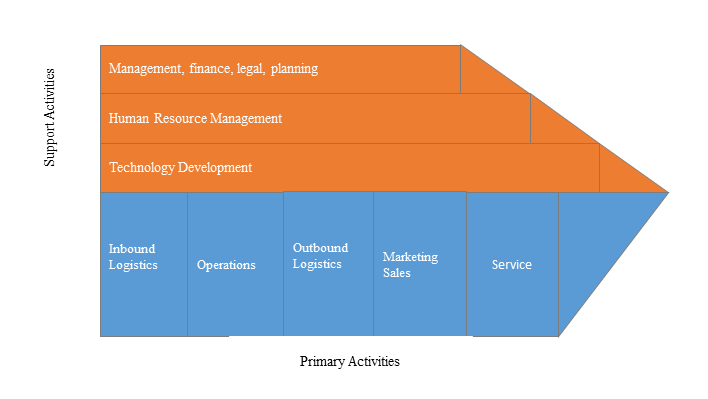
Value chain analysis is a tool to identify activities, within and around the firm and relating these activities to an assessment of competitive strength. Value chain can be analyzed by primary activities and supportive activities. Primary activities include: inbound logistics, operations, outbound logistics, marketing & sales, service. Support activities include: technology development, human resource management, management, finance, legal, planning.
4)SWOT Analysis
SWOT analysis is a tool used to evaluate a company's competitive position by identifying its strengths, weaknesses, opportunities and threats. The strengths and weakness is the inner factor; the opportunities and threats are the external factor. By analyzing the inner and external factors, the analysis can provide the detail information of the position of a player and the characteristics of the industry.
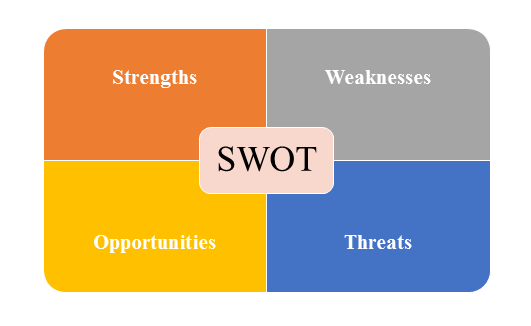
- Strengths describe what the player excels at and separates it from the competition
- Weaknesses stop the player from performing at its optimum level.
- Opportunities refer to favorable external factors that the player can use to give it a competitive advantage.
- Threats refer to factors that have the potential to harm the player.
- Data Sources
| Primary Sources | Secondary Sources |
|---|---|
| Face to face/Phone Interviews with market participants, such as: Manufactures; Distributors; End-users; Experts. Online Survey |
Government/International Organization Data: Annual Report/Presentation/Fact Book Internet Source Information Industry Association Data Free/Purchased Database Market Research Report Book/Journal/News |