Artificial Heart Valve Market Size, Share & Strategy Report 2021-2031
- Single User License (1 Users) $ 3,500
- Team License (2~5 Users) $ 4,500
- Corporate License (>5 Users) $ 5,500
The global artificial heart valve market size is valued at 8.2-9.2 billion USD in 2026, with a compound annual growth rate (CAGR) of 8.5%-12.5% through 2031. This expansion is driven by demographic aging, expanding clinical trial indications that encompass low-risk and asymptomatic patient cohorts, and sustained advances in anti-calcification tissue engineering.
Transcatheter Aortic Valve Replacement (TAVR) continues to secure the largest share of clinical volume and top-line commercial revenue. However, the operational battleground is shifting downstream toward Transcatheter Mitral Valve Replacement (TMVR) and Transcatheter Tricuspid Valve Replacement (TTVR). Because these atrioventricular targets address disease pools three to five times larger than aortic stenosis, they attract substantial R&D capital from multinational device corporations and emerging Asian biotechnology developers alike.
Material engineering is progressing through distinct technological waves:
- Legacy mechanical configurations are largely restricted to younger cohorts who prioritize structural durability over the inconvenience of lifelong anticoagulation regimens.
- Third- and fourth-generation biological xenografts—predominantly glutaraldehyde-capped, dry-stored bovine pericardium—dominate procedural volume.
- Concurrently, clinical validation is advancing for synthetic biomimetic polymeric heart valves designed to reconcile biological hemodynamics with mechanical fatigue resistance.
Regional Market Dynamics
● North America
- Market Position: Serves as the premier revenue anchor, characterized by mature high-volume heart centers and swift adoption of cutting-edge transcatheter devices.
- Growth Drivers: Broad clinical adoption is supported by CMS National Coverage Determinations (NCDs), established STS/ACC TVT Registry mechanics, and procedural expansion into younger, low-risk, and asymptomatic aortic stenosis profiles.
- Emerging Priorities: Heightened focus on lifetime management pathways, prioritizing transcatheter Valve-in-Valve (ViV) strategies, coronary access preservation, and the commercial rollout of novel transcatheter tricuspid devices.
● Europe
- Market Position: Historically a rapid adopter of breakthrough structural heart therapies via early CE Mark availability, now navigating tightened post-market clinical demands.
- Growth Drivers: European commercial momentum balances high clinical demand against administrative challenges stemming from the European Union Medical Device Regulation (EU MDR 2017/745) and the 2025 launch of centralized Joint Clinical Assessments under the EU HTA framework.
- Cost-Containment Pressures: National budget containment measures, such as payback systems in specific Mediterranean territories, create targeted margin pressure.
● Asia-Pacific
- Market Position: Represents the fastest-growing operational theatre globally, characterized by rapid demographic aging, state-backed healthcare investments, and sophisticated domestic engineering platforms.
- Growth Drivers: In mainland China, an addressable pool of 25 million valvular disease patients accelerates local manufacturing capacity and clinical trial completions. The policy environment features dual pressures: centralized volume-based procurement (VBP) compress margins on conventional lines, while explicit R&D carve-outs stimulate the design of next-generation anti-calcification and dry-tissue technologies. Strong development is also observed across Japan, South Korea, India, and Taiwan, China.
● South America
- Market Position: A secondary expansion corridor showing steady transcatheter adoption across private and tier-one academic networks.
- Structural Factors: Regional volume is concentrated in Brazil, Mexico, Colombia, and Argentina. Procedural growth remains constrained by currency volatility, reliance on foreign-manufactured bioprostheses, and fragmented private-public reimbursement coverage.
● Middle East and Africa (MEA)
- Market Position: A polarized geographic landscape marked by sharp divergences in clinical infrastructure and capital availability.
- Regional Bifurcation: Gulf Cooperation Council (GCC) nations feature state-of-the-art hybrid catheterization suites deploying premium transcatheter architectures. Conversely, developing African markets lean heavily on lower-cost mechanical designs or international charitable initiatives to treat rheumatic heart pathology.
Supply Chain and Value Chain Architecture
● Upstream Sourcing and Material Processing
- Biological Tissue Procurement: Sourcing raw animal tissue involves tight regulatory oversight. Bovine pericardium and porcine valves must be harvested from closed herds located in regions designated as negligible-risk for Bovine Spongiform Encephalopathy (BSE), notably Australia, New Zealand, and North America. Sourcing human allografts requires close coordination with specialized tissue procurement organizations.
- Chemical Bioprocessing and Anti-Calcification: Raw tissue must undergo multi-stage decellularization to eliminate cellular membranes, phospholipids, and nucleic acids, preventing immunogenic graft degradation. Anti-calcification protocols have evolved past standard liquid glutaraldehyde crosslinking toward advanced aldehyde-capping or alternative non-aldehyde bioprocessing platforms. The production footprint is transitioning toward dry-packaged tissue technologies, which simplify procedural preparation and ease shelf-storage demands.
- Metallurgy and Advanced Polymers: Self-expanding structural frames depend on medical-grade shape-memory nitinol tubing, cut with femtosecond lasers and electro-polished to minimize thrombogenicity. Balloon-expandable frames prioritize cobalt-chromium alloys engineered for maximum radial strength and reduced strut thickness. The mechanical and sealing segments rely on pyrolytic carbon deposition, expanded polytetrafluoroethylene (ePTFE) fabric skirts, and biocompatible segmented polyurethane formulations.
● Midstream Precision Assembly and Delivery Integration
- Cleanroom Suturing: Despite advances in manufacturing automation, the assembly of tissue leaflets onto metallic or polymeric frames remains a manual, highly specialized craft. Certified technicians execute micro-suturing under high-magnification stereomicroscopes within ISO Class 5 to 7 cleanroom suites. A single coaptation error can disrupt hydrodynamic symmetry and accelerate paravalvular regurgitation or early structural deterioration.
- Delivery Catheter Mechanics: Design teams focus on balancing low outer-diameter sheath profiles (14F to 16F) with high trackability, 3D steerable deflection, and stability across tortuous anatomies. Engineers prioritize systems that allow 100% repositionability and recapturability before final release, alongside intentional commissural alignment to preserve future coronary access.
● Downstream Delivery Infrastructure and Clinical Touchpoints
- Interventional Catheterization Laboratories and Hybrid ORs: The setting for transcatheter aortic, mitral, and tricuspid deployments. These sites depend on collaborative Heart Teams—uniting interventional cardiologists, imaging specialists, and cardiac surgeons—utilizing 3D transesophageal echocardiography (TEE) alongside advanced biplane fluoroscopy.
- Cardiac Surgery Operating Suites: The anchor for conventional open-heart surgical replacements, multi-valve repairs, and complex aortic root re-implantations under cardiopulmonary bypass. Surgical mechanical and bioprosthetic valves maintain continuous utilization in young adult cohorts, patients with endocarditis, and complex anatomical variants unsuitable for transcatheter anchoring.
- Congenital and Pediatric Specialty Centers: Dedicated clinical spaces addressing congenital right ventricular outflow tract (RVOT) defects, relying on specialized small-diameter conduits, human pulmonary allografts, and balloon-expandable pulmonary valves.
Company Profiles
● Abbott Laboratories: Retains an extensive hospital footprint through its Masters and Regent mechanical valve series, bolstered by transcatheter platforms like the Navitor TAVI system. The company leverages proprietary fabric cuffs that reduce paravalvular leakage, combined with a diversified structural portfolio that includes both replacement and repair technologies.
● Medtronic plc: Strong global commercial execution centered around the Evolut platform (Evolut PRO+, FX, and FX+). The supra-annular leaflet orientation consistently yields low transvalvular pressure gradients and broad effective orifice areas (EOA), reinforced by a long clinical history with the Melody transcatheter pulmonary system.
● Boston Scientific Corporation: The ACURATE neo2 platform offers a top-down deployment sequence and a stable self-centering frame. This configuration drives steady adoption across complex anatomies where operators prioritize lower post-operative permanent pacemaker implantation (PPI) rates.
● Edwards Lifesciences Corporation: Sustained industry leadership backed by extensive longitudinal data, such as the PARTNER trial series. Edwards retains a deep intellectual property moat centered on the SAPIEN balloon-expandable platform and its RESILIA tissue preservation chemistry, supported by the commercial rollout of the EVOQUE transcatheter tricuspid replacement system.
● Lifetech Scientific Corporation: High-efficiency manufacturing footprint based in Shenzhen, China. The business advances domestic and international market reach through targeted structural devices, including the C-Valve system (designed for aortic regurgitation) and the Fit-Trans pulmonary valve.
● MicroPort Scientific Corporation: Differentiates its VitaFlow and VitaFlow Liberty TAVR platforms using high-radial-force nitinol frames, double-layer bovine pericardial skirts, and motorized deployment systems that lower procedural variability.
● Venus Medtech (Hangzhou) Inc.: Developed China's first commercialized TAVR device (VenusA-Valve) and holds CE MDR clearance for the VenusP-Valve, a self-expanding transcatheter system designed for native, non-calcified RVOT anatomies.
● Peijia Medical Limited: Commercializes the Taurus transcatheter aortic family (TaurusOne, TaurusElite) while funding internal R&D platforms like TaurusNXT (cross-linked without free aldehydes) and TaurusApex (a synthetic polymer leaflet system).
● ScienTech Medical: Operates a vertically integrated cardiovascular supply network, moving TAVR and TPVR configurations through clinical trials while managing an established global business in congenital occluders.
● Balancemed (Beijing Balance Medical): Built the first approved domestic bovine pericardial bioprosthesis in China. The company uses in-house tissue cross-linking technologies across its Renatus TAVR and Renato ViV systems to resist calcification without compromising material strength.
● Jenscare Scientific Co., Ltd.: Holds a defensible intellectual property position with the LuX-Valve and LuX-Valve Plus TTVR systems. These devices use a radial-force-independent anchoring mechanism—engaging the atrial floor and interventricular septum—which sidesteps common conduction and fixation issues in dilated right-heart anatomies.
● Lepu Medical Technology (Beijing) Co., Ltd.: High-volume manufacturing and broad hospital distribution channels across domestic and emerging markets, backing structural heart programs via shared corporate infrastructure and external R&D entities.
● Corcym S.r.l.: Holds established clinical equity with its Perceval and Perceval Plus sutureless aortic bioprostheses, which reduce cardiopulmonary bypass and aortic cross-clamp times during open surgical interventions.
● Biosensors International Group: Supported by Shandong Weigao Group, the company commercializes the ALLEGRA transcatheter aortic valve, featuring supra-annular bovine pericardial construction, TissGUARD processing, and a synchronized delivery system.
● Meril Life Sciences Pvt. Ltd.: Developed the Myval and Myval Octacor balloon-expandable TAVR platforms, engineered with hybrid honeycomb cell geometry and intermediate sizing options that reduce paravalvular leaks by matching patient anatomies more precisely.
● Relisys Medical Devices Limited: Vertically integrated manufacturing sites in Hyderabad, India, offering scalable, low-cost assembly infrastructure for transcatheter and endovascular heart platforms.
● Sahajanand Medical Technologies Ltd. (SMT): Commercializes the Hydra Aortic Valve through its Thailand subsidiary, Vascular Innovations. The system combines self-expanding supra-annular mechanics, open-cell nitinol architecture, and full resheathability to target emerging Asian and European sectors.
● Sino Medical Sciences Technology Inc. (SINOMED): Applies refined biomaterial and stent-scaffolding processes to the AccuFit TMVR system, using transcatheter access routes to serve patients ineligible for conventional mitral surgery.
● Jiangsu Trulive Medtech Co., Ltd.: Advanced catheter integration focused on accommodating complex subvalvular anatomy, moving transcatheter mitral and tricuspid replacement prototypes through early clinical phases alongside its commercial repair portfolio.
● Shanghai NewMed Medical Co., Ltd.: Strong clinical development momentum within Chinese medical centers, led by its Prizvalve balloon-expandable TAVR system, specialized ViV platforms, and the Mi-thos transcatheter mitral system.
● KingstronBio Co., Ltd.: Deploys its Micro-Ex anti-calcification and AirBo dry-tissue preservation technologies across its X-Link surgical valves and next-generation Prostyle A (TAVR) and Prostyle M (TMVR) platforms.
● Artivion, Inc.: Manufactures the On-X Mechanical Heart Valve, constructed from pure pyrolytic carbon and cleared by the US FDA for reduced oral anticoagulation targets. Artivion also controls an established allograft processing business utilizing SynerGraft decellularization.
● Anteris Technologies Ltd.: Proprietary ADAPT tissue engineering platform, backed by long-term clinical data showing resistance to calcification. The DurAVR single-piece design creates low pressure gradients and wide effective orifice areas, offering an attractive performance profile for younger, active patients.
Structural Shifts, Opportunities, and Industry Inhibitors
● Macro Capital Realignment: The Asymptomatic and Lifetime Imperative
The standard of care in structural cardiology is shifting away from reactive intervention toward pre-emptive therapy. Landmark clinical evaluations published through late 2024 and 2025 demonstrate that earlier transcatheter replacement in severe asymptomatic aortic stenosis limits irreversible left-ventricular remodeling and improves long-term survival compared to watchful waiting. This shift significantly widens the top-of-funnel patient population across developed territories.
However, treating younger and less symptomatic cohorts alters the primary criteria used to evaluate valve performance. When treating an 82-year-old patient, early 5-year structural valve deterioration (SVD) metrics are often clinically sufficient. When treating a 62-year-old patient, long-term leaflet durability past 15 years, persistent paravalvular leak risk, coronary re-access preservation, and clear valve-in-valve (ViV) options become essential treatment considerations.
● Strategic Opportunities
* The Atrioventricular Commercial Frontier (TMVR and TTVR)
- Mitral and tricuspid valvular conditions carry a patient burden triple that of aortic stenosis. Historical surgical intervention rates remained under 2% because open procedures on elderly patients with secondary tricuspid regurgitation or complex ischemic mitral pathology carry prohibitive mortality risks.
- Structural heart systems designed to anchor securely in non-calcified, dynamic, and dilated annular structures—exemplified by radial-force-independent atrial fixation mechanisms—are positioned to unlock high-margin market volume over the next ten years.
* Advanced Tissue Preservation and Polymeric Leaflet Disruption
- The transition from liquid-stored glutaraldehyde tissue bioprostheses to dry-packaged bioprosthetic configurations delivers immediate operational efficiencies. Cath lab prep times decrease, sterile shelf storage simplifies, and chemical rinse cycles are phased out entirely.
- Parallel development of synthetic polymeric formulations (including medical-grade fluoropolymers and segmented polyurethanes) aims to solve the core trade-off of heart valve engineering: providing the lifetime durability of mechanical platforms without requiring permanent anticoagulant regimens.
* Expansion of Dedicated Valve-in-Valve Architectures
- Rising utilization of bioprosthetic valves in younger populations guarantees an eventual wave of structural valve deterioration over the coming decade.
- Leaders are focusing on balloon-expandable systems built with optimized frame fractures and high radial expansion capacities. These features allow operators to deploy a second transcatheter valve within a failing bioprosthesis without obstructing coronary access or sacrificing transvalvular hemodynamics.
● Critical Challenges and Industry Inhibitors
* Regulatory Capital Hurdles and Clinical Bottlenecks
- Gaining regulatory clearance for high-risk Class III cardiovascular implants remains capital-intensive and time-consuming. Securing an FDA Premarket Approval (PMA) or navigating the expanded scrutiny of European Union Medical Device Regulation (EU MDR) demands tens of millions of dollars in clinical trial spending and years of monitoring.
- These long development horizons and high compliance costs weigh on mid-tier biotechnology developers, leading to corporate consolidations, extended commercialization timelines, and delayed rollouts.
* Healthcare Cost Containment and Price Pressures
- Health systems globally are limiting procedural expenditures. In the United States and Europe, hospital margins are pressured by reimbursement caps, bundled payments, and localized payback frameworks.
- In emerging Asian markets, centralized public tenders and volume-based procurement (VBP) can force price concessions on mature cardiovascular consumables. Manufacturers must continually innovate into advanced, high-barrier configurations to maintain pricing power.
* Persistent Subclinical Leaflet Thrombosis and SVD Vulnerabilities
- Post-market clinical surveillance continues to identify subclinical leaflet thrombosis and hypo-attenuated leaflet thickening (HALT) across multiple transcatheter platforms.
- If long-term registry evaluations link these phenomena to higher rates of early structural degradation, clinical adoption among younger cohorts may face resistance from cautious surgical teams.
* Institutional and Specialist Capacity Caps
- Modern transcatheter structural heart operations depend on advanced hybrid operating rooms, 3D echocardiographic guidance, and interdisciplinary Heart Teams.
- The global supply of specialized interventional operators and equipped hybrid suites remains constrained. This bottleneck limits procedural throughput in secondary and rural health systems, capping product adoption rates despite strong clinical demand.
1.1 Product Definition and Scope of Artificial Heart Valves 1
1.2 Research Methodology and Statistical Framework 2
1.2.1 Primary Research and Industry Interactions 2
1.2.2 Secondary Research and Econometric Modeling 3
1.3 Market Assumptions and Base Year Specifications (2021-2031) 4
1.4 Nomenclature and Unit Conversions 5
1.5 List of Abbreviations 6
Chapter 2 Global Artificial Heart Valve Market Executive Summary and Macro Dynamics 7
2.1 Global Artificial Heart Valve Market Trajectory: Consumption Volume and Value (2021-2031) 7
2.2 Global Demographic Aging and Valvular Heart Disease (VHD) Epidemiological Burden 9
2.3 Healthcare Expenditure Allocation and Cardiovascular Reimbursement Trends 11
2.4 Innovation Paradigms: Minimally Invasive Technologies and Tissue Engineering 13
2.5 Global Supply Chain Vulnerabilities and Geopolitical Risk Analysis 14
Chapter 3 Global Artificial Heart Valve Market Breakdown by Material 16
3.1 Mechanical Heart Valves 16
3.1.1 Market Size, Volume, and Pricing Trends (2021-2031) 16
3.1.2 Pyrolytic Carbon and Titanium Structural Innovations 18
3.1.3 Anticoagulation Management Dynamics and Long-Term Hemodynamics 19
3.2 Biological / Tissue Heart Valves 20
3.2.1 Market Size, Volume, and Pricing Trends (2021-2031) 20
3.2.2 Bovine Pericardium vs. Porcine Leaflet Sub-segmentation 22
3.2.3 Anti-Calcification Technologies and Leaflet Preservation 23
3.3 Polymeric Heart Valves 24
Chapter 4 Global Artificial Heart Valve Market Breakdown by Anatomical Target Position 25
4.1 Aortic Valve Replacements 25
4.1.1 Market Size, Volume, and Pricing Trends (2021-2031) 25
4.1.2 Calcific Aortic Stenosis Prevalence and Treatment Evolution 27
4.2 Mitral Valve Replacements 28
4.2.1 Market Size, Volume, and Pricing Trends (2021-2031) 28
4.2.2 Mitral Regurgitation Complexity and Anatomical Anchoring Challenges 29
4.3 Tricuspid Valve Replacements 30
4.3.1 Market Size, Volume, and Pricing Trends (2021-2031) 30
4.3.2 Expanding Clinical Indications and Device Approvals 31
4.4 Pulmonary Valve Replacements 32
Chapter 5 Global Artificial Heart Valve Market by Deployment Procedure and End User 34
5.1 Surgical Artificial Heart Valve Replacement (SAVR/SMVR) 34
5.1.1 Procedural Volume, Unit Value, and Utilization Metrics (2021-2031) 34
5.1.2 Sutureless and Rapid-Deployment Surgical Valves 36
5.2 Transcatheter Heart Valve Replacement (TAVR/TMVR/TTVR/TPVR) 37
5.2.1 Procedural Volume, Unit Value, and Penetration Dynamics (2021-2031) 37
5.2.2 Transfemoral, Transapical, and Alternative Access Modalities 39
5.3 End-User Channel Allocation 40
5.3.1 Public and University Cardiac Centers 40
5.3.2 Private Specialized Cardiovascular Hospitals 41
Chapter 6 Value Chain Architecture, Clinical Pipelines, and Regulatory Frameworks 42
6.1 Raw Material Sourcing: Bovine Pericardium, Shape-Memory Alloys (Nitinol), and Polymers 42
6.2 Manufacturing, Micromachining, Laser Cutting, and Sterilization Infrastructure 44
6.3 Clinical Trial Pipelines, Post-Market Surveillance, and Durability Data 46
6.4 Global Regulatory Approvals Landscape (FDA, CE Mark, NMPA, PMDA, CDSCO) 48
6.5 Intellectual Property Filings and Patent Landscape Analysis 50
Chapter 7 Global International Trade and Logistics Dynamics 51
7.1 Global Flow of Core Components and Finished Artificial Heart Valves 51
7.2 Major Exporter Hubs: United States, Ireland, Switzerland, and Singapore 53
7.3 Critical Import Markets: European Union, China, Japan, and Latin America 54
7.4 Cold-Chain Logistics, Sterile Packaging, and Inventory Management 55
7.5 Tariff Structures, Trade Restrictions, and Nearshoring Initiatives 56
Chapter 8 Regional Artificial Heart Valve Market Dynamics and Demand Forecast 58
8.1 North America 58
8.1.1 United States 60
8.1.2 Canada 62
8.2 Europe 64
8.2.1 Germany 66
8.2.2 France 67
8.2.3 United Kingdom 68
8.2.4 Italy 69
8.2.5 Switzerland 70
8.2.6 Ireland & Rest of Europe 71
8.3 Asia-Pacific 72
8.3.1 China 74
8.3.2 Japan & South Korea 76
8.3.3 India 77
8.3.4 Australia and New Zealand 78
8.3.5 Singapore & Southeast Asia 79
8.4 Latin America 80
8.4.1 Brazil 81
8.4.2 Mexico 82
8.5 Middle East and Africa 83
8.5.1 Saudi Arabia 84
8.5.2 United Arab Emirates 85
8.5.3 South Africa 85
Chapter 9 Global Competitive Landscape and Vendor Benchmark 86
9.1 Tiered Industry Concentration and Market Share Matrix (2021-2026) 86
9.2 Mergers, Acquisitions, Strategic Partnerships, and Licensing 88
9.3 Product Portfolio Benchmarking: Hemodynamic Performance and Sizing Matrices 90
9.4 Commercial Expansion and Pricing Pressure Dynamics 92
Chapter 10 Corporate Intelligence: Global Artificial Heart Valve Competitor Profiles 94
10.1 Abbott 94
10.1.1 Corporate Profile and Cardiovascular Business Infrastructure 94
10.1.2 Artificial Heart Valve Portfolio and R&D Pipeline 94
10.1.3 Strategic SWOT Matrix 95
10.1.4 Operational Metrics: Volume, Pricing, Cost, Revenue, and Gross Margin 96
10.1.5 Commercial Strategy and Global Market Footprint 97
10.2 Medtronic 98
10.2.1 Corporate Profile and Structural Heart Business Infrastructure 98
10.2.2 Artificial Heart Valve Portfolio and R&D Pipeline 98
10.2.3 Strategic SWOT Matrix 99
10.2.4 Operational Metrics: Volume, Pricing, Cost, Revenue, and Gross Margin 100
10.2.5 Commercial Strategy and Global Market Footprint 101
10.3 Boston Scientific 102
10.3.1 Corporate Profile and Interventional Cardiology Infrastructure 102
10.3.2 Artificial Heart Valve Portfolio and R&D Pipeline 102
10.3.3 Strategic SWOT Matrix 103
10.3.4 Operational Metrics: Volume, Pricing, Cost, Revenue, and Gross Margin 104
10.3.5 Commercial Strategy and Global Market Footprint 105
10.4 Edwards Life Sciences 106
10.4.1 Corporate Profile and Transcatheter and Surgical Valve Operations 106
10.4.2 Artificial Heart Valve Portfolio and R&D Pipeline 106
10.4.3 Strategic SWOT Matrix 107
10.4.4 Operational Metrics: Volume, Pricing, Cost, Revenue, and Gross Margin 108
10.4.5 Commercial Strategy and Global Market Footprint 109
10.5 Lifetech Scientific 110
10.5.1 Corporate Profile and Minimal Invasive Cardiovascular Infrastructure 110
10.5.2 Artificial Heart Valve Portfolio and R&D Pipeline 110
10.5.3 Strategic SWOT Matrix 111
10.5.4 Operational Metrics: Volume, Pricing, Cost, Revenue, and Gross Margin 112
10.5.5 Commercial Strategy and Global Market Footprint 113
10.6 MicroPort Scientific Corporation 114
10.6.1 Corporate Profile and Structural Heart Business Divisions 114
10.6.2 Artificial Heart Valve Portfolio and R&D Pipeline 114
10.6.3 Strategic SWOT Matrix 115
10.6.4 Operational Metrics: Volume, Pricing, Cost, Revenue, and Gross Margin 116
10.6.5 Commercial Strategy and Global Market Footprint 117
10.7 Venus Medtech 118
10.7.1 Corporate Profile and Transcatheter Solution Operations 118
10.7.2 Artificial Heart Valve Portfolio and R&D Pipeline 118
10.7.3 Strategic SWOT Matrix 119
10.7.4 Operational Metrics: Volume, Pricing, Cost, Revenue, and Gross Margin 120
10.7.5 Commercial Strategy and Global Market Footprint 121
10.8 Peijia Medical Limited 122
10.8.1 Corporate Profile and Transcatheter Valve Infrastructure 122
10.8.2 Artificial Heart Valve Portfolio and R&D Pipeline 122
10.8.3 Strategic SWOT Matrix 123
10.8.4 Operational Metrics: Volume, Pricing, Cost, Revenue, and Gross Margin 124
10.8.5 Commercial Strategy and Global Market Footprint 125
10.9 ScienTech Medical 126
10.9.1 Corporate Profile and Structural Heart Asset Overview 126
10.9.2 Artificial Heart Valve Portfolio and R&D Pipeline 126
10.9.3 Strategic SWOT Matrix 127
10.9.4 Operational Metrics: Volume, Pricing, Cost, Revenue, and Gross Margin 128
10.9.5 Commercial Strategy and Global Market Footprint 129
10.10 Balancemed 130
10.10.1 Corporate Profile and Interventional Heart Valve Platform 130
10.10.2 Artificial Heart Valve Portfolio and R&D Pipeline 130
10.10.3 Strategic SWOT Matrix 131
10.10.4 Operational Metrics: Volume, Pricing, Cost, Revenue, and Gross Margin 132
10.10.5 Commercial Strategy and Global Market Footprint 133
10.11 Jenscare 134
10.11.1 Corporate Profile and Non-Vascular / Tricuspid Valve Specialization 134
10.11.2 Artificial Heart Valve Portfolio and R&D Pipeline 134
10.11.3 Strategic SWOT Matrix 135
10.11.4 Operational Metrics: Volume, Pricing, Cost, Revenue, and Gross Margin 136
10.11.5 Commercial Strategy and Global Market Footprint 137
10.12 Lepu Medical 138
10.12.1 Corporate Profile and Cardiovascular Device Integration 138
10.12.2 Artificial Heart Valve Portfolio and R&D Pipeline 138
10.12.3 Strategic SWOT Matrix 139
10.12.4 Operational Metrics: Volume, Pricing, Cost, Revenue, and Gross Margin 140
10.12.5 Commercial Strategy and Global Market Footprint 141
10.13 Corcym S.r.l. 142
10.13.1 Corporate Profile and Dedicated Surgical Heart Valve Structure 142
10.13.2 Artificial Heart Valve Portfolio and R&D Pipeline 142
10.13.3 Strategic SWOT Matrix 143
10.13.4 Operational Metrics: Volume, Pricing, Cost, Revenue, and Gross Margin 144
10.13.5 Commercial Strategy and Global Market Footprint 145
10.14 Biosensors International Group 146
10.14.1 Corporate Profile and Global Interventional Network 146
10.14.2 Artificial Heart Valve Portfolio and R&D Pipeline 146
10.14.3 Strategic SWOT Matrix 147
10.14.4 Operational Metrics: Volume, Pricing, Cost, Revenue, and Gross Margin 148
10.14.5 Commercial Strategy and Global Market Footprint 149
10.15 Meril Lifesciences 150
10.15.1 Corporate Profile and Transcatheter System Operations 150
10.15.2 Artificial Heart Valve Portfolio and R&D Pipeline 150
10.15.3 Strategic SWOT Matrix 151
10.15.4 Operational Metrics: Volume, Pricing, Cost, Revenue, and Gross Margin 152
10.15.5 Commercial Strategy and Global Market Footprint 153
10.16 Relisys Medical Devices Limited 154
10.16.1 Corporate Profile and Cardiovascular Manufacturing Scale 154
10.16.2 Artificial Heart Valve Portfolio and R&D Pipeline 154
10.16.3 Strategic SWOT Matrix 155
10.16.4 Operational Metrics: Volume, Pricing, Cost, Revenue, and Gross Margin 156
10.16.5 Commercial Strategy and Global Market Footprint 157
10.17 Sahajanand Medical Technologies Ltd. (SMT) 158
10.17.1 Corporate Profile and Structural Heart Technology Assets 158
10.17.2 Artificial Heart Valve Portfolio and R&D Pipeline 158
10.17.3 Strategic SWOT Matrix 159
10.17.4 Operational Metrics: Volume, Pricing, Cost, Revenue, and Gross Margin 160
10.17.5 Commercial Strategy and Global Market Footprint 161
10.18 Sino Medical Sciences Technology 162
10.18.1 Corporate Profile and Structural Heart Venture Operations 162
10.18.2 Artificial Heart Valve Portfolio and R&D Pipeline 162
10.18.3 Strategic SWOT Matrix 163
10.18.4 Operational Metrics: Volume, Pricing, Cost, Revenue, and Gross Margin 164
10.18.5 Commercial Strategy and Global Market Footprint 165
10.19 Jiangsu Trulive Medtech 166
10.19.1 Corporate Profile and Next-Generation Heart Valve Platforms 166
10.19.2 Artificial Heart Valve Portfolio and R&D Pipeline 166
10.19.3 Strategic SWOT Matrix 167
10.19.4 Operational Metrics: Volume, Pricing, Cost, Revenue, and Gross Margin 168
10.19.5 Commercial Strategy and Global Market Footprint 169
10.20 Shanghai NewMed Medical 170
10.20.1 Corporate Profile and Valvular Intervention Assets 170
10.20.2 Artificial Heart Valve Portfolio and R&D Pipeline 170
10.20.3 Strategic SWOT Matrix 171
10.20.4 Operational Metrics: Volume, Pricing, Cost, Revenue, and Gross Margin 172
10.20.5 Commercial Strategy and Global Market Footprint 173
10.21 KingstronBio 174
10.21.1 Corporate Profile and Polymeric and Tissue Valve Pipeline 174
10.21.2 Artificial Heart Valve Portfolio and R&D Pipeline 174
10.21.3 Strategic SWOT Matrix 175
10.21.4 Operational Metrics: Volume, Pricing, Cost, Revenue, and Gross Margin 176
10.21.5 Commercial Strategy and Global Market Footprint 177
10.22 Artivion Inc 178
10.22.1 Corporate Profile and Surgical Heart Valve and Tissue Processing 178
10.22.2 Artificial Heart Valve Portfolio and R&D Pipeline 178
10.22.3 Strategic SWOT Matrix 179
10.22.4 Operational Metrics: Volume, Pricing, Cost, Revenue, and Gross Margin 180
10.22.5 Commercial Strategy and Global Market Footprint 181
10.23 Anteris Technologies 182
10.23.1 Corporate Profile and Biomimetic DurAVR Valve Engineering 182
10.23.2 Artificial Heart Valve Portfolio and R&D Pipeline 182
10.23.3 Strategic SWOT Matrix 183
10.23.4 Operational Metrics: Volume, Pricing, Cost, Revenue, and Gross Margin 184
10.23.5 Commercial Strategy and Global Market Footprint 185
Table 2 Global Artificial Heart Valve Market Size and Volume Forecast (2021-2031) 9
Table 3 Global Artificial Heart Valve Market Value by Material (2021-2031) (USD Million) 16
Table 4 Global Artificial Heart Valve Market Volume by Material (2021-2031) (Units) 17
Table 5 Global Mechanical Heart Valve Market by Region (2021-2031) (USD Million) 18
Table 6 Global Biological / Tissue Heart Valve Market by Region (2021-2031) (USD Million) 21
Table 7 Global Biological Heart Valve Market Breakdown: Bovine Pericardium vs. Porcine (2021-2031) 22
Table 8 Global Polymeric Heart Valve Clinical Trial Pipeline and Projected Commercial Timeline 24
Table 9 Global Artificial Heart Valve Market Value by Target Position (2021-2031) (USD Million) 25
Table 10 Global Artificial Heart Valve Market Volume by Target Position (2021-2031) (Units) 26
Table 11 Global Aortic Heart Valve Replacement Market by Deployment Type (2021-2031) (USD Million) 27
Table 12 Global Mitral Heart Valve Replacement Market by Deployment Type (2021-2031) (USD Million) 29
Table 13 Global Tricuspid Heart Valve Replacement Market by Deployment Type (2021-2031) (USD Million) 31
Table 14 Global Pulmonary Heart Valve Replacement Market by Deployment Type (2021-2031) (USD Million) 33
Table 15 Global Artificial Heart Valve Market Value by Procedure Type (2021-2031) (USD Million) 35
Table 16 Global Artificial Heart Valve Market Volume by Procedure Type (2021-2031) (Units) 36
Table 17 Global Surgical Heart Valve Average Selling Price (ASP) by Region (2021-2031) (USD) 37
Table 18 Global Transcatheter Heart Valve Average Selling Price (ASP) by Region (2021-2031) (USD) 38
Table 19 Global Artificial Heart Valve Market Value by End User (2021-2031) (USD Million) 41
Table 20 Key Raw Material Suppliers for Structural Components and Pericardial Tissue 43
Table 21 Regulatory Approval Milestones for Transcatheter Valves in Key Jurisdictions 49
Table 22 Global Cross-Border Trade Value of Artificial Heart Valves (2021-2026) (USD Million) 52
Table 23 Artificial Heart Valve Export Volume and Value by Primary Producing Country (2021-2026) 53
Table 24 Artificial Heart Valve Import Volume and Value by Primary Consuming Country (2021-2026) 54
Table 25 Global Artificial Heart Valve Market Value by Region (2021-2031) (USD Million) 58
Table 26 Global Artificial Heart Valve Market Volume by Region (2021-2031) (Units) 59
Table 27 North America Artificial Heart Valve Market by Material (2021-2031) (USD Million) 60
Table 28 North America Artificial Heart Valve Market by Procedure Type (2021-2031) (USD Million) 60
Table 29 United States Artificial Heart Valve Market Size, Volume, and Pricing (2021-2031) 61
Table 30 Canada Artificial Heart Valve Market Size, Volume, and Pricing (2021-2031) 63
Table 31 Europe Artificial Heart Valve Market by Material (2021-2031) (USD Million) 64
Table 32 Europe Artificial Heart Valve Market by Procedure Type (2021-2031) (USD Million) 65
Table 33 Germany Artificial Heart Valve Market Size, Volume, and Pricing (2021-2031) 66
Table 34 France Artificial Heart Valve Market Size, Volume, and Pricing (2021-2031) 67
Table 35 United Kingdom Artificial Heart Valve Market Size, Volume, and Pricing (2021-2031) 68
Table 36 Italy Artificial Heart Valve Market Size, Volume, and Pricing (2021-2031) 69
Table 37 Switzerland Artificial Heart Valve Market Size, Volume, and Pricing (2021-2031) 70
Table 38 Ireland Artificial Heart Valve Production Output and Export Statistics (2021-2031) 71
Table 39 Asia-Pacific Artificial Heart Valve Market by Material (2021-2031) (USD Million) 73
Table 40 Asia-Pacific Artificial Heart Valve Market by Procedure Type (2021-2031) (USD Million) 73
Table 41 China Artificial Heart Valve Market Size, Volume, and Pricing (2021-2031) 75
Table 42 Japan Artificial Heart Valve Market Size, Volume, and Pricing (2021-2031) 76
Table 43 India Artificial Heart Valve Market Size, Volume, and Pricing (2021-2031) 77
Table 44 Australia Artificial Heart Valve Market Size, Volume, and Pricing (2021-2031) 78
Table 45 Singapore Artificial Heart Valve Market Size, Volume, and Pricing (2021-2031) 79
Table 46 Latin America Artificial Heart Valve Market by Material (2021-2031) (USD Million) 80
Table 47 Brazil Artificial Heart Valve Market Size, Volume, and Pricing (2021-2031) 81
Table 48 Mexico Artificial Heart Valve Market Size, Volume, and Pricing (2021-2031) 82
Table 49 Middle East and Africa Artificial Heart Valve Market by Material (2021-2031) (USD Million) 83
Table 50 Saudi Arabia Artificial Heart Valve Market Size, Volume, and Pricing (2021-2031) 84
Table 51 United Arab Emirates Artificial Heart Valve Market Size, Volume, and Pricing (2021-2031) 85
Table 52 South Africa Artificial Heart Valve Market Size, Volume, and Pricing (2021-2031) 85
Table 53 Global Top 10 Artificial Heart Valve Manufacturers Revenue Ranking and Share (2025-2026) 87
Table 54 Key Strategic Mergers, Acquisitions, and Licensing Deals in Structural Heart (2021-2026) 89
Table 55 Abbott Artificial Heart Valve Sales, Price, Cost and Gross Profit Margin (2021-2026) 96
Table 56 Medtronic Artificial Heart Valve Sales, Price, Cost and Gross Profit Margin (2021-2026) 100
Table 57 Boston Scientific Artificial Heart Valve Sales, Price, Cost and Gross Profit Margin (2021-2026) 104
Table 58 Edwards Life Sciences Artificial Heart Valve Sales, Price, Cost and Gross Profit Margin (2021-2026) 108
Table 59 Lifetech Scientific Artificial Heart Valve Sales, Price, Cost and Gross Profit Margin (2021-2026) 112
Table 60 MicroPort Scientific Corporation Artificial Heart Valve Sales, Price, Cost and Gross Profit Margin (2021-2026) 116
Table 61 Venus Medtech Artificial Heart Valve Sales, Price, Cost and Gross Profit Margin (2021-2026) 120
Table 62 Peijia Medical Limited Artificial Heart Valve Sales, Price, Cost and Gross Profit Margin (2021-2026) 124
Table 63 ScienTech Medical Artificial Heart Valve Sales, Price, Cost and Gross Profit Margin (2021-2026) 128
Table 64 Balancemed Artificial Heart Valve Sales, Price, Cost and Gross Profit Margin (2021-2026) 132
Table 65 Jenscare Artificial Heart Valve Sales, Price, Cost and Gross Profit Margin (2021-2026) 136
Table 66 Lepu Medical Artificial Heart Valve Sales, Price, Cost and Gross Profit Margin (2021-2026) 140
Table 67 Corcym S.r.l. Artificial Heart Valve Sales, Price, Cost and Gross Profit Margin (2021-2026) 144
Table 68 Biosensors International Group Artificial Heart Valve Sales, Price, Cost and Gross Profit Margin (2021-2026) 148
Table 69 Meril Lifesciences Artificial Heart Valve Sales, Price, Cost and Gross Profit Margin (2021-2026) 152
Table 70 Relisys Medical Devices Limited Artificial Heart Valve Sales, Price, Cost and Gross Profit Margin (2021-2026) 156
Table 71 Sahajanand Medical Technologies Ltd. (SMT) Artificial Heart Valve Sales, Price, Cost and Gross Profit Margin (2021-2026) 160
Table 72 Sino Medical Sciences Technology Artificial Heart Valve Sales, Price, Cost and Gross Profit Margin (2021-2026) 164
Table 73 Jiangsu Trulive Medtech Artificial Heart Valve Sales, Price, Cost and Gross Profit Margin (2021-2026) 168
Table 74 Shanghai NewMed Medical Artificial Heart Valve Sales, Price, Cost and Gross Profit Margin (2021-2026) 172
Table 75 KingstronBio Artificial Heart Valve Sales, Price, Cost and Gross Profit Margin (2021-2026) 176
Table 76 Artivion Inc Artificial Heart Valve Sales, Price, Cost and Gross Profit Margin (2021-2026) 180
Table 77 Anteris Technologies Artificial Heart Valve Sales, Price, Cost and Gross Profit Margin (2021-2026) 184
Figure 1 Artificial Heart Valve Structural Research Design and Analysis Methodology 3
Figure 2 Global Artificial Heart Valve Market Value and Growth Rate Forecast (2021-2031) 8
Figure 3 Global Artificial Heart Valve Market Volume Forecast (2021-2031) (Units) 10
Figure 4 Global Artificial Heart Valve Value Share by Material (2021 vs. 2026 vs. 2031) 17
Figure 5 Mechanical vs. Biological Heart Valve Unit Volume Ratio Trends (2021-2031) 19
Figure 6 Anti-Calcification Efficacy and Tissue Degradation Free Rate Across Commercial Brands 23
Figure 7 Global Artificial Heart Valve Value Share by Target Position (2021-2031) 26
Figure 8 TAVR vs. SAVR Volume Adoption Curve Across Major Indications (2021-2031) 35
Figure 9 Average Selling Price Comparison Across Major Artificial Heart Valve Types (2021-2031) 39
Figure 10 End-User Value Distribution for Artificial Heart Valves (2026) 41
Figure 11 Artificial Heart Valve End-to-End Value Chain and Margin Allocation Architecture 43
Figure 12 Critical Path in Valve Manufacturing: Quality Control and Tissue Fixation Protocols 45
Figure 13 Global Artificial Heart Valve Patent Families Distribution by Jurisdiction (2021-2026) 50
Figure 14 Global Artificial Heart Valve Trade Flows and Export-Import Distribution (2026) 52
Figure 15 Regional Market Share of Global Artificial Heart Valve Value (2026 vs. 2031) 59
Figure 16 North America Artificial Heart Valve Market Growth Vector (2021-2031) 61
Figure 17 United States TAVR vs. SAVR Procedure Volume Ratio (2021-2031) 62
Figure 18 Europe Artificial Heart Valve Value Growth Vector (2021-2031) 65
Figure 19 Asia-Pacific Artificial Heart Valve Market Growth Trajectory (2021-2031) 74
Figure 20 China Transcatheter Heart Valve Penetration and Volume Dynamics (2021-2031) 75
Figure 21 Latin America Artificial Heart Valve Value Growth Vector (2021-2031) 81
Figure 22 Middle East and Africa Artificial Heart Valve Value Trajectory (2021-2031) 84
Figure 23 Global Artificial Heart Valve Market Concentration Matrix (Herfindahl-Hirschman Index) 87
Figure 24 Abbott Artificial Heart Valve Market Share (2021-2026) 97
Figure 25 Medtronic Artificial Heart Valve Market Share (2021-2026) 101
Figure 26 Boston Scientific Artificial Heart Valve Market Share (2021-2026) 105
Figure 27 Edwards Life Sciences Artificial Heart Valve Market Share (2021-2026) 109
Figure 28 Lifetech Scientific Artificial Heart Valve Market Share (2021-2026) 113
Figure 29 MicroPort Scientific Corporation Artificial Heart Valve Market Share (2021-2026) 117
Figure 30 Venus Medtech Artificial Heart Valve Market Share (2021-2026) 121
Figure 31 Peijia Medical Limited Artificial Heart Valve Market Share (2021-2026) 125
Figure 32 ScienTech Medical Artificial Heart Valve Market Share (2021-2026) 129
Figure 33 Balancemed Artificial Heart Valve Market Share (2021-2026) 133
Figure 34 Jenscare Artificial Heart Valve Market Share (2021-2026) 137
Figure 35 Lepu Medical Artificial Heart Valve Market Share (2021-2026) 141
Figure 36 Corcym S.r.l. Artificial Heart Valve Market Share (2021-2026) 145
Figure 37 Biosensors International Group Artificial Heart Valve Market Share (2021-2026) 149
Figure 38 Meril Lifesciences Artificial Heart Valve Market Share (2021-2026) 153
Figure 39 Relisys Medical Devices Limited Artificial Heart Valve Market Share (2021-2026) 157
Figure 40 Sahajanand Medical Technologies Ltd. (SMT) Artificial Heart Valve Market Share (2021-2026) 161
Figure 41 Sino Medical Sciences Technology Artificial Heart Valve Market Share (2021-2026) 165
Figure 42 Jiangsu Trulive Medtech Artificial Heart Valve Market Share (2021-2026) 169
Figure 43 Shanghai NewMed Medical Artificial Heart Valve Market Share (2021-2026) 173
Figure 44 KingstronBio Artificial Heart Valve Market Share (2021-2026) 177
Figure 45 Artivion Inc Artificial Heart Valve Market Share (2021-2026) 181
Figure 46 Anteris Technologies Artificial Heart Valve Market Share (2021-2026) 185
Research Methodology
- Market Estimated Methodology:
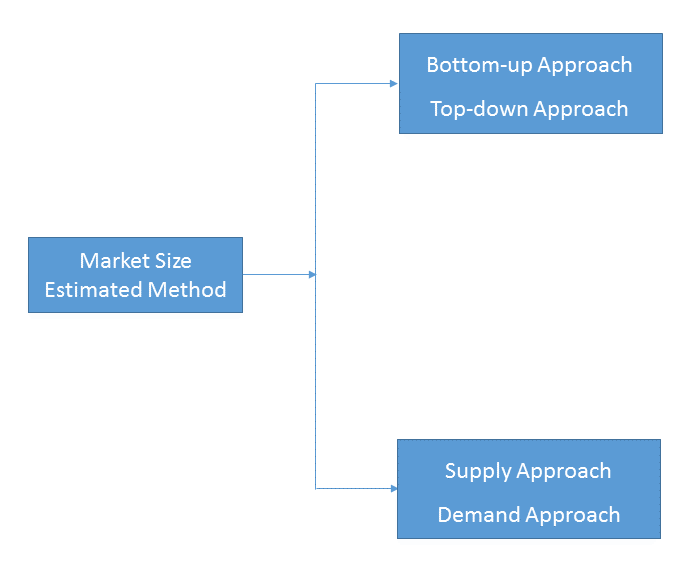
Bottom-up & top-down approach, supply & demand approach are the most important method which is used by HDIN Research to estimate the market size.
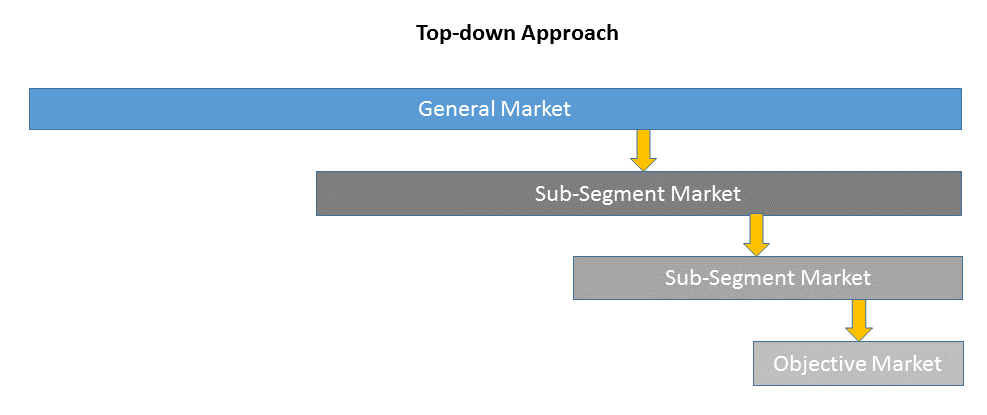
1)Top-down & Bottom-up Approach
Top-down approach uses a general market size figure and determines the percentage that the objective market represents.
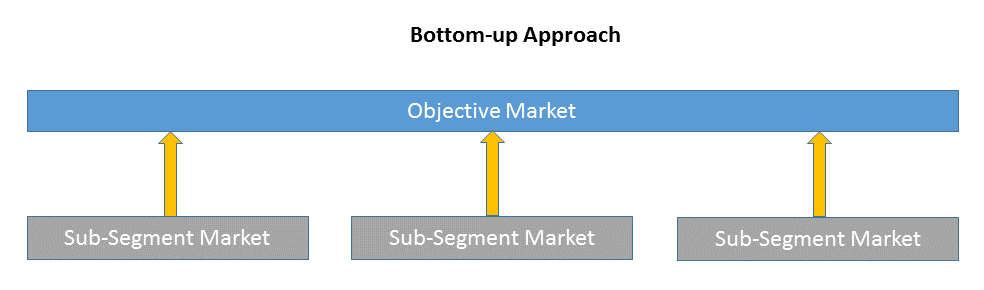
Bottom-up approach size the objective market by collecting the sub-segment information.
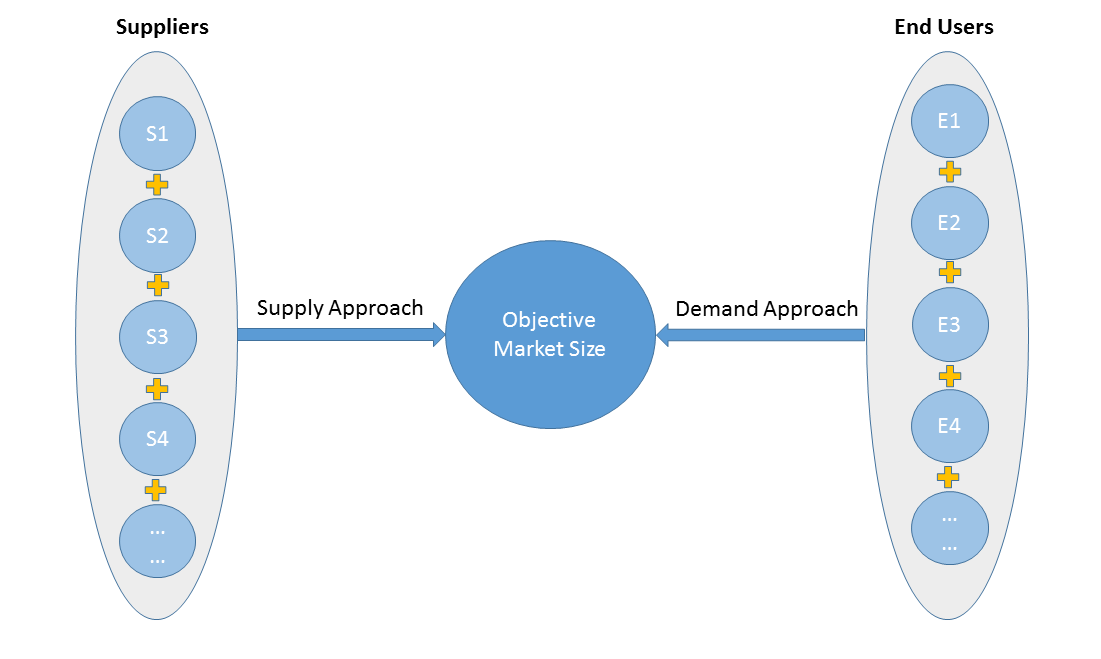
2)Supply & Demand Approach
Supply approach is based on assessments of the size of each competitor supplying the objective market.
Demand approach combine end-user data within a market to estimate the objective market size. It is sometimes referred to as bottom-up approach.
- Forecasting Methodology
- Numerous factors impacting the market trend are considered for forecast model:
- New technology and application in the future;
- New project planned/under contraction;
- Global and regional underlying economic growth;
- Threatens of substitute products;
- Industry expert opinion;
- Policy and Society implication.
- Analysis Tools
1)PEST Analysis
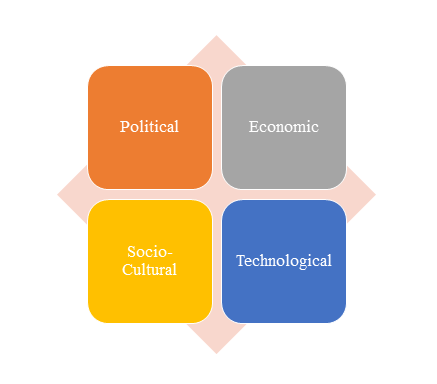
PEST Analysis is a simple and widely used tool that helps our client analyze the Political, Economic, Socio-Cultural, and Technological changes in their business environment.
- Benefits of a PEST analysis:
- It helps you to spot business opportunities, and it gives you advanced warning of significant threats.
- It reveals the direction of change within your business environment. This helps you shape what you’re doing, so that you work with change, rather than against it.
- It helps you avoid starting projects that are likely to fail, for reasons beyond your control.
- It can help you break free of unconscious assumptions when you enter a new country, region, or market; because it helps you develop an objective view of this new environment.
2)Porter’s Five Force Model Analysis
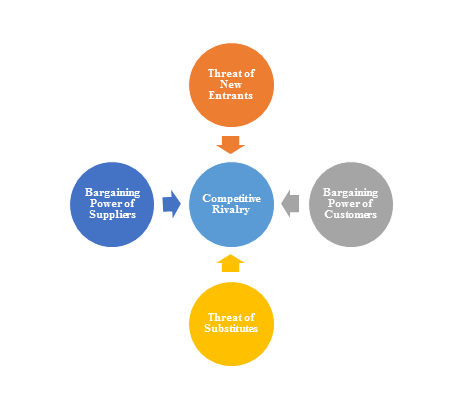
The Porter’s Five Force Model is a tool that can be used to analyze the opportunities and overall competitive advantage. The five forces that can assist in determining the competitive intensity and potential attractiveness within a specific area.
- Threat of New Entrants: Profitable industries that yield high returns will attract new firms.
- Threat of Substitutes: A substitute product uses a different technology to try to solve the same economic need.
- Bargaining Power of Customers: the ability of customers to put the firm under pressure, which also affects the customer's sensitivity to price changes.
- Bargaining Power of Suppliers: Suppliers of raw materials, components, labor, and services (such as expertise) to the firm can be a source of power over the firm when there are few substitutes.
- Competitive Rivalry: For most industries the intensity of competitive rivalry is the major determinant of the competitiveness of the industry.
3)Value Chain Analysis
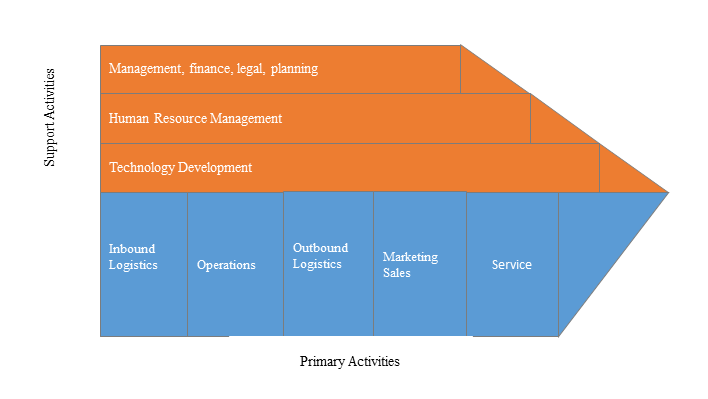
Value chain analysis is a tool to identify activities, within and around the firm and relating these activities to an assessment of competitive strength. Value chain can be analyzed by primary activities and supportive activities. Primary activities include: inbound logistics, operations, outbound logistics, marketing & sales, service. Support activities include: technology development, human resource management, management, finance, legal, planning.
4)SWOT Analysis
SWOT analysis is a tool used to evaluate a company's competitive position by identifying its strengths, weaknesses, opportunities and threats. The strengths and weakness is the inner factor; the opportunities and threats are the external factor. By analyzing the inner and external factors, the analysis can provide the detail information of the position of a player and the characteristics of the industry.
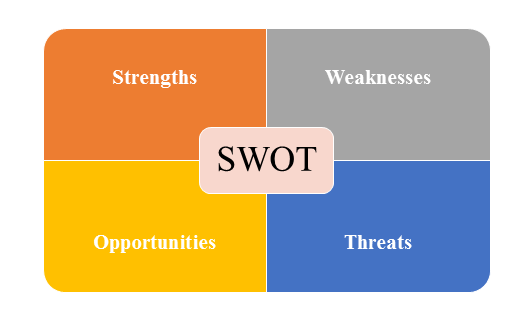
- Strengths describe what the player excels at and separates it from the competition
- Weaknesses stop the player from performing at its optimum level.
- Opportunities refer to favorable external factors that the player can use to give it a competitive advantage.
- Threats refer to factors that have the potential to harm the player.
- Data Sources
| Primary Sources | Secondary Sources |
|---|---|
| Face to face/Phone Interviews with market participants, such as: Manufactures; Distributors; End-users; Experts. Online Survey |
Government/International Organization Data: Annual Report/Presentation/Fact Book Internet Source Information Industry Association Data Free/Purchased Database Market Research Report Book/Journal/News |