Coronary Stent Market Size, Share & Strategy Report 2021-2031
- Single User License (1 Users) $ 3,500
- Team License (2~5 Users) $ 4,500
- Corporate License (>5 Users) $ 5,500
The global coronary stent market size is valued between 7.2 billion USD and 8.2 billion USD in 2026, with a compound annual growth rate (CAGR) of 4.6% to 6.6% through 2031. This expansion is governed by two divergent market dynamics: price and margin compression in volume-driven, centralized tender environments, and premium price maintenance for specialized platforms optimized for high bleeding risk (HBR) cohorts and complex percutaneous coronary intervention (PCI).
A coronary stent is an expandable, tubular metallic or polymeric scaffold deployed percutaneously via a rapid-exchange catheter delivery system into diseased, stenotic, or occluded native coronary arteries during PCI procedures. Its primary mechanical function is to crush atherosclerotic plaque, establish arterial lumen patency, counter acute elastic recoil, and mitigate abrupt vessel closure. Therapeutically, stenting restores myocardial blood perfusion, alleviates symptoms of stable or unstable angina, stabilizes acute myocardial infarction (AMI), and minimizes the long-term incidence of major adverse cardiac events (MACE).
Market dominance resides firmly within modern Drug-Eluting Stents (DES), which represent over 98% of total volume globally. Bare Metal Stents (BMS) have dropped to marginal positions (1% to 2% procedural volume) reserved for rare clinical edge cases, while Bioresorbable Scaffolds (BRS) navigate a clinical renaissance driven by second-generation metallic and ultra-thin polymeric matrices. Capital allocation is increasingly guided by the philosophy of vessel healing and "intervention without implantation," integrating stents with drug-coated balloons (DCBs), intravascular lithotripsy (IVL), and precision physiological guidance (IVUS, OCT, and FFR).
Product Classification and Technological Dynamics
● Bare Metal Stents: Marginalized Utility
Constructed from medical-grade alloys—predominantly 316L stainless steel, cobalt-chromium (CoCr), or platinum-chromium—Bare Metal Stents rely purely on structural geometry without antiproliferative coatings or matrix polymers. Although BMS eliminated the catastrophic vessel closure seen with plain old balloon angioplasty (POBA), uncontrolled vascular smooth muscle cell proliferation generates continuous neointimal hyperplasia. The resulting 12-month in-stent restenosis (ISR) rates of 10% to over 30% led clinical guidelines across North America, Europe, and Asia-Pacific to formally phase out BMS, leaving them with negligible market share.
● Drug-Eluting Stents: The Indispensable Clinical Workhorse
DES platforms combine metallic scaffolding with an antiproliferative therapeutic payload—predominantly 'limus family analogues such as Sirolimus, Everolimus, Zotarolimus, or Biolimus A9 (BA9)—suspended in durable polymers, bioresorbable polymers, or micro-structured metallic surfaces.
- Durable Polymer DES: Platforms such as the XIENCE (Abbott) and Resolute Onyx (Medtronic) families preserve historical standards of structural integrity and deliverability, leveraging biocompatible fluoropolymers and dense alloy cores to suppress subacute thrombosis.
- Bioresorbable Coating and Target-Eluting DES: Formulations engineered to release the active agent alongside a degrading polymer vehicle (such as PLGA or PLLA) eliminate permanent foreign-material interaction with the arterial wall. Platforms like MicroPort’s Firehawk apply abluminal micro-grooves to localize drug delivery, minimizing total system payload.
- Polymer-Free and High Bleeding Risk DES: Eliminating polymers entirely, platforms such as the BioFreedom series (Bluesail Medical / Biosensors) leverage micro-structured abluminal topography to elute Biolimus A9 directly into the vessel wall. This mechanism accelerates re-endothelialization and supports shortened 1-month dual antiplatelet therapy (DAPT) for patients with high bleeding risks.
- Rapid Endothelialization Benchmarks: The validation of endothelial healing properties, demonstrated by systems like SINOMED's HT Supreme receiving US FDA Premarket Approval (PMA) conditional clearances, confirms clinical prioritization of biological integration over extended drug suppression.
- Volume-Based Procurement (VBP) Realities: In the Asia-Pacific theater, notably China, national centralized tenders decreased coronary stent procurement prices from above 1,800 USD to beneath 150 USD per unit. While compressing gross margins, VBP prompted significant scale efficiencies, pushed total annual Chinese PCI cases past 2.0 million, and consolidated market share among integrated domestic and multinational market suppliers.
● Bioresorbable Stents / Bioresorbable Vascular Scaffolds: Next-Generation Restoration
Engineered to offer transient scaffolding followed by complete bio-assimilation into carbon dioxide and water within 12 to 36 months, BRS aims to eliminate the permanent metallic cage, restore vasomotion, and retain future surgical revascularization conduits.
The historical withdrawal of the first-generation Absorb BVS (Abbott) in 2017 highlighted the mechanical limitations of early thick-strut (approximately 150 µm) polymeric scaffolding, which introduced elevated scaffold thrombosis rates. Modern platforms are circumventing these vulnerabilities through:
- Refined Polymeric Systems: Lepu Medical’s NeoVas utilizes optimized PLLA processing to achieve consistent degradation kinetics under active commercialization.
- Next-Generation Metallic BRS: Metallic biodegradable platforms, including bioabsorbable magnesium and iron-alloy scaffolds, are in mid-to-late clinical development and CE MDR/NMPA review pipelines (e.g., Xianjian Technology's IBS system and Sino Medical's magnesium program). These materials offer higher tensile strength and allow for thinner struts comparable to conventional metallic DES.
Downstream Applications and Cath Lab Procedural Workflow
● Clinical Indications
Downstream deployment spans the management of coronary artery disease across distinct clinical subsets:
- Acute Coronary Syndromes (ACS): Immediate mechanical restoration of blood flow in ST-segment elevation myocardial infarction (STEMI) and non-STEMI cases.
- Stable Ischemic Heart Disease: Elective management of significant, flow-limiting stenoses resistant to medical management.
- Complex Anatomical Subsets: Percutaneous treatment of bifurcation lesions, chronic total occlusions (CTO), calcified conduits, and small vessel disease (arterial diameter ≤2.5mm).
- In-Stent Restenosis Management: Interventions within previously failed metallic scaffolding, increasingly managed in tandem with drug-coated balloons.
● Cath Lab Operational Workflow
Coronary stenting is conducted within sterile hospital catheterization laboratories under fluoroscopic and endovascular imaging:
- Vascular Access: Percutaneous cannulation predominantly via the radial artery, or the femoral artery for high-complexity interventions.
- Diagnostic Assessment: Fluoroscopic contrast angiography, frequently supplemented by fractional flow reserve (FFR) or instantaneous wave-free ratio (iFR) to evaluate physiological significance.
- Plaque Modification: Preparing the target vessel using semi-compliant balloons, cutting/scoring systems, rotational/orbital atherectomy, or intravascular lithotripsy (IVL) to fracture calcified plaques.
- Scaffold Delivery: Tracking the rapid-exchange (Rx) delivery balloon assembly over high-tensile steerable guidewires, inflating within target atmospheric parameters to expand the stent against the vessel wall.
- Post-Deployment Optimization: High-pressure dilation utilizing non-compliant (NC) balloons, audited by Intravascular Ultrasound (IVUS) or Optical Coherence Tomography (OCT) to rule out strut malapposition and edge dissections.
Commercialization Models and Sales Channels
Commercial architectures are calibrated to regional reimbursement frameworks and institutional structures:
- Direct Sales Infrastructure: Deployed across high-ASP, mature markets including the United States, Western Europe, and Japan. Manufacturers maintain internal commercial workforces and field clinical specialists who provide direct support in the Cath Lab, interacting directly with Hospital Value Analysis Committees (VACs), Integrated Delivery Networks (IDNs), and Group Purchasing Organizations (GPOs).
- Distributor-Led Buyout Networks: Applied throughout emerging territories and lower-density regions. In China, despite centralized tender enforcement, hybrid delivery distribution models handle logistics, consignment verification, and inventory replenishment for public tertiary care centers.
- Consignment Inventory Models: Stents are largely stocked within hospital Cath Labs on consignment. The commercial entity retains asset ownership until clinical implantation occurs, tying revenue recognition directly to procedural consumption.
Supply Chain and Value Chain Architecture
● Upstream Raw Materials
- Structural Alloys: Seamless precision micro-tubing manufactured from medical-grade L605 cobalt-chromium, platinum-chromium, 316L stainless steel, or biodegradable magnesium/iron alloy variants. Tolerances demand extreme metallurgical purity to prevent micro-fractures under cyclic stress.
- Therapeutic APIs: High-purity pharmaceutical compounds including Sirolimus, Everolimus, Zotarolimus, and Biolimus A9.
- Polymers: Medical-grade durable fluoropolymers, or bioresorbable matrices including Poly-L-Lactic Acid (PLLA) and Poly(lactic-co-glycolic acid) (PLGA) with consistent molecular weight distributions.
- Catheter Components: Extruded block copolymers (PEBAX, nylon formulations), platinum-iridium or gold radiopaque marker bands, and braided shaft assemblies.
● Midstream Processing and Assembly Operations
- Laser Machining: Femtosecond and picosecond ultra-fast lasers cut micro-tubing into strut geometries without creating thermal heat-affected zones.
- Surface Polishing: Electrochemical deburring produces uniform, mirror-smooth strut surfaces to minimize thrombogenicity.
- Drug Formulation and Application: Ultrasonic micro-spraying, piezoelectric drop-on-demand dispensing, or laser-groove target filling depose the drug-polymer matrix onto abluminal surfaces.
- Crimping and Packaging: Mechanized segmented crimping heads compress the scaffold onto the folded balloon catheter beneath precisely controlled thermal and pressure regimens, followed by sterilization via Ethylene Oxide (EtO) or controlled irradiation.
● Downstream Logistics and Clinical Integration
Supply chain models integrate cold-chain or climate-controlled distribution to prevent polymer degradation or drug denaturation. Stent inventory levels are tracked in Cath Labs via RFID and barcode-integrated hospital software.
Regional Market Dynamics
● North America
North America represents the largest regional revenue market, capturing more than 50% of global expenditure. The region features advanced hospital purchasing, elevated Average Selling Prices (ASPs), and rapid procedural adoption of image-guided PCI. The migration of select diagnostic and low-complexity PCI procedures to outpatient Ambulatory Surgical Centers (ASCs) is changing purchasing dynamics, shifting device preference toward platforms that support shorter post-procedure stays and shorter DAPT durations.
● Europe
Europe generates more than 25% of global market revenue. Characterized by centralized procurement within public health networks and regional GPOs, the market enforces strict health-economic assessments. European clinical practice guidelines under the European Society of Cardiology (ESC) strongly endorse drug-coated balloons for in-stent restenosis alongside thin-strut DES for de novo anatomy. EU MDR implementation costs have led some market participants to prune non-core product variations.
● Asia-Pacific
Asia-Pacific is the fastest-growing market by volume, driven by demographic aging, urbanizing middle classes, and expanded Cath Lab infrastructure across China, India, and Southeast Asia.
- China: Having crossed 2.0 million annual PCI cases, the market is characterized by centralized VBP. This framework has elevated domestic manufacturing scale, supporting players such as MicroPort, Lepu Medical, JW Medical (Bluesail), and SINOMED, while driving production efficiencies across supply chains.
- India: National price-capping mandates on coronary stents have spurred local manufacturing ecosystems, led by SMT, Meril Life Sciences, and Integris Medtech, alongside expanding import volumes.
- Mature Markets: Japan, South Korea, and Australia maintain structured reimbursement environments with high clinical entry barriers, balancing rigorous post-market surveillance with steady reimbursement for proven technologies. Taiwan, China demonstrates consistent device adoption and structured procurement mechanisms through its universal healthcare structure.
● Latin America
Demand centers predominantly within Brazil, Mexico, and Colombia. Regulatory frameworks, such as ANVISA, govern market access. The landscape operates through a mixture of direct operations by multinational corporations in primary metros, supported by authorized independent distribution companies servicing provincial healthcare facilities.
● Middle East and Africa
The market is sustained by public healthcare capital spending and greenfield hospital infrastructure investments across the Gulf Cooperation Council (GCC) nations, contrasted with tender-driven supply chains across North and Sub-Saharan Africa. The market relies heavily on imports from European, US, and Asian manufacturers.
Regulatory and Reimbursement Landscapes
● United States FDA
Cardiovascular stents are evaluated as Class III devices under the Premarket Approval (PMA) application process. Approvals require multi-center randomized controlled trials evaluating primary safety endpoints (target lesion failure, cardiac death, target vessel myocardial infarction) alongside post-approval surveillance commitments. Regulatory developments continue to lower barriers for specialized cohorts, including the expansion of coverage by the Centers for Medicare and Medicaid Services (CMS) for adjacent revascularization procedures.
● European Union MDR (2017/745)
The transition to EU MDR has heightened clinical evidence requirements for cardiovascular implants. Notified bodies require detailed Post-Market Clinical Follow-up (PMCF) registries, comprehensive technical documentation, and clear equivalence demonstration. The resulting regulatory overhead and operational delays have led companies to focus resources on top-tier revenue products while retiring niche configurations.
● China NMPA
Governed by the National Medical Products Administration, Class III coronary devices face stringent local clinical evaluation requirements, specialized registration testing, and quality system inspections. Domestic breakthrough solutions navigate the Innovative Medical Device Special Review Procedure ("Innovation Green Channel"), allowing competitive entrants to secure market access faster.
Market Opportunities and Challenges
● Strategic Opportunities
- Bioresorbable Scaffold Resurgence: Second-generation metallic bioresorbable scaffolds (magnesium, iron alloys) and ultra-thin polymeric matrices offer a path to avoid permanent metal implants. These devices aim to maintain the deliverability and radial strength of standard DES while allowing the vessel to heal naturally over time.
- Synergies with "Intervention Without Implantation": The proliferation of drug-coated balloons creates opportunities for combined procedures. DCBs are increasingly applied in small vessel segments, bifurcations, and ISR, while newer DES designs focus on complex large-vessel anatomy.
- Image-Guided Precision PCI: The routine adoption of IVUS, OCT, and physiological indices (FFR/iFR) optimizes strut expansion, mitigates malapposition, and reduces secondary adverse outcomes, boosting procedural predictability.
● Structural Challenges
- Margin Compression: Government procurement initiatives continue to restrict average unit pricing across both emerging and select mature markets. Manufacturers must adjust their cost-of-goods-sold (COGS) through advanced automation and vertical manufacturing integration.
- Long-Term Biological Risks: In-stent restenosis persists in 5% to 10% of patients within year one, followed by a steady 2% to 3% annual attrition risk from neoatherosclerosis. Concurrently, very late stent thrombosis demands balanced dual antiplatelet strategies to mitigate bleeding risks in elderly or compromised patient groups.
- Elevated Regulatory Burdens: The capital required to design, conduct, and monitor clinical trials under EU MDR and US FDA PMA pathways presents significant financial barriers for mid-tier medical device manufacturers, accelerating industry consolidation.
Company Profiles
● Abbott Laboratories: Headquartered in Abbott Park, Illinois, USA, Abbott maintains an established leadership position within interventional cardiology.
- Core Coronary Portfolio: The XIENCE family, including XIENCE Sierra and XIENCE Skypoint Everolimus-eluting stent systems. Built on the Multi-Link cobalt-chromium frame and incorporating a durable fluoropolymer, the platform has supported brief 28-day to 1-month DAPT indications for high-bleeding-risk patients.
● Medtronic plc: Headquartered in Minneapolis, Minnesota, and Galway, Ireland, Medtronic is a major diversified developer of medical technologies.
- Core Coronary Portfolio: The Resolute family, featuring the Resolute Onyx and Onyx Frontier Zotarolimus-eluting coronary stents. The platform is built around CoreWire Technology, using a platinum-iridium inner core encased within a cobalt alloy shell to balance structural radiopacity with thinner strut profiles (down to 81 µm).
● Boston Scientific Corporation: Headquartered in Marlborough, Massachusetts, USA, Boston Scientific specializes across advanced cardiovascular intervention, electrophysiology, and endosurgical tools.
- Core Coronary Portfolio: The SYNERGY family of Everolimus-eluting stents (including SYNERGY XD and the large-vessel SYNERGY MEGATRON). The design combines an ultra-thin platinum-chromium alloy frame with an abluminal bioabsorbable polymer that resorbs shortly after the completion of drug release.
● Teleflex Incorporated: Headquartered in Wayne, Pennsylvania, USA, Teleflex provides specialized tools across critical care, vascular access, and interventional specialties.
- Core Coronary Portfolio: The PK Papyrus Covered Coronary Stent System, a niche platform for the acute management of coronary artery perforations. It utilizes an electrospun polyurethane membrane over a single-stent scaffold, delivering lower crossing profiles and greater flexibility than traditional dual-stent covered options.
● B. Braun: Headquartered in Melsungen, Germany, B. Braun manufactures systems across infusion therapy, intensive care, and interventional vascular procedures.
- Core Coronary Portfolio: The Coroflex family, led by the Coroflex ISAR and Coroflex ISAR NEO polymer-free drug-eluting stents. The architecture employs a micro-structured metallic surface that delivers a dual antiproliferative formulation of Sirolimus and Probucol without polymeric matrices.
● Bluesail Medical Co., Ltd.: Headquartered in Zibo, China, Bluesail Medical operates global cardiovascular hubs through its ownership of Singapore-based Biosensors International and JW Medical Systems.
- Core Coronary Portfolio: The BioFreedom and BioFreedom Ultra polymer-free Biolimus A9 (BA9) stents, designed for early endothelialization and short 1-month DAPT in HBR patients. Complementary lines include the BioMatrix biodegradable-polymer family and the Excrossal cobalt-chromium thin-strut platform.
● Terumo Corporation: Headquartered in Tokyo, Japan, Terumo is a global developer of cardiovascular, blood management, and hospital equipment.
- Core Coronary Portfolio: The Ultimaster series, including Ultimaster Tansei and Ultimaster Nagomi bioresorbable-polymer Sirolimus-eluting stents. The platform uses a thin-strut cobalt-chromium scaffold with an abluminal PDLLA gradient coating that degrades within 3 to 4 months.
● Lepu Medical Technology (Beijing) Co., Ltd.: Headquartered in Beijing, China, and listed on the Shenzhen Stock Exchange (300003.SZ), Lepu Medical develops cardiovascular devices, diagnostics, and specialty pharmaceuticals.
- Core Coronary Portfolio: The NeoVas bioresorbable coronary scaffold (a PLLA-based Sirolimus-eluting platform) alongside metallic DES lines including the GuReater thin-strut CoCr biodegradable-polymer stent and the Partner stainless steel platform.
● MicroPort Scientific Corporation: Headquartered in Shanghai, China, and listed on the Hong Kong Stock Exchange (00853.HK), MicroPort operates across minimally invasive therapeutic areas.
- Core Coronary Portfolio: The Firehawk Target Eluting Coronary Stent System, featuring micro-grooves cut into the abluminal strut surface to contain a bioabsorbable polymer and rapamycin, drastically reducing the total drug and polymer payload. The company also produces the Firebird2 durable-polymer DES and the Firesorb bioresorbable scaffold pipeline.
● Sino Medical Sciences Technology Inc. (SINOMED): Headquartered in Tianjin, China, and listed on the Shanghai STAR Market (688108.SH), SINOMED focuses on coronary and endovascular solutions.
- Core Coronary Portfolio: The BuMA and BuMA Supreme (HT Supreme) drug-eluting stent systems. The platform utilizes an electro-grafted organosilicon base layer to prevent polymer delamination, paired with a rapidly degrading PLGA/sirolimus coating designed to restore functional endothelial healing within weeks.
● Integris Medtech Limited (Translumina): Headquartered in New Delhi/Noida, India, Integris Medtech is a cardiovascular device company with commercial operations throughout India, Europe, and Latin America.
- Core Coronary Portfolio: The Yukon stent family, including Yukon Choice PC and Yukon Chrome PC (68 µm thin-strut cobalt-chromium scaffold). The platform features an abluminal microporous pearl surface coated with a biodegradable polymer and Sirolimus, backed by long-term clinical data from the ISAR-TEST trials.
● Meril Life Sciences Pvt. Ltd.: Headquartered in Vapi, Gujarat, India, Meril is a multinational medical device manufacturer with portfolios across interventional cardiology, orthopedics, endosurgery, and diagnostics.
- Core Coronary Portfolio: The BioMime family of ultra-thin (65 µm) cobalt-chromium Sirolimus-eluting stents, the BioMime Morph (a tapered DES designed for long and diffuse lesions), and the MeRes100 bioresorbable vascular scaffold system.
● Relisys Medical Devices Limited: Headquartered in Hyderabad, Telangana, India, Relisys operates an integrated manufacturing facility for cardiovascular catheters, guidewires, and stent architectures.
- Core Coronary Portfolio: The MyStent-S, M'Sure-S (Sirolimus-eluting CoCr systems), Pristine+ Everolimus-eluting stent, and Tapper-S tapered platform.
● Sahajanand Medical Technologies Ltd. (SMT): Headquartered in Surat and Mumbai, India, SMT develops, manufactures, and exports coronary interventions.
- Core Coronary Portfolio: The Supraflex and Supraflex Cruz Sirolimus-eluting stent lines, featuring ultra-thin 60 µm cobalt-chromium struts, bioresorbable polymers, and dual-link interconnecting geometries designed for navigating tortuous vessels.
● Liaoning Yinyi Biological Technology Co., Ltd.: Headquartered in Liaoning Province, China, Yinyi Biotech develops coronary implants and angioplasty balloons.
- Core Coronary Portfolio: The Baohe (DSS) polymer-free micro-blind hole drug-eluting stent system. The design uses microscopic blind holes laser-etched directly into metallic struts to store and elute Paclitaxel without synthetic polymers.
● OrbusNeich Medical Group Holdings Limited: Headquartered in Hong Kong, China, with production facilities in Shenzhen and the Netherlands, OrbusNeich designs and manufactures interventional vascular devices.
- Core Coronary Portfolio: The COMBO Dual Therapy Stent, which pairs an abluminal biodegradable polymer eluting Sirolimus to curb neointimal hyperplasia with an immobilized luminal anti-CD34 antibody layer designed to capture circulating endothelial progenitor cells (EPCs).
● CID S.p.A. (Alvimedica): Located in Saluggia, Italy, CID develops specialized cardiovascular technologies under the Alvimedica group.
- Core Coronary Portfolio: The Cre8 and Cre8 EVO polymer-free drug-eluting stents. The architecture employs abluminal reservoirs etched directly into the stent struts to deliver Amphilimus (a formulation of Sirolimus and fatty acids), finished with a pure bio-inducer carbon coating.
● iVascular SLU: Headquartered in Barcelona, Spain, iVascular produces advanced endovascular and interventional cardiology technologies.
- Core Coronary Portfolio: The Angiolite and Angiolite BT (bifurcation-dedicated) Sirolimus-eluting stents, constructed on a thin-strut L605 cobalt-chromium platform coated with a thin, durable fluoropolymer.
● Genoss Co., Ltd.: Located in Suwon, South Korea, Genoss manufactures medical devices, biomaterials, and vascular implants.
- Core Coronary Portfolio: The Genoss DES, built on an open-cell 70 µm cobalt-chromium platform with an abluminal biodegradable PLGA polymer that degrades into water and carbon dioxide, alongside bare metal options.
● Osstem Cardiotec Co., Ltd.: Based in Seoul, South Korea, Osstem Cardiotec is the cardiovascular intervention subsidiary of Osstem Implant Co., Ltd.
- Core Coronary Portfolio: The Centum coronary drug-eluting stent system, featuring an open-cell cobalt-chromium platform with an abluminal biodegradable polymer eluting Sirolimus/Everolimus.
1.1 Core Methodology and Interventional Medtech Research Architecture 1
1.2 Primary Field Investigations and Secondary Data Triangulation 2
1.3 Top-Down and Bottom-Up Market Sizing and Econometric Models 3
1.4 Currency Normalization, Inflation Adjustment, and Pricing Baselines 4
1.5 Product Classification System and Anatomical Device Scope 5
1.6 Standard Glossary and Regulatory Nomenclature 6
Chapter 2 Global Coronary Stent Market Dynamics and Macro Fundamentals 7
2.1 Global Coronary Stent Market Valuation and Unit Volume (2021-2031) 7
2.2 Global Cardiovascular Disease Epidemiology and PCI Volume Trends 9
2.3 Value Migration Across Stent Generations: BMS to Thin-Strut DES and BRS 11
2.4 Healthcare Cost Pressures, DRG Systems, and Tender Price Erosion 12
Chapter 3 Global Coronary Stent Market Breakdown by Product Architecture 14
3.1 Bare Metal Stents (BMS) 14
3.1.1 Market Sizing, Unit Volume, and Revenue Dynamics (2021-2031) 14
3.1.2 Niche Indications: Thrombosis Risk, Pro-Healing, and Anticoagulation Intolerance 16
3.2 Drug Eluting Stents (DES) 17
3.2.1 Market Sizing, Unit Volume, and Revenue Dynamics (2021-2031) 17
3.2.2 Second and Third-Generation DES Technological Penetration 19
3.2.3 Ultrathin Strut Configurations and Fluoropolymer Matrix Dynamics 20
3.3 Bioresorbable Stents (BRS) 21
3.3.1 Market Sizing, Unit Volume, and Revenue Dynamics (2021-2031) 21
3.3.2 Polymer vs. Magnesium Platforms: Degradation Kinetics and Clinical Outcomes 22
Chapter 4 Platform Metallurgy, Coating Formulations, and Active Pharmaceutical Ingredients 24
4.1 Stent Backbone Metallurgy: Cobalt-Chromium, Platinum-Chromium, and Nitinol 24
4.2 Surface Coating Topologies: Durable Polymer, Biodegradable Polymer, and Polymer-Free 26
4.3 Antiproliferative Agents: Sirolimus, Everolimus, Zotarolimus, and Biolimus A9 28
Chapter 5 Global Coronary Stent Market by Clinical Indication and End-User Facility 31
5.1 Indication Profile: Stable Coronary Artery Disease vs. Acute Coronary Syndromes (ACS) 31
5.2 Complex Coronary Anatomy: Bifurcation Lesions, Chronic Total Occlusions (CTO), and Small Vessels 33
5.3 End-User Channel Economics: Hospital Catheterization Labs vs. Ambulatory Surgical Centers 36
Chapter 6 Value Chain Architecture, Industrial Processing, and Cost Structure 39
6.1 Upstream Sourcing: Precision Hypodermic Tubing and Pharmaceutical-Grade APIs 39
6.2 Precision Manufacturing: Femtosecond Laser Cutting, Chemical Etching, and Ultrasonic Spraying 41
6.3 Sterilization, Packaging Integrity, and ISO 13485 Compliance Framework 43
6.4 Industrial Cost Modeling: BOM Breakdown, Yield Economics, and Cleanroom Overhead 45
Chapter 7 Regulatory Protocols, Reimbursement Frameworks, and Cross-Border Trade 47
7.1 Global Device Registration: FDA Premarket Approval (PMA), EU MDR (2017/745), and NMPA Class III 47
7.2 Reimbursement Realities: US CMS Bundling, European Tendering, and China Volume-Based Procurement (VBP) 49
7.3 Global Trade Flow: Tariffs, Cold-Chain Transportation, and Distribution Logistics 51
Chapter 8 Regional Consumption Patterns and Market Sizing 54
8.1 North America 54
8.1.1 United States 55
8.1.2 Canada 57
8.2 Europe 58
8.2.1 Germany 59
8.2.2 France 61
8.2.3 United Kingdom 62
8.2.4 Italy 63
8.2.5 Spain 64
8.2.6 Switzerland 65
8.2.7 Ireland & Rest of Europe 66
8.3 Asia-Pacific 67
8.3.1 China 68
8.3.2 Japan 69
8.3.3 India 70
8.3.4 South Korea 71
8.3.5 Singapore & Southeast Asia 72
8.3.6 Australia and New Zealand 73
8.4 Latin America 74
8.4.1 Brazil 74
8.4.2 Mexico 75
8.5 Middle East and Africa 76
8.5.1 Saudi Arabia 76
8.5.2 United Arab Emirates 77
8.5.3 South Africa 78
Chapter 9 Global Manufacturing Ecosystem, Production Hubs, and Capacity Distribution 79
9.1 Geography of Manufacturing Operations: United States, Ireland, Switzerland, China, and India 79
9.2 Contract Manufacturing Organizations (CMO) and Component Fabrication Nodes 81
9.3 Supply Chain Redundancy, Geopolitical Derisking, and Dual-Sourcing Strategies 83
Chapter 10 Competitive Landscape, Tier Clustering, and Market Concentration 85
10.1 Global Interventional Cardiology Tier Hierarchy (Tier 1 Multinationals vs. Regional Disruptors) 85
10.2 Pricing Dispersion and Gross Margin Benchmarks Across Developed and Emerging Markets 87
10.3 Consolidated Global Market Share Distribution (2021-2026) 89
Chapter 11 Company Profiles and Operational Intelligence 91
11.1 Abbott 91
11.1.1 Corporate Profile and Cardiovascular Franchise Footprint 91
11.1.2 SWOT Analysis 91
11.1.3 Coronary Stent Operational Metrics: Volume, Price, Cost, and Margin 92
11.1.4 Global Market Share Performance and Strategic Directives 93
11.2 Medtronic 94
11.2.1 Corporate Profile and Cardiovascular Franchise Footprint 94
11.2.2 SWOT Analysis 94
11.2.3 Coronary Stent Operational Metrics: Volume, Price, Cost, and Margin 95
11.2.4 Global Market Share Performance and Strategic Directives 96
11.3 Boston Scientific 97
11.3.1 Corporate Profile and Cardiovascular Franchise Footprint 97
11.3.2 SWOT Analysis 97
11.3.3 Coronary Stent Operational Metrics: Volume, Price, Cost, and Margin 98
11.3.4 Global Market Share Performance and Strategic Directives 99
11.4 Teleflex 100
11.4.1 Corporate Profile and Cardiovascular Franchise Footprint 100
11.4.2 SWOT Analysis 100
11.4.3 Coronary Stent Operational Metrics: Volume, Price, Cost, and Margin 101
11.4.4 Global Market Share Performance and Strategic Directives 102
11.5 B. Braun 103
11.5.1 Corporate Profile and Cardiovascular Franchise Footprint 103
11.5.2 SWOT Analysis 103
11.5.3 Coronary Stent Operational Metrics: Volume, Price, Cost, and Margin 104
11.5.4 Global Market Share Performance and Strategic Directives 105
11.6 Bluesail Medical (including Biosensors International and JWMS) 106
11.6.1 Corporate Profile and Cardiovascular Franchise Footprint 106
11.6.2 SWOT Analysis 106
11.6.3 Coronary Stent Operational Metrics: Volume, Price, Cost, and Margin 107
11.6.4 Global Market Share Performance and Strategic Directives 108
11.7 Terumo 109
11.7.1 Corporate Profile and Cardiovascular Franchise Footprint 109
11.7.2 SWOT Analysis 109
11.7.3 Coronary Stent Operational Metrics: Volume, Price, Cost, and Margin 110
11.7.4 Global Market Share Performance and Strategic Directives 111
11.8 Lepu Medical 112
11.8.1 Corporate Profile and Cardiovascular Franchise Footprint 112
11.8.2 SWOT Analysis 112
11.8.3 Coronary Stent Operational Metrics: Volume, Price, Cost, and Margin 113
11.8.4 Global Market Share Performance and Strategic Directives 114
11.9 Microport 115
11.9.1 Corporate Profile and Cardiovascular Franchise Footprint 115
11.9.2 SWOT Analysis 115
11.9.3 Coronary Stent Operational Metrics: Volume, Price, Cost, and Margin 116
11.9.4 Global Market Share Performance and Strategic Directives 117
11.10 SINOMED 118
11.10.1 Corporate Profile and Cardiovascular Franchise Footprint 118
11.10.2 SWOT Analysis 118
11.10.3 Coronary Stent Operational Metrics: Volume, Price, Cost, and Margin 119
11.10.4 Global Market Share Performance and Strategic Directives 120
11.11 Integris Medtech Limited 121
11.11.1 Corporate Profile and Cardiovascular Franchise Footprint 121
11.11.2 SWOT Analysis 121
11.11.3 Coronary Stent Operational Metrics: Volume, Price, Cost, and Margin 122
11.11.4 Global Market Share Performance and Strategic Directives 123
11.12 Meril Lifesciences 124
11.12.1 Corporate Profile and Cardiovascular Franchise Footprint 124
11.12.2 SWOT Analysis 124
11.12.3 Coronary Stent Operational Metrics: Volume, Price, Cost, and Margin 125
11.12.4 Global Market Share Performance and Strategic Directives 126
11.13 Relisys Medical Devices 127
11.13.1 Corporate Profile and Cardiovascular Franchise Footprint 127
11.13.2 SWOT Analysis 127
11.13.3 Coronary Stent Operational Metrics: Volume, Price, Cost, and Margin 128
11.13.4 Global Market Share Performance and Strategic Directives 129
11.14 Sahajanand Medical Technologies Ltd. 130
11.14.1 Corporate Profile and Cardiovascular Franchise Footprint 130
11.14.2 SWOT Analysis 130
11.14.3 Coronary Stent Operational Metrics: Volume, Price, Cost, and Margin 131
11.14.4 Global Market Share Performance and Strategic Directives 132
11.15 Liaoning Yinyi Biological Technology Co. Ltd. 133
11.15.1 Corporate Profile and Cardiovascular Franchise Footprint 133
11.15.2 SWOT Analysis 133
11.15.3 Coronary Stent Operational Metrics: Volume, Price, Cost, and Margin 134
11.15.4 Global Market Share Performance and Strategic Directives 135
11.16 OrbusNeich Medical Group 136
11.16.1 Corporate Profile and Cardiovascular Franchise Footprint 136
11.16.2 SWOT Analysis 136
11.16.3 Coronary Stent Operational Metrics: Volume, Price, Cost, and Margin 137
11.16.4 Global Market Share Performance and Strategic Directives 138
11.17 CID S.p.A. 139
11.17.1 Corporate Profile and Cardiovascular Franchise Footprint 139
11.17.2 SWOT Analysis 139
11.17.3 Coronary Stent Operational Metrics: Volume, Price, Cost, and Margin 140
11.17.4 Global Market Share Performance and Strategic Directives 141
11.18 iVascular 142
11.18.1 Corporate Profile and Cardiovascular Franchise Footprint 142
11.18.2 SWOT Analysis 142
11.18.3 Coronary Stent Operational Metrics: Volume, Price, Cost, and Margin 143
11.18.4 Global Market Share Performance and Strategic Directives 144
11.19 Genoss Co. Ltd. 145
11.19.1 Corporate Profile and Cardiovascular Franchise Footprint 145
11.19.2 SWOT Analysis 145
11.19.3 Coronary Stent Operational Metrics: Volume, Price, Cost, and Margin 146
11.19.4 Global Market Share Performance and Strategic Directives 147
11.20 Osstem Cardiotec 148
11.20.1 Corporate Profile and Cardiovascular Franchise Footprint 148
11.20.2 SWOT Analysis 148
11.20.3 Coronary Stent Operational Metrics: Volume, Price, Cost, and Margin 149
11.20.4 Global Market Share Performance and Strategic Directives 150
Chapter 12 Strategic Forecast and Industry Outlook (2027-2031) 151
Table 2 Key Macroeconomic and Currency Exchange Rate Assumptions (2021-2031) 4
Table 3 Global Coronary Stent Market Value by Region (USD Million, 2021-2031) 8
Table 4 Global Coronary Stent Market Volume by Region (Thousand Units, 2021-2031) 8
Table 5 Global Coronary Stent Market Value by Product Type (USD Million, 2021-2031) 14
Table 6 Global Coronary Stent Market Volume by Product Type (Thousand Units, 2021-2031) 15
Table 7 Global Bare Metal Stent Market Value and Volume by Region (2021-2031) 16
Table 8 Global Drug Eluting Stent Market Value and Volume by Region (2021-2031) 18
Table 9 Global Bioresorbable Stent Market Value and Volume by Region (2021-2031) 22
Table 10 Global Coronary Stent Market Value by Backbone Material (USD Million, 2021-2031) 25
Table 11 Global Coronary Stent Market Value by Coating Formulation (USD Million, 2021-2031) 27
Table 12 Global Coronary Stent Market Value by Antiproliferative Drug Class (USD Million, 2021-2031) 29
Table 13 Global Coronary Stent Market Value by Clinical Indication (USD Million, 2021-2031) 32
Table 14 Global Coronary Stent Market Value by End-User Facility (USD Million, 2021-2031) 37
Table 15 Manufacturing Cost Model for Second-Generation Drug Eluting Stents (USD Per Unit) 45
Table 16 Regulatory Approval Requirements and Timelines by Key Jurisdiction 48
Table 17 Global Cross-Border Export Volumes of Coronary Stents by Sourcing Country (Thousand Units, 2021-2026) 52
Table 18 North America Coronary Stent Market Value by Country (USD Million, 2021-2031) 54
Table 19 North America Coronary Stent Market Volume by Country (Thousand Units, 2021-2031) 55
Table 20 Europe Coronary Stent Market Value by Country (USD Million, 2021-2031) 58
Table 21 Europe Coronary Stent Market Volume by Country (Thousand Units, 2021-2031) 59
Table 22 Asia-Pacific Coronary Stent Market Value by Country (USD Million, 2021-2031) 67
Table 23 Asia-Pacific Coronary Stent Market Volume by Country (Thousand Units, 2021-2031) 68
Table 24 Latin America Coronary Stent Market Value by Country (USD Million, 2021-2031) 74
Table 25 Middle East and Africa Coronary Stent Market Value by Country (USD Million, 2021-2031) 76
Table 26 Global Coronary Stent Manufacturing Capacity by Major Hub (Thousand Units, 2021-2026) 80
Table 27 Average Selling Price (ASP) Comparison by Region (USD Per Stent, 2021-2026) 87
Table 28 Abbott Coronary Stent Sales, Price, Cost and Gross Profit Margin (2021-2026) 92
Table 29 Medtronic Coronary Stent Sales, Price, Cost and Gross Profit Margin (2021-2026) 95
Table 30 Boston Scientific Coronary Stent Sales, Price, Cost and Gross Profit Margin (2021-2026) 98
Table 31 Teleflex Coronary Stent Sales, Price, Cost and Gross Profit Margin (2021-2026) 101
Table 32 B. Braun Coronary Stent Sales, Price, Cost and Gross Profit Margin (2021-2026) 104
Table 33 Bluesail Medical Coronary Stent Sales, Price, Cost and Gross Profit Margin (2021-2026) 107
Table 34 Terumo Coronary Stent Sales, Price, Cost and Gross Profit Margin (2021-2026) 110
Table 35 Lepu Medical Coronary Stent Sales, Price, Cost and Gross Profit Margin (2021-2026) 113
Table 36 Microport Coronary Stent Sales, Price, Cost and Gross Profit Margin (2021-2026) 116
Table 37 SINOMED Coronary Stent Sales, Price, Cost and Gross Profit Margin (2021-2026) 119
Table 38 Integris Medtech Limited Coronary Stent Sales, Price, Cost and Gross Profit Margin (2021-2026) 122
Table 39 Meril Lifesciences Coronary Stent Sales, Price, Cost and Gross Profit Margin (2021-2026) 125
Table 40 Relisys Medical Devices Coronary Stent Sales, Price, Cost and Gross Profit Margin (2021-2026) 128
Table 41 Sahajanand Medical Technologies Ltd. Coronary Stent Sales, Price, Cost and Gross Profit Margin (2021-2026) 131
Table 42 Liaoning Yinyi Biological Technology Co. Ltd. Coronary Stent Sales, Price, Cost and Gross Profit Margin (2021-2026) 134
Table 43 OrbusNeich Medical Group Coronary Stent Sales, Price, Cost and Gross Profit Margin (2021-2026) 137
Table 44 CID S.p.A. Coronary Stent Sales, Price, Cost and Gross Profit Margin (2021-2026) 140
Table 45 iVascular Coronary Stent Sales, Price, Cost and Gross Profit Margin (2021-2026) 143
Table 46 Genoss Co. Ltd. Coronary Stent Sales, Price, Cost and Gross Profit Margin (2021-2026) 146
Table 47 Osstem Cardiotec Coronary Stent Sales, Price, Cost and Gross Profit Margin (2021-2026) 149
Figure 1 Global Coronary Stent Research Sourcing Architecture and Data Synthesis Model 3
Figure 2 Global Coronary Stent Market Value and Year-over-Year Growth (USD Million, 2021-2031) 7
Figure 3 Global Coronary Stent Annual Consumption Volume (Thousand Units, 2021-2031) 8
Figure 4 Global Coronary Stent Market Share by Product Architecture (2021, 2026, 2031) 15
Figure 5 Global Drug Eluting Stent Procedural Penetration Rate by Major Geography (2021-2026) 18
Figure 6 Bioresorbable Stent Mechanical Degradation and Healing Kinetics Over Time 23
Figure 7 Global Coronary Stent Volume Share by Backbone Metallurgy (2026) 25
Figure 8 Global Coronary Stent Coating Technology Breakdown (2021-2031) 27
Figure 9 End-User Facility Procurement Value Distribution (2026) 37
Figure 10 End-to-End Coronary Stent Value Chain and Industrial Transformation Flow 40
Figure 11 Cost Architecture Breakdown for High-Performance Drug Eluting Stents (2026) 46
Figure 12 Global Coronary Stent Trade Network: Key Sourcing and Consumption Corridors (2026) 53
Figure 13 North America Coronary Stent Market Value Breakdown by Country (2026) 55
Figure 14 Europe Coronary Stent Market Value Breakdown by Country (2026) 59
Figure 15 Asia-Pacific Coronary Stent Market Value Breakdown by Country (2026) 68
Figure 16 Global Coronary Stent Manufacturing Footprint: Active Production Capacities by Hub (2026) 80
Figure 17 Consolidated Global Coronary Stent Manufacturer Market Share Breakdown (2026) 89
Figure 18 Abbott Coronary Stent Market Share (2021-2026) 93
Figure 19 Medtronic Coronary Stent Market Share (2021-2026) 96
Figure 20 Boston Scientific Coronary Stent Market Share (2021-2026) 99
Figure 21 Teleflex Coronary Stent Market Share (2021-2026) 102
Figure 22 B. Braun Coronary Stent Market Share (2021-2026) 105
Figure 23 Bluesail Medical Coronary Stent Market Share (2021-2026) 108
Figure 24 Terumo Coronary Stent Market Share (2021-2026) 111
Figure 25 Lepu Medical Coronary Stent Market Share (2021-2026) 114
Figure 26 Microport Coronary Stent Market Share (2021-2026) 117
Figure 27 SINOMED Coronary Stent Market Share (2021-2026) 120
Figure 28 Integris Medtech Limited Coronary Stent Market Share (2021-2026) 123
Figure 29 Meril Lifesciences Coronary Stent Market Share (2021-2026) 126
Figure 30 Relisys Medical Devices Coronary Stent Market Share (2021-2026) 129
Figure 31 Sahajanand Medical Technologies Ltd. Coronary Stent Market Share (2021-2026) 132
Figure 32 Liaoning Yinyi Biological Technology Co. Ltd. Coronary Stent Market Share (2021-2026) 135
Figure 33 OrbusNeich Medical Group Coronary Stent Market Share (2021-2026) 138
Figure 34 CID S.p.A. Coronary Stent Market Share (2021-2026) 141
Figure 35 iVascular Coronary Stent Market Share (2021-2026) 144
Figure 36 Genoss Co. Ltd. Coronary Stent Market Share (2021-2026) 147
Figure 37 Osstem Cardiotec Coronary Stent Market Share (2021-2026) 150
Figure 38 Global Coronary Stent Long-Term Market Sizing Trajectory (USD Million, 2021-2031) 152
Research Methodology
- Market Estimated Methodology:
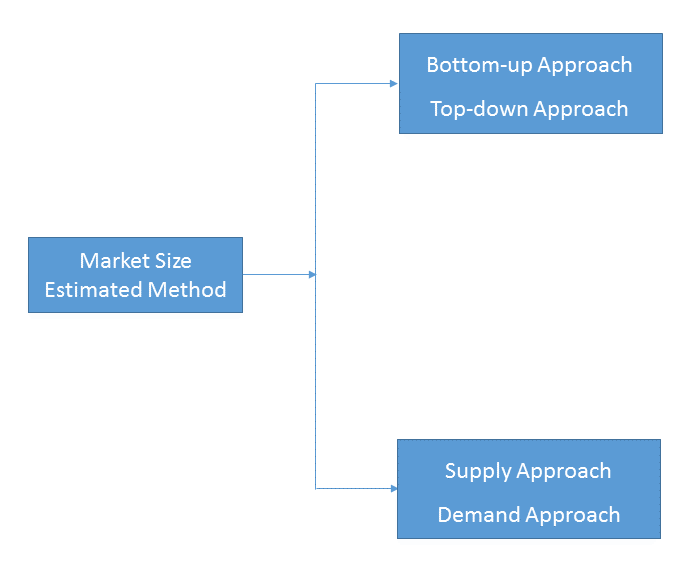
Bottom-up & top-down approach, supply & demand approach are the most important method which is used by HDIN Research to estimate the market size.
1)Top-down & Bottom-up Approach
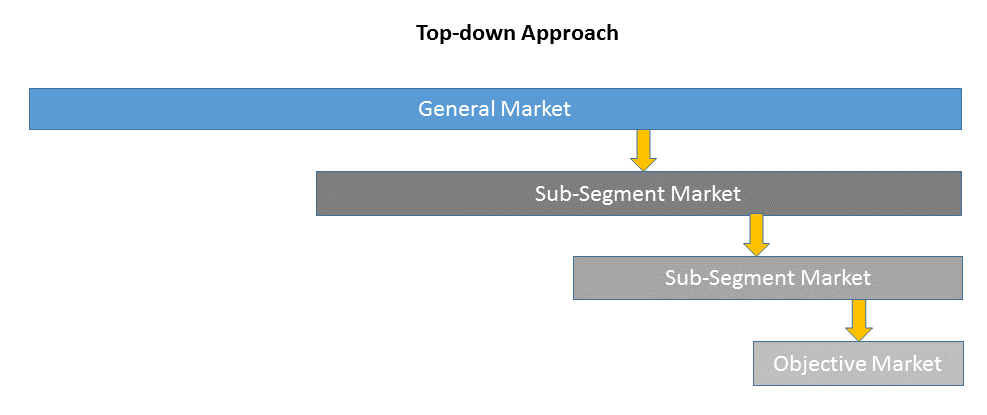
Top-down approach uses a general market size figure and determines the percentage that the objective market represents.
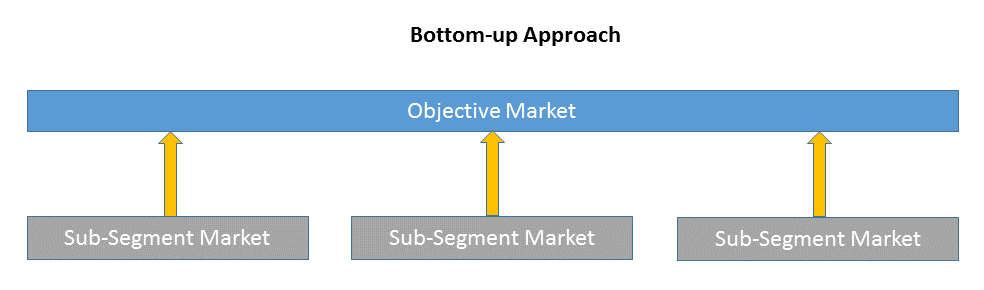
Bottom-up approach size the objective market by collecting the sub-segment information.
2)Supply & Demand Approach
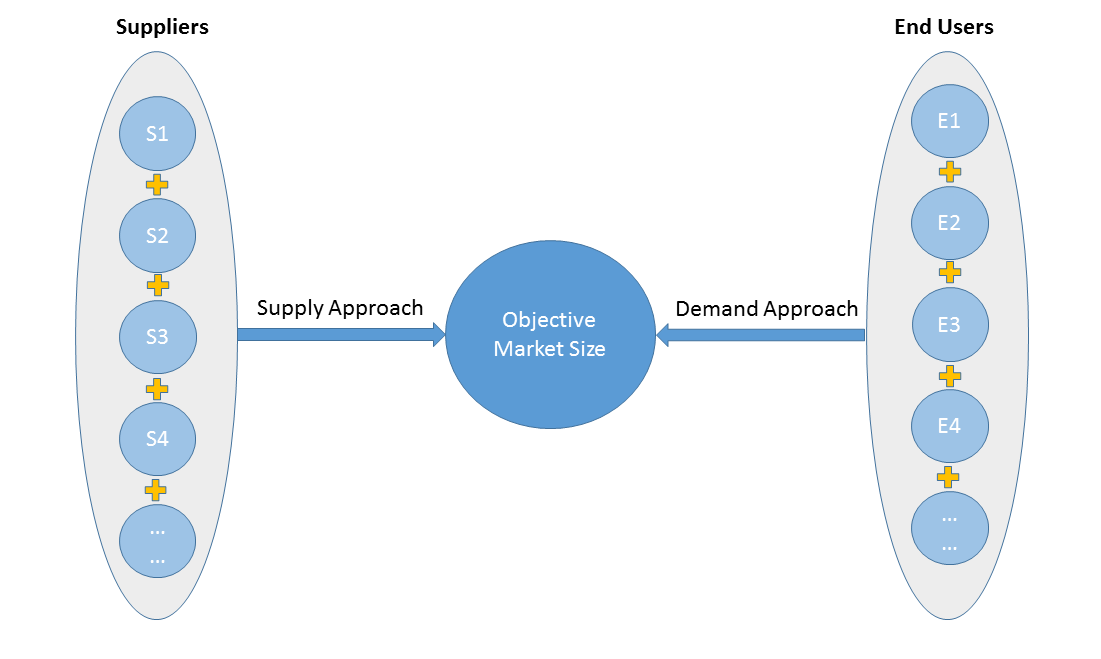
Supply approach is based on assessments of the size of each competitor supplying the objective market.
Demand approach combine end-user data within a market to estimate the objective market size. It is sometimes referred to as bottom-up approach.
- Forecasting Methodology
- Numerous factors impacting the market trend are considered for forecast model:
- New technology and application in the future;
- New project planned/under contraction;
- Global and regional underlying economic growth;
- Threatens of substitute products;
- Industry expert opinion;
- Policy and Society implication.
- Analysis Tools
1)PEST Analysis
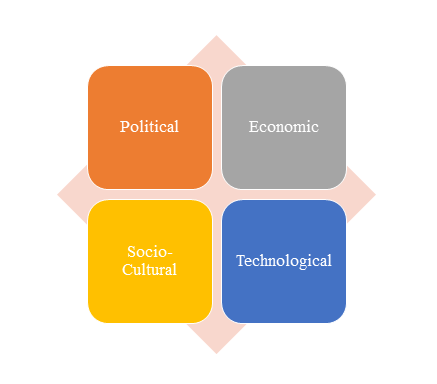
PEST Analysis is a simple and widely used tool that helps our client analyze the Political, Economic, Socio-Cultural, and Technological changes in their business environment.
- Benefits of a PEST analysis:
- It helps you to spot business opportunities, and it gives you advanced warning of significant threats.
- It reveals the direction of change within your business environment. This helps you shape what you’re doing, so that you work with change, rather than against it.
- It helps you avoid starting projects that are likely to fail, for reasons beyond your control.
- It can help you break free of unconscious assumptions when you enter a new country, region, or market; because it helps you develop an objective view of this new environment.
2)Porter’s Five Force Model Analysis
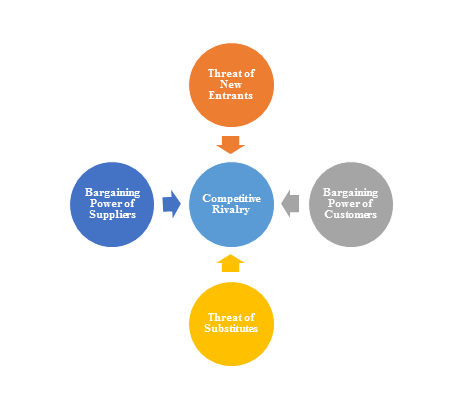
The Porter’s Five Force Model is a tool that can be used to analyze the opportunities and overall competitive advantage. The five forces that can assist in determining the competitive intensity and potential attractiveness within a specific area.
- Threat of New Entrants: Profitable industries that yield high returns will attract new firms.
- Threat of Substitutes: A substitute product uses a different technology to try to solve the same economic need.
- Bargaining Power of Customers: the ability of customers to put the firm under pressure, which also affects the customer's sensitivity to price changes.
- Bargaining Power of Suppliers: Suppliers of raw materials, components, labor, and services (such as expertise) to the firm can be a source of power over the firm when there are few substitutes.
- Competitive Rivalry: For most industries the intensity of competitive rivalry is the major determinant of the competitiveness of the industry.
3)Value Chain Analysis
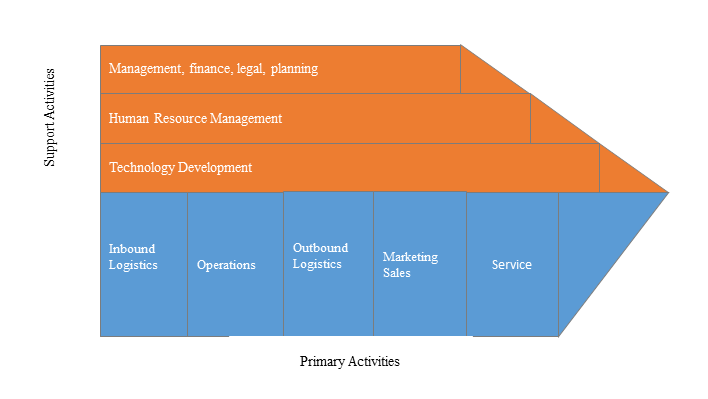
Value chain analysis is a tool to identify activities, within and around the firm and relating these activities to an assessment of competitive strength. Value chain can be analyzed by primary activities and supportive activities. Primary activities include: inbound logistics, operations, outbound logistics, marketing & sales, service. Support activities include: technology development, human resource management, management, finance, legal, planning.
4)SWOT Analysis
SWOT analysis is a tool used to evaluate a company's competitive position by identifying its strengths, weaknesses, opportunities and threats. The strengths and weakness is the inner factor; the opportunities and threats are the external factor. By analyzing the inner and external factors, the analysis can provide the detail information of the position of a player and the characteristics of the industry.
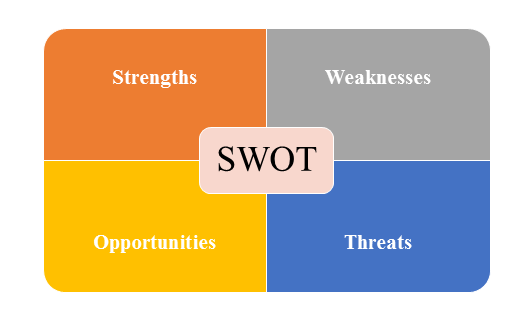
- Strengths describe what the player excels at and separates it from the competition
- Weaknesses stop the player from performing at its optimum level.
- Opportunities refer to favorable external factors that the player can use to give it a competitive advantage.
- Threats refer to factors that have the potential to harm the player.
- Data Sources
| Primary Sources | Secondary Sources |
|---|---|
| Face to face/Phone Interviews with market participants, such as: Manufactures; Distributors; End-users; Experts. Online Survey |
Government/International Organization Data: Annual Report/Presentation/Fact Book Internet Source Information Industry Association Data Free/Purchased Database Market Research Report Book/Journal/News |