Global Ventilator Market Analysis & Strategic Outlook 2021-2031
- Single User License (1 Users) $ 3,500
- Team License (2~5 Users) $ 4,500
- Corporate License (>5 Users) $ 5,500
The global ventilator market size is projected to reach 7.0-8.0 billion USD in 2026, advancing at a compound annual growth rate within the 4%-6% range through 2031. This expansion is governed by twin dynamics: the progressive substitution of invasive intubation by advanced non-invasive ventilation modalities in step-down and ambulatory environments, and the institutional requirement for closed-loop, data-integrated intensive care platforms that reduce nursing overhead in high-acuity wards.
Regional Market Dynamics
● North America
North America remains the preeminent revenue anchor, commanding the highest average selling prices globally. Demand across the United States is anchored by over 100,000 intensive care unit beds treating more than 2 million mechanically ventilated patients annually, alongside an addressable base exceeding 61 million individuals suffering from obstructive sleep apnea. Commercialization operates through private payer reimbursement paradigms, group purchasing organization multi-year sole-source awards, and established Medicare Part B frameworks.
Regulatory dynamics have grown increasingly intricate. The One Big Beautiful Bill Act of 2025 has amplified fiscal oversight across public entitlement spending, constraining institutional reimbursement margins. The formal exclusion of standard respiratory assist devices and continuous positive airway pressure units from Round 2028 of the CMS Durable Medical Equipment, Prosthetics, Orthotics, and Supplies Competitive Bidding Program offers temporary margin stabilization for home-care distributors. Concurrently, the establishment of the CMS/FDA RAPID pathway provides an accelerated reimbursement runway for novel breakthrough platforms.
Institutional care delivery exhibits steady capital migration away from central metropolitan hospitals toward ambulatory surgery centers and specialized post-acute weaning facilities. In Canada, public provincial tender mechanics dictate replacement timelines, favoring durable, high-performance units that satisfy Medical Device Single Audit Program parameters.
● Europe
Western Europe operates as the second-largest consumption bloc, characterized by advanced therapeutic penetration ranging between 14% and 20% across tertiary clinical centers, particularly in Germany. With more than 1 million mechanically ventilated patients treated annually across European intensive care units, institutional demand remains structurally resilient. However, capital equipment acquisition cycles face notable procedural friction.
The implementation of the European Medical Device Regulation (EU MDR 2017/745) has escalated recurring compliance costs, lengthened notified body audit cycles, and induced portfolio rationalization among original equipment manufacturers. Additionally, the phased enforcement of the EU Health Technology Assessment Regulation introduces unified joint clinical assessments, demanding demonstrable real-world economic and clinical value prior to national reimbursement adoption.
In Germany, original equipment manufacturers endure compressed gross margins resulting from acute energy inflation, certified raw material overhead, and stringent hospital budgetary ceilings. The United Kingdom exhibits uneven procurement cadence, driven primarily by centralized National Health Service capital replenishment initiatives. In France, Italy, and Spain, demographic aging supports steady bed utilization, though national centralized cost-containment frameworks, explicit unit volume quotas, and diagnostic-related group caps restrict aggressive pricing flexibility.
● Asia-Pacific
Asia-Pacific represents the most dynamic geographic theater. Growth is fueled by extensive capacity expansion across tiered hospital networks, expanding middle-class penetration, and large undiagnosed pools of chronic obstructive pulmonary disease and hypoventilation syndromes.
In China, national policy initiatives actively favor indigenous manufacturing substitution. The ubiquity of Volume-Based Procurement frameworks, coupled with comprehensive nationwide Diagnosis-Related Group and Diagnosis Intervention Packet reforms, has compressed capital margins, requiring multi-tier distributors to restructure under strict two-invoice policy enforcements. Heightened regulatory standards, such as YY 0781-2025 and YY 9706.287-2025, raise technical thresholds for pressure-sensing performance and high-frequency delivery. Retaliatory public procurement restrictions on select European Union and foreign-manufactured assets have accelerated domestic market consolidation.
Japan and South Korea reflect structurally mature, high-technology healthcare environments characterized by strict universal national insurance fee schedules. Japanese procurement prioritizes compact, multi-functional telemetry-integrated platforms deployed across high-density clinical footprints. South Korea exhibits a rapid institutional transition away from legacy post-pandemic equipment reserves toward specialized, high-margin critical care and neonatology ventilators. In Australia, market demand is sustained by remote telemedicine adoption and private insurance coverage for connected home-use respiratory assist devices.
● Latin America
The Latin American theatre experiences moderate growth. Activity is defined by sharp dichotomies between publicly funded municipal systems operating under strict capital constraints and tier-one private hospital networks modernizing their critical care suites.
Brazil serves as the primary regional anchor, driven by modernization projects within the Unified Health System and rising investments from institutional private hospital networks. Cross-border capital equipment acquisitions remain vulnerable to local currency volatility and extensive registration cycles supervised by the national regulatory agency.
Mexico maintains a dual role as an expanding domestic end-market and a critical cross-border nearshoring manufacturing enclave. However, original equipment manufacturers operating export facilities within Mexico face margin exposure when manufacturing inputs do not satisfy updated United States-Mexico-Canada Agreement regional value content thresholds, exposing products to adjusted tariff schedules. Secondary South American markets depend heavily on value-tier imports and public tenders, where capital acquisition decisions are dominated almost entirely by landed cost metrics.
● Middle East & Africa
The Middle East and Africa landscape presents stark infrastructural variances. Market expansion across the Gulf Cooperation Council is underpinned by substantial governmental capital deployment in state-of-the-art medical cities, expanding medical tourism infrastructure, and state-mandated digital transformations in Saudi Arabia and the United Arab Emirates.
Multinational vendors navigating the Gulf region must increasingly satisfy aggressive localized economic content frameworks and supply-chain localization criteria to successfully participate in ministerial tenders. In contrast, Sub-Saharan Africa remains an underserved, donor- and aid-reliant territory, with acute shortages of stationary clinical infrastructure. In South Africa, the institutional transition toward the second phase of National Health Insurance introduces centralized public procurement procedures and complex licensing oversight via the South African Health Products Regulatory Authority. Simultaneously, regional manufacturers confront export friction stemming from evolving international preferential trade arrangements, compounding local operational challenges.
Supply Chain & Value Chain Architecture
● Upstream Tier-1 Component Dynamics
The technological foundation of mechanical ventilation rests upon specialized precision engineering, dynamic electronic systems, and biocompatible material inputs. Foundational mechanics depend on precision proportional solenoid valves and high-speed brushless micro-turbines operating at rotational speeds exceeding 40,000 to 60,000 revolutions per minute. These turbines demand exotic rare-earth magnetic cores, precision-machined aerodynamic impellers, and ultra-durable ceramic bearings capable of delivering instantaneous dynamic flow acceleration under high pressures.
Critical bottlenecks persist across advanced sensor clusters: fast-response differential mass flow sensors, optical pressure transducers, paramagnetic and galvanic oxygen concentration cells, and sidestream/mainstream capnography units. Semiconductor microcontrollers, dual-redundant safety processing units, and high-resolution medical-grade capacitive liquid crystal displays represent primary points of electronic vulnerability.
Geopolitical restrictions surrounding advanced manufacturing materials, including export limits on processed rare earth elements and specialized industrial noble gases like refined helium, threaten the production velocity of advanced micro-blowers and calibration infrastructure. Sourcing strategies have consequently migrated from lean, just-in-time logistics toward active component second-sourcing, dual-foundry microchip validation, and regional buffer inventory accumulation.
● Midstream Manufacturing & Systems Integration
Midstream original equipment manufacturers control proprietary firmware, ventilation algorithm synthesis, cleanroom precision sub-assembly, and complex global regulatory dossiers. Modern assembly takes place in ISO 13485-certified Class 7 and Class 8 cleanrooms, where fluidic path integrity, dynamic leak rates, and electromagnetic isolation undergo automated verification.
Due to the extreme clinical risk associated with life-support failures, OEMs retain in-house execution of core technological proficiencies, specifically closed-loop pneumatic control algorithms and user-interface software architectures. Conversely, standardized pneumatic manifolds, peripheral plastic enclosures, wire harnesses, and standard power management boards are increasingly outsourced to specialized contract development and manufacturing organizations operating in lower-cost or nearshored production corridors.
Value creation within the midstream is migrating rapidly from pneumatic hardware assembly toward embedded intelligent software modules. Algorithms that provide proactive lung mechanics assessments, predictive weaning indices, automated multi-gas titration, and real-time transpulmonary pressure compensation represent the core proprietary assets that protect premium hardware pricing.
● Downstream Channel Distribution & Commercial Models
Downstream commercialization operates across multiple distinct channels tailored to institutional acuity and payer mechanics:
1. Direct Institutional Sales: Predominantly utilized by top-tier original equipment manufacturers across high-acuity North American, Western European, and Japanese acute-care settings. Specialized sales forces target hospital clinical leadership, intensive care directors, pulmonologists, and value analysis procurement committees. High-acuity commercial contracts typically bundle capital ventilator purchases with multi-year preventive service agreements, clinical training modules, and captive single-use breathing circuit delivery contracts.
2. Durable & Home Medical Equipment Networks: The principal volume commercialization pathway for non-invasive positive airway pressure units and domiciliary life-support systems. Equipment manufacturers interface directly with national and regional homecare providers. These distribution networks manage the patient-facing logistics: home delivery, mask fitting, patient compliance tracking, and third-party reimbursement billing against national insurance fee schedules.
Indirect Distribution Networks & Regional Distributors: Critical for penetrating fragmented community care centers, non-metro hospital networks, and emerging geographic regions throughout Latin America, the Asia-Pacific interior, and the Middle East. Strategic master distributors absorb regional regulatory registrations, local currency exchange risk, and frontline warranty maintenance obligations.
3. Group Purchasing Organizations & Centralized State Tenders: Master framework agreements dictate volume allocation across domestic systems. In the United States, major multi-hospital systems execute major capital purchases through multi-year discounted GPO catalogs. In Europe and Asia, regional ministries of health and centralized procurement boards execute single-winner or multi-winner competitive volume tenders, enforcing price compression in exchange for guaranteed baseline procurement volumes.
Segmental Architecture: Invasiveness & Clinical Applications
● Airway Interface Invasiveness Taxonomy
1. Invasive Mechanical Ventilators (IMVs): Invasive systems require the physical compromise of the patient's natural airway barriers via translaryngeal endotracheal intubation or surgical tracheostomy. These devices are universally deployed across high-acuity environments: medical intensive care units, surgical ICUs, cardiac care units, trauma bays, and operating theaters. They manage severe respiratory failure, acute lung injury, ARDS, neuro-trauma, and intraoperative sedation.
Invasive architectures must feature multi-mode functionality: Volume-Controlled Ventilation, Pressure-Controlled Ventilation, Synchronized Intermittent Mandatory Ventilation, Pressure Support Ventilation, and High-Frequency Oscillatory Ventilation. They integrate comprehensive respiratory mechanics diagnostics, dynamic auto-PEEP calculation, capnography, and multi-sensor alarm arrays. While invasive units generate the highest average selling prices, their unit volumes are structurally constrained by total global intensive care and surgical bed capacity.
2. Non-Invasive Ventilators (NIVs): Non-invasive platforms deliver mechanical ventilatory support without breaching the natural airway, interfacing via external nasal masks, oronasal full-face masks, total face shields, or high-flow nasal interfaces. Operating environments encompass post-acute step-down wards, intermediate respiratory care units, emergency departments, long-term care facilities, and private residences.
NIV configurations include continuous positive airway pressure systems for upper airway stenting in obstructive sleep apnea, bilevel positive airway pressure systems providing differential inspiratory and expiratory pressures for hypercapnic chronic obstructive pulmonary disease and neuromuscular deterioration, and Nasal High Flow platforms delivering heated, humidified gases at flow velocities up to 70 liters per minute to wash out anatomical dead space. NIV platforms represent the largest volume segment, sustained by demographic aging, chronic lifestyle-driven respiratory diseases, and systemic hospital economic pressures designed to avert the clinical morbidity and extended ICU lengths of stay associated with invasive intubation.
● Application Segmentation Matrix
1. ICU & Critical Care: This environment demands rugged, stationary trolley-mounted systems with advanced pulmonary diagnostic tools, closed-loop gas blending, automated lung-protective ventilation software, and bi-directional integration into hospital electronic medical record networks. Growth is driven by institutional bed capacity modernization and clinical demand for automation that counterbalances acute nursing shortages.
2. Emergency and Transport: This segment encompasses pre-hospital emergency medical services, civil and military aeromedical rescue, and inter-/intra-hospital transport between imaging suites, emergency units, and critical care departments. Hardware criteria prioritize ultra-low weight, mechanical drop resistance, wide ambient temperature tolerance, multi-hour hot-swappable battery operations or fully pneumatic turbine-free mechanics, and full electromagnetic compatibility in magnetic resonance imaging suites. Growth is fueled by public EMS fleet upgrades and disaster-response stockpiling initiatives.
3. Home Care: Focuses on treating chronic respiratory failure, late-stage COPD, ALS, advanced neuromuscular syndromes, and sleep apnea. Device requirements include compact form factors, whisper-quiet operation below 30 decibels, integrated active humidification, user-friendly consumer interfaces, and native cellular telemetry. Expansion is propelled by health economic mandates lowering readmission penalties, expanding national home reimbursement coverage, and accelerating consumer acceptance of digital health monitoring.
4. Neonatal & Infant Care: High-acuity delivery suites, pediatric ICUs, and neonatal intensive care units demand hyper-specialized ventilators tailored to premature neonates down to extreme low birth weights. System architectures must accurately deliver micro-tidal volumes measured in single-digit milliliters, specialized high-frequency oscillation, non-invasive synchronized nasal ventilation, and automated fraction of inspired oxygen titration loops to avoid both hypoxia and retinopathy of prematurity. Specialized interfaces for delivering inhaled pulmonary vasodilators, such as nitric oxide, are routinely integrated.
Key Market Players
● Philips Healthcare (Philips Respironics): Headquartered in Amsterdam, Netherlands, Philips Healthcare operates a diversified portfolio spanning acute hospital critical care, non-invasive clinical support, and home sleep therapy. The company's flagship clinical offerings include the Trilogy platform (e.g., Trilogy Evo, Trilogy 100/200) designed for continuous cross-acuity and domiciliary life support, and the V60 / V60 Plus dedicated hospital non-invasive ventilators known for their proprietary Auto-Trak dynamic leak-compensation algorithms.
● ResMed: Headquartered in San Diego, California, ResMed is an international pioneer in digital sleep therapeutics, cloud-connected pulmonary medicine, and out-of-hospital respiratory management. Its primary ventilation portfolio includes the Astral 100 and Astral 150 portable invasive/non-invasive life-support ventilators, and the AirCurve series (such as the AirCurve 10/11 ST-A) dedicated to chronic respiratory failure and neuromuscular hypoventilation.
● Drägerwerk AG & Co. KGaA (Dräger): Headquartered in Lübeck, Germany, Drägerwerk is an established global benchmark in acute-care medical technology, specialized intensive care infrastructure, and advanced pulmonary ventilation. Key platforms include the high-acuity Evita line (Evita V800, V600, V300) focused on lung-protective invasive ventilation and advanced clinical weaning protocols, the specialized Babylog series (Babylog VN800/VN500) dedicated to neonatal intensive care, and the versatile turbine-driven Savina 300.
● GE HealthCare: Headquartered in Chicago, Illinois, GE HealthCare is an international medical technology conglomerate delivering advanced precision diagnostics, enterprise digital infrastructure, and intensive care hardware. Its premier ventilator asset is the CARESCAPE R860, a premium ICU mechanical ventilator platform designed to optimize lung-protective strategies through quantitative assessment tools, including functional residual capacity monitoring, SpiroDynamics, and personalized indirect calorimetry.
● Fisher & Paykel Healthcare: Headquartered in Auckland, New Zealand, Fisher & Paykel Healthcare is a specialized world leader in active respiratory humidification systems, high-flow nasal cannula therapies, and advanced infant respiratory consumables. Core platforms include the AIRVO 2 and myAirvo systems delivering heated Optiflow nasal high-flow therapy, infant Bubble CPAP systems, and the MR850/F&P 950 active humidification stations deployed across third-party mechanical ventilators.
● Getinge AB: Headquartered in Gothenburg, Sweden, Getinge is a global medtech supplier delivering specialized infrastructure for cardiovascular procedures, intensive care, and operating environments. The company's ventilation profile centers on the iconic SERVO franchise, including the flagship Servo-u (featuring proprietary Neurally Adjusted Ventilatory Assist and transpulmonary pressure monitoring), the turbine-driven Servo-air, and the specialized Servo-n for neonatal critical care.
● Mindray: Headquartered in Shenzhen, China, Mindray is a global developer and manufacturer of high-acuity patient monitoring systems, in-vitro diagnostic platforms, and advanced hospital medical equipment. Its critical care line includes the SV800 and SV600 premium intensive care ventilators (featuring capacitive touchscreens and PulmoSight pulmonary visualization diagnostics), the compact turbine-driven SV300 transport/ICU hybrid unit, and the specialized TV-series emergency transport systems.
● Nihon Kohden Corporation: Headquartered in Tokyo, Japan, Nihon Kohden is an established international designer and manufacturer of precision medical instrumentation, patient telemetry networks, resuscitation systems, and diagnostic tools. Its mechanical ventilation division markets the NKV series, anchored by the NKV-550 critical care ventilator (featuring unified adult-to-neonatal capabilities and dual-screen remote protective control interfaces) alongside the NKV-330 non-invasive transport platform.
● MEKICS Co., Ltd.: Headquartered in Paju, South Korea, MEKICS is a specialized medical manufacturer focusing on ICU artificial respiration platforms, sub-acute transport equipment, and advanced clinical respiratory care systems. Its core product lineup features the MV2000 (SU:M series) intensive care ventilator, integrating high-frequency oscillation alongside intelligent AutoVent weaning automation, and the MTV1000 versatile transport platform.
● Shanghai Fosun Pharmaceutical / Breas Medical: Breas Medical, based in Mölnlycke, Sweden, and operating as a dedicated respiratory subsidiary of the Shanghai Fosun Pharmaceutical Group, focuses on homecare, long-term chronic ventilation, and hospital step-down devices. Its core product offering revolves around the Vivo platform, notably the Vivo 45LS and Vivo 65 versatile portable life-support ventilators (supporting invasive mouthpiece and non-invasive modes), alongside the Vivo 1, 2, and 3 series for chronic home respiratory therapy.
● Beijing BMC Medical Co., Ltd.: Headquartered in Beijing, China, and listed on the Shenzhen ChiNext board, BMC Medical develops and produces non-invasive respiratory devices, sleep diagnostic equipment, and patient interface masks. Its core line comprises the RESmart series and the advanced G3 BiPAP/PAP platform (including B25S, B30T, and LAB models), engineered with automated leak compensation and dynamic target tidal volume algorithms.
● Inspiration Healthcare Group plc: Headquartered in Croydon, United Kingdom, Inspiration Healthcare specializes in medical technologies for neonatal intensive care, medical gas delivery, and patient warming. Through its SLE Ltd subsidiary, the company manufactures the globally acclaimed SLE6000 and SLE5000 specialized neonatal ventilators, which utilize unique valveless jet technology to administer conventional ventilation, high-frequency oscillation, and the closed-loop OxyGenie automated oxygen titration system. The company also operates the Airon pneumatic transport ventilation division.
● Fukuda Denshi Co., Ltd.: Headquartered in Tokyo, Japan, Fukuda Denshi is an established global pioneer in medical diagnostics, cardiovascular instrumentation, and hospital-wide telemetry networks. In the respiratory domain, the organization markets clinical-grade continuous positive airway pressure units and non-invasive positive pressure ventilation systems (such as the ARF series) tailored for sleep-disordered breathing and hypercapnic heart failure.
● Jiangsu Yuyue Medical Equipment & Supply Co., Ltd. (Yuwell): Headquartered in Danyang/Shanghai, China, and publicly traded on the Shenzhen Stock Exchange, Yuwell is China's largest consumer healthcare and institutional medical equipment enterprise. Its mechanical ventilation portfolio focuses on home-use and clinical non-invasive BiPAP platforms, led by the Breathcare series (YH-720, YH-730, and YH-830), incorporating automated pressure adaptation, target tidal volumes, and integrated humidifiers.
● Cofoe Medical Technology Co., Ltd.: Headquartered in Changsha, Hunan Province, China, Cofoe Medical is an integrated healthcare equipment enterprise operating expansive manufacturing and distribution networks across consumer medical devices. The company's respiratory portfolio emphasizes accessible home-use auto-CPAP and bi-level positive airway pressure units (including the C10, C11, and B25S lines), engineered with multi-stage noise suppression and algorithmic pressure synchronization.
● Hamilton Medical AG: Headquartered in Bonaduz, Switzerland, Hamilton Medical is an internationally recognized specialist dedicated exclusively to intelligent critical care ventilation technologies. Renowned for its Adaptive Support Ventilation and closed-loop INTELLiVENT-ASV systems, the company manufactures premier intensive care workstations (HAMILTON-G5, HAMILTON-C6), the transport-focused HAMILTON-T1 (for aeromedical operations), and compact turbine-driven clinical units (HAMILTON-C1, HAMILTON-C3).
● Medtronic plc: Headquartered in Galway, Ireland, and Minneapolis, Minnesota, Medtronic is one of the world's largest diversified healthcare technology conglomerates. Its respiratory division markets the industry-standard Puritan Bennett line, spearheaded by the Puritan Bennett 980 (PB980) critical care ventilator—featuring advanced Proportional Assist Ventilation, Leak Sync software, and comprehensive multi-patient capability—alongside the classic Puritan Bennett 840.
● Vyaire Medical, Inc.: Formed from the respiratory divisions of Becton Dickinson (CareFusion/Viasys), Vyaire Medical possesses a historical heritage across mechanical ventilation and pulmonary diagnostics. The company's established portfolio spans critical and transport platforms, including the bellavista 1000 series, the LTV transport series (e.g., LTV 1200 / LTV2 2200), the Avea and Vela intensive care platforms, and the specialized 3100A/3100B high-frequency oscillatory ventilators.
● Löwenstein Medical: Headquartered in Bad Ems, Germany, Löwenstein Medical is an established European manufacturer and distributor specializing in intensive care, neonatology, and out-of-hospital respiratory medicine. Its clinical line includes the premium elisa ICU family (elisa 300 through elisa 800VIT, featuring integrated electrical impedance tomography for real-time bedside lung aeration mapping) and the prisma VENT series for clinical and domiciliary non-invasive ventilation.
● Air Liquide Medical Systems S.A.: Headquartered in Antony, France, and operating as the medical technology arm of global industrial gas producer Air Liquide, ALMS engineers advanced ventilation systems for hospital, transport, and home environments. Its flagship product is the Monnal franchise, led by the rugged Monnal T60 critical transport ventilator (extensively deployed in air and ground emergency medical transport) and the Monnal T75 high-performance ICU workstation.
● WEINMANN Emergency Medical Technology GmbH: Headquartered in Hamburg, Germany, WEINMANN Emergency develops mobile system solutions for emergency medical services, civil protection, disaster relief, and military rescue teams. Its premier product line is the MEDUMAT family, specifically the MEDUMAT Transport (a high-performance emergency and ICU transport ventilator with integrated capnography and pre-configured emergency algorithms) and the compact MEDUMAT Standard2.
● eVent Medical Ltd.: Established in 2000 and operating facilities in the United States and the United Kingdom, eVent Medical is an engineering-centric company focused on high-performance critical care ventilators. Its primary offerings include the Inspiration series and the eVolution series, with the flagship Inspiration 7i featuring proportional solenoid valves, active exhalation mechanics, automatic tube compensation, and comprehensive invasive/non-invasive multi-patient capability.
● Intersurgical Ltd.: Headquartered in Wokingham, Berkshire, United Kingdom, Intersurgical is a global manufacturer of specialized respiratory consumables and airway management systems. While Intersurgical does not manufacture active electronic ventilator hardware, it occupies an indispensable structural position in the ventilation value chain by designing and supplying critical breathing circuits, including Flextube and Silver Knight critical care systems, heated-wire circuits, infant nFlow Bubble CPAP circuits, and StarMed non-invasive CPAP hoods and helmets.
● Transformative Catalysts & Market Arbitrage
The clinical migration from invasive mechanical intubation to non-invasive interfaces and high-flow nasal therapy represents an enduring structural shift. Clinical trial outcomes published in major medical journals confirm that early non-invasive respiratory interventions directly mitigate the risk of ventilator-associated pneumonia, avoid post-extubation subglottic stenosis, and systematically reduce ICU length of stay.
Advanced high-flow nasal platforms demonstrate the capability to support acute hypoxic respiratory failure without requiring sedation or invasive artificial airways, fundamentally altering emergency department triaging. Concurrently, continuous positive airway pressure therapy for obstructive sleep apnea continues to build an evidence base demonstrating multi-year reductions in all-cause cardiovascular mortality, providing private and public payers with clear economic justifications for broadening patient screening and equipment reimbursement.
In high-acuity environments, differentiation is propelled by closed-loop, data-driven ventilation modes. Closed-loop algorithms that actively integrate transpulmonary pressure sensors, continuous electrical impedance tomography, and neural diaphragmatic triggering are elevating the standard of care. These platforms automate lung-protective ventilation protocols, actively shielding lung tissues from volutrauma, barotrauma, and atelectrauma without requiring continuous bedside interventions by specialized respiratory therapists.
Simultaneously, the convergence of multi-gas delivery systems onto unified platforms—such as integrating on-demand electrochemical generation of inhaled nitric oxide or precision volatile anesthetic vaporizers for ICU sedation—is transforming basic ventilators into complex respiratory therapy workstations, expanding the total addressable clinical market.
● Structural Vulnerabilities & Operational Risk
The ventilator market faces several acute macroeconomic and regulatory challenges. A primary headwind is the compression of capital margins driven by universal cost-containment frameworks. Across Europe and Asia, centralized tendering frameworks and Volume-Based Procurement mechanisms are eroding the pricing power of mid-tier hardware. Multi-year fixed-price contracts leave manufacturers vulnerable to sudden input-cost surges, as institutional pricing models prevent companies from passing raw material and component inflation downstream to healthcare providers.
Supply chain vulnerabilities remain structurally unresolved. Critical sub-assemblies—specifically high-speed micro-turbines, miniature proportional valves, optical differential pressure sensors, and specialized medical microcontrollers—rely on a geographically concentrated tier-2 and tier-3 supplier network. Export controls over rare earth minerals required for high-efficiency permanent magnet motors, alongside industrial helium constraints, introduce volatility into cleanroom production schedules. The single-facility reliance of specialized contract development and manufacturing partners introduces severe operational risks should regional supply disruptions or quality-assurance halts occur.
Trade policy volatility and regulatory fragmentation create operational friction. Revised tariff schedules, Section 232 trade disputes, and strict regional content enforcement increase landed component costs and necessitate complex supply chain realignments.
Furthermore, the operational and financial burden imposed by the EU Medical Device Regulation has led multiple multinational manufacturers to selectively discontinue legacy product lines, restricting clinical device availability across Europe. Finally, chronic global shortages of specialized critical care nurses, certified respiratory therapists, and intensivist physicians limit physical hospital bed throughput, shifting procurement priorities toward hyper-intuitive, highly automated systems designed to minimize required user interaction at the bedside.
1.1 Executive Summary and Scope Definition 1
1.2 Research Methodology and Secondary Data Sources 2
1.3 Primary Validation and Industry Consensus Modeling 3
1.4 Forecasting Hypotheses and Macroeconomic Assumptions 5
1.5 Acronyms and Technical Nomenclature 6
Chapter 2 Global Ventilator Ecosystem and Industry Dynamics
2.1 Market Evolution and Clinical Architecture Paradigm 7
2.2 Regulatory Governance and Stringency Thresholds 9
2.3 Critical Growth Determinants and Restraints 11
2.4 Cross-Sector Technology Integration and Digitalization 13
Chapter 3 Global Supply Chain Architecture and Value Migration
3.1 Ventilator Upstream Sourcing Network 15
3.1.1 Micro-Blower Units and Proportional Valve Components 15
3.1.2 Sensor Arrays: Flow, Pressure, and O2 Sensing Technologies 16
3.1.3 Embedded Microcontroller and Power Management Subsystems 17
3.2 Manufacturing Complexities and Critical BOM Dissection 18
3.3 Margin Realization and Value Chain Tiering 20
3.4 Trade Corridors and Cross-Border Logistics Dynamics 22
3.4.1 Global Flow Patterns and Key Export Hubs 22
3.4.2 Strategic Sourcing Vulnerabilities and Import Reliance 23
Chapter 4 Global Ventilator Market by Airway Interface Invasiveness
4.1 Invasive Mechanical Ventilator 25
4.1.1 Critical Care Utilization and Hemodynamic Impact 25
4.1.2 Market Volume and Revenue Valuation (2021-2031) 27
4.2 Non-Invasive Ventilator 29
4.2.1 Domiciliary and Sub-Acute Clinical Penetration 29
4.2.2 Market Volume and Revenue Valuation (2021-2031) 31
Chapter 5 Global Ventilator Market by Clinical Application
5.1 ICU and Critical Care Applications 34
5.2 Emergency and Transport Segment 38
5.3 Home Care Infrastructure 42
5.4 Neonatal and Infant Care 46
Chapter 6 North America Ventilator Market Dynamics
6.1 Strategic Regional Evaluation 50
6.2 United States 52
6.3 Canada 58
Chapter 7 Europe Ventilator Market Dynamics
7.1 Strategic Regional Evaluation 62
7.2 Germany 64
7.3 United Kingdom 70
7.4 France 74
7.5 Italy 78
7.6 Switzerland 82
7.7 Sweden & Rest of Europe 86
Chapter 8 Asia-Pacific Ventilator Market Dynamics
8.1 Strategic Regional Evaluation 90
8.2 China 92
8.3 Japan 98
8.4 South Korea 102
8.5 India 106
8.6 Australia & New Zealand 110
8.7 Southeast Asia114
Chapter 9 Latin America, Middle East, and Africa Ventilator Market Dynamics
9.1 Brazil 118
9.2 Mexico 122
9.3 Saudi Arabia 126
9.4 United Arab Emirates 130
9.5 South Africa 134
Chapter 10 Competitive Intelligence and Corporate Benchmarking
10.1 Global Market Share Breakdown and Structural Concentration 138
10.2 Mergers, Strategic Alliances, and Divestment Dynamics 140
Chapter 11 Corporate Profiles and Strategic Footprints
11.1 Philips Healthcare 142
11.1.1 Enterprise Overview and Strategic Positioning 142
11.1.2 SWOT Matrix and Risk Containment 143
11.1.3 Ventilator Operations: Financial Breakdown, Margins, and Price Metrics (2021-2026) 144
11.1.4 Global Market Footprint and Channel Execution 146
11.2 ResMed 147
11.2.1 Enterprise Overview and Strategic Positioning 147
11.2.2 SWOT Matrix and Risk Containment 148
11.2.3 Ventilator Operations: Financial Breakdown, Margins, and Price Metrics (2021-2026) 149
11.2.4 Global Market Footprint and Channel Execution 151
11.3 Drägerwerk 152
11.3.1 Enterprise Overview and Strategic Positioning 152
11.3.2 SWOT Matrix and Risk Containment 153
11.3.3 Ventilator Operations: Financial Breakdown, Margins, and Price Metrics (2021-2026) 154
11.3.4 Global Market Footprint and Channel Execution 156
11.4 GE HealthCare 157
11.4.1 Enterprise Overview and Strategic Positioning 157
11.4.2 SWOT Matrix and Risk Containment 158
11.4.3 Ventilator Operations: Financial Breakdown, Margins, and Price Metrics (2021-2026) 159
11.4.4 Global Market Footprint and Channel Execution 161
11.5 Fisher & Paykel 162
11.5.1 Enterprise Overview and Strategic Positioning 162
11.5.2 SWOT Matrix and Risk Containment 163
11.5.3 Ventilator Operations: Financial Breakdown, Margins, and Price Metrics (2021-2026) 164
11.5.4 Global Market Footprint and Channel Execution 166
11.6 Getinge 167
11.6.1 Enterprise Overview and Strategic Positioning 167
11.6.2 SWOT Matrix and Risk Containment 168
11.6.3 Ventilator Operations: Financial Breakdown, Margins, and Price Metrics (2021-2026) 169
11.6.4 Global Market Footprint and Channel Execution 171
11.7 Mindray 172
11.7.1 Enterprise Overview and Strategic Positioning 172
11.7.2 SWOT Matrix and Risk Containment 173
11.7.3 Ventilator Operations: Financial Breakdown, Margins, and Price Metrics (2021-2026) 174
11.7.4 Global Market Footprint and Channel Execution 176
11.8 Nihon Kohden 177
11.8.1 Enterprise Overview and Strategic Positioning 177
11.8.2 SWOT Matrix and Risk Containment 178
11.8.3 Ventilator Operations: Financial Breakdown, Margins, and Price Metrics (2021-2026) 179
11.8.4 Global Market Footprint and Channel Execution 181
11.9 MEKICS Co. Ltd. 182
11.9.1 Enterprise Overview and Strategic Positioning 182
11.9.2 SWOT Matrix and Risk Containment 183
11.9.3 Ventilator Operations: Financial Breakdown, Margins, and Price Metrics (2021-2026) 184
11.9.4 Global Market Footprint and Channel Execution 186
11.10 Shanghai Fosun Pharmaceutical / Breas Medical 187
11.10.1 Enterprise Overview and Strategic Positioning 187
11.10.2 SWOT Matrix and Risk Containment 188
11.10.3 Ventilator Operations: Financial Breakdown, Margins, and Price Metrics (2021-2026) 189
11.10.4 Global Market Footprint and Channel Execution 191
11.11 Beijing BMC Medical 192
11.11.1 Enterprise Overview and Strategic Positioning 192
11.11.2 SWOT Matrix and Risk Containment 193
11.11.3 Ventilator Operations: Financial Breakdown, Margins, and Price Metrics (2021-2026) 194
11.11.4 Global Market Footprint and Channel Execution 196
11.12 Inspiration Healthcare Group plc 197
11.12.1 Enterprise Overview and Strategic Positioning 197
11.12.2 SWOT Matrix and Risk Containment 198
11.12.3 Ventilator Operations: Financial Breakdown, Margins, and Price Metrics (2021-2026) 199
11.12.4 Global Market Footprint and Channel Execution 201
11.13 FUKUDA DENSHI 202
11.13.1 Enterprise Overview and Strategic Positioning 202
11.13.2 SWOT Matrix and Risk Containment 203
11.13.3 Ventilator Operations: Financial Breakdown, Margins, and Price Metrics (2021-2026) 204
11.13.4 Global Market Footprint and Channel Execution 206
11.14 Jiangsu Yuyue (Yuwell) 207
11.14.1 Enterprise Overview and Strategic Positioning 207
11.14.2 SWOT Matrix and Risk Containment 208
11.14.3 Ventilator Operations: Financial Breakdown, Margins, and Price Metrics (2021-2026) 209
11.14.4 Global Market Footprint and Channel Execution 211
11.15 Cofoe Medical Technology 212
11.15.1 Enterprise Overview and Strategic Positioning 212
11.15.2 SWOT Matrix and Risk Containment 213
11.15.3 Ventilator Operations: Financial Breakdown, Margins, and Price Metrics (2021-2026) 214
11.15.4 Global Market Footprint and Channel Execution 216
11.16 Hamilton Medical AG 217
11.16.1 Enterprise Overview and Strategic Positioning 217
11.16.2 SWOT Matrix and Risk Containment 218
11.16.3 Ventilator Operations: Financial Breakdown, Margins, and Price Metrics (2021-2026) 219
11.16.4 Global Market Footprint and Channel Execution 221
11.17 Medtronic plc 222
11.17.1 Enterprise Overview and Strategic Positioning 222
11.17.2 SWOT Matrix and Risk Containment 223
11.17.3 Ventilator Operations: Financial Breakdown, Margins, and Price Metrics (2021-2026) 224
11.17.4 Global Market Footprint and Channel Execution 226
11.18 Vyaire Medical 227
11.18.1 Enterprise Overview and Strategic Positioning 227
11.18.2 SWOT Matrix and Risk Containment 228
11.18.3 Ventilator Operations: Financial Breakdown, Margins, and Price Metrics (2021-2026) 229
11.18.4 Global Market Footprint and Channel Execution 231
11.19 Lowenstein Medical 232
11.19.1 Enterprise Overview and Strategic Positioning 232
11.19.2 SWOT Matrix and Risk Containment 233
11.19.3 Ventilator Operations: Financial Breakdown, Margins, and Price Metrics (2021-2026) 234
11.19.4 Global Market Footprint and Channel Execution 236
11.20 Air Liquide Medical Systems S.A 237
11.20.1 Enterprise Overview and Strategic Positioning 237
11.20.2 SWOT Matrix and Risk Containment 238
11.20.3 Ventilator Operations: Financial Breakdown, Margins, and Price Metrics (2021-2026) 239
11.20.4 Global Market Footprint and Channel Execution 241
11.21 WEINMANN Emergency Medical Technology GmbH 242
11.21.1 Enterprise Overview and Strategic Positioning 242
11.21.2 SWOT Matrix and Risk Containment 243
11.21.3 Ventilator Operations: Financial Breakdown, Margins, and Price Metrics (2021-2026) 244
11.21.4 Global Market Footprint and Channel Execution 246
11.22 Löwenstein Medical 247
11.22.1 Enterprise Overview and Strategic Positioning 247
11.22.2 SWOT Matrix and Risk Containment 248
11.22.3 Ventilator Operations: Financial Breakdown, Margins, and Price Metrics (2021-2026) 249
11.22.4 Global Market Footprint and Channel Execution 251
11.23 eVent Medical Ltd. 252
11.23.1 Enterprise Overview and Strategic Positioning 252
11.23.2 SWOT Matrix and Risk Containment 253
11.23.3 Ventilator Operations: Financial Breakdown, Margins, and Price Metrics (2021-2026) 254
11.23.4 Global Market Footprint and Channel Execution 256
11.24 Intersurgical Ltd 257
11.24.1 Enterprise Overview and Strategic Positioning 257
11.24.2 SWOT Matrix and Risk Containment 258
11.24.3 Ventilator Operations: Financial Breakdown, Margins, and Price Metrics (2021-2026) 259
11.24.4 Global Market Footprint and Channel Execution 261
Table 2 Cross-Border Ventilator Flow: Key Export Hubs and Destinations (2021-2026) 24
Table 3 Global Invasive Mechanical Ventilator Volume (Units) and Value (USD Million) Forecast (2021-2031) 28
Table 4 Global Non-Invasive Ventilator Volume (Units) and Value (USD Million) Forecast (2021-2031) 32
Table 5 Global Ventilator Volume by Clinical Application (Units, 2021-2031) 35
Table 6 Global Ventilator Market Value by Clinical Application (USD Million, 2021-2031) 37
Table 7 United States Ventilator Production, Demand, and Cross-Border Metric (2021-2031) 57
Table 8 Germany Ventilator Production, Demand, and Cross-Border Metric (2021-2031) 69
Table 9 China Ventilator Production, Demand, and Cross-Border Metric (2021-2031) 97
Table 10 Philips Healthcare Ventilator Sales, Price, Cost and Gross Profit Margin (2021-2026) 144
Table 11 ResMed Ventilator Sales, Price, Cost and Gross Profit Margin (2021-2026) 149
Table 12 Drägerwerk Ventilator Sales, Price, Cost and Gross Profit Margin (2021-2026) 154
Table 13 GE HealthCare Ventilator Sales, Price, Cost and Gross Profit Margin (2021-2026) 159
Table 14 Fisher & Paykel Ventilator Sales, Price, Cost and Gross Profit Margin (2021-2026) 164
Table 15 Getinge Ventilator Sales, Price, Cost and Gross Profit Margin (2021-2026) 169
Table 16 Mindray Ventilator Sales, Price, Cost and Gross Profit Margin (2021-2026) 174
Table 17 Nihon Kohden Ventilator Sales, Price, Cost and Gross Profit Margin (2021-2026) 179
Table 18 MEKICS Co. Ltd. Ventilator Sales, Price, Cost and Gross Profit Margin (2021-2026) 184
Table 19 Shanghai Fosun Pharmaceutical / Breas Medical Ventilator Sales, Price, Cost and Gross Profit Margin (2021-2026) 189
Table 20 Beijing BMC Medical Ventilator Sales, Price, Cost and Gross Profit Margin (2021-2026) 194
Table 21 Inspiration Healthcare Group plc Ventilator Sales, Price, Cost and Gross Profit Margin (2021-2026) 199
Table 22 FUKUDA DENSHI Ventilator Sales, Price, Cost and Gross Profit Margin (2021-2026) 204
Table 23 Jiangsu Yuyue (Yuwell) Ventilator Sales, Price, Cost and Gross Profit Margin (2021-2026) 209
Table 24 Cofoe Medical Technology Ventilator Sales, Price, Cost and Gross Profit Margin (2021-2026) 214
Table 25 Hamilton Medical AG Ventilator Sales, Price, Cost and Gross Profit Margin (2021-2026) 219
Table 26 Medtronic plc Ventilator Sales, Price, Cost and Gross Profit Margin (2021-2026) 224
Table 27 Vyaire Medical Ventilator Sales, Price, Cost and Gross Profit Margin (2021-2026) 229
Table 28 Lowenstein Medical Ventilator Sales, Price, Cost and Gross Profit Margin (2021-2026) 234
Table 29 Air Liquide Medical Systems S.A Ventilator Sales, Price, Cost and Gross Profit Margin (2021-2026) 239
Table 30 WEINMANN Emergency Medical Technology GmbH Ventilator Sales, Price, Cost and Gross Profit Margin (2021-2026) 244
Table 31 Löwenstein Medical Ventilator Sales, Price, Cost and Gross Profit Margin (2021-2026) 249
Table 32 eVent Medical Ltd. Ventilator Sales, Price, Cost and Gross Profit Margin (2021-2026) 254
Table 33 Intersurgical Ltd Ventilator Sales, Price, Cost and Gross Profit Margin (2021-2026) 259
Figure 1 End-to-End Ventilator Value Chain Architecture 21
Figure 2 Global Invasiveness Type Share Transition (2021 vs 2026 vs 2031) 33
Figure 3 Clinical Application Share Distribution by Value (2021-2031) 49
Figure 4 North America Ventilator Market Dynamics (2021-2031) 51
Figure 5 Europe Ventilator Market Dynamics (2021-2031) 63
Figure 6 Asia-Pacific Ventilator Market Dynamics (2021-2031) 91
Figure 7 Global Ventilator Enterprise Market Concentration (2021-2026) 139
Figure 8 Philips Healthcare Ventilator Market Share (2021-2026) 145
Figure 9 ResMed Ventilator Market Share (2021-2026) 150
Figure 10 Drägerwerk Ventilator Market Share (2021-2026) 155
Figure 11 GE HealthCare Ventilator Market Share (2021-2026) 160
Figure 12 Fisher & Paykel Ventilator Market Share (2021-2026) 165
Figure 13 Getinge Ventilator Market Share (2021-2026) 170
Figure 14 Mindray Ventilator Market Share (2021-2026) 175
Figure 15 Nihon Kohden Ventilator Market Share (2021-2026) 180
Figure 16 MEKICS Co. Ltd. Ventilator Market Share (2021-2026) 185
Figure 17 Shanghai Fosun Pharmaceutical / Breas Medical Ventilator Market Share (2021-2026) 190
Figure 18 Beijing BMC Medical Ventilator Market Share (2021-2026) 195
Figure 19 Inspiration Healthcare Group plc Ventilator Market Share (2021-2026) 200
Figure 20 FUKUDA DENSHI Ventilator Market Share (2021-2026) 205
Figure 21 Jiangsu Yuyue (Yuwell) Ventilator Market Share (2021-2026) 210
Figure 22 Cofoe Medical Technology Ventilator Market Share (2021-2026) 215
Figure 23 Hamilton Medical AG Ventilator Market Share (2021-2026) 220
Figure 24 Medtronic plc Ventilator Market Share (2021-2026) 225
Figure 25 Vyaire Medical Ventilator Market Share (2021-2026) 230
Figure 26 Lowenstein Medical Ventilator Market Share (2021-2026) 235
Figure 27 Air Liquide Medical Systems S.A Ventilator Market Share (2021-2026) 240
Figure 28 WEINMANN Emergency Medical Technology GmbH Ventilator Market Share (2021-2026) 245
Figure 29 Löwenstein Medical Ventilator Market Share (2021-2026) 250
Figure 30 eVent Medical Ltd. Ventilator Market Share (2021-2026) 255
Figure 31 Intersurgical Ltd Ventilator Market Share (2021-2026) 260
Research Methodology
- Market Estimated Methodology:
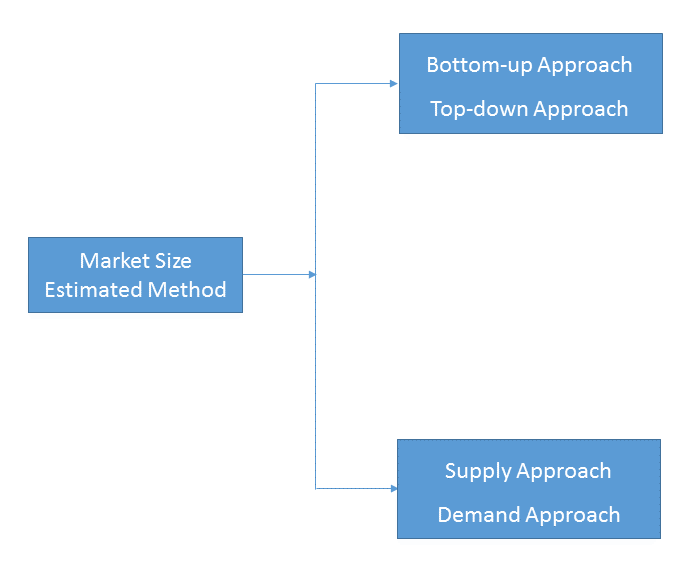
Bottom-up & top-down approach, supply & demand approach are the most important method which is used by HDIN Research to estimate the market size.
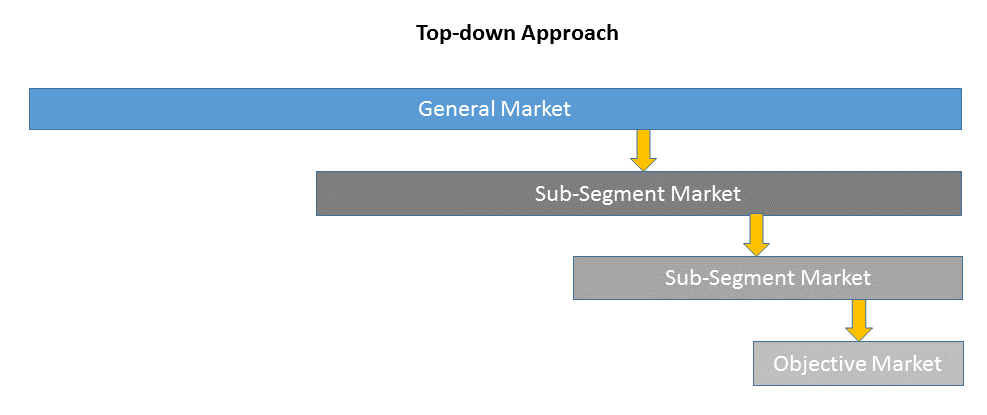
1)Top-down & Bottom-up Approach
Top-down approach uses a general market size figure and determines the percentage that the objective market represents.
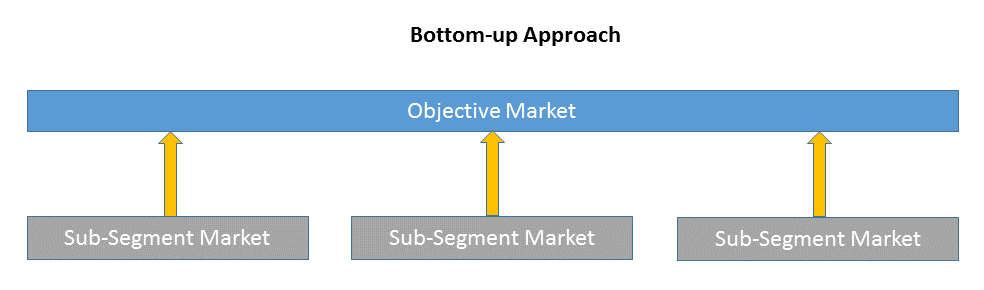
Bottom-up approach size the objective market by collecting the sub-segment information.
2)Supply & Demand Approach
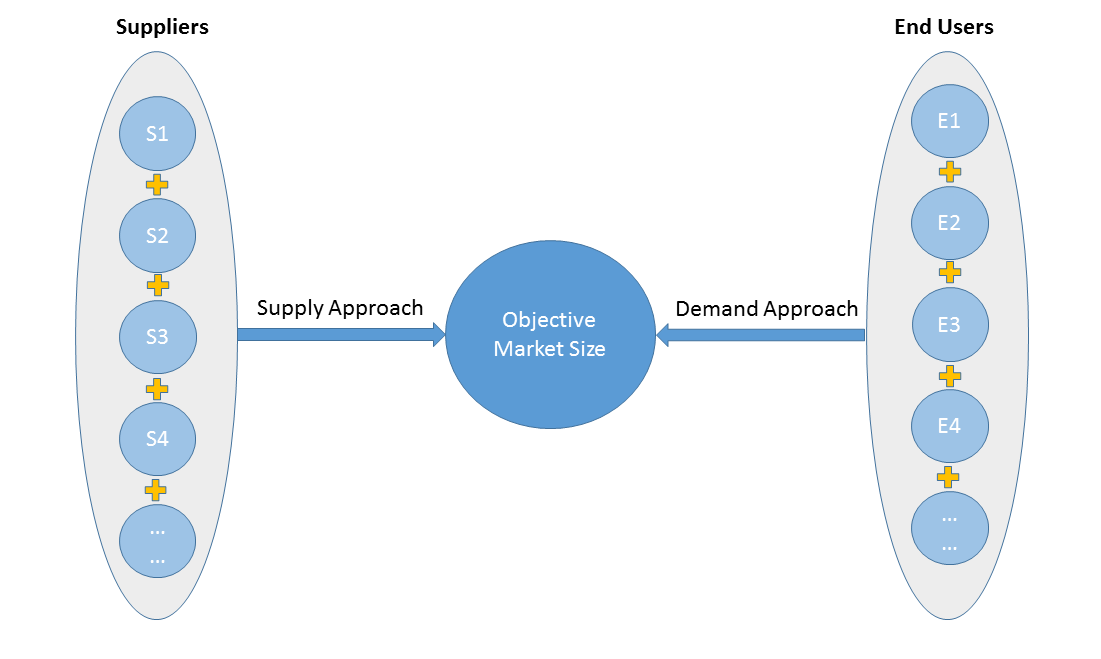
Supply approach is based on assessments of the size of each competitor supplying the objective market.
Demand approach combine end-user data within a market to estimate the objective market size. It is sometimes referred to as bottom-up approach.
- Forecasting Methodology
- Numerous factors impacting the market trend are considered for forecast model:
- New technology and application in the future;
- New project planned/under contraction;
- Global and regional underlying economic growth;
- Threatens of substitute products;
- Industry expert opinion;
- Policy and Society implication.
- Analysis Tools
1)PEST Analysis
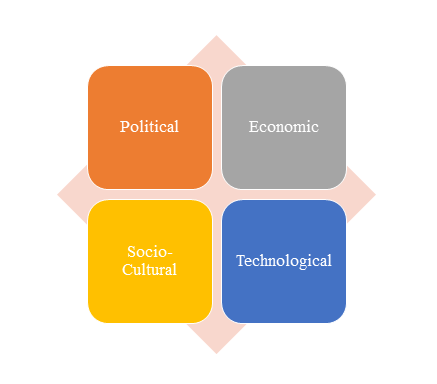
PEST Analysis is a simple and widely used tool that helps our client analyze the Political, Economic, Socio-Cultural, and Technological changes in their business environment.
- Benefits of a PEST analysis:
- It helps you to spot business opportunities, and it gives you advanced warning of significant threats.
- It reveals the direction of change within your business environment. This helps you shape what you’re doing, so that you work with change, rather than against it.
- It helps you avoid starting projects that are likely to fail, for reasons beyond your control.
- It can help you break free of unconscious assumptions when you enter a new country, region, or market; because it helps you develop an objective view of this new environment.
2)Porter’s Five Force Model Analysis
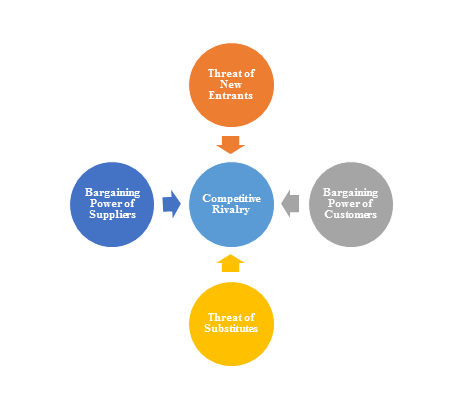
The Porter’s Five Force Model is a tool that can be used to analyze the opportunities and overall competitive advantage. The five forces that can assist in determining the competitive intensity and potential attractiveness within a specific area.
- Threat of New Entrants: Profitable industries that yield high returns will attract new firms.
- Threat of Substitutes: A substitute product uses a different technology to try to solve the same economic need.
- Bargaining Power of Customers: the ability of customers to put the firm under pressure, which also affects the customer's sensitivity to price changes.
- Bargaining Power of Suppliers: Suppliers of raw materials, components, labor, and services (such as expertise) to the firm can be a source of power over the firm when there are few substitutes.
- Competitive Rivalry: For most industries the intensity of competitive rivalry is the major determinant of the competitiveness of the industry.
3)Value Chain Analysis
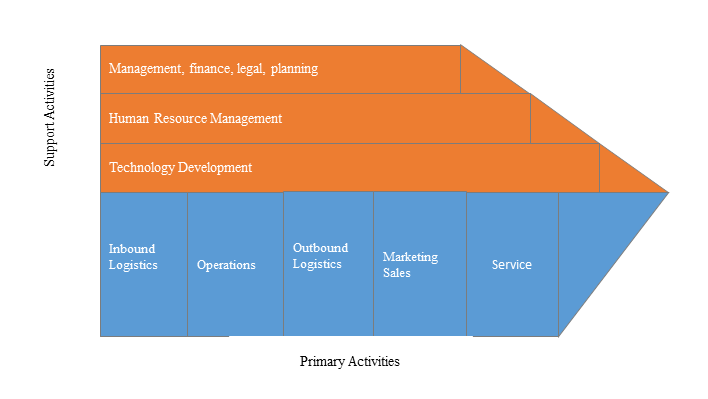
Value chain analysis is a tool to identify activities, within and around the firm and relating these activities to an assessment of competitive strength. Value chain can be analyzed by primary activities and supportive activities. Primary activities include: inbound logistics, operations, outbound logistics, marketing & sales, service. Support activities include: technology development, human resource management, management, finance, legal, planning.
4)SWOT Analysis
SWOT analysis is a tool used to evaluate a company's competitive position by identifying its strengths, weaknesses, opportunities and threats. The strengths and weakness is the inner factor; the opportunities and threats are the external factor. By analyzing the inner and external factors, the analysis can provide the detail information of the position of a player and the characteristics of the industry.
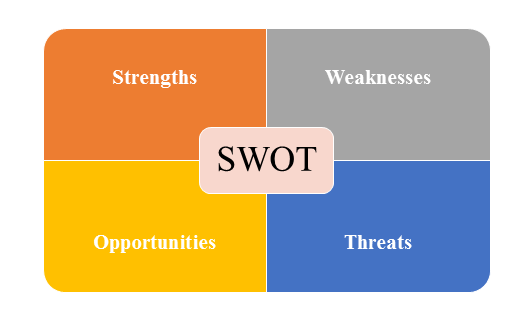
- Strengths describe what the player excels at and separates it from the competition
- Weaknesses stop the player from performing at its optimum level.
- Opportunities refer to favorable external factors that the player can use to give it a competitive advantage.
- Threats refer to factors that have the potential to harm the player.
- Data Sources
| Primary Sources | Secondary Sources |
|---|---|
| Face to face/Phone Interviews with market participants, such as: Manufactures; Distributors; End-users; Experts. Online Survey |
Government/International Organization Data: Annual Report/Presentation/Fact Book Internet Source Information Industry Association Data Free/Purchased Database Market Research Report Book/Journal/News |