Patient Monitoring Devices Market: Global Strategic Outlook 2021-2031
- Single User License (1 Users) $ 3,500
- Team License (2~5 Users) $ 4,500
- Corporate License (>5 Users) $ 5,500
The global patient monitoring device market size is valued between 10.5 billion USD and 12.5 billion USD in 2026 with a compound annual growth rate (CAGR) of 3.8% to 5.8% through 2031. The fundamental catalyst is not mere hospital bed volume expansion, but a non-negotiable operational shift: acute care facilities are collapsing bedside telemetry hardware into unified software-defined sensor ecosystems. Simultaneously, reimbursement frameworks are actively penalizing unmanaged acute readmissions, forcing enterprise hospital systems to bridge inpatient intensive care unit (ICU) hemodynamic surveillance with continuous post-discharge monitoring.
The installed base of capital-intensive bedside consoles is experiencing longer replacement cycles across mature economies, offset by soaring utilization of single-use biosensors and high-margin consumables pull-through. In parallel, independent diagnostic testing facilities (IDTFs) and acute step-down units are siphoning telemetry budgets away from standalone room architecture toward cloud-connected, wearable sensor networks. Clinical decision support platforms powered by proprietary algorithmic signal processing are rapidly replacing standard passive threshold alarms to mitigate widespread nurse fatigue. As hospitals accelerate the retirement of closed telemetry systems in favor of enterprise interoperability protocols such as IEEE 11073 Service-oriented Device Connectivity (SDC), original equipment manufacturers (OEMs) are transitioning from pure-play hardware vendors to integrated enterprise data stream providers.
Regional Market Dynamics
● North America
North America maintains structural dominance, securing roughly 40% of aggregate global expenditure. The regional installed base reflects a bifurcated operational reality. Tier-1 health networks across the United States are executing enterprise fleet refreshes driven by the imperative to automate charting directly into electronic health record (EHR) platforms like Epic and Oracle Cerner via bidirectional HL7 and SDC protocols. Hospital operating margins remain compressed, which accelerates the adoption of subscription-based Enterprise Monitoring-as-a-Service (EMaaS) contracts over conventional upfront capital equipment procurement.
Concurrently, the United States is the epicenter of ambulatory cardiac telemetry and decentralized monitoring adoption. Operational volume indicates that approximately 6.9 million diagnostic ambulatory cardiac monitoring (ACM) procedures were administered in 2025. Outpatient economics are heavily shaped by Centers for Medicare and Medicaid Services (CMS) fee schedules and Current Procedural Terminology (CPT) dynamics. Mobile Cardiac Outpatient Monitoring (COM/MCT) commands national allowable reimbursement rates ranging from 801.00 USD to 850.00 USD per diagnostic test, whereas Extended Holter workflows deliver average allowable fees of approximately 200.00 USD per study. This substantial economic spread sustains institutional capital deployment toward patch-based diagnostic models. Canadian provincial authorities, facing persistent public acute bed constraints, are channeling procurement capital into home hospital programs.
● Europe
The European patient monitoring landscape, holding the position of the second-largest global market, operates under strict regulatory friction and decentralized procurement structures.
The dominant macro headwind across member states is the European Union Medical Device Regulation (EU MDR 2017/745). The resource-heavy burden of post-market clinical follow-up (PMCF) and capacity constraints within European Notified Bodies have induced severe review bottlenecks. Many mid-tier OEMs have strategically rationalized their European stock keeping unit (SKU) catalogs, deprecating legacy patient monitoring modules rather than bearing the capital expense of recertification under new Annex I General Safety and Performance Requirements (GSPR). Despite transitional allowances extending legacy compliance for select devices out to late 2027 and 2028, compliance overhead continues to suppress operating margins. Conversely, sovereign digital health transformation agendas, such as Germany's Hospital Future Act (Krankenhauszukunftsgesetz - KHZG), are subsidizing institutional modernization, forcing hospital wards to invest heavily in smart ward telemetry and continuous alarm mitigation architectures.
● Asia-Pacific
Asia-Pacific represents the highest-velocity theater. The operational dynamics are fundamentally dual-core: aggressive hospital bed buildouts in developing public networks juxtaposed with hyper-dense digital telemetry integrations in hyper-aging high-income territories like Japan and South Korea.
Across tier-2 and tier-3 healthcare systems in China and India, procurement is anchored in modular, price-performant bedside consoles. In China, centralized Volume-Based Procurement (VBP) policies have stripped excessive gross margin out of baseline commodity multi-parameter hardware, compelling domestic tier-1 manufacturers to vertically integrate and scale proprietary multi-parameter platforms capable of winning hospital ICU bids. Japan and South Korea, burdened by acute nursing labor deficits, are early institutional adopters of ward-level continuous wearable patches that automatically feed early warning score (EWS) platforms, preventing undetected decompensation in unmonitored beds.
● Latin America
Latin American market is anchored primarily in municipal hospital investments across Brazil, Mexico, and Colombia. Public infrastructure programs remain exposed to structural currency volatility and cyclical budget retrenchments. Consequently, the commercial landscape is defined by the split between high-end private tertiary medical networks procuring advanced western clinical cockpits and public sector clinics relying on legacy, imported standalone vital signs monitors. Direct capital purchases are frequently supplemented by secondary distributor networks operating on extended maintenance-and-repair consignment structures.
● Middle East and Africa (MEA)
The MEA market presents extreme bifurcation. Gulf Cooperation Council (GCC) sovereign entities, notably the Kingdom of Saudi Arabia and the United Arab Emirates, are deploying state capital into the greenfield development of digital-native medical cities. Strategic procurement across Riyadh and Dubai insists on flagship interoperability platforms with enterprise cloud connectivity. However, international suppliers encounter stringent localization hurdles, notably Saudi Arabia's Local Content and Private Sector Development Commission mandates, requiring localized manufacturing assembly and software engineering support. Sub-Saharan Africa remains an underserved spot-check monitor and pulse oximetry market, severely constrained by capital liquidity, fragmented distributor corridors, and fragile electrical infrastructure.
Supply Chain & Value Chain Architecture
The patient monitoring industry chain is defined by high algorithmic barriers to entry, highly specialized sensor inputs, and strict regulatory governance governing physiological signal integrity.
● Upstream Segment: Raw Materials and Component Level Manufacturing
The foundational layer divides into active semiconductor components, specialized physiological sensors, and medical-grade structural hardware.
- Semiconductor Logic and Signal Acquisition: Patient monitors require specialized low-noise analog front-end (AFE) integrated circuits, ultra-low-power microcontrollers, and high-precision Analog-to-Digital Converters (ADCs) designed to acquire microvolt-level bio-potentials amidst extreme ambient electromagnetic noise. Digital Signal Processing (DSP) logic chips must execute real-time Fourier transformations and digital filtering directly on board. Embedded communications microchips handle short-range Bluetooth Low Energy (BLE), Wi-Fi 6, and cellular 4G/5G LTE machine-to-machine (M2M) connectivity.
- Sensing Componentry: Sensor supply chains are specialized and heavily consolidated. Photoplethysmography (PPG) arrays require matched pairs of red and infrared narrow-band light-emitting diodes (LEDs) coupled to high-gain silicon photodetectors. Capnography units rely on micro-machined infrared non-dispersive emitters and optical photo-acoustic gas sensors capable of real-time carbon dioxide gas absorption sampling. Invasive blood pressure setups require clinical-grade piezoresistive silicon strain-gauge transducers.
- Structural Elements: Casings utilize high-impact medical-grade ABS and polycarbonate plastics resistant to chemical degradation from continuous quaternary ammonium disinfectant wipes. Trunk cables utilize shielding, thermoplastic polyurethane (TPU) jackets, and high-cycle gold-plated circular multipin connectors designed to survive severe mechanical stress and electrocautery interference.
● Midstream Segment: R&D, Algorithmic Engineering, and System Packaging
Value generation in the midstream centers on digital signal filtering algorithms, mechanical modularity, and compliance certifications.
- Algorithmic Software Moats: The baseline capability of acquiring physiological signals is largely commoditized; the proprietary moat exists entirely within signal extraction algorithms. Advanced digital filtering isolates true bio-potentials during extreme patient motion, severe peripheral vasoconstriction, low blood perfusion, or surgical diathermy interference. Machine learning networks execute continuous wave-by-wave morphologic feature extraction to identify complex cardiac dysrhythmias, track continuous cardiac output fluctuations, and process electroencephalographic depth of anesthesia.
- Cleanroom Manufacturing and Packaging: Midstream assembly operates under strict ISO 13485 cleanroom protocols and automated Surface-Mount Technology (SMT) pick-and-place lines. Automated optical inspection (AOI) and comprehensive electrical calibration against calibrated physiological signal simulators guarantee functional tolerances prior to hermetic sealing.
- Regulatory Gatekeeping: Midstream actors bear the cost of global regulatory maintenance. Multi-parameter monitors, specialized telemetry systems, and associated clinical decision algorithms fall under Class IIa, IIb, or Class III under EU MDR, and Class II (510k) or Class III (Premarket Approval) under the United States FDA. Transitioning to the FDA Quality Management System Regulation (QMSR), which formally incorporated ISO 13485:2016, imposes intense quality audit scrutiny on international midstream operations.
● Downstream Segment: Enterprise Care Delivery and Aftermarket Economics
The commercial value chain migrates systematically away from the upfront sale of the physical monitor console toward software licensing, infrastructure integration, and recurring sensor consumption.
- Clinical Infrastructure Integration: Deployment requires certified biomedical network engineers to execute enterprise gateway configurations, integrating the device telemetry layer with hospital clinical decision support and enterprise electronic health records (Epic Systems, Oracle Cerner) through open IEEE 11073 SDC and HL7 messaging standards.
- Consumable Pull-Through: The core profit engine for mature manufacturers relies on single-use consumable attachments. Hospital procurement contracts frequently compress the margin on the multi-parameter host monitor to guarantee long-term exclusive supply agreements for proprietary single-patient-use pulse oximeter sensor strips, adhesive ECG patches, disposable blood pressure cuffs, capnography sample lines, and BIS sensor strips.
- Software Subscriptions and Remote SaaS: Cloud-hosted ambulatory telemetry providers generate predictable recurring enterprise cash flows through diagnostic-as-a-service billing, wherein client hospitals and clinics pay fixed per-study interpretation or software-access fees.
Key Market Players
1. Philips Healthcare: Headquartered in Amsterdam, Netherlands, Philips Healthcare commands a premier position within acute care patient monitoring, enterprise telemetry networks, and clinical informatics ecosystems.
- Flagship Platforms: The IntelliVue product family serves as the clinical standard across high-acuity environments, led by the IntelliVue MX750 and MX850 high-acuity intensive care bedside monitors, supported by the IntelliVue MX450 and MX550 intermediate/transport platforms, and the IntelliVue MX40 wearable telemetry transmitter. Its clinical informatics suite is anchored by the IntelliVue Guardian Solution for ward surveillance.
2. GE HealthCare: Headquartered in Chicago, Illinois, USA, GE HealthCare operates as a global medical technology powerhouse with massive footprint density across operating rooms, intensive care units, and sub-acute treatment environments.
- Flagship Platforms: The bedside platform is dominated by the modular CARESCAPE family, including the CARESCAPE B850, B650, and B450 modular clinical monitors, alongside the CARESCAPE ONE transport and parameter acquisition unit. For ward-level continuous mobility, GE HealthCare deploys the Portrait Mobile wireless continuous vital signs system.
3. Mindray: Headquartered in Shenzhen, China, Mindray has evolved from a disruptive cost-leader into a premier international engineering competitor across acute multi-parameter patient monitoring, life support systems, and medical diagnostics.
- Flagship Platforms: The BeneVision N-Series multi-parameter critical care platforms (comprising the BeneVision N22, N19, N17, N15, and N12) featuring wide capacitive displays and toolless conversion with the BeneVision N1 companion transport monitor, complemented by the ePM and uMEC series targeting intermediate and general ward environments.
4. Drägerwerk AG & Co. KGaA (Dräger): Headquartered in Lübeck, Germany, Dräger delivers specialized electro-medical devices and life support systems, holding elite international engineering stature across critical care ventilation, perioperative environments, and neonatal monitoring.
- Flagship Platforms: The Infinity Acute Care System (IACS) architecture, driven by the Infinity M540 handheld transport telemetry module that locks into the stationary Infinity Medical Cockpit displays (C500, C700) for continuous bedside-to-transport data integrity, alongside the Vista 120 and Vista T100 monitors for mid-to-low acuity care.
5. Nihon Kohden Corporation: Headquartered in Tokyo, Japan, Nihon Kohden is an established electro-medical device manufacturer, internationally recognized for its engineering authority in clinical electrophysiology, hospital telemetry networks, and neurology diagnostics.
- Flagship Platforms: The Life Scope bedside series, encompassing high-acuity modular installations (Life Scope G9, G5) down to compact clinical models (Life Scope B3, TR, and SVM-7200), connected via the ViTrac enterprise remote telemetry viewing network and augmented by PrimeAlert predictive clinical algorithms.
6. Fukuda Denshi Co., Ltd.: Headquartered in Tokyo, Japan, Fukuda Denshi specializes in cardiovascular electronic instrumentation, clinical electrocardiography, and inpatient wireless multi-parameter monitoring infrastructure.
- Flagship Platforms: The Dynascope family of bedside monitoring instruments, specifically the DS-8500, DS-8200, DS-8100, and DS-8000 multi-parameter series, seamlessly paired with the LX-8000 digital wireless telemetry transmitters and central nursing telemetry console stations.
7. Edwards Lifesciences Corporation: Headquartered in Irvine, California, USA, Edwards Lifesciences is the preeminent global medical technology company dedicated to structural heart disease innovation and advanced hemodynamic critical care management.
- Flagship Platforms: The HemoSphere advanced hemodynamic monitoring platform and legacy EV1000 console, paired with FloTrac minimally invasive cardiac output sensors, Swan-Ganz catheters, the Acumen Hypotension Prediction Index (HPI) software suite, Acumen IQ sensor sets, and ForeSight regional tissue oximetry modules.
8. Masimo Corporation: Headquartered in Irvine, California, USA, Masimo is an aggressive disruptor in non-invasive physiological monitoring, advanced optical bio-sensing algorithms, and integrated acute hospital telemetry hubs.
- Flagship Platforms: The Root patient monitoring and clinical automation hub, featuring open modular integration with rainbow SET pulse co-oximetry (continuous tracking of SpHb, SpCO, SpMet), SedLine electroencephalographic brain function monitoring, O3 regional cerebral oximetry, and wearable telemetry platforms including the Radius-7 and Radius VSM.
9. Medtronic plc: Headquartered in Galway, Ireland, and operationalized from Minneapolis, Minnesota, USA, Medtronic operates as one of the world's most diversified healthcare technology conglomerates.
- Flagship Platforms: Nellcor bedside pulse oximeters featuring OxiMax digital signal processing (e.g., PM1000N); Microstream Capnostream 35 respiratory and capnography monitoring architectures (EtCO2); the Bispectral Index (BIS) anesthesia depth titration platform; and INVOS 7100 continuous cerebral and somatic tissue oximeters.
10. iRhythm Technologies, Inc.: Headquartered in San Francisco, California, USA, iRhythm Technologies is an agile digital health enterprise focused on reforming the diagnostic pathway for cardiac arrhythmias through wearable biosensing and deep learning software analytics.
- Flagship Platforms: The Zio service model, incorporating the Zio XT wearable single-lead continuous ECG patch (designed for uninterrupted 14-day wear), the Zio AT mobile cardiac telemetry (MCT) patch for near-real-time actionable arrhythmia reporting, and the ZioSuite enterprise clinical data portal.
11. VitalConnect, Inc.: Headquartered in San Jose, California, USA, VitalConnect specializes in wearable continuous medical biosensors that span both acute general hospital ward surveillance and post-discharge decentralized virtual care models.
- Flagship Platforms: The VitalPatch single-use wireless biosensor, engineered to continuously measure 11 physiological metrics (single-lead ECG, heart rate, heart rate variability, respiratory rate, core body temperature trends, actigraphy, and posture-based fall detection), tied directly to the VistaCenter central nursing dashboard and VistaTablet bedside gateways.
12. Biotricity Inc.: Headquartered in Redwood City, California, USA, Biotricity is an innovative medical technology enterprise delivering remote biometric diagnostics, ambulatory cardiac telemetry platforms, and cloud monitoring ecosystems.
- Flagship Platforms: The Bioflux high-precision mobile cardiac telemetry (MCT) system (providing uninterrupted 3-lead continuous ECG recording with near-real-time cellular telemetry to 24/7 cardiac monitoring facilities), the Biotres 3-channel continuous Holter patch, and the Biokit multi-vital home chronic diagnostic pack.
13. SEERS Technology Co., Ltd.:
Headquartered in Seongnam, South Korea, SEERS Technology is a pioneer in digital health hardware architectures, micro-sensor biological signal processing, and enterprise patch-type patient monitoring networks.
- Flagship Platforms: The mobiCARE diagnostic ecosystem, featuring mobiCARE Cardio (miniaturized wearable adhesive patches for extended cardiac arrhythmia detection and Holter monitoring) and mobiCARE+ / mobiCARE Central (a scalable wireless enterprise ward platform collecting multi-bed ECG, heart rate, respiration, and body temperature metrics).
14. Boston Scientific Corporation: Headquartered in Marlborough, Massachusetts, USA, Boston Scientific expanded its strategic digital health footprint into remote patient surveillance and wearable cardiac diagnostics via its key acquisition of Preventice Solutions.
: - Flagship Platforms: The BodyGuardian family of wearable cardiac diagnostic sensors (including BodyGuardian MINI and BodyGuardian PLUS), versatile multi-modality patches configurable for Holter, cardiac event, or Mobile Cardiac Telemetry (MCT) applications, synchronized with the enterprise LATITUDE NXT patient management engine.
15. Hillrom / Baxter: Operating as an essential division of Baxter International and based in Deerfield, Illinois, USA, Hillrom manufactures spot-check vital signs instruments and physical diagnostic workstations under the historically recognized Welch Allyn brand.
- Flagship Platforms: The Connex Spot Monitor (CSM), Connex Vital Signs Monitor (CVSM), and Spot Vital Signs 4400 platforms, engineered with standardized touchscreens, rapid optical thermometry, automated blood pressure algorithms, and instantaneous wireless EHR integration.
16. Shenzhen Edan Instruments Co., Ltd.: Headquartered in Shenzhen, China, and publicly traded on the Shenzhen Stock Exchange, Edan Instruments is an established healthcare technology manufacturer spanning inpatient monitoring, diagnostic ECG arrays, ultrasound systems, and point-of-care testing.
- Flagship Platforms: The flagship X-Series modular multi-parameter bedside monitors (X8, X10, X12), the durable iM-series multi-parameter monitors (iM50, iM60, iM70, iM80), and the M3 series vital signs monitors engineered specifically for standard ward, spot-check, and sub-acute patient evaluation.
17. Mediana Co., Ltd.: Headquartered in Wonju, Gangwon-do, South Korea, Mediana is an established medical hardware engineering and manufacturing company specializing in defibrillators, point-of-care vital signs stations, and specialized multi-parameter monitors.
- Flagship Platforms: The M30 and M50 modular multi-parameter bedside patient monitors, delivering customizable parameter configurations including dual IBP, EtCO2, and cardiac output, alongside the compact V10 and V20 point-of-care vital signs units designed for acute triage and ambulatory clinics.
18. Contec Medical Systems Co., Ltd.: Headquartered in Qinhuangdao, Hebei Province, China, Contec Medical Systems operates as an ultra-high-volume electronic medical equipment manufacturer specializing in bedside monitors, handheld clinical instruments, and home diagnostic electronics.
- Flagship Platforms: The CMS multi-parameter clinical bedside monitor line (including the CMS8000, CMS7000, and CMS6000), the compact CMS5100 vital signs station, and an expansive portfolio of clinical pulse oximeters, ambulatory blood pressure monitors (ABPM), and portable Holter ECG recorders.
19. Bistos Co., Ltd.: Headquartered in Gyeonggi-do, South Korea, Bistos is an electro-medical instrumentation developer dedicated to specialized maternal-fetal medical devices, neonatal intensive care gear, and flexible hospital multi-parameter monitors.
- Flagship Platforms: The BT-770 12.1-inch color touchscreen bedside patient monitor (offering optional invasive blood pressure and capnography), the compact BT-740 bedside monitor, the BT-720 vital signs unit, and the specialized BT-350 / BT-300 fetal and maternal diagnostic monitoring stations.
20. TaiDoc Technology Corporation: Headquartered in New Taipei City, Taiwan, China, TaiDoc is a prominent engineering developer of in-vitro diagnostic platforms, digital vital signs hardware, and connected remote medical monitoring architecture.
- Flagship Platforms: The TD-2300 and TD-2550 multi-parameter vital signs and remote monitoring terminals, which combine non-invasive blood pressure, pulse oximetry, blood glucose diagnostics, and temperature tracking into cellular/Wi-Fi connected home and clinic stations.
21. Compumedics Limited: Headquartered in Melbourne, Australia, Compumedics is an elite biomedical diagnostics company specializing in computer-based sleep medicine diagnostics, neurophysiology instrumentation, and specialized brain research telemetry systems.
- Flagship Platforms: The Grael series of laboratory-grade, ultra-high-definition polysomnography and neuro-diagnostic systems, the Somté and Somfit portable ambulatory sleep and physiological diagnostic patches, the Neuvo continuous long-term epilepsy monitoring console, and the NEXUS 360 cloud sleep informatics SaaS platform.
1.1 Study Framework, Objective Horizon and Analytical Boundaries 1
1.2 Research Methodology, Secondary Synthesis and Empirical Field Architecture 2
1.3 Primary Delphi Interviews and Multilateral Cross-Validation Protocols 3
1.4 Econometric Baseline Assumptions and Foreign Exchange Harmonization 4
1.5 Definitional Scope and Parameter Boundary Conditions 5
1.6 Commercial and Technical Abbreviations Directory 6
Chapter 2 Global Patient Monitoring Device Market Sizing and Structural Dynamics 7
2.1 Historical Value Trajectory and Volume Realization (2021-2025) 7
2.2 Base-Year Baseline Sizing: Global Revenue and Volume Shipments (2026) 8
2.3 Predictive Modeling and Multi-Scenario Forecast Trajectory (2027-2031) 9
2.4 Realized Average Selling Price (ASP) Dynamics and Component Cost Deflation 11
2.5 Regulatory Harmonization Shifts (MDR, FDA Premarket Pathways) 12
Chapter 3 Value Chain Architecture, Component Sourcing and Production Ecosystem 14
3.1 Upstream Raw Materials: Biosensors, Analog Front-Ends (AFE) and Microprocessors 14
3.2 Firmware Engineering, Proprietary Signal Processing and Telemetry Protocols 16
3.3 Value Addition Breakdown, Cost-Stack Breakdown and Channel Margin Spreads 17
3.4 Interoperability Infrastructure, HL7/FHIR Integration and Cybersecurity Standards 19
Chapter 4 Global Manufacturing Nodes, Logistics Corridors and Cross-Border Trade 21
4.1 Global Production Capacity Distribution and Sourcing Concentrations 21
4.2 Key Export Nuclei and Cross-Border Outflow Volumes 23
4.3 Key Import Inflows, Demand Sinks and Regulatory Customs Screening 25
4.4 Supply Chain Disruption Mitigation, Reshoring and Redundancy Frameworks 26
Chapter 5 Global Market Segmentation by Product Architecture 28
5.1 Bedside & Transport Patient Monitor 28
5.1.1 Historical and Forecast Volume Shipments and Market Value (2021-2031) 28
5.1.2 Multiparameter High-Acuity Architectural Innovation and Modular Design 30
5.2 Ambulatory & Wearable Patient Monitoring System 31
5.2.1 Historical and Forecast Volume Shipments and Market Value (2021-2031) 31
5.2.2 Adhesive Biosensors, Continuous Holter Patches and Cellular Telemetry 33
5.3 Point-of-Care & Specialized Parameter Diagnostic Monitor 34
5.3.1 Historical and Forecast Volume Shipments and Market Value (2021-2031) 34
5.3.2 Non-Invasive Hemodynamic Profiling and Capnography Sensor Integration 35
Chapter 6 Global Market Breakdown by Clinical Application and Care Setting 37
6.1 Intensive Care Units and Critical High-Dependency Settings 37
6.2 Operating Theaters and Perioperative Care Suites 39
6.3 General Medical-Surgical Wards and Step-Down Recovery Facilities 41
6.4 Home Care, Hospital-at-Home and Decentralized Telemetry Programs 42
Chapter 7 Global Market Breakdown by End-User Ecosystem 44
7.1 Tier-1 Academic Medical Centers and Multi-Specialty Hospital Networks 44
7.2 Ambulatory Surgery Centers and Specialized Outpatient Facilities 46
7.3 Remote Clinical Services and Outpatient Monitoring Providers 47
Chapter 8 Regional and Jurisdictional Market Architecture 49
8.1 North America 49
8.1.1 United States: Manufacturing Output, Consumption Inflow and Value Scale 50
8.1.2 Canada: Institutional Demand and Device Replacement Cycles 51
8.1.3 Mexico: Production Cluster Dynamics and Export Assemblies 52
8.2 Europe 53
8.2.1 Germany: Precision Manufacturing Hub and Critical Care Absorption 54
8.2.2 Netherlands: Specialized Fabrication and Logistics Distribution Gateways 55
8.2.3 France: Public Hospital Procurement Cycles and Replacement Rates 56
8.2.4 United Kingdom & Rest of Europe Market 57
8.3 Asia-Pacific 58
8.3.1 China: Domestic Manufacturing Powerhouse and Regional Healthcare Upgrades 58
8.3.2 Japan: Advanced Electronics Production and Elderly Care Monitoring Inflows 60
8.3.3 South Korea: Sensor Engineering Clusters and Institutional Demand 61
8.3.4 India: High-Volume Inflow Demand and Healthcare Infrastructure Expansion 62
8.3.5 Taiwan (China), Southeast Asia, Australia and New Zealand Market 63
8.4 Latin America and Middle East 64
Chapter 9 Competitive Consolidation, Strategic Moats and Market Share Architecture 65
9.1 Tiered Competitor Stratification and Market Concentration Index 65
9.2 IP Landscapes, System Lock-In and Software Platform Integration Moats 66
9.3 Mergers, Strategic Divestitures and Sensor-Fabrication Partnerships 67
Chapter 10 Corporate Intelligence and Operational Benchmarks 68
10.1 GE HealthCare 68
10.1.1 Corporate Profile, Manufacturing Footprint and Strategic Positioning 68
10.1.2 Operational SWOT Matrix 69
10.1.3 Patient Monitoring Device Operational Metrics: Volume, Price, Margin (2021-2026) 70
10.1.4 Product Pipeline, Sensor R&D and Go-to-Market Strategy 71
10.2 Philips 72
10.2.1 Corporate Profile, Manufacturing Footprint and Strategic Positioning 72
10.2.2 Operational SWOT Matrix 73
10.2.3 Patient Monitoring Device Operational Metrics: Volume, Price, Margin (2021-2026) 74
10.2.4 Product Pipeline, Sensor R&D and Go-to-Market Strategy 75
10.3 Masimo Corporation 76
10.3.1 Corporate Profile, Manufacturing Footprint and Strategic Positioning 76
10.3.2 Operational SWOT Matrix 77
10.3.3 Patient Monitoring Device Operational Metrics: Volume, Price, Margin (2021-2026) 78
10.3.4 Product Pipeline, Sensor R&D and Go-to-Market Strategy 79
10.4 Mindray 80
10.4.1 Corporate Profile, Manufacturing Footprint and Strategic Positioning 80
10.4.2 Operational SWOT Matrix 81
10.4.3 Patient Monitoring Device Operational Metrics: Volume, Price, Margin (2021-2026) 82
10.4.4 Product Pipeline, Sensor R&D and Go-to-Market Strategy 83
10.5 Nihon Kohden 84
10.5.1 Corporate Profile, Manufacturing Footprint and Strategic Positioning 84
10.5.2 Operational SWOT Matrix 85
10.5.3 Patient Monitoring Device Operational Metrics: Volume, Price, Margin (2021-2026) 86
10.5.4 Product Pipeline, Sensor R&D and Go-to-Market Strategy 87
10.6 Fukuda Denshi 88
10.6.1 Corporate Profile, Manufacturing Footprint and Strategic Positioning 88
10.6.2 Operational SWOT Matrix 89
10.6.3 Patient Monitoring Device Operational Metrics: Volume, Price, Margin (2021-2026) 90
10.6.4 Product Pipeline, Sensor R&D and Go-to-Market Strategy 91
10.7 Drägerwerk 92
10.7.1 Corporate Profile, Manufacturing Footprint and Strategic Positioning 92
10.7.2 Operational SWOT Matrix 93
10.7.3 Patient Monitoring Device Operational Metrics: Volume, Price, Margin (2021-2026) 94
10.7.4 Product Pipeline, Sensor R&D and Go-to-Market Strategy 95
10.8 Medtronic 96
10.8.1 Corporate Profile, Manufacturing Footprint and Strategic Positioning 96
10.8.2 Operational SWOT Matrix 97
10.8.3 Patient Monitoring Device Operational Metrics: Volume, Price, Margin (2021-2026) 98
10.8.4 Product Pipeline, Sensor R&D and Go-to-Market Strategy 99
10.9 Shenzhen Edan Instruments 100
10.9.1 Corporate Profile, Manufacturing Footprint and Strategic Positioning 100
10.9.2 Operational SWOT Matrix 101
10.9.3 Patient Monitoring Device Operational Metrics: Volume, Price, Margin (2021-2026) 102
10.9.4 Product Pipeline, Sensor R&D and Go-to-Market Strategy 103
10.10 Biotricity Inc. 104
10.10.1 Corporate Profile, Manufacturing Footprint and Strategic Positioning 104
10.10.2 Operational SWOT Matrix 105
10.10.3 Patient Monitoring Device Operational Metrics: Volume, Price, Margin (2021-2026) 106
10.10.4 Product Pipeline, Sensor R&D and Go-to-Market Strategy 107
10.11 iRhythm Technologies 108
10.11.1 Corporate Profile, Manufacturing Footprint and Strategic Positioning 108
10.11.2 Operational SWOT Matrix 109
10.11.3 Patient Monitoring Device Operational Metrics: Volume, Price, Margin (2021-2026) 110
10.11.4 Product Pipeline, Sensor R&D and Go-to-Market Strategy 111
10.12 Boston Scientific 112
10.12.1 Corporate Profile, Manufacturing Footprint and Strategic Positioning 112
10.12.2 Operational SWOT Matrix 113
10.12.3 Patient Monitoring Device Operational Metrics: Volume, Price, Margin (2021-2026) 114
10.12.4 Product Pipeline, Sensor R&D and Go-to-Market Strategy 115
10.13 Hillrom/Baxter 116
10.13.1 Corporate Profile, Manufacturing Footprint and Strategic Positioning 116
10.13.2 Operational SWOT Matrix 117
10.13.3 Patient Monitoring Device Operational Metrics: Volume, Price, Margin (2021-2026) 118
10.13.4 Product Pipeline, Sensor R&D and Go-to-Market Strategy 119
10.14 Compumedics Limited 120
10.14.1 Corporate Profile, Manufacturing Footprint and Strategic Positioning 120
10.14.2 Operational SWOT Matrix 121
10.14.3 Patient Monitoring Device Operational Metrics: Volume, Price, Margin (2021-2026) 122
10.14.4 Product Pipeline, Sensor R&D and Go-to-Market Strategy 123
10.15 Mediana Co. Ltd. 124
10.15.1 Corporate Profile, Manufacturing Footprint and Strategic Positioning 124
10.15.2 Operational SWOT Matrix 125
10.15.3 Patient Monitoring Device Operational Metrics: Volume, Price, Margin (2021-2026) 126
10.15.4 Product Pipeline, Sensor R&D and Go-to-Market Strategy 127
10.16 Contec Medical Systems 128
10.16.1 Corporate Profile, Manufacturing Footprint and Strategic Positioning 128
10.16.2 Operational SWOT Matrix 129
10.16.3 Patient Monitoring Device Operational Metrics: Volume, Price, Margin (2021-2026) 130
10.16.4 Product Pipeline, Sensor R&D and Go-to-Market Strategy 131
10.17 Taidoc Technology Corporation 132
10.17.1 Corporate Profile, Manufacturing Footprint and Strategic Positioning 132
10.17.2 Operational SWOT Matrix 133
10.17.3 Patient Monitoring Device Operational Metrics: Volume, Price, Margin (2021-2026) 134
10.17.4 Product Pipeline, Sensor R&D and Go-to-Market Strategy 135
10.18 SEERS Technology Co. Ltd 136
10.18.1 Corporate Profile, Manufacturing Footprint and Strategic Positioning 136
10.18.2 Operational SWOT Matrix 137
10.18.3 Patient Monitoring Device Operational Metrics: Volume, Price, Margin (2021-2026) 138
10.18.4 Product Pipeline, Sensor R&D and Go-to-Market Strategy 139
10.19 VitalConnect 140
10.19.1 Corporate Profile, Manufacturing Footprint and Strategic Positioning 140
10.19.2 Operational SWOT Matrix 141
10.19.3 Patient Monitoring Device Operational Metrics: Volume, Price, Margin (2021-2026) 142
10.19.4 Product Pipeline, Sensor R&D and Go-to-Market Strategy 143
10.20 Bistos 144
10.20.1 Corporate Profile, Manufacturing Footprint and Strategic Positioning 144
10.20.2 Operational SWOT Matrix 145
10.20.3 Patient Monitoring Device Operational Metrics: Volume, Price, Margin (2021-2026) 146
10.20.4 Product Pipeline, Sensor R&D and Go-to-Market Strategy 147
10.21 Edwards Lifesciences 148
10.21.1 Corporate Profile, Manufacturing Footprint and Strategic Positioning 148
10.21.2 Operational SWOT Matrix 148
10.21.3 Patient Monitoring Device Operational Metrics: Volume, Price, Margin (2021-2026) 148
10.21.4 Product Pipeline, Sensor R&D and Go-to-Market Strategy 148
Table 2 Industry Nomenclature and Technical Acronym Definitions 6
Table 3 Global Patient Monitoring Device Market Value and Volume (2021-2031) 8
Table 4 Global Patient Monitoring Device Average Realized Price Benchmarks by Class (2021-2031) 11
Table 5 Upstream Sensor Subcomponent Cost Distribution and Supplier Dependency (2021-2026) 15
Table 6 Margin Spread Distribution Across Primary Supply Chain Layers (2026) 18
Table 7 Global Patient Monitoring Device Manufacturing Capacity by Key Sourcing Hub (2021-2026) 22
Table 8 Major Export Corridors and Cross-Border Finished Device Outflows (2021-2026) 24
Table 9 Major Import Inflow Hubs and Cross-Border Consumption Receipts (2021-2026) 25
Table 10 Bedside & Transport Patient Monitor Market Value and Volume by Region (2021-2031) 29
Table 11 Ambulatory & Wearable Patient Monitoring System Market Value and Volume by Region (2021-2031) 32
Table 12 Point-of-Care & Specialized Parameter Diagnostic Monitor Market Value and Volume (2021-2031) 35
Table 13 Global Patient Monitoring Device Value Sizing by Clinical Application (2021-2031) 38
Table 14 Global Patient Monitoring Device Volume Sizing by Care Setting (2021-2031) 40
Table 15 Global Patient Monitoring Device Value Sizing by End-User Sector (2021-2031) 45
Table 16 North America Patient Monitoring Device Market Value and Volume by Country (2021-2031) 49
Table 17 Europe Patient Monitoring Device Market Value and Volume by Country (2021-2031) 53
Table 18 Asia-Pacific Patient Monitoring Device Market Value and Volume by Country (2021-2031) 58
Table 19 Global Manufacturer Market Share Concentration Metrics (2021-2026) 65
Table 20 GE HealthCare Patient Monitoring Device Sales, Price, Cost and Gross Profit Margin (2021-2026) 70
Table 21 Philips Patient Monitoring Device Sales, Price, Cost and Gross Profit Margin (2021-2026) 74
Table 22 Masimo Corporation Patient Monitoring Device Sales, Price, Cost and Gross Profit Margin (2021-2026) 78
Table 23 Mindray Patient Monitoring Device Sales, Price, Cost and Gross Profit Margin (2021-2026) 82
Table 24 Nihon Kohden Patient Monitoring Device Sales, Price, Cost and Gross Profit Margin (2021-2026) 86
Table 25 Fukuda Denshi Patient Monitoring Device Sales, Price, Cost and Gross Profit Margin (2021-2026) 90
Table 26 Drägerwerk Patient Monitoring Device Sales, Price, Cost and Gross Profit Margin (2021-2026) 94
Table 27 Medtronic Patient Monitoring Device Sales, Price, Cost and Gross Profit Margin (2021-2026) 98
Table 28 Shenzhen Edan Instruments Patient Monitoring Device Sales, Price, Cost and Gross Profit Margin (2021-2026) 102
Table 29 Biotricity Inc. Patient Monitoring Device Sales, Price, Cost and Gross Profit Margin (2021-2026) 106
Table 30 iRhythm Technologies Patient Monitoring Device Sales, Price, Cost and Gross Profit Margin (2021-2026) 110
Table 31 Boston Scientific Patient Monitoring Device Sales, Price, Cost and Gross Profit Margin (2021-2026) 114
Table 32 Hillrom/Baxter Patient Monitoring Device Sales, Price, Cost and Gross Profit Margin (2021-2026) 118
Table 33 Compumedics Limited Patient Monitoring Device Sales, Price, Cost and Gross Profit Margin (2021-2026) 122
Table 34 Mediana Co. Ltd. Patient Monitoring Device Sales, Price, Cost and Gross Profit Margin (2021-2026) 126
Table 35 Contec Medical Systems Patient Monitoring Device Sales, Price, Cost and Gross Profit Margin (2021-2026) 130
Table 36 Taidoc Technology Corporation Patient Monitoring Device Sales, Price, Cost and Gross Profit Margin (2021-2026) 134
Table 37 SEERS Technology Co. Ltd Patient Monitoring Device Sales, Price, Cost and Gross Profit Margin (2021-2026) 138
Table 38 VitalConnect Patient Monitoring Device Sales, Price, Cost and Gross Profit Margin (2021-2026) 142
Table 39 Bistos Patient Monitoring Device Sales, Price, Cost and Gross Profit Margin (2021-2026) 146
Table 40 Edwards Lifesciences Patient Monitoring Device Sales, Price, Cost and Gross Profit Margin (2021-2026) 148
Figure 1 Primary and Secondary Research Architecture 3
Figure 2 Global Patient Monitoring Device Value and Growth Trajectory (2021-2031) 9
Figure 3 Global Patient Monitoring Device Volume Shipments by Year (2021-2031) 10
Figure 4 Patient Monitoring Device Complete Industry Value Chain Architecture 14
Figure 5 Production Cost Waterfall Breakdown for Multiparameter Monitors (2026) 17
Figure 6 Geographic Allocation of Global Patient Monitoring Device Production Hubs (2026) 21
Figure 7 Major Cross-Border Trade Flow Balance in Patient Monitoring Systems (2026) 23
Figure 8 Global Patient Monitoring Device Market Value Share by Product Architecture (2026) 28
Figure 9 Bedside & Transport Patient Monitor Market Value Trend (2021-2031) 30
Figure 10 Ambulatory & Wearable Patient Monitoring System Growth Curve (2021-2031) 32
Figure 11 Point-of-Care & Specialized Parameter Diagnostic Monitor Volume Share (2021-2031) 36
Figure 12 Market Sizing by Clinical Application Setting (2026 vs 2031) 37
Figure 13 Institutional Spending Distribution by End-User Sector (2026) 44
Figure 14 Regional Market Value Breakdown: North America, Europe, Asia-Pacific, Rest of World (2026) 50
Figure 15 United States Patient Monitoring Device Consumption Volume (2021-2031) 52
Figure 16 Germany Patient Monitoring Device Production vs Domestic Consumption (2021-2031) 54
Figure 17 China Patient Monitoring Device Manufacturing Output Scale (2021-2031) 59
Figure 18 Global Competitive Landscape Tier Stratification (2026) 66
Figure 19 GE HealthCare Patient Monitoring Device Market Share (2021-2026) 71
Figure 20 Philips Patient Monitoring Device Market Share (2021-2026) 75
Figure 21 Masimo Corporation Patient Monitoring Device Market Share (2021-2026) 79
Figure 22 Mindray Patient Monitoring Device Market Share (2021-2026) 83
Figure 23 Nihon Kohden Patient Monitoring Device Market Share (2021-2026) 87
Figure 24 Fukuda Denshi Patient Monitoring Device Market Share (2021-2026) 91
Figure 25 Drägerwerk Patient Monitoring Device Market Share (2021-2026) 95
Figure 26 Medtronic Patient Monitoring Device Market Share (2021-2026) 99
Figure 27 Shenzhen Edan Instruments Patient Monitoring Device Market Share (2021-2026) 103
Figure 28 Biotricity Inc. Patient Monitoring Device Market Share (2021-2026) 107
Figure 29 iRhythm Technologies Patient Monitoring Device Market Share (2021-2026) 111
Figure 30 Boston Scientific Patient Monitoring Device Market Share (2021-2026) 115
Figure 31 Hillrom/Baxter Patient Monitoring Device Market Share (2021-2026) 119
Figure 32 Compumedics Limited Patient Monitoring Device Market Share (2021-2026) 123
Figure 33 Mediana Co. Ltd. Patient Monitoring Device Market Share (2021-2026) 127
Figure 34 Contec Medical Systems Patient Monitoring Device Market Share (2021-2026) 131
Figure 35 Taidoc Technology Corporation Patient Monitoring Device Market Share (2021-2026) 135
Figure 36 SEERS Technology Co. Ltd Patient Monitoring Device Market Share (2021-2026) 139
Figure 37 VitalConnect Patient Monitoring Device Market Share (2021-2026) 143
Figure 38 Bistos Patient Monitoring Device Market Share (2021-2026) 147
Figure 39 Edwards Lifesciences Patient Monitoring Device Market Share (2021-2026) 148
Research Methodology
- Market Estimated Methodology:
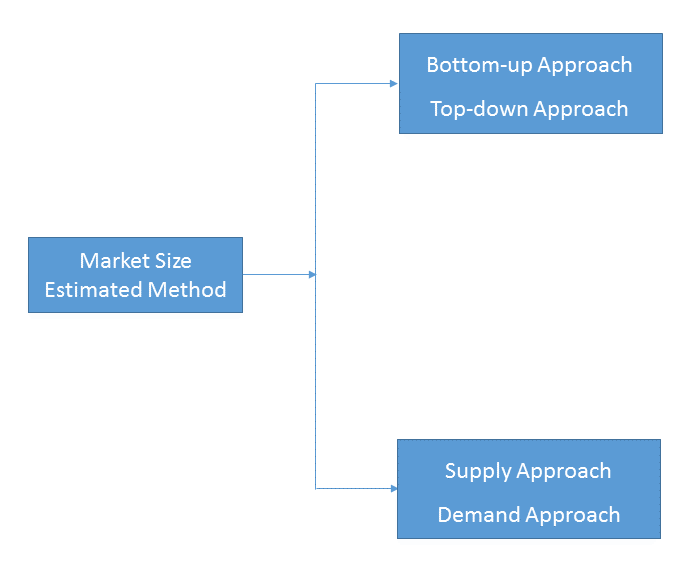
Bottom-up & top-down approach, supply & demand approach are the most important method which is used by HDIN Research to estimate the market size.
1)Top-down & Bottom-up Approach
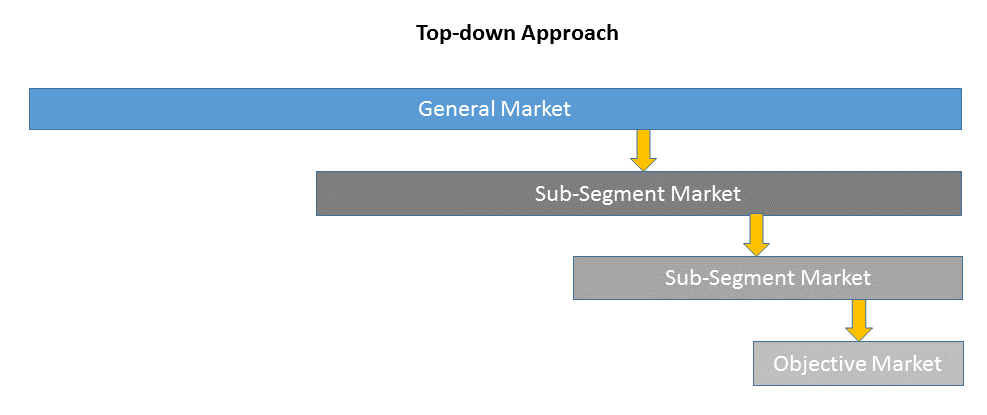
Top-down approach uses a general market size figure and determines the percentage that the objective market represents.
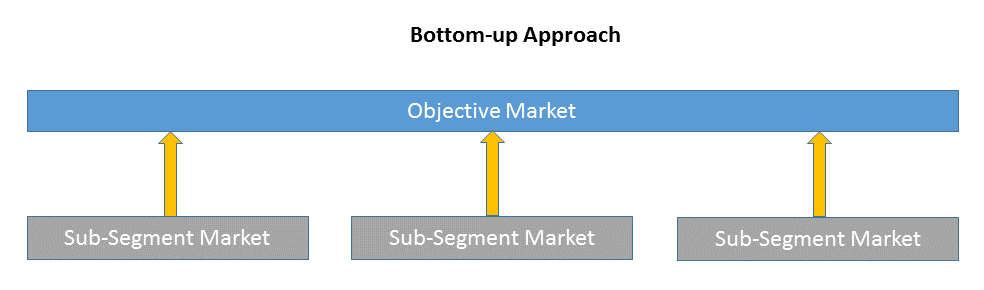
Bottom-up approach size the objective market by collecting the sub-segment information.
2)Supply & Demand Approach
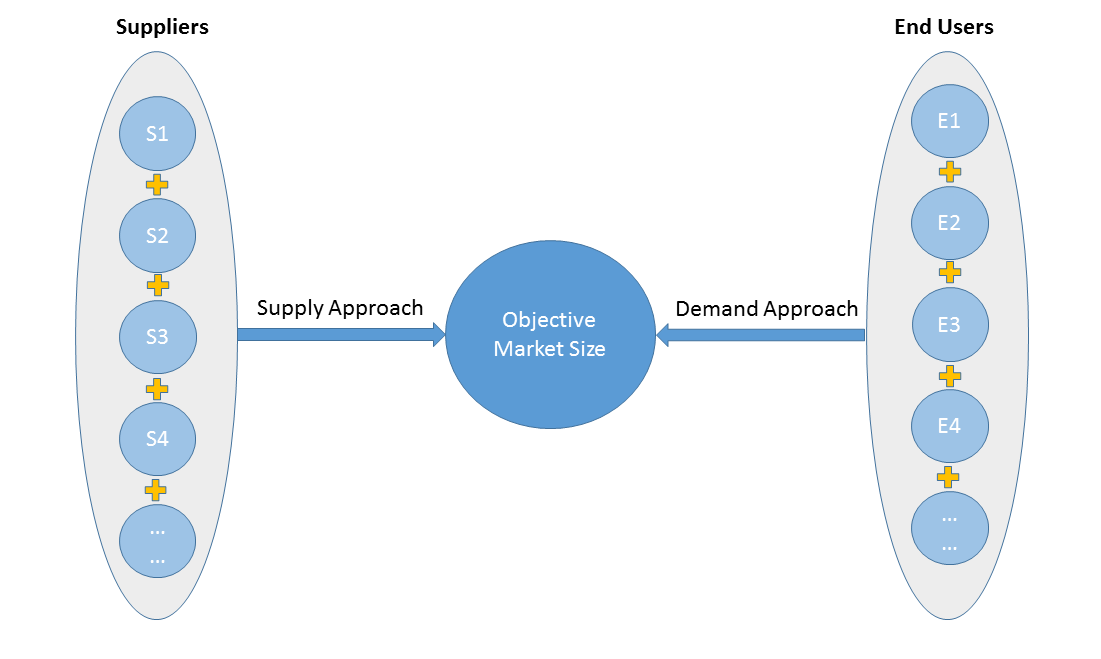
Supply approach is based on assessments of the size of each competitor supplying the objective market.
Demand approach combine end-user data within a market to estimate the objective market size. It is sometimes referred to as bottom-up approach.
- Forecasting Methodology
- Numerous factors impacting the market trend are considered for forecast model:
- New technology and application in the future;
- New project planned/under contraction;
- Global and regional underlying economic growth;
- Threatens of substitute products;
- Industry expert opinion;
- Policy and Society implication.
- Analysis Tools
1)PEST Analysis
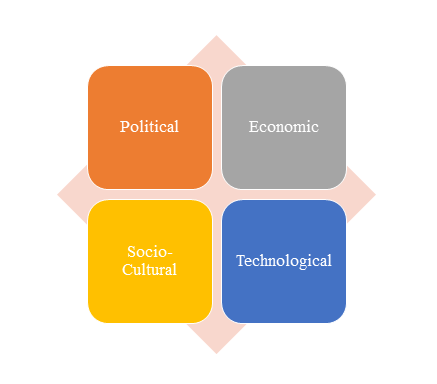
PEST Analysis is a simple and widely used tool that helps our client analyze the Political, Economic, Socio-Cultural, and Technological changes in their business environment.
- Benefits of a PEST analysis:
- It helps you to spot business opportunities, and it gives you advanced warning of significant threats.
- It reveals the direction of change within your business environment. This helps you shape what you’re doing, so that you work with change, rather than against it.
- It helps you avoid starting projects that are likely to fail, for reasons beyond your control.
- It can help you break free of unconscious assumptions when you enter a new country, region, or market; because it helps you develop an objective view of this new environment.
2)Porter’s Five Force Model Analysis
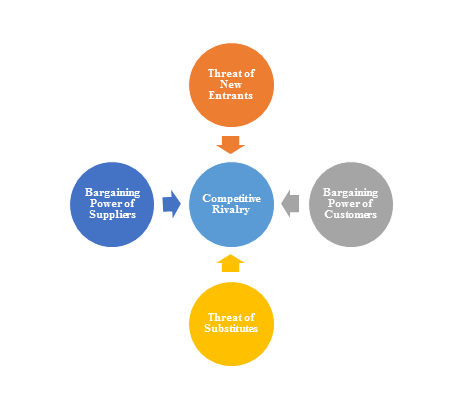
The Porter’s Five Force Model is a tool that can be used to analyze the opportunities and overall competitive advantage. The five forces that can assist in determining the competitive intensity and potential attractiveness within a specific area.
- Threat of New Entrants: Profitable industries that yield high returns will attract new firms.
- Threat of Substitutes: A substitute product uses a different technology to try to solve the same economic need.
- Bargaining Power of Customers: the ability of customers to put the firm under pressure, which also affects the customer's sensitivity to price changes.
- Bargaining Power of Suppliers: Suppliers of raw materials, components, labor, and services (such as expertise) to the firm can be a source of power over the firm when there are few substitutes.
- Competitive Rivalry: For most industries the intensity of competitive rivalry is the major determinant of the competitiveness of the industry.
3)Value Chain Analysis
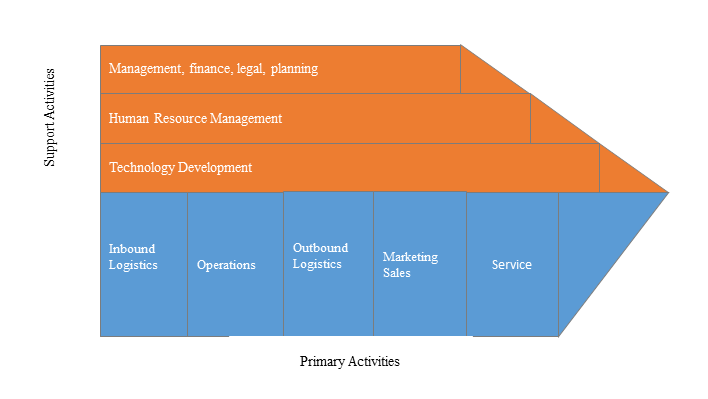
Value chain analysis is a tool to identify activities, within and around the firm and relating these activities to an assessment of competitive strength. Value chain can be analyzed by primary activities and supportive activities. Primary activities include: inbound logistics, operations, outbound logistics, marketing & sales, service. Support activities include: technology development, human resource management, management, finance, legal, planning.
4)SWOT Analysis
SWOT analysis is a tool used to evaluate a company's competitive position by identifying its strengths, weaknesses, opportunities and threats. The strengths and weakness is the inner factor; the opportunities and threats are the external factor. By analyzing the inner and external factors, the analysis can provide the detail information of the position of a player and the characteristics of the industry.
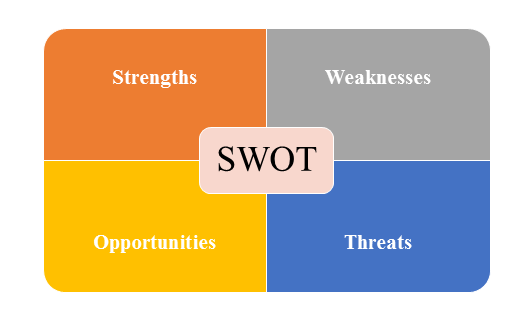
- Strengths describe what the player excels at and separates it from the competition
- Weaknesses stop the player from performing at its optimum level.
- Opportunities refer to favorable external factors that the player can use to give it a competitive advantage.
- Threats refer to factors that have the potential to harm the player.
- Data Sources
| Primary Sources | Secondary Sources |
|---|---|
| Face to face/Phone Interviews with market participants, such as: Manufactures; Distributors; End-users; Experts. Online Survey |
Government/International Organization Data: Annual Report/Presentation/Fact Book Internet Source Information Industry Association Data Free/Purchased Database Market Research Report Book/Journal/News |