Rare Disease Drug Market Size, Share & Growth Report 2031
- Single User License (1 Users) $ 7,000
- Team License (2~5 Users) $ 9,000
- Corporate License (>5 Users) $ 11,000
The global rare disease drug (also called orphan drug) market size is valued at an estimated 180 to 200 billion USD in 2026, with a compound annual growth rate of 8% to 12% through 2031. While orphan conditions represent over 7,000 distinct clinical phenotypes affecting roughly 400 million individuals worldwide, fewer than 10% possess an approved disease-modifying intervention.
The rare disease dru market is pivoting away from first-generation systemic enzyme replacement therapies and non-selective immunosuppressants toward highly targeted biological and molecular platforms. These include subcutaneous RNA interference (RNAi) silencers, targeted neonatal Fc receptor (FcRn) antagonists, and curative-intent genetic medicines (AAV-mediated vectors and ex-vivo CRISPR-edited cellular suspensions).
Regional Market Dynamics
● North America
North America represents the primary geographic revenue anchor, accounting for over 50% of aggregate global commercial orphan drug revenues. The United States market operates under distinct structural advantages, characterized by rapid precision medicine uptake, deep capital markets, and flexible pricing structures compared to international single-payer systems. High-cost single-administration gene therapies carrying list prices between 2.0 million and 3.5 million USD achieve their highest volume penetrations within the domestic U.S. institutional network.
Regulatory and legislative developments continue to dictate U.S. portfolio valuations. The codification of the One Big Beautiful Bill Act (OBBBA) in mid-2025 addressed critical ambiguities introduced by the Inflation Reduction Act (IRA) of 2022. By establishing that orphan medicines maintaining multiple rare disease approvals remain exempt from Medicare Part B and Part D price negotiations—provided they do not secure broad, non-orphan label expansions—the statutory revision preserved multi-indication expansion strategies for orphan drug sponsors.
Furthermore, the federal reauthorization of the Rare Pediatric Disease Priority Review Voucher (PRV) program through September 30, 2029, under the Consolidated Appropriations Act maintains a critical secondary monetization mechanism, where tradable vouchers transact between 100 million and 200 million USD.
The Canadian sub-segment, regulated downstream via the Canadian Drug Agency and the Patented Medicine Prices Review Board (PMPRB), exhibits predictable launch lags of 6 to 12 months relative to U.S. dates, operating under strict comparative-benefit pricing limits.
● Europe
Europe constitutes the second-largest commercial landscape, where volume adoption is underpinned by comprehensive socialized healthcare infrastructures and coordinated European Reference Networks (ERNs). Market access, however, is gated by rigorous, pharmacoeconomic-driven HTA bodies. Originators systematically manage substantial net price erosion relative to U.S. reference benchmarks.
The operational entry point for continental commercialization remains anchored by Germany, where initial launch under the AMNOG framework allows a discrete period of manufacturer-directed pricing prior to negotiated reimbursement tiers. France and Italy provide early liquidity through formalized Early Access Programs (such as the French Accès Précoce scheme) and Named-Patient Programs (NPP), enabling commercial monetization prior to official national reimbursement listings.
Conversely, the United Kingdom, overseen by the National Institute for Health and Care Excellence (NICE), increasingly conditions access for ultra-rare assets to Highly Specialized Technology (HST) evaluations, forcing sponsors into complex, outcomes-linked Managed Access Agreements (MAAs). The progressive implementation of the EU-wide HTA Regulation aims to harmonize clinical baseline efficacy reviews across member states, shifting competitive friction entirely toward sovereign price negotiation.
● Asia-Pacific
The Asia-Pacific corridor functions as the fastest-growing macro region, expanding at an estimated annualized rate of 11% to 15% through 2031, led by differentiated regulatory corridors in Japan and China.
Japan represents the world’s second-largest single-country orphan marketplace. Governed by the Pharmaceuticals and Medical Devices Agency (PMDA), the regulatory regime grants up to 10 years of post-marketing re-examination exclusivity alongside institutional National Health Insurance (NHI) price-maintenance premiums for qualifying assets targeting diseases with fewer than 50,000 domestic patients.
In China, regulatory acceleration is tied directly to the National Health Commission’s First and Second Catalogues of Rare Diseases. The National Medical Products Administration (NMPA) executes expedited approvals utilizing foreign clinical data packages for critically needed assets, eliminating historic multi-year approval delays.
Volume scaling is governed by access to the National Reimbursement Drug List (NRDL), which exchanges steep price concessions for access across top-tier Class 3A tertiary medical centers. Supplemental access routes, such as the Commercial Health Insurance Innovative Drug List established in early 2026, provide secondary reimbursement layers for advanced high-cost biologics.
Regional expansion is reinforced by Taiwan, China, which deploys an established single-payer National Health Insurance apparatus with earmarked orphan disease funds. South Korea’s Ministry of Food and Drug Safety operates specialized regenerative medicine priority channels, while Australia facilitates patient access via the federally funded Life Saving Drugs Program (LSDP).
● Latin America
Latin America constitutes the fourth-largest territorial market, heavily concentrated across Brazil, Mexico, Colombia, and Argentina. The commercial landscape is structurally defined by the "Judicialization of Healthcare." Within jurisdictions like Brazil and Colombia, constitutional provisions guaranteeing universal access to medical therapy empower patients to secure federal funding for non-formulary, ultra-expensive orphan medicines via court injunctions.
While this mechanism provides rapid initial revenue capture for newly approved international biologics, it creates volatile, episodic cash-flow dynamics for commercial sponsors lacking structured public-reimbursement listings.
● Middle East and Africa (MEA)
The MEA region, the fifth-largest commercial theatre, displays atypical epidemiological profiles characterized by elevated prevalence rates for autosomal recessive genetic indications, including severe lysosomal storage diseases, spinal muscular atrophy, hemoglobinopathies, and hereditary angioedema. This prevalence is heavily influenced by regional consanguinity rates.
Commercial dynamics diverge sharply across the territory. The Gulf Cooperation Council (GCC) economies, led by Saudi Arabia and the United Arab Emirates, utilize sovereign healthcare budgets and direct ministerial tenders to procure advanced cell and gene therapies at premium Western price equivalents. Surrounding territories across North Africa and the Levant rely on restrictive government-managed tender structures and distributor partnerships, marked by strict affordability constraints and extended payment settlement cycles.
Supply Chain and Value Chain Architecture
● Upstream Research and Platform Engineering
The initial value-creation tier centers on resolving complex biological delivery constraints and target identification. Modern discovery engines bypass empirical screening in favor of high-throughput genomics, patient-derived induced pluripotent stem cell (iPSC) lines, and targeted vector design. Key technological differentiators include synthetic capsid design (utilizing directed evolution to bypass pre-existing neutralizing adeno-associated virus antibodies), lipid nanoparticle (LNP) organ-targeting chemistry, and base- or prime-editing molecular toolkits.
Intellectual property configurations established at this foundational phase dictate long-term enterprise moats, linking composition-of-matter protection to narrow target-tissue tropism parameters.
1. Bioprocess Development and cGMP Manufacturing
Biomanufacturing represents the industry's most acute operational vulnerability and cost driver. The operational divergence across modalities dictates capital expenditure exposure:
- Small Molecule API: Dependent on precision multi-step stereoselective synthesis, high-potency oral solid handling, and solid-state form characterization. Supply lines remain exposed to active pharmaceutical ingredient (API) and intermediate concentration nodes, largely centered in specific chemical clusters in Asia and Europe.
- Recombinant Biologics and Enzyme Replacements: Characterized by low-yield mammalian cell culture (CHO line optimization), high-complexity glycosylation profiling, and rigorous downstream purification processes to preserve structural enzymatic integrity.
- Viral Vectors (AAV and Lentiviral Constructs): Marked by volatile batch yield profiles, supply bottlenecks in clinical-grade plasmid DNA, and complex full-to-empty capsid separation analytics (employing analytical ultracentrifugation and anion-exchange chromatography). Scaled suspension bioreactor runs (up to 2,000 liters) require stringent quality controls to prevent batch loss.
- Autologous Cell and Gene Therapies: Governed by decentralized "vein-to-vein" logistics, requiring strict chain-of-identity and chain-of-custody documentation. Patient apheresis material must be cryopreserved, shipped to centralized cleanrooms, genetically edited, tested for viability and vector copy number, and returned to clinical sites within strict viability windows.
To manage technical overhead and bioprocessing failure rates, originators balance proprietary internal cGMP infrastructure against reliance on specialized Contract Development and Manufacturing Organizations (CDMOs). In-house facility investments minimize long-term batch COGS, eliminate commercial queuing delays, and protect intellectual property. Conversely, CDMO integration provides rapid clinical-phase capacity without upfront capital allocation.
2. Regulatory Approval, Pricing, and Market Access
The primary regulatory node determines commercial viability through negotiated unit pricing and post-marketing surveillance obligations. Unlike mass-market therapeutics, where scale offsets margin compressions, orphan assets require pricing levels capable of amortizing multi-hundred-million-dollar development costs across small patient pools.
Health economic validation mandates complex real-world evidence (RWE) generation to satisfy HTA assessors. To commercialize million-dollar curative therapies without bankrupting public payers, developers deploy novel commercial contracts:
- Multi-year outcome-contingent rebates tied to verified clinical stabilization.
- Annuity and installment models distributing single-dose expenses across multi-year cycles.
- Population-level expenditure caps negotiated across national pharmacy boards.
● Midstream Distribution and Cold-Chain Logistics
The downstream movement of rare disease medicines requires specialized distribution architectures. Therapeutic assets routinely require continuous cold-chain management, spanning ultra-low refrigerated environments (-80°C) to cryogenic vapor phases (-150°C to -196°C) for cellular suspensions.
Distribution operates under closed specialty pharmacy networks rather than broad wholesale tiers, ensuring direct delivery to verified infusion suites and clinical academic centers. Real-time GPS-enabled condition monitoring tracking temperature, tilt, and container integrity is mandatory to comply with international regulations such as the U.S. Drug Supply Chain Security Act (DSCSA) and the EU Falsified Medicines Directive.
1. Care Delivery, Diagnostic Interception, and Lifetime Retention
The terminal stage of the value chain is characterized by patient finding and commercial hub infrastructure. Because underdiagnosis and diagnostic delays average 4 to 7 years across multiple healthcare touchpoints, originators deploy specialized patient discovery investments:
- Underwriting expanded newborn screening (NBS) panels.
- Sponsoring institutional next-generation sequencing (NGS) panels for suspected phenotypes.
- Deploying machine-learning algorithms across electronic health records (EHR) to flag diagnostic patterns.
Following diagnostic interception, specialized corporate patient-support services interface with payers, manage prior authorizations, provide home infusion assistance, and monitor adherence metrics. This dedicated interface protects patient compliance while establishing long-term recurring revenue streams that insulate the franchise from competitive displacement.
2. Modality Breakdown and Commercial Landscape
* Small Molecule Chemotypes
Technical Characteristics:
Synthetic, orally bioavailable small molecules engineered to modulate intracellular cascades, act as pharmacological chaperones, correct misfolded proteins, or inhibit specific enzymatic drivers. These agents provide high patient adherence compared to parenteral administration regimes.
Commercial Anchors:
- Trikafta / Kaftrio and Alyftrek (Vertex Pharmaceuticals): Anchors the cystic fibrosis landscape. The next-generation once-daily triple combination (vanzacaftor / tezacaftor / deutivacaftor) strengthens Vertex’s competitive position by lowering sweat chloride levels and simplifying dosing schedules, protected by composition patents reaching toward 2042.
- Vyndaqel / Vyndamax (Pfizer): Commands the transthyretin amyloid cardiomyopathy (ATTR-CM) and polyneuropathy market through selective kinetic stabilization of the native TTR tetramer, facing incoming competition from BridgeBio / Alexion’s Beyonttra (acoramidis).
- Ingrezza and Crenessity (Neurocrine Biosciences): Ingrezza maintains strong cash-flow generation across tardive dyskinesia and Huntington's chorea via VMAT2 inhibition. Crenessity (crinecerfont) represents a structural commercial breakthrough as a selective CRF1 receptor antagonist for congenital adrenal hyperplasia (CAH), reducing chronic reliance on supraphysiologic glucocorticoid therapy.
- Jakafi (Incyte): A pioneering JAK1/JAK2 inhibitor providing durable commercial scale in rare myeloproliferative neoplasms, including myelofibrosis and polycythemia vera.
* Recombinant Biologics and Enzyme Replacement Therapies (ERTs)
Technical Characteristics:
Exogenously produced, mammalian-expressed catalytic enzymes and fusion proteins designed to replace missing or mutated endogenous proteins, fundamentally altering the trajectory of monogenic metabolic, skeletal, and hematologic diseases.
Commercial Anchors:
- Lysosomal Storage Disease Portfolio (Sanofi S.A.): Built around long-standing assets, including Fabrazyme (Fabry disease), Cerezyme (Gaucher disease), and Nexviazyme (Pompe disease). Nexviazyme utilizes enhanced M6P-receptor targeting to overcome cellular clearance limitations associated with legacy alglucosidase alfa.
- Strensiq (AstraZeneca / Alexion): A first-in-class targeted human recombinant tissue-nonspecific alkaline phosphatase for infantile- and juvenile-onset hypophosphatasia (HPP), delivering substantial skeletal remineralization.
- Elaprase and Replagal (Takeda Pharmaceutical): Maintains structural positions within mucopolysaccharidosis Type II (Hunter syndrome) and Fabry disease, operating as durable cash-flow generators within international institutional supply channels.
- Altuviiio / Altuvoct (Sanofi / Sobi): A high-sustained recombinant Factor VIII fusion protein utilizing Fc-VWF-XTEN technology to overcome the von Willebrand factor clearance ceiling in Hemophilia A prophylaxis.
* Monoclonal Antibodies (mAbs) and Engineered Scaffolds
Technical Characteristics:
High-affinity humanized monoclonal antibodies, bispecifics, Nanobodies, and FcRn antagonists that selectively target cell-surface receptors, circulate pathogenic autoantibodies for degradation, or systematically inhibit terminal inflammatory or complement cascades.
Commercial Anchors:
- Vyvgart / Vyvgart Hytrulo (argenx SE): A major commercial shift in autoimmune neurology. By selectively blocking the neonatal Fc receptor, efgartigimod induces rapid intracellular degradation of pathogenic IgG autoantibodies, achieving rapid penetration in generalized myasthenia gravis (gMG) and chronic inflammatory demyelinating polyneuropathy (CIDP).
- Ultomiris and Soliris (AstraZeneca / Alexion): Ultomiris provides a long-acting, engineered backbone in terminal complement (C5) inhibition, systematically converting patients from Soliris across paroxysmal nocturnal hemoglobinuria (PNH), atypical hemolytic uremic syndrome (aHUS), and neuromyelitis optica spectrum disorder (NMOSD) via an eight-week infusion schedule.
- Hemlibra (Roche Group): A humanized bispecific monoclonal antibody bridging Factors IXa and X, setting the standard for bleed prevention in Hemophilia A patients with and without Factor VIII inhibitors.
- Tepezza and Uplizna (Amgen): Tepezza represents a first-in-class IGF-1R targeting mAb indicated for Thyroid Eye Disease (TED). Uplizna targets CD19-positive B-cell lineages to suppress attacks in NMOSD.
* Targeted Oligonucleotides and RNAi Therapeutics
Technical Characteristics:
Chemically stabilized synthetic short interfering RNAs (siRNAs), antisense oligonucleotides (ASOs), and phosphorodiamidate morpholino oligomers (PMOs) designed to degrade targeted mRNA transcripts via the RISC complex, modulate alternative pre-mRNA splicing patterns, or restore targeted protein expression.
Commercial Anchors:
- Amvuttra (Alnylam Pharmaceuticals): A subcutaneous GalNAc-conjugated siRNA targeting hepatic transthyretin production. Amvuttra has reshaped the ATTR landscape, demonstrating broad systemic clearance across both polyneuropathy and cardiomyopathy cohorts based on phase 3 HELIOS-B endpoints.
- Spinraza (Biogen): A pioneering intrathecal SMN2 splicing-modifying ASO that alters pre-mRNA processing to restore functional survival motor neuron protein in spinal muscular atrophy (SMA), maintaining significant commercial defensibility despite competition from oral and gene therapies.
- Exon-Skipping Portfolio (Sarepta Therapeutics): Encompasses the PMO-based therapies Exondys 51, Vyondys 53, and Amondys 45, which utilize phosphorodiamidate morpholino backbones to skip targeted mutated dystrophin exons, enabling the production of truncated functional dystrophin in Duchenne muscular dystrophy.
- Wainua (AstraZeneca / Ionis Pharmaceuticals): A ligand-conjugated antisense (LICA) medicine self-administered via auto-injector, providing an alternative targeted modality for hereditary ATTR polyneuropathy.
* Gene Therapies
Technical Characteristics:
Recombinant viral-mediated vectors (chiefly adeno-associated virus [AAV] serotypes or ex-vivo lentivirus platforms) engineered to deliver wild-type genetic expression cassettes directly into target tissue cells, aiming for long-term therapeutic gene expression through single-dose interventions.
Commercial Anchors:
- Elevidys (Sarepta Therapeutics / Roche): An in-vivo AAVrh74 gene therapy driving expression of micro-dystrophin, holding expanded regulatory approvals for both ambulatory and non-ambulatory Duchenne muscular dystrophy (DMD) patients, representing one of the largest single-asset revenue streams in genetic medicine.
- Zolgensma / Itvisma (Novartis AG): An AAV9-mediated intravenous and intrathecal gene transfer therapy restoring full-length SMN protein production in pediatric patients suffering from biallelic SMN1-mutated spinal muscular atrophy.
- Hemgenix (CSL Behring): An AAV5 vector encoding the hyperactive Padua Factor IX variant for the treatment of Hemophilia B, replacing continuous Factor IX prophylactic infusions.
- Vyjuvek (Krystal Biotech): An innovative, topical, redosable, replication-incompetent HSV-1 vector delivering wild-type human COL7A1 to treat dystrophic epidermolysis bullosa (DEB), avoiding the traditional pre-existing antibody exclusion limits characteristic of systemic AAVs.
* Cellular Immunotherapies and Genome Editing
Technical Characteristics:
Autologous or allogeneic T-cells and CD34+ hematopoietic stem cells engineered through viral transduction (CAR-T) or targeted ribonucleoprotein complexes (CRISPR/Cas9, base editing) to disrupt mutated genes, modify regulatory transcription factors, or eradicate targeted cell clones.
Commercial Anchors:
- Casgevy (Vertex Pharmaceuticals / CRISPR Therapeutics): The first regulatory-approved CRISPR/Cas9 ex-vivo gene-edited therapy, targeting the erythroid-specific enhancer region of the BCL11A gene to restore fetal hemoglobin (HbF) synthesis in severe sickle cell disease and transfusion-dependent beta thalassemia.
- Carvykti (Johnson & Johnson / Legend Biotech): A BCMA-directed, dual-epitope binding CAR-T autologous immunotherapy demonstrating profound depth-of-response and survival advantages across heavily pre-treated and early-line multiple myeloma populations.
- Breyanzi (Bristol Myers Squibb): A CD19-directed CAR-T cell therapy with a defined 1:1 CD4-to-CD8 component formulation showing durable efficacy across rare hematologic indications, including mantle cell lymphoma and refractory follicular lymphoma.
● Downstream Clinical Application Domains
* Rare Oncology and Hematology
Clinical Scope and Market Share:
This segment encompasses rare hematologic and solid malignancies, including acute lymphoblastic leukemia, diffuse midline glioma, gastrointestinal stromal tumors, mantle cell lymphoma, systemic mastocytosis, desmoid tumors, and multiple myeloma. Generating over 20 billion USD in annual aggregate expenditure, it represents the single largest downstream therapeutic category.
Therapeutic Integration:
The therapeutic baseline incorporates targeted small-molecule pathway inhibitors (e.g., BTK inhibitors like BeiGene's Brukinsa; selective KIT D816V inhibitors like Blueprint/Sanofi's Ayvakit; MEK inhibitors like SpringWorks' Ogsiveo) alongside cellular engagers and bispecific constructs (Pfizer's Elrexfio, Amgen's Blincyto). The clinical objective centers on targeted tumor-clone clearance without non-selective myelosuppressive side effects, supported by fast-track review pathways and priority approval mechanisms.
Inborn Errors of Metabolism
Clinical Scope and Market Share:
Focuses on monogenic genetic disruptions affecting essential biochemical pathways, including lysosomal storage disorders (Fabry, Gaucher, Pompe, and Mucopolysaccharidosis subtypes), hypophosphatasia (HPP), organic acidemias, acute hepatic porphyria, primary hyperoxaluria, and urea cycle disorders.
Therapeutic Integration:
Standard-of-care protocols center on long-term regular intravenous enzyme replacement infusions (Sanofi’s Cerezyme, Fabrazyme; Alexion’s Strensiq; BioMarin’s Vimizim). Value migration is shifting toward targeted hepatic gene silencing platforms (Alnylam’s Givlaari and Oxlumo) and in-vivo liver-directed gene replacement vectors designed to re-establish systemic enzyme production, circumventing lifelong infusion schedules.
* Neurological and Neuromuscular Disorders
Clinical Scope and Market Share:
Encompasses debilitating neuromuscular degenerative states, including spinal muscular atrophy, Duchenne muscular dystrophy, generalized myasthenia gravis, amyotrophic lateral sclerosis (ALS), Friedreich's ataxia, Huntington's disease, and Dravet syndrome.
Therapeutic Integration:
This field hosts significant modality-level competition. In generalized myasthenia gravis, FcRn inhibitors (argenx’s Vyvgart) challenge conventional complement therapies (Alexion’s Ultomiris) and general immunosuppressants. In SMA, three distinct modalities—oral SMN2 splicing modulators (Roche’s Evrysdi), intrathecal ASOs (Biogen’s Spinraza), and systemic AAV9 gene replacement (Novartis’s Zolgensma)—compete across different age bands and phenotypes.
In DMD, Sarepta’s exon-skipping drugs are challenged by their own systemic gene replacement therapy (Elevidys), highlighting the rapid pace of clinical platform evolution.
* Immunology and Hematologic Non-Malignant Disorders
Clinical Scope and Market Share:
Covers severe complement-mediated, autoimmune, and coagulation pathologies, including paroxysmal nocturnal hemoglobinuria, atypical hemolytic uremic syndrome, hereditary angioedema (HAE), severe primary immunodeficiencies, cold agglutinin disease, and Hemophilia A and B.
Therapeutic Integration:
Long dominated by intravenous plasma-derived or recombinant factor replacements and first-generation complement inhibitors, this category is transitioning to target-specific, subcutaneous, or oral daily therapeutics. In HAE, the historic reliance on IV C1-esterase inhibitors has shifted to targeted kallikrein-inhibition strategies (Takeda’s Takhzyro) and emerging oral small molecules.
Complement therapy is similarly expanding from terminal C5 blockade (Soliris/Ultomiris) toward proximal pathway intervention targeting Factor B (Novartis’s Fabhalta) and C3, providing complete suppression of both intravascular and extravascular hemolysis in PNH.
* Others (Pulmonary, Renal, Dermatological, and Ophthalmic)
Clinical Scope and Market Share:
Covers targeted organ pathologies, including pulmonary arterial hypertension (PAH), cystic fibrosis (CF), primary IgA nephropathy, C3 glomerulopathy, autosomal dominant polycystic kidney disease, thyroid eye disease, and dystrophic epidermolysis bullosa.
Therapeutic Integration:
Vertex Pharmaceuticals maintains an effective monopoly over the cystic fibrosis segment through its CFTR corrector and potentiator franchises (Trikafta, Alyftrek). In pulmonary arterial hypertension, Johnson & Johnson’s endothelin receptor combinations (Opsumit, Opsynvi) and prostacyclin pathway modulators (United Therapeutics' Tyvaso) operate alongside Merck & Co.’s activin signaling inhibitor Winrevair (sotatercept), which shifts the treatment paradigm from vasodilation to reverse vascular remodeling.
In rare nephrology, the accelerated approvals of targeted complement inhibitors (Fabhalta) and dual B-cell signaling blockers reflect an accelerating pipeline targeting glomerular inflammation.
● Commercial Rare Disease Drug Players: Vertex Pharmaceuticals, Pfizer Inc., AstraZeneca, argenx SE, Alnylam Pharmaceuticals, Sanofi S.A., Novartis AG, Sarepta Therapeutics
- Strategic Pivot: Rapid evolution from an antisense phosphorodiamidate morpholino oligomer manufacturer into an in-vivo viral vector gene therapy enterprise.
- Operational Moat: Broad market access and first-mover monopoly in systemic gene therapy for Duchenne muscular dystrophy (Elevidys), supported by partnership distribution channels with Roche ex-U.S.
● Recent Commercial Entrants (Approved October 2026 Baseline):
- Denali Therapeutics: Secured FDA accelerated approval for Avlayah (tividenofusp alfa) for Mucopolysaccharidosis Type II (Hunter Syndrome), leveraging its Transport Vehicle (TV) engine to cross the blood-brain barrier via receptor-mediated transcytosis.
- Harbour BioMed: Secured China NMPA approval for its anti-FcRn monoclonal antibody Batoclimab for generalized myasthenia gravis, establishing an onshore footprint in the competitive Chinese market.
- Rocket Pharmaceuticals: Secured FDA accelerated approval for Kresladi (marnetegragene autotemcel), a first-in-class ex-vivo lentiviral gene therapy for leukocyte adhesion deficiency-I (LAD-I).
- Scholar Rock Holding Corp: Secured FDA approval for Apitegromab, a fully human monoclonal antibody selectively inhibiting the activation of latent myostatin to preserve and restore motor function in spinal muscular atrophy.
- Vera Therapeutics: Secured FDA accelerated approval for Trutakna (atacicept), a dual BAFF/APRIL inhibitor targeting disease progression in primary IgA nephropathy.
- VISEN Pharmaceuticals: Secured NMPA approval for Lonapegsomatropin, a long-acting prodrug formulation of human growth hormone addressing pediatric growth hormone deficiency (PGHD).
● Clinical-Stage Pipeline and Disruptive R&D Horizons
* In-Vivo and Ex-Vivo Gene Therapies and Genome Editing
- NTLA-2001 & NTLA-2002 (Intellia Therapeutics / Regeneron): NTLA-2001 is advancing through the Phase 3 MAGNITUDE trial evaluating systemic, single-administration in-vivo LNP-CRISPR/Cas9 gene knockout of the TTR gene in ATTR-CM. NTLA-2002 is completing the pivotal Phase 3 HAAVEN trial evaluating targeted in-vivo knockout of the KLKB1 gene in hereditary angioedema. Successful readouts would validate in-vivo systemic CRISPR editing as a commercial drug class.
- BEAM-101 & BEAM-302 (Beam Therapeutics): Advancing base editing therapeutics designed to generate targeted point mutations without creating double-stranded DNA breaks. BEAM-101 targets fetal hemoglobin upregulation for sickle cell disease, while BEAM-302 directly corrects the PiZ causal mutation in Alpha-1 Antitrypsin Deficiency (AATD).
- SRP-9003 (Sarepta Therapeutics): Phase 3 EMPOWER trial investigating AAVrh74-mediated gene transfer of human beta-sarcoglycan to treat Limb-Girdle Muscular Dystrophy Type 2E/R4.
- 4D-150 / 4D-710 (4D Molecular Therapeutics): Leveraging synthetic adeno-associated virus evolution (R100 and A101 synthetic capsids) designed to overcome pre-existing anti-capsid antibody neutralization hurdles in ophthalmology and cystic fibrosis lung disease.
* Targeted RNAi, ASO, and Nucleic Acid Architectures
- AOC 1001 / Del-desiran (Avidity Biosciences): Advancing through the global Phase 3 HARBOR trial. AOC 1001 couples a monoclonal antibody directed against the transferrin receptor 1 (TfR1) with an siRNA payload targeting DMPK mRNA, overcoming historical tissue-delivery limitations to achieve functional mRNA silencing within skeletal and cardiac muscle tissues in Myotonic Dystrophy Type 1.
- DYNE-101 & DYNE-251 (Dyne Therapeutics): Utilizing the FORCE engineering platform to couple Fab-antibody targeting moieties with antisense payloads targeting DM1 and DMD Exon 51 skipping.
- Donidalorsen (Ionis Pharmaceuticals / Sobi): A ligand-conjugated antisense (LICA) agent targeting prekallikrein mRNA for durable, monthly or bi-monthly subcutaneous attack prevention in hereditary angioedema.
- Zorevunersen / STK-001 (Stoke Therapeutics): An antisense oligonucleotide directed via TANGO (Targeted Augmentation of Nuclear Gene Output) technology to selectively upregulate wild-type protein expression from non-mutant alleles in Dravet Syndrome.
* FcRn Blockers, Complement Inhibitors, and Monoclonal Antibodies
- IMVT-1402 (Immunovant / Roivant): Next-generation subcutaneous anti-FcRn monoclonal antibody engineered to deliver deep IgG reduction matching Vyvgart, while avoiding albumin and LDL-cholesterol dysregulation.
- DNTH103 (Dianthus Therapeutics): An engineered, long-acting monoclonal antibody selectively inhibiting active C1s, halting classical pathway complement activation while leaving the lectin and alternative pathways intact.
- ANX005 (Annexon Biosciences): An upstream C1q-blocking antibody directed toward stopping classical complement neuro-inflammation in acute Guillain-Barré Syndrome.
- Garadacimab (CSL Behring): A first-in-class recombinant monoclonal antibody targeting activated Factor XII (FXIIa), establishing a new mechanistic standard in hereditary angioedema prophylaxis.
* Targeted Small Molecule Discoveries
- Bexicaserin (H. Lundbeck A/S / Longboard Acquisition): An oral 5-HT2C receptor superagonist displaying selectivity over 5-HT2A and 5-HT2B subtypes, advancing through Phase 3 trials (DEEceive) for developmental and epileptic encephalopathies (DEEs), including Dravet and Lennox-Gastaut Syndromes.
- Paltusotine (Crinetics Pharmaceuticals): An orally bioavailable, non-peptide selective somatostatin receptor subtype 2 (SST2) agonist, seeking to replace monthly intramuscular somatostatin depot injections in acromegaly and carcinoid syndrome.
- Sebetralstat (KalVista Pharmaceuticals): An oral plasma kallikrein inhibitor awaiting regulatory review to serve as an on-demand, patient-administered tablet for acute hereditary angioedema attacks.
- DCCR (Soleno Therapeutics): A controlled-release formulation of diazoxide choline acting as a KATP channel agonist, targeting hypothalamic NPY/AGRP neuropeptide pathways to treat severe hyperphagia in Prader-Willi Syndrome.
1.1 Executive Summary and Scope of Market Intelligence Report 1
1.2 Strategic Research Methodology and Primary Analytical Sources 2
1.3 Multi-Variable Forecasting Models and Macroeconomic Assumptions (2021-2031) 4
1.4 Data Triangulation and Bottom-Up Market Sizing Validation 5
1.5 Definitional Framework and Standard Clinical Terminology 5
1.6 Industry Abbreviations and Regulatory Nomenclature 6
Chapter 2 Industry Ecosystem, Value Chain, and Drug Development Architecture 7
2.1 End-to-End Rare Disease Biopharmaceutical Value Chain Architecture 7
2.2 Upstream Raw Material Sourcing, Vector Production, and Synthetic Precursors 8
2.3 Midstream Contract Development and Manufacturing Organizations (CDMO/CMO) Landscape 10
2.4 Downstream Specialized Distribution, Cold-Chain Logistics, and Patient Access Programs 12
2.5 Comparative Cost Structure and Margin Decomposition Across Modalities 13
Chapter 3 Global Market Assessment and Macroeconomic Drivers (2021-2031) 15
3.1 Historical Market Evolution and Trajectory (2021-2025) 15
3.2 Baseline Market Valuation and Segment Health Assessment (2026) 17
3.3 Predictive Market Expansion Forecast (2027-2031) 18
3.4 Global Demographic Incidence Shifts and Rare Disease Epidemiological Profiling 20
3.5 Diagnostic Yield Acceleration via Next-Generation Sequencing (NGS) and AI Screening 22
3.6 Premium Pricing, Health Technology Assessment (HTA), and Value-Based Contracting 23
Chapter 4 Global Rare Disease Drug Market Breakdown by Modality 25
4.1 Small Molecule Chemotypes 25
4.2 Recombinant Biologics and Enzyme Replacement Therapies (ERTs) 27
4.3 Monoclonal Antibodies and Engineered Fusion Proteins 28
4.4 Targeted Oligonucleotides and RNAi Therapeutics 30
4.5 Gene Therapies (Viral and Non-Viral Vectors) 31
4.6 Cellular Immunotherapies and Genome Editing Platforms 32
Chapter 5 Global Rare Disease Drug Market Breakdown by Application 34
5.1 Rare Oncology and Hematology 34
5.2 Inborn Errors of Metabolism 36
5.3 Neurological and Neuromuscular Disorders 37
5.4 Immunology and Hematologic Disorders 39
5.5 Other Therapeutic Domains (Pulmonary, Renal, Dermatological, and Ophthalmic) 40
Chapter 6 Global Supply Chain, API Sourcing, and Cross-Border Trade Dynamics 42
6.1 Strategic API and Specialized Cell-Line Manufacturing Hubs 42
6.2 Cross-Border Import and Export Flows of Orphan Medicinal Products 44
6.3 Geopolitical Tariffs, Supply Chain Resilience, and Dual-Sourcing Mandates 45
6.4 Cold-Chain Distribution Integrity and Ultra-Low Temperature Logistics Corridors 46
Chapter 7 North America Rare Disease Drug Market Analysis 48
7.1 Regional Market Sizing, Policy Tailwinds, and Modality Shifts (2021-2031) 48
7.2 United States Market Sizing, Sourcing Hubs, and Commercial Dynamics 50
7.3 Canada Market Sizing, Reimbursement Frameworks, and Clinical Access 52
Chapter 8 Europe Rare Disease Drug Market Analysis 54
8.1 Regional Overview, Cross-Border Access Directives, and Health Expenditure 54
8.2 Germany Production Sourcing and Consumption Trends 55
8.3 Switzerland Biomanufacturing Centers and Commercial Demand 55
8.4 France Early Access Programs (ATU/AAP) and Market Absorption 56
8.5 United Kingdom Post-Brexit Regulatory Pathways and Demand Patterns 56
8.6 Italy Regional Sourcing and Clinical Procurement 57
8.7 Spain Orphan Drug Reimbursement Timelines and Adoption 57
8.8 Denmark and Sweden Nordic Rare Disease Infrastructure and Demand 57
8.9 Netherlands and Belgium Logistics Distribution and Health System Uptake 58
8.10 Rest of Europe Market 58
Chapter 9 Asia-Pacific Rare Disease Drug Market Analysis 59
9.1 Macro-Regional Growth Engines, Sourcing Base, and Policy Evolution 59
9.2 Japan Premium Pricing Systems and Domestic Orphan Drug Utilization 60
9.3 China National Reimbursement Drug List (NRDL) Inclusions and Manufacturing Base 61
9.4 Taiwan (China) Rare Disease Legal Frameworks and Commercial Inflow 62
9.5 South Korea Risk-Sharing Agreements and Manufacturing Expansion 62
9.6 Australia and New Zealand Life Saving Drugs Program (LSDP) and Strategic Import Dynamics 63
Chapter 10 Rest of the World Rare Disease Drug Market Analysis 64
10.1 Latin America Regional Overview, Import Reliance, and Access Programs 64
10.2 Brazil Judicialization of Health and Strategic Federal Procurement 64
10.3 Mexico Regulatory Alignment and Private Insurance Dynamics 65
10.4 Middle East and Africa Strategic Sourcing and Named-Patient Access 65
10.5 Israel Innovation Clusters and Specialized Clinical Uptake 66
10.6 Saudi Arabia Vision 2030 Healthcare Modernization and Genetic Screening Demand 66
Chapter 11 Competitive Landscape, Strategic Benchmarking, and Market Share 67
11.1 Global Competitive Matrix and Tiered Market Participant Taxonomy 67
11.2 Market Consolidation Ratios (CR4, CR8, and Herfindahl-Hirschman Index) 69
11.3 Strategic Collaboration Networks, Out-Licensing, and Co-Commercialization 70
11.4 Pipeline Density and Modality Disruption Threat Assessment 71
Chapter 12 Commercialized Therapeutic Manufacturers Corporate Intelligence 73
12.1 Vertex Pharmaceuticals 73
12.2 Novartis AG 76
12.3 AstraZeneca (Alexion) 79
12.4 Roche Group 82
12.5 Sanofi S.A. 85
12.6 Johnson & Johnson 88
12.7 Amgen Inc. 91
12.8 Pfizer Inc. 94
12.9 CSL Limited 97
12.10 AbbVie Inc. 100
12.11 Bristol Myers Squibb 103
12.12 Takeda Pharmaceutical 106
12.13 argenx SE 109
12.14 BeOne Medicines 112
12.15 Jazz Pharmaceuticals Plc 115
12.16 Incyte Corporation 118
12.17 Merck & Co. Inc 121
12.18 United Therapeutics Corporation 124
12.19 Novo Nordisk 127
12.20 Alnylam Pharmaceuticals, Inc. 130
12.21 Neurocrine Biosciences Inc 133
12.22 Swedish Orphan Biovitrum AB (Sobi) 136
12.23 Biogen Inc. 139
12.24 Sarepta Therapeutics Inc 142
12.25 Kyowa Kirin 145
12.26 Ipsen S.A. 148
12.27 Bayer AG 151
12.28 UCB SA 154
12.29 Recordati S.p.A. 157
12.30 ACADIA PHARMACEUTICALS INC 160
12.31 BioMarin Pharmaceutical Inc. 163
12.32 BioCryst Pharmaceuticals Inc 166
12.33 Eli Lilly 169
12.34 Otsuka Holdings 172
12.35 GSK PLC 175
12.36 Corcept Therapeutics Inc 178
12.37 Ascendis Pharma A/S 181
12.38 Merck KGaA 184
12.39 3SBio Inc 187
12.40 BridgeBio Pharma Inc. 190
12.41 Lundbeck 193
12.42 Astellas Pharma Inc 196
12.43 Pharming Group N.V. 199
12.44 Ono Pharmaceutical 202
12.45 Krystal Biotech Inc. 205
12.46 RIGEL PHARMACEUTICALS INC. 208
12.47 Gilead Sciences Inc 211
12.48 Regeneron Pharmaceuticals Inc 214
12.49 Shanghai Fosun Pharma 217
12.50 Jiangsu Hengrui Pharmaceuticals 220
12.51 Xeris Biopharma Holdings Inc. 223
12.52 Rhythm Pharmaceuticals Inc. 226
12.53 Nippon Shinyaku 229
12.54 PharmaEssentia Corp. 232
12.55 Zevra Therapeutics, Inc. 235
12.56 Daiichi Sankyo Company 238
12.57 China Medical System Holdings 241
12.58 Eton Pharmaceuticals Inc. 244
12.59 Eisai 247
12.60 Bausch Health Companies Inc. 250
12.61 GERON CORPORATION 253
12.62 Sino Biopharmaceutical Limited 256
12.63 Day One Biopharmaceuticals Inc. 259
12.64 Santhera Pharmaceuticals Holding AG 262
12.65 Ironwood Pharmaceuticals Inc. 265
12.66 Clinuvel Pharmaceuticals Limited 268
12.67 Protalix BioTherapeutics Inc. 271
12.68 Sumitomo Pharma 274
12.69 Shionogi & Co. Ltd. 277
12.70 Abeona Therapeutics Inc. 280
12.71 Shanghai Henlius Biotech 283
12.72 RemeGen 286
12.73 Ascentage Pharma 289
12.74 Zai Lab Limited 292
12.75 CANbridge Pharmaceuticals 295
12.76 BioLineRx Ltd. 298
12.77 Harbour BioMed 301
12.78 Santen Pharmaceutical 304
12.79 Medicure Inc. 307
12.80 Exelixis Inc. 310
12.81 LEO Pharma A/S 313
12.82 Jaguar Health Inc. 316
12.83 Daewoong Pharmaceutical 319
12.84 Scholar Rock Holding Corp 322
12.85 Soleno Therapeutics 325
12.86 KalVista Pharmaceuticals 328
12.87 Rocket Pharmaceuticals 331
12.88 Crinetics Pharmaceuticals 334
12.89 GENFIT 337
12.90 Vera Therapeutics 340
12.91 Mitsubishi Tanabe 343
12.92 Egetis Therapeutics AB 346
12.93 Agios Pharmaceuticals 349
12.94 Genetix Biotherapeutics 352
12.95 Chiesi Farmaceutici S.p.A. 355
12.96 Calliditas Therapeutics AB 358
12.97 Mission Pharmacal 361
12.98 Denali Therapeutics Inc. 364
12.99 VISEN Pharmaceuticals 367
Chapter 13 Clinical-Stage and R&D Pipeline Innovators Corporate Intelligence 370
13.1 4D Molecular Therapeutics 370
13.2 Aardvark Therapeutics Inc. 373
13.3 Akari Therapeutics Plc 376
13.4 Amylyx Pharmaceuticals 379
13.5 Annexon 382
13.6 Avidity Biosciences 385
13.7 BELITE BIO 388
13.8 Beam Therapeutics Inc 391
13.9 Benitec Biopharma 394
13.10 Biohaven Ltd. 397
13.11 CAPRICOR THERAPEUTICS 400
13.12 CRISPR THERAPEUTICS AG 403
13.13 Camp4 Therapeutics Corp 406
13.14 Can-Fite BioPharma Ltd. (CANF) 409
13.15 Cartesian Therapeutics Inc. 412
13.16 Cereno Scientific AB 415
13.17 Chemomab Therapeutics Ltd. 418
13.18 Dianthus Therapeutics Inc. 421
13.19 Disc Medicine Inc. 424
13.20 Dyne Therapeutics Inc. 427
13.21 Edgewise Therapeutics Inc. 430
13.22 Editas Medicine Inc. 433
13.23 Entera Bio Ltd. 436
13.24 GENSIGHT BIOLOGICS 439
13.25 Immunovant 442
13.26 Intellia Therapeutics Inc. 445
13.27 JUPITER NEUROSCIENCES 448
13.28 Korro Bio Inc. 451
13.29 Kyverna Therapeutics Inc. 454
13.30 Larimar Therapeutics Inc. 457
13.31 Lexeo Therapeutics Inc. 460
13.32 Mbx Biosciences Inc. 463
13.33 Medivir AB 466
13.34 MeiraGTx Holdings plc 469
13.35 Mereo BioPharma Group plc 472
13.36 Modalis Therapeutics Corporation 475
13.37 Moderna Inc. 478
13.38 Neurogene Inc. 481
13.39 Opus Genetics Inc. 484
13.40 PALATIN TECHNOLOGIES INC 487
13.41 PYC Therapeutics Limited 490
13.42 Pharvaris N.V. 493
13.43 Precision Biosciences Inc 496
13.44 Quince Therapeutics 499
13.45 Quoin Pharmaceuticals 502
13.46 Regenxbio Inc. 505
13.47 Rezolute 508
13.48 SANGAMO THERAPEUTICS 511
13.49 SCM Lifescience 514
13.50 SIONNA THERAPEUTICS 517
13.51 Saniona AB 520
13.52 Savara Inc 523
13.53 Silence Therapeutics Plc 526
13.54 Solid Biosciences Inc. 529
13.55 Spruce Biosciences 532
13.56 Stoke Therapeutics 535
13.57 Taysha Gene Therapies 538
13.58 Tenaya Therapeutics 541
13.59 Tonix Pharmaceuticals Holding Corp. 544
13.60 Vor Biopharma Inc. 547
13.61 Wave Life Sciences Ltd. 550
13.62 XORTX Therapeutics Inc. 553
13.63 Zealand Pharma 556
13.64 Zenas BioPharma, Inc. 559
13.65 uniQure N.V 562
13.66 Caliway Biopharmaceuticals 565
13.67 PegBio 568
13.68 Suzhou Ribo Life Science 571
Chapter 14 Global Regulatory Architecture, Orphan Exclusivity, and Reimbursement 574
14.1 FDA Orphan Drug Act Protocols, Expedited Review, and Priority Review Vouchers 574
14.2 EMA Orphan Regulations, PRIME Designation, and Protocol Assistance 576
14.3 NMPA Rare Disease Policies, Green Channel Approvals, and Catalog Expansion 577
14.4 Innovative Financing: Annuity Reimbursement and Outcome-Based Risk Contracts 578
Chapter 15 Strategic Mergers, Pipeline Licensing, and Capital Allocation (2021-2026) 580
Table 2 Global Rare Disease Drug Market Valuation and Forecast by Application (USD Billion, 2021-2031) 19
Table 3 Global Small Molecule Chemotypes Rare Disease Drug Revenue by Region (USD Billion, 2021-2031) 26
Table 4 Global Recombinant Biologics and ERTs Revenue by Region (USD Billion, 2021-2031) 27
Table 5 Global Monoclonal Antibodies Rare Disease Drug Revenue by Region (USD Billion, 2021-2031) 29
Table 6 Global Targeted Oligonucleotides and RNAi Therapeutics Revenue by Region (USD Billion, 2021-2031) 30
Table 7 Global Gene Therapies Revenue by Region (USD Billion, 2021-2031) 32
Table 8 Global Cellular Immunotherapies and Genome Editing Revenue by Region (USD Billion, 2021-2031) 33
Table 9 Global Rare Oncology and Hematology Drug Revenue by Region (USD Billion, 2021-2031) 35
Table 10 Global Inborn Errors of Metabolism Drug Revenue by Region (USD Billion, 2021-2031) 36
Table 11 Global Neurological and Neuromuscular Disorders Drug Revenue by Region (USD Billion, 2021-2031) 38
Table 12 Global Immunology and Hematologic Disorders Drug Revenue by Region (USD Billion, 2021-2031) 39
Table 13 Global Other Rare Disease Applications Revenue by Region (USD Billion, 2021-2031) 41
Table 14 Global Cross-Border Active Pharmaceutical Ingredient (API) Shipments for Rare Disease Drugs (Metric Tons, 2021-2026) 43
Table 15 North America Rare Disease Drug Market Revenue by Country (USD Billion, 2021-2031) 49
Table 16 Europe Rare Disease Drug Market Revenue by Country (USD Billion, 2021-2031) 54
Table 17 Asia-Pacific Rare Disease Drug Market Revenue by Country (USD Billion, 2021-2031) 59
Table 18 Rest of the World Rare Disease Drug Market Revenue by Country (USD Billion, 2021-2031) 64
Table 19 Top 15 Rare Disease Drug Manufacturers Global Revenue and Market Concentration (2021-2026) 68
Table 20 Vertex Pharmaceuticals Rare Disease Drug Revenue, Cost and Gross Margin (2021-2026) 74
Table 21 Novartis AG Rare Disease Drug Revenue, Cost and Gross Margin (2021-2026) 77
Table 22 AstraZeneca (Alexion) Rare Disease Drug Revenue, Cost and Gross Margin (2021-2026) 80
Table 23 Roche Group Rare Disease Drug Revenue, Cost and Gross Margin (2021-2026) 83
Table 24 Sanofi S.A. Rare Disease Drug Revenue, Cost and Gross Margin (2021-2026) 86
Table 25 Johnson & Johnson Rare Disease Drug Revenue, Cost and Gross Margin (2021-2026) 89
Table 26 Amgen Inc. Rare Disease Drug Revenue, Cost and Gross Margin (2021-2026) 92
Table 27 Pfizer Inc. Rare Disease Drug Revenue, Cost and Gross Margin (2021-2026) 95
Table 28 CSL Limited Rare Disease Drug Revenue, Cost and Gross Margin (2021-2026) 98
Table 29 AbbVie Inc. Rare Disease Drug Revenue, Cost and Gross Margin (2021-2026) 101
Table 30 Bristol Myers Squibb Rare Disease Drug Revenue, Cost and Gross Margin (2021-2026) 104
Table 31 Takeda Pharmaceutical Rare Disease Drug Revenue, Cost and Gross Margin (2021-2026) 107
......
......
Table 170 Savara Inc Rare Disease Drug Revenue, Cost and Gross Margin (2021-2026) 524
Table 171 Silence Therapeutics Plc Rare Disease Drug Revenue, Cost and Gross Margin (2021-2026) 527
Table 172 Solid Biosciences Inc. Rare Disease Drug Revenue, Cost and Gross Margin (2021-2026) 530
Table 173 Spruce Biosciences Rare Disease Drug Revenue, Cost and Gross Margin (2021-2026) 533
Table 174 Stoke Therapeutics Rare Disease Drug Revenue, Cost and Gross Margin (2021-2026) 536
Table 175 Taysha Gene Therapies Rare Disease Drug Revenue, Cost and Gross Margin (2021-2026) 539
Table 176 Tenaya Therapeutics Rare Disease Drug Revenue, Cost and Gross Margin (2021-2026) 542
Table 177 Tonix Pharmaceuticals Holding Corp. Rare Disease Drug Revenue, Cost and Gross Margin (2021-2026) 545
Table 178 Vor Biopharma Inc. Rare Disease Drug Revenue, Cost and Gross Margin (2021-2026) 548
Table 179 Wave Life Sciences Ltd. Rare Disease Drug Revenue, Cost and Gross Margin (2021-2026) 551
Table 180 XORTX Therapeutics Inc. Rare Disease Drug Revenue, Cost and Gross Margin (2021-2026) 554
Table 181 Zealand Pharma Rare Disease Drug Revenue, Cost and Gross Margin (2021-2026) 557
Table 182 Zenas BioPharma, Inc. Rare Disease Drug Revenue, Cost and Gross Margin (2021-2026) 560
Table 183 uniQure N.V Rare Disease Drug Revenue, Cost and Gross Margin (2021-2026) 563
Table 184 Caliway Biopharmaceuticals Rare Disease Drug Revenue, Cost and Gross Margin (2021-2026) 566
Table 185 PegBio Rare Disease Drug Revenue, Cost and Gross Margin (2021-2026) 569
Table 186 Suzhou Ribo Life Science Rare Disease Drug Revenue, Cost and Gross Margin (2021-2026) 572
Table 187 Major Orphan Drug Licensing Agreements and Transaction Multiples (2021-2026) 581
Figure 1 Rare Disease Drug Market Sizing and Growth Velocity Model (2021-2031) 16
Figure 2 Rare Disease Drug Modality Market Share Distribution (2026 vs. 2031) 25
Figure 3 Rare Disease Drug Therapeutic Area Breakdown by Revenue (2026) 34
Figure 4 Global Active Pharmaceutical Ingredient (API) Sourcing and Biomanufacturing Footprint 42
Figure 5 Regional Rare Disease Drug Expenditure Share: North America, Europe, Asia-Pacific, and RoW (2026) 48
Figure 6 Vertex Pharmaceuticals Rare Disease Drug Market Share (2021-2026) 75
Figure 7 Novartis AG Rare Disease Drug Market Share (2021-2026) 78
Figure 8 AstraZeneca (Alexion) Rare Disease Drug Market Share (2021-2026) 81
Figure 9 Roche Group Rare Disease Drug Market Share (2021-2026) 84
Figure 10 Sanofi S.A. Rare Disease Drug Market Share (2021-2026) 87
Figure 11 Johnson & Johnson Rare Disease Drug Market Share (2021-2026) 90
Figure 12 Amgen Inc. Rare Disease Drug Market Share (2021-2026) 93
Figure 13 Pfizer Inc. Rare Disease Drug Market Share (2021-2026) 96
Figure 14 CSL Limited Rare Disease Drug Market Share (2021-2026) 99
Figure 15 AbbVie Inc. Rare Disease Drug Market Share (2021-2026) 102
Figure 16 Bristol Myers Squibb Rare Disease Drug Market Share (2021-2026) 105
Figure 17 Takeda Pharmaceutical Rare Disease Drug Market Share (2021-2026) 108
Figure 18 argenx SE Rare Disease Drug Market Share (2021-2026) 111
Figure 19 BeOne Medicines Rare Disease Drug Market Share (2021-2026) 114
Figure 20 Jazz Pharmaceuticals Plc Rare Disease Drug Market Share (2021-2026) 117
Figure 21 Incyte Corporation Rare Disease Drug Market Share (2021-2026) 120
Figure 22 Merck & Co. Inc Rare Disease Drug Market Share (2021-2026) 123
......
......
Figure 157 Silence Therapeutics Plc Rare Disease Drug Market Share (2021-2026) 528
Figure 158 Solid Biosciences Inc. Rare Disease Drug Market Share (2021-2026) 531
Figure 159 Spruce Biosciences Rare Disease Drug Market Share (2021-2026) 534
Figure 160 Stoke Therapeutics Rare Disease Drug Market Share (2021-2026) 537
Figure 161 Taysha Gene Therapies Rare Disease Drug Market Share (2021-2026) 540
Figure 162 Tenaya Therapeutics Rare Disease Drug Market Share (2021-2026) 543
Figure 163 Tonix Pharmaceuticals Holding Corp. Rare Disease Drug Market Share (2021-2026) 546
Figure 164 Vor Biopharma Inc. Rare Disease Drug Market Share (2021-2026) 549
Figure 165 Wave Life Sciences Ltd. Rare Disease Drug Market Share (2021-2026) 552
Figure 166 XORTX Therapeutics Inc. Rare Disease Drug Market Share (2021-2026) 555
Figure 167 Zealand Pharma Rare Disease Drug Market Share (2021-2026) 558
Figure 168 Zenas BioPharma, Inc. Rare Disease Drug Market Share (2021-2026) 561
Figure 169 uniQure N.V Rare Disease Drug Market Share (2021-2026) 564
Figure 170 Caliway Biopharmaceuticals Rare Disease Drug Market Share (2021-2026) 567
Figure 171 PegBio Rare Disease Drug Market Share (2021-2026) 570
Figure 172 Suzhou Ribo Life Science Rare Disease Drug Market Share (2021-2026) 573
Research Methodology
- Market Estimated Methodology:
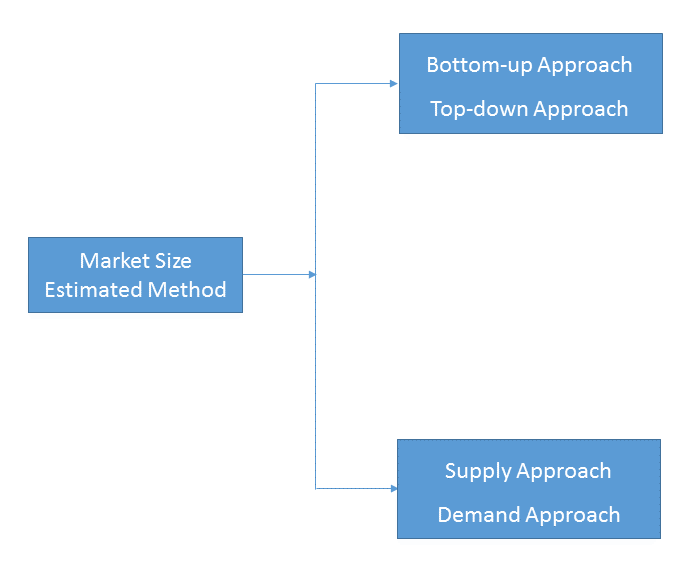
Bottom-up & top-down approach, supply & demand approach are the most important method which is used by HDIN Research to estimate the market size.
1)Top-down & Bottom-up Approach
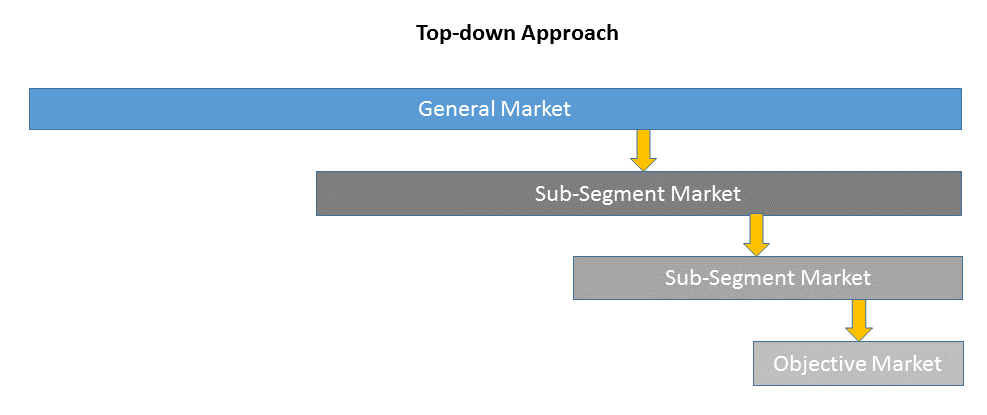
Top-down approach uses a general market size figure and determines the percentage that the objective market represents.
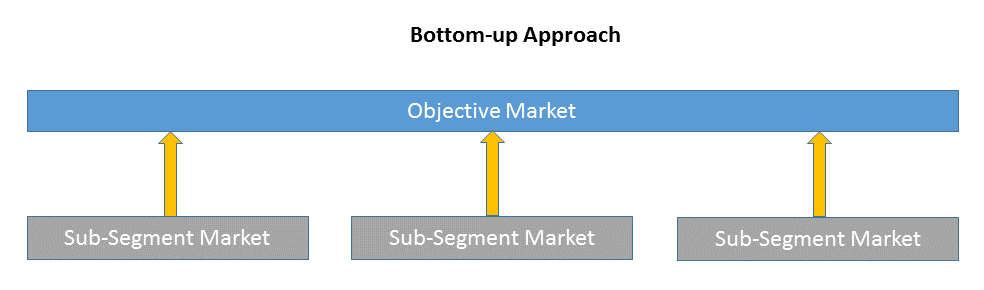
Bottom-up approach size the objective market by collecting the sub-segment information.
2)Supply & Demand Approach
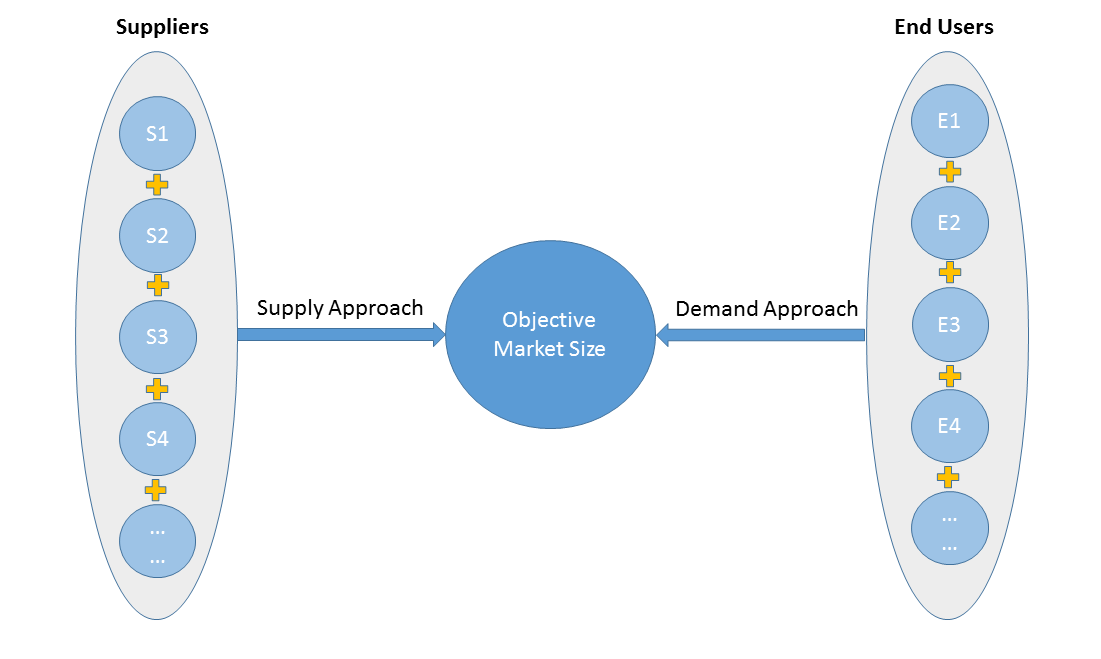
Supply approach is based on assessments of the size of each competitor supplying the objective market.
Demand approach combine end-user data within a market to estimate the objective market size. It is sometimes referred to as bottom-up approach.
- Forecasting Methodology
- Numerous factors impacting the market trend are considered for forecast model:
- New technology and application in the future;
- New project planned/under contraction;
- Global and regional underlying economic growth;
- Threatens of substitute products;
- Industry expert opinion;
- Policy and Society implication.
- Analysis Tools
1)PEST Analysis
PEST Analysis is a simple and widely used tool that helps our client analyze the Political, Economic, Socio-Cultural, and Technological changes in their business environment.
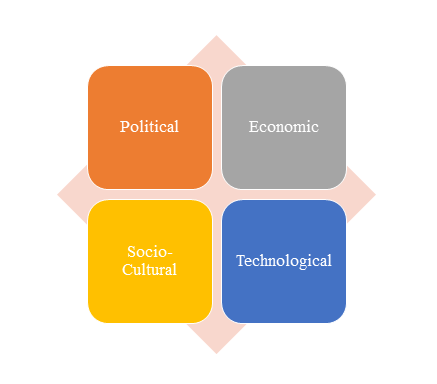
- Benefits of a PEST analysis:
- It helps you to spot business opportunities, and it gives you advanced warning of significant threats.
- It reveals the direction of change within your business environment. This helps you shape what you’re doing, so that you work with change, rather than against it.
- It helps you avoid starting projects that are likely to fail, for reasons beyond your control.
- It can help you break free of unconscious assumptions when you enter a new country, region, or market; because it helps you develop an objective view of this new environment.
2)Porter’s Five Force Model Analysis
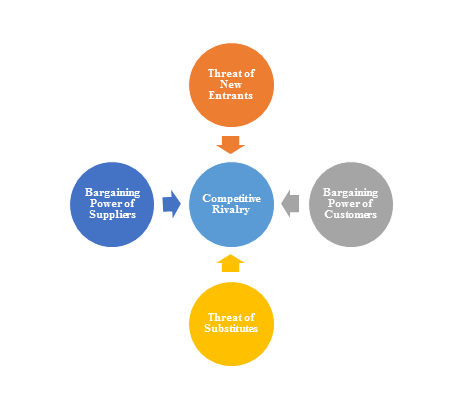
The Porter’s Five Force Model is a tool that can be used to analyze the opportunities and overall competitive advantage. The five forces that can assist in determining the competitive intensity and potential attractiveness within a specific area.
- Threat of New Entrants: Profitable industries that yield high returns will attract new firms.
- Threat of Substitutes: A substitute product uses a different technology to try to solve the same economic need.
- Bargaining Power of Customers: the ability of customers to put the firm under pressure, which also affects the customer's sensitivity to price changes.
- Bargaining Power of Suppliers: Suppliers of raw materials, components, labor, and services (such as expertise) to the firm can be a source of power over the firm when there are few substitutes.
- Competitive Rivalry: For most industries the intensity of competitive rivalry is the major determinant of the competitiveness of the industry.
3)Value Chain Analysis
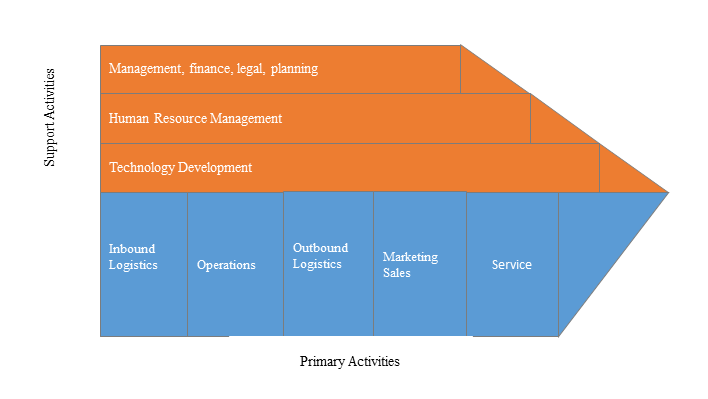
Value chain analysis is a tool to identify activities, within and around the firm and relating these activities to an assessment of competitive strength. Value chain can be analyzed by primary activities and supportive activities. Primary activities include: inbound logistics, operations, outbound logistics, marketing & sales, service. Support activities include: technology development, human resource management, management, finance, legal, planning.
4)SWOT Analysis
SWOT analysis is a tool used to evaluate a company's competitive position by identifying its strengths, weaknesses, opportunities and threats. The strengths and weakness is the inner factor; the opportunities and threats are the external factor. By analyzing the inner and external factors, the analysis can provide the detail information of the position of a player and the characteristics of the industry.
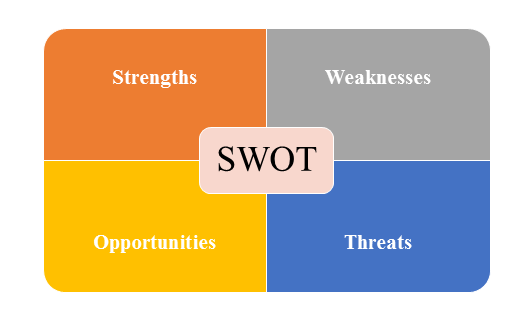
- Strengths describe what the player excels at and separates it from the competition
- Weaknesses stop the player from performing at its optimum level.
- Opportunities refer to favorable external factors that the player can use to give it a competitive advantage.
- Threats refer to factors that have the potential to harm the player.
- Data Sources
| Primary Sources | Secondary Sources |
|---|---|
| Face to face/Phone Interviews with market participants, such as: Manufactures; Distributors; End-users; Experts. Online Survey |
Government/International Organization Data: Annual Report/Presentation/Fact Book Internet Source Information Industry Association Data Free/Purchased Database Market Research Report Book/Journal/News |