Electrophysiology Device Market Analysis & Growth Trends
- Single User License (1 Users) $ 3,500
- Team License (2~5 Users) $ 4,500
- Corporate License (>5 Users) $ 5,500
The global electrophysiology (EP) device market is valued at an estimated USD 15.8 to 17.8 billion for 2026, with a compound annual growth rate (CAGR) between 9% and 14% through 2031. This expansion is governed by an unprecedented procedural shift: the accelerated replacement of thermal radiofrequency (RF) and cryoablation modalities by non-thermal Pulsed Field Ablation (PFA). By leveraging irreversible electroporation (IRE) to induce targeted myocyte apoptosis while sparing adjacent collateral structures, PFA platforms have decoupled clinical efficacy from prolonged procedure times.
Global catheter ablation volumes exceed 1.0 million procedures annually, anchored by demographic aging, expanding indications for early rhythm control in Atrial Fibrillation (AF), and diagnostic advances in micro-substrate ventricular mapping. An acute polarization within the market architecture. Multinationals are securing their customer bases via closed-loop ecosystems that link capital navigation systems, high-density mapping arrays, and specialized PFA pulse generators. Concurrently, regional players in the Asia-Pacific region, especially China, are leveraging cost efficiencies and policy-driven centralized tenders to challenge historic monopolies. The transition from legacy single-point thermal burning to multi-electrode non-thermal field delivery constitutes the most radical restructuring of interventional cardiac electrophysiology in over two decades.
Product Classification & Technological Architecture
An Electrophysiology Device System comprises an integrated suite of diagnostic hardware, real-time software platforms, specialized therapeutic catheters, and vascular access tools. These systems function to detect, map, and ablate abnormal arrhythmogenic pathways.
● Capital Equipment
Capital equipment encompasses high-value, reusable instrumentation placed within hospital EP labs to drive navigation, signal processing, and energy modulation.
1. 3D Cardiac Mapping Systems
These consoles generate high-resolution, three-dimensional electroanatomical models of cardiac chambers using hybrid electromagnetic tracking and impedance-based localization. Platforms reduce fluoroscopy exposure and guide catheter manipulation. Prominent systems include the CARTO 3 platform, the EnSite X system with omnipolar signal resolution, the RHYTHMIA HDx high-density system, the OPAL HDx system, the Columbus 3D and Columbus Max systems, the VIVO non-invasive 3D ECG system, and the APT Medical 3D Electroanatomical Mapping System.
2. EP Recording Systems
Multi-channel physiological polygraphs and digital amplifiers acquire, filter, and display up to 128 or more intracardiac electrogram (EGM) channels, surface electrocardiograms, and invasive hemodynamic pressures. Critical platforms include the CardioLab recording system, the Sensis Vibe platform with ComboBox, the HT-3500 integrated polygraph, the LEAD-EP series multi-channel recorder, and the ECGenius ultra-low-noise recording system.
3. Ablation Generators
Dedicated energy consoles control output waveforms, circuit impedance, irrigation flow, and delivery timing across diverse therapeutic modalities. RF consoles regulate high-frequency alternating current, including the OptimAblate and Ampere generators. Cryo consoles manage liquid refrigerant expansion, such as the CryoConsole and IceMagic units. Pulsed Field Ablation generators deliver microsecond- to nanosecond-duration biphasic electric fields reaching up to several kilovolts, exemplified by the FARASTAR, PulseSelect, PulseMagic, and Cardiac PFA consoles.
4. Intracardiac Echocardiography (ICE) Systems
Ultrasound processing hardware operating in conjunction with disposable mini-transducers to provide real-time visualization of endocardial boundaries, transseptal puncture sites, and catheter contact without relying solely on fluoroscopy. Prominent hardware includes ultrasound processors from GE HealthCare and Siemens Healthineers, alongside integrated 3D-ICE consoles developed through collaborations such as APT Medical with Mindray.
● Catheters & Disposables
Single-use disposables account for the majority of recurrent procedural spending across diagnostic and therapeutic workflows.
1. Diagnostic & Mapping Catheters
Catheters designed to record endocardial electrical signals and collect spatial coordinates for 3D model generation. High-density arrays include multi-spline star catheters (e.g., Octaray, EasyStars, APT Medical magnetic star), micro-electrode basket arrays (Advisor HD Grid, OPTRELL, IntellaMap Orion), and multi-electrode paddle designs (EasyPaddle). Linear and steerable diagnostic tools include decapolar and duo-decapolar coronary sinus catheters (SinusFlex, EasyFinder) and variable-loop circular pulmonary vein mapping catheters (EasyLoop 3D).
2. Therapeutic Ablation Catheters
Devices engineered to deliver targeted energy for the eradication of arrhythmogenic substrates:
- Radiofrequency Ablation Catheters: Feature integrated fiber-optic or piezoresistive contact-force sensors coupled with open-irrigated tips to optimize lesion depth and reduce char formation or steam pops. Examples include THERMOCOOL SMARTTOUCH SF, TactiFlex, TactiCath, FireMagic TrueForce, and AForcePlus.
- Cryoablation Catheters: Balloon-based designs that induce cold-induced coagulative necrosis through refrigerant phase change, such as Arctic Front, POLARx, IceMagic, and vCLAS ultra-low temperature systems.
- Pulsed Field Ablation Catheters: Deliver high-amplitude pulsed electric fields via variable basket-to-flower arrays, circular loop arrays, or focal dual-energy designs. Platforms include FARAWAVE, PulseSelect, Affera Sphere-9, VARIPULSE, Volt, Pulstamper, and PulseMagic TrueForce.
3. Intracardiac Echocardiography Catheters
Disposable imaging probes housing miniaturized phased-array piezoelectric transducers deployed within right heart structures. The modern standard is shifting toward 3D-integrated ICE probes, such as SoundStar and newly approved platforms from domestic Chinese innovators that register live ultrasound fans directly within the 3D electroanatomical mapping volume.
4. Vascular Access & Procedural Tools
Support instruments facilitating transseptal left-atrial access and stable catheter positioning. Key disposables encompass steerable introducer sheaths (e.g., FARADRIVE, Polarsheath, PathBuilder, Braidin), radiofrequency transseptal puncture needles (PathBuilder RF), fixed curves, dilators, and vascular guidewires.
Supply Chain & Value Chain Architecture
● Upstream Precision Engineering & Materials
The construction of high-tier EP catheters is structurally constrained by the availability of specialized biomaterials. Deflection shafts rely on customized polymeric extrusions composed of medical-grade polyether block amide (PEBAX), nylon-12, polyurethane, and fluorinated ethylene propylene (FEP). Radiopaque sensing electrodes and ablation bands demand platinum-iridium (Pt-Ir) alloys processed to sub-millimeter tolerances. Shape-memory frameworks for self-expanding baskets and loops depend on superelastic nitinol tubing subjected to precision laser micro-machining and heat-setting. Piezoresistive elements, fiber-optic sensors, and micro-thermocouples are manually or semi-automatically woven through multi-lumen shafts, presenting a significant manufacturing bottleneck.
● Midstream Assembly & Testing
EP manufacturing requires ISO Class 7 and Class 8 cleanrooms with high labor intensity. Multi-conductor micro-cables, often carrying up to 64 individual channels with diameters measured in tens of microns, must be reliably soldered or bonded to external electrode bands without increasing shaft stiffness. Console assembly involves precision digital-to-analog converters, multi-channel low-noise isolation amplifiers, and high-voltage power switching components capable of delivering kilovolt-scale pulses without electromagnetic interference. Sterilization is predominantly completed via Ethylene Oxide (EtO) cycles, requiring validated aeration protocols to prevent polymer degradation.
● Downstream Logistics & Clinical Execution
The commercialization model is characterized by consignment inventory held directly within hospital catheterization labs. Given the procedural mix across emergency and elective admissions, suppliers absorb carrying costs for extensive catheter suites. Field clinical specialists (FCS) provide indispensable intra-operative case mapping support, acting as an operational bridge between complex 3D software algorithms and the operating electrophysiologist.
Downstream Procedural Dynamics & Clinical Demographics
The target clinical base is divided into three primary electrophysiological categories:
- Atrial Fibrillation and Atrial Flutter: Account for over 60% of procedural ablation volumes in mature Western markets and roughly 43.5% in rapidly expanding Asian markets. International guidelines recommend catheter ablation, centered on pulmonary vein isolation (PVI), as a first-line or early rhythm control strategy for symptomatic paroxysmal and persistent AF.
- Supraventricular Tachycardias (SVT): Encompassing atrioventricular nodal reentrant tachycardia (AVNRT), atrioventricular reentrant tachycardia (AVRT), and focal atrial tachycardias. These represent approximately 35.2% of procedure volumes in developing markets like China, functioning as high-volume, foundational EP procedures.
- Ventricular Tachycardia (VT) and Premature Ventricular Contractions (PVCs): Representing high-acuity interventions (PVCs accounting for 18.6% and VT for 3.8% of cases in monitored Asian registries). These procedures address structural heart disease substrates, requiring high-density mapping arrays and deeper transmural lesion generation.
The United States features approximately 2,000 to 3,000 hospital EP catheterization labs performing around 600,000 ablation procedures annually. China has expanded past 400,000 procedures annually, with volumes increasingly dispersed into Tier 2 and Tier 3 regional healthcare centers.
Regional Market Dynamics
● North America
North America commands between 50% and 53% of global market revenue. Growth is sustained by high procedural penetration, premium private and Medicare reimbursement schedules, and rapid clinician adoption of novel PFA devices. The region is seeing migration of selected straightforward ablation procedures into outpatient Ambulatory Surgical Centers (ASCs), driven by favorable commercial payer policies and reduced recovery times associated with non-thermal energy. The United States Food and Drug Administration (FDA) serves as the primary gateway for global clinical adoption, with recent landmark approvals establishing PFA as an accepted standard of care.
● Europe
Europe represents the second-largest market by value, characterized by universal healthcare systems, centralized health technology assessments, and historically earlier regulatory approvals via CE Mark pathways. While early PFA adoption in Germany, France, and the UK outpaced North America, overall revenue expansion is constrained by public tender caps and regional cost-containment measures. European healthcare systems maintain rigorous post-market clinical follow-up requirements under the EU Medical Device Regulation (MDR 2017/745), which has increased regulatory maintenance costs for older thermal portfolios while raising the barriers to entry for smaller medical device manufacturers.
● Asia-Pacific
Asia-Pacific is the fastest-growing regional market by procedural volume. Structural growth is anchored by extensive, historically underserved patient populations across China, combined with sophisticated clinical infrastructure in Japan, Australia, and Taiwan, China. Japan remains a high-value, quality-driven market governed by the Pharmaceuticals and Medical Devices Agency (PMDA) with robust reimbursement tariffs. China represents the most volatile and dynamic competitive landscape globally, driven by state-directed procurement reforms and substantial domestic investment in proprietary medical technologies.
● Latin America
Latin America displays moderate procedural growth, heavily centered in metropolitan centers across Brazil, Mexico, and Colombia. Access to advanced 3D electroanatomical mapping remains constrained to premier private hospital networks, while public healthcare facilities rely primarily on conventional 2D fluoroscopic diagnostic tools and legacy RF ablation lines due to macro-economic headwinds and currency fluctuations.
● Middle East & Africa
The MEA territory demonstrates a bifurcated commercial reality. Gulf Cooperation Council (GCC) nations, spearheaded by the United Arab Emirates and Saudi Arabia, are heavily deploying capital to construct world-class cardiovascular centers capable of matching European technology adoption rates. In contrast, broad swaths of the African continent remain severely underserved due to an absence of trained electrophysiologists, dedicated catheterization infrastructure, and sustainable clinical reimbursement models.
Regulatory, Reimbursement, and Public Policy Frameworks
● Regulatory Hurdles & Milestones
Class III medical devices in the EP category face elevated regulatory barriers. In the United States, Premarket Approval (PMA) mandates prospective, multi-center randomized controlled trials proving non-inferiority or superiority in safety and efficacy. Landmark approvals during the 2024 to 2025 cycle reshaped the competitive matrix:
- Boston Scientific received expanded FDA indications for the FARAPULSE PFA system for drug-refractory persistent AF.
- Medtronic secured FDA clearance for the Affera mapping console and Sphere-9 dual PFA/RF focal catheter.
- Abbott achieved both CE Mark and FDA approval for the Volt PFA platform.
In the European Union, the transition to EU MDR has created substantial administrative backlogs at Notified Bodies, prolonging recertification timelines but incentivizing clinical rigor, as seen with MicroPort EP achieving MDR compliance for the FireMagic TrueForce catheter. In China, the National Medical Products Administration (NMPA) continues to utilize its Innovation Green Channel to fast-track evaluation for advanced domestic devices, including novel pulsed field arrays and transseptal puncture tools.
● Procurement Mechanics and Margin Compression
Reimbursement regimes are exerting strong downward pressure on legacy device margins:
- US Group Purchasing Organizations (GPOs) and Integrated Delivery Networks (IDNs) utilize aggregated buying power to demand bundled tier discounts across diagnostic consumables, capping device margins for commoditized product lines.
- China's Volume-Based Procurement (VBP) programs, managed through regional and provincial purchasing alliances, have structurally lowered procurement prices for legacy 2D diagnostic and RF ablation catheters by 30% to 50%. The recent transition to anchor pricing models in multi-province consortiums explicitly favors manufacturers that combine domestic vertical manufacturing with automated production scales, allowing domestic leaders to capture market share previously held by international conglomerates.
- European Payback Regulations, particularly regional expenditure cap mechanisms in markets like Italy, require medical device suppliers to reimburse regional health administrations when local budgets are exceeded, forcing manufacturers to build dynamic liability reserves into their European financial strategies.
Competitive Landscape: Strategic Moves & Operating Moats
● Johnson & Johnson MedTech (Biosense Webster): Biosense Webster is defending its global market share by transitioning its installed CARTO 3 user base to the VARIPULSE PFA catheter and dual-energy THERMOCOOL SMARTTOUCH SF systems.
● Boston Scientific Corporation: Rapid commercial scale-up of the FARAPULSE PFA System, positioning it as the clinical reference for pulsed field pulmonary vein isolation, while transitioning mapping integration toward its OPAL HDx and RHYTHMIA platforms.
● Abbott Laboratories: Abbott is focused on establishing omnipolar electrical mapping as the foundation for catheter ablation while expanding its Volt PFA system, which incorporates a balloon-in-basket architecture for optimal tissue contact.
● Medtronic plc: Expanding beyond legacy cryoballoon systems by executing a two-pronged PFA market entry using the PulseSelect system alongside the Affera Sphere-9 platform, which provides combined focal PFA/RF delivery.
● Shanghai MicroPort EP MedTech Co., Ltd.: Developing a vertically integrated domestic portfolio spanning 3D electromagnetic mapping (Columbus 3D/Columbus Max), RF ablation, cryo systems, and pulsed field arrays to capture volume across public hospital networks.
● APT Medical Inc.: Expanding from consumable access sheaths and diagnostic loops into comprehensive 3D electroanatomical mapping, novel PFA arrays (Pulstamper), and advanced 3D-integrated ICE platforms developed with Mindray.
● Sichuan Jinjiang Electronic Medical Device Technology Co., Ltd. (JJET): Industrializing proprietary pulsed field ablation hardware integrated directly with its established LEAD-EP polygraph recording lines and LEAD-Mapping 3D systems.
● Japan Lifeline Co., Ltd. (JLL): Defending high-margin niche segments in the Japanese domestic market via specialized micro-catheters (EPstar) and internal atrial cardioversion technologies, while engineering steerable access accessories.
● Adagio Medical Holdings, Inc.: Pioneering ultra-low temperature cryoablation (ULTC) platforms capable of addressing deep ventricular myocardium alongside hybrid Cryo-PFA systems for complex atrial and ventricular arrhythmias.
● Biotronik SE & Co. KG: Diversifying from its core cardiac pacing and vascular intervention businesses by commercializing third-party pulsed electric field systems (Centauri) and promoting gold-tip RF ablation technology.
Operational Moat: Extensive global cardiovascular sales network, established presence in European hospital procurement channels, and high-performance biomaterial engineering capabilities.
● Shenzhen Insight Life Technology Co., Ltd.: Industrializing nanosecond-pulsed electric field (nsPFA) platforms coupled with multi-pose catheters (LotosPFA) that transition mechanically between spindle and basket configurations to treat arrhythmia targets under local anesthesia.
● Osypka AG: Supplying specialized niche hardware, high-power radiofrequency generators (HAT 500), and custom multi-polar diagnostic instruments for pediatric and surgical ablation applications.
● GE HealthCare: Embedding proprietary signal acquisition, automated EGM analysis algorithms, and tableside interventional control directly within its CardioLab multi-channel polygraph platforms.
● Siemens Healthineers: Advancing advanced rotational angiography and multi-modality 3D CT overlay imaging (syngo DynaCT Cardiac) to guide structural and electrophysiological navigation.
● CathVision ApS: Overcoming hardware signal-to-noise limitations via proprietary low-noise amplifiers within its ECGenius system, paired with the CARDIALYTICS AI machine learning suite for automated signal interpretation.
● Becton, Dickinson and Company (BD): Following the historic divestiture of its active mapping and catheter ablation assets, BD concentrates its EP activities on critical access, vascular closure, and precision introducers.
● Alpha Omega Engineering Ltd.: Directing microelectrode recording (MER) engineering and intraoperative neurophysiological algorithms toward Deep Brain Stimulation (DBS) and functional neurosurgery.
Operational Moat: World-renowned clinical footprint in microelectrode brain navigation (Neuro-Omega), capturing high-fidelity single-unit spiking activity for research and neuromodulation guidance.
Opportunities and Operating Headwinds
● The Non-Thermal Paradigm Shift
The transition toward Pulsed Field Ablation represents a structural inflection point for the global market. PFA changes cath lab operational economics: procedural durations for pulmonary vein isolation are routinely reduced from 90-120 minutes to under 45 minutes, dramatically increasing daily cath lab patient throughput. Because PFA minimizes thermal injury to adjacent structures—such as the esophagus and the phrenic nerve—it lowers procedural complication rates. Consequently, hospital systems are aggressively prioritizing capital allocation toward PFA-compatible generators.
● Valuation Destabilization and Legacy Asset Cannibalization
This rapid clinical conversion introduces substantial risks for incumbent leaders heavily exposed to thermal portfolios. Organizations that recently made capital investments in cryoballoon manufacturing lines or conventional contact-force RF consumables are experiencing margin compression and asset write-downs. An illustrative example includes Boston Scientific’s USD 46 million intangible asset impairment recorded in 2025 on its acquired Cryterion cryoablation business, caused directly by the rapid adoption of its own FARAPULSE PFA system. Similar cannibalization pressures are impacting manufacturers whose product lines remain weighted toward single-point RF ablation.
● The Convergence of 3D Mapping and Diagnostic Ultrasound
Standalone 2D fluoroscopic ablation is becoming obsolete outside basic SVT cases. The standard of care demands the simultaneous convergence of real-time anatomical imaging and electrical substrate interrogation. The integration of 3D Intracardiac Echocardiography (ICE) directly into 3D mapping software represents the primary competitive arena for premium cath lab share. By visualizing real-time soft-tissue geometries and tissue contact without fluoroscopy, dual-imaging platforms reduce radiation exposure for both the clinical team and the patient, while increasing procedural precision during transseptal puncture and line verification.
● Margin Compression via Coordinated Public Purchasing
The long-term operating challenge for the industry centers on the erosion of catheter unit pricing. As cardiac electrophysiology procedures migrate from specialized tertiary centers into broad community hospitals, central purchasing organizations, national payers, and regional procurement alliances are targeting diagnostic and therapeutic catheters for cost reductions. Domestic players capable of maintaining vertical supply chains, internalizing precision micro-machining, and insulating their operations from geopolitical trade tariffs will be best positioned to capture procedural volume growth over the coming decade.
1.1 Electrophysiology Device Industry Taxonomy and Coverage 1
1.2 Research Architecture and Data Triangulation Methodology 2
1.3 Primary Fieldwork and Institutional Secondary Data Sources 3
1.4 Baseline Macroeconomic Assumptions and Currency Exchange Equivalents 4
1.5 Nomenclature and Abbreviations Directory 5
Chapter 2 Electrophysiology Device Value Chain and Industrial Architecture 6
2.1 Global Electrophysiology Industrial Upstream Ecosystem 6
2.1.1 Advanced Sensor Assemblies, Micromachined Electrodes, and Nitinol Alloys 6
2.1.2 Biocompatible Polymers, Polyurethane Tubing, and Braided Shafts 7
2.1.3 Digital Signal Processors, High-Density Amplifiers, and RF/PFA Modules 8
2.2 Midstream Electrophysiology Manufacturing and Cleanroom Integration 9
2.2.1 Catheter Micro-Assembly, Laser Bonding, and Tip Deflection Calibration 9
2.2.2 Capital Console Integration, Firmware Calibration, and Optical Synchronization 10
2.3 Downstream Commercialization Channels and Clinical Deployment Models 11
2.4 Cost Architecture, Supply Chain Resilience, and Margin Allocation Across the Chain 12
Chapter 3 Global Regulatory Governance, Clinical Trials and Reimbursement Landscape 13
3.1 FDA Premarket Approvals (PMA), 510(k) Cleared Pathways, and Investigational Device Exemptions (IDE) 13
3.2 European Medical Device Regulation (EU MDR 2017/745) Clinical Evidence Requirements 14
3.3 NMPA Accelerated Approvals for Innovative Class III EP Devices in China 15
3.4 PMDA Medical Device Review Dynamics in Japan 16
3.5 Diagnosis-Related Group (DRG) Reimbursement Frameworks and Procedural Bundling 17
3.6 Pre-Clinical Validation, Biocompatibility Standards, and Long-Term Registry Tracking 18
Chapter 4 Electrophysiology Technological Shifts, Energy Modalities and Clinical Trends 19
4.1 Energy Modality Evolution: Pulsed Field Ablation (PFA) vs. Radiofrequency (RF) vs. Cryoablation 19
4.2 High-Density Mapping Innovations, Omnipolar Technology, and Magnetic-Optical Tracking 20
4.3 Ultrasound Integration: Real-Time 4D Intracardiac Echocardiography (ICE) Guidance 21
4.4 Artificial Intelligence and Machine Learning in Automated Signal Annotation and Substrate Mapping 22
4.5 Miniaturization, Steerable Deflectable Sheath Precision, and Contact Force Sensing 23
4.6 Hospital Acquisition Cycles, Capital Equipment Lease-to-Reagent Placement Models 24
4.7 Global Epidemiological Burden of Cardiac Arrhythmias and Patient Access Dynamics 25
Chapter 5 Global Electrophysiology Device Market by Product Architecture 26
5.1 Capital Equipment 26
5.1.1 3D Cardiac Mapping Systems 27
5.1.2 EP Recording Systems 28
5.1.3 Cardiac Ablation Generators (RF, Cryo, Pulsed Field) 29
5.1.4 Intracardiac Echocardiography (ICE) Processing Systems 30
5.2 Catheters and Disposables 31
5.2.1 Diagnostic and Mapping Catheters 32
5.2.1.1 High-Density Multielectrode Mapping Catheters 32
5.2.1.2 Steerable Diagnostic Catheters 33
5.2.2 Ablation Catheters 34
5.2.2.1 Contact Force Radiofrequency Catheters 34
5.2.2.2 Pulsed Field Ablation (PFA) Focal and Basket Catheters 34
5.2.2.3 Cryoballoon Catheters 35
5.2.3 Intracardiac Echocardiography (ICE) Catheters 35
5.2.4 Access Systems and Tools (Introducers, Transseptal Needles, Steerable Sheaths) 36
Chapter 6 Global Electrophysiology Device Market by Clinical Application and End-User Interface 37
6.1 Market Breakdown by Arrhythmia Indication 37
6.1.1 Atrial Fibrillation (Paroxysmal and Persistent AF) 37
6.1.2 Atrial Flutter and Atrial Tachycardia 38
6.1.3 Ventricular Tachycardia (VT) and Ventricular Fibrillation Substrate Modification 39
6.1.4 Atrioventricular Nodal Reentrant Tachycardia (AVNRT) and SVT 40
6.1.5 Pediatric and Congenital Arrhythmias 41
6.2 Market Breakdown by End-User Sector 42
6.2.1 Academic Medical Centers and Tertiary Hospitals 42
6.2.2 Specialized Cardiac Catheterization Laboratories and Heart Institutes 43
6.2.3 Ambulatory Surgical Centers (ASCs) and Outpatient EP Suites 44
Chapter 7 Global Trade Flows, Manufacturing Nodes and Logistics Hubs 45
7.1 Primary Manufacturing and Assembly Centers 45
7.1.1 United States Medical Device Manufacturing Hubs (Minnesota, California) 45
7.1.2 Ireland Medical Technology Export Clusters (Galway, Cork) 46
7.1.3 Costa Rica Free Trade Zone MedTech Manufacturing Ecosystems 47
7.1.4 China Advanced Catheter and Console Production Bases 48
7.2 Transshipment Routes, Specialized Cold-Chain / Sterile Logistics, and Customs Clearances 49
7.3 Tariff Regimes, Supply Chain Localization Mandates, and Geopolitical Trade Resilience 50
Chapter 8 Regional Production Ecosystems and Consumption Markets 51
8.1 North America 51
8.1.1 United States 52
8.1.2 Canada 54
8.2 Europe 55
8.2.1 Germany 56
8.2.2 France 57
8.2.3 United Kingdom 58
8.2.4 Italy 59
8.2.5 Spain 60
8.2.6 Ireland 61
8.2.7 Switzerland 62
8.2.8 Netherlands & Rest of Europe 63
8.3 Asia-Pacific 64
8.3.1 China 64
8.3.2 Japan 65
8.3.3 South Korea 66
8.3.4 India & Southeast Asia 67
8.3.5 Australia and New Zealand 68
8.4 Latin America 69
8.4.1 Brazil 69
8.4.2 Mexico 69
8.5 Middle East and Africa 70
8.5.1 Saudi Arabia 70
8.5.2 United Arab Emirates 70
8.5.3 South Africa 71
Chapter 9 Global Competitive Benchmarking and Industry Concentration 72
9.1 Market Concentration Metrics (CR4, CR8, and Herfindahl-Hirschman Index Analysis) 72
9.2 Technological Differentiation: Portfolio Mapping of Next-Generation PFA Systems 73
9.3 Mergers, Strategic Acquisitions, and Strategic Technology Partnerships (2021-2026) 74
9.4 Closed-Ecosystem Lock-In vs. Open-Architecture Equipment Interoperability 75
9.5 Commercial Go-to-Market Approaches, Reagent Rental Agreements, and Hospital Tenders 76
Chapter 10 Competitive Intelligence and Enterprise Benchmarking 77
10.1 Abbott 77
10.1.1 Corporate Profile and Strategic Footprint 77
10.1.2 SWOT Assessment 77
10.1.3 Electrophysiology Device Operational Financials (2021-2026) 78
10.1.4 Pipeline Advancement, Sensor Platforms, and Strategic Outlook 79
10.2 Johnson & Johnson 80
10.2.1 Corporate Profile and Strategic Footprint 80
10.2.2 SWOT Assessment 80
10.2.3 Electrophysiology Device Operational Financials (2021-2026) 81
10.2.4 Pipeline Advancement, Biosense Webster Portfolio, and Strategic Outlook 81
10.3 Medtronic 82
10.3.1 Corporate Profile and Strategic Footprint 82
10.3.2 SWOT Assessment 82
10.3.3 Electrophysiology Device Operational Financials (2021-2026) 83
10.3.4 Pipeline Advancement, Cryo & PFA Synergies, and Strategic Outlook 85
10.4 Boston Scientific 86
10.4.1 Corporate Profile and Strategic Footprint 86
10.4.2 SWOT Assessment 86
10.4.3 Electrophysiology Device Operational Financials (2021-2026) 87
10.4.4 Pipeline Advancement, FARAPULSE Deployment, and Strategic Outlook 89
10.5 BD 90
10.5.1 Corporate Profile and Strategic Footprint 90
10.5.2 SWOT Assessment 90
10.5.3 Electrophysiology Device Operational Financials (2021-2026) 91
10.5.4 Pipeline Advancement, Vascular Access Integration, and Strategic Outlook 93
10.6 Siemens Healthineers 94
10.6.1 Corporate Profile and Strategic Footprint 94
10.6.2 SWOT Assessment 94
10.6.3 Electrophysiology Device Operational Financials (2021-2026) 95
10.6.4 Pipeline Advancement, Cath Lab Imaging Synergy, and Strategic Outlook 97
10.7 GE HealthCare 98
10.7.1 Corporate Profile and Strategic Footprint 98
10.7.2 SWOT Assessment 98
10.7.3 Electrophysiology Device Operational Financials (2021-2026) 99
10.7.4 Pipeline Advancement, Recording System Innovation, and Strategic Outlook 101
10.8 Shanghai MicroPort EP Medtech Co. Ltd. 102
10.8.1 Corporate Profile and Strategic Footprint 102
10.8.2 SWOT Assessment 102
10.8.3 Electrophysiology Device Operational Financials (2021-2026) 103
10.8.4 Pipeline Advancement, Columbus Mapping Platform, and Strategic Outlook 105
10.9 APT Medical 106
10.9.1 Corporate Profile and Strategic Footprint 106
10.9.2 SWOT Assessment 106
10.9.3 Electrophysiology Device Operational Financials (2021-2026) 107
10.9.4 Pipeline Advancement, Multi-Channel EP Recording, and Strategic Outlook 109
10.10 Biotronik 110
10.10.1 Corporate Profile and Strategic Footprint 110
10.10.2 SWOT Assessment 110
10.10.3 Electrophysiology Device Operational Financials (2021-2026) 111
10.10.4 Pipeline Advancement, CRT Synergies, and Strategic Outlook 113
10.11 Osypka AG 114
10.11.1 Corporate Profile and Strategic Footprint 114
10.11.2 SWOT Assessment 114
10.11.3 Electrophysiology Device Operational Financials (2021-2026) 115
10.11.4 Pipeline Advancement, Specialized Ablation Generators, and Strategic Outlook 117
10.12 CathVision 118
10.12.1 Corporate Profile and Strategic Footprint 118
10.12.2 SWOT Assessment 118
10.12.3 Electrophysiology Device Operational Financials (2021-2026) 119
10.12.4 Pipeline Advancement, ECGenius Signal Clarity, and Strategic Outlook 121
10.13 Alpha Omega Engineering Ltd. 122
10.13.1 Corporate Profile and Strategic Footprint 122
10.13.2 SWOT Assessment 122
10.13.3 Electrophysiology Device Operational Financials (2021-2026) 123
10.13.4 Pipeline Advancement, Microelectrode Sensing Systems, and Strategic Outlook 125
10.14 Japan Lifeline 126
10.14.1 Corporate Profile and Strategic Footprint 126
10.14.2 SWOT Assessment 126
10.14.3 Electrophysiology Device Operational Financials (2021-2026) 127
10.14.4 Pipeline Advancement, Catheter Articulation Precision, and Strategic Outlook 129
10.15 Adagio Medical Holdings 130
10.15.1 Corporate Profile and Strategic Footprint 130
10.15.2 SWOT Assessment 130
10.15.3 Electrophysiology Device Operational Financials (2021-2026) 131
10.15.4 Pipeline Advancement, Ultra-Low Cryoablation & PFA, and Strategic Outlook 133
10.16 Shenzhen Insight Life Technology 134
10.16.1 Corporate Profile and Strategic Footprint 134
10.16.2 SWOT Assessment 134
10.16.3 Electrophysiology Device Operational Financials (2021-2026) 135
10.16.4 Pipeline Advancement, High-Resolution Mapping Solutions, and Strategic Outlook 137
10.17 Sichuan Jinjiang Electronic Medical Device Technology 138
10.17.1 Corporate Profile and Strategic Footprint 138
10.17.2 SWOT Assessment 138
10.17.3 Electrophysiology Device Operational Financials (2021-2026) 139
10.17.4 Pipeline Advancement, PFA Platform Commercialization, and Strategic Outlook 141
Chapter 11 Market Projections and Forward Outlook (2027-2031) 142
Table 2 Acronyms and Technical Designations 5
Table 3 Raw Materials and Critical Component Suppliers in EP Catheter Manufacturing 7
Table 4 Global Electrophysiology Device Market Valuation and Growth Rates (2021-2031) 19
Table 5 Technical Comparison: Pulsed Field Ablation vs. RF Ablation vs. Cryoablation Modalities 20
Table 6 Global Electrophysiology Capital Equipment Market by Segment, Value Basis (2021-2031) 26
Table 7 Global 3D Cardiac Mapping System Unit Shipments and Average Selling Price (2021-2031) 27
Table 8 Global EP Recording System Revenue by Region (2021-2031) 28
Table 9 Global Cardiac Ablation Generator Market by Energy Modality (2021-2031) 29
Table 10 Global Intracardiac Echocardiography (ICE) Console Market (2021-2031) 30
Table 11 Global Electrophysiology Catheters and Disposables Market by Segment (2021-2031) 31
Table 12 Global High-Density Mapping Catheter Consumption Volume and Value (2021-2031) 32
Table 13 Global Diagnostic Catheter Market by Deflection Mechanism (2021-2031) 33
Table 14 Global Ablation Catheter Market by Technology Subtype (2021-2031) 34
Table 15 Global ICE Catheter Procedures and Market Value (2021-2031) 35
Table 16 Global EP Access Tools and Sheaths Market (2021-2031) 36
Table 17 Global Electrophysiology Device Market by Indication (2021-2031) 37
Table 18 Global EP Procedures and Device Value for Atrial Fibrillation (2021-2031) 38
Table 19 Global EP Device Market for Ventricular Tachycardia (2021-2031) 39
Table 20 Global Electrophysiology Device Market by End-User Sector (2021-2031) 42
Table 21 Global Cross-Border Export Flows of Electrophysiology Devices (2021-2026) 49
Table 22 North America Electrophysiology Device Market by Country (2021-2031) 51
Table 23 United States Electrophysiology Device Market by Product Category (2021-2031) 53
Table 24 Canada Electrophysiology Device Market by Product Category (2021-2031) 54
Table 25 Europe Electrophysiology Device Market by Country (2021-2031) 55
Table 26 Germany Electrophysiology Device Market by Product Category (2021-2031) 56
Table 27 France Electrophysiology Device Market by Product Category (2021-2031) 57
Table 28 United Kingdom Electrophysiology Device Market by Product Category (2021-2031) 58
Table 29 Italy Electrophysiology Device Market by Product Category (2021-2031) 59
Table 30 Spain Electrophysiology Device Market by Product Category (2021-2031) 60
Table 31 Ireland Electrophysiology Device Market and Export Production (2021-2031) 61
Table 32 Switzerland Electrophysiology Device Market (2021-2031) 62
Table 33 Netherlands Electrophysiology Device Market (2021-2031) 63
Table 34 Asia-Pacific Electrophysiology Device Market by Country (2021-2031) 64
Table 35 China Electrophysiology Device Market by Product Category (2021-2031) 65
Table 36 Japan Electrophysiology Device Market by Product Category (2021-2031) 65
Table 37 Latin America Electrophysiology Device Market by Country (2021-2031) 66
Table 38 Middle East and Africa Electrophysiology Device Market by Country (2021-2031) 66
Table 39 Market Concentration Ratio Analysis (CR4, CR8, HHI) (2021-2026) 67
Table 40 Abbott Electrophysiology Device Revenue, Cost and Gross Margin (2021-2026) 75
Table 41 Johnson & Johnson Electrophysiology Device Revenue, Cost and Gross Margin (2021-2026) 79
Table 42 Medtronic Electrophysiology Device Revenue, Cost and Gross Margin (2021-2026) 83
Table 43 Boston Scientific Electrophysiology Device Revenue, Cost and Gross Margin (2021-2026) 87
Table 44 BD Electrophysiology Device Revenue, Cost and Gross Margin (2021-2026) 91
Table 45 Siemens Healthineers Electrophysiology Device Revenue, Cost and Gross Margin (2021-2026) 95
Table 46 GE HealthCare Electrophysiology Device Revenue, Cost and Gross Margin (2021-2026) 99
Table 47 Shanghai MicroPort EP Medtech Co. Ltd. Electrophysiology Device Revenue, Cost and Gross Margin (2021-2026) 103
Table 48 APT Medical Electrophysiology Device Revenue, Cost and Gross Margin (2021-2026) 107
Table 49 Biotronik Electrophysiology Device Revenue, Cost and Gross Margin (2021-2026) 111
Table 50 Osypka AG Electrophysiology Device Revenue, Cost and Gross Margin (2021-2026) 115
Table 51 CathVision Electrophysiology Device Revenue, Cost and Gross Margin (2021-2026) 119
Table 52 Alpha Omega Engineering Ltd. Electrophysiology Device Revenue, Cost and Gross Margin (2021-2026) 123
Table 53 Japan Lifeline Electrophysiology Device Revenue, Cost and Gross Margin (2021-2026) 127
Table 54 Adagio Medical Holdings Electrophysiology Device Revenue, Cost and Gross Margin (2021-2026) 131
Table 55 Shenzhen Insight Life Technology Electrophysiology Device Revenue, Cost and Gross Margin (2021-2026) 135
Table 56 Sichuan Jinjiang Electronic Medical Device Technology Electrophysiology Device Revenue, Cost and Gross Margin (2021-2026) 139
Table 57 Global Electrophysiology Device Market Revenue Forecast Summary by Segment (2027-2031) 142
Table 58 Global Electrophysiology Device Market Revenue Forecast Summary by Region (2027-2031) 143
Figure 1 Electrophysiology Device Research Architecture and Modeling Hierarchy 2
Figure 2 Electrophysiology Device Value Chain Linkages and Margin Accretion 6
Figure 3 Cost Breakdown of Advanced Steerable Deflectable Mapping Catheters 12
Figure 4 Evolution of Ablation Energy Share in Catheter Ablation Procedures (2021-2031) 19
Figure 5 Global Electrophysiology Device Market Share by Product Type (2026) 26
Figure 6 Global 3D Mapping System Installed Base Dynamics by Region (2021-2031) 27
Figure 7 Global Intracardiac Echocardiography (ICE) System Adoption Trend (2021-2031) 30
Figure 8 Diagnostic vs. Ablation Catheter Volume Ratio Evolution (2021-2031) 31
Figure 9 Pulsed Field Ablation Catheter Market Penetration Curve (2021-2031) 34
Figure 10 Electrophysiology Device Market Distribution by Indication (2026) 37
Figure 11 End-User Facility Market Share Dynamics: Hospitals vs. ASCs (2021-2031) 42
Figure 12 Global Trade and Assembly Flow Map for Electrophysiology Catheters 45
Figure 13 North America Electrophysiology Device Revenue and Growth Forecast (2021-2031) 51
Figure 14 Europe Electrophysiology Device Revenue and Growth Forecast (2021-2031) 55
Figure 15 Asia-Pacific Electrophysiology Device Revenue and Growth Forecast (2021-2031) 64
Figure 16 Electrophysiology Device Market Share Distribution Among Key Players (2026) 68
Figure 17 Abbott Electrophysiology Device Market Share (2021-2026) 76
Figure 18 Johnson & Johnson Electrophysiology Device Market Share (2021-2026) 80
Figure 19 Medtronic Electrophysiology Device Market Share (2021-2026) 84
Figure 20 Boston Scientific Electrophysiology Device Market Share (2021-2026) 88
Figure 21 BD Electrophysiology Device Market Share (2021-2026) 92
Figure 22 Siemens Healthineers Electrophysiology Device Market Share (2021-2026) 96
Figure 23 GE HealthCare Electrophysiology Device Market Share (2021-2026) 100
Figure 24 Shanghai MicroPort EP Medtech Co. Ltd. Electrophysiology Device Market Share (2021-2026) 104
Figure 25 APT Medical Electrophysiology Device Market Share (2021-2026) 108
Figure 26 Biotronik Electrophysiology Device Market Share (2021-2026) 112
Figure 27 Osypka AG Electrophysiology Device Market Share (2021-2026) 116
Figure 28 CathVision Electrophysiology Device Market Share (2021-2026) 120
Figure 29 Alpha Omega Engineering Ltd. Electrophysiology Device Market Share (2021-2026) 124
Figure 30 Japan Lifeline Electrophysiology Device Market Share (2021-2026) 128
Figure 31 Adagio Medical Holdings Electrophysiology Device Market Share (2021-2026) 132
Figure 32 Shenzhen Insight Life Technology Electrophysiology Device Market Share (2021-2026) 136
Figure 33 Sichuan Jinjiang Electronic Medical Device Technology Electrophysiology Device Market Share (2021-2026) 140
Figure 34 Global Electrophysiology Device Growth Trajectory (2021-2031) 142
Figure 35 Global Regional Share Distribution Comparison (2026 vs. 2031) 144
Research Methodology
- Market Estimated Methodology:
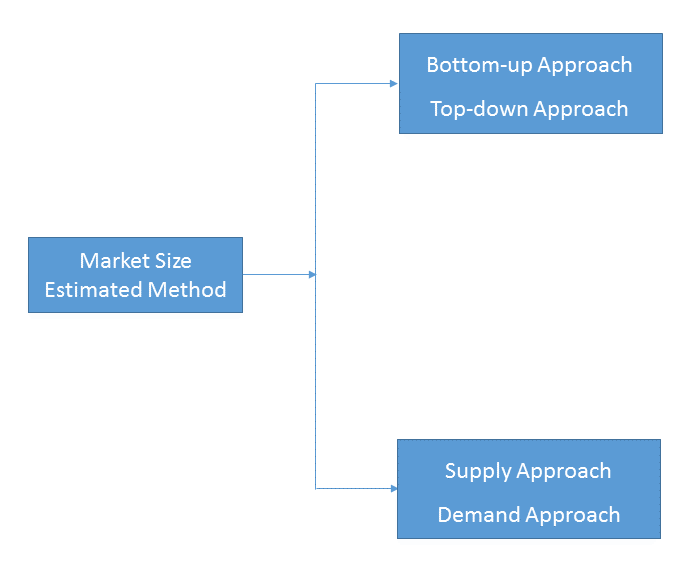
Bottom-up & top-down approach, supply & demand approach are the most important method which is used by HDIN Research to estimate the market size.
1)Top-down & Bottom-up Approach
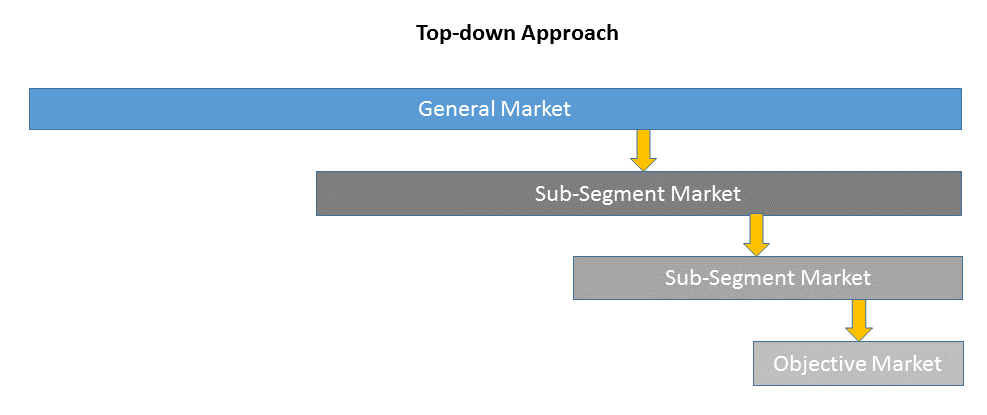
Top-down approach uses a general market size figure and determines the percentage that the objective market represents.
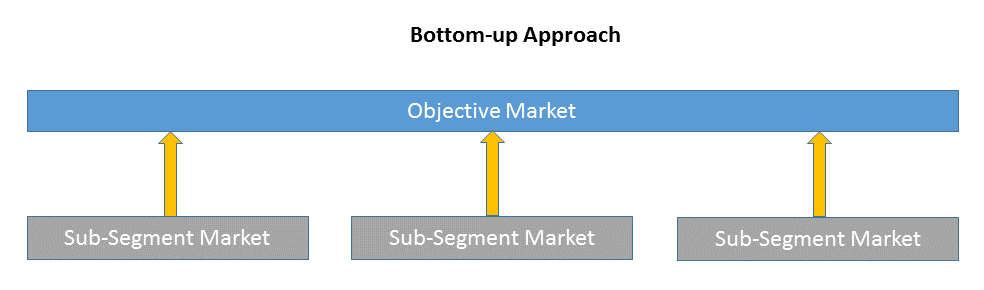
Bottom-up approach size the objective market by collecting the sub-segment information.
2)Supply & Demand Approach
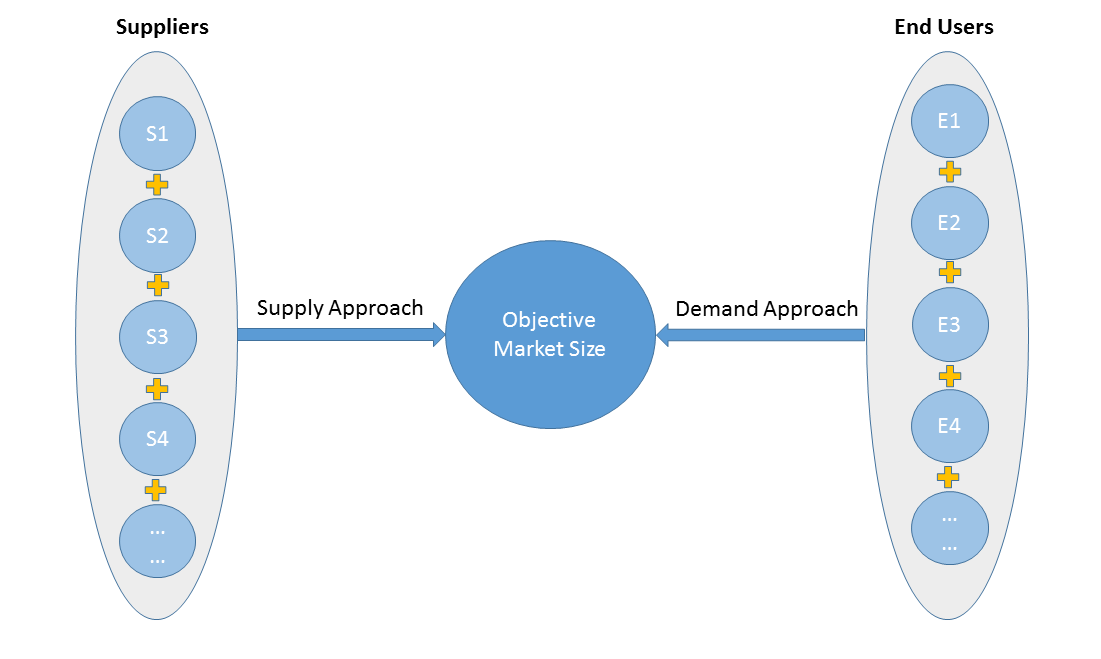
Supply approach is based on assessments of the size of each competitor supplying the objective market.
Demand approach combine end-user data within a market to estimate the objective market size. It is sometimes referred to as bottom-up approach.
- Forecasting Methodology
- Numerous factors impacting the market trend are considered for forecast model:
- New technology and application in the future;
- New project planned/under contraction;
- Global and regional underlying economic growth;
- Threatens of substitute products;
- Industry expert opinion;
- Policy and Society implication.
- Analysis Tools
1)PEST Analysis
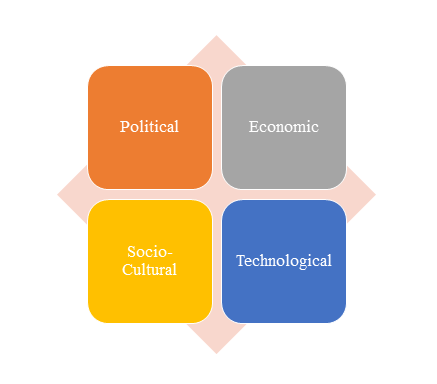
PEST Analysis is a simple and widely used tool that helps our client analyze the Political, Economic, Socio-Cultural, and Technological changes in their business environment.
- Benefits of a PEST analysis:
- It helps you to spot business opportunities, and it gives you advanced warning of significant threats.
- It reveals the direction of change within your business environment. This helps you shape what you’re doing, so that you work with change, rather than against it.
- It helps you avoid starting projects that are likely to fail, for reasons beyond your control.
- It can help you break free of unconscious assumptions when you enter a new country, region, or market; because it helps you develop an objective view of this new environment.
2)Porter’s Five Force Model Analysis
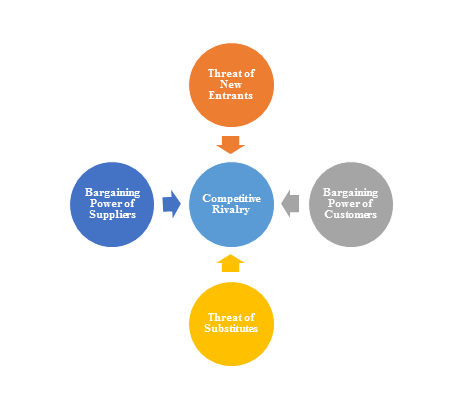
The Porter’s Five Force Model is a tool that can be used to analyze the opportunities and overall competitive advantage. The five forces that can assist in determining the competitive intensity and potential attractiveness within a specific area.
- Threat of New Entrants: Profitable industries that yield high returns will attract new firms.
- Threat of Substitutes: A substitute product uses a different technology to try to solve the same economic need.
- Bargaining Power of Customers: the ability of customers to put the firm under pressure, which also affects the customer's sensitivity to price changes.
- Bargaining Power of Suppliers: Suppliers of raw materials, components, labor, and services (such as expertise) to the firm can be a source of power over the firm when there are few substitutes.
- Competitive Rivalry: For most industries the intensity of competitive rivalry is the major determinant of the competitiveness of the industry.
3)Value Chain Analysis
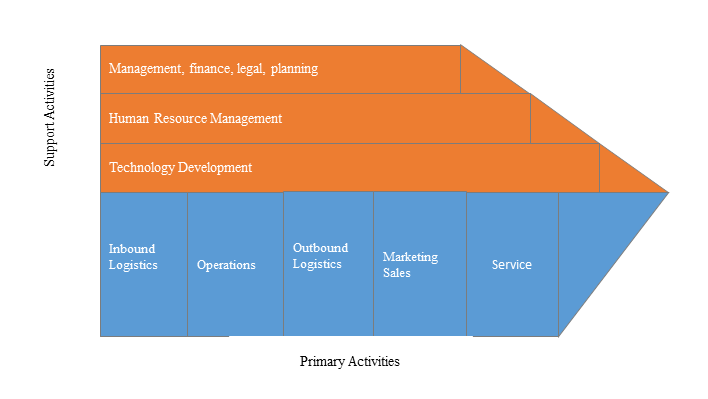
Value chain analysis is a tool to identify activities, within and around the firm and relating these activities to an assessment of competitive strength. Value chain can be analyzed by primary activities and supportive activities. Primary activities include: inbound logistics, operations, outbound logistics, marketing & sales, service. Support activities include: technology development, human resource management, management, finance, legal, planning.
4)SWOT Analysis
SWOT analysis is a tool used to evaluate a company's competitive position by identifying its strengths, weaknesses, opportunities and threats. The strengths and weakness is the inner factor; the opportunities and threats are the external factor. By analyzing the inner and external factors, the analysis can provide the detail information of the position of a player and the characteristics of the industry.
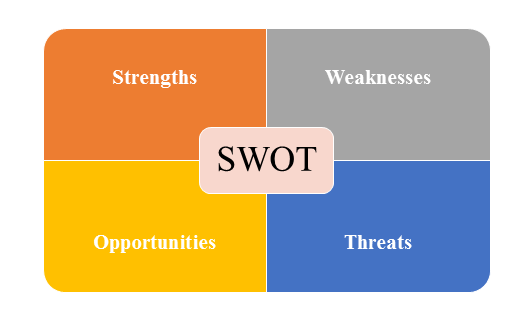
- Strengths describe what the player excels at and separates it from the competition
- Weaknesses stop the player from performing at its optimum level.
- Opportunities refer to favorable external factors that the player can use to give it a competitive advantage.
- Threats refer to factors that have the potential to harm the player.
- Data Sources
| Primary Sources | Secondary Sources |
|---|---|
| Face to face/Phone Interviews with market participants, such as: Manufactures; Distributors; End-users; Experts. Online Survey |
Government/International Organization Data: Annual Report/Presentation/Fact Book Internet Source Information Industry Association Data Free/Purchased Database Market Research Report Book/Journal/News |