Global Vascular Graft and Repair Market Analysis & Forecast
- Single User License (1 Users) $ 3,500
- Team License (2~5 Users) $ 4,500
- Corporate License (>5 Users) $ 5,500
The global market for vascular graft and surgical repair constructs encompasses an advanced spectrum of prosthetic, biological, and bio-engineered materials used to reconstruct, bypass, or repair occluded, damaged, or aneurysmal human blood vessels. The global vascular graft & repair market size is valued at 1.2-1.8 billion USD in 2026, with a compound annual growth rate within the 10% to 15% interval through 2031. Clinical decision-making is triggering an aggressive departure from legacy synthetic polymers, such as expanded polytetrafluoroethylene and woven polyester, toward infection-resistant, biocompatible alternatives. The primary catalysts include an aging global demographic presenting with end-stage renal disease, critical limb-threatening ischemia, and the acute limitations of synthetic materials in contaminated or small-diameter revascularization settings.
Market Definition & Structural Scope
Vascular graft and repair products constitute an essential class of surgical devices engineered for open or hybrid vascular interventions. Operating strictly within sterile surgical fields, these prostheses are anastomosed via manual suturing by board-certified vascular, cardiothoracic, pediatric, and trauma surgeons. This structural dynamic delineates them clearly from catheter-based endovascular interventions, such as balloon-expandable stents or transcatheter endografts deployed via fluoroscopy.
The primary physiological and mechanical objectives of these constructs are:
* Restoring physiological blood flow and luminal continuity across diseased, severed, or occluded native vessels.
* Sealing arteriotomy sites during reconstructive procedures, including carotid endarterectomies and femoral patch angioplasties, while eliminating suture line weeping.
* Reinforcing thinned or aneurysmal arterial walls and closing congenital or acquired intracardiac defects without inducing persistent inflammatory cascades.
* Providing long-term structural compliance and hemocompatibility, thereby preventing thrombosis, anastomotic pseudoaneurysms, aneurysmal dilatation, or infectious graft disruption.
The material spectrum spans three distinct technical generations:
* First-Generation Synthetics: Extruded expanded polytetrafluoroethylene and woven or knitted polyethylene terephthalate textiles.
* Second-Generation Biologics: Glutaraldehyde or photo-oxidized chemically stabilized xenografts (harvested from bovine carotid arteries or bovine and ovine pericardium), non-crosslinked porcine small intestinal submucosa matrices, and human cryopreserved allografts.
* Third-Generation Bio-Engineered Constructs: Acellular tissue-engineered vessels and electrospun bioresorbable polymers designed to host cellular repopulation, undergoing endogenous tissue restoration into living native conduits.
Classification & Technical Portfolio Assessment
● Synthetic Vascular Grafts
Synthetic conduits fabricated from expanded polytetrafluoroethylene (ePTFE) or woven and knitted polyethylene terephthalate (PET / Dacron) remain the historical standard for medium- to large-diameter revascularization. Offering robust tensile strength, burst pressures exceeding 2,000 mmHg, and immediate off-the-shelf availability, synthetics are configured as straight, bifurcated, tapered, stepped, or external ring-supported conduits. Impregnation with crosslinked bovine collagen or porcine gelatin eliminates the clinical requirement for pre-clotting porous textiles before surgical implantation.
Clinical boundaries constrain synthetics in low-flow, high-resistance downstream environments. When utilized in revascularization below the knee or small-diameter (<6mm) anatomical tracts, synthetic grafts exhibit accelerated rates of intimal hyperplasia and early thrombotic occlusion. In contaminated environments—such as dirty extremity trauma, open abdominal sepsis, or infected dialysis sites—synthetics demonstrate an infection liability ranging from 8% to 10%. Consequently, clinical protocols increasingly limit synthetic deployment to supra-inguinal reconstructions or reserve configurations where biological conduits are unavailable.
● Biological & Bioprosthetic Vascular Grafts (Xenografts)
Xenogeneic conduits derived from mammalian tissues bridge the gap between synthetic polymers and human autologous veins. Bovine carotid arteries and composite ovine collagen meshes reinforced with internal or external polyester scaffolding provide natural handling compliance, superior puncture resealing kinetics, and natural resistance to bacterial colonization. Chemical processing with controlled glutaraldehyde concentrations crosslinks structural collagen, neutralizing donor antigenicity while preserving mechanical integrity.
These bioprostheses find sustained clinical application in complex arteriovenous access creation for end-stage renal disease patients and infra-inguinal bypasses where the ipsilateral or contralateral greater saphenous vein is absent or diseased. The clinical appeal rests on significantly lower infection profiles (approximately 1% to 2% per patient-year) relative to synthetic options, paired with early cannulation capabilities within two to three weeks post-implantation.
● Tissue-Engineered Vascular Conduits & Acellular Matrices
Representing a fundamental therapeutic disruption, acellular tissue engineered vessels (ATEVs) are lab-grown conduits manufactured without permanent synthetic structural skeletons. Primary human aortic smooth muscle cells isolated from screened donors are cultured onto tubular polyglycolic acid degradable meshes inside commercial-scale automated bioreactors. Over an eight-week cultivation timeline under continuous, pulsatile mechanical strain, the smooth muscle cells synthesize a dense, native extracellular matrix rich in type I and III collagen.
Following bioreactor conditioning, proprietary non-ionic and enzymatic decellularization cycles extract all cellular and nuclear material, yielding an inert, acellular human collagen-elastin scaffold with burst strengths reaching approximately 3,200 mmHg. When implanted into an arterial defect, the acellular matrix acts as a biomechanical conduit that gradually repopulates with the host's own endothelial and smooth muscle cells. This dynamic host remodeling confers biological self-healing capabilities and sustained long-term resistance to colonization, achieving reported clinical infection rates below 1.0% per patient-year.
● Surgical Repair Patches & Biologic Matrices
Flat cardiovascular patches address localized arterial patching, patch angioplasty following endarterectomy, intracardiac defect closure, and suture line buttressing. The portfolio splits into two distinct materials:
* Bovine Pericardial Patches: Harvested from controlled bovine herds and decellularized, these scaffolds undergo glutaraldehyde crosslinking or non-aldehyde, dye-mediated photo-oxidation to curb post-operative calcification. They provide isotropic multi-directional tensile strength, prevent suture pull-through in friable arteries, and minimize needle-hole blood oozing.
* Porcine Small Intestinal Submucosa Extracellular Matrix (SIS-ECM): Uncrosslinked multi-laminate acellular scaffolds rich in native growth factors. Porcine SIS-ECM promotes constructive site-specific tissue remodeling without eliciting a chronic foreign-body response, absorbing fully over time as native vascular tissue takes form.
● Human Allograft Preservation Services
Human arterial and venous allografts procured from cadaveric organ and tissue donors represent the gold-standard bail-out option for infected prosthetic vascular conduits. Specialized processing suites harvest and micro-dissect saphenous veins, femoral veins, and femoral arteries. The allograft tissue undergoes controlled cryopreservation using dimethyl sulfoxide (DMSO) and is stored in the vapor phase of liquid nitrogen at temperatures of -135 degrees Celsius or colder. Human allografts provide high resistance to recurrent deep infection, rendering them vital for aortic root reconstructions, limb-salvage arterial reconstructions in purulent fields, and pediatric cardiac outflow repairs.
Downstream Clinical Application Architecture
● Peripheral Vascular Bypass & Critical Limb-Threatening Ischemia
Peripheral artery disease progressing to critical limb-threatening ischemia (CLTI) constitutes the largest procedural volume segment. When long-segment occlusions across the superficial femoral, popliteal, and infrapopliteal tibial vessels cannot be addressed via percutaneous transluminal angioplasty or directional atherectomy, open bypass remains the therapeutic baseline. Annual procedural bypass tallies approach 230,000 cases in North America, 200,000 in Europe, and 220,000 across Asia. Because approximately 40% of CLTI patients do not possess an adequate, healthy autologous saphenous vein, biological, biosynthetic, or bio-engineered off-the-shelf alternatives are critically necessary.
● Hemodialysis Arteriovenous (AV) Access
The global incidence of end-stage renal disease (ESRD) drives massive downstream demand for surgical hemodialysis conduits. With more than 555,000 individuals maintained on chronic hemodialysis in the United States alone, creating functional, long-lasting arteriovenous connections represents an ongoing clinical challenge. When native radiocephalic or brachiocephalic veins thrombose or fail to mature, surgeons place 6mm prosthetic, bioprosthetic, or tissue-engineered conduits between the brachial artery and the basilic or axillary veins. These conduits must endure repetitive wide-gauge needle punctures, seal rapidly post-hemodialysis, and suppress venous anastomotic intimal hyperplasia.
● Aortic, Cardiac, & Congenital Reconstructions
Complex open surgical operations—including the replacement of the ascending aorta, aortic arch, and descending thoracic aorta in the presence of acute Type A dissection or aneurysmal rupture—demand high-caliber woven synthetic conduits and surgical patches. Pediatric cardiac surgeons employ specialized biological patches and low-diameter conduits to repair congenital cardiovascular abnormalities, such as ventricular septal defects, tetralogy of Fallot, and right ventricular outflow tract hypoplasia.
● Trauma & Emergency Revascularization
High-energy civilian trauma (motor vehicle collisions and penetrating ballistic injuries) as well as military combat blast polytrauma frequently sever major extremity arteries. In instances where patient instability prevents lengthy vein harvesting, off-the-shelf bio-engineered conduits capable of resisting gross wound contamination provide immediate revascularization, slashing early amputation rates to beneath 10% relative to synthetic grafts, which frequently trigger thrombosis and catastrophic infection in messy wounds.
Regional Market Dynamics
● North America
North America maintains the commanding market share, capturing upward of 50% of worldwide revenue. This dominance is anchored in high procedural frequencies, an extensive network of designated Level I and Level II trauma centers, and an advanced healthcare reimbursement infrastructure. Both Medicare and private commercial payors utilize established Diagnosis-Related Group (DRG) structures and targeted add-on payment mechanisms that absorb the high acquisition costs of novel biologics.
● Europe
Europe stands as the second-largest regional market. Broad public healthcare funding structures and centralized regional hospital procurement networks shape commercial pricing. European surgical teams show high clinical adoption rates for infection-resistant bovine bioprostheses and cryopreserved allografts, balancing procurement budgets against long-term patient readmission liabilities. Market access operates under the stringent regulatory mandate of the EU Medical Device Regulation, which has heightened clinical data obligations and post-market clinical follow-up thresholds for high-risk implantable class III products.
● Asia-Pacific
Asia-Pacific represents the highest compound growth geography worldwide. Expansion is fueled by the rising prevalence of type 2 diabetes, advancing vascular disease diagnoses, and substantial hospital infrastructure investments across tier-1 and tier-2 clinical hubs. Regulatory frameworks—most visibly in China via the National Medical Products Administration—increasingly balance the entry of global premium implants against local development mandates. Provincial Volume-Based Procurement (VBP) policies, while targeting high-volume endovascular catheters, are incrementally auditing surgical biologics and synthetic conduits. Growth across advanced healthcare systems, including Japan and Taiwan, China, reflects strong clinical integration of hybrid operating models.
● Latin America, Middle East, & Africa
Latin America exhibits centralized commercialization, with demand focused heavily in tertiary centers throughout Brazil, Mexico, and Colombia. Private hospital networks drive the adoption of premium biological patches and synthetic grafts, while public safety-net institutions remain reliant on low-cost synthetic Dacron solutions. In the Middle East and Africa, capital investments in the Kingdom of Saudi Arabia and the United Arab Emirates are driving specialized surgical volume, creating isolated corridors of early adoption for regenerative cardiovascular implants.
Regulatory Frameworks & Reimbursement Mechanics
● United States FDA Regulatory Matrix
Market clearance or approval within the United States follows divergent statutory channels based on product composition and perceived biological risk:
* 510(k) Premarket Notification: Synthetic ePTFE and Dacron grafts, alongside processed animal pericardial and small intestinal submucosa patches, regularly secure clearance under Section 510(k). Regulators evaluate these matrices against established predicate products regarding tensile mechanics, biocompatibility, burst pressure limits, and chemical extractables.
* Biologics License Application (BLA) & Premarket Approval (PMA): Living, cellularized, or complex lab-grown acellular biological conduits fall under the rigorous demands of BLA pathways (21 CFR Part 601) or Class III medical device PMAs. Sponsors must establish commercial-scale reproducibility, validate viral and bacterial clearance, complete extensive Chemistry, Manufacturing, and Controls (CMC) audits, and perform randomized prospective trials comparing biological safety endpoints against standard-of-care autologous saphenous conduits or synthetic benchmarks.
● European Medical Device Regulation (EU MDR 2017/745)
The implementation of the EU MDR framework has altered the compliance terrain across the European continent. Legacy vascular devices previously marketed under Medical Device Directive (MDD) CE marks are subjected to reassessment by Notified Bodies. Manufacturers must deliver comprehensive clinical evaluation reports (CER), run prospective Post-Market Clinical Follow-Up (PMCF) registries, and adhere to updated traceability guidelines. The considerable capital expenditure and logistical burdens of maintaining legacy MDR dossiers have prompted selective portfolio consolidation across synthetic and xenograft product lines.
● Reimbursement Infrastructure & Hospital Value Analysis
Hospitals in North America and Western Europe operate within prospective bundled payment architectures, including Diagnosis-Related Groups. In this reimbursement environment, vascular grafts and surgical patches do not generally receive dedicated, unbundled product carve-outs. Consequently, institutional hospital Value Analysis Committees (VACs) evaluate novel implants through strict financial and clinical lenses. Premium-priced acellular tissue engineered vessels and xenografts must demonstrably curtail total downstream hospital expenses by preventing early prosthetic graft infection, mitigating bypass failure re-interventions, and reducing secondary 30-day amputations.
Value Chain Architecture & Bottleneck Resilience
● Upstream: Sourcing & Critical Raw Materials
The biological and bio-engineered value chain begins with high-integrity, rigorously audited biological feedstocks. Bovine pericardium and bovine carotid conduits are sourced exclusively from closed, certified, disease-free herds in regions officially classified as negligible risk for Bovine Spongiform Encephalopathy (BSE), such as the United States, Australia, and New Zealand. Any biological deviation or supply contraction within certified slaughterhouse networks directly strains xenograft throughput.
Human allograft procurement relies on accredited Organ Procurement Organizations (OPOs) and regional tissue collection organizations. Donors must be screened against strict serological and microbiological criteria to prevent horizontal transmission of retroviruses and pathogens. For acellular bio-engineered vessels, upstream requirements shift to certified master human cell banks, primary vascular cells, and high-purity medical-grade polyglycolic acid polymers that serve as sacrificial culture backbones.
● Midstream: Advanced Processing, Culturing, & Crosslinking
Midstream manufacturing acts as the central technical barrier to entry. For xenogeneic and natural biological scaffolds, processes involve micro-dissection, enzymatic cell removal, and chemical crosslinking (utilizing either monomeric glutaraldehyde or proprietary photo-oxidation) to assure complete sterilization and stability without triggering tissue calcification.
For acellular tissue-engineered vessels, production necessitates multi-week automated bioreactor cultures operating within cleanroom facilities. The cultivation phase requires precise management of mechanical wall strain, nutrient and oxygen exchange, temperature, and sterility. Once the cellular matrix reaches target burst pressures, automated decellularization cleanses the construct of all immunogenic nucleic acids and donor human cells while safeguarding structural collagen integrity.
● Downstream: Multi-Tiered Cold-Chain Logistics
Downstream distribution infrastructure demands varied temperature corridors:
* Standard Logistics (15°C to 25°C): Applied to shelf-stable, terminally sterilized synthetic ePTFE and Dacron grafts sealed in sterile dual-barrier packaging.
* Refrigerated Shipping (2°C to 8°C): Utilized for acellular tissue-engineered vessels distributed inside automated media storage units, providing rapid availability for emergency trauma surgeries without lengthy thawing protocols.
* Cryogenic Liquid Nitrogen Shipping (-135°C or colder): Compulsory for human allografts and specific cellular matrices. These implants are distributed directly to surgical centers in calibrated dry-vapor liquid nitrogen dewars, requiring on-site clinical thawing, reconstitution, and dimethyl sulfoxide removal protocols prior to surgical implantation.
Company Profiles
● W. L. Gore & Associates, Inc.
Headquarters: Newark, Delaware, USA
Core Platform: Synthetic Expanded Polytetrafluoroethylene (ePTFE)
Strategic Overview: Gore remains the global market leader in synthetic fluoropolymer medical devices, maintaining an expansive distribution network and entrenched surgeon loyalty across all major hospitals.
● Getinge AB
Headquarters: Gothenburg, Sweden
Core Platform: Knitted and Woven Synthetic Polyester/Dacron Grafts
Strategic Overview: Operating via its Maquet Cardiovascular and Atrium Medical lineages, Getinge controls established market positions in open aortic repair, peripheral revascularization, and acute surgical care.
● Terumo Corporation
Headquarters: Tokyo, Japan
Core Platform: Textile Aortic Prostheses & Hybrid Stent-Grafts
Strategic Overview: Terumo has merged Vascutek and Bolton Medical into Terumo Aortic, building a cohesive unit targeting comprehensive solutions across the aortic root, arch, and thoracoabdominal tree.
● Becton, Dickinson and Company (BD)
Headquarters: Franklin Lakes, New Jersey, USA
Core Platform: Synthetic ePTFE and Coated Bypass Conduits
Strategic Overview: BD consolidates Bard Peripheral Vascular heritage to supply general, vascular, and interventional surgical services with essential disposables and implantable synthetic lines.
● LeMaitre Vascular, Inc.
Headquarters: Burlington, Massachusetts, USA
Core Platform: Xenograft Conduits, Human Allografts, & Bovine Pericardial Patches
Strategic Overview: LeMaitre pursues an aggressive buy-and-build consolidation strategy focused purely on the tools, biologics, and implants utilized by vascular surgeons.
● Humacyte, Inc.
Headquarters: Durham, North Carolina, USA
Core Platform: Bio-Engineered Acellular Tissue Engineered Vessels (ATEV)
Strategic Overview: A publicly traded clinical-stage biotechnology leader, Humacyte transitions regenerative medicine into off-the-shelf, commercial industrial-scale manufacturing.
● Artivion, Inc.
Headquarters: Kennesaw, Georgia, USA
Core Platform: Cryopreserved Allografts & Photo-Oxidized Bioscaffolds
Strategic Overview: Formerly operating as CryoLife, the company re-architected its footprint to concentrate exclusively on high-complexity cardiac and vascular restoration solutions.
● LifeNet Health
Headquarters: Virginia Beach, Virginia, USA
Core Platform: Decellularized Human Allografts & Regenerative Matrices
Strategic Overview: A non-profit regenerative enterprise, LifeNet Health utilizes human donor tissue processing to engineer advanced allograft matrices.
● Elutia, Inc.
Headquarters: Silver Spring, Maryland, USA
Core Platform: Extracellular Matrix (SIS-ECM) Biological Bioscaffolds
Strategic Overview: Formerly Aziyo Biologics, Elutia designs non-crosslinked biological matrices aimed at accelerating host tissue regeneration while suppressing downstream inflammatory reactions.
● Baxter International Inc.
Headquarters: Deerfield, Illinois, USA
Core Platform: Bovine Pericardial Patches & Hemostatic Biosurgery
Strategic Overview: Baxter maintains a broad advanced surgery portfolio, supplying surgical suites with hemostats, flowable biological sealants, and reconstructive matrices.
● Beijing Balance Medical Technology Co., Ltd.
Headquarters: Beijing, China
Core Platform: Chemically Modified Bovine Bioprostheses & Surgical Patches
Strategic Overview: Publicly listed on the Shanghai STAR Market, Balance Medical is a specialized enterprise within China developing animal-derived cardiovascular and regenerative biomaterials.
● Xeltis BV
Headquarters: Eindhoven, Netherlands
Core Platform: Bioresorbable Polymer Conduits (Endogenous Tissue Restoration)
Strategic Overview: A clinical-stage Dutch medtech enterprise developing restorative cardiovascular implants based on synthetic, bioabsorbable supramolecular chemistry.
● Vascudyne, Inc.
Headquarters: Minneapolis, Minnesota, USA
Core Platform: TRUE Extracellular Matrix Without Synthetic Scaffolding
Strategic Overview: A commercial regenerative medicine startup developing pure extracellular matrix tissue architectures devoid of permanent or sacrificial polymeric skeletons.
● NovaHep AB
Headquarters: Gothenburg, Sweden
Core Platform: Patient-Specific Re-Endothelialized Biological Conduits
Strategic Overview: A biotechnology enterprise commercializing personalized, tissue-engineered vascular conduits aimed at complex venous and pediatric cardiovascular anomalies.
● Jiangsu Bioda Life Science Co., Ltd.
Headquarters: Nantong, Jiangsu Province, China
Core Platform: Gelatin-Impregnated Artificial Vascular Prostheses
Strategic Overview: Bioda Life Science specializes in the research, development, and industrial manufacturing of domestic synthetic polyester vascular implants.
● Shanghai Chest Medical Instruments Co., Ltd.
Headquarters: Shanghai, China
Core Platform: Woven & Knitted Synthetic Polyester Conduits
Strategic Overview: A long-standing manufacturer supplying domestic Chinese healthcare facilities with thoracic, vascular, and general surgical instruments and implants.
● Humatrix Medical Technology (Suzhou) Co., Ltd.
Headquarters: Suzhou, Jiangsu Province, China
Core Platform: Decellularized Biological Vascular Conduits & Regenerative Matrices
Strategic Overview: An advanced Chinese regenerative medicine enterprise commercializing high-grade animal-derived vascular prostheses.
● RUA Life Sciences plc
Headquarters: Irvine, Scotland, UK
Core Platform: Biostable Polyurethane-Sealed Synthetic Vascular Conduits
Strategic Overview: Operating via its RUA Vascular division, this UK-listed entity engineers implantable medical devices leveraging proprietary Elast-Eon biostable polyurethane polymers.
1.1 Executive Summary and Scope of Investigation 1
1.2 Research Architecture and Multi-Tiered Data Validation Framework 2
1.3 Econometric Modeling, Baseline Currency Formulations and Forecasting Calibration 4
1.4 Analytical Assumptions, Inflation Deflators and Limitations of Study 5
1.5 Definitional Guide and Technical Abbreviations Nomenclature 6
Chapter 2 Global Vascular Graft & Repair Industry Definition, Taxonomy and Ecosystem Blueprint 7
2.1 Morphological Taxonomy and Structural Architecture of Vascular Conduits and Patches 7
2.2 Clinical Stratification: Synthetic, Biological, Tissue-Engineered and Allograft Platforms 8
2.3 Biomaterial Evolution: From Inert Textile Weaving to Bioresorbable Regenerative Scaffolds 9
2.4 Upstream-to-Downstream Industry Ecosystem Topology 10
2.5 Regulatory Governance Paradigms: FDA Breakthrough Designations, EU MDR Annex IX and NMPA Fast-Track Tracks 11
Chapter 3 Upstream Raw Materials, Sourcing Dynamics and Biomaterials Supply Chain Integrity 13
3.1 Medical-Grade Polymers: Expanded Polytetrafluoroethylene (ePTFE), Polyethylene Terephthalate (Dacron) and Polyurethanes 13
3.2 Biological Tissue Harvesting and Animal Sourcing Chains: Bovine Pericardium, Porcine Submucosa and Ovine Matrix Sourcing 14
3.3 Human Donor Tissue Procurement Networks and Cryopreservation Logistics Protocols 15
3.4 Cross-Linking Chemistries, Decellularization Agents and Thrombogenicity-Mitigating Coatings 16
3.5 Upstream Price Volatility, Sterile Packaging Sourcing and Biocompatibility Testing Capacity 17
Chapter 4 Global Production Footprint and Cross-Border Trade Flow Dynamics 19
4.1 Global Vascular Graft & Repair Manufacturing Clusters and Geographic Concentration Index 19
4.2 Primary Export Hubs and Production Specialization Centers: United States, Germany, Japan and China 20
4.3 International Trade Flows: Tariff Classifications, HS Code Bilateral Shipments and Duty Regimes 21
4.4 Cold-Chain and Cryogenic Logistics Bottlenecks in International Regenerative Graft Distribution 22
4.5 Nearshoring, Geopolitical Realignment and Strategic Buffer Inventory Practices 23
Chapter 5 Global Vascular Graft & Repair Market Sizing, Pricing and Longitudinal Trajectory (2021-2031) 25
5.1 Historical Market Performance, Valuation and Unit Volume Consumption (2021-2025) 25
5.2 Base Year Market Sizing, Average Selling Prices (ASPs) and Margin Dispersion (2026) 26
5.3 Multi-Scenario Market Forecast and Growth Drivers (2027-2031) 27
5.4 Price Elasticity, Premium Pricing for Bioengineered Conduits and Reimbursement Coding Realities 28
5.5 Capital Expenditure, Pilot-Line Industrialization and Commercial Scalability Economics 29
Chapter 6 Global Market Breakdown by Product Classification and Graft Modality 31
6.1 Synthetic Vascular Grafts 31
6.1.1 Expanded Polytetrafluoroethylene (ePTFE) Conduits 32
6.1.2 Woven and Knitted Polyethylene Terephthalate (Dacron/Polyester) Grafts 32
6.1.3 Polyurethane and Advanced Composite Polymer Structures 33
6.2 Biological & Bioprosthetic Vascular Grafts 33
6.2.1 Bovine Carotid Artery and Pericardial Conduits 34
6.2.2 Porcine and Ovine Xenograft Adaptations 34
6.3 Tissue-Engineered Vascular Conduits (TEVVs) 35
6.4 Surgical Repair Patches & Biologic Matrices 36
6.5 Human Allograft Preservation 38
Chapter 7 Global Market Breakdown by Downstream Surgical Indication and Clinical Application 39
7.1 Peripheral Artery Disease (PAD) Reconstruction and Bypass Surgeries 39
7.2 End-Stage Renal Disease (ESRD) Hemodialysis Vascular Access 40
7.3 Aortic Repair and Abdominal/Thoracic Aneurysm Pathologies (AAA/TAA) 41
7.4 Cardiovascular Surgery, Coronary Artery Bypass and Valve Conduit Procedures 42
7.5 Congenital Heart Defect (CHD) Reconstruction and Pediatric Vascular Repair 43
7.6 Trauma, Vascular Oncology Excision and Emergency Reconstruction 44
Chapter 8 Global Market Breakdown by End-User Surgical Infrastructure and Procurement Channel 45
8.1 Tertiary Hospitals and Academic Medical Centers 45
8.2 Specialty Cardiovascular and Vein Centers 46
8.3 Ambulatory Surgical Centers (ASCs) and Outpatient Dialysis Access Suites 47
8.4 Military, Defense Field Surgery and Disaster Relief Supply Chains 48
Chapter 9 Geographic Market Breakdown and Country-Level Penetration Analysis 49
9.1 North America 49
9.1.1 United States: Demand Dynamics, Production Capabilities and FDA Pipeline Metrics 50
9.1.2 Canada: Provincial Healthcare Tendering, Academic Adoption and Clinical Registries 51
9.2 Europe 52
9.2.1 Germany: Precision Manufacturing Capabilities, Inpatient DRG Tariffs and Reimbursement 53
9.2.2 France: Public Hospital Procurement AP-HP, Clinical Trial Ecosystem and Volume Trends 54
9.2.3 United Kingdom: NHS Procurement Frameworks, NICE Guidance and Specialized Commissioning 55
9.2.4 Italy: Regional Health Authorities (ASL) Demand and Peripheral Bypass Volumes 56
9.2.5 Spain: Centralized Healthcare Purchasing Dynamics and Cardiovascular Case Volumes 57
9.2.6 Switzerland: Advanced Biomaterials R&D Clusters and Specialized Surgical Centers 58
9.2.7 Sweden: Nordic Quality Registries (Swedvasc) and High-End Bioprosthetic Penetration 58
9.2.8 Netherlands & Rest of Europe 59
9.3 Asia-Pacific 59
9.3.1 China: Domestic Substitution Mandates, Volume-Based Procurement (VBP) and Local Production 60
9.3.2 Japan: PMDA Regulatory Acceleration, Aging Demographics and Shunt Graft Penetration 61
9.3.3 India & Southeast Asia: Out-of-Pocket Expenditure Dynamics, Expanding Tertiary Infrastructure and Cost Barriers 61
9.3.4 Australia and New Zealand: Therapeutic Goods Administration (TGA) Protocols and Private Hospital Utilization 62
9.3.5 South Korea: National Health Insurance Service (NHIS) Coverage and Rapid Tech Uptake 62
9.4 Latin America 63
9.4.1 Brazil: SUS System Constraints, ANVISA Registrations and Private Sector Consumption 63
9.4.2 Mexico: IMSS Procurement Frameworks and Border Medical Device Manufacturing Hubs 64
9.5 Middle East & Africa 64
9.5.1 Saudi Arabia: NUPCO Centralized Tendering and High Prevalence of Diabetic Complications 65
9.5.2 United Arab Emirates: Medical Tourism Expansion and Premium Biologics Adoption 65
9.5.3 South Africa: Dual Healthcare System Procurement and Academic Surgical Center Volumes 66
Chapter 10 Enterprise Competitive Benchmarking, Industry Concentration and M&A Landscape 67
10.1 Global Market Share Allocation Matrix and Herfindahl-Hirschman Index (HHI) (2021-2026) 67
10.2 Tiered Competitive Positioning: Multinationals, Pure-Play Specialists and Biotech Innovators 68
10.3 Mergers, Acquisitions, Strategic Alliances and Technology Licensing Deals (2021-2026) 69
10.4 Intellectual Property Patent Filings, Scaffolding Architectures and Biocompatibility Patents 70
Chapter 11 Corporate Strategic Profiles and Competitive Intelligence: North American Tier-1 Pioneers 71
11.1 Becton Dickinson (BD) 71
11.1.1 Operational Footprint, Vascular Business Unit Architecture and Product Portfolio 71
11.1.2 SWOT Analytical Matrix: Brand Scale, Product Breadth, Distribution Moats and Liabilities 72
11.1.3 Vascular Graft & Repair Financial Audit, Margin Dynamics and Global Volume Share 73
11.1.4 Strategic R&D Trajectory, Biosurface Coating Innovations and Capital Deployment 74
11.2 Baxter 75
11.2.1 Operational Footprint, Advanced Surgery Division and Hemostat/Patch Portfolio 75
11.2.2 SWOT Analytical Matrix: Hospital Integration, Biologic Synergy and Competitive Vulnerabilities 76
11.2.3 Vascular Graft & Repair Financial Audit, Margin Dynamics and Global Volume Share 77
11.2.4 Go-to-Market Model, Account Consolidation and Biologics Portfolio Evolution 78
11.3 W.L. Gore & Associates 79
11.3.1 Operational Footprint, Medical Products Division and ePTFE Material Dominance 79
11.3.2 SWOT Analytical Matrix: Material IP, Clinical Equity, Brand Loyalty and Market Threats 80
11.3.3 Vascular Graft & Repair Financial Audit, Margin Dynamics and Global Volume Share 81
11.3.4 Next-Generation Heparin Bonding and Bioabsorbable Scaffolding Pipeline 82
11.4 LeMaitre Vascular Inc 83
11.4.1 Operational Footprint, Specialty Vascular Focus and Allograft/Bioprosthetic Integration 83
11.4.2 SWOT Analytical Matrix: Niche Monopoly, High Gross Margins, Scale Limitations and Pricing Power 84
11.4.3 Vascular Graft & Repair Financial Audit, Margin Dynamics and Global Volume Share 85
11.4.4 Direct Sales Strategy, Cryolife Legacy Asset Synergy and Inorganic Growth Plays 86
11.5 Humacyte Inc. 87
11.5.1 Operational Footprint, Regenerative Medicine Platform and HAV Development Facilities 87
11.5.2 SWOT Analytical Matrix: Breakthrough TEVV Technology, First-Mover Advantage, Cash Burn and Commercialization Risks 88
11.5.3 Vascular Graft & Repair Financial Audit, Margin Dynamics and Global Volume Share 89
11.5.4 Regulatory Clearance Roadmap, Military Stockpile Partnerships and Scale-Up Biofactories 90
11.6 Artivion 91
11.6.1 Operational Footprint, Aortic Focus and Cryopreserved Allograft Distribution 91
11.6.2 SWOT Analytical Matrix: Aortic Center Entrenchment, Processing IP, Regulatory Shifts and Leverage 92
11.6.3 Vascular Graft & Repair Financial Audit, Margin Dynamics and Global Volume Share 93
11.6.4 Aortic Stent-Graft Synergies, CryoVein Preservation Upgrades and EU MDR Re-certification 94
Chapter 12 Corporate Strategic Profiles and Competitive Intelligence: Specialized Biologics & Allograft Innovators 95
12.1 LifeNet Health 95
12.1.1 Operational Footprint, Organ Procurement Affiliations and Allograft Tissue Processing 95
12.1.2 SWOT Analytical Matrix: Non-Profit Donor Pipeline, Patented Decellularization, Expansion Hurdles and Sourcing Limits 96
12.1.3 Vascular Graft & Repair Financial Audit, Margin Dynamics and Global Volume Share 97
12.1.4 Matracell Technology Integration, Surgical Biologics Pipeline and ASC Alliances 98
12.2 Elutia 99
12.2.1 Operational Footprint, Biologic Matrix Platform and CanGaroo/ProxiCor Portfolio 99
12.2.2 SWOT Analytical Matrix: Extracellular Matrix Engineering, Drug-Eluting Hybrids, Capital Restructuring and Channel Scale 100
12.2.3 Vascular Graft & Repair Financial Audit, Margin Dynamics and Global Volume Share 101
12.2.4 Cardiovascular Matrix Commercial Commercialization and Strategic Distribution Partnerships 102
12.3 Vascudyne 103
12.3.1 Operational Footprint, TRUE Vascular Graft Pipeline and Biofabrication Infrastructure 103
12.3.2 SWOT Analytical Matrix: Completely Biological Matrix, Acellular Scalability, Early Phase Exposure and Sourcing 104
12.3.3 Vascular Graft & Repair Financial Audit, Margin Dynamics and Global Volume Share 105
12.3.4 Clinical Trial Advancement, Animal Model Translation and Investor Syndication 106
12.4 NovaHep 107
12.4.1 Operational Footprint, Personalized Biocompatible Vascular Graft Technology and Lab Operations 107
12.4.2 SWOT Analytical Matrix: Autologous Cell Seeding, Reduced Rejection, High Unit Cost and Complex Scale 108
12.4.3 Vascular Graft & Repair Financial Audit, Margin Dynamics and Global Volume Share 109
12.4.4 European Regulatory Orphan Designations and Clinical Translation Milestones 110
Chapter 13 Corporate Strategic Profiles and Competitive Intelligence: European & Japanese Multinationals 111
13.1 Terumo 111
13.1.1 Operational Footprint, Terumo Aortic Subsidiary and Gelsoft/Vascutek Brand Integration 111
13.1.2 SWOT Analytical Matrix: Global Hospital Reach, Comprehensive Aortic System, Currency Volatility and Manufacturing Exposure 112
13.1.3 Vascular Graft & Repair Financial Audit, Margin Dynamics and Global Volume Share 113
13.1.4 Gelatin-Sealed Polyester Innovation, Custom Conduit Fabrication and APAC Expansion 114
13.2 Getinge 115
13.2.1 Operational Footprint, Acute Care Therapies and Hemashield/InterGard Heritage Lines 115
13.2.2 SWOT Analytical Matrix: Strong Brand Legacy, Critical Care Ecosystem, Regulatory Compliance Upgrades and Competition 116
13.2.3 Vascular Graft & Repair Financial Audit, Margin Dynamics and Global Volume Share 117
13.2.4 Production Modernization, Collagen Impregnation Upgrades and Hospital Enterprise Contracting 118
13.3 Xeltis 119
13.3.1 Operational Footprint, Supramolecular Polymer Scaffolds and Endogenous Tissue Restoration (ETR) 119
13.3.2 SWOT Analytical Matrix: Radical Polymer Platform, Restorative Capillaries, Clinical Adoption Barriers and Verification Cycles 120
13.3.3 Vascular Graft & Repair Financial Audit, Margin Dynamics and Global Volume Share 121
13.3.4 aXess Hemodialysis Conduit Trials, Pediatric CHD Repair Focus and Strategic Venture Funding 122
13.4 RUA Life Sciences plc 123
13.4.1 Operational Footprint, Elast-Eon Biostable Polymer Platform and Contract Device Manufacturing 123
13.4.2 SWOT Analytical Matrix: Proprietary Polyurethane Material, Non-Calcifying Profile, Commercial Scale and Licensing Reliance 124
13.4.3 Vascular Graft & Repair Financial Audit, Margin Dynamics and Global Volume Share 125
13.4.4 Large-Bore Vascular Graft Commercialization Strategy and OEM Medical Device Supply 126
Chapter 14 Corporate Strategic Profiles and Competitive Intelligence: Fast-Growing Asia-Pacific Market Entrants 127
14.1 Jiangsu Bioda Life Science Co. Ltd. 127
14.1.1 Operational Footprint, Chinese Cleanroom Infrastructure and Synthetic/Biologic Pipeline 127
14.1.2 SWOT Analytical Matrix: Cost Advantage, Domestic Procurement Favoritism, Regional Brand Limitation and International Access 128
14.1.3 Vascular Graft & Repair Financial Audit, Margin Dynamics and Global Volume Share 129
14.1.4 Domestic VBP Bidding Strategy, R&D Capacity Upgrades and Southeast Asia Export Initiatives 130
14.2 Shanghai Chest Medical Instruments Co. Ltd. 131
14.2.1 Operational Footprint, Cardiovascular Device Portfolio and Cardiothoracic Specialized Reach 131
14.2.2 SWOT Analytical Matrix: Strong Surgeon Relationships, Targeted Surgical Lines, Limited Overseas Presence and Scale 132
14.2.3 Vascular Graft & Repair Financial Audit, Margin Dynamics and Global Volume Share 133
14.2.4 High-End Knitted Polyester Production Facilities and National Clinical Center Affiliations 134
14.3 Humatrix Medical Technology (Suzhou) Co. Ltd 135
14.3.1 Operational Footprint, Tissue Engineering Incubation, Biomaterials Cleanrooms and Patents 135
14.3.2 SWOT Analytical Matrix: Advanced Scaffolding R&D, Domestic Innovation Grants, Unproven Global Commercial Reach and Execution Risk 136
14.3.3 Vascular Graft & Repair Financial Audit, Margin Dynamics and Global Volume Share 137
14.3.4 China NMPA Priority Review Pathway Execution and Decellularized Biological Graft Pipeline 138
14.4 Beijing Balance Medical Technology 139
14.4.1 Operational Footprint, Endovascular and Peripheral Surgical Graft Product Architectures 139
14.4.2 SWOT Analytical Matrix: Tier-2/Tier-3 Hospital Penetration, Price Competitiveness, R&D Intensity Gaps and Global Distribution 140
14.4.3 Vascular Graft & Repair Financial Audit, Margin Dynamics and Global Volume Share 141
14.4.4 Expansion into Peripheral Patch Solutions and Cross-Regional Clinical Registry Studies 142
Table 2 Average Selling Prices (ASPs) Across Key Product Categories (2021-2026) 28
Table 3 Global Vascular Graft & Repair Market by Product Classification (2021-2031) 31
Table 4 Global Synthetic Vascular Grafts Market by Sub-Segment (2021-2031) 32
Table 5 Global Biological & Bioprosthetic Vascular Grafts Market by Sub-Segment (2021-2031) 34
Table 6 Global Tissue-Engineered Vascular Conduits (TEVVs) Market by Sub-Segment (2021-2031) 35
Table 7 Global Surgical Repair Patches & Biologic Matrices Market by Sub-Segment (2021-2031) 37
Table 8 Global Human Allograft Preservation Market by Sub-Segment (2021-2031) 38
Table 9 Global Vascular Graft & Repair Market by Downstream Indication (2021-2031) 40
Table 10 Global Vascular Graft & Repair Market by End-User Surgical Channel (2021-2031) 46
Table 11 Global Vascular Graft & Repair Market by Geographic Region (2021-2031) 49
Table 12 North America Vascular Graft & Repair Market by Country (2021-2031) 50
Table 13 Europe Vascular Graft & Repair Market by Country (2021-2031) 53
Table 14 Asia-Pacific Vascular Graft & Repair Market by Country (2021-2031) 60
Table 15 Latin America Vascular Graft & Repair Market by Country (2021-2031) 63
Table 16 Middle East & Africa Vascular Graft & Repair Market by Country (2021-2031) 64
Table 17 Global Top 10 Vascular Graft & Repair Competitors Market Share Matrix (2021-2026) 68
Table 18 Becton Dickinson (BD) Vascular Graft & Repair Revenue, Cost and Gross Margin (2021-2026) 73
Table 19 Baxter Vascular Graft & Repair Revenue, Cost and Gross Margin (2021-2026) 77
Table 20 W.L. Gore & Associates Vascular Graft & Repair Revenue, Cost and Gross Margin (2021-2026) 81
Table 21 LeMaitre Vascular Inc Vascular Graft & Repair Revenue, Cost and Gross Margin (2021-2026) 85
Table 22 Humacyte Inc. Vascular Graft & Repair Revenue, Cost and Gross Margin (2021-2026) 89
Table 23 Artivion Vascular Graft & Repair Revenue, Cost and Gross Margin (2021-2026) 93
Table 24 LifeNet Health Vascular Graft & Repair Revenue, Cost and Gross Margin (2021-2026) 97
Table 25 Elutia Vascular Graft & Repair Revenue, Cost and Gross Margin (2021-2026) 101
Table 26 Vascudyne Vascular Graft & Repair Revenue, Cost and Gross Margin (2021-2026) 105
Table 27 NovaHep Vascular Graft & Repair Revenue, Cost and Gross Margin (2021-2026) 109
Table 28 Terumo Vascular Graft & Repair Revenue, Cost and Gross Margin (2021-2026) 113
Table 29 Getinge Vascular Graft & Repair Revenue, Cost and Gross Margin (2021-2026) 117
Table 30 Xeltis Vascular Graft & Repair Revenue, Cost and Gross Margin (2021-2026) 121
Table 31 RUA Life Sciences plc Vascular Graft & Repair Revenue, Cost and Gross Margin (2021-2026) 125
Table 32 Jiangsu Bioda Life Science Co. Ltd. Vascular Graft & Repair Revenue, Cost and Gross Margin (2021-2026) 129
Table 33 Shanghai Chest Medical Instruments Co. Ltd. Vascular Graft & Repair Revenue, Cost and Gross Margin (2021-2026) 133
Table 34 Humatrix Medical Technology (Suzhou) Co. Ltd Vascular Graft & Repair Revenue, Cost and Gross Margin (2021-2026) 137
Table 35 Beijing Balance Medical Technology Vascular Graft & Repair Revenue, Cost and Gross Margin (2021-2026) 141
Figure 1 Multi-Tiered Research Methodology and Triangulation Architecture 3
Figure 2 End-to-End Value Chain Ecosystem Topology of Vascular Repair Matrices 10
Figure 3 Global Manufacturing Hubs and Primary Cross-Border Logistics Pathways 21
Figure 4 Global Vascular Graft & Repair Market Revenue Growth Curve (2021-2031) 26
Figure 5 Global Market Value Share Breakdown by Product Classification (2026) 31
Figure 6 Surgical Repair Patches & Biologic Matrices Segment Volume Dynamics (2021-2031) 36
Figure 7 Global Revenue Allocation Across Downstream Clinical Indications (2026) 39
Figure 8 Regional Revenue Contribution Map: North America, Europe, APAC, Latin America, MEA (2026) 49
Figure 9 Industry Concentration Curve (HHI) and Tier-1 Player Dominance (2021-2026) 67
Figure 10 Becton Dickinson (BD) Vascular Graft & Repair Market Share (2021-2026) 74
Figure 11 Baxter Vascular Graft & Repair Market Share (2021-2026) 78
Figure 12 W.L. Gore & Associates Vascular Graft & Repair Market Share (2021-2026) 82
Figure 13 LeMaitre Vascular Inc Vascular Graft & Repair Market Share (2021-2026) 86
Figure 14 Humacyte Inc. Vascular Graft & Repair Market Share (2021-2026) 90
Figure 15 Artivion Vascular Graft & Repair Market Share (2021-2026) 94
Figure 16 LifeNet Health Vascular Graft & Repair Market Share (2021-2026) 98
Figure 17 Elutia Vascular Graft & Repair Market Share (2021-2026) 102
Figure 18 Vascudyne Vascular Graft & Repair Market Share (2021-2026) 106
Figure 19 NovaHep Vascular Graft & Repair Market Share (2021-2026) 110
Figure 20 Terumo Vascular Graft & Repair Market Share (2021-2026) 114
Figure 21 Getinge Vascular Graft & Repair Market Share (2021-2026) 118
Figure 22 Xeltis Vascular Graft & Repair Market Share (2021-2026) 122
Figure 23 RUA Life Sciences plc Vascular Graft & Repair Market Share (2021-2026) 126
Figure 24 Jiangsu Bioda Life Science Co. Ltd. Vascular Graft & Repair Market Share (2021-2026) 130
Figure 25 Shanghai Chest Medical Instruments Co. Ltd. Vascular Graft & Repair Market Share (2021-2026) 134
Figure 26 Humatrix Medical Technology (Suzhou) Co. Ltd Vascular Graft & Repair Market Share (2021-2026) 138
Figure 27 Beijing Balance Medical Technology Vascular Graft & Repair Market Share (2021-2026) 142
Research Methodology
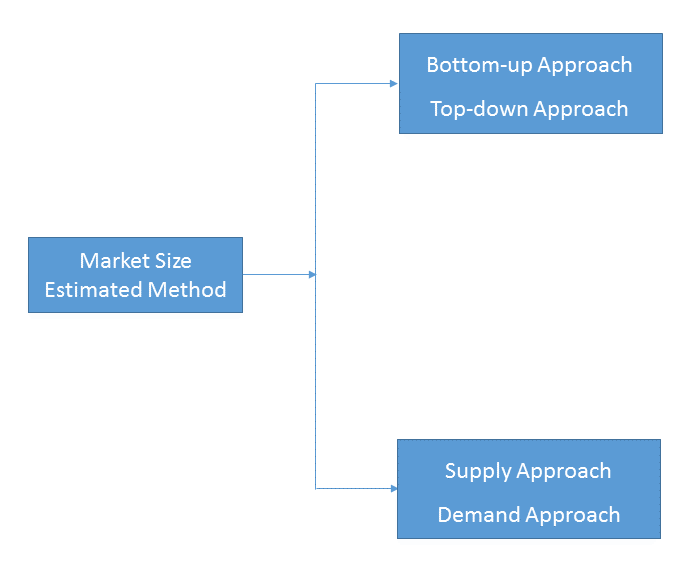
- Market Estimated Methodology:
Bottom-up & top-down approach, supply & demand approach are the most important method which is used by HDIN Research to estimate the market size.
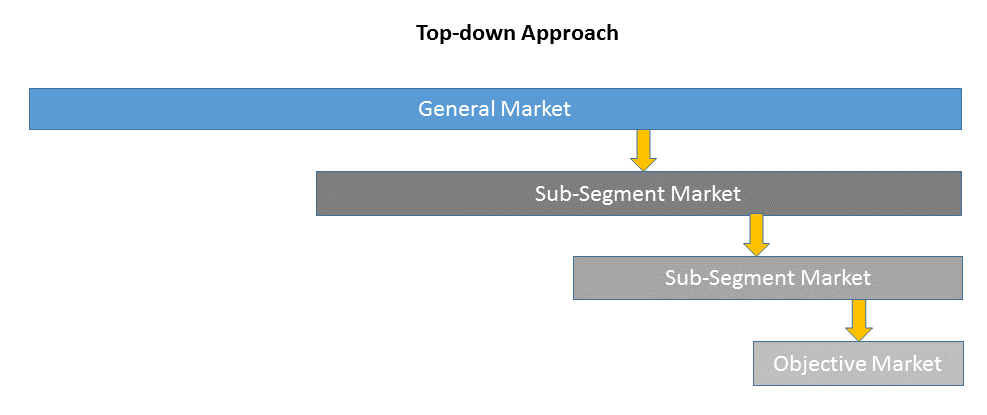
1)Top-down & Bottom-up Approach
Top-down approach uses a general market size figure and determines the percentage that the objective market represents.
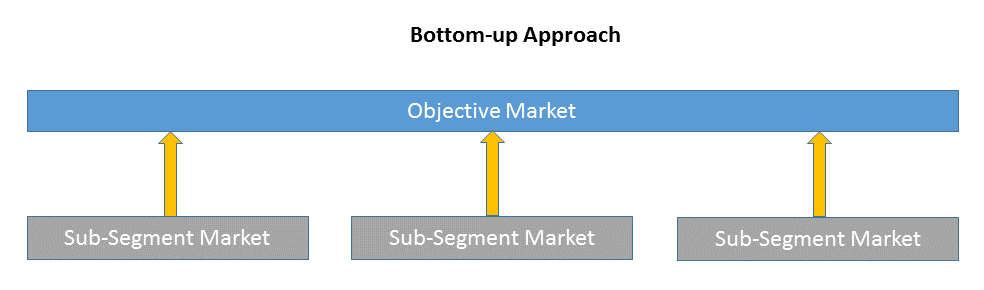
Bottom-up approach size the objective market by collecting the sub-segment information.
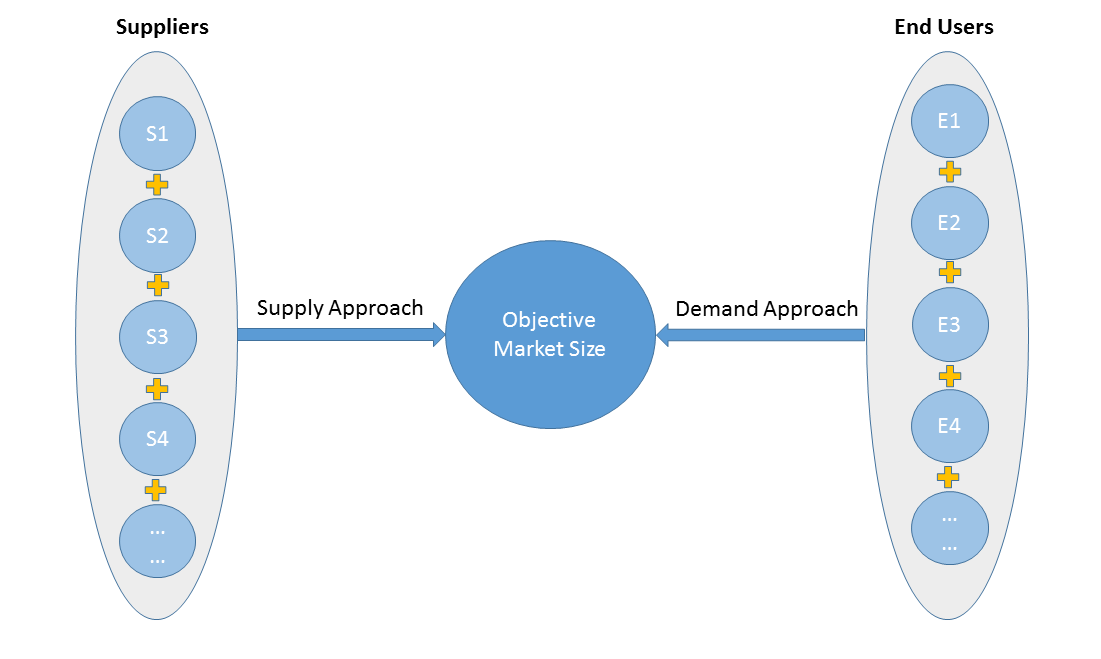
2)Supply & Demand Approach
Supply approach is based on assessments of the size of each competitor supplying the objective market.
Demand approach combine end-user data within a market to estimate the objective market size. It is sometimes referred to as bottom-up approach.
- Forecasting Methodology
- Numerous factors impacting the market trend are considered for forecast model:
- New technology and application in the future;
- New project planned/under contraction;
- Global and regional underlying economic growth;
- Threatens of substitute products;
- Industry expert opinion;
- Policy and Society implication.
- Analysis Tools
1)PEST Analysis
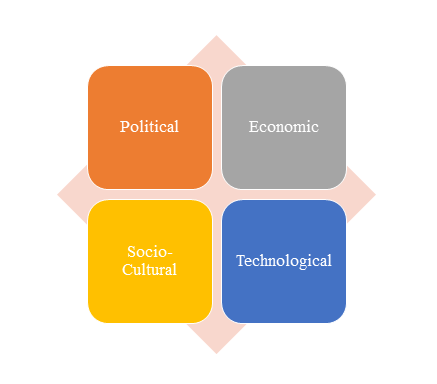
PEST Analysis is a simple and widely used tool that helps our client analyze the Political, Economic, Socio-Cultural, and Technological changes in their business environment.
- Benefits of a PEST analysis:
- It helps you to spot business opportunities, and it gives you advanced warning of significant threats.
- It reveals the direction of change within your business environment. This helps you shape what you’re doing, so that you work with change, rather than against it.
- It helps you avoid starting projects that are likely to fail, for reasons beyond your control.
- It can help you break free of unconscious assumptions when you enter a new country, region, or market; because it helps you develop an objective view of this new environment.
2)Porter’s Five Force Model Analysis
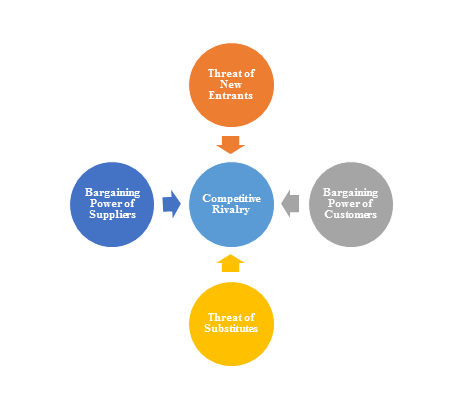
The Porter’s Five Force Model is a tool that can be used to analyze the opportunities and overall competitive advantage. The five forces that can assist in determining the competitive intensity and potential attractiveness within a specific area.
- Threat of New Entrants: Profitable industries that yield high returns will attract new firms.
- Threat of Substitutes: A substitute product uses a different technology to try to solve the same economic need.
- Bargaining Power of Customers: the ability of customers to put the firm under pressure, which also affects the customer's sensitivity to price changes.
- Bargaining Power of Suppliers: Suppliers of raw materials, components, labor, and services (such as expertise) to the firm can be a source of power over the firm when there are few substitutes.
- Competitive Rivalry: For most industries the intensity of competitive rivalry is the major determinant of the competitiveness of the industry.
3)Value Chain Analysis
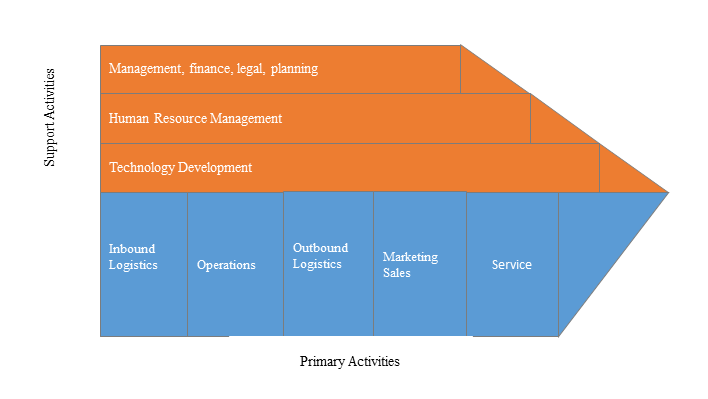
Value chain analysis is a tool to identify activities, within and around the firm and relating these activities to an assessment of competitive strength. Value chain can be analyzed by primary activities and supportive activities. Primary activities include: inbound logistics, operations, outbound logistics, marketing & sales, service. Support activities include: technology development, human resource management, management, finance, legal, planning.
4)SWOT Analysis
SWOT analysis is a tool used to evaluate a company's competitive position by identifying its strengths, weaknesses, opportunities and threats. The strengths and weakness is the inner factor; the opportunities and threats are the external factor. By analyzing the inner and external factors, the analysis can provide the detail information of the position of a player and the characteristics of the industry.
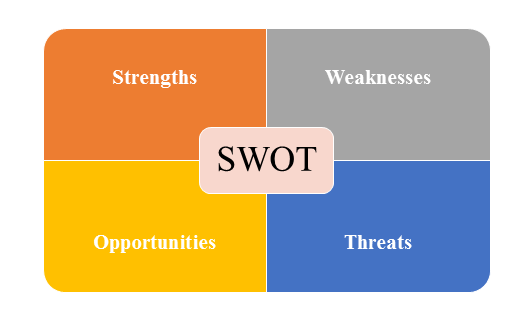
- Strengths describe what the player excels at and separates it from the competition
- Weaknesses stop the player from performing at its optimum level.
- Opportunities refer to favorable external factors that the player can use to give it a competitive advantage.
- Threats refer to factors that have the potential to harm the player.
- Data Sources
| Primary Sources | Secondary Sources |
|---|---|
| Face to face/Phone Interviews with market participants, such as: Manufactures; Distributors; End-users; Experts. Online Survey |
Government/International Organization Data: Annual Report/Presentation/Fact Book Internet Source Information Industry Association Data Free/Purchased Database Market Research Report Book/Journal/News |