Sleep Disordered Breathing Device Market Analysis 2021-2031
- Single User License (1 Users) $ 3,500
- Team License (2~5 Users) $ 4,500
- Corporate License (>5 Users) $ 5,500
The global sleep-disordered breathing (SDB) therapeutic and diagnostic devices market size is valuede at 8.8 - 10.8 billion USD in 2026 to project a compound annual growth rate (CAGR) between 7% and 10% through 2031. Driven by an underlying clinical base of roughly 936 million adults globally afflicted with obstructive sleep apnea (OSA)—of which approximately 424 million to 425 million require clinical intervention for moderate to severe manifestations—the sector is breaking away from historical single-modality dependence.
For decades, the standard of care has centered on pneumatic upper airway stenting via positive airway pressure (PAP) platforms. However, real-world therapeutic efficacy faces substantial friction: median patient non-compliance rates persist between 29% and 83%, with an empirical real-world average hovering near 35%. This sustained adherence bottleneck has catalyzed capital rotation toward disruptive second-line interventions, led by closed-loop and bilateral hypoglossal nerve stimulation (HGNS), alongside biomimetic structural maxillofacial remodeling.
Concurrently, the diagnostic segment is decentralizing. High-overhead in-lab polysomnography (PSG) is transitioning rapidly toward disposable, ring- and forehead-worn Home Sleep Apnea Testing (HSAT) devices coupled with cloud-native deep learning scoring engines. Furthermore, the regulatory integration of Apnea-Hypopnea Index (AHI) reduction metrics as primary clinical endpoints for anti-obesity pharmaceuticals (such as glucagon-like peptide-1 receptor agonists) is converting sleep diagnostics from isolated clinical hardware into recurring SaaS-driven clinical trial and co-therapeutic ecosystems.
Product Classification & Technological Modalities
1. Positive Airway Pressure Devices & Consumables
Pneumatic stenting via continuous positive airway pressure (CPAP), automatic positive airway pressure (APAP), bilevel positive airway pressure (BiPAP), and adaptive servo-ventilation (ASV) hardware remains the established standard of care for primary sleep apnea and complex hypoventilation syndromes.
* Flow Generators: Capital hardware engineered with precision micro-blowers and real-time algorithmic pressure titration to overcome dynamic upper airway resistance. These units leverage cellular and cloud telemetry to record nocturnal compliance, leak rates, and residual AHI.
* Consumables and Patient Interfaces: Nasal masks, silicone pillow interfaces, full-face configurations, heated breathing circuits, and humidification chambers. Interface engineering dictates the integrity of the acoustic and pneumatic seal, directly determining therapeutic adherence. While compliant utilization reduces all-cause mortality by 37% and cardiovascular mortality by 54%, chronic interface discomfort, aerophagia, and claustrophobia sustain high non-compliance, leaving an expansive addressable market for alternative modalities.
2. Neurostimulation Systems
Hypoglossal nerve stimulation (HGNS) serves as the primary disruptive surgical therapy for moderate to severe OSA refractory to pneumatic splinting.
* Closed-Loop Implantable Pulse Generator (IPG) Systems: Subcutaneously implanted thoracic generators connected to respiratory sensing leads and stimulation cuff electrodes surrounding the hypoglossal nerve (cranial nerve XII). By monitoring inspiratory effort, the system delivers synchronized micro-pulses that trigger the genioglossus muscle, projecting the tongue base forward during inspiration.
* Leadless, Bilateral Platforms: Novel architectures that remove the need for subcutaneous tunneling and thoracic IPG pockets. Implanted via a submental incision directly over the bilateral branches of cranial nerve XII, these systems utilize external, disposable wearable patches to transmit wireless radiofrequency energy to the neurostimulator during sleep, eliminating long-term battery depletion hurdles and reducing surgical trauma.
3. Oral Appliance Therapy & Structural Airway Remodeling
Non-invasive intraoral appliances target mild-to-moderate disease cohorts, non-compliant severe patients, and anatomical abnormalities.
* Mandibular Advancement Devices (MADs): Precision-milled polymer splints that mechanically hold the lower jaw in a forward position, tensioning the pharyngeal musculature and preventing retroglossal collapse during recumbent rest.
* Biomimetic Airway Expansion Systems: Class II regulated orthopedic and orthodontic appliances engineered to apply non-surgical, low-force epigenetic remodeling to the midface and palate. Administered across fixed 9- to 12-month regimens, these devices stimulate transverse palatal expansion, increase oral cavity volume, and enlarge the nasal vault. This modality departs from lifelong mechanical splinting by seeking permanent anatomical modification of the upper airway.
4. SDB Diagnostic & Monitoring Platforms
Comprehensive diagnostic evaluation captures electroencephalographic, respiratory, cardiovascular, and positional parameters to classify nocturnal breathing events.
* Clinical Polysomnography (PSG) Equipment: Multichannel laboratory amplifiers capturing full electrophysiological profiles (EEG, EOG, EMG, ECG), chest/abdominal bands, nasal cannulas, and pulse oximetry. These platforms represent the gold standard for complex diagnostic differentiation, such as central sleep apnea and overlap syndromes.
* Ambulatory and Home Sleep Testing (HSAT): Type III and Type IV testing form factors, ranging from multichannel peripheral arterial tone (PAT) devices and wireless single-use oximetry rings to ultra-lightweight forehead patch sensors. These systems allow multi-night physiological acquisition in natural sleep environments, lowering the cost per diagnosis.
* Cloud Scoring Software and AI Architectures: Enterprise platforms integrating raw data streams with deep learning scoring models. These software systems automate sleep architecture classification, micro-arousal indexing, and AHI calculation with clinical-grade accuracy, significantly compressing diagnostic turnaround times.
Regional Market Dynamics
● North America
North America represents the dominant share of global industry revenue, capturing over 42% of the market. This leadership is underpinned by established reimbursement pathways through Medicare Part B and commercial health plans, a dense network of durable medical equipment (DME) distributors, and strong physician referral infrastructure. Regional demand exhibits a strategic shift toward next-generation alternatives. While standard PAP therapies retain foundational market penetration, commercial demand for hypoglossal nerve stimulation is expanding rapidly among the vast population of CPAP-intolerant patients. Concurrently, dental sleep medicine integration is accelerating through dedicated medical-dental service organization models, which streamline prior authorizations for structural oral appliances.
● Asia-Pacific
Asia-Pacific demonstrates the highest structural expansion profile. China represents the largest absolute patient burden globally, with moderate to severe OSA cases exceeding 200 million individuals, yet historic clinical diagnostic penetration has languished below 1%. Growth is accelerated by domestic manufacturing capabilities expanding local CPAP and diagnostic production, alongside public health policies prioritizing chronic respiratory disease management. In parallel, consumer electronic manufacturers are embedding physiological screening algorithms into smart wearable devices, generating a massive clinical referral pipeline.
Japan maintains a well-developed, highly regulated market where the Ministry of Health, Labour and Welfare provides universal health insurance reimbursement for CPAP, hospital-based PSG, and approved surgical neurostimulation. Australia operates as a primary clinical innovation node, characterized by mature pharmacy-based sleep screening networks and widespread adoption of cloud-connected home therapy platforms. In South Korea and Taiwan, China, advanced healthcare infrastructure and institutional adoption of home-based respiratory monitoring continue to support steady capital equipment and consumable acquisition.
● Europe
The European region constitutes the second-largest geographic revenue engine, governed by the stringent regulatory strictures of the European Union Medical Devices Regulation (EU MDR 2017/745). Universal public healthcare systems and comprehensive statutory health insurance frameworks across Germany, France, the United Kingdom, and the Benelux union dictate market dynamics. Germany serves as the primary regional market, operating mature health insurance coverage models for home PAP therapy, non-invasive ventilation, and custom-fabricated mandibular advancement devices.
European clinical sleep medicine displays sustained enthusiasm for leadless neurostimulation modalities, driven by regulatory clearances that accommodate patients with complete concentric collapse (CCC) at the soft palate without requiring invasive Drug-Induced Sleep Endoscopy (DISE) screening. While public reimbursement ceilings compress hardware pricing margins for legacy CPAP units, premium growth is concentrated in integrated homecare ecosystems, remote patient adherence tracking, and disposables for ICU mechanical ventilation weaning.
● South America
The South American market represents an underpenetrated landscape characterized by substantial diagnostic and therapeutic deficits. Absolute prevalence metrics place Brazil among the top global epicenters of obstructive sleep apnea. Across the region, commercial access to modern SDB therapeutic hardware is divided between private insurance beneficiaries in major metropolitan health systems and under-resourced public health infrastructure.
Commercial transactions depend primarily on independent regional distribution partners and private outpatient sleep centers. Regulatory approvals for single-use, wearable home sleep diagnostic sensors in jurisdictions such as Brazil and Colombia are steadily lowering historical capital expenditure barriers, allowing private diagnostic clinics and hospital chains to expand diagnostic volumes without committing to complex sleep laboratory footprints.
● Middle East & Africa
Market activity across the Middle East and Africa is concentrated within the Gulf Cooperation Council (GCC) economies, specifically Saudi Arabia, the United Arab Emirates, and Qatar. These markets are propelled by some of the world's highest regional rates of obesity, metabolic syndrome, and related respiratory comorbidities.
Healthcare spending in these nations is driven by government healthcare transformation mandates, leading to the construction of modern sleep centers and high per-capita uptake of advanced clinical technologies. Because the domestic manufacturing base for specialized electro-medical equipment remains nascent, healthcare delivery systems rely almost exclusively on specialized international distribution arrangements to supply tier-one PAP devices, hospital polysomnography suites, and advanced oral airway remodeling systems. Conversely, broad swathes of Sub-Saharan Africa remain underserved, constrained by capital limitations and a scarcity of accredited sleep specialists.
Supply Chain and Value Chain Architecture
The global SDB medical equipment ecosystem is structured across three functional tiers:
● Upstream Raw Material and Component Specialization
The foundational value tier relies on highly specialized industrial material suppliers. Production inputs include:
* Medical-grade, biocompatible liquid silicone rubber (LSR) and proprietary thermoplastic elastomers (TPE) engineered for facial interface cushions, designed to balance dermatological inertness with gas-tight sealing dynamics.
* Precision electromechanical components, specifically brushless DC micro-blowers, high-speed miniature air turbines, integrated ceramic heating plates for humidification, and precision micro-electro-mechanical systems (MEMS) differential pressure, thermal, and mass-airflow sensors.
* Biocompatible medical implant assemblies, encompassing grade 5 titanium hermetic housings, ultra-high-density micro-lithium-ion batteries, biocompatible polyurethane-insulated platinum-iridium stimulation cuff leads, and radiofrequency receiving micro-coils.
* Additive manufacturing raw materials, including medical-grade polyamides, dental-grade polymethyl methacrylate (PMMA), and biocompatible clear 3D-printing resins utilized for patient-customized intraoral appliances.
● Midstream Device Engineering, Firmware, and Cloud Architecture
Midstream participants design, assemble, and clinically validate integrated therapeutic systems under strict regulatory quality management mandates, such as ISO 13485 and FDA 21 CFR 820.
* Production structures bifurcate between specialized in-house cleanroom manufacturing facilities and contract manufacturing organizations (CMOs) situated across North America, Europe, Australia, and East Asia.
* Midstream entities are transitioning from mechanical hardware vendors into software-driven medical technology platforms. Substantial research and development capital is allocated toward embedded firmware (leak-rejection algorithms, automated servo-ventilation routines) and enterprise cloud infrastructure (SaaS).
* Cloud systems aggregate real-time usage data via integrated cellular modems, executing automated adherence analytics and deep-learning diagnostic scoring that directly inform reimbursement adjudication and clinical care management.
● Downstream Commercial Channels and Value Migration
The final commercialization tier delivers clinical technology to end users through diverse institutional frameworks:
* Home Medical Equipment (HME) and Durable Medical Equipment (DME) Providers: Form the primary channel for non-invasive respiratory hardware and consumables across Western healthcare markets, managing equipment logistics, patient mask fitting, and complex fee-for-service insurance submissions.
* Direct Institutional Hospital and Surgical Distribution: High-value active implantable neurostimulators bypass retail DME channels, commercialized directly to hospital operating rooms, ambulatory surgery centers (ASCs), and value analysis committees via specialized direct sales forces targeting otolaryngologists and sleep surgeons.
* Dental and Medical Service Organizations (DSOs/MSOs): Emerging integrated delivery networks bridging dental practices and board-certified sleep physicians to execute turnkey medical screening, dental CAD/CAM appliance manufacturing, and medical insurance reimbursement.
* Value Migration Dynamics: Hardware commoditization has triggered a clear migration of economic profit pools away from primary CPAP flow-generator capital hardware toward downstream software services, proprietary consumable replacement programs (masks and tubing), high-margin second-line surgical therapies, and diagnostic SaaS agreements with biopharmaceutical organizations.
Key Market Participants: ResMed Inc., Philips Respironics, Fisher & Paykel Healthcare Corporation, Inspire Medical Systems, Inc., Nyxoah SA, LivaNova PLC, Vivos Therapeutics, Inc., SomnoMed Limited, ProSomnus Sleep Technologies, Compumedics Limited, Cadwell Industries, Inc., Nihon Kohden Corporation, Fukuda Denshi Co., Ltd., Beijing BMC Medical Co., Ltd., Jiangsu Yuyue Medical Equipment & Supply Co., Ltd. (Yuwell), Löwenstein Medical, Breas Medical, React Health, Air Liquide Healthcare, Cofoe Medical Technology Co., Ltd., Contec Medical Systems Co., Ltd., TaiDoc Technology Corporation, Inogen, Inc.
Opportunities, and Structural Constraints
● Decentralized Diagnostics and the Transformation to Recurring SaaS
The SDB diagnostic framework is shifting away from facility-based economics. Historically, clinical validation required multi-channel laboratory polysomnography, creating protracted waiting lists and imposing significant costs on private and public payor systems. The current market is accelerating toward validated, low-profile Type III and Type IV testing form factors, including disposable forehead patch arrays, photoplethysmographic oximetry rings, and multi-channel peripheral arterial tone devices.
By offloading signal acquisition to the patient’s home, hardware acquisition costs drop substantially. The primary profit pool is migrating toward cloud-native deep learning SaaS engines that ingest raw multi-night data streams and automatically execute sleep staging, artifact rejection, and respiratory event scoring. For enterprise medical device developers, this transition converts lumpy capital equipment cycles into high-margin, recurring software revenues while clearing the clinical pipeline to accelerate downstream therapy onboarding.
● Therapeutic Diversification Driven by CPAP Non-Compliance
Despite remaining the undisputed first-line therapeutic intervention, positive airway pressure therapy faces a structural challenge: high real-world patient attrition. Empirical non-compliance, driven by lifestyle friction, mask leakage, pressure intolerance, and claustrophobia, leaves millions of diagnosed patients clinically unmanaged and exposed to progressive cardiovascular risks. This therapeutic vacuum is driving value into non-pneumatic alternatives.
Hypoglossal nerve stimulation has secured clinical legitimacy, exhibiting multi-year patient adherence metrics exceeding 80%. Concurrently, non-surgical biomimetic palatal expansion protocols are carving out a distinct niche by pursuing prospective anatomical correction rather than lifelong nocturnal symptom control. As clinical payors evaluate the long-term health economics of untreated sleep apnea—specifically the management costs associated with secondary heart failure, stroke, and metabolic decline—reimbursement pathways for both surgical implants and customized oral appliances will continue to expand.
● The Pharmaceutical Intersect: GLP-1 Disruption Versus Market Expansion
The regulatory recognition of AHI reduction as a valid clinical endpoint for anti-obesity medications (such as GLP-1 and dual GIP/GLP-1 receptor agonists) has triggered intensive strategic debate regarding the longevity of sleep device hardware markets. A rigorous clinical analysis indicates that while pharmacological weight loss systematically reduces pharyngeal fat deposits and lowers baseline AHI across obese cohorts, it infrequently resolves underlying craniofacial skeletal inadequacies, narrow maxillary arches, or lateral pharyngeal wall collapsibility.
Consequently, widespread pharmaceutical adoption does not signal the obsolescence of mechanical and neuromodulation therapies. Instead, it alters patient flow: millions of previously undiagnosed individuals are entering medical consultations to discuss medical weight management. In this environment, sleep screening becomes a mandatory baseline and endpoint metric. Medical device entities that align their diagnostic diagnostic architectures with pharmaceutical clinical trials and cross-specialty clinical pathways will capture a sizeable, newly monetized patient funnel.
● Structural Market Headwinds and Operational Vulnerabilities
Despite favorable demographic fundamentals, the SDB industry faces persistent operational and macroeconomic frictions:
* Diagnostic Attrition: Global disease awareness remains structurally deficient. In North America and Western Europe, an estimated 80% of individuals with clinically significant sleep-disordered breathing remain undiagnosed. In large developing markets, such as China and India, undiagnosed rates exceed 95% to 99%, primarily due to insufficient primary care screening and a lack of trained sleep physicians.
* Regulatory Friction and Reimbursement Delays: In Europe, the elevated clinical trial evidence requirements and operational bottlenecks associated with the EU MDR transition continue to slow product lifecycle iterations and delay regional market introductions. In the United States, obtaining prior authorization from commercial payors for high-value surgical neurostimulators and specialized oral orthopedic appliances demands extensive, documentation-heavy clinical justification, extending sales cycles.
* Supply Chain Fragility and Geopolitical Realignment: SDB manufacturing remains vulnerable to disruptions across global procurement networks. Critical dependencies persist for specialized medical-grade liquid silicone rubber, cleanroom micro-blower assemblies, medical-grade titanium, and specialized microcontrollers. Shifting international tariff frameworks and regional trade restrictions are compelling medical equipment manufacturers to re-engineer operations. Organizations are shifting away from single-source manufacturing hubs toward resilient multi-node operational footprints distributed across North America, Europe, Australia, and select locations in Asia, such as Singapore and the Philippines. Maintaining supply chain resilience while preserving gross margin targets represents a central strategic imperative for industry leadership through 2031.
1.1 Research Program and Design 1
1.2 Data Source Architecture: Primary Field Research and Secondary Aggregation 2
1.3 Micro and Macroeconomic Modeling Parameters and Forecasting Assumptions 3
1.4 Bottom-Up and Top-Down Market Sizing Triangulation 4
1.5 Data Validation and Expert Panel Peer Review Mechanism 5
1.6 Acronyms and Technical Nomenclature Definition 6
Chapter 2 Executive Summary and Global Sleep Disordered Breathing Device Landscape
2.1 Global SDB Device Industry Macro Overview (2021-2031) 7
2.2 Historical Trajectory and 2026 Inflection Points 8
2.3 Cross-Segment Market Velocity and Growth Vectors 9
2.4 Key Global Clinical Diagnostic Rates vs. Treatment Adoption Gap 10
2.5 Strategic Synthesis of Market Ecosystem 11
Chapter 3 Global Supply Chain, Value Chain Architecture, and Manufacturing Ecosystem
3.1 Upstream Raw Material and High-Precision Component Sourcing 12
3.1.1 Micro-Blowers, Brushless DC Motors, and Acoustic Damping Materials 12
3.1.2 Medical-Grade Silicone Masks, Headgear Polymers, and Cushion Fabrication 13
3.1.3 Advanced Sensor Integration: Pressure Transducers, Flow Sensors, and SpO2 Optoelectronics 14
3.1.4 Neurostimulation Micro-Generators, Biocompatible Leads, and Implantable Enclosures 15
3.2 Midstream Device Assembly, System Integration, and Quality Control 16
3.3 Downstream Commercialization, Logistics, and Clinical Distribution Channels 17
3.4 Total Cost Structure and Value Addition Analysis Across Value Chain Tiers 18
Chapter 4 Global Sleep Disordered Breathing Device Dynamics, Technological Evolution, and Regulatory Landscape
4.1 Key Drivers: Epidemic Obstructive Sleep Apnea (OSA) Prevalence and Comorbidity Management 19
4.2 Structural Restraints: Therapy Adherence Challenges and Invasive Alternative Barriers 20
4.3 Technological Disruption and Innovation Trajectory 21
4.3.1 Cloud-Connected Sleep Informatics, Tele-Monitoring, and AI-Driven Auto-Titration 21
4.3.2 Hypoglossal Nerve Stimulation (HGNS) Miniaturization and Bilateral Activation 22
4.3.3 Digital Dentistry, 3D Intraoral Scanning, and Custom CAD/CAM Mandibular Advancement Devices 23
4.4 Global Regulatory Approvals, Medical Device Vigilance, and Post-Recall Compliance Standards 24
4.5 Reimbursement Ecosystem: CMS Codes, Private Payer Coverage, and Polysomnography Triage 25
Chapter 5 Global Sleep Disordered Breathing Device Market by Product Segmentation
5.1 Positive Airway Pressure (PAP) Devices & Consumables 26
5.1.1 Continuous Positive Airway Pressure (CPAP) Systems 27
5.1.2 Automatic Positive Airway Pressure (APAP) Systems 28
5.1.3 Bi-Level Positive Airway Pressure (BiPAP/VPAP) Systems 29
5.1.4 Masks, Hoses, Humidification Chambers, and Consumable Replacement Market 30
5.2 Neurostimulation Systems (Hypoglossal Nerve Stimulation & Central Sleep Apnea Implants) 31
5.3 Oral Appliance Therapy (OAT) & Structural Airway Remodeling Devices 32
5.3.1 Mandibular Advancement Devices (MAD) 33
5.3.2 Tongue Retaining Devices (TRD) and Epigenetic Airway Remodeling Appliances 34
5.4 SDB Diagnostic & Monitoring Systems 35
5.4.1 Clinical In-Lab Polysomnography (PSG) Systems 35
5.4.2 Home Sleep Apnea Testing (HSAT) Kits and Type II-IV Ambulatory Monitors 36
5.5 Comparative Pricing Matrix, Unit Volume Deployments, and Replacement Cycles 37
Chapter 6 Global Sleep Disordered Breathing Device Market by Downstream Application & Service Models
6.1 Homecare Settings 38
6.1.1 Direct-to-Consumer PAP Fulfillment and Remote Patient Management (RPM) 39
6.1.2 Consumer Adherence Tracking and Resupply Subscription Platforms 40
6.2 Hospitals and Sleep Centers 41
6.2.1 Inpatient Diagnostic Sleep Laboratories and In-Hospital Titration 42
6.2.2 Critical Care Non-Invasive Ventilation (NIV) Cross-Application 43
6.3 Dental & Medical Service Organizations (DSO/MSO Networks) 44
Chapter 7 Global Sleep Disordered Breathing Device Trade Dynamics, Tariffs, and Supply Chain Logistics
7.1 Global SDB Device Trade Flows and Balance of Trade 45
7.2 Primary Global Export Hubs: Production Volumes and Shipping Corridors 46
7.3 Primary Global Import Gateways: Demand Influx and Customs Clearances 47
7.4 Cross-Border Tariff Classifications, Trade Barriers, and Harmonized System (HS) Codes 48
7.5 Nearshoring and Dual-Sourcing Strategies in Post-Disruption Global Logistics 49
Chapter 8 Global Regional & Key Country Market Analysis: Production Hubs and Consumption Centers
8.1 North America 50
8.1.1 United States: Demand Dynamics, Domestic Assembling, and Medicare Reimbursement 52
8.1.2 Canada: Provincial Healthcare Allocation and Urban vs. Rural Access Discrepancies 54
8.2 Europe 55
8.2.1 Germany: Precision Manufacturing, GKV Reimbursement, and Homecare Integration 57
8.2.2 France: Mandatory Tele-Monitoring Link to CPAP Reimbursement 58
8.2.3 United Kingdom: NHS Clinical Pathways and Community Diagnostic Center Influx 59
8.2.4 Netherlands: Regional MedTech Assembly and European Distribution Hub 60
8.2.5 Sweden: High Diagnostic Penetration and Public Hospital Procurement 61
8.2.6 Belgium and Rest of Europe Market 62
8.3 Asia-Pacific 63
8.3.1 China: High-Scale Mass Production Base, Domestic Component Localization, and Outpatient Surge 65
8.3.2 Japan & South Korea Market 67
8.3.3 Australia: Global HQ for Major Innovators, Private-Pay and Scheme Co-Funding 68
8.3.4 New Zealand: Respiratory Consumables Precision Tooling and Manufacturing Center 69
8.3.5 Taiwan (China): Advanced Medical Electronics and Sensor Manufacturing Hub 70
8.4 Latin America 71
8.4.1 Brazil: High Unmet OSA Prevalence and Private-Public Healthcare Fragmentation 72
8.4.2 Mexico: MedTech Maquiladora Contract Manufacturing and In-Country Adoption 73
8.5 Middle East & Africa 74
8.5.1 United States of Emirates: Medical Tourism and Premium Sleep Clinic Deployments 75
8.5.2 Saudi Arabia: Vision 2030 Healthcare Transformation and Institutional Procurement 76
8.5.3 South Africa: Private Health Tier Adoption and Emerging HSAT Penetration 77
Chapter 9 Global Competitive Landscape and Market Concentration Analysis
9.1 Global SDB Device Market Share Tiering (Tier 1, Tier 2, and Emerging Tiers) 78
9.2 Manufacturer Capacity Utilization, Assembly Footprints, and Scalability 79
9.3 Strategic Mergers, Acquisitions, Clinical Partnerships, and Technology In-Licensing 80
9.4 Porter's Five Forces Analysis of the Global SDB Device Industry 81
Chapter 10 Deep-Dive Corporate Intelligence: Global Sleep Disordered Breathing Device Leaders
10.1 ResMed Inc 82
10.1.1 Corporate Profile, Global Operational Footprint, and Strategic Focus 82
10.1.2 SWOT Strategic Assessment 83
10.1.3 SDB Device Revenue, Cost, Gross Margin, and Market Share Performance (2021-2026) 84
10.1.4 Product Portfolio, R&D Pipeline, and Digital Health Connectivity Architecture 85
10.2 Koninklijke Philips N.V. (Philips) 86
10.2.1 Corporate Profile, Remediation Trajectory, and Global Operational Footprint 86
10.2.2 SWOT Strategic Assessment 87
10.2.3 SDB Device Revenue, Cost, Gross Margin, and Market Share Performance (2021-2026) 88
10.2.4 Diagnostic and PAP Therapy Line Expansion and Quality Architecture 89
10.3 Fisher & Paykel Healthcare Corporation 90
10.3.1 Corporate Profile, Global Manufacturing Hubs, and Strategic Focus 90
10.3.2 SWOT Strategic Assessment 91
10.3.3 SDB Device Revenue, Cost, Gross Margin, and Market Share Performance (2021-2026) 92
10.3.4 Mask Technology Innovations and Heated Humidification IP Portfolio 93
10.4 Fukuda Denshi Co., Ltd. 94
10.4.1 Corporate Profile, Japanese Healthcare Integration, and Strategic Focus 94
10.4.2 SWOT Strategic Assessment 95
10.4.3 SDB Device Revenue, Cost, Gross Margin, and Market Share Performance (2021-2026) 96
10.4.4 Sleep Diagnostic Instrumentation and Clinical Monitoring Equipment Lines 97
10.5 Nihon Kohden Corporation 98
10.5.1 Corporate Profile, Physiological Monitoring Synergy, and Global Footprint 98
10.5.2 SWOT Strategic Assessment 99
10.5.3 SDB Device Revenue, Cost, Gross Margin, and Market Share Performance (2021-2026) 100
10.5.4 Advanced Polysomnography Hardware and Neuro-Diagnostic Diagnostic Systems 101
10.6 Nyxoah SA 102
10.6.1 Corporate Profile, Belgian MedTech Roots, and Neurostimulation Strategy 102
10.6.2 SWOT Strategic Assessment 103
10.6.3 SDB Device Revenue, Cost, Gross Margin, and Market Share Performance (2021-2026) 104
10.6.4 Genio Leadless Bilateral Hypoglossal Nerve Stimulation Pipeline and Clinical Trials 105
10.7 Inogen Inc. 106
10.7.1 Corporate Profile, Respiratory Diversification, and Strategic Focus 106
10.7.2 SWOT Strategic Assessment 107
10.7.3 SDB Device Revenue, Cost, Gross Margin, and Market Share Performance (2021-2026) 108
10.7.4 Direct-to-Consumer Channels and Portable SDB Device Synergies 109
10.8 LivaNova PLC 110
10.8.1 Corporate Profile, Neuromodulation Platform, and Strategic Focus 110
10.8.2 SWOT Strategic Assessment 111
10.8.3 SDB Device Revenue, Cost, Gross Margin, and Market Share Performance (2021-2026) 112
10.8.4 Targeted Hypoglossal Neurostimulation R&D and Clinical Outcomes 113
10.9 Inspire Medical Systems Inc 114
10.9.1 Corporate Profile, HGNS Pioneer Trajectory, and Commercial Expansion 114
10.9.2 SWOT Strategic Assessment 115
10.9.3 SDB Device Revenue, Cost, Gross Margin, and Market Share Performance (2021-2026) 116
10.9.4 Surgical Implant Ecosystem, Ambulatory Surgical Center (ASC) Penetration, and DTC Reach 117
10.10 Vivos Therapeutics Inc. 118
10.10.1 Corporate Profile, Structural Remodeling Strategy, and Clinical Network 118
10.10.2 SWOT Strategic Assessment 119
10.10.3 SDB Device Revenue, Cost, Gross Margin, and Market Share Performance (2021-2026) 120
10.10.4 DNA/CARE Systems, Regulatory Clearances for Severe OSA, and Provider Training 121
10.11 Beijing BMC Medical Co., Ltd. 122
10.11.1 Corporate Profile, Domestic Production Base, and International Export Footprint 122
10.11.2 SWOT Strategic Assessment 123
10.11.3 SDB Device Revenue, Cost, Gross Margin, and Market Share Performance (2021-2026) 124
10.11.4 Cost-Competitive CPAP/BPAP Line and Cloud Data Infrastructure 125
10.12 Jiangsu Yuyue Medical Equipment Co., Ltd. (Yuwell) 126
10.12.1 Corporate Profile, Chinese Manufacturing Scale, and Strategic Focus 126
10.12.2 SWOT Strategic Assessment 127
10.12.3 SDB Device Revenue, Cost, Gross Margin, and Market Share Performance (2021-2026) 128
10.12.4 BreathCare PAP Line, Domestic Institutional Penetration, and Global Distribution 129
10.13 Air Liquide S.A. 130
10.13.1 Corporate Profile, Home Healthcare Division, and Integrated Services Model 130
10.13.2 SWOT Strategic Assessment 131
10.13.3 SDB Device Revenue, Cost, Gross Margin, and Market Share Performance (2021-2026) 132
10.13.4 European Home Monitoring Logistics, Equipment Distribution, and Patient Adherence Support 133
10.14 Cofoe Medical Technology Co., Ltd. 134
10.14.1 Corporate Profile, Mass-Market Home Health Portfolio, and Channel Footprint 134
10.14.2 SWOT Strategic Assessment 135
10.14.3 SDB Device Revenue, Cost, Gross Margin, and Market Share Performance (2021-2026) 136
10.14.4 Consumer-Oriented CPAP Units, E-Commerce Execution, and Affordability Architecture 137
10.15 Contec Medical Systems Co., Ltd. 138
10.15.1 Corporate Profile, Diagnostic Sensor Engineering, and Global OEM/ODM Capacity 138
10.15.2 SWOT Strategic Assessment 139
10.15.3 SDB Device Revenue, Cost, Gross Margin, and Market Share Performance (2021-2026) 140
10.15.4 Screeners, Pulse Oximeters, and Ambulatory Home Sleep Testing Hardware 141
10.16 Breas Medical 142
10.16.1 Corporate Profile, European Ventilation Heritage, and Institutional Footprint 142
10.16.2 SWOT Strategic Assessment 143
10.16.3 SDB Device Revenue, Cost, Gross Margin, and Market Share Performance (2021-2026) 144
10.16.4 Z2 Ultra-Portable CPAP Platform, Dual-Mode Ventilation, and Connected Solutions 145
10.17 TaiDoc Technology Corporation 146
10.17.1 Corporate Profile, Taiwan (China) Manufacturing Hub, and Medical Electronics Integration 146
10.17.2 SWOT Strategic Assessment 147
10.17.3 SDB Device Revenue, Cost, Gross Margin, and Market Share Performance (2021-2026) 148
10.17.4 Diagnostic Screening Devices, Multi-Parameter Monitors, and Telehealth Modules 149
10.18 Löwenstein Medical SE & Co. KG 150
10.18.1 Corporate Profile, German Engineering Standards, and European Market Reach 150
10.18.2 SWOT Strategic Assessment 151
10.18.3 SDB Device Revenue, Cost, Gross Margin, and Market Share Performance (2021-2026) 152
10.18.4 Prisma Series PAP Platforms, Mask Engineering, and Hospital Diagnostics Integration 153
10.19 React Health 154
10.19.1 Corporate Profile, US Commercial Strategy, and Post-Recall Market Positioning 154
10.19.2 SWOT Strategic Assessment 155
10.19.3 SDB Device Revenue, Cost, Gross Margin, and Market Share Performance (2021-2026) 156
10.19.4 Luna CPAP Series, Consumables Portfolio, and DME Commercial Partnerships 157
10.20 Compumedics Limited 158
10.20.1 Corporate Profile, Australian Sleep Diagnostic Excellence, and Global Labs 158
10.20.2 SWOT Strategic Assessment 159
10.20.3 SDB Device Revenue, Cost, Gross Margin, and Market Share Performance (2021-2026) 160
10.20.4 Grael and Somté Polysomnography Platforms, Software Analytics, and Cloud Sleep Scoring 161
10.21 SomnoMed Limited 162
10.21.1 Corporate Profile, Oral Appliance Global Leadership, and Global Facilities 162
10.21.2 SWOT Strategic Assessment 163
10.21.3 SDB Device Revenue, Cost, Gross Margin, and Market Share Performance (2021-2026) 164
10.21.4 SomnoDent Technology, Rest On Air Platform, and Digital Orthodontic Alignment 165
10.22 ProSomnus Sleep Technologies 166
10.22.1 Corporate Profile, Precision OAT Automation, and Clinical Evidence Focus 166
10.22.2 SWOT Strategic Assessment 167
10.22.3 SDB Device Revenue, Cost, Gross Margin, and Market Share Performance (2021-2026) 168
10.22.4 Non-Flexible Precision Oral Appliance Devices and CAD/CAM Milling Ecosystem 169
10.23 Cadwell Industries Inc. 170
10.23.1 Corporate Profile, Neuro-Diagnostic Architecture, and US Production Base 170
10.23.2 SWOT Strategic Assessment 171
10.23.3 SDB Device Revenue, Cost, Gross Margin, and Market Share Performance (2021-2026) 172
10.23.4 Easy III PSG Instrumentation, Sleepmate Sensor Lines, and Enterprise Software Suites 173
Table 2 Sleep Disordered Breathing Devices Value Chain Cost Allocation and Margin Distribution 18
Table 3 Global Positive Airway Pressure (PAP) Devices & Consumables Revenue and Forecast by Sub-Type (2021-2031) 26
Table 4 Global SDB Neurostimulation Systems Market Revenue and Volume Forecast (2021-2031) 31
Table 5 Global Oral Appliance Therapy (OAT) & Structural Remodeling Market Revenue by Sub-Type (2021-2031) 33
Table 6 Global SDB Diagnostic & Monitoring Systems Market Revenue by Modality (2021-2031) 35
Table 7 Comparative Pricing, Replacement Lifespans, and ASP Forecast for SDB Devices (2021-2031) 37
Table 8 Global Sleep Disordered Breathing Device Market Revenue by Application Setting (2021-2031) 38
Table 9 Global Sleep Disordered Breathing Device Export Values by Key Country Hub (2021-2026) 46
Table 10 Global Sleep Disordered Breathing Device Import Values by Major Demand Center (2021-2026) 47
Table 11 North America SDB Device Market Revenue by Country (2021-2031) 51
Table 12 United States SDB Device Market Revenue by Product Segment (2021-2031) 53
Table 13 Canada SDB Device Market Revenue by Product Segment (2021-2031) 54
Table 14 Europe SDB Device Market Revenue by Key Country (2021-2031) 56
Table 15 Germany SDB Device Market Revenue by Product Segment (2021-2031) 57
Table 16 France SDB Device Market Revenue by Product Segment (2021-2031) 58
Table 17 United Kingdom SDB Device Market Revenue by Product Segment (2021-2031) 59
Table 18 Netherlands SDB Device Market Revenue by Product Segment (2021-2031) 60
Table 19 Sweden SDB Device Market Revenue by Product Segment (2021-2031) 61
Table 20 Belgium SDB Device Market Revenue by Product Segment (2021-2031) 62
Table 21 Asia-Pacific SDB Device Market Revenue by Country/Region (2021-2031) 64
Table 22 China SDB Device Market Revenue by Product Segment (2021-2031) 66
Table 23 Japan SDB Device Market Revenue by Product Segment (2021-2031) 67
Table 24 Australia SDB Device Market Revenue by Product Segment (2021-2031) 68
Table 25 New Zealand SDB Device Market Revenue by Product Segment (2021-2031) 69
Table 26 Taiwan (China) SDB Device Market Revenue by Product Segment (2021-2031) 70
Table 27 Latin America SDB Device Market Revenue by Key Country (2021-2031) 71
Table 28 Middle East & Africa SDB Device Market Revenue by Key Country (2021-2031) 74
Table 29 Global Top 10 SDB Device Manufacturer Market Shares and Industry Concentration Ratio (2021-2026) 78
Table 30 ResMed Inc Sleep Disordered Breathing Device Revenue, Cost and Gross Margin (2021-2026) 84
Table 31 Philips Sleep Disordered Breathing Device Revenue, Cost and Gross Margin (2021-2026) 88
Table 32 Fisher & Paykel Healthcare Corporation Sleep Disordered Breathing Device Revenue, Cost and Gross Margin (2021-2026) 92
Table 33 Fukuda Denshi Sleep Disordered Breathing Device Revenue, Cost and Gross Margin (2021-2026) 96
Table 34 Nihon Kohden Corporation Sleep Disordered Breathing Device Revenue, Cost and Gross Margin (2021-2026) 100
Table 35 Nyxoah SA Sleep Disordered Breathing Device Revenue, Cost and Gross Margin (2021-2026) 104
Table 36 Inogen Inc. Sleep Disordered Breathing Device Revenue, Cost and Gross Margin (2021-2026) 108
Table 37 LivaNova PLC Sleep Disordered Breathing Device Revenue, Cost and Gross Margin (2021-2026) 112
Table 38 Inspire Medical Systems Inc Sleep Disordered Breathing Device Revenue, Cost and Gross Margin (2021-2026) 116
Table 39 Vivos Therapeutics Inc. Sleep Disordered Breathing Device Revenue, Cost and Gross Margin (2021-2026) 120
Table 40 Beijing BMC Medical Co., Ltd. Sleep Disordered Breathing Device Revenue, Cost and Gross Margin (2021-2026) 124
Table 41 Jiangsu Yuyue Medical Equipment Co., Ltd. (Yuwell) Sleep Disordered Breathing Device Revenue, Cost and Gross Margin (2021-2026) 128
Table 42 Air Liquide Sleep Disordered Breathing Device Revenue, Cost and Gross Margin (2021-2026) 132
Table 43 Cofoe Medical Technology Co., Ltd. Sleep Disordered Breathing Device Revenue, Cost and Gross Margin (2021-2026) 136
Table 44 Contec Medical Systems Co., Ltd. Sleep Disordered Breathing Device Revenue, Cost and Gross Margin (2021-2026) 140
Table 45 Breas Medical Sleep Disordered Breathing Device Revenue, Cost and Gross Margin (2021-2026) 144
Table 46 TaiDoc Technology Corporation Sleep Disordered Breathing Device Revenue, Cost and Gross Margin (2021-2026) 148
Table 47 Löwenstein Medical Sleep Disordered Breathing Device Revenue, Cost and Gross Margin (2021-2026) 152
Table 48 React Health Sleep Disordered Breathing Device Revenue, Cost and Gross Margin (2021-2026) 156
Table 49 Compumedics Limited Sleep Disordered Breathing Device Revenue, Cost and Gross Margin (2021-2026) 160
Table 50 SomnoMed Limited Sleep Disordered Breathing Device Revenue, Cost and Gross Margin (2021-2026) 164
Table 51 ProSomnus Sleep Technologies Sleep Disordered Breathing Device Revenue, Cost and Gross Margin (2021-2026) 168
Table 52 Cadwell Industries Inc. Sleep Disordered Breathing Device Revenue, Cost and Gross Margin (2021-2026) 172
Figure 1 Sleep Disordered Breathing Device Supply Chain Architecture and Key Component Flow 13
Figure 2 Multi-Tier Value Chain Margin Capture Across SDB Device Ecosystem 18
Figure 3 Global Sleep Disordered Breathing Device Market Share by Product Type (2026 vs 2031) 27
Figure 4 Global PAP Consumables and Resupply Market Trajectory (2021-2031) 30
Figure 5 SDB Diagnostic Modality Shift: In-Lab Polysomnography vs. HSAT Utilization (2021-2031) 36
Figure 6 Downstream Application Share Breakdown for SDB Devices (2026) 39
Figure 7 Global Inter-Regional Trade Corridors and SDB Device Logistics Flow Matrix 45
Figure 8 North America Sleep Disordered Breathing Device Market Share by Country (2026) 51
Figure 9 Europe Sleep Disordered Breathing Device Market Share by Country (2026) 56
Figure 10 Asia-Pacific Sleep Disordered Breathing Device Market Share by Country/Region (2026) 64
Figure 11 Porter's Five Forces Analysis: Global Sleep Disordered Breathing Device Market 81
Figure 12 ResMed Inc Sleep Disordered Breathing Device Market Share (2021-2026) 84
Figure 13 Philips Sleep Disordered Breathing Device Market Share (2021-2026) 88
Figure 14 Fisher & Paykel Healthcare Corporation Sleep Disordered Breathing Device Market Share (2021-2026) 92
Figure 15 Fukuda Denshi Sleep Disordered Breathing Device Market Share (2021-2026) 96
Figure 16 Nihon Kohden Corporation Sleep Disordered Breathing Device Market Share (2021-2026) 100
Figure 17 Nyxoah SA Sleep Disordered Breathing Device Market Share (2021-2026) 104
Figure 18 Inogen Inc. Sleep Disordered Breathing Device Market Share (2021-2026) 108
Figure 19 LivaNova PLC Sleep Disordered Breathing Device Market Share (2021-2026) 112
Figure 20 Inspire Medical Systems Inc Sleep Disordered Breathing Device Market Share (2021-2026) 116
Figure 21 Vivos Therapeutics Inc. Sleep Disordered Breathing Device Market Share (2021-2026) 120
Figure 22 Beijing BMC Medical Co., Ltd. Sleep Disordered Breathing Device Market Share (2021-2026) 124
Figure 23 Jiangsu Yuyue Medical Equipment Co., Ltd. (Yuwell) Sleep Disordered Breathing Device Market Share (2021-2026) 128
Figure 24 Air Liquide Sleep Disordered Breathing Device Market Share (2021-2026) 132
Figure 25 Cofoe Medical Technology Co., Ltd. Sleep Disordered Breathing Device Market Share (2021-2026) 136
Figure 26 Contec Medical Systems Co., Ltd. Sleep Disordered Breathing Device Market Share (2021-2026) 140
Figure 27 Breas Medical Sleep Disordered Breathing Device Market Share (2021-2026) 144
Figure 28 TaiDoc Technology Corporation Sleep Disordered Breathing Device Market Share (2021-2026) 148
Figure 29 Löwenstein Medical Sleep Disordered Breathing Device Market Share (2021-2026) 152
Figure 30 React Health Sleep Disordered Breathing Device Market Share (2021-2026) 156
Figure 31 Compumedics Limited Sleep Disordered Breathing Device Market Share (2021-2026) 160
Figure 32 SomnoMed Limited Sleep Disordered Breathing Device Market Share (2021-2026) 164
Figure 33 ProSomnus Sleep Technologies Sleep Disordered Breathing Device Market Share (2021-2026) 168
Figure 34 Cadwell Industries Inc. Sleep Disordered Breathing Device Market Share (2021-2026) 172
Research Methodology
- Market Estimated Methodology:
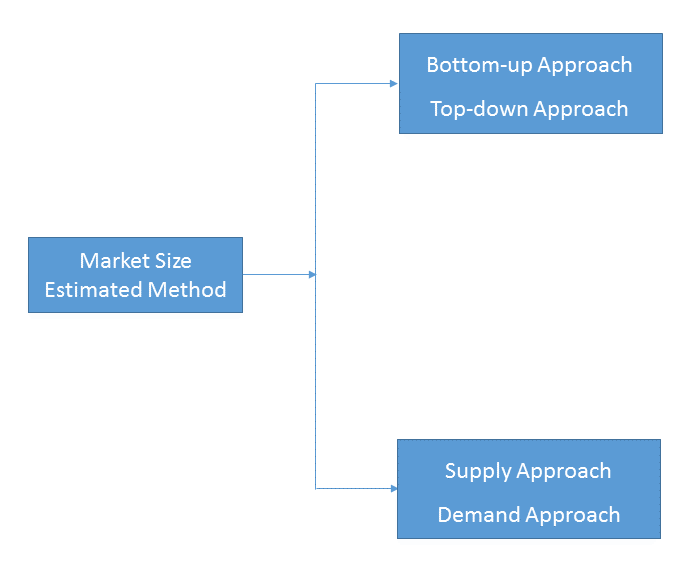
Bottom-up & top-down approach, supply & demand approach are the most important method which is used by HDIN Research to estimate the market size.
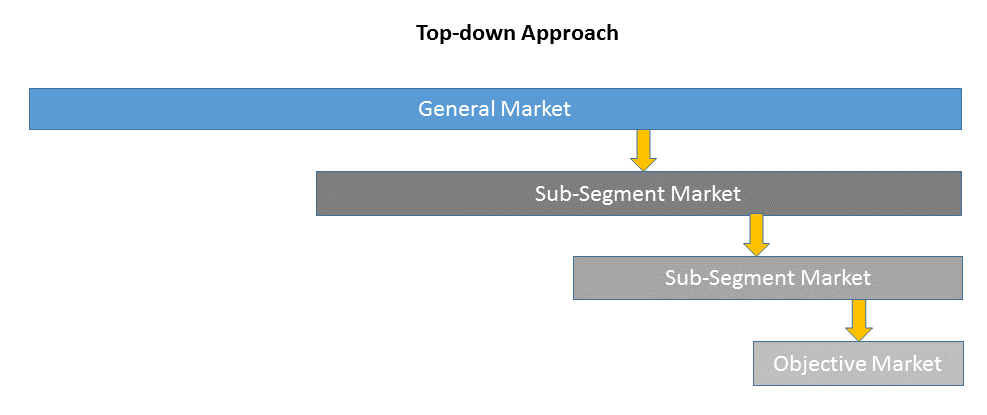
1)Top-down & Bottom-up Approach
Top-down approach uses a general market size figure and determines the percentage that the objective market represents.
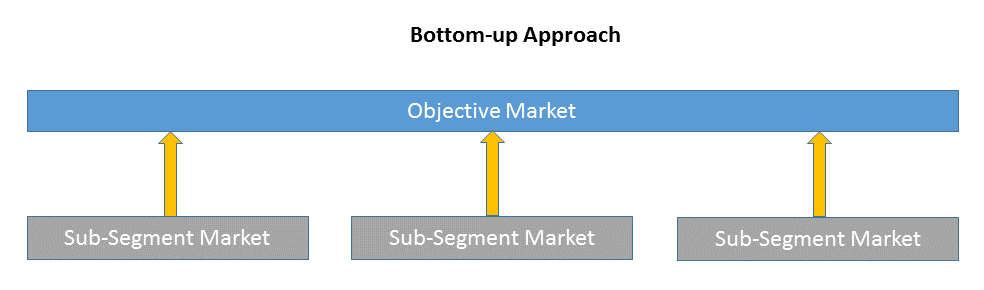
Bottom-up approach size the objective market by collecting the sub-segment information.
2)Supply & Demand Approach
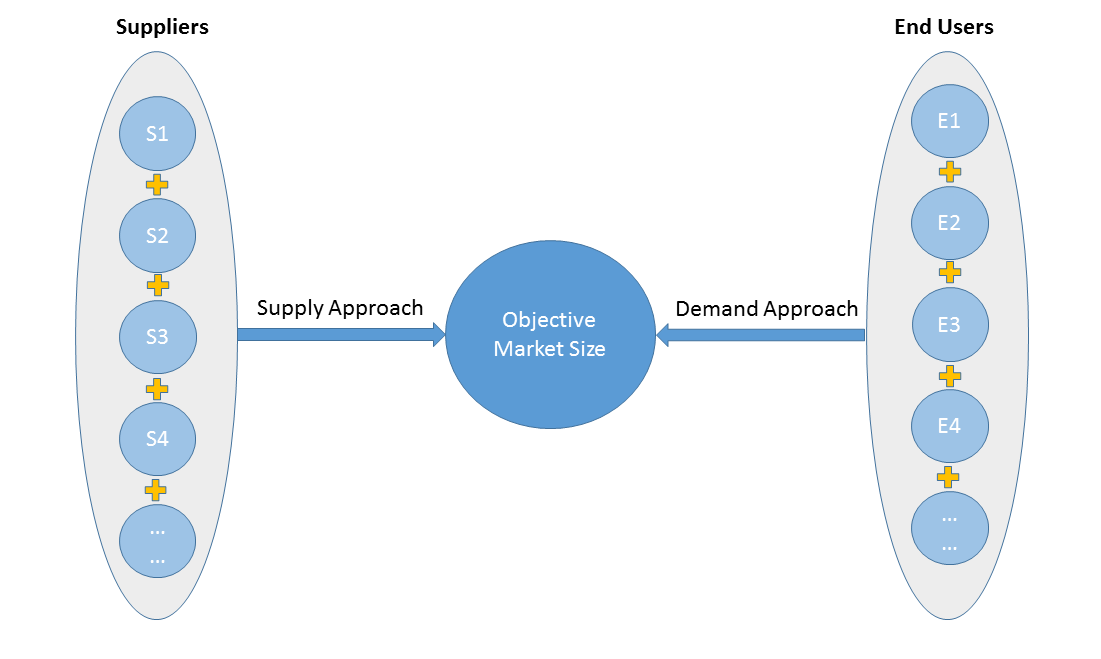
Supply approach is based on assessments of the size of each competitor supplying the objective market.
Demand approach combine end-user data within a market to estimate the objective market size. It is sometimes referred to as bottom-up approach.
- Forecasting Methodology
- Numerous factors impacting the market trend are considered for forecast model:
- New technology and application in the future;
- New project planned/under contraction;
- Global and regional underlying economic growth;
- Threatens of substitute products;
- Industry expert opinion;
- Policy and Society implication.
- Analysis Tools
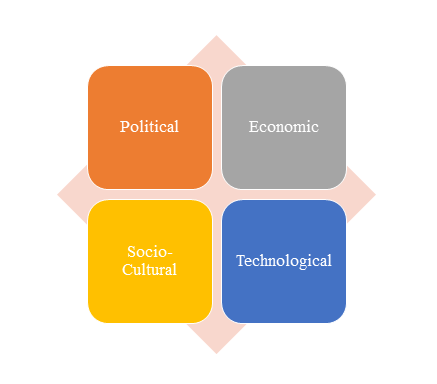
1)PEST Analysis
PEST Analysis is a simple and widely used tool that helps our client analyze the Political, Economic, Socio-Cultural, and Technological changes in their business environment.
- Benefits of a PEST analysis:
- It helps you to spot business opportunities, and it gives you advanced warning of significant threats.
- It reveals the direction of change within your business environment. This helps you shape what you’re doing, so that you work with change, rather than against it.
- It helps you avoid starting projects that are likely to fail, for reasons beyond your control.
- It can help you break free of unconscious assumptions when you enter a new country, region, or market; because it helps you develop an objective view of this new environment.
2)Porter’s Five Force Model Analysis
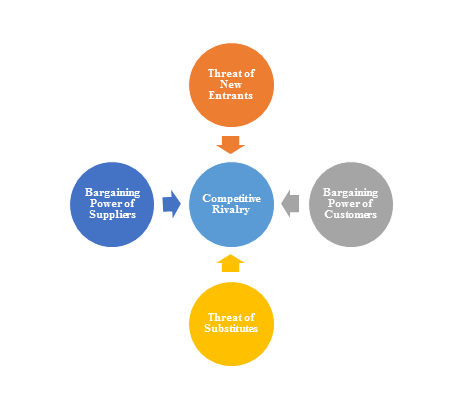
The Porter’s Five Force Model is a tool that can be used to analyze the opportunities and overall competitive advantage. The five forces that can assist in determining the competitive intensity and potential attractiveness within a specific area.
- Threat of New Entrants: Profitable industries that yield high returns will attract new firms.
- Threat of Substitutes: A substitute product uses a different technology to try to solve the same economic need.
- Bargaining Power of Customers: the ability of customers to put the firm under pressure, which also affects the customer's sensitivity to price changes.
- Bargaining Power of Suppliers: Suppliers of raw materials, components, labor, and services (such as expertise) to the firm can be a source of power over the firm when there are few substitutes.
- Competitive Rivalry: For most industries the intensity of competitive rivalry is the major determinant of the competitiveness of the industry.
3)Value Chain Analysis
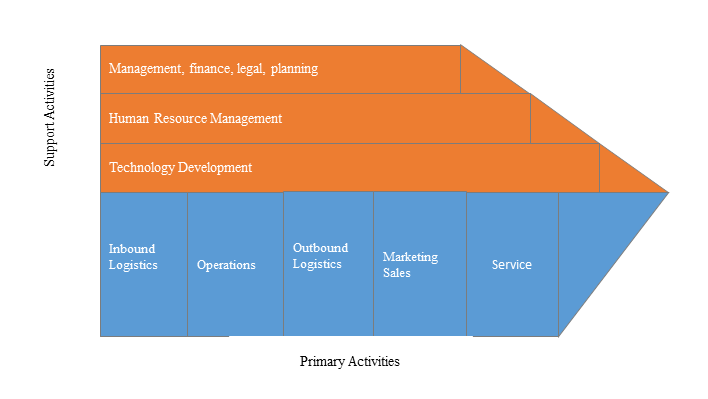
Value chain analysis is a tool to identify activities, within and around the firm and relating these activities to an assessment of competitive strength. Value chain can be analyzed by primary activities and supportive activities. Primary activities include: inbound logistics, operations, outbound logistics, marketing & sales, service. Support activities include: technology development, human resource management, management, finance, legal, planning.
4)SWOT Analysis
SWOT analysis is a tool used to evaluate a company's competitive position by identifying its strengths, weaknesses, opportunities and threats. The strengths and weakness is the inner factor; the opportunities and threats are the external factor. By analyzing the inner and external factors, the analysis can provide the detail information of the position of a player and the characteristics of the industry.
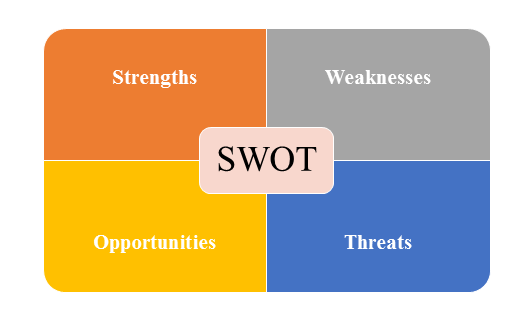
- Strengths describe what the player excels at and separates it from the competition
- Weaknesses stop the player from performing at its optimum level.
- Opportunities refer to favorable external factors that the player can use to give it a competitive advantage.
- Threats refer to factors that have the potential to harm the player.
- Data Sources
| Primary Sources | Secondary Sources |
|---|---|
| Face to face/Phone Interviews with market participants, such as: Manufactures; Distributors; End-users; Experts. Online Survey |
Government/International Organization Data: Annual Report/Presentation/Fact Book Internet Source Information Industry Association Data Free/Purchased Database Market Research Report Book/Journal/News |