Interventional Pulmonology Device Market Forecast & Analysis
- Single User License (1 Users) $ 3,500
- Team License (2~5 Users) $ 4,500
- Corporate License (>5 Users) $ 5,500
The global interventional pulmonology device market size is valued at between 3.50 billion USD and 4.50 billion USD, expanding at a compound annual growth rate within the 10.00% to 15.00% range through 2031. This growth curve is driven by an irreversible clinical pivot away from open thoracic resections (such as formal lobectomy and open thoracotomy) toward natural-orifice endoluminal interventions.The market momentum is concentrated in three main therapeutic segments: the transition of peripheral pulmonary nodule biopsy from conventional fluoroscopic approaches to robotic shape-sensing and augmented-fluoroscopy navigation; the institutionalization of bronchoscopic lung volume reduction (BLVR) through nitinol endobronchial valves and thermal vapor ablation; and the clinical adoption of catheter-based transbronchial thermal ablation for parenchymal malignancies. Concurrently, healthcare infrastructure is accelerating the conversion from reusable, multi-step sterilized video bronchoscopes to sterile single-use platforms, mitigating cross-contamination vectors and bypassing hospital central sterile processing bottlenecks. With expanded reimbursement frameworks across major economies, interventional pulmonology has transitioned from a specialized adjunct service into a central pillar of minimally invasive thoracic oncology and chronic obstructive pulmonary disease (COPD) management.
Product Architecture & Technological Typology
Interventional pulmonology encompasses minimally invasive, image-guided diagnostic platforms, catheter-delivered energy systems, permanent or retrievable endobronchial implants, balloon dilation catheters, and cloud-integrated 3D quantitative imaging engines. These technologies are deployed through the tracheobronchial tree to access, map, dilate, ablate, or restore airway architecture without disrupting the chest wall.
1. Interventional Therapies for COPD and Asthma
Endobronchial Valve Systems (BLVR): Designed to treat severe heterogeneous emphysema, these transbronchial, one-way nitinol and medical-grade silicone implants redirect inspiratory volume away from hyperinflated, non-functional segments toward healthier, more compliant parenchyma. By eliminating air-trapping and inducing targeted atelectasis of the diseased lobe, thoracic mechanics, diaphragmatic excursion, and forced expiratory volume improve significantly. The global addressable patient population for endobronchial valve treatment comprises approximately 3.20 million severe emphysema cases, with roughly 1.20 million patients qualifying clinically based on fissure integrity and absent collateral ventilation.
Thermal Vapor Ablation and Targeted Lung Denervation (TLD): Thermal vapor systems deploy high-energy heated water vapor directly into targeted lung segments, initiating a controlled inflammatory cascade that leads to localized fibrosis and volume reduction without leaving a permanent metallic implant behind. This provides a therapeutic option for patients with incomplete interlobar fissures where endobronchial valves often fail. In parallel, transbronchial radiofrequency denervation platforms apply targeted energy across the mainstem bronchial adventitia to interrupt parasympathetic pulmonary nerve trunks, dampening hyperactive vagal tone, reducing basal acetylcholine release, and mitigating acute COPD exacerbations.
2. Ablation & Interventional Energy Systems
Catheter-based energy platforms deploy high-frequency alternating current, microwave fields, or cryo-energy directly into primary tumors, parenchymal metastases, or obstructing endobronchial lesions via flexible bronchoscopic channels. By pairing flexible radiofrequency catheters with advanced virtual planning, clinicians achieve complete thermal coagulative necrosis of peripheral nodules in non-surgical candidates, establishing an alternative to stereotactic body radiation therapy (SBRT) and video-assisted thoracoscopic surgery (VATS) wedge resection.
3. Navigation & Robotic Platforms
Electromagnetic and 3D Augmented Fluoroscopy: Virtual bronchoscopy platforms convert fine-slice volumetric chest CT datasets into high-fidelity 3D endobronchial paths. Using real-time sensor tracking inside low-frequency electromagnetic fields, alongside intraoperative augmented fluoroscopy and cone-beam CT (CBCT), these systems correct for anatomical divergence and CT-to-body divergence, guiding biopsy tools precisely into the geometric center of sub-2-centimeter solitary pulmonary nodules.
Robotic Endoluminal Articulation: Robotic platforms utilize ultra-thin, shape-sensing fiber-optic flexible backbones capable of multidirectional 180-degree articulation. These systems hold their position reliably in distal airway bifurcations, counteracting involuntary respiratory excursion and tool deflection to drive diagnostic yields for peripheral nodules above historical 60% thresholds.
4. Airway Dilation & Stenting Systems
Non-Occlusive Balloon Catheters: Engineered for benign and malignant central airway strictures, multi-lumen non-occlusive balloon architectures maintain continuous internal luminal patency during active radial expansion. This configuration allows uninterrupted mechanical ventilation, preventing intraoperative desaturation, hypoxemia, and procedural interruptions common with traditional continuous-cylinder balloons.
Self-Expanding Endobronchial Stents: Available in fully covered, partially covered, and bare nitinol wire mesh, or molded medical silicone, these prostheses exert continuous radial outward force across dynamic malacic airways or external extrinsic compressive masses, stabilizing airway patency and preventing post-intervention restenosis.
5. Bronchoscopy & Advanced Imaging
Single-Use Digital Bronchoscopes: These fully disposable video scopes integrate distal miniature CMOS image sensors and multi-spectrum LED illumination into micro-sheaths, eliminating the maintenance, decontamination protocols, and bio-burden risks inherent to reusable optics.
Linear and Radial Endobronchial Ultrasound (EBUS): Convex-probe linear EBUS platforms permit direct transbronchial needle aspiration (TBNA) under real-time acoustic imaging for precise N2 and N3 mediastinal and hilar lymph node staging in lung cancer. Miniature high-frequency radial ultrasound probes (20 MHz to 30 MHz) provide 360-degree cross-sectional acoustic confirmation of peripheral lesions before sampling instruments are deployed.
Regional Market Dynamics
● North America
North America holds the largest share of the interventional pulmonology device market, driven by established reimbursement pathways, high clinical adoption of advanced medical devices, and heavy deployment of capital equipment. Growth is supported by extensive utilization of Medicare Category I CPT coding for peripheral bronchoscopy, robotic-assisted endoluminal procedures, and endobronchial valve deployment.
The integration of low-dose computed tomography (LDCT) lung cancer screening has created a continuous diagnostic funnel, identifying millions of indeterminate peripheral pulmonary nodules annually that require endoluminal localization and tissue confirmation. Additionally, hospital demand for capital platforms remains high, with robotic systems being placed across academic medical centers and regional integrated delivery networks (IDNs).
The regional market is further influenced by the FDA’s Quality Management System Regulation (QMSR), which harmonized 21 CFR Part 820 with ISO 13485:2016, shifting regulatory compliance priorities toward integrated risk management and automated device history tracking.
● Europe
Europe is the second-largest global regional market, characterized by centralized national health frameworks, established post-market registries, and steady demand for minimally invasive interventions. Markets including Germany, France, the United Kingdom, and Northern Europe favor bronchoscopic treatments that reduce expensive inpatient stays in thoracic surgical wards.
European clinical guidelines have integrated bronchoscopic thermal vapor ablation and endobronchial valves for severe emphysema management, supported by long-term data from multicenter clinical trials.
However, manufacturers navigate complex regulatory operational overhead imposed by the European Medical Device Regulation (EU MDR 2017/745). Stricter requirements for notified body audits, unannounced facility inspections, and continuous Post-Market Clinical Follow-up (PMCF) have increased clinical compliance expenditures. This environment favors well-capitalized medical device conglomerates and encourages established firms to acquire late-stage clinical startups to maintain regulatory momentum.
● Asia-Pacific
The Asia-Pacific region is the third-largest regional market and is expanding at the highest compound annual growth rate globally. Growth is underpinned by high patient volumes, expanding healthcare infrastructure, and the high incidence of both primary lung cancer and chronic respiratory illnesses linked to historical smoking prevalence and particulate exposure.
China stands as the second-largest national market worldwide. Structural growth is heavily shaped by the National Healthcare Security Administration (NHSA), which established dedicated classification codes under the Medical Service Price Project Guidelines for Respiratory Systems. This administrative framework creates predictable hospital billing pathways for non-surgical thermal ablation, targeted lung denervation, and endobronchial lung volume reduction.
Catheter manufacturing and commercial access rely on securing placement across provincial Sunshine Procurement platforms, driving rapid volume expansion across Class 3A hospital networks. In parallel, advanced healthcare centers across Japan, Australia, South Korea, and Taiwan, China, are integrating robotic navigation platforms and single-use visualization suites into standard thoracic care pathways.
● Latin America, Middle East & Africa
In Latin America, commercial adoption is concentrated within tier-one private hospital networks and specialized surgical centers across Brazil, Mexico, and Argentina. The market faces constraints related to capital budget fluctuations and complex import duty regimes, though adoption of single-use bronchoscopy is rising as facilities look to reduce the infrastructure costs required for high-reprocessing sterilization suites.
In the Middle East and Africa, market expansion is led by healthcare investments across the Gulf Cooperation Council (GCC), specifically within Saudi Arabia and the United Arab Emirates. Significant capital investments in high-acuity intensive care units, thoracic oncology institutes, and specialized ambulatory surgical centers are fueling demand for robotic guidance, flexible bronchoscopes, and modern airway maintenance devices.
Across the wider African continent, device distribution centers on major urban surgical hubs, such as South Africa, which rely on specialized regional distributors to deploy non-occlusive dilation balloons and core interventional airway tools.
Downstream Applications & Care Settings
1. High-Acuity Acute Care: Hospital ICUs, Thoracic ORs & Interventional Suites
Tertiary hospitals and academic medical complexes represent the primary demand center by procedure volume and commercial revenue. Interventional pulmonology suites and thoracic operating rooms serve as the point of care for multi-modality procedures requiring advanced anesthesia management, mobile or fixed cone-beam CT integration, and combined diagnostic-therapeutic approaches.
Core clinical workflows include:
- Real-time robotic-assisted sampling and rapid on-site evaluation (ROSE) of peripheral pulmonary nodules.
- Transbronchial catheter-based radiofrequency and microwave ablation for unresectable, early-stage peripheral lung cancers.
- Non-occlusive balloon mechanical dilation coupled with rigid bronchoscopy, electrocautery, and stent deployment for critical central airway obstructions.
- Linear EBUS-TBNA staging of mediastinal and hilar lymph node chains to guide downstream immunotherapeutic and targeted oncologic regimens.
- Bedside bronchoalveolar lavage, direct airway clearance, and emergency intubation for acute respiratory distress syndrome (ARDS) using sterile single-use visualization scopes.
2. Specialized Outpatient Pulmonology Clinics & Emphysema Centers
The operational footprint of interventional pulmonology is shifting toward ambulatory surgical facilities and outpatient emphysema centers of excellence. Driven by payor incentives prioritizing procedures outside higher-cost inpatient hospital settings, these outpatient clinics focus on elective, minimally invasive interventions that require light-to-moderate procedural sedation.
Core clinical workflows include:
- Pre-procedural quantitative CT analytics (QCT) evaluating interlobar fissure completeness, anatomical density distribution, and target-lobe destruction indices.
- Fluoroscopically guided deployment of endobronchial nitinol valves via flexible therapeutic bronchoscopes.
- Bronchoscopic thermal vapor ablation (BTVA) for emphysema patients with collateral ventilation.
- Bronchoscopic targeted lung denervation (TLD) to treat refractory chronic bronchitis and reduce future acute exacerbations.
- Longitudinal pulmonary function assessment, dynamic body plethysmography, and surveillance imaging to verify targeted lobar atelectasis and airway patency.
3. Home Care and Chronic Secretion Management
Following acute inpatient care or outpatient intervention, patients with compromised airway architecture or chronic hypersecretory diseases transition into home-based clinical management protocols.
Core therapeutic models include:
- High-frequency chest wall oscillation (HFCWO) systems delivering oscillating acoustic or mechanical pulses to clear stubborn distal secretions in post-stent, bronchiectasis, and neuromuscular patients.
- Targeted mucosal moisturizing via aerosolized micro-catheters and home nebulizers delivering targeted mucolytic agents and topical antimicrobials.
- Heated high-flow nasal cannula (HFNC) oxygenation systems providing dead-space clearance, alveolar recruitment, and reduced work of breathing for chronic hypercapnic respiratory failure.
Supply Chain & Value Chain Architecture
● Upstream Segment: Raw Materials and Core Subsystems
The foundation of interventional pulmonology manufacturing relies on high-grade materials and micro-engineered active components:
- Specialty Metallurgy & Polymers: Superelastic nitinol wire and micro-tubing processed with tight cold-worked tolerances and shape-memory heat treatment; implant-grade liquid silicone rubber (LSR); medical-grade polyurethanes; micro-porous expanded polytetrafluoroethylene (ePTFE); and radio-opaque platinum-iridium marker rings used for real-time fluoroscopic localization.
- Active Hardware Subsystems: High-frequency RF generators; sub-millimeter piezoelectric ultrasound transducers; sub-millimeter CMOS digital image sensors; high-lumen chip-on-tip LED arrays; and multi-core fiber-optic cables engineered for continuous shape-sensing strain measurements.
- Algorithmic Platforms: DICOM segmentation platforms, artificial intelligence QCT engines, and real-time point-to-mesh matching algorithms that integrate diagnostic CT scans with intraoperative airway geometry.
● Midstream Segment: Precision Engineering, Cleanroom Assembly & Quality Systems
The midstream segment translates design inputs into clinically viable medical products through precision fabrication steps:
- Manufacturing Techniques: Medical cleanroom extrusion (ISO Class 7 and Class 8); laser micro-cutting and precision welding of sub-millimeter flexible steel coils and nitinol stents; automated braiding of multi-lumen deflectable catheter shafts; balloon blow molding; and automated sterile barrier packaging (Tyvek).
- Regulatory Processes: High-risk therapeutic systems (Class III nitinol valves, parenchymal thermal ablation devices) require prospective randomized controlled clinical trials to secure Premarket Approval (PMA) from the US FDA, Class III CE Mark approval under EU MDR, or Class III Innovation Medical Device Green Channel registration with China’s NMPA. Class II navigational platforms, single-use diagnostic scopes, and balloon catheters utilize 510(k) notifications and Class IIa/IIb MDR certifications.
● Downstream Segment: Distribution Channels, Clinical Proctoring & Payor Coverage
Commercialization requires structured hospital access and clinician training programs:
- Commercial Distribution: Hybrid sales models utilizing direct sales teams for capital-intensive robotic systems alongside specialized distributor networks and Group Purchasing Organization (GPO) contracts for high-volume disposables.
- Physician Training & Support: Field clinical specialists and engineering proctors provide physician education via simulator training, wet tissue labs, and in-person procedural guidance during initial institutional ramp-up.
- Healthcare Coverage: Utilization is supported by Medicare reimbursement, private health insurance policies, and provincial medical registries via specific CPT, MS-DRG, and national service codes. This covers hospital capital expenditures, disposable device costs, and professional physician fees.
Company Profiles
1. Intuitive Surgical Inc.: Commercializes the Ion endoluminal robotic system, built around an ultra-thin 3.5 mm outer diameter continuous catheter capable of 180-degree multi-directional articulation. The platform is differentiated by proprietary fiber-optic shape-sensing technology that measures spatial orientation along the entire catheter length hundreds of times per second. This architecture provides high mechanical stability, enabling precise tissue sampling of peripheral pulmonary nodules when integrated with PlanPoint planning software, fluoroscopy, and cone-beam CT. Intuitive pairs its capital sales with long-term, multi-year service contracts and dedicated single-use procedural instruments.
2. Johnson & Johnson MedTech: Markets the Monarch platform, which utilizes a telescoping flexible sheath-and-bronchoscope design. An outer guiding sheath advances into the segmental bronchus, after which an inner articulating robotic bronchoscope extends deeper into the subsegmental periphery. Navigated via integrated electromagnetic tracking, computer vision, and robotic motor drives, the system maintains real-time visualization of the peripheral airway during instrument deployment. The company leverages its clinical oncology scale by combining the Monarch robotic platform with targeted energy platforms, including the NeuWave microwave ablation system.
3. Olympus Corporation: Global leader in linear EBUS-TBNA and high-definition video bronchoscopes, anchored by its EVIS EXERA III and EVIS X1 processing hubs. Olympus produces the BF-UC190F linear EBUS scope, which remains an industry standard for mediastinal staging, complemented by the ViziShot needle family and radial miniature ultrasound probes. In the chronic disease management segment, the company markets the Spiration Valve System, an umbrella-shaped, nitinol-framed endobronchial valve designed to manage dynamic hyperinflation in severe emphysema and control persistent post-surgical air leaks.
4. Broncus Holding Corporation: Owns a deep endobronchial intellectual property portfolio spanning diagnostic navigation, emphysema management, and interventional oncology. Broncus developed the Archimedes virtual bronchoscopic navigation system with Bronchoscopic Trans-Parenchymal Nodule Access (BTPNA) technology, allowing access to solitary nodules isolated from the natural bronchial tree by tunneling directly through parenchymal tissue.
Its commercialized therapeutic solutions include the InterVapor thermal vapor ablation system, which utilizes heated water vapor for non-implant lung volume reduction in patients with incomplete interlobar fissures. In interventional oncology, the company commercializes the BroncAblate transbronchial RF ablation platform for lung cancer, and is advancing its BroncTarget system through the NMPA Innovation Medical Device review pathway for targeted lung denervation.
5. Pulmonx Corporation: Focused on minimally invasive, one-way endobronchial valve systems for bronchoscopic lung volume reduction. Its core commercial product, the Zephyr Endobronchial Valve, is supported by a diagnostic workflow platform: the Chartis Pulmonary Assessment System, which assesses collateral ventilation directly in the bronchoscopy suite, and the StratX cloud-based quantitative CT imaging analysis engine, which measures fissure completeness and lobar tissue destruction. This end-to-end diagnostic-to-treatment workflow provides predictable procedural success and forms a significant clinical barrier to entry.
6. Medtronic plc: Operates the superDimension navigation bronchoscopy platform and the Illumisite system. The superDimension system maps a patient's CT scan into a 3D virtual airway, using steerable locatable guides and transbronchial access tools to reach peripheral lung lesions. Medtronic combines this electromagnetic guidance ecosystem with specialized sampling tools and interventional oncology devices, notably the Emprint ablation platform featuring Thermosphere microwave technology for localized soft-tissue ablation.
7. Boston Scientific Corporation: Provides interventional pulmonology suites with consumables and endobronchial implants. Its structural airway portfolio includes the Ultraflex tracheobronchial covered and uncovered self-expanding nitinol stent system and CRE Pulmonary wire-guided balloon dilation catheters. In severe refractory asthma, Boston Scientific developed the Alair Bronchial Thermoplasty System, delivering controlled radiofrequency thermal energy to smooth muscle tissue to reduce bronchoconstrictive events. The company also markets the EXALT Model B single-use bronchoscope across high-acuity care units.
8. Ambu A/S: Pioneer and largest producer of single-use flexible bronchoscopes, anchored by the aScope 4 Broncho and high-definition aScope 5 Broncho platforms. Ambu’s competitive advantage rests on automated cleanroom assembly lines, significant economies of scale, and high-volume sterile packaging. This allows the company to supply cost-effective single-use scopes with integrated chip-on-tip imaging sensors across intensive care units, thoracic operating rooms, and bronchoscopy suites, removing hospital disinfection costs and reducing cross-contamination risks.
9. Philips: Offers the Azurion with Lung Suite platform, which combines interventional fluoroscopy, real-time cone-beam computed tomography (CBCT), and augmented 3D road-mapping. The system allows clinicians to confirm that biopsy and ablation instruments are positioned centrally within peripheral target lesions before sampling or applying thermal energy. By providing an open integration hub that connects with third-party robotic bronchoscopy arms, electromagnetic navigation tools, and endobronchial ultrasound platforms, Philips enhances diagnostic yield and therapeutic precision across interventional suites.
10. HOYA Corporation (PENTAX Medical): PENTAX Medical develops advanced optical diagnostic bronchoscopes, headlined by the EB19-J10 linear EBUS video scope. This instrument features wide instrument working channels, high-definition ultrasound image transducers, and ergonomic control sections designed for lymph node staging via EBUS-TBNA. The company also markets the ONE Pulmo single-use video bronchoscope family for bedside ICU and critical care interventions, while using INSPIRA and EPK-i processors with i-scan digital chromoendoscopy to enhance mucosal vascular imaging.
11. Fujifilm Holdings Corporation: Commercializes the ELUXEO Bronchoscopy platform, incorporating proprietary Multi-Light technology that blends Blue Light Imaging (BLI) and Linked Color Imaging (LCI) to evaluate microvascular and mucosal architectural changes indicative of early malignancy. Its interventional oncology line includes the EB-530US and EB-580S convex-probe EBUS bronchoscopes, built with wide acoustic scanning fields and sensitive Doppler integration for precise needle guidance, paired with the EB-580T therapeutic scope and miniature radial ultrasound transducers.
12. Medinotec Inc.: Developed the Trachealator, an airway dilation balloon catheter engineered for benign and malignant tracheal and bronchial stenosis. The device features a fluted multi-balloon geometry that preserves a central patency channel during inflation. This design maintains continuous patient ventilation during balloon inflation, mitigating hypoxemic desaturation and hemodynamic instability during airway expansion. Medinotec also manufactures temporary medical silicone stents and self-expanding tracheobronchial wire stents to maintain patency post-dilation.
13. Teleflex Incorporated: Commercializes specialized airway management and pleural access devices. Teleflex markets the Rüsch EZ-Blocker endobronchial blocker, a Y-shaped catheter with color-coded distal cuffs that seats over the carina to facilitate selective one-lung ventilation through standard endotracheal tubes during thoracic surgery. The company also produces second-generation LMA supraglottic airways with wide diagnostic conduits to facilitate flexible fiber-optic bronchoscope intubation, alongside Arrow catheter systems for thoracentesis, pleural effusion evacuation, and pneumothorax decompression.
Strategic Opportunities & Market Bottlenecks
● Market Drivers and Strategic Horizons
1. The Convergence of Diagnostics and Transbronchial Oncologic Therapeutics
Interventional pulmonology is evolving from a purely diagnostic modality (mediastinal staging and nodule biopsy) into a primary therapeutic field for early-stage thoracic oncology. Historically, patients with early-stage non-small cell lung cancer (NSCLC) who were non-surgical candidates due to reduced cardiopulmonary reserve were referred for stereotactic body radiation therapy (SBRT).
Today, the convergence of robotic bronchoscopy, intraoperative 3D imaging (cone-beam CT), and transbronchial radiofrequency, microwave, and cryoablation platforms allows clinicians to biopsy a peripheral pulmonary nodule, receive intraoperative confirmation through rapid on-site evaluation, and deliver curative thermal ablation within a single anesthetic session. This single-stage approach minimizes time to treatment, avoids radiation-induced lung injury, preserves functional lung parenchyma, and captures high-margin device utilization revenues for manufacturers.
2. Structural Conversion to Single-Use Bronchoscopic Fleets
Single-use video bronchoscopes are disrupting hospital visualization fleets. While cross-specialty single-use endoscopy penetration stands between 3.00% and 4.00%, single-use penetration within respiratory endoscopy has reached approximately 20.00%. The operational factors driving this shift are compelling: complex reusable bronchoscopes require multi-stage chemical decontamination, enzymatic brushing, and continuous microbiological monitoring to prevent pathogen transmission.
Reprocessing bottlenecks, elevated mechanical repair costs, and downtime reduce the operational throughput of tertiary ICUs and bronchoscopy suites. Market intelligence indicates that roughly 70.00% of practicing respiratory clinicians foresee transitioning entirely to disposable bronchoscopes, particularly for acute bedside ICUs and emergency intubations. This conversion provides equipment manufacturers with an ongoing, recurring revenue stream that replaces traditional lumpy capital sales cycles.
● Structural Bottlenecks and Market Headwinds
1. Capital Equipment Constraints and Economic Justification
The adoption of high-end robotic bronchoscopy systems requires substantial upfront capital deployment, with systems ranging between 500,000 USD and 815,000 USD, alongside annual service and maintenance contracts ranging from 55,000 USD to 70,000 USD. For regional hospitals and mid-tier healthcare centers, justifying these capital allocations against high disposable per-procedure tool costs remains challenging.
Unless institutional providers can achieve high procedure volumes, return on investment (ROI) calculations remain stretched. This creates an adoption bottleneck, concentrating robotic and cone-beam CT installations within high-volume academic research hospitals while community care networks continue relying on lower-cost conventional electromagnetic guidance or radial EBUS systems.
2. CT-to-Body Divergence and Peripheral Diagnostic Yield Thresholds
Despite algorithmic advancements in 3D navigational software, resolving CT-to-body divergence remains a persistent technical hurdle. Static, high-resolution diagnostic CT scans obtained days or weeks prior to an intervention reflect a different lung volume and respiratory phase than an anesthetized patient breathing on mechanical ventilation during surgery.
Atelectasis induced by positive-pressure ventilation, changes in patient position, and respiratory excursion can displace small peripheral nodules (under 1.5 cm) away from their predicted virtual positions by several millimeters. When using flexible catheters in distal subsegments, this spatial deviation can cause instrument passes to miss small lesions, capping real-world diagnostic yields.
Bridging this gap requires expensive intraoperative fluoroscopic tomosynthesis or fixed cone-beam CT integration, an equipment ecosystem that remains outside the budget reach of many international community pulmonology centers.
3. Reimbursement Disparities and Health-Economic Variation
Global commercial scaling faces fragmented health-economic evaluation frameworks and public coverage decisions. While the United States healthcare market provides defined coverage via Medicare Category I CPT coding and established commercial insurance policies for endobronchial valves and robotic navigation, other key geographies face divergent administrative pathways.
In Europe, securing broad commercial adoption requires navigating distinct national reimbursement authorities across each member state, often requiring regional health-economic proof of shortened inpatient lengths of stay.
In emerging markets and across parts of the Asia-Pacific region, complex national procurement platforms, regional cost-containment measures, and lack of dedicated service item pricing can delay public hospital access. This disparity limits the deployment of advanced therapeutic energy platforms to self-pay patients and premier private healthcare centers, temporarily constraining broader procedural scale.
1.1 Interventional Pulmonology Device Product Definition and Scope 1
1.2 Research Methodology and Quantitative Triangulation Models 2
1.3 Primary Data Sources and Industry Expert Delphi Panel 3
1.4 Secondary Data Sourcing and Market Aggregation Framework 4
1.5 Key Analytical Assumptions and Currency Conversion Parameters 5
1.6 Standard Market Abbreviations and Clinical Terminologies 5
Chapter 2 Global Interventional Pulmonology Device Industry Macro Dynamics 6
2.1 Global Epidemiology of Chronic Obstructive Pulmonary Disease, Asthma, and Lung Neoplasms 6
2.2 Shift Toward Minimally Invasive Pulmonology and Outpatient Surgical Centers 7
2.3 Technological Integration of Artificial Intelligence, Navigation Systems, and Robotic Guidance 8
2.4 Raw Material Price Volatility and High-Precision Component Sourcing Pressures 9
2.5 Healthcare Cost-Containment Policies and Capital Equipment Purchasing Trends 10
2.6 Geopolitical Realignment and Multi-Regional Medical Device Supply Chains 11
Chapter 3 Global Interventional Pulmonology Device Industry Value Chain Architecture 13
3.1 Upstream High-Grade Biomaterials, Optical Sensors, and Micro-Electromechanical Systems 13
3.2 Midstream Manufacturing, Precision Micro-Machining, and Cleanroom Assembly 14
3.3 Downstream Clinical Distribution Networks and Specialized Medical Device Intermediaries 15
3.4 Value Chain Profit Margin Distribution and Tier-Specific Added Value Analysis 16
3.5 Contract Development and Manufacturing Organizations Integration Dynamics 17
Chapter 4 Global Interventional Pulmonology Device Market by Product Classification 19
4.1 Segment Overview and Competitive Technology Life Cycle 19
4.2 Interventional Therapies for COPD/Asthma 20
4.2.1 Endobronchial Valves and Lung Volume Reduction Coils 21
4.2.2 Bronchial Thermoplasty Systems and Targeted Lung Denervation Kits 22
4.3 Ablation & Interventional Energy Systems 23
4.3.1 Cryoablation Consoles and Flexible Cryoprobes 23
4.3.2 Radiofrequency and Microwave Ablation Platforms 24
4.4 Navigation & Robotic Platforms 25
4.4.1 Electromagnetic Navigation Bronchoscopy Systems 25
4.4.2 Robotic-Assisted Endoluminal Surgical Platforms 26
4.5 Airway Dilation & Stenting 26
4.5.1 Balloon Dilation Catheters and High-Pressure Insufflators 27
4.5.2 Metallic, Hybrid, and Biodegradable Airway Stents 27
4.6 Bronchoscopy & Imaging Systems 28
4.6.1 Reusable Video Bronchoscopes and Single-Use Bronchoscopes 28
4.6.2 Endobronchial Ultrasound and Radial Probe Ultrasound Platforms 28
Chapter 5 Global Interventional Pulmonology Device Market by Downstream Clinical Application and End-User 29
5.1 Diagnostic Interventional Pulmonology 29
5.1.1 Peripheral Pulmonary Lesion Biopsy and Histopathology Sampling 30
5.1.2 Mediastinal and Hilar Lymph Node Staging 31
5.2 Therapeutic Interventional Pulmonology 32
5.2.1 Central Airway Obstruction Management and Tumor Debulking 32
5.2.2 Severe Refractory Emphysema and Asthma Interventions 33
5.3 End-User Segmentation Analysis 34
5.3.1 Tertiary Care Hospitals and Academic Medical Centers 34
5.3.2 Ambulatory Surgical Centers and Specialty Pulmonary Clinics 35
Chapter 6 Global Regulatory Architecture, Clinical Trials, and Reimbursement Dynamics 36
6.1 FDA Premarket Approval, 510(k) Clearances, and Breakthrough Device Designations 36
6.2 European Union Medical Device Regulation Compliance and Notified Body Bottlenecks 37
6.3 Asian Regulatory Paradigms: NMPA (China), PMDA (Japan), and MFDS (South Korea) 38
6.4 Procedural Reimbursement Codes, DRG Tariff Frameworks, and CPT Evolution 39
6.5 Active Global Clinical Trials and Next-Generation Technology Pipeline Tracking 40
Chapter 7 Global Interventional Pulmonology Device Production, Trade Flow, and Supply Dynamics 41
7.1 Global Production Capacity, Facility Distribution, and Factory Utilization Rates 41
7.2 Cross-Border Trade Flows, Component Export Controls, and Medical Logistics 42
7.3 Single-Use Bronchoscopes Manufacturing Scale vs Reusable Console Production Models 43
7.4 Global Trade Balance, Import Tariff Exposures, and Localization Initiatives 44
7.5 Supply Chain Vulnerability Mapping and Dual-Sourcing Strategies 45
Chapter 8 Geographic Segmentation: Production Hubs and Consumption Markets 47
8.1 North America 47
8.1.1 United States 48
8.1.2 Canada 50
8.2 Europe 51
8.2.1 Germany 52
8.2.2 France 53
8.2.3 United Kingdom 54
8.2.4 Switzerland 55
8.2.5 Netherlands 56
8.2.6 Italy & Rest of Europe 57
8.3 Asia-Pacific 58
8.3.1 Japan 59
8.3.2 China 60
8.3.3 South Korea 61
8.3.4 Australia and New Zealand 61
8.3.5 India Southeast Asia 62
8.4 Latin America & Middle East & Africa 63
Chapter 9 Competitive Landscape and Strategic Benchmarking 64
9.1 Global Market Share Concentration and Herfindahl-Hirschman Index Analysis 64
9.2 Consolidation, Mergers & Acquisitions, and Strategic Licensing Partnerships 64
9.3 Technology Differentiation: Robotic Integration vs Single-Use Imaging Platforms 65
9.4 Commercial Channel Models and Hospital GPO Contract Dynamics 66
Chapter 10 Corporate Intelligence: Intuitive Surgical Inc. 67
10.1 Corporate Profile, Surgical Robotics Footprint, and Operational Architecture 67
10.2 Strategic SWOT Analysis 68
10.3 Interventional Pulmonology Device Product Lines and Technology Specifications 68
10.4 Financial Performance: Revenue, Cost of Goods Sold, and Gross Margin (2021-2026) 69
10.5 Global Market Share Trajectory and Ion Endoluminal System Installed Base 69
10.6 R&D Capital Allocation, Patent Strategy, and Pipeline Development 70
Chapter 11 Corporate Intelligence: Johnson & Johnson 71
11.1 Corporate Profile, MedTech Division Positioning, and Global Scale 71
11.2 Strategic SWOT Analysis 72
11.3 Monarch Robotic Platform Portfolio and Endobronchial Energy Devices 72
11.4 Financial Performance: Revenue, Cost of Goods Sold, and Gross Margin (2021-2026) 73
11.5 Global Market Share Trajectory and Clinical Penetration (2021-2026) 73
11.6 Commercial Strategy, Post-Market Clinical Registries, and Future Roadmaps 74
Chapter 12 Corporate Intelligence: Boston Scientific 75
12.1 Corporate Profile and Interventional Medical Solutions Ecosystem 75
12.2 Strategic SWOT Analysis 76
12.3 Bronchial Thermoplasty, Airway Stents, and Balloon Catheter Product Lines 76
12.4 Financial Performance: Revenue, Cost of Goods Sold, and Gross Margin (2021-2026) 77
12.5 Global Market Share Trajectory and Distribution Reach (2021-2026) 77
12.6 R&D Expenditure, Inorganic Expansion, and Geographic Strategy 78
Chapter 13 Corporate Intelligence: Medtronic 79
13.1 Corporate Profile, Medical Surgical Portfolio, and Global Logistics 79
13.2 Strategic SWOT Analysis 80
13.3 Electromagnetic Navigation Bronchoscopy and Ablation System Offerings 80
13.4 Financial Performance: Revenue, Cost of Goods Sold, and Gross Margin (2021-2026) 81
13.5 Global Market Share Trajectory and Hospital Account Penetration (2021-2026) 81
13.6 Capital Deployment, Manufacturing Upgrades, and Next-Gen Consoles 82
Chapter 14 Corporate Intelligence: Broncus Holding Corporation 83
14.1 Corporate Profile, Specialized Lung Navigation Positioning, and Operations 83
14.2 Strategic SWOT Analysis 84
14.3 Targeted Lung Denervation, Navigation Platforms, and Diagnostic Consumables 84
14.4 Financial Performance: Revenue, Cost of Goods Sold, and Gross Margin (2021-2026) 85
14.5 Global Market Share Trajectory and China Market Penetration (2021-2026) 85
14.6 Clinical Validation Initiatives, Multi-Center Trials, and Capital Strategy 86
Chapter 15 Corporate Intelligence: Pulmonx Corporation 87
15.1 Corporate Profile and Specialized Emphysema Intervention Focus 87
15.2 Strategic SWOT Analysis 88
15.3 Zephyr Endobronchial Valves and Chartis Pulmonary Assessment System 88
15.4 Financial Performance: Revenue, Cost of Goods Sold, and Gross Margin (2021-2026) 89
15.5 Global Market Share Trajectory in COPD Therapies (2021-2026) 89
15.6 International Reimbursement Approvals and Commercial Expansion 90
Chapter 16 Corporate Intelligence: Other Leading Market Participants 91
16.1 Philips 91
16.1.1 Corporate Profile, Image-Guided Therapy Focus, and SWOT Analysis 91
16.1.2 Interventional Pulmonology Device Portfolio and Clinical Systems Integration 92
16.1.3 Financial Performance: Revenue, Cost, Gross Margin, and Market Share (2021-2026) 93
16.2 Ambu A/S 95
16.2.1 Corporate Profile, Single-Use Endoscopy Leadership, and SWOT Analysis 95
16.2.2 Single-Use Flexible Bronchoscope Line and Automated Assembly Capabilities 96
16.2.3 Financial Performance: Revenue, Cost, Gross Margin, and Market Share (2021-2026) 97
16.3 Olympus Corporation 99
16.3.1 Corporate Profile, Endoscopic Solutions Dominance, and SWOT Analysis 99
16.3.2 Video Bronchoscopes, Radial EBUS Probes, and Cryotherapy Consoles 100
16.3.3 Financial Performance: Revenue, Cost, Gross Margin, and Market Share (2021-2026) 101
16.4 HOYA (PENTAX Medical) 103
16.4.1 Corporate Profile, High-Definition Imaging Capabilities, and SWOT Analysis 103
16.4.2 Diagnostic Bronchoscopes, Stents, and Cleaning/Disinfection Ecosystems 104
16.4.3 Financial Performance: Revenue, Cost, Gross Margin, and Market Share (2021-2026) 105
16.5 Fujifilm 107
16.5.1 Corporate Profile, Optical Sensor Technology, and SWOT Analysis 107
16.5.2 Bronchoscopes, Ultrasonic Endoscopes, and Advanced Imaging Suites 108
16.5.3 Financial Performance: Revenue, Cost, Gross Margin, and Market Share (2021-2026) 109
16.6 Medinotec Inc. 111
16.6.1 Corporate Profile, Specialized Stenting Innovations, and SWOT Analysis 111
16.6.2 Airway Management Implants and Customized Tracheobronchial Stents 112
16.6.3 Financial Performance: Revenue, Cost, Gross Margin, and Market Share (2021-2026) 113
16.7 Teleflex 115
16.7.1 Corporate Profile, Vascular and Interventional Access, and SWOT Analysis 115
16.7.2 Airway Catheters, Stents, and Specialized Interventional Accessories 116
16.7.3 Financial Performance: Revenue, Cost, Gross Margin, and Market Share (2021-2026) 117
Table 2 Industry Common Abbreviations and Regulatory Classifications 5
Table 3 Global Interventional Pulmonology Device Market Size by Value and Volume (2021-2031) 12
Table 4 Global Interventional Pulmonology Device Market by Product Classification (2021-2031) (USD Million) 19
Table 5 Global Interventional Therapies for COPD/Asthma Market by Sub-Type (2021-2031) (USD Million) 21
Table 6 Global Ablation & Interventional Energy System Market by Sub-Type (2021-2031) (USD Million) 24
Table 7 Global Navigation & Robotic Platform Market by Sub-Type (2021-2031) (USD Million) 25
Table 8 Global Airway Dilation & Stenting Market by Sub-Type (2021-2031) (USD Million) 27
Table 9 Global Bronchoscopy & Imaging Market by Sub-Type (2021-2031) (USD Million) 28
Table 10 Global Interventional Pulmonology Device Market by Clinical Application (2021-2031) (USD Million) 29
Table 11 Global Interventional Pulmonology Device Market by End-User (2021-2031) (USD Million) 34
Table 12 Key Global Regulatory Pathway Comparison: FDA, EMA, NMPA, and PMDA 39
Table 13 Global Interventional Pulmonology Device Production Capacity and Output by Core Hub (2021-2026) 42
Table 14 Global Interventional Pulmonology Device Cross-Border Trade Value Flow Matrix (2026) (USD Million) 44
Table 15 Global Interventional Pulmonology Device Market Size by Region (2021-2031) (USD Million) 47
Table 16 North America Interventional Pulmonology Device Market by Country (2021-2031) (USD Million) 48
Table 17 United States Interventional Pulmonology Device Market by Product Segment (2021-2031) (USD Million) 49
Table 18 Europe Interventional Pulmonology Device Market by Country (2021-2031) (USD Million) 51
Table 19 Germany Interventional Pulmonology Device Market by Product Segment (2021-2031) (USD Million) 52
Table 20 Asia-Pacific Interventional Pulmonology Device Market by Country (2021-2031) (USD Million) 58
Table 21 Japan Interventional Pulmonology Device Market by Product Segment (2021-2031) (USD Million) 59
Table 22 China Interventional Pulmonology Device Market by Product Segment (2021-2031) (USD Million) 60
Table 23 Latin America and Middle East & Africa Market by Key Country (2021-2031) (USD Million) 62
Table 24 Global Interventional Pulmonology Device Top 10 Vendor Market Share Distribution (2021-2026) 64
Table 25 Intuitive Surgical Inc. Interventional Pulmonology Device Revenue, Cost and Gross Margin (2021-2026) 69
Table 26 Johnson & Johnson Interventional Pulmonology Device Revenue, Cost and Gross Margin (2021-2026) 73
Table 27 Boston Scientific Interventional Pulmonology Device Revenue, Cost and Gross Margin (2021-2026) 77
Table 28 Medtronic Interventional Pulmonology Device Revenue, Cost and Gross Margin (2021-2026) 81
Table 29 Broncus Holding Corporation Interventional Pulmonology Device Revenue, Cost and Gross Margin (2021-2026) 85
Table 30 Pulmonx Corporation Interventional Pulmonology Device Revenue, Cost and Gross Margin (2021-2026) 89
Table 31 Philips Interventional Pulmonology Device Revenue, Cost and Gross Margin (2021-2026) 93
Table 32 Ambu A/S Interventional Pulmonology Device Revenue, Cost and Gross Margin (2021-2026) 97
Table 33 Olympus Corporation Interventional Pulmonology Device Revenue, Cost and Gross Margin (2021-2026) 101
Table 34 HOYA Interventional Pulmonology Device Revenue, Cost and Gross Margin (2021-2026) 105
Table 35 Fujifilm Interventional Pulmonology Device Revenue, Cost and Gross Margin (2021-2026) 109
Table 36 Medinotec Inc. Interventional Pulmonology Device Revenue, Cost and Gross Margin (2021-2026) 113
Table 37 Teleflex Interventional Pulmonology Device Revenue, Cost and Gross Margin (2021-2026) 117
Figure 1 Interventional Pulmonology Device Research Methodology Architecture 3
Figure 2 Global Interventional Pulmonology Device Market Growth Curve (2021-2031) (USD Million) 12
Figure 3 Interventional Pulmonology Device Value Chain Tier Architecture and Margin Accretion 16
Figure 4 Global Interventional Pulmonology Device Market Share by Product Classification (2026 vs 2031) 20
Figure 5 Single-Use vs Reusable Bronchoscopy Adoption Curve (2021-2031) 28
Figure 6 Global Interventional Pulmonology Device Share by End-User (2026) 35
Figure 7 Global Interventional Pulmonology Device Manufacturing Capacity Distribution by Country (2026) 43
Figure 8 Interventional Pulmonology Device Regional Market Share Dynamics (2021, 2026, 2031) 48
Figure 9 United States Robotic Pulmonology Procedure Penetration (2021-2031) 50
Figure 10 Europe Interventional Pulmonology Device Market Share by Country (2026) 52
Figure 11 Asia-Pacific Interventional Pulmonology Device Growth Velocity Matrix (2026-2031) 58
Figure 12 Global Interventional Pulmonology Device Market Concentration (CR4 vs CR8, 2021-2026) 63
Figure 13 Intuitive Surgical Inc. Interventional Pulmonology Device Market Share (2021-2026) 70
Figure 14 Johnson & Johnson Interventional Pulmonology Device Market Share (2021-2026) 74
Figure 15 Boston Scientific Interventional Pulmonology Device Market Share (2021-2026) 78
Figure 16 Medtronic Interventional Pulmonology Device Market Share (2021-2026) 82
Figure 17 Broncus Holding Corporation Interventional Pulmonology Device Market Share (2021-2026) 86
Figure 18 Pulmonx Corporation Interventional Pulmonology Device Market Share (2021-2026) 90
Figure 19 Philips Interventional Pulmonology Device Market Share (2021-2026) 94
Figure 20 Ambu A/S Interventional Pulmonology Device Market Share (2021-2026) 98
Figure 21 Olympus Corporation Interventional Pulmonology Device Market Share (2021-2026) 102
Figure 22 HOYA Interventional Pulmonology Device Market Share (2021-2026) 106
Figure 23 Fujifilm Interventional Pulmonology Device Market Share (2021-2026) 110
Figure 24 Medinotec Inc. Interventional Pulmonology Device Market Share (2021-2026) 114
Figure 25 Teleflex Interventional Pulmonology Device Market Share (2021-2026) 118
Research Methodology
- Market Estimated Methodology:
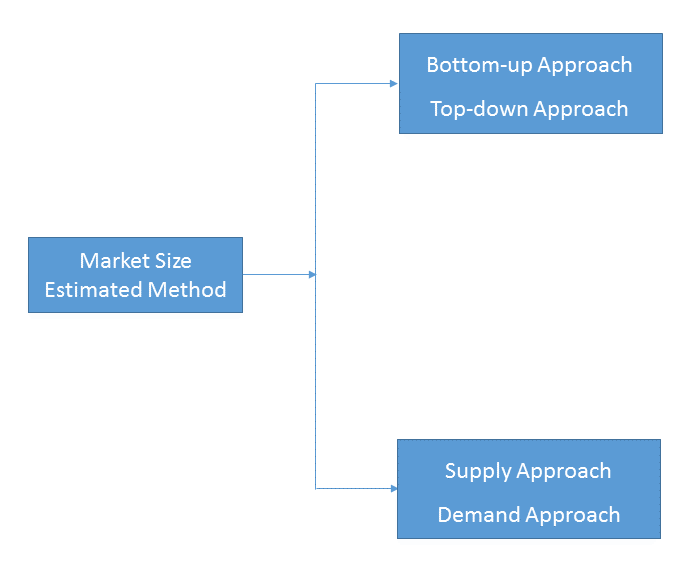
Bottom-up & top-down approach, supply & demand approach are the most important method which is used by HDIN Research to estimate the market size.
1)Top-down & Bottom-up Approach
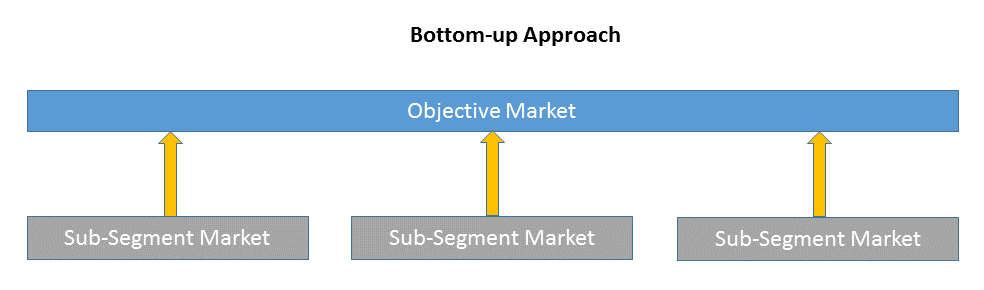
Top-down approach uses a general market size figure and determines the percentage that the objective market represents.

Bottom-up approach size the objective market by collecting the sub-segment information.
2)Supply & Demand Approach
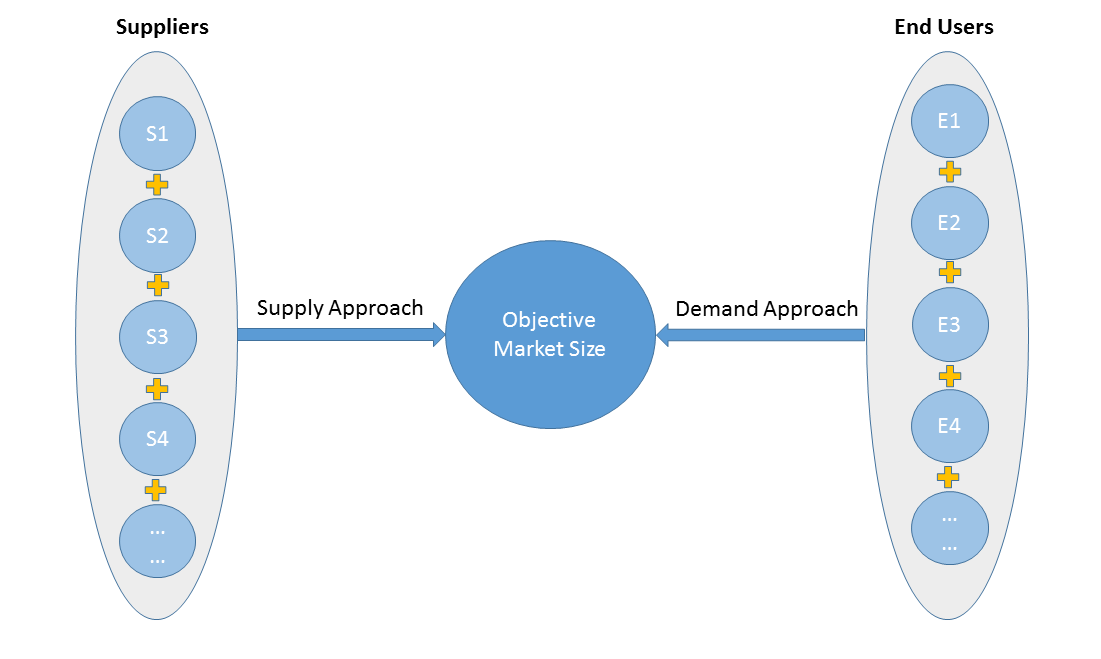
Supply approach is based on assessments of the size of each competitor supplying the objective market.
Demand approach combine end-user data within a market to estimate the objective market size. It is sometimes referred to as bottom-up approach.
- Forecasting Methodology
- Numerous factors impacting the market trend are considered for forecast model:
- New technology and application in the future;
- New project planned/under contraction;
- Global and regional underlying economic growth;
- Threatens of substitute products;
- Industry expert opinion;
- Policy and Society implication.
- Analysis Tools
1)PEST Analysis
PEST Analysis is a simple and widely used tool that helps our client analyze the Political, Economic, Socio-Cultural, and Technological changes in their business environment.

- Benefits of a PEST analysis:
- It helps you to spot business opportunities, and it gives you advanced warning of significant threats.
- It reveals the direction of change within your business environment. This helps you shape what you’re doing, so that you work with change, rather than against it.
- It helps you avoid starting projects that are likely to fail, for reasons beyond your control.
- It can help you break free of unconscious assumptions when you enter a new country, region, or market; because it helps you develop an objective view of this new environment.
2)Porter’s Five Force Model Analysis
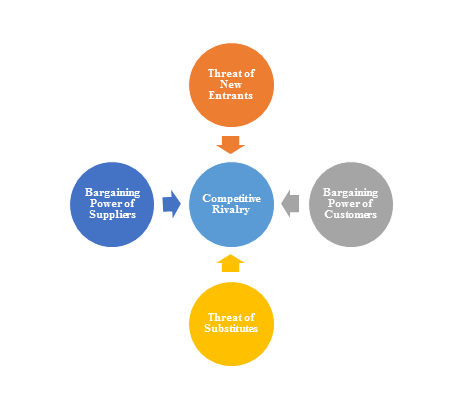
The Porter’s Five Force Model is a tool that can be used to analyze the opportunities and overall competitive advantage. The five forces that can assist in determining the competitive intensity and potential attractiveness within a specific area.
- Threat of New Entrants: Profitable industries that yield high returns will attract new firms.
- Threat of Substitutes: A substitute product uses a different technology to try to solve the same economic need.
- Bargaining Power of Customers: the ability of customers to put the firm under pressure, which also affects the customer's sensitivity to price changes.
- Bargaining Power of Suppliers: Suppliers of raw materials, components, labor, and services (such as expertise) to the firm can be a source of power over the firm when there are few substitutes.
- Competitive Rivalry: For most industries the intensity of competitive rivalry is the major determinant of the competitiveness of the industry.
3)Value Chain Analysis
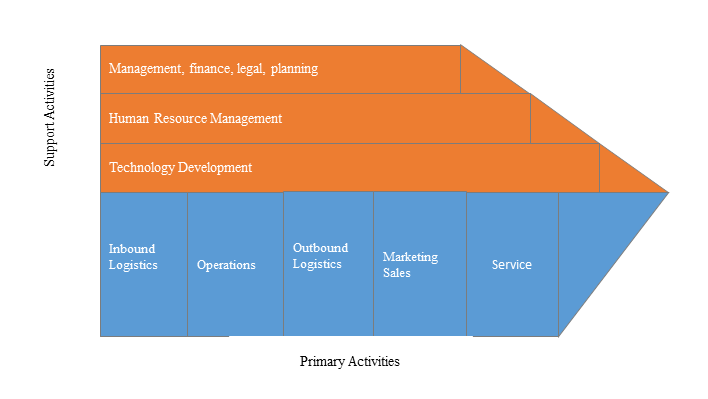
Value chain analysis is a tool to identify activities, within and around the firm and relating these activities to an assessment of competitive strength. Value chain can be analyzed by primary activities and supportive activities. Primary activities include: inbound logistics, operations, outbound logistics, marketing & sales, service. Support activities include: technology development, human resource management, management, finance, legal, planning.
4)SWOT Analysis
SWOT analysis is a tool used to evaluate a company's competitive position by identifying its strengths, weaknesses, opportunities and threats. The strengths and weakness is the inner factor; the opportunities and threats are the external factor. By analyzing the inner and external factors, the analysis can provide the detail information of the position of a player and the characteristics of the industry.
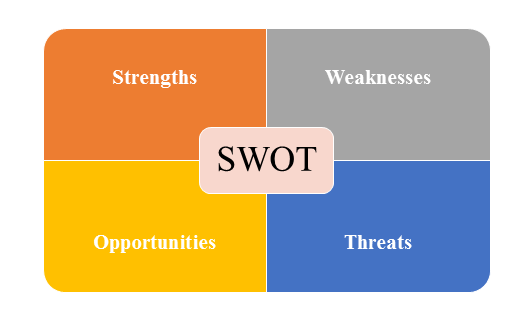
- Strengths describe what the player excels at and separates it from the competition
- Weaknesses stop the player from performing at its optimum level.
- Opportunities refer to favorable external factors that the player can use to give it a competitive advantage.
- Threats refer to factors that have the potential to harm the player.
- Data Sources
| Primary Sources | Secondary Sources |
|---|---|
| Face to face/Phone Interviews with market participants, such as: Manufactures; Distributors; End-users; Experts. Online Survey |
Government/International Organization Data: Annual Report/Presentation/Fact Book Internet Source Information Industry Association Data Free/Purchased Database Market Research Report Book/Journal/News |