Global Parenteral Nutrition Market Analysis 2026-2031
- Single User License (1 Users) $ 3,500
- Team License (2~5 Users) $ 4,500
- Corporate License (>5 Users) $ 5,500
The global parenteral nutrition market represents a critical segment of clinical therapeutics, encompassing central and peripheral intravenous admixtures of crystalline amino acids, specialized lipid emulsions, hypertonic carbohydrates, and trace micronutrients. The market is undergoing an operational migration away from legacy bedside compounding toward pre-mixed, multi-chamber bags (2-chamber and 3-chamber configurations) engineered to eliminate central-line-associated bloodstream infections (CLABSI) and compounder error margins. The global parenteral nutrition market size is valued at an estimated 13.8 to 14.8 billion USD in 2026, with a compound annual growth rate (CAGR) of 3.8% to 5.8% through 2031. This trend reflects accelerating inpatient acuity, universal malnutrition screening mandates, and demographic aging across tier-one economies. The expansion of parenteral therapeutics is catalyzed by rising oncology resection volumes, systemic intensive care admissions, and expanding applications in neonatal intensive care. Hospital providers face continuous reimbursement caps and labor shortages, elevating the operational return on investment for standardized, terminal-sterilized multi-chamber systems over manual clinical pharmacy compounding.
Market supply concentration remains anchored by multinational healthcare conglomerates including Fresenius Kabi, Baxter International, and B. Braun, while high-efficiency Asian manufacturers such as Sichuan Kelun Pharmaceutical, JW Life Science, and SSY Group rapidly capture volume across domestic tenders and international private-label agreements. Mature adoption persists across North America and Western Europe, supported by standardized clinical guidelines. The highest volume growth and manufacturing scale expansion are centered in the Asia-Pacific region, spearheaded by national tendering reforms in China and modern hospital infrastructure developments in South Korea and Japan.
Parenteral Nutrition Taxonomy and Clinical Mechanics
Parenteral Nutrition (PN), alternatively termed Total Parenteral Nutrition (TPN), constitutes an intravenous metabolic support regimen engineered to deliver vital substrates directly into the systemic circulation, entirely bypassing the enteral tract. The therapeutic remit centers on preserving lean body mass, attenuating systemic inflammatory cascades, maintaining nitrogen balance, and sustaining cellular bioenergetics in cohorts where gastrointestinal access is physically compromised, non-functional, or clinically contraindicated.
● Classification by Infusion Modality
- Central Parenteral Nutrition (CPN):
Central delivery entails the administration of hypertonic formulations through high-flow vascular access points, typically the superior vena cava via Central Venous Catheters (CVC), Peripherally Inserted Central Catheters (PICC), or surgically implanted subcutaneous ports. Osmolar thresholds for CPN consistently exceed 800 to 900 mOsm/L, accommodating concentrated dextrose concentrations (20% to 50%) and high-density amino acid profiles. CPN represents the standard of care for sustained therapy extending past 14 days, severe metabolic hypercatabolism, and acute fluid-restricted patient profiles requiring aggressive caloric densities.
- Peripheral Parenteral Nutrition (PPN):
Peripheral administration utilizes low-to-intermediate osmolarity solutions strictly calibrated below the 800 to 900 mOsm/L ceiling to prevent chemical thrombophlebitis and peripheral venous sclerosis. PPN is clinically restricted to short-duration interventions (under 14 days), transitional bridge therapy during the reintroduction of enteral tolerance, or scenarios where central access placement is delayed. Modern commercial PPN formulations feature tailored osmolarities that integrate lower dextrose levels alongside balanced electrolyte profiles to ensure peripheral endothelial tolerance.
● Classification by Nutrient Substrate and Biochemical Architecture
- Amino Acids (Proteinaceous Substrates):
Commercial amino acid solutions serve as the primary nitrogen source required for visceral protein preservation, tissue repair, and immune responsiveness. Standard profiles feature crystalline L-amino acids (including 18AA-VII, 18AA-IX, and 18AA-III) balanced between essential and non-essential profiles. Specialized matrices incorporate high-affinity branched-chain amino acids (BCAA) for hepatic encephalopathy management, specialized pediatric mixtures (18AA-I) tailored to neonatal amino acid transamination limitations, and Alanyl-Glutamine dipeptides designed to preserve gut mucosal integrity and mitigate inflammatory cytokine synthesis during systemic trauma.
- Lipid Emulsions (Caloric Substrates and Functional Fatty Acids):
The technological evolution of lipid emulsions represents the primary frontier for clinical differentiation. First-generation formulations utilized 100% soybean oil, rich in Long-Chain Triglycerides (LCT) but metabolically associated with pro-inflammatory omega-6 eicosanoid production. Second-generation formulations deployed physical mixtures of Medium-Chain and Long-Chain Triglycerides (MCT/LCT) to optimize beta-oxidation rates. Contemporary standard-of-care leans heavily into third- and fourth-generation multi-oil blends that incorporate olive oil (rich in monounsaturated oleic acid) and ultra-purified fish oil. The integration of fish oil, characterized by eicosapentaenoic acid (EPA) and docosahexaenoic acid (DHA), competitively inhibits arachidonic acid pathways, down-regulating inflammatory signaling, reducing ventilator-assisted days in critical care, and mitigating parenteral nutrition-associated liver disease (PNALD).
- Carbohydrates and Energy Substrates:
Dextrose monohydrate remains the primary parenteral glycolytic fuel source across standard clinical protocols, delivered in concentrations from 5% up to 50%. In hypermetabolic and septic cohorts, stress-induced cortisol and catecholamine surges frequently trigger severe insulin resistance. Consequently, clinical formulations utilize alternative polyols and non-glucose energy substrates, such as invert sugar, fructose, and xylitol, providing insulin-independent cellular uptake to stabilize glycemic variability in critical care environments.
- Micronutrients and Additives:
Micronutrient regimens are critical to prevent catalytic dysfunction and refeeding syndrome. Formulations encompass multi-trace element concentrates (zinc, selenium, copper, manganese, chromium) and lyophilized vitamin complexes containing water-soluble and fat-soluble vitamins. Specialized additives, such as zinc sulfate, magnesium sulfate, and organic phosphorus compounds (e.g., sodium glycerophosphate), are integrated to avert physical chemical precipitation and support bioenergetic ATP synthesis.
Downstream Application Dynamics
● Intensive Care Unit (ICU) and Critical Care:
Sepsis, acute respiratory distress syndrome (ARDS), major polytrauma, and multiple organ dysfunction syndrome (MODS) elicit severe hypercatabolic responses. Enteral routes are frequently contraindicated due to hemodynamic instability or gastrointestinal hypoperfusion. High-density, fish-oil-supplemented multi-chamber bags dominate this environment, providing non-protein calories and immune-modulating fatty acids that reduce systemic inflammatory response syndrome (SIRS) and accelerate extubation.
● Surgical and Oncology Inpatients:
Gastrointestinal oncological resections, extensive pelvic exenteration, and post-radiation enteritis are frequently compounded by baseline cachexia. Clinical guidelines establish that malnutrition affects between 25% and 40% of hospitalized oncology patients globally. Standardized perioperative multi-chamber bag administration supports positive nitrogen balance, reduces anastomotic leak incidence, prevents surgical site infections (SSI), and lowers 30-day readmission metrics.
● Pediatrics and Neonatology:
The pediatric dynamic is defined by metabolic fragility, extreme susceptibility to fluid overload, and immature organ function, notably within very-low-birth-weight (VLBW) neonates. Customized, low-osmolarity pediatric multi-chamber bags and weight-adjusted amino acid matrices (such as 18AA-I) are vital. Therapeutics target somatic and neurodevelopmental trajectories while systematically preventing lipid overload syndrome and cholestasis.
● Chronic Care and Home Parenteral Nutrition (HPN):
Patients suffering from chronic intestinal failure, short bowel syndrome, refractory Crohn's disease, and vascular mesenteric ischemia require lifelong or multi-month vascular nutritional maintenance. This therapeutic delivery model relies on stable, ready-to-use industrial multi-chamber configurations coupled with ambulatory infusion systems. The clinical focus centers on preserving venous line patency, minimizing liver enzyme derangements, and mitigating catheter-related sepsis outside the clinical environment.
Supply Chain Architecture and Value Chain Bottlenecks
● Upstream Feedstock Squeeze and Specialized Packaging:
The upstream value tier is characterized by extreme raw material specificity and stringent quality thresholds. Active pharmaceutical ingredients (APIs) require crystalline L-amino acids synthesized under rigorous bio-fermentation controls to ensure endotoxin depletion. Specialized lipid sourcing requires deep supply partnerships for marine-derived fish oils subjected to high-vacuum molecular distillation to strip pesticide residuals and heavy metals.
Packaging technology constitutes a principal entry barrier. The industry relies on specialized multilayer co-extruded non-PVC films (primarily polypropylene and polyolefin variants) capable of terminal steam autoclaving without barrier breakdown. These polymers must maintain high gas-barrier properties to prevent oxygen and carbon dioxide permeation, preserving ascorbic acid and lipid stability. Furthermore, peelable inter-chamber weld manufacturing requires micro-calibrated thermal sealing that yields easily to manual activation pressure while remaining robust against shear forces during distribution. Packaging component manufacturing is concentrated among specialized engineering entities, exposing parenteral nutrition manufacturers to critical supply disruptions if resin quality fluctuates.
● Midstream Formulation Engineering and Sterilization:
Parenteral nutrition processing demands sophisticated processing infrastructure. High-pressure homogenization systems are required to drive sub-micron lipid droplet dimensions (typically below 0.4 microns) to eliminate fat embolism risks. Midstream facilities must comply with rigorous terminal sterilization standards. Environmental Protection Agency (EPA) crackdowns on Ethylene Oxide (EtO) emissions and stricter regional sterilization validation standards have constrained contract sterilization, driving capital investments toward in-house, fully integrated cleanroom and blow-fill-seal (BFS) or form-fill-seal (FFS) lines.
● Downstream Procurement and Distribution:
The downstream delivery corridor is bifurcated between direct key account management (KAM) inside tertiary healthcare networks and group purchasing organization (GPO) or centralized government tenders. In countries with single-payer systems, competitive tendering creates intense volume aggregation at defined ceiling prices. Consequently, pharmaceutical logistics providers must manage cold-chain distribution, real-time temperature tracking, and lot-level serializations to safeguard multi-chamber stability from warehouse storage down to point-of-care delivery.
Regional Market Dynamics and Macro Trends
● North America (United States and Canada):
The North American theater accounts for the largest share of premium-priced parenteral nutrition revenues. Clinical adoption is governed by institutional adherence to American Society for Parenteral and Enteral Nutrition (ASPEN) guidelines and stringent hospital infection control oversight. Commercial dynamics are influenced by federal pricing structures, including the 340B Drug Pricing Program and Medicare Part D adjustments under the Inflation Reduction Act. Supply chain resilience has become a major issue; supply shocks induced by hurricane disruptions at primary IV fluid manufacturing hubs highlighted the operational risks of domestic production concentration, prompting hospital systems to diversify supply contracts toward alternative global suppliers. Ready-to-use 3-chamber bags continue to displace compounding pharmacy operations as hospital networks seek to minimize labor costs and compounding litigation exposure.
● Europe:
Europe remains the global benchmark for mature multi-chamber bag penetration. Clinical practice is aligned with European Society for Clinical Nutrition and Metabolism (ESPEN) frameworks, which mandate universal inpatient malnutrition screening upon hospital admission. This regulatory mandate creates a stable, high-volume requirement for clinical nutrition products. Tendering dynamics are highly cost-sensitive, with national health services in Germany, France, and the UK leveraging centralized procurement. In markets such as Italy, regional payback laws require life science corporations to share in healthcare budget deficits, putting pressure on top-line margins and forcing producers to streamline manufacturing footprints. Concurrently, environmental sustainability directives are forcing manufacturers to transition away from halogenated polymers toward recyclable, low-carbon non-PVC packaging solutions.
● Asia-Pacific (APAC):
The Asia-Pacific region demonstrates the highest volume expansion rate globally. China stands as the volume anchor, driven by its National Volume-Based Procurement (VBP) programs. VBP implementations have stripped profit margins from legacy single-chamber glass and PVC infusion bottles, compelling domestic pharmaceutical leaders to shift capacity toward high-margin 3-chamber bags and specialized dipeptide formulations. In Japan, an aging population sustains high demand for peripheral nutritional drips and specialized geriatric formulations within long-term care beds. South Korea exhibits rapid uptake of premium multi-oil and fish-oil-enriched 3-chamber bags, with domestic suppliers expanding production to fulfill export contracts. The broader region, including Australia and Southeast Asian markets, is experiencing accelerated healthcare expenditure, private hospital construction, and expanding clinical education programs regarding perioperative nutritional management.
● Latin America (LATAM):
Latin American market dynamics feature an expanding surgical inpatient population juxtaposed against macroeconomic volatility. Brazil represents the strategic core, governed by ANVISA regulatory standards that require extensive local manufacturing audits and technical dossiers. While public healthcare systems face budgetary pressures that slow the adoption of multi-chamber bags, private hospital networks in São Paulo and Mexico City consume large volumes of advanced lipid emulsions. Macroeconomic challenges, such as currency fluctuations in Argentina, generate pricing friction, prompting multinational suppliers to adjust distribution models through regional third-party logistics agreements.
● Middle East and Africa (MEA):
The MEA region exhibits distinct operational stratification. The Gulf Cooperation Council (GCC) markets—principally Saudi Arabia and the United Arab Emirates—demonstrate high per-capita spending, driven by state-funded hospital construction, advanced ICU infrastructure, and a rising prevalence of metabolic and oncological disorders. These healthcare systems favor imported, high-tier multi-chamber products and smart infusion technologies. Conversely, broader African markets remain reliant on basic large-volume parenterals (LVPs) and essential single-component dextrose and amino acid infusions, sourced through international humanitarian tenders or local low-cost formulators, with multi-chamber solutions restricted to select academic hospitals.
Competitive Landscape
● Fresenius Kabi (Fresenius SE & Co. KGaA): Fresenius Kabi continues to reinforce its global leadership in clinical nutrition by integrating parenteral fluid portfolios with advanced medical device delivery systems. The corporate strategy prioritizes expanding fish-oil-based multi-chamber formulations globally while standardizing automated pharmacy compounding technology (e.g., KabiHelp Pro) and smart infusion ecosystems (e.g., Ivenix platform).
● Baxter International Inc.: Operating within its dedicated hospital solutions and therapies segment, Baxter emphasizes closed-system delivery solutions, standardized pre-mixed formulations, and the replacement of manual bedside compounding. The operational blueprint focuses on optimizing global supply chain redundancy following domestic plant disruptions, alongside international licensing partnerships to license regional manufacturing outputs.
● B. Braun SE: B. Braun leverages its Hospital Care Division to deliver unified systems, combining parenteral nutrition consumables with advanced infusion pump hardware. The organization continues to direct capital into automated, non-PVC production lines, targeting infection control optimization and sustainable manufacturing.
● Grifols SA: While primarily recognized as a global leader in plasma-derived therapies, Grifols maintains a dedicated intravenous therapeutics and hospital division. The company's strategic focus centers on deploying clinical solutions that complement its plasma protein therapeutics (such as human serum albumin) in acute shock and critical ICU care environments.
● JW Holdings Corporation: JW Life Science has transitioned from a domestic South Korean infusion producer to a major international exporter of high-end 3-chamber TPN bags. The strategic roadmap involves maximizing throughput at its automated manufacturing plant, certified under European Union Good Manufacturing Practices (EU-GMP), and expanding global licensing agreements with multinational pharmaceutical partners.
● Sichuan Kelun Pharmaceutical Co., Ltd.: Sichuan Kelun has executed a transformation from a high-volume basic large-volume parenteral manufacturer to an innovative research and development pharmaceutical powerhouse. The corporate mandate prioritizes displacing legacy glass and single-chamber soft bags with proprietary multi-chamber technology across Chinese hospital systems, while using its cost baseline to contest international tenders.
● Jiangsu Hengrui Pharmaceuticals Co., Ltd.: Renowned as a leading innovative drug developer in China, Hengrui has systematically extended its technological capabilities into specialized perioperative and supportive care therapeutics. The company's strategic objective involves introducing tailored clinical nutrition lines designed to synergize with its extensive oncology treatment and anesthesia portfolios.
● Haisco Pharmaceutical Group Co., Ltd.: Haisco focuses on specialty therapeutic niches within critical care, anesthesia, and clinical nutrition. The enterprise targets complex formulation barriers, engineering structured lipid profiles and dipeptide compounds that bypass traditional commodity price competition.
● Shandong Weigao Group Medical Polymer Co., Ltd.: Weigao utilizes its position as a dominant domestic consumable manufacturer to build an integrated consumables and parenteral packaging ecosystem. The operational pivot focuses on providing advanced non-PVC film rolls, specialized port connectors, and smart administration sets optimized for multi-chamber bag administration.
● SSY Group Limited: Based in Shijiazhuang, SSY Group operates a major global manufacturing footprint for intravenous infusions. The strategic mandate prioritizes optimizing manufacturing efficiencies via advanced Blow-Fill-Seal (BFS) and automated non-PVC soft bag lines, expanding from basic fluids into multi-component amino acid formulations and specialized parenteral admixtures.
● Cisen Pharmaceutical Co., Ltd.: Cisen executes an aggressive clinical portfolio expansion, targeting high-complexity fluid and parenteral nutrition formulations. Strategic capital is funneled into specialized dipeptides, pediatric formulations, and foods for special medical purposes (FSMP) to diversify away from basic large-volume fluids.
● Harbin Sanlian Pharmaceutical Co., Ltd.: Harbin Sanlian concentrates on lyophilized powders, small-volume injectables, and advanced large-volume parenterals. The company focuses on expanding its regional market share in specialized critical care parenteral products, utilizing automated cleanroom infrastructure to comply with evolving sterilization mandates.
● Dai Han Pharm. Co., Ltd.: Operating as a core South Korean pharmaceutical manufacturer, Dai Han focuses on hospital-based sterile fluids, 3-chamber TPN systems, and specialized lipid solutions. The company prioritizes domestic hospital supply stability while pursuing targeted regional export channels.
Operational Moats: Well-established hospital distribution infrastructure in South Korea, modern aseptic filling facilities, and a balanced portfolio spanning basic hydration fluids to complex multi-chamber nutrition formulations.
● Nang Kuang Pharmaceutical Co., Ltd.: Nang Kuang specializes in pre-mixed intravenous soft bags, complex injectables, and clinical nutrition drip therapies. The organizational strategy emphasizes expanding international contract manufacturing partnerships across Japan, the United States, and Southeast Asia.
● Chi Sheng Pharma & Biotech Co., Ltd.: Chi Sheng targets specialized parenteral formulations, renal care products, and amino acid electrolyte solutions. The company aims to consolidate domestic hospital accounts while scaling export capabilities for its private-label intravenous products across neighboring Asian territories.
● HK inno.N Corporation: Spun off from CJ CheilJedang, South Korea's HK inno.N integrates pharmaceutical discovery with core hospital intravenous therapeutics. The enterprise focuses on developing and scaling high-efficiency 3-chamber TPN bags to capture expanding demand within South Korean and regional private hospital systems.
● CR Double-Crane: Double-Crane operates as a core state-owned manufacturing enterprise for basic intravenous solutions and clinical infusions in China. The company's strategic focus centers on continuous manufacturing automation, volume dominance within centralized government procurement rounds, and scaling up high-barrier multi-chamber bag capacities.
● Otsuka Holdings Co., Ltd.: The Japanese healthcare giant maintains a prominent position across clinical nutrition and pharmaceutical solutions. Otsuka leverages its cross-disciplinary research in clinical nutrition and metabolic physiology to engineer balanced clinical infusions and functional medical products.
● Guangzhou Green Cross Pharmaceutical Co., Ltd.: Green Cross focuses on specialized, high-potency amino acid formulations and comprehensive CMO/CDMO manufacturing services. The company is actively building its position as an outsourced manufacturing partner for complex glass and soft-bag large-volume parenterals and fat emulsions.
● Aculife Healthcare Private Limited: Based in India, Aculife operates as a major private parenteral infusions manufacturer, exporting sterile injectables and large-volume infusions to more than 70 countries. The corporate blueprint concentrates on high-throughput, low-cost Blow-Fill-Seal (BFS) and Form-Fill-Seal (FFS) production of basic and specialized parenterals for emerging markets.
Growth Frontiers versus Systemic Vulnerabilities
● Operational Vectors and Market Catalysts
- The Migration to Standardized Multi-Chamber Bags:
The dominant structural trend across parenteral nutrition is the displacement of decentralized hospital pharmacy compounding by centralized, industrial-scale multi-chamber bags. Hospital-level manual compounding poses chronic operational risks: high vulnerability to microbial and particulate contamination, compounding calculations errors, and unpredictable physical-chemical precipitation of calcium and phosphate salts. By contrast, industrial multi-chamber bags (2-chamber and 3-chamber) provide shelf-stable, terminally sterilized solutions with validated chamber integrity. Hospital economics increasingly substantiate the transition: while unit acquisition costs for pre-packaged multi-chamber systems exceed those of individual component vials, the overall net expenditure falls when accounting for avoided compounding labor, reduced cleanroom maintenance, and the mitigation of catheter-related bloodstream infections (CRBSI).
- Lipid Formulation Evolution and Functional Pharmaconutrition:
Clinical nutrition is advancing from a basic caloric support framework into metabolic and immunomodulatory intervention. The ongoing market transition from pure soybean oil (LCT) toward third- and fourth-generation lipid matrices—integrating olive oil, medium-chain triglycerides (MCT), and marine fish oil—is supported by growing clinical consensus. Incorporating eicosapentaenoic acid (EPA) and docosahexaenoic acid (DHA) dampens inflammatory pathways, protecting endothelial barriers and down-regulating pro-inflammatory cytokine expression. As clinical nutrition guidelines from international medical societies increasingly cite these outcomes, hospital procurement committees are actively adjusting formularies toward multi-oil systems, creating sustainable pricing premiums for differentiated manufacturers.
- Demographic Aging and Home Parenteral Nutrition (HPN) Expansion:
Healthcare systems globally face severe capacity constraints in inpatient beds, driving an operational mandate to discharge chronic patients to outpatient settings. Advances in ambulatory infusion hardware, combined with extended room-temperature stability in commercial multi-chamber formulations, have made Home Parenteral Nutrition a viable long-term care model. Patients with chronic conditions, such as short bowel syndrome, severe radiation enteritis, and chronic intestinal dysmotility, are safely managed outside hospital settings. This dynamic expands stable revenue streams for specialized homecare service providers and manufacturers offering convenient, patient-ready packaging.
● Structural Challenges and Systemic Vulnerabilities
- Single-Source Upstream Feedstock Concentration:
The global supply ecosystem exhibits critical concentration bottlenecks across foundational active pharmaceutical ingredients and raw materials. Crystalline L-amino acids of required clinical purity rely on a limited cluster of fermentation facilities, primarily in East Asia. Similarly, the specialized processing of marine lipids to clinical standards is restricted to a small number of global suppliers. Any disruption across these upstream pipelines—whether triggered by bioprocessing yield failures, environmental shutdowns, or regional geopolitical friction—creates immediate inventory instability throughout midstream manufacturing operations.
- Packaging Resin Volatility and Peelable Seal Precision:
Parenteral solutions rely on advanced polyolefin and polypropylene resins engineered to achieve high oxygen-barrier parameters and withstand high-temperature terminal steam autoclaving without releasing extractables or leachables. The fabrication of reliable peelable welds remains technically demanding. Seal integrity must withstand mechanical shocks during bulk transportation while retaining a calibrated peel force that allows smooth bedside activation by clinical staff. Supply chain disruptions involving medical-grade polymer additives or manufacturing variability can result in bag delamination, micro-leaks, and widespread product recalls.
- Margin Compression via Centralized Tendering and Price Controls:
In volume-dominated markets, centralized tendering frameworks—such as National Volume-Based Procurement (VBP) in China and regional Group Purchasing Organization (GPO) auctions in Europe and the Americas—continue to depress profit margins on standard infusions. While multi-chamber bags currently enjoy partial margin protection due to their formulation complexity, purchasing authorities are increasingly targeting mature multi-chamber formulations for competitive bidding. Manufacturers unable to maintain low-cost production frameworks face margin erosion, requiring ongoing research and development investments to introduce next-generation specialized formulations and disease-specific therapeutic systems.
1.1 Research Architecture and Analytical Framework 1
1.2 Primary and Secondary Data Triangulation Methodology 2
1.3 Market Size Synthesis and Econometric Forecasting Model (2021-2031) 3
1.4 Baseline Macroeconomic Assumptions and Healthcare Expenditure Drivers 4
1.5 Nomenclature, Standard Units, and Defined Currency Rates 5
1.6 Acronyms and Technical Abbreviations 6
Chapter 2 Global Parenteral Nutrition Market Architecture and Macro-Dynamics 7
2.1 Industry Definition, Product Categorization, and Osmolarity Standards 7
2.2 Global Parenteral Nutrition Market Sizing and Volume Trajectory (2021-2031) 8
2.3 Clinical Nutrition Protocols, ASPEN/ESPEN Guidelines, and Malnutrition Burden 9
2.4 Shifts from Compounded Formulations to Standardized Multi-Chamber Bags 10
2.5 Regulatory Approval Pathways, Sterility Assurance Levels, and Pharmacopeial Monographs 11
2.6 Pricing Mechanisms, Reimbursement Coding, and Hospital Formulary Dynamics 12
Chapter 3 Global Parenteral Nutrition Value Chain and Supply Infrastructure 13
3.1 Upstream Raw Material Synthesis: Amino Acids, Emulsifiers, and Carbohydrates 13
3.2 Primary Packaging Innovations: Multi-Chamber Polyolefin Film Ecosystems 14
3.3 Intermediate Processing: Aseptic Homogenization, Terminal Sterilization, and Nitrogen Purging 15
3.4 Fill-Finish Machinery, Automated Visual Inspection, and Leak Detection Systems 16
3.5 Value Chain Margin Distribution, Bottlenecks, and Cost Structure Deconstruction 17
3.6 Downstream Hospital Pharmacy, Compounding Centers, and Clinical Dispensing Channels 18
Chapter 4 International Trade Flows, Cross-Border Logistics, and Tariff Regimes 19
4.1 Global Trade Matrix: Net Exporters vs. Import-Reliant Health Systems 19
4.2 Key Trade Corridors: Transatlantic, Intra-European, and Asia-Pacific Routes 20
4.3 Cold-Chain Stability Control, Ex-Factory Shipping Logistics, and Shelf-Life Degradation Risks 21
4.4 Harmonized System (HS) Code Tariffs, Cross-Border Clearances, and Regulatory Non-Tariff Barriers 22
4.5 Nearshoring and Dual-Sourcing Strategies in Essential Hospital IV Solutions 23
4.6 Critical Vulnerabilities in Active Pharmaceutical Ingredient (API) Supply Routes 24
Chapter 5 Global Market Breakdown by Infusion Route 25
5.1 Central Parenteral Nutrition (CPN) High-Osmolarity Regimens 25
5.2 Peripheral Parenteral Nutrition (PPN) Mid-to-Low Osmolarity Solutions 28
Chapter 6 Global Market Breakdown by Formulation and Nutrient Component 31
6.1 Amino Acid Solutions and Nitrogen Source Formulations 31
6.2 Lipid Emulsions 33
6.3 Carbohydrates and Energy Substrates (Dextrose/Glucose Monohydrate Formulations) 36
6.4 Micronutrients, Trace Elements, Multivitamin Additives, and Electrolytes 37
6.4.1 Pre-Mixed Stability Engineering vs. Point-of-Care Additive Compounding 38
Chapter 7 Global Market Breakdown by Downstream Clinical Application 39
7.1 Intensive Care Unit (ICU) and Critical Care Resuscitation Nutrition 39
7.2 Surgical and Oncology Inpatients 41
7.3 Pediatrics and Neonatology 43
7.4 Chronic, Long-Term, and Homecare Clinical Regimens 45
Chapter 8 Global Regional Production and Consumption Breakdown 47
8.1 North America 47
8.1.1 United States 48
8.1.2 Canada 49
8.2 Europe 50
8.2.1 Germany 51
8.2.2 France 52
8.2.3 United Kingdom 53
8.2.4 Italy 54
8.2.5 Spain 55
8.2.6 Switzerland 56
8.2.7 Sweden & Rest of Europe 57
8.3 Asia-Pacific 58
8.3.1 China 59
8.3.2 Japan 60
8.3.3 South Korea 61
8.3.4 India 62
8.3.5 Taiwan (China) 63
8.3.6 Australia 64
8.4 Latin America 64
8.4.1 Brazil 64
8.4.2 Mexico 65
8.5 Middle East and Africa 65
8.5.1 Saudi Arabia 65
8.5.2 United Arab Emirates 65
8.5.3 South Africa 65
Chapter 9 Competitive Landscape, Consolidation Matrix, and Market Share Benchmarking 61
9.1 Global Parenteral Nutrition Market Concentration Ratios (CR4, CR8, and HHI) 61
9.2 Manufacturer Capacity Benchmarks, Filling Lines, and Geographical Footprints 62
9.3 Commercial Bag Configuration Innovations (Dual-Chamber vs. Triple-Chamber Systems) 63
9.4 Multi-Source Lipid Emulsion IP Portfolios and Patent Expiry Timelines 64
9.5 Hospital Tender Dynamics, Direct Contracting, and Group Purchasing Organization (GPO) Alliances 65
Chapter 10 Deep-Dive Corporate Intelligence 66
10.1 Baxter 66
10.1.1 Corporate Profile, Parenteral Nutrition Footprint, and Operational Structure 66
10.1.2 Parenteral Nutrition Product Matrix and Chamber Bag Portfolio 67
10.1.3 Strategic SWOT Assessment 68
10.1.4 Financial Performance, Parenteral Nutrition Segment Revenue, Cost, and Gross Margin 69
10.2 Fresenius Kabi / Fresenius SE & Co. KGaA 70
10.2.1 Corporate Profile, Parenteral Nutrition Footprint, and Operational Structure 70
10.2.2 Parenteral Nutrition Product Matrix and Chamber Bag Portfolio 71
10.2.3 Strategic SWOT Assessment 72
10.2.4 Financial Performance, Parenteral Nutrition Segment Revenue, Cost, and Gross Margin 73
10.3 B. Braun 74
10.3.1 Corporate Profile, Parenteral Nutrition Footprint, and Operational Structure 74
10.3.2 Parenteral Nutrition Product Matrix and Chamber Bag Portfolio 75
10.3.3 Strategic SWOT Assessment 76
10.3.4 Financial Performance, Parenteral Nutrition Segment Revenue, Cost, and Gross Margin 77
10.4 Grifols 78
10.4.1 Corporate Profile, Parenteral Nutrition Footprint, and Operational Structure 78
10.4.2 Parenteral Nutrition Product Matrix and Chamber Bag Portfolio 79
10.4.3 Strategic SWOT Assessment 80
10.4.4 Financial Performance, Parenteral Nutrition Segment Revenue, Cost, and Gross Margin 81
10.5 JW Holdings Corporation 82
10.5.1 Corporate Profile, Parenteral Nutrition Footprint, and Operational Structure 82
10.5.2 Parenteral Nutrition Product Matrix and Chamber Bag Portfolio 83
10.5.3 Strategic SWOT Assessment 84
10.5.4 Financial Performance, Parenteral Nutrition Segment Revenue, Cost, and Gross Margin 85
10.6 Sichuan Kelun Pharmaceutical 86
10.6.1 Corporate Profile, Parenteral Nutrition Footprint, and Operational Structure 86
10.6.2 Parenteral Nutrition Product Matrix and Chamber Bag Portfolio 87
10.6.3 Strategic SWOT Assessment 88
10.6.4 Financial Performance, Parenteral Nutrition Segment Revenue, Cost, and Gross Margin 89
10.7 Jiangsu Hengrui Pharmaceuticals 90
10.7.1 Corporate Profile, Parenteral Nutrition Footprint, and Operational Structure 90
10.7.2 Parenteral Nutrition Product Matrix and Chamber Bag Portfolio 91
10.7.3 Strategic SWOT Assessment 92
10.7.4 Financial Performance, Parenteral Nutrition Segment Revenue, Cost, and Gross Margin 93
10.8 Otsuka Pharmaceutical 94
10.8.1 Corporate Profile, Parenteral Nutrition Footprint, and Operational Structure 94
10.8.2 Parenteral Nutrition Product Matrix and Chamber Bag Portfolio 95
10.8.3 Strategic SWOT Assessment 96
10.8.4 Financial Performance, Parenteral Nutrition Segment Revenue, Cost, and Gross Margin 97
10.9 Nang Kuang Pharmaceutical 98
10.9.1 Corporate Profile, Parenteral Nutrition Footprint, and Operational Structure 98
10.9.2 Parenteral Nutrition Product Matrix and Chamber Bag Portfolio 99
10.9.3 Strategic SWOT Assessment 100
10.9.4 Financial Performance, Parenteral Nutrition Segment Revenue, Cost, and Gross Margin 101
10.10 Cisen Pharmaceutical 102
10.10.1 Corporate Profile, Parenteral Nutrition Footprint, and Operational Structure 102
10.10.2 Parenteral Nutrition Product Matrix and Chamber Bag Portfolio 103
10.10.3 Strategic SWOT Assessment 104
10.10.4 Financial Performance, Parenteral Nutrition Segment Revenue, Cost, and Gross Margin 105
10.11 Harbin Sanlian Pharmaceutical 106
10.11.1 Corporate Profile, Parenteral Nutrition Footprint, and Operational Structure 106
10.11.2 Parenteral Nutrition Product Matrix and Chamber Bag Portfolio 107
10.11.3 Strategic SWOT Assessment 108
10.11.4 Financial Performance, Parenteral Nutrition Segment Revenue, Cost, and Gross Margin 109
10.12 Shandong Weigao Group 110
10.12.1 Corporate Profile, Parenteral Nutrition Footprint, and Operational Structure 110
10.12.2 Parenteral Nutrition Product Matrix and Chamber Bag Portfolio 111
10.12.3 Strategic SWOT Assessment 112
10.12.4 Financial Performance, Parenteral Nutrition Segment Revenue, Cost, and Gross Margin 113
10.13 HK inno.N 114
10.13.1 Corporate Profile, Parenteral Nutrition Footprint, and Operational Structure 114
10.13.2 Parenteral Nutrition Product Matrix and Chamber Bag Portfolio 115
10.13.3 Strategic SWOT Assessment 116
10.13.4 Financial Performance, Parenteral Nutrition Segment Revenue, Cost, and Gross Margin 117
10.14 Chi Sheng Pharma & Biotech Co. Ltd. 118
10.14.1 Corporate Profile, Parenteral Nutrition Footprint, and Operational Structure 118
10.14.2 Parenteral Nutrition Product Matrix and Chamber Bag Portfolio 119
10.14.3 Strategic SWOT Assessment 120
10.14.4 Financial Performance, Parenteral Nutrition Segment Revenue, Cost, and Gross Margin 121
10.15 SSY Group Limited 122
10.15.1 Corporate Profile, Parenteral Nutrition Footprint, and Operational Structure 122
10.15.2 Parenteral Nutrition Product Matrix and Chamber Bag Portfolio 123
10.15.3 Strategic SWOT Assessment 124
10.15.4 Financial Performance, Parenteral Nutrition Segment Revenue, Cost, and Gross Margin 125
10.16 CR Double-Crane 126
10.16.1 Corporate Profile, Parenteral Nutrition Footprint, and Operational Structure 126
10.16.2 Parenteral Nutrition Product Matrix and Chamber Bag Portfolio 127
10.16.3 Strategic SWOT Assessment 128
10.16.4 Financial Performance, Parenteral Nutrition Segment Revenue, Cost, and Gross Margin 129
10.17 Haisco Pharmaceutical Group 130
10.17.1 Corporate Profile, Parenteral Nutrition Footprint, and Operational Structure 130
10.17.2 Parenteral Nutrition Product Matrix and Chamber Bag Portfolio 131
10.17.3 Strategic SWOT Assessment 132
10.17.4 Financial Performance, Parenteral Nutrition Segment Revenue, Cost, and Gross Margin 133
10.18 Dai Han Pharm. Co. Ltd. 134
10.18.1 Corporate Profile, Parenteral Nutrition Footprint, and Operational Structure 134
10.18.2 Parenteral Nutrition Product Matrix and Chamber Bag Portfolio 135
10.18.3 Strategic SWOT Assessment 136
10.18.4 Financial Performance, Parenteral Nutrition Segment Revenue, Cost, and Gross Margin 137
10.19 Guangzhou Green Cross Pharmaceutical Co. Ltd 138
10.19.1 Corporate Profile, Parenteral Nutrition Footprint, and Operational Structure 138
10.19.2 Parenteral Nutrition Product Matrix and Chamber Bag Portfolio 139
10.19.3 Strategic SWOT Assessment 140
10.19.4 Financial Performance, Parenteral Nutrition Segment Revenue, Cost, and Gross Margin 141
10.20 Aculife Healthcare Private Limited 142
10.20.1 Corporate Profile, Parenteral Nutrition Footprint, and Operational Structure 142
10.20.2 Parenteral Nutrition Product Matrix and Chamber Bag Portfolio 143
10.20.3 Strategic SWOT Assessment 144
10.20.4 Financial Performance, Parenteral Nutrition Segment Revenue, Cost, and Gross Margin 145
Table 2 Multi-Chamber Bag (MCB) vs. Compounded Compounding Unit Economics 10
Table 3 Raw Material Specification Standards: Parenteral Grade Amino Acids and Lipids 13
Table 4 Polyolefin Multi-Layer Film Barrier Specifications and Oxygen Transmission Rates 14
Table 5 Manufacturing Cost Breakdown per 1,000 Liters of Parenteral Nutrition Emulsion 17
Table 6 Global Trade Matrix: Annual Cross-Border Parenteral Nutrition Volumes by Route (2021-2026) 19
Table 7 Average Tariffs and Import Regulatory Clearance Cycles for Infusion Therapy 22
Table 8 Global Central Parenteral Nutrition Market Size and Growth Rate (2021-2031) 26
Table 9 Global Peripheral Parenteral Nutrition Market Size and Growth Rate (2021-2031) 29
Table 10 Global Parenteral Nutrition Market by Formulation and Nutrient Component (2021-2031) 31
Table 11 Comparative Fat Composition of Intravenous Lipid Emulsions (IVLEs) 34
Table 12 Global Amino Acid Formulations Market Size by Region (2021-2031) 32
Table 13 Global Lipid Emulsions Market Size by Region (2021-2031) 35
Table 14 Global Carbohydrates and Substrates Market Size by Region (2021-2031) 36
Table 15 Global Micronutrients, Additives, and Trace Elements Market Size (2021-2031) 38
Table 16 Global Parenteral Nutrition Market by Clinical Application (2021-2031) 39
Table 17 ICU and Critical Care Parenteral Nutrition Volume and Spend (2021-2031) 40
Table 18 Surgical and Oncology Inpatient Market Performance (2021-2031) 42
Table 19 Pediatrics and Neonatology Parenteral Nutrition Market Performance (2021-2031) 44
Table 20 Chronic, Long-Term, and Homecare Nutrition Market Performance (2021-2031) 46
Table 21 Global Parenteral Nutrition Revenue by Region (2021-2031) 47
Table 22 North America Parenteral Nutrition Market Size by Country (2021-2031) 48
Table 23 United States Parenteral Nutrition Market by Infusion Route (2021-2031) 48
Table 24 Canada Parenteral Nutrition Market by Formulation (2021-2031) 49
Table 25 Europe Parenteral Nutrition Market Size by Country (2021-2031) 50
Table 26 Germany Parenteral Nutrition Market Performance (2021-2031) 51
Table 27 France Parenteral Nutrition Market Performance (2021-2031) 52
Table 28 United Kingdom Parenteral Nutrition Market Performance (2021-2031) 53
Table 29 Italy Parenteral Nutrition Market Performance (2021-2031) 54
Table 30 Spain Parenteral Nutrition Market Performance (2021-2031) 55
Table 31 Switzerland Parenteral Nutrition Market Performance (2021-2031) 56
Table 32 Sweden Parenteral Nutrition Market Performance (2021-2031) 57
Table 33 Asia-Pacific Parenteral Nutrition Market Size by Country (2021-2031) 58
Table 34 China Parenteral Nutrition Market by Formulation and Application (2021-2031) 59
Table 35 Japan Parenteral Nutrition Market Performance (2021-2031) 60
Table 36 South Korea Parenteral Nutrition Market Performance (2021-2031) 61
Table 37 India Parenteral Nutrition Market Performance (2021-2031) 62
Table 38 Taiwan (China) Parenteral Nutrition Market Performance (2021-2031) 63
Table 39 Australia Parenteral Nutrition Market Performance (2021-2031) 64
Table 40 Latin America Parenteral Nutrition Market Size by Country (2021-2031) 64
Table 41 Middle East and Africa Parenteral Nutrition Market Size by Country (2021-2031) 65
Table 42 Global Top 10 Parenteral Nutrition Manufacturers Revenue Ranking (2025-2026) 61
Table 43 Baxter Parenteral Nutrition Revenue, Cost and Gross Margin (2021-2026) 69
Table 44 Fresenius Kabi/Fresenius SE & Co. KGaA Parenteral Nutrition Revenue, Cost and Gross Margin (2021-2026) 73
Table 45 B. Braun Parenteral Nutrition Revenue, Cost and Gross Margin (2021-2026) 77
Table 46 Grifols Parenteral Nutrition Revenue, Cost and Gross Margin (2021-2026) 81
Table 47 JW Holdings Corporation Parenteral Nutrition Revenue, Cost and Gross Margin (2021-2026) 85
Table 48 Sichuan Kelun Pharmaceutical Parenteral Nutrition Revenue, Cost and Gross Margin (2021-2026) 89
Table 49 Jiangsu Hengrui Pharmaceuticals Parenteral Nutrition Revenue, Cost and Gross Margin (2021-2026) 93
Table 50 Otsuka Pharmaceutical Parenteral Nutrition Revenue, Cost and Gross Margin (2021-2026) 97
Table 51 Nang Kuang Pharmaceutical Parenteral Nutrition Revenue, Cost and Gross Margin (2021-2026) 101
Table 52 Cisen Pharmaceutical Parenteral Nutrition Revenue, Cost and Gross Margin (2021-2026) 105
Table 53 Harbin Sanlian Pharmaceutical Parenteral Nutrition Revenue, Cost and Gross Margin (2021-2026) 109
Table 54 Shandong Weigao Group Parenteral Nutrition Revenue, Cost and Gross Margin (2021-2026) 113
Table 55 HK inno.N Parenteral Nutrition Revenue, Cost and Gross Margin (2021-2026) 117
Table 56 Chi Sheng Pharma & Biotech Co. Ltd. Parenteral Nutrition Revenue, Cost and Gross Margin (2021-2026) 121
Table 57 SSY Group Limited Parenteral Nutrition Revenue, Cost and Gross Margin (2021-2026) 125
Table 58 CR Double-Crane Parenteral Nutrition Revenue, Cost and Gross Margin (2021-2026) 129
Table 59 Haisco Pharmaceutical Group Parenteral Nutrition Revenue, Cost and Gross Margin (2021-2026) 133
Table 60 Dai Han Pharm. Co. Ltd. Parenteral Nutrition Revenue, Cost and Gross Margin (2021-2026) 137
Table 61 Guangzhou Green Cross Pharmaceutical Co. Ltd Parenteral Nutrition Revenue, Cost and Gross Margin (2021-2026) 141
Table 62 Aculife Healthcare Private Limited Parenteral Nutrition Revenue, Cost and Gross Margin (2021-2026) 145
Figure 1 Global Parenteral Nutrition Research Architecture and Data Triangulation Model 2
Figure 2 Global Parenteral Nutrition Market Size and Growth Trajectory (2021-2031) 8
Figure 3 End-to-End Parenteral Nutrition Manufacturing and Value Chain Flow 16
Figure 4 Logistics Route Security and Cold-Chain Degradation Curves 21
Figure 5 Global Parenteral Nutrition Volume Share by Infusion Route (2021-2031) 25
Figure 6 CPN vs. PPN Penetration Dynamics Across Intensive Care Environments 28
Figure 7 Global Parenteral Nutrition Revenue Share by Nutrient Component (2026) 31
Figure 8 Clinical Transition Rates: Monounsaturated vs. Polyunsaturated Lipid Emulsions (2021-2031) 33
Figure 9 Micronutrient Incompatibility vs. Stability Thresholds in Compounded Bags 37
Figure 10 Global Parenteral Nutrition Value Distribution by Clinical Application (2026 vs. 2031) 39
Figure 11 ICU Inpatient Stay Duration vs. Early Total Parenteral Nutrition Adoption Rates 41
Figure 12 Home Parenteral Nutrition (HPN) Patient Population Growth Curves (2021-2031) 45
Figure 13 Geographic Revenue Heatmap: Global Parenteral Nutrition Consumption (2026) 47
Figure 14 United States Parenteral Nutrition Market Concentration and GPO Share (2021-2031) 49
Figure 15 European Multi-Chamber Bag Adoption Rates by Selected Country 50
Figure 16 Asia-Pacific Regional Growth Outliers and Production Hub Distribution 58
Figure 17 China Hospital Procurement Dynamics: VBP Impact on Parenteral Nutrition Prices 60
Figure 18 Global Parenteral Nutrition Concentration Matrix (Herfindahl-Hirschman Index 2021-2026) 62
Figure 19 Baxter Parenteral Nutrition Market Share (2021-2026) 69
Figure 20 Fresenius Kabi/Fresenius SE & Co. KGaA Parenteral Nutrition Market Share (2021-2026) 73
Figure 21 B. Braun Parenteral Nutrition Market Share (2021-2026) 77
Figure 22 Grifols Parenteral Nutrition Market Share (2021-2026) 81
Figure 23 JW Holdings Corporation Parenteral Nutrition Market Share (2021-2026) 85
Figure 24 Sichuan Kelun Pharmaceutical Parenteral Nutrition Market Share (2021-2026) 89
Figure 25 Jiangsu Hengrui Pharmaceuticals Parenteral Nutrition Market Share (2021-2026) 93
Figure 26 Otsuka Pharmaceutical Parenteral Nutrition Market Share (2021-2026) 97
Figure 27 Nang Kuang Pharmaceutical Parenteral Nutrition Market Share (2021-2026) 101
Figure 28 Cisen Pharmaceutical Parenteral Nutrition Market Share (2021-2026) 105
Figure 29 Harbin Sanlian Pharmaceutical Parenteral Nutrition Market Share (2021-2026) 109
Figure 30 Shandong Weigao Group Parenteral Nutrition Market Share (2021-2026) 113
Figure 31 HK inno.N Parenteral Nutrition Market Share (2021-2026) 117
Figure 32 Chi Sheng Pharma & Biotech Co. Ltd. Parenteral Nutrition Market Share (2021-2026) 121
Figure 33 SSY Group Limited Parenteral Nutrition Market Share (2021-2026) 125
Figure 34 CR Double-Crane Parenteral Nutrition Market Share (2021-2026) 129
Figure 35 Haisco Pharmaceutical Group Parenteral Nutrition Market Share (2021-2026) 133
Figure 36 Dai Han Pharm. Co. Ltd. Parenteral Nutrition Market Share (2021-2026) 137
Figure 37 Guangzhou Green Cross Pharmaceutical Co. Ltd Parenteral Nutrition Market Share (2021-2026) 141
Figure 38 Aculife Healthcare Private Limited Parenteral Nutrition Market Share (2021-2026) 145
Research Methodology
- Market Estimated Methodology:
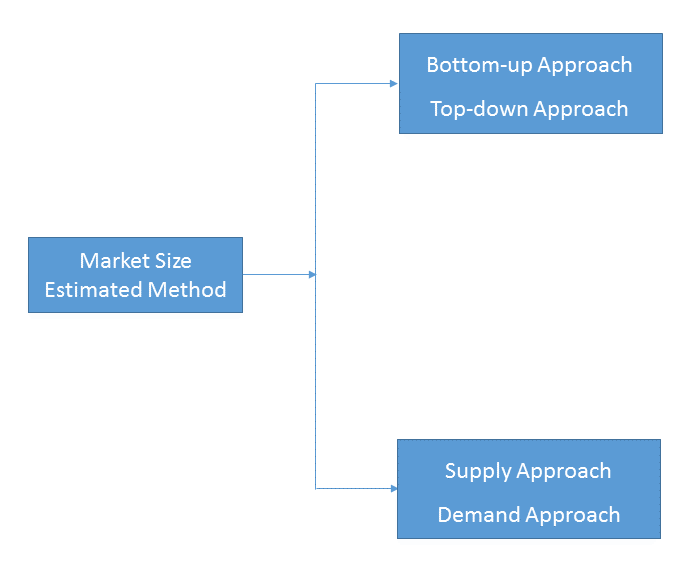
Bottom-up & top-down approach, supply & demand approach are the most important method which is used by HDIN Research to estimate the market size.
1)Top-down & Bottom-up Approach
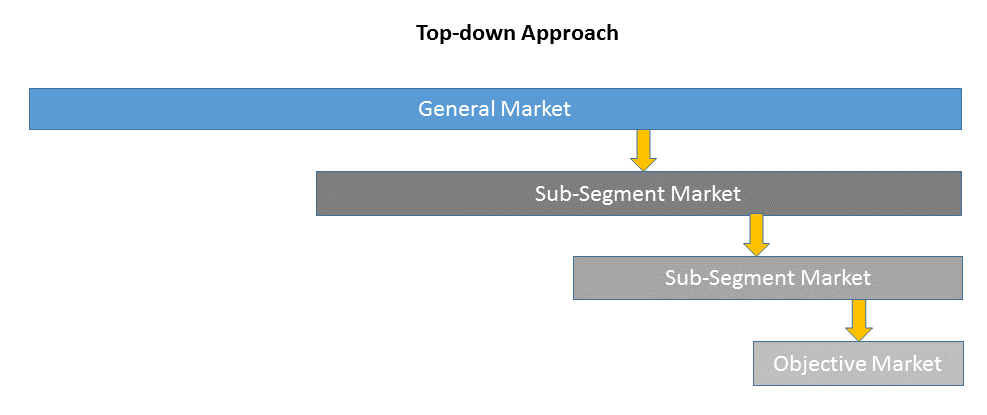
Top-down approach uses a general market size figure and determines the percentage that the objective market represents.
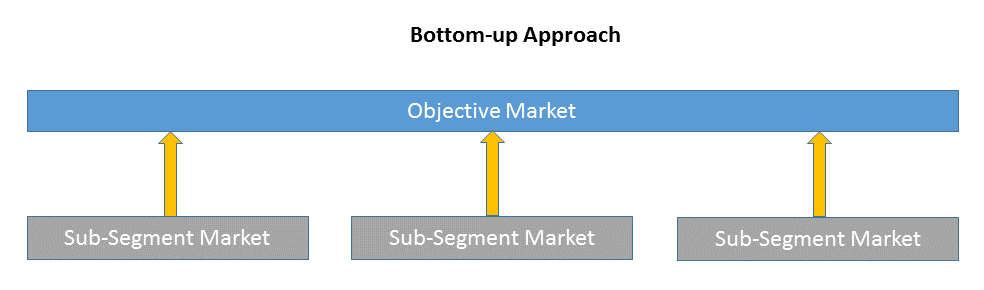
Bottom-up approach size the objective market by collecting the sub-segment information.
2)Supply & Demand Approach
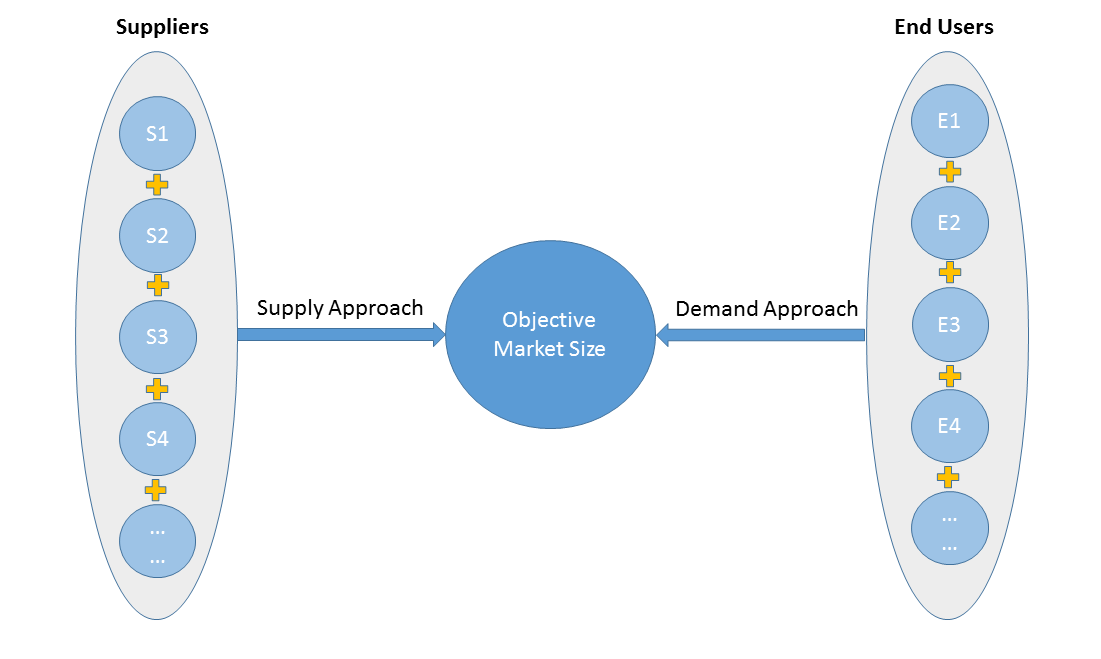
Supply approach is based on assessments of the size of each competitor supplying the objective market.
Demand approach combine end-user data within a market to estimate the objective market size. It is sometimes referred to as bottom-up approach.
- Forecasting Methodology
- Numerous factors impacting the market trend are considered for forecast model:
- New technology and application in the future;
- New project planned/under contraction;
- Global and regional underlying economic growth;
- Threatens of substitute products;
- Industry expert opinion;
- Policy and Society implication.
- Analysis Tools
1)PEST Analysis
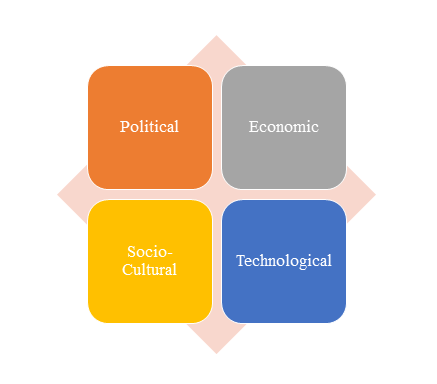
PEST Analysis is a simple and widely used tool that helps our client analyze the Political, Economic, Socio-Cultural, and Technological changes in their business environment.
- Benefits of a PEST analysis:
- It helps you to spot business opportunities, and it gives you advanced warning of significant threats.
- It reveals the direction of change within your business environment. This helps you shape what you’re doing, so that you work with change, rather than against it.
- It helps you avoid starting projects that are likely to fail, for reasons beyond your control.
- It can help you break free of unconscious assumptions when you enter a new country, region, or market; because it helps you develop an objective view of this new environment.
2)Porter’s Five Force Model Analysis
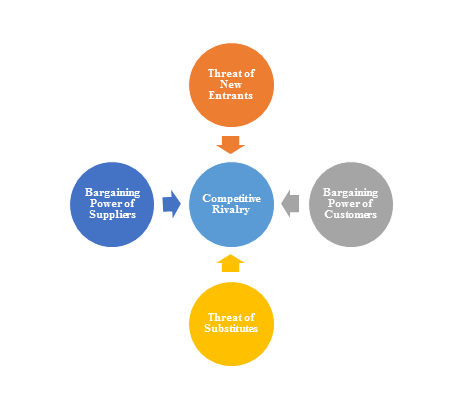
The Porter’s Five Force Model is a tool that can be used to analyze the opportunities and overall competitive advantage. The five forces that can assist in determining the competitive intensity and potential attractiveness within a specific area.
- Threat of New Entrants: Profitable industries that yield high returns will attract new firms.
- Threat of Substitutes: A substitute product uses a different technology to try to solve the same economic need.
- Bargaining Power of Customers: the ability of customers to put the firm under pressure, which also affects the customer's sensitivity to price changes.
- Bargaining Power of Suppliers: Suppliers of raw materials, components, labor, and services (such as expertise) to the firm can be a source of power over the firm when there are few substitutes.
- Competitive Rivalry: For most industries the intensity of competitive rivalry is the major determinant of the competitiveness of the industry.
3)Value Chain Analysis
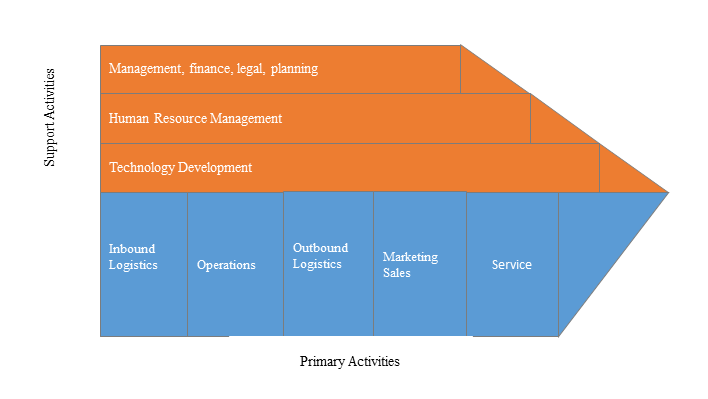
Value chain analysis is a tool to identify activities, within and around the firm and relating these activities to an assessment of competitive strength. Value chain can be analyzed by primary activities and supportive activities. Primary activities include: inbound logistics, operations, outbound logistics, marketing & sales, service. Support activities include: technology development, human resource management, management, finance, legal, planning.
4)SWOT Analysis
SWOT analysis is a tool used to evaluate a company's competitive position by identifying its strengths, weaknesses, opportunities and threats. The strengths and weakness is the inner factor; the opportunities and threats are the external factor. By analyzing the inner and external factors, the analysis can provide the detail information of the position of a player and the characteristics of the industry.
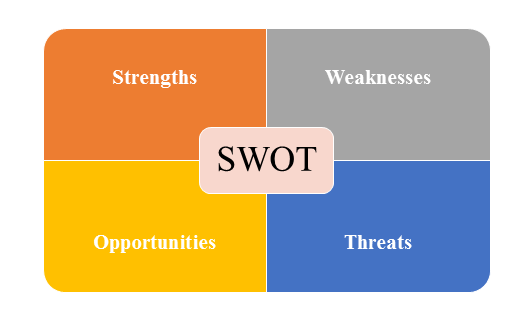
- Strengths describe what the player excels at and separates it from the competition
- Weaknesses stop the player from performing at its optimum level.
- Opportunities refer to favorable external factors that the player can use to give it a competitive advantage.
- Threats refer to factors that have the potential to harm the player.
- Data Sources
| Primary Sources | Secondary Sources |
|---|---|
| Face to face/Phone Interviews with market participants, such as: Manufactures; Distributors; End-users; Experts. Online Survey |
Government/International Organization Data: Annual Report/Presentation/Fact Book Internet Source Information Industry Association Data Free/Purchased Database Market Research Report Book/Journal/News |