Global IV Infusion Consumables Market Analysis 2026-2031
- Single User License (1 Users) $ 3,500
- Team License (2~5 Users) $ 4,500
- Corporate License (>5 Users) $ 5,500
The global intravenous (IV) infusion consumables market is projected to reach 22 to 25 billion USD in 2026, advancing at a compound annual growth rate (CAGR) between 3.8% and 5.8% through 2031. Over 90% of acute inpatient hospital admissions necessitate peripheral or central venous vascular access, rendering fluid and medication delivery consumables foundational to healthcare operations. The sector is undergoing an operational reallocation driven by four core variables: systemic clinical protocols minimizing catheter-related bloodstream infections (CRBSIs), mandatory needle-safety engineering under occupational safety frameworks, rigorous chemical transitions eliminating toxic plasticizers such as di(2-ethylhexyl) phthalate (DEHP), and technical synchronization between specialized tubing circuits and smart volumetric infusion pumps.
While legacy commodity gravity infusion sets face persistent pricing erosion and aggressive procurement mechanisms, specialized functional segments are capturing elevated profit margins. The shift toward closed-loop medication systems, continuous-infusion oncology regimens, home parenteral nutrition, and biologic subcutaneous transitions has accelerated the adoption of high-performance thermoplastic elastomer (TPE) lines, positive-displacement needleless valves, integrated dual-lumen midline catheters, and micro-aperture particulate filtration systems. Consequently, capital allocation across the medical device ecosystem is shifting away from low-tier manual manufacturing toward fully automated, cleanroom-integrated extrusion, assembly, and laser-inspection infrastructure capable of sustaining high-volume regulatory compliance across diverse geographic markets.
STRUCTURAL MARKET CATEGORIZATION AND TECHNICAL ARCHITECTURES
The IV infusion consumables landscape comprises four distinct segments, each shaped by mechanical tolerances, biomaterial performance standards, and clinical infection mitigation profiles.
1. Vascular Access and Puncture Consumables
This domain spans single-use and extended-dwell devices engineered to cannulate the peripheral or central venous vasculature for therapeutic fluid infusion, parenteral nutrition, and blood sampling.
- Peripheral Intravenous Catheters (PIVCs): Transitioning rapidly from traditional non-safety systems to passive, fully enclosed needle-shielding mechanisms. Engineered to suppress accidental occupational exposure, active and passive safety PIVCs feature polyurethane (PUR) or fluorinated ethylene propylene (FEP) cannula material, integrated blood-control septums, and push-button or sliding needle retraction assemblies. High-tier designs incorporate dual-flash technology to visually confirm vessel entry, minimizing vein trauma and multiple puncture attempts.
- Midline and Mini-Midline Catheters: Positioned strategically between standard peripheral lines and deep-vein central lines. Spanning dwell times of 1 to 4 weeks, these 8 to 20 cm catheters access the basilic, cephalic, or brachial veins, terminating short of the axillary arch. They significantly reduce repeated mechanical vessel trauma and conserve peripheral vasculature in chronically ill patients.
- Central Venous Catheters (CVCs) and Peripherally Inserted Central Catheters (PICCs): Fabricated from medical-grade polyurethane and thermosensitive polymers, these single- or multi-lumen platforms are deployed for hypertonic medication delivery, concentrated vasoactive agent administration, continuous hemodynamic monitoring, and rapid fluid resuscitation. Power-injectable variants withstand mechanical pressures up to 300 to 325 psi, permitting contrast-enhanced computed tomography scanning directly through the indwelling line.
- Subcutaneous Implantable Infusion Ports (PORTs) and Non-Coring Huber Needles: Surgical implants comprising a titanium or polyoxymethylene fluid reservoir joined to a radiopaque silicone or polyurethane catheter. Accessed exclusively via specialized non-coring (Huber) needles that deflect rather than slice the silicone septum, these assemblies sustain repeated puncturing across multi-year oncology chemotherapy regimes.
- Specialized Puncture Configurations: Comprising winged scalp vein butterfly sets for delicate pediatric and geriatric vessel cannulation, arterial blood collection lines, and large-gauge arteriovenous (AV) fistula puncture needles engineered with high siliconization and ultra-thin walls to support high shear rates during extracorporeal blood purification.
2. Infusion Tubing and Flow Regulators
This category includes fluid transport conduits and flow-restriction assemblies bridging primary intravenous solution containers with vascular access catheters.
- Standard Gravity Infusion Sets: Universal disposable tubing featuring calibrated drip chambers (10, 15, 20, or 60 drops per milliliter), roller clamps, and supplementary Y-injection sites. While historically dominant, gravity sets are experiencing volumetric displacement in critical settings due to systemic risks of flow-rate drift and liquid-exhaustion air ingress.
- Dedicated Pump Administration Sets: Proprietary, precision-extruded tubing engineered to mate with volumetric large-volume pumps (LVPs) and dedicated syringe delivery platforms. Manufactured within strict wall-thickness tolerances, these sets prevent physical degradation, plastic hysteresis, and mechanical fatigue caused by the rhythmic compression of peristaltic fingers, thereby ensuring continuous volumetric dosing precision under varying downstream fluid pressures.
- Precision Micro-Flow Regulators and Burette Formulations: Calibrated mechanical dial-a-flow mechanisms operating alongside graduated fluid chambers (typically 100 to 150 mL). These assemblies prevent fluid overload in pediatric, neonatal, and acute cardiovascular patients by establishing hard limits on fluid delivery volumes independent of electronic pumping systems.
- Light-Protected and Thermoplastic Elastomer (TPE) Formulations: Dual- and triple-extruded co-polymer tubing designed without polyvinyl chloride (PVC) components. TPE prevents the adsorption and loss of active pharmaceutical ingredients (APIs)—particularly paclitaxel, nitroglycerin, and lipophilic monoclonal antibodies. Light-shielded configurations (amber, dark brown, or UV-blocking co-extrusions) protect photodegradable active compounds from ambient actinic degradation during multi-hour clinical infusions.
- Enteral and Total Parenteral Nutrition (TPN) Lines: Specialized conduits with incompatible connection geometries engineered to prevent fatal misconnection accidents between high-lipid nutritional solutions, enteral feedings, and pure intravenous circuits.
3. Filtration and Safety Consumables
Components designed to eliminate solid micro-contaminants, air emboli, precipitation aggregates, and bacterial pyrogens from therapeutic fluids.
- Precision Intravenous Line Filters: In-line hydrophilic membrane filters deployed across critical infusions. Aqueous infusions utilize 0.22-micron polyethersulfone (PES) or nylon membranes to eliminate bacteria, fungal spores, endotoxins, and micro-particulates resulting from reconstituted drug precipitates. High-viscosity total parenteral nutrition (TPN) and lipid emulsions deploy 1.2-micron filtration membranes, configured to allow non-broken lipid droplet passage while arresting drug precipitation aggregates and fungal hyphae.
- Macro-Particulate Filtration Units: Integrated 15-micron fluid filters located within drip chambers, designed to block rubber fragments cored from medication vials or solid insolubles before fluid enters the patient line.
- Air-Eliminating and Hydrophobic Stop-Flow Valves: High-integrity venting configurations incorporating hydrophobic micro-porous PTFE membranes. These systems exhaust line-accumulated air bubbles automatically and establish an automatic hydraulic block when the IV container empties, preventing venous air embolisms without manual clinical intervention.
4. Connectors, Extensions, and Site Care
Ancillary accessories that maintain circuit closure, enable complex secondary therapies, and protect catheter insertion sites.
- Needleless Injection Connectors: Luer-activated swabbable silicone valves operating via positive, neutral, or negative fluid displacement architectures. These systems eliminate open injection ports, prevent percutaneous sharp injuries, and suppress retrograde blood aspiration into the catheter tip upon syringe detachment, actively mitigating intra-luminal thrombotic occlusions.
- Extension Sets and Manifold Stopcocks: High-pressure-rated micro-bore extension lines, continuous-infusion stopcocks with low internal priming volumes, and integrated check valves. These accessories allow parallel drug delivery without mechanical manipulation of the primary catheter hub.
- Passive Disinfection Port Caps: Threaded protectors saturated with 70% isopropyl alcohol that screw onto needleless valves. They provide continuous passive disinfection and physical shielding across multi-day connection intervals.
- Advanced Catheter Securement and Site Dressings: Hydrocolloid and high-moisture-vapor-transmission-rate (MVTR) transparent polyurethane films integrated with chlorhexidine gluconate (CHG) antimicrobial gel pads, paired with sutureless engineered mechanical anchor devices that inhibit catheter micro-motion, phlebitis, and extraluminal bacterial migration.
DOWNSTREAM APPLICATIONS AND CLINICAL CONSUMPTION DYNAMICS
Downstream clinical demand is distributed across four institutional environments, each exhibiting distinct purchasing criteria and operational performance requirements.
1. Inpatient Hospital Environments
Inpatient hospital settings (comprising surgical operating suites, intensive care units, and general medical-surgical wards) command the largest consumption volume, accounting for approximately 65% to 70% market share globally. Consumption dynamics are directly tethered to surgical intervention rates, emergency admissions, and ICU bed occupancy. Within critical care units, patients frequently require continuous multi-line access (3 to 6 concurrent lines), driving disproportionate consumption of multi-lumen central lines, precision 0.22-micron in-line filters, dedicated smart-pump tubing cassettes, and closed needleless manifolds. Hospital procurement is characterized by large-scale enterprise contracts, group purchasing organization (GPO) tender consolidation, and rigorous adherence to hospital accreditation standards targeting the reduction of hospital-acquired infections (HAIs).
2. Renal Care and Dialysis Centers
Renal care centers manage distinct high-volume consumption patterns centered on end-stage renal disease (ESRD) therapies. The clinical cadence of maintenance hemodialysis (routinely 3 treatments per patient weekly) generates continuous, non-cyclical demand for specialized high-flow arteriovenous (AV) fistula needles, single-use extracorporeal blood line sets, biocompatible priming lines, and heparin infusion accessories. Puncture consumables engineered for this sector require specialized wall architectures (ultra-thin wall configurations) to maximize inner luminal cross-sections and minimize blood shear stress, reducing hemolysis during long-term maintenance dialysis.
3. Emergency Medical Services (EMS) and Pre-Hospital Care
Pre-hospital environments prioritize operational ruggedness, broad ambient operating temperature ranges, and streamlined packaging. First-responder consumption encompasses rapid-puncture peripheral catheters, vacuum-sealed fluid administration lines, rapid infusers, and intraosseous (IO) vascular access sets. Intraosseous consumables provide life-saving alternatives for severe trauma and cardiac arrest scenarios where severe hypovolemic shock or peripheral collapse prevents manual venous cannulation within critical treatment windows.
4. Home Healthcare and Chronic Disease Management
Representing the fastest-expanding downstream frontier, home infusion is driven by systemic payer initiatives to decommission expensive acute inpatient stays in favor of managed outpatient settings. Long-term immunologic treatments, self-administered biological agents, continuous oncologic chemotherapy infusions, and home total parenteral nutrition utilize ambulatory elastomeric infusion pumps, miniature continuous subcutaneous infusion sets, portable mini-midline kits, and simplified swabbable extension manifolds. Consumables tailored for this channel demand intuitive mistake-proofing, robust needle-stick passive retraction systems, and integrated microbial barriers that maintain aseptic integrity outside formal clinical supervision.
VALUE CHAIN AND UPSTREAM SUPPLY DYNAMICS
The production of IV infusion consumables integrates precise biochemical polymer formulation, high-speed micro-metallurgy, cleanroom robotics, and industrial sterilization ecosystems.
1. Upstream Raw Materials and Specialized Metallurgy
- Medical Polymers: The core infrastructure relies on medical-grade polyvinyl chloride (PVC), but structural value is migrating toward performance-modified alternatives. Concerns regarding the hepatotoxicity, reproductive toxicity, and plasticizer leaching of di(2-ethylhexyl) phthalate (DEHP) have spurred broad transition toward alternative plasticizers, notably trioctyl trimellitate (TOTM) and di(isononyl) cyclohexane-1,2-dicarboxylate (DINCH). Concurrently, pure polymer transitions to thermoplastic elastomers (TPE), medical polyurethanes (PUR), radiation-resistant polypropylenes (PP), and optical-grade polycarbonates (PC) govern high-value administration sets. Specialized needleless connectors and valve seals deploy tear-resistant liquid silicone rubber (LSR). Strategic resin stability, batch consistency, and monomeric purity are non-negotiable upstream operational imperatives.
- Precision Cannula Metallurgy: PIVC needles, introducers, and puncture lancets demand precise metal drawing, automated bevel grinding, and anti-friction siliconization. Manufacturers deploy austenitic stainless steels—predominantly SUS304 and molybdenum-bearing SUS316L. Minimizing needle-penetration force and clinical trauma requires precision three-bevel or five-bevel diamond-ground geometries, high-tolerance lancet drawing, and micron-level plasma-polymerized silicone coatings.
- Membrane Technologies: High-value filtration hinges on micro-porous membrane casting. Specialized suppliers provide asymmetric polyethersulfone (PES), nylon, acrylic co-polymers, and hydrophobic polytetrafluoroethylene (PTFE) membranes engineered to clear precise molecular and particulate bands while sustaining uniform liquid flow without excessive priming pressures.
2. Midstream Precision Extrusion, Molding, and Assembly
Midstream processing takes place within automated Class 100,000 (ISO Class 8) or Class 10,000 (ISO Class 7) cleanroom facilities. Tubing production utilizes continuous high-speed multi-layer co-extrusion machinery equipped with laser micrometers for continuous closed-loop outer/inner diameter and concentricity tracking. Micro-injection molding platforms produce rigid components—such as luer-lock fittings, slide clamps, spikes, and connector housings—with sub-millimeter tolerances to ensure fluid-tight mechanical joints.
Assembly involves automated robotic feeding, ultrasonic welding, solvent bonding, and automatic needle bevel orientation. Automated vision inspection systems verify bevel accuracy, adhesive distribution, and component integrity at speeds exceeding hundreds of units per minute per line.
3. Industrial Sterilization Infrastructure
Sterility assurance (Sterility Assurance Level, SAL 10 to the power of negative 6) represents a critical capital and supply-chain bottleneck.
- Ethylene Oxide (EtO) Gas Processing: The historical standard for complex multi-material consumables. However, growing regulatory oversight over hazardous emissions has caused periodic capacity shortages and increased aeration hold-cycle timelines to eliminate residual chemicals.
- Radiation Sterilization (Gamma-ray and High-Energy Electron-Beam/E-beam): Radiation processing provides rapid, chemical-free processing, but demands polymer formulations containing proprietary anti-yellowing and radiation-stabilizing scavengers to prevent embrittlement and catastrophic tensile degradation over continuous shelf-life intervals.
4. Commercial Logistics and Life-Cycle Governance
Downstream distribution mandates full physical lot-traceability through unique device identification (UDI) barcoding registered under regional regulatory architectures. In the clinical setting, utilization generates high volumes of biohazardous, blood-contaminated sharps and polymer waste. This output requires secure handling via puncture-resistant sharps disposal systems and dedicated high-temperature medical waste incineration or continuous autoclave shredding cycles.
REGIONAL INDUSTRIAL DYNAMICS
1. North America
Accounting for over 40% of overall value, North America is the highest-margin and most technically demanding regional market. Driven by strict Joint Commission mandates, OSHA bloodborne pathogen standards, and aggressive CMS (Centers for Medicare and Medicaid Services) non-reimbursement penalties for preventable hospital-acquired infections, the region has largely completed the conversion to passive-safety vascular access needles and closed-system needleless connectors.
The competitive matrix is highly concentrated around large-scale enterprise supply agreements via Group Purchasing Organizations (such as Vizient and Premier). Concurrently, acute domestic clinical saline and intravenous solution shortages have forced health networks to recalibrate procurement strategies, emphasizing dual-sourcing architectures, domestic manufacturing incentives, and elevated supply-chain resilience protocols.
2. Asia-Pacific
Asia-Pacific represents the fastest-growing market by volumetric output and clinical infrastructure scaling. Rapid demographic aging, expanding sovereign medical insurance programs, and continuous tertiary hospital expansion generate high sustained baseline growth. Japan presents an advanced, high-value clinical landscape characterized by sophisticated micro-catheter designs, automated dialysis retention needles, and strict quality tolerances. In South Korea, advanced acute care wards drive stable demand for specialized safety consumables.
In China, the medical consumables landscape is being restructured by government policies, notably national and provincial Centralized Volume-Based Procurement (VBP) programs and the expansion of Diagnosis-Related Group/Diagnosis-Intervention Packet (DRG/DIP) payment models. High-volume, lower-differentiation standard infusion lines, conventional peripheral catheters, and hemodialysis tubing have been folded into competitive tender schemes. Winning manufacturers secure guaranteed institutional hospital volumes in exchange for substantial unit-price concessions, accelerating the displacement of high-cost multinational lines by domestic manufacturers. Leading Chinese enterprises are responding to these domestic pricing pressures by upgrading product portfolios toward Class III advanced vascular access devices and aggressively securing foreign regulatory registrations to fuel export growth. Taiwan, China remains an advanced manufacturing and engineering hub for precision tooling, extrusion machinery, and high-tolerance polymer consumables.
3. Europe
Europe functions as the second-largest value market, characterized by strict clinical efficacy standards and heightened environmental scrutiny. The operational landscape is governed by the complete implementation of the European Union Medical Device Regulation (EU MDR 2017/745). This framework has markedly escalated the depth of technical documentation, mandatory post-market clinical follow-up (PMCF) registries, and unannounced notified body facility audits. Consequently, many legacy product variants have been phased out due to prohibitive recertification economics, initiating a phase of vendor consolidation.
Regional public health schemes face significant fiscal constraints, with policies such as the Italian medical device payback law obligating manufacturers to refund regional spending overruns. Concurrently, European markets lead the global phase-out of halogenated polymers and phthalates, driving early adoption of fully closed non-PVC/TPE infusion circuits and lead-free radiation shields.
4. Latin America
Demand across Latin America—predominantly concentrated across Brazil, Mexico, and Argentina—is characterized by sustained expansion in basic and intermediate functional consumables, driven by expanding public health coverage and targeted private hospital expansion. The region depends significantly on imported finished goods and regional distribution networks, making pricing dynamics sensitive to currency fluctuations and trade tariffs. Nonetheless, urban private healthcare networks are standardizing on non-PVC infusion lines, safety-engineered puncture needles, and specialized needleless IV ports.
5. Middle East and Africa
The market across the Middle East and Africa exhibits structural bifurcation. The Gulf Cooperation Council (GCC) economies (notably Saudi Arabia, the United Arab Emirates, and Qatar) maintain sophisticated, well-funded tertiary healthcare facilities equipped with advanced smart infusion ecosystems, closed-system drug-transfer devices (CSTDs), and premium vascular access portfolios. In contrast, emerging sub-Saharan African nations depend heavily on bilateral aid mechanisms and multinational health agency procurement programs, where purchasing remains primarily focused on commoditized sterile hypodermic syringes, traditional gravity administration sets, and standard winged needle kits.
REGULATORY FRAMEWORKS AND ENVIRONMENTAL COMPLIANCE ARCHITECTURE
Operating in the global IV consumables sector requires navigating complex regional compliance standards, where changes in certification criteria alter cost structures and global market access.
1. United States Regulatory Landscape
In North America, intravenous consumables are regulated through the FDA Center for Devices and Radiological Health (CDRH). Most vascular access consumables and infusion tubing configurations require Class II 510(k) premarket notifications demonstrating substantial equivalence to recognized predicate platforms.
Performance mandates are reinforced by the Occupational Safety and Health Administration (OSHA) Needlestick Safety and Prevention Act, which enforces the operational adoption of passive, engineering-based needle-stick prevention technologies. Devices interfacing with smart pumps must satisfy emerging FDA cybersecurity and system-interoperability guidance documents governing associated digital-physical medical interfaces.
2. European Union MDR Requirements
The transition to EU MDR 2017/745 has redefined commercial access in European healthcare. Medical devices previously classified as lower-risk under the MDD framework now encounter rigorous regulatory scrutiny. Long-term vascular access systems (Class III and Class IIb) require exhaustive clinical evaluations, prospective clinical safety tracking, and unannounced manufacturer audits.
The resulting compliance overhead has prolonged approval lead-times and accelerated product portfolio rationalization. Concurrently, EU-level chemical governance (such as REACH and RoHS frameworks) mandates tracking and restriction of chemical compounds, specifically targeting phthalates and per- and polyfluoroalkyl substances (PFAS) in flexible patient-contact tubing.
3. China NMPA Supervision and Procurement Dynamics
China's National Medical Products Administration (NMPA) maintains a multi-tiered regulatory structure:
- Class I comprises simple accessories.
- Class II covers conventional gravity infusion lines, conventional puncture needles, and basic syringes.
- Class III covers long-term central venous lines, implantable chemotherapy ports, micro-filtration infusion sets, and smart electronic infusion systems.
Recent updates to the Regulations on the Supervision and Administration of Medical Devices emphasize absolute registrant accountability, strict post-market defect recalls, and rigid alignment with the Unique Device Identification (UDI) lifecycle framework. Furthermore, execution of the Two-Invoice System (limiting multi-tiered intermediate distributor invoicing) alongside VBP tenders has eliminated speculative distribution margins, requiring direct manufacturer distribution engagement with regional healthcare facilities.
4. Phthalate Restrictions and Chemical Safety Mandates
Driven by research documenting the endocrine-disrupting nature of low-molecular-weight phthalates, international standard-setting bodies and national authorities are restricting or outright banning DEHP in medical consumables intended for pediatric, neonatal, and long-term infusion applications. Modern manufacturing requires compliance testing confirming the total absence of extractables and leachables, spurring conversion to high-stability TPE or polyurethane resins tested under rigorous simulated-use extraction conditions.
COMPETITIVE PROFILES AND CORPORATE DOSSIERS
The competitive matrix in IV infusion consumables is bifurcated between global multinational medtech conglomerates and focused, high-volume regional specialists.
1. Global Multinationals
- BD (Becton, Dickinson and Company): BD is the world's largest medical technology entity operating across vascular access, medication administration, and safety puncture systems. Its portfolio includes industry-standard platforms: BD Insyte Autoguard, BD Nexiva closed IV catheter systems, BD Alaris dedicated pump administration sets, and BD Q-Syte needleless systems.
- Fresenius Kabi: Specializes in clinical nutrition, infusion solutions, intravenous generic drugs, and specialized infusion MedTech systems. Consumable portfolios include dedicated Volumat Lines, specialized parenteral nutrition transfer lines, and safety-engineered access needles.
- Terumo Corporation: Global medtech entity focused on vascular access, blood purification systems, safety infusion, and interventional cardiology. Manufactures Surflo and Surshield safety IV catheters, precision pump infusion sets, and Terufusion syringe delivery consumables.
- ICU Medical Inc.: Following strategic integration of the Smiths Medical and Hospira Infusion businesses, ICU Medical operates as a specialized pure-play enterprise spanning infusion therapy, vascular access, and vital signs monitoring. Core product lines include MicroClave needleless connectors, Clave technology, CADD ambulatory infusion consumables, and Medfusion dedicated lines.
- Teleflex Incorporated: Focuses on acute critical care, interventional access, and surgical infrastructure. Its Arrow brand is an international standard in central venous catheters (CVCs), peripherally inserted central catheters (PICCs), and intraosseous (Arrow EZ-IO) emergency delivery platforms.
- Medline Industries, Inc.: Major manufacturer and distributor of clinical consumables, custom surgical kits, sterile skin prep assemblies, and standardized vascular access trays.
- Retractable Technologies, Inc.: Focuses on the development and automated production of patented safety-engineered injection devices, VanishPoint auto-retractable syringes, and safety peripheral IV catheters.
- Nipro Corporation: Operates globally across medical equipment, pharmaceutical packaging, and dialysis devices. Major global supplier of hollow-fiber dialyzers, extracorporeal blood circuits, Safelet IV catheters, and AV fistula puncture needles.
- Vygon SA: Specialized developer and manufacturer of single-use sterile medical plastic consumables, vascular access devices, and infusion line management accessories for critical care, neonatology, oncology, and surgical environments.
2. Regional Specialists and Emerging Global Suppliers
- Shandong Weigao Group Medical Polymer Co., Ltd.: Largest domestic medical polymer consumable producer in China. Manufactures large-volume standard and high-end infusion sets, safety IV catheters, prefilled syringes, blood purification consumables, and specialized needleless connectors.
- Shandong Ande Healthcare Apparatus Co., Ltd.: High-technology Chinese manufacturer specializing in vascular access, precision drug delivery, and safety puncture devices. Holds 151 NMPA registration certificates (including 106 Class III devices), 7 US FDA 510(k) clearances, and 29 EU MDR-CE certifications.
- Shanghai Kindly Enterprise Development Group Co., Ltd. (KDL): Major integrated manufacturer of medical puncture needles, precision cannula tubing, syringes, vascular access devices, extension lines, and three-way stopcocks.
- PW Medtech Group Limited: High-technology medical device enterprise specializing in advanced infusion systems, precision-filter infusion sets, non-DEHP assemblies, and blood purification plasma separators.
- Jiangxi Sanxin Medtec Co., Ltd.: Comprehensive medical device manufacturer holding over 30 product types and 1,000 product specifications. Spans vascular access catheters, single-use sterile syringes, precision infusion sets, and hemodialysis extracorporeal tubing circuits.
- Wuzhou Medical: Large-scale, export-driven developer and manufacturer of single-use sterile syringes, specialized puncture needles, blood transfusion sets, and standard gravity infusion assemblies.
- SEWOONMEDICAL Co., Ltd.: Specialized Korean manufacturer producing silicone medical tubes, drainage catheters, IV infusion accessories, and low-pressure wound suction configurations. Operates manufacturing plants in South Korea and Vietnam.
- JMS Co., Ltd.: Manufacturer of integrated clinical infusion equipment, enteral and parenteral nutrition delivery systems, hemodialysis blood circuits, and blood-pack storage assemblies.
- MEDIKIT Co., Ltd.: Specialized manufacturer focused on vascular access consumables, hemodialysis retention puncture needles, introducer sheaths, and cardiovascular intervention catheters (SuperCath series).
- Zhonghong Pulin Medical Products Co., Ltd.: Major global producer of disposable medical-grade protective gloves, undergoing rapid diversification into clinical injection, vascular puncture, and intravenous infusion consumables.
1.1 Study Scope, Taxonomy, and Core Objectives 1
1.2 Primary Research Protocol and Secondary Data Triangulation 2
1.3 Econometric Modeling, Volume Balancing, and Bottom-Up Validation 3
1.4 Baseline Macroeconomic Assumptions and Currency Normalization 4
1.5 Nomenclature, Standard Abbreviations, and Technical Glossary 5
Chapter 2 Global Intravenous (IV) Infusion Consumables Market Trajectory 6
2.1 Macro Health Economics, Demographic Shifts, and Hospitalization Rates 6
2.2 Historical Baseline and Market Sizing (2021-2025) 7
2.3 Base Year Assessment (2026) and Multi-Scenario Forecast (2027-2031) 9
2.4 Strategic Value Migration: Conventional Infusion Sets toward Closed Safety Systems 11
Chapter 3 Upstream Feedstocks, Tooling, and Value Chain Architecture 12
3.1 Medical-Grade Polymers: PVC, TPU, TPE, Polyolefins, and DEHP-Free Formulations 12
3.2 Precision Extrusion, Multi-Cavity Injection Molding, and Automated Assembly 14
3.3 Value Chain Margin Decomposition: Polymer Suppliers, Converters, OEMs, and GPOs 16
Chapter 4 Cross-Border Trade Flows, Regulatory Frameworks, and Supply Chain Logistics 18
4.1 Global Trade Flows, Export-Import Imbalances, and Tariff Classifications 18
4.2 Regulatory Approvals and Quality Compliance: US FDA 510(k), EU MDR, and NMPA 20
4.3 Sterilization Methodologies (EtO, Gamma, E-Beam) and Cold-Chain Logistics 22
Chapter 5 Global Market Breakdown by Product Classification 24
5.1 Vascular Access & Puncture Consumables 24
5.2 Infusion Tubing & Flow Regulator 26
5.3 Filtration & Safety Consumables 28
5.4 Connectors, Extensions & Site Care 30
Chapter 6 Global Market Breakdown by Downstream Clinical Application 32
6.1 Inpatient Hospital 32
6.2 Renal Care & Dialysis Center 34
6.3 Emergency Medical Services (EMS) & Pre-Hospital Care 36
6.4 Home Healthcare & Chronic Disease Management 38
Chapter 7 North America Intravenous (IV) Infusion Consumables Market 40
7.1 Regional Ecosystem: Manufacturing Infrastructure and GPO Sourcing Protocols 40
7.2 United States 42
7.3 Canada 44
7.4 Mexico 46
Chapter 8 Europe Intravenous (IV) Infusion Consumables Market 47
8.1 Regional Ecosystem: EU MDR Compliance Pressures and Tender Dynamics 47
8.2 Germany 49
8.3 France 50
8.4 United Kingdom 51
8.5 Italy 52
8.6 Spain & Rest of Europe 53
Chapter 9 Asia-Pacific Intravenous (IV) Infusion Consumables Market 54
9.1 Regional Ecosystem: High-Volume Production Hubs and Healthcare Expansion 54
9.2 China 56
9.3 Japan 57
9.4 India 58
9.5 South Korea 59
9.6 Australia 60
Chapter 10 Latin America, Middle East, and Africa Market Analysis 61
10.1 Regional Ecosystem: Sourcing Dependency and Public Tender Landscapes 61
10.2 Brazil 62
10.3 Colombia 63
10.4 Saudi Arabia 64
10.5 United Arab Emirates 65
10.6 South Africa 66
Chapter 11 Corporate Intelligence and Competitive Diagnostics 67
11.1 BD (Becton, Dickinson and Company) 67
11.1.1 Corporate Profile, Product Matrix, and Global Manufacturing Footprint 67
11.1.2 SWOT Diagnostics and Technological Moats 68
11.1.3 Intravenous (IV) Infusion Consumables Financial Metrics and Market Share (2021-2026) 69
11.1.4 Global GTM Strategy, Automation Investments, and Capacity Pipeline 70
11.2 Fresenius Kabi 71
11.2.1 Corporate Profile, Product Matrix, and Global Manufacturing Footprint 71
11.2.2 SWOT Diagnostics and Technological Moats 72
11.2.3 Intravenous (IV) Infusion Consumables Financial Metrics and Market Share (2021-2026) 73
11.2.4 Clinical Trial Collaborations, Sourcing Contracts, and Capacity Pipeline 74
11.3 Terumo Corporation 75
11.3.1 Corporate Profile, Product Matrix, and Global Manufacturing Footprint 75
11.3.2 SWOT Diagnostics and Technological Moats 76
11.3.3 Intravenous (IV) Infusion Consumables Financial Metrics and Market Share (2021-2026) 77
11.3.4 Production Footprint Modernization and Emerging Market Penetration 78
11.4 Nipro Corporation 79
11.4.1 Corporate Profile, Product Matrix, and Global Manufacturing Footprint 79
11.4.2 SWOT Diagnostics and Technological Moats 80
11.4.3 Intravenous (IV) Infusion Consumables Financial Metrics and Market Share (2021-2026) 81
11.4.4 Dialysis and Vascular Access Alignment and Capital Expenditure Trajectory 82
11.5 MEDIKIT Co., Ltd. 83
11.5.1 Corporate Profile, Product Matrix, and Global Manufacturing Footprint 83
11.5.2 SWOT Diagnostics and Technological Moats 84
11.5.3 Intravenous (IV) Infusion Consumables Financial Metrics and Market Share (2021-2026) 85
11.5.4 Advanced Catheter Engineering and Regional Distribution Networks 86
11.6 Medline Industries, LP 87
11.6.1 Corporate Profile, Product Matrix, and Global Manufacturing Footprint 87
11.6.2 SWOT Diagnostics and Technological Moats 88
11.6.3 Intravenous (IV) Infusion Consumables Financial Metrics and Market Share (2021-2026) 89
11.6.4 Direct Distribution Ecosystem, Kitting Programs, and Warehousing Strategy 90
11.7 Retractable Technologies, Inc. 91
11.7.1 Corporate Profile, Product Matrix, and Global Manufacturing Footprint 91
11.7.2 SWOT Diagnostics and Technological Moats 92
11.7.3 Intravenous (IV) Infusion Consumables Financial Metrics and Market Share (2021-2026) 93
11.7.4 Safety Syringe Intellectual Property and Federal Procurement Contracts 94
11.8 Teleflex Incorporated 95
11.8.1 Corporate Profile, Product Matrix, and Global Manufacturing Footprint 95
11.8.2 SWOT Diagnostics and Technological Moats 96
11.8.3 Intravenous (IV) Infusion Consumables Financial Metrics and Market Share (2021-2026) 97
11.8.4 Vascular Access Portfolio Rationalization and High-Acuity Targeting 98
11.9 SEWOONMEDICAL Co., Ltd. 99
11.9.1 Corporate Profile, Product Matrix, and Global Manufacturing Footprint 99
11.9.2 SWOT Diagnostics and Technological Moats 100
11.9.3 Intravenous (IV) Infusion Consumables Financial Metrics and Market Share (2021-2026) 101
11.9.4 East Asian Production Cost Arbitrage and Export Positioning 102
11.10 Zhonghong Pulin Medical Products Co., Ltd. 103
11.10.1 Corporate Profile, Product Matrix, and Global Manufacturing Footprint 103
11.10.2 SWOT Diagnostics and Technological Moats 104
11.10.3 Intravenous (IV) Infusion Consumables Financial Metrics and Market Share (2021-2026) 105
11.10.4 High-Volume Sterile Consumables Scaling and Automated Line Expansion 106
11.11 Wuzhou Medical Co., Ltd. 107
11.11.1 Corporate Profile, Product Matrix, and Global Manufacturing Footprint 107
11.11.2 SWOT Diagnostics and Technological Moats 108
11.11.3 Intravenous (IV) Infusion Consumables Financial Metrics and Market Share (2021-2026) 109
11.11.4 OEM Export Operations and Developing Market Penetration Models 110
11.12 Shandong Weigao Group Medical Polymer Co., Ltd. 111
11.12.1 Corporate Profile, Product Matrix, and Global Manufacturing Footprint 111
11.12.2 SWOT Diagnostics and Technological Moats 112
11.12.3 Intravenous (IV) Infusion Consumables Financial Metrics and Market Share (2021-2026) 113
11.12.4 Domestic Centralized Procurement Strategy and Global Regulatory Upgrades 114
11.13 PW Medtech Group Limited 115
11.13.1 Corporate Profile, Product Matrix, and Global Manufacturing Footprint 115
11.13.2 SWOT Diagnostics and Technological Moats 116
11.13.3 Intravenous (IV) Infusion Consumables Financial Metrics and Market Share (2021-2026) 117
11.13.4 Advanced Infusion Set R&D and Polymer Material Innovation 118
11.14 ICU Medical, Inc. 119
11.14.1 Corporate Profile, Product Matrix, and Global Manufacturing Footprint 119
11.14.2 SWOT Diagnostics and Technological Moats 120
11.14.3 Intravenous (IV) Infusion Consumables Financial Metrics and Market Share (2021-2026) 121
11.14.4 Infusion Therapy Integration, Dedicated Pump Line Synergies, and Global GTM 122
11.15 Jiangxi Sanxin Medtec Co., Ltd. 123
11.15.1 Corporate Profile, Product Matrix, and Global Manufacturing Footprint 123
11.15.2 SWOT Diagnostics and Technological Moats 124
11.15.3 Intravenous (IV) Infusion Consumables Financial Metrics and Market Share (2021-2026) 125
11.15.4 Extracorporeal Circulation and Purified Infusion Line Expansion 126
11.16 JMS Co., Ltd. 127
11.16.1 Corporate Profile, Product Matrix, and Global Manufacturing Footprint 127
11.16.2 SWOT Diagnostics and Technological Moats 128
11.16.3 Intravenous (IV) Infusion Consumables Financial Metrics and Market Share (2021-2026) 129
11.16.4 Cleanroom Assembly Standardization and Japanese Market Consolidation 130
11.17 Shandong Ande Healthcare Apparatus Co., Ltd. 131
11.17.1 Corporate Profile, Product Matrix, and Global Manufacturing Footprint 131
11.17.2 SWOT Diagnostics and Technological Moats 132
11.17.3 Intravenous (IV) Infusion Consumables Financial Metrics and Market Share (2021-2026) 133
11.17.4 Safety PIVC and Non-PVC Infusion Set Capacity Optimization 134
11.18 Vygon SA 135
11.18.1 Corporate Profile, Product Matrix, and Global Manufacturing Footprint 135
11.18.2 SWOT Diagnostics and Technological Moats 136
11.18.3 Intravenous (IV) Infusion Consumables Financial Metrics and Market Share (2021-2026) 137
11.18.4 High-End Neonatal, Critical Care Specialization, and Pan-European Sourcing 138
Table 2: Key Macroeconomic Parameters, Healthcare Outlays, and FX Projections (2021-2031) 4
Table 3: Technical Abbreviations and Standard Clinical Terminology Index 5
Table 4: Global Intravenous (IV) Infusion Consumables Revenue by Macro-Region (2021-2026) 8
Table 5: Global Intravenous (IV) Infusion Consumables Revenue Forecast by Macro-Region (2027-2031) 10
Table 6: Global Intravenous (IV) Infusion Consumables Consumption Volume by Macro-Region (2021-2031) 11
Table 7: Medical Polymer Cost Indicators: Medical PVC, TPU, TPE, and Polypropylene Resins (2021-2026) 13
Table 8: Infusion Set Unit Economic Cost Breakdown Across Manufacturing Tiers 16
Table 9: Global Cross-Border Export Volumes for IV Infusion Consumables by Key Country (2021-2026) 19
Table 10: Global Cross-Border Import Volumes for IV Infusion Consumables by Key Country (2021-2026) 20
Table 11: International Regulatory Classification and Submission Standard Comparison 21
Table 12: Industrial Sterilization Modality Operating Parameters and Cost Benchmarks 23
Table 13: Global Intravenous (IV) Infusion Consumables Revenue by Product Type (2021-2026) 24
Table 14: Global Intravenous (IV) Infusion Consumables Revenue Forecast by Product Type (2027-2031) 25
Table 15: Vascular Access & Puncture Consumables Sub-Segment Revenue (2021-2031) 25
Table 16: Infusion Tubing & Flow Regulator Sub-Segment Revenue (2021-2031) 27
Table 17: Filtration & Safety Consumables Sub-Segment Revenue (2021-2031) 29
Table 18: Connectors, Extensions & Site Care Sub-Segment Revenue (2021-2031) 31
Table 19: Global Intravenous (IV) Infusion Consumables Revenue by Application (2021-2026) 32
Table 20: Global Intravenous (IV) Infusion Consumables Revenue Forecast by Application (2027-2031) 33
Table 21: Inpatient Hospital Departmental Procurement Volume and Values (2021-2031) 34
Table 22: Renal Care & Dialysis Consumables Consumption Metrics (2021-2031) 35
Table 23: Pre-Hospital & EMS Consumables Procurement Volume and Turnover Rates (2021-2031) 37
Table 24: Home Healthcare Infusion Consumables Adoption and Unit Shipments (2021-2031) 39
Table 25: North America Intravenous (IV) Infusion Consumables Revenue by Country (2021-2026) 40
Table 26: North America Intravenous (IV) Infusion Consumables Revenue Forecast by Country (2027-2031) 41
Table 27: United States Intravenous (IV) Infusion Consumables Revenue by Product Type (2021-2031) 43
Table 28: Canada Intravenous (IV) Infusion Consumables Revenue by Product Type (2021-2031) 45
Table 29: Mexico Intravenous (IV) Infusion Consumables Revenue by Product Type (2021-2031) 46
Table 30: Europe Intravenous (IV) Infusion Consumables Revenue by Country (2021-2026) 47
Table 31: Europe Intravenous (IV) Infusion Consumables Revenue Forecast by Country (2027-2031) 48
Table 32: Germany Intravenous (IV) Infusion Consumables Revenue by Product Type (2021-2031) 49
Table 33: France Intravenous (IV) Infusion Consumables Revenue by Product Type (2021-2031) 50
Table 34: United Kingdom Intravenous (IV) Infusion Consumables Revenue by Product Type (2021-2031) 51
Table 35: Italy Intravenous (IV) Infusion Consumables Revenue by Product Type (2021-2031) 52
Table 36: Spain Intravenous (IV) Infusion Consumables Revenue by Product Type (2021-2031) 53
Table 37: Asia-Pacific Intravenous (IV) Infusion Consumables Revenue by Country (2021-2026) 54
Table 38: Asia-Pacific Intravenous (IV) Infusion Consumables Revenue Forecast by Country (2027-2031) 55
Table 39: China Intravenous (IV) Infusion Consumables Revenue by Product Type (2021-2031) 56
Table 40: Japan Intravenous (IV) Infusion Consumables Revenue by Product Type (2021-2031) 57
Table 41: India Intravenous (IV) Infusion Consumables Revenue by Product Type (2021-2031) 58
Table 42: South Korea Intravenous (IV) Infusion Consumables Revenue by Product Type (2021-2031) 59
Table 43: Australia Intravenous (IV) Infusion Consumables Revenue by Product Type (2021-2031) 60
Table 44: Latin America, Middle East, and Africa Revenue by Country (2021-2026) 61
Table 45: Latin America, Middle East, and Africa Revenue Forecast by Country (2027-2031) 62
Table 46: Brazil Intravenous (IV) Infusion Consumables Revenue by Product Type (2021-2031) 63
Table 47: Colombia Intravenous (IV) Infusion Consumables Revenue by Product Type (2021-2031) 64
Table 48: Saudi Arabia Intravenous (IV) Infusion Consumables Revenue by Product Type (2021-2031) 65
Table 49: United Arab Emirates Intravenous (IV) Infusion Consumables Revenue by Product Type (2021-2031) 65
Table 50: South Africa Intravenous (IV) Infusion Consumables Revenue by Product Type (2021-2031) 66
Table 51: BD Intravenous (IV) Infusion Consumables Revenue, Cost, and Gross Margin (2021-2026) 69
Table 52: Fresenius Kabi Intravenous (IV) Infusion Consumables Revenue, Cost, and Gross Margin (2021-2026) 73
Table 53: Terumo Corporation Intravenous (IV) Infusion Consumables Revenue, Cost, and Gross Margin (2021-2026) 77
Table 54: Nipro Corporation Intravenous (IV) Infusion Consumables Revenue, Cost, and Gross Margin (2021-2026) 81
Table 55: MEDIKIT Co., Ltd. Intravenous (IV) Infusion Consumables Revenue, Cost, and Gross Margin (2021-2026) 85
Table 56: Medline Industries, LP Intravenous (IV) Infusion Consumables Revenue, Cost, and Gross Margin (2021-2026) 89
Table 57: Retractable Technologies, Inc. Intravenous (IV) Infusion Consumables Revenue, Cost, and Gross Margin (2021-2026) 93
Table 58: Teleflex Incorporated Intravenous (IV) Infusion Consumables Revenue, Cost, and Gross Margin (2021-2026) 97
Table 59: SEWOONMEDICAL Co., Ltd. Intravenous (IV) Infusion Consumables Revenue, Cost, and Gross Margin (2021-2026) 101
Table 60: Zhonghong Pulin Medical Products Co., Ltd. Intravenous (IV) Infusion Consumables Revenue, Cost, and Gross Margin (2021-2026) 105
Table 61: Wuzhou Medical Co., Ltd. Intravenous (IV) Infusion Consumables Revenue, Cost, and Gross Margin (2021-2026) 109
Table 62: Shandong Weigao Group Medical Polymer Co., Ltd. Intravenous (IV) Infusion Consumables Revenue, Cost, and Gross Margin (2021-2026) 113
Table 63: PW Medtech Group Limited Intravenous (IV) Infusion Consumables Revenue, Cost, and Gross Margin (2021-2026) 117
Table 64: ICU Medical, Inc. Intravenous (IV) Infusion Consumables Revenue, Cost, and Gross Margin (2021-2026) 121
Table 65: Jiangxi Sanxin Medtec Co., Ltd. Intravenous (IV) Infusion Consumables Revenue, Cost, and Gross Margin (2021-2026) 125
Table 66: JMS Co., Ltd. Intravenous (IV) Infusion Consumables Revenue, Cost, and Gross Margin (2021-2026) 129
Table 67: Shandong Ande Healthcare Apparatus Co., Ltd. Intravenous (IV) Infusion Consumables Revenue, Cost, and Gross Margin (2021-2026) 133
Table 68: Vygon SA Intravenous (IV) Infusion Consumables Revenue, Cost, and Gross Margin (2021-2026) 137
Figure 1: Research Methodology Architecture and Supply-Demand Triangulation Protocol 2
Figure 2: Bottom-Up Sizing Model and Dynamic Macro-Health Overlay 4
Figure 3: Global Intravenous (IV) Infusion Consumables Revenue Growth Trajectory (2021-2031) 7
Figure 4: Global Intravenous (IV) Infusion Consumables Macro-Regional Share Dynamic (2021, 2026, 2031) 11
Figure 5: Upstream Petrochemical Feedstocks to Finished Medical Device Supply Chain Map 14
Figure 6: Global Intravenous (IV) Infusion Consumables Cost Structure Breakdown 17
Figure 7: Global Maritime and Air Freight Logistics Corridors for Medical Disposables 19
Figure 8: Comparative Terminal Sterilization Market Share: EtO vs. Irradiation Modalities 23
Figure 9: Global Product Category Contribution Shifts (2021, 2026, 2031) 25
Figure 10: Vascular Access & Puncture Consumables Unit Shipments and Value Growth 26
Figure 11: Infusion Tubing & Flow Regulator Technology Transition Curve (Gravity vs. Pump) 28
Figure 12: Filtration & Safety Consumables Penetration Across High-Risk Therapies 30
Figure 13: Connectors, Extensions & Site Care Infection Prevention Value Trajectory 31
Figure 14: Downstream Clinical Application Market Share Evolution (2021, 2026, 2031) 33
Figure 15: Inpatient Hospital Acuity Level Infusion Set Consumption Multipliers 34
Figure 16: Renal Dialysis Extracorporeal Circuit Market Trajectory 36
Figure 17: Emergency Medical Services Pre-Hospital Infusion Kit Growth Dynamics 37
Figure 18: Home Healthcare and Outpatient Infusion Consumables Expansion Wave 39
Figure 19: North America Market Share Distribution by Sovereign Economy (2026) 41
Figure 20: United States Safety PIVC and Needle-Free Device Penetration Rate (2021-2031) 43
Figure 21: Europe Intravenous (IV) Infusion Consumables Sovereign Market Shares (2026) 48
Figure 22: Western vs. Southern Europe Infusion Set Sourcing Pricing Deltas 53
Figure 23: Asia-Pacific Intravenous (IV) Infusion Consumables Production vs. Consumption Share (2026) 55
Figure 24: China Infusion Consumables Export Volume vs. Domestic Hospital Consumption 57
Figure 25: Latin America, Middle East, and Africa Healthcare Growth Trajectories 62
Figure 26: Saudi Arabian Vision 2030 Healthcare Modernization Infusion Demand Ramp 66
Figure 27: BD Intravenous (IV) Infusion Consumables Market Share (2021-2026) 70
Figure 28: Fresenius Kabi Intravenous (IV) Infusion Consumables Market Share (2021-2026) 74
Figure 29: Terumo Corporation Intravenous (IV) Infusion Consumables Market Share (2021-2026) 78
Figure 30: Nipro Corporation Intravenous (IV) Infusion Consumables Market Share (2021-2026) 82
Figure 31: MEDIKIT Co., Ltd. Intravenous (IV) Infusion Consumables Market Share (2021-2026) 86
Figure 32: Medline Industries, LP Intravenous (IV) Infusion Consumables Market Share (2021-2026) 90
Figure 33: Retractable Technologies, Inc. Intravenous (IV) Infusion Consumables Market Share (2021-2026) 94
Figure 34: Teleflex Incorporated Intravenous (IV) Infusion Consumables Market Share (2021-2026) 98
Figure 35: SEWOONMEDICAL Co., Ltd. Intravenous (IV) Infusion Consumables Market Share (2021-2026) 102
Figure 36: Zhonghong Pulin Medical Products Co., Ltd. Market Share (2021-2026) 106
Figure 37: Wuzhou Medical Co., Ltd. Intravenous (IV) Infusion Consumables Market Share (2021-2026) 110
Figure 38: Shandong Weigao Group Medical Polymer Co., Ltd. Market Share (2021-2026) 114
Figure 39: PW Medtech Group Limited Intravenous (IV) Infusion Consumables Market Share (2021-2026) 118
Figure 40: ICU Medical, Inc. Intravenous (IV) Infusion Consumables Market Share (2021-2026) 122
Figure 41: Jiangxi Sanxin Medtec Co., Ltd. Intravenous (IV) Infusion Consumables Market Share (2021-2026) 126
Figure 42: JMS Co., Ltd. Intravenous (IV) Infusion Consumables Market Share (2021-2026) 130
Figure 43: Shandong Ande Healthcare Apparatus Co., Ltd. Market Share (2021-2026) 134
Figure 44: Vygon SA Intravenous (IV) Infusion Consumables Market Share (2021-2026) 138
Research Methodology
- Market Estimated Methodology:
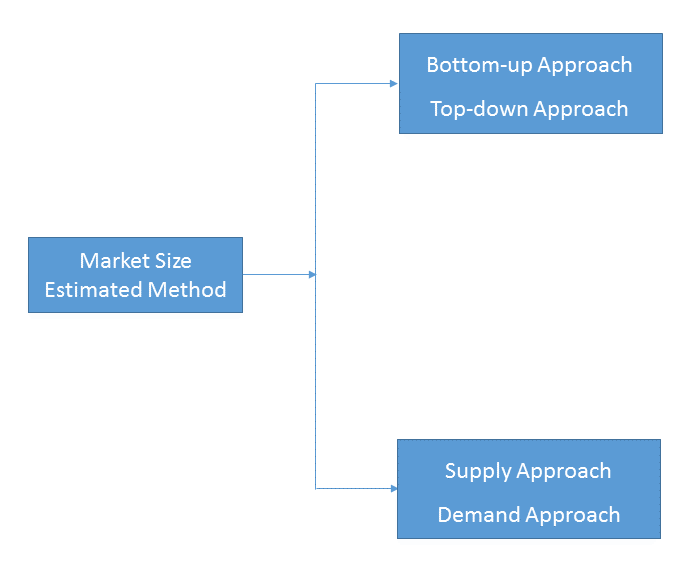
Bottom-up & top-down approach, supply & demand approach are the most important method which is used by HDIN Research to estimate the market size.
1)Top-down & Bottom-up Approach
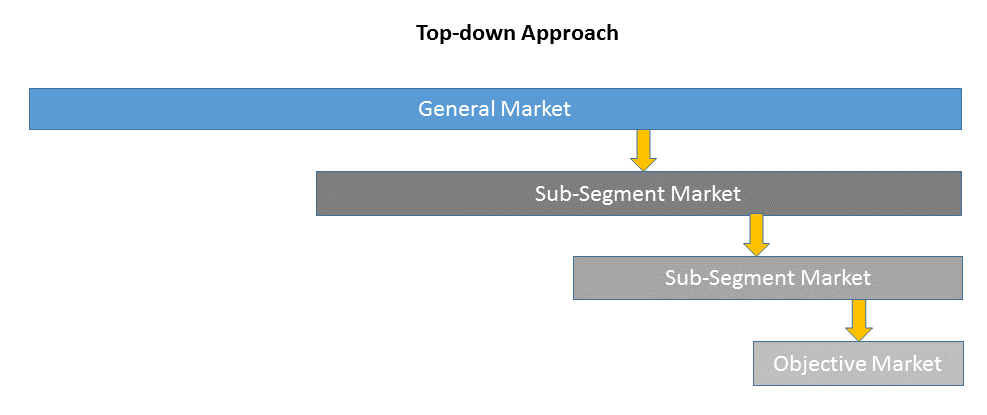
Top-down approach uses a general market size figure and determines the percentage that the objective market represents.
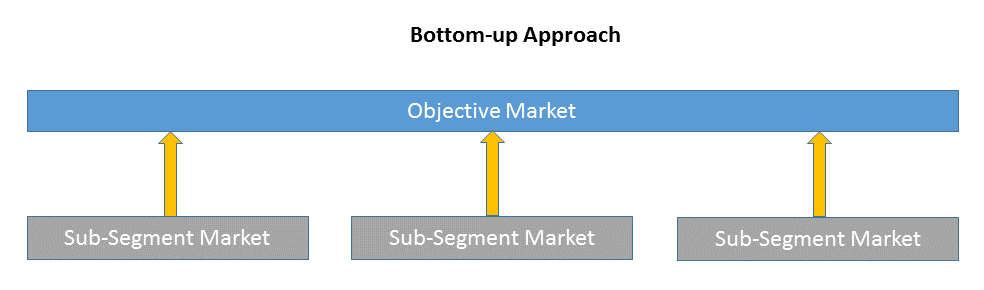
Bottom-up approach size the objective market by collecting the sub-segment information.
2)Supply & Demand Approach
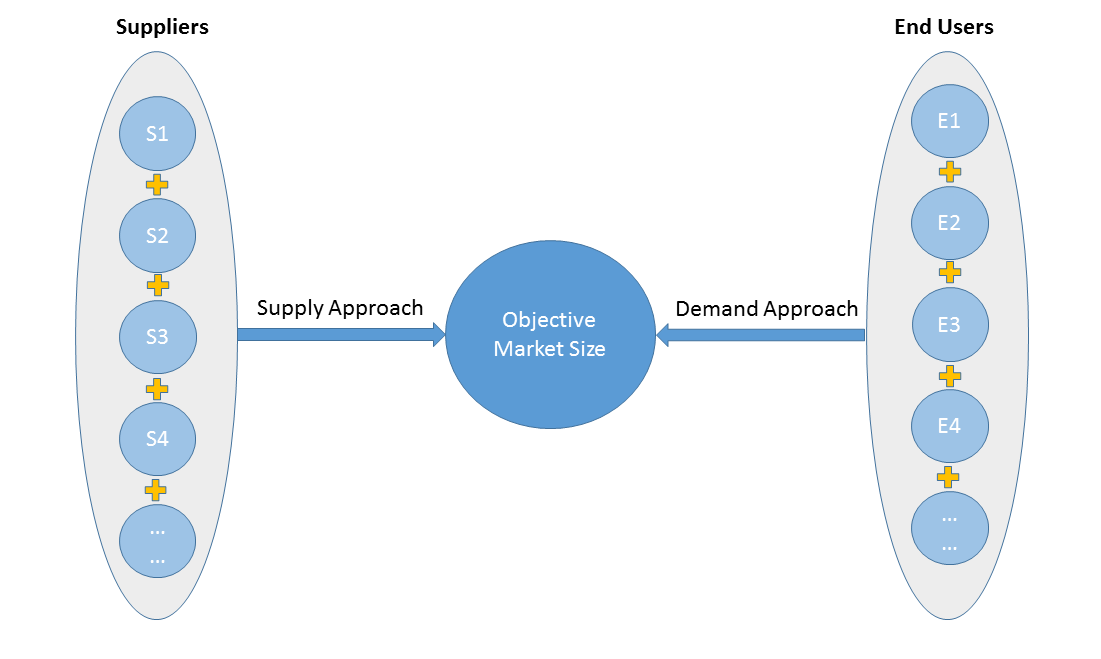
Supply approach is based on assessments of the size of each competitor supplying the objective market.
Demand approach combine end-user data within a market to estimate the objective market size. It is sometimes referred to as bottom-up approach.
- Forecasting Methodology
- Numerous factors impacting the market trend are considered for forecast model:
- New technology and application in the future;
- New project planned/under contraction;
- Global and regional underlying economic growth;
- Threatens of substitute products;
- Industry expert opinion;
- Policy and Society implication.
- Analysis Tools
1)PEST Analysis
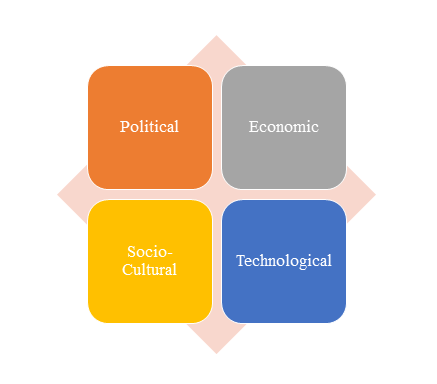
PEST Analysis is a simple and widely used tool that helps our client analyze the Political, Economic, Socio-Cultural, and Technological changes in their business environment.
- Benefits of a PEST analysis:
- It helps you to spot business opportunities, and it gives you advanced warning of significant threats.
- It reveals the direction of change within your business environment. This helps you shape what you’re doing, so that you work with change, rather than against it.
- It helps you avoid starting projects that are likely to fail, for reasons beyond your control.
- It can help you break free of unconscious assumptions when you enter a new country, region, or market; because it helps you develop an objective view of this new environment.
2)Porter’s Five Force Model Analysis
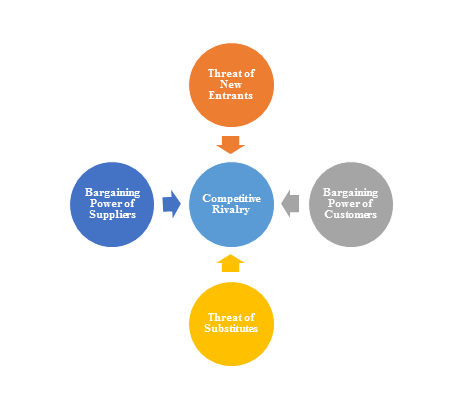
The Porter’s Five Force Model is a tool that can be used to analyze the opportunities and overall competitive advantage. The five forces that can assist in determining the competitive intensity and potential attractiveness within a specific area.
- Threat of New Entrants: Profitable industries that yield high returns will attract new firms.
- Threat of Substitutes: A substitute product uses a different technology to try to solve the same economic need.
- Bargaining Power of Customers: the ability of customers to put the firm under pressure, which also affects the customer's sensitivity to price changes.
- Bargaining Power of Suppliers: Suppliers of raw materials, components, labor, and services (such as expertise) to the firm can be a source of power over the firm when there are few substitutes.
- Competitive Rivalry: For most industries the intensity of competitive rivalry is the major determinant of the competitiveness of the industry.
3)Value Chain Analysis
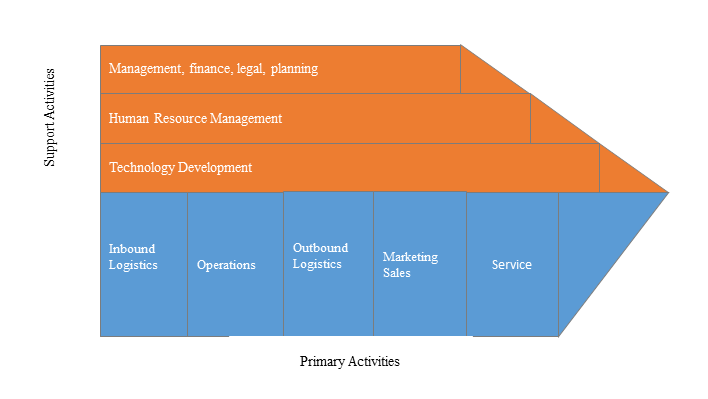
Value chain analysis is a tool to identify activities, within and around the firm and relating these activities to an assessment of competitive strength. Value chain can be analyzed by primary activities and supportive activities. Primary activities include: inbound logistics, operations, outbound logistics, marketing & sales, service. Support activities include: technology development, human resource management, management, finance, legal, planning.
4)SWOT Analysis
SWOT analysis is a tool used to evaluate a company's competitive position by identifying its strengths, weaknesses, opportunities and threats. The strengths and weakness is the inner factor; the opportunities and threats are the external factor. By analyzing the inner and external factors, the analysis can provide the detail information of the position of a player and the characteristics of the industry.
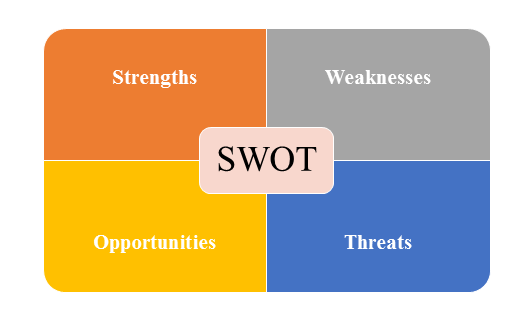
- Strengths describe what the player excels at and separates it from the competition
- Weaknesses stop the player from performing at its optimum level.
- Opportunities refer to favorable external factors that the player can use to give it a competitive advantage.
- Threats refer to factors that have the potential to harm the player.
- Data Sources
| Primary Sources | Secondary Sources |
|---|---|
| Face to face/Phone Interviews with market participants, such as: Manufactures; Distributors; End-users; Experts. Online Survey |
Government/International Organization Data: Annual Report/Presentation/Fact Book Internet Source Information Industry Association Data Free/Purchased Database Market Research Report Book/Journal/News |