Adhesion Barrier Market Analysis and Strategic Forecast
- Single User License (1 Users) $ 3,500
- Team License (2~5 Users) $ 4,500
- Corporate License (>5 Users) $ 5,500
The global adhesion barrier market size is valued at 0.8 - 1.0 billion USD in 2026 with a compound annual growth rate (CAGR) between 6.5% - 9.5% through 2031. Surgeon preference are pivoting away from legacy physical barrier membranes toward auto-crosslinked hydrogels, temperature-responsive sol-gels, and flowable nano-particulate matrices. This transformation is accelerated by the transition toward minimally invasive surgery (MIS) and robotic-assisted surgical platforms (such as the da Vinci ecosystem), where traditional solid barrier sheets present severe manual deployment bottlenecks. Concurrently, regional purchasing structures are bifurcating: North American and Western European health systems leverage health-economic cost-benefit metrics to curb episode-of-care expenses associated with adhesive small bowel obstruction (ASBO), while major Asian markets—predominantly China—deploy Volume-Based Procurement (VBP) mandates that pressure average selling prices and mandate backward integration into high-purity biopolymer raw materials.
PRODUCT TAXONOMY AND BIOMATERIAL ARCHITECTURE
Absorbable anti-adhesion medical devices function as transient, biocompatible interfaces deployed between wounded contiguous tissues during the critical mesothelial remesothelialization phase, which spans three to seven days post-trauma. Successful intervention prevents fibrin-bridge formation, localized cellular exudate consolidation, and fibroblast scaffolding. Products are stratified by physical formulation and underlying polymer chemistry.
● Classification by Physical Formulation:
- Adhesion Barrier Film and Sheet: Solid, planar bioresorbable membranes engineered for open surgical fields. These structures provide immediate, absolute mechanical separation between anatomical planes. However, they lack elasticity, require precise handling to avoid pre-application micro-fractures, frequently necessitate suture or tack fixation, and present substantial deployment challenges when manipulated through standard 5mm to 12mm laparoscopic trocars. Prototypical legacy formulations include chemically modified sodium hyaluronate combined with carboxymethylcellulose (Seprafilm) and oxidized regenerated cellulose fabrics (Interceed).
- Adhesion Barrier Gel and Hydrogel: Viscous, pre-filled, or in-situ crosslinking polymeric hydrogels administered directly from pre-filled syringes via long-reach cannulas or laparoscopic delivery catheters. Hydrogels conform natively to irregular anatomical geometries, exhibit high tissue-affinity and shear-thinning properties, remain stationary against gravity and peristaltic motion without suture fixation, and integrate seamlessly with minimally invasive trocars. Commercial examples include auto-crosslinked hyaluronic acid formulations (PROTAHERE, DEFEHERE, NEODOMA, Hyalobarrier, BioRegen intrauterine and pelvic gels) and dual-polymer composite hydrogels (Oxiplex, Guardix).
- Adhesion Barrier Solution: Low-viscosity, high-volume fluid instillates infused into the peritoneal cavity immediately prior to abdominal wall closure. These solutions provide hydroflotation, suspending organs and separating broad serosal surfaces throughout the acute healing cascade. Exemplified by 4 percent icodextrin instillates (Adept), their clinical utility is counterbalanced by fluid retention monitoring protocols and rapid peritoneal lymphatic clearance.
- Adhesion Barrier Powder and Spray: Dry, bioresorbable microparticles or multi-component reactive liquids that instantly hydrate or crosslink upon contact with tissue moisture, peritoneal exudate, or sterile saline. These systems provide dual-action hemostasis and physical barrier protection over diffuse, oozing capillary beds and dissected retroperitoneal spaces. Commercial platforms include starch-derived microporous spheres (4DryField PH), plant polysaccharides (HaemoCer PLUS), chitosan-gelatin powders (Nexpowder, Nexpatch), and synthetic self-assembling peptide solutions (PuraStat).
● Classification by Material and Chemical Composition:
- Hyaluronic Acid (HA) and Derivatives: Linear and crosslinked glycosaminoglycans synthesized via Streptococcus microbial fermentation or avian extraction. Advanced formulations utilize chemical crosslinkers (such as 1,4-butanediol diglycidyl ether, or BDDE) or proprietary auto-crosslinking (thermal, vacuum, or pH-mediated carboxyl-hydroxyl self-esterification) to avoid residual chemical crosslinker toxicity, extending in vivo persistence beyond seven days.
- Oxidized Regenerated Cellulose (ORC): Plant-derived cellulosic polymers degraded via enzymatic cleavage and macrophage phagocytosis. When exposed to blood and peritoneal fluids, ORC forms an adherent gelatinous protective layer, functioning effectively as an adjunct in gynecological open pelvic surgeries when complete hemostasis is maintained.
- Polyethylene Glycol (PEG): Multi-arm synthetic PEG precursors tailored with reactive end-groups (e.g., N-hydroxysuccinimide esters) that execute rapid, covalent in-situ nucleophilic crosslinking upon physiological fluid contact, generating transparent, mechanically resilient synthetic barriers.
- Chitosan and Chitin Derivatives: Marine crustacean-derived or bio-fermented polycationic polysaccharides. Water-soluble modifications, such as carboxymethyl chitosan, confer broad-spectrum intrinsic antimicrobial properties, accelerate mesothelial wound restoration, and provide durable physical barrier coverage.
- Collagen and Self-Assembling Peptides: Purified animal-derived extracellular matrix collagens or synthetic alternating ionic oligopeptides (such as the RADA16 amino acid sequence). Self-assembling peptides exist as liquid peptide monomers at low pH and immediately assemble into nanofiber hydrogel networks (scaffold pore size ~50-200 nm) upon exposure to physiological electrolytes, mirroring human extracellular matrix.
- Synthetic Polyesters (PLA, PLLA, and PLGA): Synthetic biodegradable polymers processed into macro- and micro-thin flexible sheets. They degrade systematically via ester bond hydrolysis into endogenous lactic and glycolic acid, offering robust mechanical tensile retention suited for spinal laminectomy and sternotomy separation.
DOWNSTREAM CLINICAL APPLICATION DYNAMICS
The deployment of adhesion barriers is distributed across five strategic surgical specialties, each presenting distinct mechanical stresses, fluid clearances, and clinical risk profiles:
● Gynecological and Pelvic Surgery:
Gynecological interventions constitute the single largest revenue-generating segment. The clinical sequelae of pelvic adhesions include secondary female mechanical infertility due to tubal distortion, intractable pelvic pain, and complex revisions during subsequent caesarean sections or laparotomies. High-risk target procedures include intrauterine adhesiolysis for Asherman's syndrome, extensive myomectomy, endometrioma excision, ovarian cystectomy, and pelvic floor reconstruction. Auto-crosslinked HA gels and self-assembling hydrogels represent standard-of-care interventions inside uterine cavities and deep pelvic spaces due to superior mucosal affinity and ease of hysteroscopic delivery.
● Abdominal and Gastrointestinal Surgery:
Covering open and laparoscopic colorectal resections, enterolysis, bariatric interventions, cholecystectomies, and complex ventral hernia reconstructions. The primary clinical mandate is reducing adhesive small bowel obstruction (ASBO)—a complication accounting for more than 70 percent of mechanical small bowel obstructions and imposing heavy readmission costs on health networks. Minimally invasive access has driven hospital demand away from planar sheets toward flowable sprayable powders and shear-thinning hydrogels capable of coating large swathes of denuded visceral peritoneum.
● Orthopedic and Spine Surgery:
In spine surgery, particularly lumbar discectomy and multi-level laminectomy, epidural fibrosis and postoperative peridural scarring tether nerve roots, driving recurrent radicular pain and failed back surgery syndrome (FBSS). Barriers designed for this segment (such as Oxiplex and DEFEHERE) isolate the dura mater from the overlying healing paraspinal musculature. In orthopedic sports medicine and extremity reconstruction, barrier gels are injected around repaired flexor tendons and peripheral nerve beds to preserve excursion, maintain sliding tissue interfaces, and prevent joint capsule contracture.
● Ear, Nose, and Throat (ENT) Surgery:
Predominantly indicated in functional endoscopic sinus surgery (FESS) for chronic rhinosinusitis and complex middle ear reconstructions. Following extensive mucosal debridement of the ethmoid, frontal, and maxillary sinuses, the denuded bone and mucosal edges are prone to synechiae formation and ostial stenosis. Specialized viscid HA gels and sol-to-gel formulations act as temporary stenting agents, preserving ostial patency, suppressing synechiae, and supporting normal mucociliary clearance without requiring painful manual post-operative packing extraction.
● Cardiovascular and Reconstructive Surgery:
Principally deployed in pediatric congenital cardiac repairs and adult cardiac surgery requiring potential median resternotomy. Dense retrosternal adhesions between the posterior sternum, pericardium, right ventricle, and anterior aorta induce catastrophic vascular laceration risks during oscillating saw entry in secondary surgeries. Resorbable PLA/PLLA films (such as CardioWrap) and non-immunogenic polysaccharide gels are positioned anteriorly over the repaired pericardium to preserve clear retrosternal dissection planes for inevitable future interventions.
REGIONAL MARKET DYNAMICS
● North America:
North America controls the largest value share of the global adhesion barrier market, anchored by the United States, which commands upwards of 90 percent of the North America market. Regional expansion is underpinned by high per capita surgical spending, comprehensive institutional recognition of the health-economic liability of ASBO, and high penetration of robotic surgical platforms. The commercial model is governed by consolidated supply intermediaries, including Group Purchasing Organizations (GPOs) and Integrated Delivery Networks (IDNs). Hospital procurement committees mandate exhaustive clinical data illustrating total episode-of-care cost containment—specifically reductions in readmission rates and re-operative procedural times. Concurrently, the accelerated migration of elective orthopedic, spine, and gynecological cases into Ambulatory Surgery Centers (ASCs) is propelling demand for shelf-stable, pre-filled syringes that eliminate cumbersome operating room reconstitution steps.
● Asia-Pacific:
Asia-Pacific demonstrates the highest projected expansion trajectory over the forecast period:
- China: The largest individual national marketplace in APAC. Regulatory authorities have implemented rigorous Volume-Based Procurement (VBP) rounds across provincial and multi-provincial alliances. While VBP frameworks impose direct downward pricing pressure on average unit realizations, they simultaneously accelerate tender-based hospital adoption, dislodging uncompetitive sub-scale producers. The market structure overwhelmingly favors large-scale domestic players with in-house biopolymer processing facilities, automated cleanroom operations, and distribution channels spanning Class 3A and 2A hospitals.
- India: Expanding via extensive private hospital network investments, rapid modernization of tertiary surgical centers, and double-digit procedural volume increases in general abdominal and gynecological interventions. Commercialization depends on private healthcare groups and tier-one distributor alignments.
- Taiwan, China: Demonstrates mature, highly institutionalized clinical adoption where abdominal adhesion rates in complex procedures approximate 90 percent. Domestically engineered auto-crosslinked HA formulations have secured penetration thresholds ranging between 75 percent and 95 percent across major medical centers.
- Japan: A mature biosurgery landscape characterized by established reimbursement structures under the Pharmaceuticals and Medical Devices Agency (PMDA). High procedure volumes in general colorectal and gynecological surgeries support stable consumption of domestic and imported bioabsorbable films, PGA reinforcement sheets, and endoscopic hemostatic-barrier hydrogels.
● Europe:
The European market represents a mature, high-compliance clinical environment centered on Germany, France, the United Kingdom, and Northern European hubs. European growth is constrained and reshaped by regulatory friction. The implementation of the European Medical Device Regulation (EU MDR 2017/745) has imposed stringent clinical evidence requirements, continuous Post-Market Clinical Follow-Up (PMCF), and comprehensive technical dossier audits for Class III resorbable implants. These regulatory overheads have triggered the rationalization of low-margin legacy product lines while raising the market entry barrier. Simultaneously, the rollout of the EU Health Technology Assessment (HTA) Regulation (EU 2021/2282) mandates rigorous cross-border comparative-effectiveness data against existing standard-of-care surgical consumables, rewarding advanced dual-action hemostat-barrier products and auto-crosslinked polymers.
● Latin America:
Latin American uptake is clustered in Brazil, Mexico, and Argentina. Brazil represents the dominant regional contributor, supported by an expanding network of private hospital operators and elevated gynecological surgery volumes. The prevailing go-to-market structure relies on specialized multi-territory master distributors capable of navigating ANVISA registration timelines and localized state import duties, though multinational leaders increasingly establish localized direct corporate sales arms in Sao Paulo and Rio de Janeiro.
● Middle East and Africa:
Expansion across the MEA zone is concentrated within the Gulf Cooperation Council (GCC) economies, specifically the United Arab Emirates and the Kingdom of Saudi Arabia. Driven by extensive public healthcare infrastructure modernization mandates and private hospital investments, these markets exhibit high purchasing power and rapid adoption of premium, pre-filled biosurgical consumables. Conversely, Sub-Saharan Africa remains an emerging frontier where product utilization is localized to major academic medical centers and private tertiary surgical institutions.
SUPPLY CHAIN AND VALUE CHAIN ARCHITECTURE
The industrial value chain for adhesion barriers exhibits extreme technical barriers to entry, long regulatory incubation cycles, and high operating margins.
● Upstream (Raw Material Sourcing and Precision Engineering):
Upstream operations involve the extraction and fine chemical synthesis of high-purity biopolymers. Microbial fermentation of sodium hyaluronate utilizes industrial strains of Streptococcus zooepidemicus or engineered Bacillus subtilis, followed by extensive purification to achieve ultra-low endotoxin thresholds (consistently below 0.05 EU/mg) and ultra-high molecular weights (exceeding 1.5 to 3.0 MDa). The supply chain for specialized marine-derived chitosan mandates rigid deacetylation processing to secure uniform carboxymethyl functionalization. Concurrently, precision hardware manufacturing forms a critical supply bottleneck: Class III bioabsorbable devices necessitate high-grade borosilicate cyclic olefin copolymer (COC) pre-filled syringes, specialized multi-lumen atomizing spray tips, and flexible endoscopic delivery cannulas capable of resisting blockage when navigating narrow trocar lumens.
● Midstream (Crosslinking Chemistries, Formulation, and Sterilization):
Midstream value generation resides in proprietary macromolecular crosslinking platforms. Unmodified natural polymers typically undergo enzymatic degradation within 24 to 48 hours in the peritoneal fluid, rendering them ineffective during the critical 7-day mesothelialization phase. Leading manufacturers implement proprietary crosslinking methodologies:
- Chemical crosslinking via bifunctional agents (e.g., BDDE, glutaraldehyde, or divinyl sulfone). This process requires costly, multi-phase wash cycles to extract unreacted free crosslinker residues to avoid in vivo cellular toxicity.
- Auto-crosslinking or self-crosslinking architectures (such as carboxyl-hydroxyl condensation under vacuum/temperature control or disulfide bridging), which completely eradicate residual chemical reagents while delivering customizable degradation windows lasting between 7 and 28 days.
- Lyophilization, cleanroom aseptic formulation, and terminal sterilization. The sterilization of temperature-sensitive, hydration-receptive biopolymers represents an operational moat; standard steam autoclaving degrades molecular weight, while excessive gamma/e-beam radiation can induce polymer chain scission. Leading facilities employ specialized low-temperature ethylene oxide (EtO) or validated aseptic filling suites.
● Downstream (Channel Architecture and Value Migration):
Downstream dynamics reveal significant value migration from distributor-driven models to institutional direct integration and robotic bundling:
- In the United States and Western Europe, distribution is tightly controlled through institutional tenders, GPO agreements, and IDN formulary inclusions.
- In Asia-Pacific, value migration is driven by regulatory tender access; the distributor's role is transforming from pure margin-taking inventory holding to providing localized hospital clinical support and compliance services under VBP monitoring.
- Across all regions, the surgical interface is migrating into robotic-assisted surgery. Value is captured by biomaterial formulations compatible with surgical robotic fluidic channels, where micro-applicators can be articulated through robotic instrument arms to reach concealed pelvic or retroperitoneal planes.
REGULATORY, REIMBURSEMENT, AND POLICY LANDSCAPE
The regulatory landscape for absorbable adhesion barriers is among the most demanding in the medical technology industry, as these materials permanently interact with healing serosal, visceral, and vascular structures:
● United States: Absorbable barriers are classified as Class III medical devices, mandating the Premarket Approval (PMA) regulatory pathway, although select composite devices or predicate-backed surgical matrices navigate the 510(k) or De Novo pathways. PMA clearance demands multi-center randomized controlled trials (RCTs) proving statistically significant reductions in adhesion severity and incidence, as well as showing no adverse impacts on anastomotic healing or systemic safety. On the reimbursement side, inpatient use is bundled into Medicare Severity Diagnosis Related Groups (MS-DRGs). Consequently, hospital value-analysis committees require convincing health-economic documentation proving that up-front barrier utilization reduces 30-day readmissions, unpredicted enterotomies, and long-term bowel obstruction expenses.
● European Union: Under the EU MDR (2017/745), absorbable biomaterials intended to be completely or partially absorbed are classified under Class III rules. This designation demands extensive Notified Body reviews, strict validation of human or animal-derived raw material sources, comprehensive clinical evaluation reports (CERs) derived from direct clinical trials, and proactive Post-Market Clinical Follow-Up (PMCF). The administrative, financial, and clinical burdens of EU MDR have lengthened approval lead-times, causing smaller device developers to seek alternative initial commercialization territories.
● China: Overseen by the National Medical Products Administration (NMPA), anti-adhesion barriers are regulated as Class III devices. Securing market registration requires exhaustive local clinical evaluations and rigorous technical testing. In parallel, healthcare containment policies are administered through centralized Volume-Based Procurement (VBP) and the National Reimbursement Drug List (NRDL). Products participating in national or regional bidding rounds face steep price concessions in exchange for designated hospital purchase volumes. This market environment favors scaled domestic entities capable of managing integrated cost structures.
KEY MARKET PLAYERS
● Baxter International Inc.: Seprafilm Adhesion Barrier (Sodium Hyaluronate / Carboxymethylcellulose resorbable membrane) and Adept Adhesion Reduction Solution (4 percent icodextrin instillate).
● Johnson & Johnson (J&J MedTech / Ethicon): Interceed (TC7) Absorbable Adhesion Barrier (Oxidized Regenerated Cellulose fabric) and Gynecare Intercoat Gel.
● Shanghai Haohai Biological Technology Co., Ltd.: Medical Chitosan for Anti-Adhesion and Medical Sodium Hyaluronate Gel for Anti-Adhesion.
● BioRegen Biomedical (Changzhou) Co., Ltd.: Intrauterine Crosslinked Sodium Hyaluronate Gel, Pelvic Crosslinked Sodium Hyaluronate Gel, and ENT Crosslinked Sodium Hyaluronate Gel.
● SciVision Biotech Inc.: PROTAHERE Absorbable Adhesion Barrier (Gynecological pelvic gel), DEFEHERE Absorbable Adhesion Barrier (Orthopedic and spine gel), and NEODOMA Absorbable Adhesion Barrier Gel.
● Anika Therapeutics, Inc.: Hyalobarrier (auto-crosslinked hyaluronic acid gel for abdominal and pelvic application) and Hyaloglide.
● NEXTBIOMEDICAL Co., Ltd.: Nexpatch (absorbable tissue reinforcement and adhesion reduction matrix composed of chitosan and gelatin) and Nexpowder (endoscopic hemostatic and mucosal barrier powder).
● 3-D Matrix, Ltd.: Proprietary synthetic self-assembling peptide platform (RADA16). Flagship commercial product PuraStat (absorbable endoscopic peptide hydrogel) and designated anti-adhesion pipeline candidate TDM-511.
● Fziomed, Inc.: Oxiplex (lumbar spine surgery and laminectomy gel), Oxiplex/AP (abdominopelvic laparotomy and laparoscopy gel), Oxiplex/IU (intrauterine hysteroscopy gel), and Dynavisc (tendon and peripheral nerve surgery).
● PlantTec Medical GmbH: 4DryField PH dual-action powder and dedicated 4DFLap laparoscopic applicators.
● BioCer Entwicklungs-GmbH: HaemoCer PLUS bioresorbable polysaccharide powder and specialized laparoscopic delivery applicators.
● CGBio: Mediclore temperature-sensitive anti-adhesion hydrogel.
● Samyang Biopharm Corp.: Guardix-sol and Guardix-SG (absorbable anti-adhesion gels composed of sodium hyaluronate and carboxymethylcellulose) alongside bioabsorbable surgical sutures.
● DONGSUNG CHEMICAL Co., Ltd. / Genewel: Guardix absorbable adhesion barrier gel platform.
● Cook Medical: Biodesign Tissue Graft ecosystem (extracellular matrix derived from porcine small intestinal submucosa, SIS).
● Terumo Corporation: Biosurgery sealants, tissue repair barriers, and interventional access systems.
● GUNZE LIMITED: Bioabsorbable tissue reinforcement sheets and matrices (polyglycolic acid - PGA mesh/sheets) and bioabsorbable surgical sutures.
● Seikagaku Corporation: Medical-grade bulk Hyaluronic Acid raw materials and specialized intra-articular and surgical viscosupplement formulations.
● Kaken Pharmaceutical Co., Ltd.: manufacturing and marketing of Seprafilm Adhesion Barrier in Japan alongside proprietary intra-articular HA therapies (Artz).
● MAST Biosurgery AG: SurgiWrap (abdominal and pelvic resorbable film), CardioWrap (cardiac and retrosternal barrier sheet), and OrthoWrap (orthopedic tendon and peripheral nerve film).
● Shanghai Qisheng Biological Preparation Co., Ltd.: Injectable Medical Sodium Hyaluronate Gels for post-surgical anti-adhesion across abdominal, pelvic, and joint fields.
● Success Bio-Tech Co., Ltd.: Surgical anti-adhesion liquid, gel, and composite polysaccharide barriers indicated for abdominal, pelvic, and gynecological surgical interventions.
● Shanghai Divine Medical Technology Co., Ltd.: Resorbable polylactic acid (PLA) anti-adhesion membranes (Nocling) and modified hyaluronic acid anti-adhesion gels (SEMICAL).
● TransEasy Medical Tech. Co., Ltd.: Composite anti-adhesion hernia meshes, absorbable polymer laparoscopic fixators (DegraTack), and barrier-coated synthetic matrices.
- Operational Moat: Deep expertise in laparoscopic and robotic surgical instruments and hernia repair implants. The company engineers anti-adhesion coatings directly onto visceral-facing mesh planes to prevent bowel loop adherence.
INDUSTRY DRIVERS, STRUCTURAL BOTTLENECKS, AND OPPORTUNITIES
● Clinical and Technological Catalysts:
- The transition from open surgery to minimally invasive surgery (MIS), laparoscopic, and robotic-assisted techniques represents the most decisive technological catalyst reshaping this sector. Traditional solid barrier membranes, which require manual unrolling, static positioning, and suture anchoring, are poorly compatible with 8mm robotic trocars and restricted operative spaces. Consequently, surgical adoption is shifting toward flowable, shear-thinning, auto-crosslinked hydrogels, sprayable powders, and in-situ self-assembling peptide matrices that can be administered smoothly via long cannulas to coat irregular retroperitoneal spaces.
- Demographic aging across North America, Europe, and East Asia is driving an expansion in aggregate surgical case volumes, particularly in complex oncological resections, revisions, joint arthroplasties, and multi-level spinal decompressions. Because secondary revisions in elderly cohorts carry elevated risks of visceral laceration, surgeons are adopting adhesion prophylaxis as a standard preventive protocol.
- Value analysis committees within healthcare systems are increasingly recognizing the adverse health economics of postoperative adhesions. Readmissions for adhesive small bowel obstruction (ASBO), protracted operating times during re-exploration, and accidental enterotomies impose quantifiable financial burdens on hospital networks operating under capitated payment schemes or DRG bundles. Demonstrating a reduction in readmissions within 30 to 90 days provides manufacturers with a commercial lever to justify formulary inclusion.
● Macro Impediments and Market Inhibitors:
- Regulatory friction constitutes a substantial market headwind. The enforcement of the EU MDR (2017/745) and the EU HTA Regulation (2021/2282) has dramatically escalated the cost and duration of clinical studies required for Class III absorbable devices. The demand for long-term randomized clinical trial data and proactive PMCF has forced the withdrawal of some legacy formulations, created Notified Body backlogs, and extended European commercialization timelines. In parallel, the United States FDA PMA requirements present high capital and clinical hurdles for new biomaterial market entrants.
- Centralized pricing compression represents another systemic market constraint. The expansion of provincial and national Volume-Based Procurement (VBP) policies across China has instituted average selling price cuts across biosurgery and anti-adhesion consumables. This structural shift severely erodes distributor margins and forces manufacturers to vertically integrate into upstream bioprocessing to preserve gross profitability. Similar price-capping pressures are mediated by GPOs in the United States, limiting price elasticity for undifferentiated barrier products.
- Direct clinical competition from advanced multifunctional hemostatic sealants and tissue adhesives also constrains growth. In time-sensitive surgical cases, operating teams frequently opt for multi-purpose fibrin sealants, gelatin-thrombin matrices, or PEG-based tissue adhesives that provide immediate hemostatic control while simultaneously offering transient tissue barrier separation, absorbing departmental budgets that would otherwise be allocated to dedicated anti-adhesion barriers.
● Strategic Horizons and Growth Vectors:
- Auto-Crosslinked Polysaccharide Engineering: The elimination of chemical crosslinking agents (such as BDDE, epichlorohydrin, or glutaraldehyde) represents a prime growth vector. Proprietary physical auto-crosslinking—achieved via thermal treatment, vacuum-induced carboxyl-hydroxyl esterification, or disulfide crosslinking—yields biocompatible, highly viscid hydrogels that break down via standard physiological pathways without toxic degradation products, mitigating foreign-body inflammatory responses.
- Specialty Clinical Indication Expansion: The historical reliance on gynecological and general abdominal procedures is giving way to high-margin specialty areas. Spine surgery (prevention of peridural fibrosis and root tethering), ENT functional endoscopic sinus surgery (preventing synechiae and ostial stenosis), and cardiovascular re-operations (preventing retrosternal adhesions prior to resternotomy) provide high-realization opportunities insulated from bulk tender pricing pressures.
- Robotic-Arm Delivery Integration: Strategic integration with robotic surgical ecosystems (such as the Intuitive Surgical da Vinci platform) offers a clear path to differentiation. Biomaterial developers that design dedicated robotic-arm fluidic delivery systems and shear-thinning barrier formulations will secure distinct competitive moats, establishing early formulary lock-in as robotic MIS platforms continue their global penetration.
1.1 Executive Summary and Scope of Global Adhesion Barrier Market 1
1.2 Secondary Sourcing, Biomaterial Trade Registries and Enterprise Audits 2
1.3 Primary Delphi Panels, Surgical Opinion Leader Interviews and Clinical Validation 3
1.4 Bottom-Up and Top-Down Market Sizing Econometric Models (2021-2031) 4
1.5 Data Cross-Validation, Triangulation and Dynamic Sensitivity Forecasting 5
1.6 Definitional Taxonomy and Standardized Industry Abbreviations 6
Chapter 2 Global Adhesion Barrier Market Landscape, Macro Dynamics and 2021-2031 Trajectory 7
2.1 Macroeconomic Healthcare Expenditure Drivers and Inpatient Surgical Volume Shifts 7
2.2 Postoperative Adhesion Pathophysiology, Peritoneal Fibrinolysis and Complication Burden 9
2.3 Clinical Health Economics: Readmission Burden, Bowel Obstruction and Adhesiolysis Costs 11
2.4 Historical Market Performance (2021-2025) and Forward Projections (2026-2031) 13
Chapter 3 Adhesion Barrier Biomaterials Value Chain, Upstream Sourcing and Regulatory Pathways 15
3.1 Upstream Biopolymer Precursors: Medical-Grade Sodium Hyaluronate, Cellulose and PEGs 15
3.2 Intermediate Processing: Cross-Linking Chemistry, Sterility Assurance and Cleanroom Packaging 17
3.3 Terminal Sterilization Modalities: Gamma Irradiation, Ethylene Oxide and Electron Beam Integrity 19
3.4 Global Regulatory Approvals, Medical Device Vigilance and Clinical Evidence Requirements 21
Chapter 4 Global Adhesion Barrier Market by Physical Formulation 23
4.1 Adhesion Barrier Film and Sheet Formulations: Tensile Strength, Handling and Fixation 23
4.2 Adhesion Barrier Gel and Hydrogel Formulations: In-Situ Gelling, Viscosity and Degradation 25
4.3 Adhesion Barrier Instillate Solutions: Large-Volume Peritoneal Distribution and Residence Time 27
4.4 Adhesion Barrier Powder and Spray Systems: Laparoscopic Sprayability and Hemostatic Synergy 29
Chapter 5 Global Adhesion Barrier Market by Material and Chemical Composition 32
5.1 Hyaluronic Acid (HA) and Chemically Modified Hyaluronate Derivatives 32
5.2 Oxidized Regenerated Cellulose (ORC) Biomaterials and Carboxymethylcellulose Scaffolds 34
5.3 Polyethylene Glycol (PEG) Polymers and Synthetic Co-Polymer Matrices 36
5.4 Chitosan-Based Hydrogels, Polysaccharide Derivatives and Marine Biopolymers 38
5.5 Bovine/Porcine Collagen Formulations and Self-Assembling Peptide Scaffolds 40
Chapter 6 Global Adhesion Barrier Market by Downstream Surgical Application 42
6.1 Gynecological and Pelvic Interventions: Endometriosis, Myomectomy and Infertility Prevention 42
6.2 Orthopedic and Spinal Surgeries: Laminectomy, Peridural Fibrosis and Tendon Repair 44
6.3 Abdominal and Gastrointestinal Procedures: Colorectal Resection, Herniorrhaphy and Appendectomy 46
6.4 Ear, Nose, and Throat (ENT) Procedures: Functional Endoscopic Sinus Surgery and Tympanoplasty 48
6.5 Cardiovascular, Thoracic and Reconstructive Procedures: Pericardial and Sternotomy Adhesions 49
Chapter 7 Global Production Hubs, Cross-Border Logistics and Tariff Architecture 51
7.1 Primary Upstream Synthesis and Finished Product Manufacturing Clusters 51
7.2 International Freight Logistics, Cold-Chain Maintenance and Expiry Management 53
7.3 Cross-Border Customs Tariffs, HS Code Harmonization and Supply Chain Resilience 55
Chapter 8 Regional and Sovereign Market Analysis 57
8.1 North America 57
8.1.1 United States: PMA/510(k) Clearances, GPO Contracting and Outpatient Surgery Trends 57
8.1.2 Canada: Health Canada Medical Device Directorate Regulations and Hospital Tenders 58
8.2 Europe 59
8.2.1 Germany: Statutory Health Insurance DRG Reimbursement and Hospital Purchasing Consortia 59
8.2.2 France: HAS Clinical Evaluations and Public Hospital Infrastructure Procurement 60
8.2.3 Switzerland: Innovation Hubs, Medtech Regulatory Alignment and High-Acuity Adoption 60
8.2.4 United Kingdom: NHS Procurement Frameworks and NICE Medical Technologies Guidance 61
8.2.5 Italy & Rest of Europe Market 62
8.3 Asia-Pacific 63
8.3.1 China: NMPA Fast-Track Reviews, Volume-Based Procurement and Domestic Localization 63
8.3.2 Japan: PMDA Reimbursement Pricing Schedule and Aging Demographic Demands 63
8.3.3 South Korea: MFDS Approvals, K-Medtech Cluster Innovations and Spine Surgeries 64
8.3.4 Taiwan (China): TFDA Biomaterial Listings and Surgical Center Adoption 64
8.3.5 India: Tertiary Hospital Infrastructure Expansion and Medical Tourism Growth 65
8.3.6 Australia: TGA Conformity Assessments and Private Health Insurance Prostheses List 65
8.4 Latin America 66
8.4.1 Brazil: ANVISA Approvals, Private Health Insurance Coverage and Surgical Demand 66
8.4.2 Mexico: COFEPRIS Clearances, Public Healthcare Budgets and Hospital Expansion 66
8.5 Middle East and Africa 67
8.5.1 Saudi Arabia: SFDA Regulatory Harmonization and Vision 2030 Healthcare Modernization 67
8.5.2 United Arab Emirates: Healthcare Free Zones and Advanced Surgical Facility Uptake 67
8.5.3 South Africa: Private Surgical Networks and Public Sector Procurement Dynamics 68
Chapter 9 Global Competitive Dynamics, Market Concentration and Patent Landscape 69
9.1 Enterprise Market Concentration: CR4, CR8 and Herfindahl-Hirschman Index Analysis 69
9.2 Technology Breadth versus Commercial Execution 70
9.3 Global Intellectual Property Landscape, Patent Expirations and Biosimilar Hydrogel Threats 71
Chapter 10 Corporate Intelligence: Global Market Participants 72
10.1 Baxter 72
10.1.1 Enterprise Overview, Biosurgery Product Lines and Clinical Indications 72
10.1.2 Baxter SWOT Strategic Assessment 72
10.1.3 Baxter Adhesion Barrier Commercial Financials, Cost Structure and Gross Margin 73
10.1.4 Global Commercial Footprint, R&D Allocations and Clinical Trial Pipeline 73
10.2 Johnson & Johnson 74
10.2.1 Enterprise Overview, Ethicon Surgical Solutions and Biomaterial Portfolio 74
10.2.2 Johnson & Johnson SWOT Strategic Assessment 74
10.2.3 Johnson & Johnson Adhesion Barrier Commercial Financials, Cost Structure and Gross Margin 75
10.2.4 Global Commercial Footprint, R&D Allocations and Distribution Synergies 76
10.3 NEXTBIOMEDICAL 77
10.3.1 Enterprise Overview, Rapid-Gelling Formulations and Pipeline Indications 77
10.3.2 NEXTBIOMEDICAL SWOT Strategic Assessment 78
10.3.3 NEXTBIOMEDICAL Adhesion Barrier Commercial Financials, Cost Structure and Gross Margin 79
10.3.4 Production Scale, Strategic Distribution Agreements and R&D Investments 80
10.4 Cook Medical 81
10.4.1 Enterprise Overview, Extracellular Matrix Technologies and Clinical Adoption 81
10.4.2 Cook Medical SWOT Strategic Assessment 82
10.4.3 Cook Medical Adhesion Barrier Commercial Financials, Cost Structure and Gross Margin 83
10.4.4 Global Clinical Education Ecosystem, R&D Expenditure and Capacity Expansion 84
10.5 3-D Matrix Ltd. 85
10.5.1 Enterprise Overview, Self-Assembling Peptide Technologies and Surgical Products 85
10.5.2 3-D Matrix Ltd. SWOT Strategic Assessment 86
10.5.3 3-D Matrix Ltd. Adhesion Barrier Commercial Financials, Cost Structure and Gross Margin 87
10.5.4 Regional Commercial Licensing, Regulatory Approvals and R&D Pipeline 88
10.6 Kaken Pharmaceutical 89
10.6.1 Enterprise Overview, Anti-Adhesive Postoperative Treatments and Formulation Line 89
10.6.2 Kaken Pharmaceutical SWOT Strategic Assessment 90
10.6.3 Kaken Pharmaceutical Adhesion Barrier Commercial Financials, Cost Structure and Gross Margin 91
10.6.4 Domestic Distribution Channels, International Out-Licensing and R&D Focus 92
10.7 Seikagaku 93
10.7.1 Enterprise Overview, Glycobiology Expertise and HA Cross-Linking Platforms 93
10.7.2 Seikagaku SWOT Strategic Assessment 94
10.7.3 Seikagaku Adhesion Barrier Commercial Financials, Cost Structure and Gross Margin 95
10.7.4 Upstream HA Synthesis Hubs, Global Commercial Partnerships and R&D Programs 96
10.8 Gunze 97
10.8.1 Enterprise Overview, Bioabsorbable Polymers and Sheet-Form Adhesion Barriers 97
10.8.2 Gunze SWOT Strategic Assessment 98
10.8.3 Gunze Adhesion Barrier Commercial Financials, Cost Structure and Gross Margin 99
10.8.4 Manufacturing Precision Infrastructure, Global Market Expansion and R&D Pipeline 100
10.9 Samyang Biopharm Corp. 101
10.9.1 Enterprise Overview, Biodegradable Surgical Polymers and Anti-Adhesion Portfolio 101
10.9.2 Samyang Biopharm Corp. SWOT Strategic Assessment 102
10.9.3 Samyang Biopharm Corp. Adhesion Barrier Commercial Financials, Cost Structure and Gross Margin 103
10.9.4 Polyketone and PGA Processing Facilities, Global OEM Partners and R&D Trajectory 104
10.10 Anika Therapeutics Inc 105
10.10.1 Enterprise Overview, Chemically Modified HA Hydrogels and Regenerative Solutions 105
10.10.2 Anika Therapeutics Inc SWOT Strategic Assessment 106
10.10.3 Anika Therapeutics Inc Adhesion Barrier Commercial Financials, Cost Structure and Gross Margin 107
10.10.4 Commercial Go-to-Market Strategy, Manufacturing Capacities and Clinical R&D 108
10.11 Terumo 109
10.11.1 Enterprise Overview, Surgical Biomaterial Ecosystem and Clinical Adhesion Prevention 109
10.11.2 Terumo SWOT Strategic Assessment 110
10.11.3 Terumo Adhesion Barrier Commercial Financials, Cost Structure and Gross Margin 111
10.11.4 Hospital Channel Integration, International Distribution Network and R&D Budget 112
10.12 SciVision Biotech Inc 113
10.12.1 Enterprise Overview, Microbial Fermentation HA Platforms and Anti-Adhesion Gels 113
10.12.2 SciVision Biotech Inc SWOT Strategic Assessment 114
10.12.3 SciVision Biotech Inc Adhesion Barrier Commercial Financials, Cost Structure and Gross Margin 115
10.12.4 Regulatory Clearances Across Asia, Cleanroom Scaling and Advanced Gel R&D 116
10.13 Genewel 117
10.13.1 Enterprise Overview, Biomaterial Membrane and Anti-Adhesion Solutions 117
10.13.2 Genewel SWOT Strategic Assessment 118
10.13.3 Genewel Adhesion Barrier Commercial Financials, Cost Structure and Gross Margin 119
10.13.4 South Korean Clinical Adoption, Export Network Expansion and Product Pipeline 120
10.14 Shanghai Haohai Biological Technology Co. Ltd. 121
10.14.1 Enterprise Overview, Sodium Hyaluronate and Chitosan Surgical Product Matrix 121
10.14.2 Shanghai Haohai Biological Technology Co. Ltd. SWOT Strategic Assessment 122
10.14.3 Shanghai Haohai Biological Technology Co. Ltd. Commercial Financials, Cost Structure and Gross Margin 123
10.14.4 VBP Adaptation Strategies, Cleanroom Expansion and Molecular Engineering R&D 124
10.15 BioRegen Biomedical (Changzhou) Co. Ltd. 125
10.15.1 Enterprise Overview, Cross-Linked HA Barriers and Minimally Invasive Delivery Systems 125
10.15.2 BioRegen Biomedical (Changzhou) Co. Ltd. SWOT Strategic Assessment 126
10.15.3 BioRegen Biomedical (Changzhou) Co. Ltd. Commercial Financials, Cost Structure and Gross Margin 127
10.15.4 Domestic Hospital Penetration, International CE Mark Expansion and R&D Commitments 128
10.16 MAST Biosurgery AG 129
10.16.1 Enterprise Overview, Bioresorbable Polylactide Copolymer Membranes 129
10.16.2 MAST Biosurgery AG SWOT Strategic Assessment 130
10.16.3 MAST Biosurgery AG Adhesion Barrier Commercial Financials, Cost Structure and Gross Margin 131
10.16.4 European and US Regulatory Trajectories, Swiss Production Facilities and R&D 132
10.17 Fziomed Inc 133
10.17.1 Enterprise Overview, Carboxymethylcellulose and PEO Polymeric Gel Formulations 133
10.17.2 Fziomed Inc SWOT Strategic Assessment 134
10.17.3 Fziomed Inc Adhesion Barrier Commercial Financials, Cost Structure and Gross Margin 135
10.17.4 Spine and Tendon Commercialization Channels, Global OEM Licensing and R&D Pipeline 136
10.18 Shanghai Qisheng Biological Preparation Co. Ltd. 137
10.18.1 Enterprise Overview, Medical Biopolymer Formulations and Surgical Gels 137
10.18.2 Shanghai Qisheng Biological Preparation Co. Ltd. SWOT Strategic Assessment 138
10.18.3 Shanghai Qisheng Biological Preparation Co. Ltd. Commercial Financials, Cost Structure and Gross Margin 139
10.18.4 Regional Clinical Tendering Strategy, Production Scale and Biomaterial Optimization 140
10.19 Success Bio-Tech Co. Ltd. 141
10.19.1 Enterprise Overview, Medical Grade HA and Carboxymethyl Chitosan Formulations 141
10.19.2 Success Bio-Tech Co. Ltd. SWOT Strategic Assessment 142
10.19.3 Success Bio-Tech Co. Ltd. Adhesion Barrier Commercial Financials, Cost Structure and Gross Margin 143
10.19.4 Direct Hospital Distribution Networks, Raw Material Extraction Integration and R&D 144
10.20 Shanghai Divine Medical Technology Co. Ltd. 145
10.20.1 Enterprise Overview, Surgical Consumables and Specialized Anti-Adhesion Gels 145
10.20.2 Shanghai Divine Medical Technology Co. Ltd. SWOT Strategic Assessment 146
10.20.3 Shanghai Divine Medical Technology Co. Ltd. Commercial Financials, Cost Structure and Gross Margin 147
10.20.4 Domestic Tier-3 Hospital Partnerships, Clinical Verification and Formulation Upgrades 148
10.21 TransEasy Medical Tech. Co. Ltd. 149
10.21.1 Enterprise Overview, Laparoscopic Surgical Biomaterials and Powder Delivery Systems 149
10.21.2 TransEasy Medical Tech. Co. Ltd. SWOT Strategic Assessment 150
10.21.3 TransEasy Medical Tech. Co. Ltd. Commercial Financials, Cost Structure and Gross Margin 151
10.21.4 Endoscopic Device Cross-Selling, R&D Investments and Manufacturing Automation 152
10.22 PlantTec Medical GmbH 153
10.22.1 Enterprise Overview, Polysaccharide Particle Matrices and 4DryField Technology 153
10.22.2 PlantTec Medical GmbH SWOT Strategic Assessment 154
10.22.3 PlantTec Medical GmbH Adhesion Barrier Commercial Financials, Cost Structure and Gross Margin 155
10.22.4 Dual Hemostatic-Adhesion Prevention Positioning, EU Distribution and Clinical Trials 156
10.23 BioCer Entwicklungs-GmbH 157
10.23.1 Enterprise Overview, ModifSty Modified Starch Technologies and Surgical Biomaterials 157
10.23.2 BioCer Entwicklungs-GmbH SWOT Strategic Assessment 158
10.23.3 BioCer Entwicklungs-GmbH Commercial Financials, Cost Structure and Gross Margin 159
10.23.4 International Hospital Distribution Networks, Bavarian Production Site and R&D 160
10.24 CGBio 161
10.24.1 Enterprise Overview, Regenerative Medicine Platforms and Hydrogel Anti-Adhesion Matrices 161
10.24.2 CGBio SWOT Strategic Assessment 162
10.24.3 CGBio Adhesion Barrier Commercial Financials, Cost Structure and Gross Margin 163
10.24.4 Global Spine and Pelvic Market Strategy, Cleanroom Facilities and R&D Pipeline 164
Table 2 Postoperative Complication Rates and Associated Hospital Readmission Costs (2021-2026) 12
Table 3 Global Adhesion Barrier Market Revenue and Annual Growth Forecast (2021-2031) 14
Table 4 Raw Biomaterial Specification Standards, Purity Levels and Cost per Kilogram (2021-2026) 16
Table 5 Terminal Sterilization Compatibility Matrix across Adhesion Barrier Formulations 20
Table 6 Global Regulatory Classification and Premarket Clearance Pathways by Sovereign Jurisdiction 22
Table 7 Global Adhesion Barrier Market Revenue by Physical Formulation (2021-2031) 24
Table 8 Adhesion Barrier Film and Sheet Physical Dimensions, Degradation Rates and Tensile Modulus 25
Table 9 Adhesion Barrier Gel and Hydrogel In-Situ Viscosity, Cross-Linking Agents and Residence Durations 27
Table 10 Adhesion Barrier Solution Osmolality, Instillation Volume Protocols and Clinical Efficacy 29
Table 11 Adhesion Barrier Powder and Spray Delivery Mechanism, Aerosolization Tech and Clearance Rates 31
Table 12 Global Adhesion Barrier Market Revenue by Material and Chemical Composition (2021-2031) 33
Table 13 Hyaluronic Acid Molecular Weight Distributions, Cross-Linking Density and Tissue Retention 34
Table 14 Oxidized Regenerated Cellulose Matrix Porosity, Degradation Timeline and Tissue Response 36
Table 15 Polyethylene Glycol Cross-Linking Chemistry, Precursor Mixing Ratios and Swelling Pressures 38
Table 16 Chitosan Deacetylation Percentages, Biocompatibility Profiles and Antimicrobial Parameters 40
Table 17 Collagen Scaffold Source Materials, Peptide Sequence Architecture and Fibril Assembly 41
Table 18 Global Adhesion Barrier Market Revenue by Downstream Surgical Application (2021-2031) 43
Table 19 Gynecological Laparoscopic and Open Procedure Adoption Rates of Adhesion Barriers (2021-2026) 44
Table 20 Orthopedic and Spinal Surgical Indications: Peridural Fibrosis Rates and Barrier Efficacy 46
Table 21 Abdominal and Colorectal Resections: Postoperative Small Bowel Obstruction Incidence 47
Table 22 ENT Sinus Stenting and Middle Ear Adhesion Prevention Clinical Outcomes Comparison 48
Table 23 Reoperative Sternal Entry and Cardiac Surgery Complication Mitigation Dynamics 50
Table 24 Global Adhesion Barrier Manufacturing Capacity by Key Production Sovereign Hub (2021-2026) 52
Table 25 Cross-Border Trade Flows, Primary Sourcing Corridors and Applied Tariff Rates (2021-2026) 54
Table 26 Cold-Chain Temperature Maintenance Tolerances and Packaging Integrity Thresholds 56
Table 27 North America Adhesion Barrier Market Revenue by Formulation and Country (2021-2031) 58
Table 28 Europe Adhesion Barrier Market Revenue by Sovereign Country and Application (2021-2031) 61
Table 29 Asia-Pacific Adhesion Barrier Market Revenue by Country and Formulation (2021-2031) 63
Table 30 Latin America, Middle East and Africa Adhesion Barrier Market Revenue by Country (2021-2031) 64
Table 31 Global Top 8 Enterprise Market Concentration Ratios and Herfindahl-Hirschman Index Trends 65
Table 32 Baxter Adhesion Barrier Revenue, Cost and Gross Margin (2021-2026) 71
Table 33 Johnson & Johnson Adhesion Barrier Revenue, Cost and Gross Margin (2021-2026) 75
Table 34 NEXTBIOMEDICAL Adhesion Barrier Revenue, Cost and Gross Margin (2021-2026) 79
Table 35 Cook Medical Adhesion Barrier Revenue, Cost and Gross Margin (2021-2026) 83
Table 36 3-D Matrix Ltd. Adhesion Barrier Revenue, Cost and Gross Margin (2021-2026) 87
Table 37 Kaken Pharmaceutical Adhesion Barrier Revenue, Cost and Gross Margin (2021-2026) 91
Table 38 Seikagaku Adhesion Barrier Revenue, Cost and Gross Margin (2021-2026) 95
Table 39 Gunze Adhesion Barrier Revenue, Cost and Gross Margin (2021-2026) 99
Table 40 Samyang Biopharm Corp. Adhesion Barrier Revenue, Cost and Gross Margin (2021-2026) 103
Table 41 Anika Therapeutics Inc Adhesion Barrier Revenue, Cost and Gross Margin (2021-2026) 107
Table 42 Terumo Adhesion Barrier Revenue, Cost and Gross Margin (2021-2026) 111
Table 43 SciVision Biotech Inc Adhesion Barrier Revenue, Cost and Gross Margin (2021-2026) 115
Table 44 Genewel Adhesion Barrier Revenue, Cost and Gross Margin (2021-2026) 119
Table 45 Shanghai Haohai Biological Technology Co. Ltd. Adhesion Barrier Revenue, Cost and Gross Margin (2021-2026) 123
Table 46 BioRegen Biomedical (Changzhou) Co. Ltd. Adhesion Barrier Revenue, Cost and Gross Margin (2021-2026) 127
Table 47 MAST Biosurgery AG Adhesion Barrier Revenue, Cost and Gross Margin (2021-2026) 131
Table 48 Fziomed Inc Adhesion Barrier Revenue, Cost and Gross Margin (2021-2026) 135
Table 49 Shanghai Qisheng Biological Preparation Co. Ltd. Adhesion Barrier Revenue, Cost and Gross Margin (2021-2026) 139
Table 50 Success Bio-Tech Co. Ltd. Adhesion Barrier Revenue, Cost and Gross Margin (2021-2026) 143
Table 51 Shanghai Divine Medical Technology Co. Ltd. Adhesion Barrier Revenue, Cost and Gross Margin (2021-2026) 147
Table 52 TransEasy Medical Tech. Co. Ltd. Adhesion Barrier Revenue, Cost and Gross Margin (2021-2026) 151
Table 53 PlantTec Medical GmbH Adhesion Barrier Revenue, Cost and Gross Margin (2021-2026) 155
Table 54 BioCer Entwicklungs-GmbH Adhesion Barrier Revenue, Cost and Gross Margin (2021-2026) 159
Table 55 CGBio Adhesion Barrier Revenue, Cost and Gross Margin (2021-2026) 163
Figure 1 Global Adhesion Barrier Research Methodology and Multi-Tier Validation Framework 3
Figure 2 Historical and Forecast Trajectory of Global Adhesion Barrier Market (2021-2031) 14
Figure 3 End-to-End Adhesion Barrier Value Chain: Upstream Synthesis to Hospital End-Use 18
Figure 4 Terminal Sterilization Method Distribution across Commercialized Barrier Brands 20
Figure 5 Global Adhesion Barrier Market Value Share by Physical Formulation (2026) 24
Figure 6 Formulation Share Breakdown: Films vs Gels vs Solutions vs Powders (2021-2031) 30
Figure 7 Global Adhesion Barrier Market Value Share by Material Composition (2026) 33
Figure 8 Biopolymer Market Penetration Dynamics: HA vs Cellulose vs PEG vs Peptides 39
Figure 9 Global Adhesion Barrier Application Value Distribution (2026) 43
Figure 10 Minimally Invasive Laparoscopic vs Open Surgery Adhesion Barrier Usage Shift (2021-2031) 47
Figure 11 Global Adhesion Barrier Finished Product Manufacturing Capacity by Country (2026) 52
Figure 12 Key Intercontinental Sourcing and Distribution Corridors for Surgical Biomaterials 54
Figure 13 North American Adhesion Barrier Revenue Trajectory by Country (2021-2031) 58
Figure 14 European Adhesion Barrier Revenue Distribution across Major Sovereign Markets (2026) 61
Figure 15 Asia-Pacific Adhesion Barrier Market Growth Hotspots (2021-2031) 63
Figure 16 Global Enterprise Market Share Concentration Analysis (2026) 66
Figure 17 MBB Strategic Positioning Matrix: R&D Innovation Depth vs Geographic Reach 67
Figure 18 Baxter Adhesion Barrier Market Share (2021-2026) 72
Figure 19 Johnson & Johnson Adhesion Barrier Market Share (2021-2026) 76
Figure 20 NEXTBIOMEDICAL Adhesion Barrier Market Share (2021-2026) 80
Figure 21 Cook Medical Adhesion Barrier Market Share (2021-2026) 84
Figure 22 3-D Matrix Ltd. Adhesion Barrier Market Share (2021-2026) 88
Figure 23 Kaken Pharmaceutical Adhesion Barrier Market Share (2021-2026) 92
Figure 24 Seikagaku Adhesion Barrier Market Share (2021-2026) 96
Figure 25 Gunze Adhesion Barrier Market Share (2021-2026) 100
Figure 26 Samyang Biopharm Corp. Adhesion Barrier Market Share (2021-2026) 104
Figure 27 Anika Therapeutics Inc Adhesion Barrier Market Share (2021-2026) 108
Figure 28 Terumo Adhesion Barrier Market Share (2021-2026) 112
Figure 29 SciVision Biotech Inc Adhesion Barrier Market Share (2021-2026) 116
Figure 30 Genewel Adhesion Barrier Market Share (2021-2026) 120
Figure 31 Shanghai Haohai Biological Technology Co. Ltd. Adhesion Barrier Market Share (2021-2026) 124
Figure 32 BioRegen Biomedical (Changzhou) Co. Ltd. Adhesion Barrier Market Share (2021-2026) 128
Figure 33 MAST Biosurgery AG Adhesion Barrier Market Share (2021-2026) 132
Figure 34 Fziomed Inc Adhesion Barrier Market Share (2021-2026) 136
Figure 35 Shanghai Qisheng Biological Preparation Co. Ltd. Adhesion Barrier Market Share (2021-2026) 140
Figure 36 Success Bio-Tech Co. Ltd. Adhesion Barrier Market Share (2021-2026) 144
Figure 37 Shanghai Divine Medical Technology Co. Ltd. Adhesion Barrier Market Share (2021-2026) 148
Figure 38 TransEasy Medical Tech. Co. Ltd. Adhesion Barrier Market Share (2021-2026) 152
Figure 39 PlantTec Medical GmbH Adhesion Barrier Market Share (2021-2026) 156
Figure 40 BioCer Entwicklungs-GmbH Adhesion Barrier Market Share (2021-2026) 160
Figure 41 CGBio Adhesion Barrier Market Share (2021-2026) 164
Research Methodology
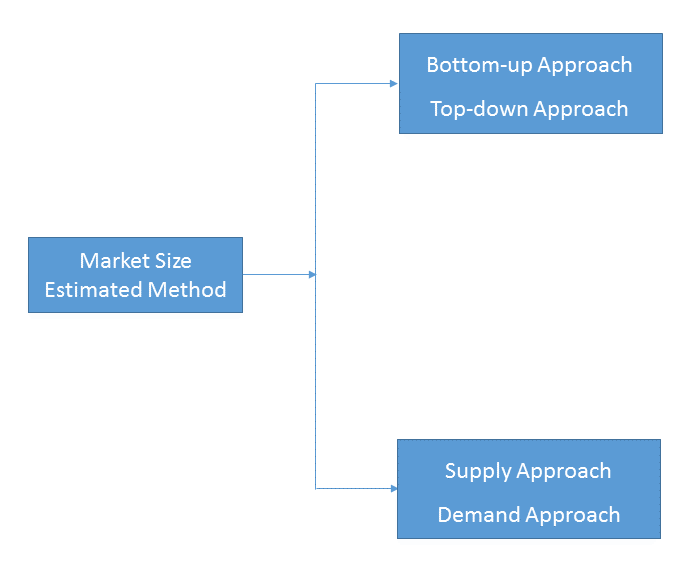
- Market Estimated Methodology:
Bottom-up & top-down approach, supply & demand approach are the most important method which is used by HDIN Research to estimate the market size.
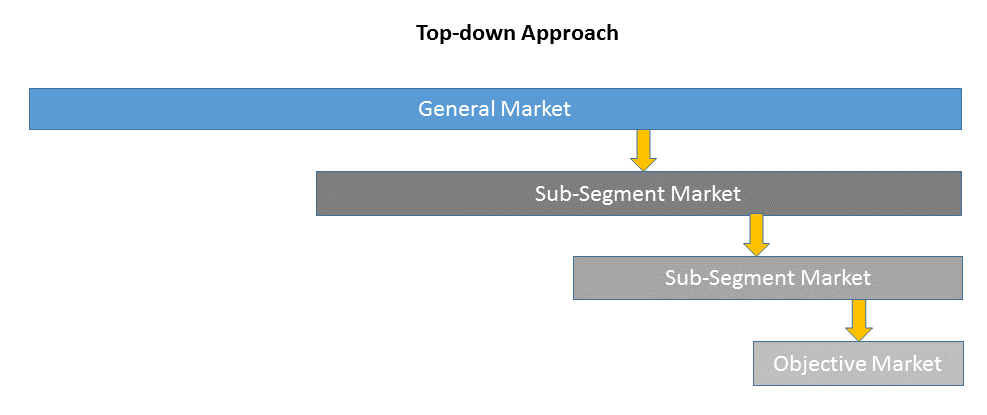
1)Top-down & Bottom-up Approach
Top-down approach uses a general market size figure and determines the percentage that the objective market represents.
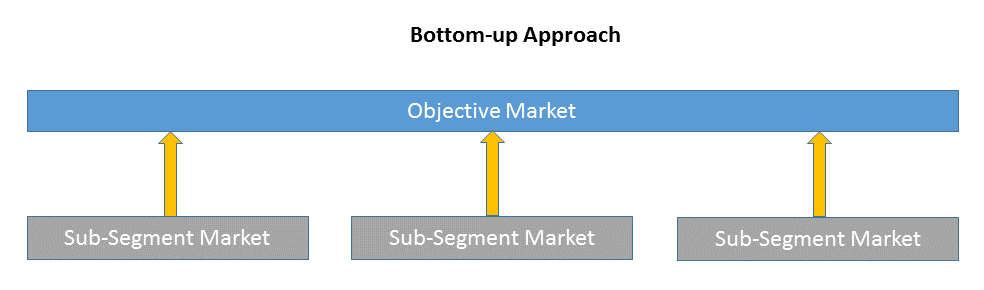
Bottom-up approach size the objective market by collecting the sub-segment information.
2)Supply & Demand Approach
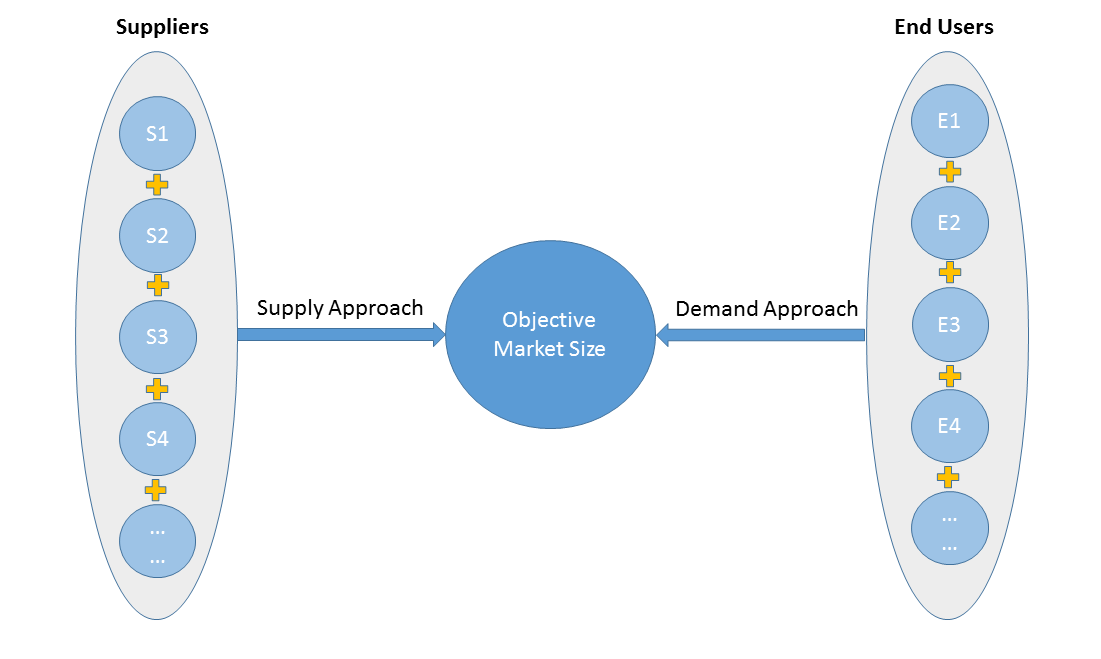
Supply approach is based on assessments of the size of each competitor supplying the objective market.
Demand approach combine end-user data within a market to estimate the objective market size. It is sometimes referred to as bottom-up approach.
- Forecasting Methodology
- Numerous factors impacting the market trend are considered for forecast model:
- New technology and application in the future;
- New project planned/under contraction;
- Global and regional underlying economic growth;
- Threatens of substitute products;
- Industry expert opinion;
- Policy and Society implication.
- Analysis Tools
1)PEST Analysis
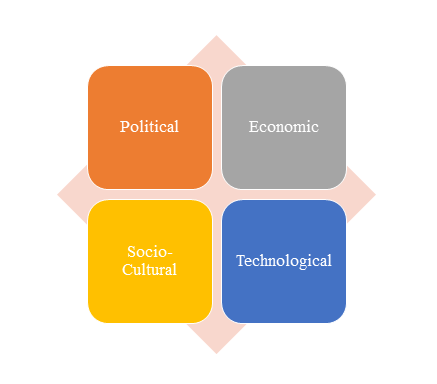
PEST Analysis is a simple and widely used tool that helps our client analyze the Political, Economic, Socio-Cultural, and Technological changes in their business environment.
- Benefits of a PEST analysis:
- It helps you to spot business opportunities, and it gives you advanced warning of significant threats.
- It reveals the direction of change within your business environment. This helps you shape what you’re doing, so that you work with change, rather than against it.
- It helps you avoid starting projects that are likely to fail, for reasons beyond your control.
- It can help you break free of unconscious assumptions when you enter a new country, region, or market; because it helps you develop an objective view of this new environment.
2)Porter’s Five Force Model Analysis
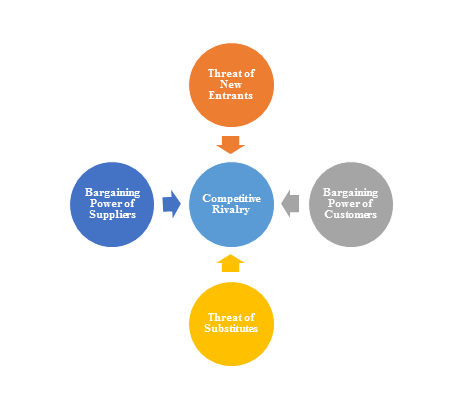
The Porter’s Five Force Model is a tool that can be used to analyze the opportunities and overall competitive advantage. The five forces that can assist in determining the competitive intensity and potential attractiveness within a specific area.
- Threat of New Entrants: Profitable industries that yield high returns will attract new firms.
- Threat of Substitutes: A substitute product uses a different technology to try to solve the same economic need.
- Bargaining Power of Customers: the ability of customers to put the firm under pressure, which also affects the customer's sensitivity to price changes.
- Bargaining Power of Suppliers: Suppliers of raw materials, components, labor, and services (such as expertise) to the firm can be a source of power over the firm when there are few substitutes.
- Competitive Rivalry: For most industries the intensity of competitive rivalry is the major determinant of the competitiveness of the industry.
3)Value Chain Analysis
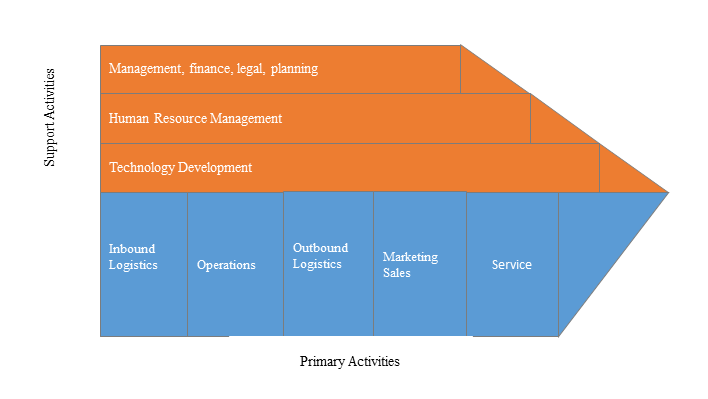
Value chain analysis is a tool to identify activities, within and around the firm and relating these activities to an assessment of competitive strength. Value chain can be analyzed by primary activities and supportive activities. Primary activities include: inbound logistics, operations, outbound logistics, marketing & sales, service. Support activities include: technology development, human resource management, management, finance, legal, planning.
4)SWOT Analysis
SWOT analysis is a tool used to evaluate a company's competitive position by identifying its strengths, weaknesses, opportunities and threats. The strengths and weakness is the inner factor; the opportunities and threats are the external factor. By analyzing the inner and external factors, the analysis can provide the detail information of the position of a player and the characteristics of the industry.
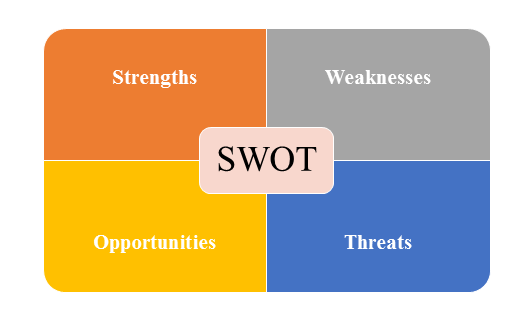
- Strengths describe what the player excels at and separates it from the competition
- Weaknesses stop the player from performing at its optimum level.
- Opportunities refer to favorable external factors that the player can use to give it a competitive advantage.
- Threats refer to factors that have the potential to harm the player.
- Data Sources
| Primary Sources | Secondary Sources |
|---|---|
| Face to face/Phone Interviews with market participants, such as: Manufactures; Distributors; End-users; Experts. Online Survey |
Government/International Organization Data: Annual Report/Presentation/Fact Book Internet Source Information Industry Association Data Free/Purchased Database Market Research Report Book/Journal/News |