Adjunctive Surgical Hemostats Market Report: 2021-2031 Trends
- Single User License (1 Users) $ 3,500
- Team License (2~5 Users) $ 4,500
- Corporate License (>5 Users) $ 5,500
The global adjunctive surgical hemostats market occupies a mission-critical space within operative medicine. Modern surgical suites deploy adjunctive hemostats topically when primary surgical interventions—such as ligature, direct pressure, and electrosurgical coagulation—prove anatomically difficult, protracted, or physically ineffective. Rather than supplanting standard closure modalities, these biomaterials act as localized biochemical accelerants or micro-porous physical scaffolds that fast-track the physiological coagulation cascade, address microvascular parenchymal oozing, and stabilize friable fibrin clots. The global adjunctive surgical hemostats market size is valued at 3.2 billion USD - 4.2 billion USD in 2026 with a sustained compound annual growth rate within the 6.5% to 9.5% through 2031. Growth momentum is sustained by accelerating volumes of complex minimally invasive surgeries (MIS), expanding geriatric surgical cohorts presenting with treatment-induced coagulopathies (anticoagulant and antiplatelet therapies), and operating suite economic pressures prioritizing reduced room time, lower surgical site complication profiles, and eliminated allogeneic blood transfusion dependencies. Market expansion is simultaneously characterized by value migration away from passive regenerated cellulose toward flowable gelatin-thrombin combinations, precision sprayable polysaccharide powders, and self-assembling peptide matrices engineered for non-contact endoscopic deployment.
Taxonomy and Mechanical Classifications
1. Classification by Mechanism of Action
● Passive and Mechanical Hemostats:
These formulations function primarily as physically inert structural matrices that extract plasma water, concentrate red blood cells and endogenous coagulation proteins, and provide a contact-activation surface for thrombocyte aggregation. They possess zero intrinsic enzymatic activity and necessitate an operative, uncompromised endogenous coagulation cascade.
- Oxidized Regenerated Cellulose (ORC): Chemically altered cellulosic textiles that form an acidic, dark brown gelatinous mass upon contact with whole blood. The low pH induces localized vascular spasm and exhibits mild antimicrobial properties, acting as an instantaneous mechanical barrier to parenchymal bleeding. Major benchmarks include Ethicon's Surgicel lineage, Samyang Biopharm's SurgiGuard, Meril Life Sciences' MERIZELLE, and CuraMedical's CuraCel.
- Gelatin Matrices (Sponges, Powders, Microspheres): Porous scaffolds derived from purified porcine or bovine dermal/skeletal collagens that absorb significant volumes of systemic fluid relative to their dry weight. By concentrating cellular clotting components within interstitial cavities, they provoke mechanical platelet aggregation. Foundational brands comprise Pfizer's Gelfoam, CuraMedical's CuraSpon, and NEXTBIOMEDICAL's Nexsphere microspheres.
- Collagen Fleeces, Pads, and Sponges: High-purity bovine, equine, or porcine structural collagen sheets that directly trigger thrombocyte adhesion, activating platelet Factor 3 and the intrinsic pathway via native cross-linked triple-helix motifs. Common platforms include Integra LifeSciences' Helistat and Helitene, B. Braun's Lyostypt, and Advanced Medical Solutions' RESORBA line.
● Active Hemostats:
Formulations engineered with biologically active enzymes—predominantly thrombin derived from pooled donor plasma, recombinant DNA expression systems, or purified bovine sources—that intervene downstream in the coagulation sequence. They directly metabolize systemic circulating fibrinogen into insoluble fibrin polymers, functioning independent of platelet integrity or pre-existing heparinization.
- Recombinant and Human Plasma-Derived Topical Thrombins: Standalone solutions applied via misting applicators or reconstituted as liquid wetting agents for mechanical carrier sponges. Major market entries encompass Ethicon's Evithrom and Baxter's Recothrom.
● Flowable Hemostats:
Engineered two-component fluid suspensions consisting of chemically cross-linked gelatin granules or microparticles blended extemporaneously with an active thrombin solution. Their viscous, pseudoplastic fluid mechanics allow these compounds to access deep, convoluted tissue crevices, non-visualized bleeding surfaces, and irregular resection beds where mechanical pads fail to conform. The mechanical granules restrict blood flow via volumetric expansion while active thrombin accelerates clot formation within the defect. Baxter's Floseal stands as the clinical benchmark, alongside emerging microsphere gels and flowable matrices developed by entities like NEXTBIOMEDICAL.
● Fibrin Sealants and Topical Patches:
Physiological tissue sealing systems comprising separate, highly concentrated fractions of human fibrinogen (Factor I) and human thrombin (Factor IIa), alongside Factor XIII and synthetic or bovine antifibrinolytics (such as aprotinin). Dispensed through coaxial or dual-chamber applicators, the solutions mix at the wound site, replicating the definitive cross-linking step of the common coagulation cascade to create a robust, adhesive, watertight fibrin net. Advanced dry formats integrate these concentrated factors directly onto an absorbable carrier. Prominent formulations comprise Baxter's TachoSil (pre-coated equine collagen patch) and Evicel, along with the Grifols and Johnson & Johnson MedTech co-commercialized VistaSeal / VeraSeal platforms, and Corza Medical's commercialization of the TachoSil line in designated territories.
2. Classification by Material Source
● Plant-Derived and Polysaccharide Biomaterials:
Synthesized via the purification and molecular modification of botanical starches, purified cotton lint, or marine polysaccharides. These constructs carry zero risk of zoonotic viral or prion contamination, degrade rapidly into harmless monosaccharides via physiological enzymes (amylase, lysozyme), and display superior biocompatibility.
- Microporous Polysaccharide Hemospheres (MPH) and Modified Starch Powders: Ultra-hydrophilic, spherical cross-linked particles that rapidly dehydrate extravasated whole blood, concentrating clotting proteins and erythrocytes into a hyper-dense gel cake. Examples include Baxter's PerClot, BD's Arista AH, BioCer Entwicklungs-GmbH's HaemoCer PLUS, and Success Bio-Tech's SMPH composite powders.
- Marine-Derived Polysaccharides (Chitosan and pGlcNAc): Natural polycationic biopolymers that induce erythrocyte agglutination independent of classical coagulation pathways via electrostatic interactions between positive biomaterial amine charges and negative red cell membrane potentials. Commercialized by entities including Marine Polymer Technologies (Syvek, mrdh), Qingdao Biotemed Biomaterials (SURCHI-fibre), and Hemostasis LLC (PosiSep).
● Animal Tissue Gelatin and Collagen:
Sourced from porcine dermis, equine tendons, or bovine deep flexor tendons harvested from designated geographic zones with zero or negligible Bovine Spongiform Encephalopathy (BSE) presence. Provides optimal cellular adhesion and native structural integrity, anchored by platforms like Integra LifeSciences' DuraGen, Pfizer's Gelfoam, and CuraMedical's CuraSpon.
● Human Plasma-Derived and Recombinant Formulations:
Refined fractions derived from massive human donor plasma pools collected across regulated apheresis networks, purified through validated Cohn fractionation, chromatography, and pathogen inactivation cascades (nanofiltration, solvent-detergent treatment). Exemplified by Grifols' and Ethicon's biological sealants.
● Synthetic Polymers and Self-Assembling Peptides:
Synthetically engineered materials produced via chemical synthesis, eliminating animal-derived contamination profiles, immunological variability, and supply chains exposed to agricultural disruptions.
- Self-Assembling Peptide Solutions: Synthetic short-chain amino acid sequences (e.g., 16-residue peptides) that remain liquid in low-ionic media but self-assemble instantly into a clear, non-swelling nanofiber hydrogel scaffold upon contact with physiological salts and body fluids. The leading clinical benchmark is 3-D Matrix's PuraStat, uniquely positioned for delicate luminal endosurgical applications.
- Polyethylene Glycol (PEG) Cross-linked Hydrogels: Highly engineered functionalized PEG derivatives (such as Integra LifeSciences' DuraSeal) tailored for watertight dural and vascular closures requiring rapid, chemical covalent bonding.
Downstream Surgical Applications and Dynamics
● General and Laparoscopic Surgery:
The primary high-volume baseline segment for adjunctive hemostats, covering open and minimally invasive visceral resections, hepatic lobectomies, and bowel anastomoses. Parenchymal organ incisions mandate materials capable of conforming to non-planar margins displaying high venous oozing. Flowable gelatin matrices and plant-derived spray powders represent dominant modalities due to their adaptability within complex laparoscopic visual pathways.
● Cardiovascular, Aortic, and Peripheral Vascular Surgery:
Surgical sites characterized by high systolic shear stresses and systemic intraoperative heparinization require hemostats delivering structural burst strength and non-enzymatic activation. Biological cross-linked matrices and fibrin sealant patches are utilized to reinforce prosthetic graft anastomoses, seal cannulation entries, and prevent catastrophic bleeding in open aortic repair protocols.
● Neurosurgery and Spine Surgery:
Tissues with minimal tolerance for space-occupying volumetric expansion, where secondary neural compression can yield severe neurological sequelae. Hemostats deployed in dural closures and spinal cord corridors must exhibit zero or tightly restricted post-hydration swelling, combined with complete biocompatibility. Synthetic self-assembling peptides, ultra-low swelling PEG sealants, and non-expanding collagen membranes dominate these surgical indications.
● Orthopedic, Trauma, and Sports Medicine Surgery:
Characterized by persistent osseous oozing from vascularized cancellous bone beds during total joint reconstruction, pelvic fracture stabilization, and multi-trauma interventions. Traditional bone waxes are increasingly replaced by bioabsorbable bone hemostats (e.g., Hemostasis LLC's BoneSeal) and mineral-activated substrates (e.g., Teleflex's QuikClot kaolin platforms) that rapidly initiate the intrinsic pathway without impeding osteogenesis or long-term hardware fixation.
● Endoscopic Gastroenterology and Outpatient Procedures:
A fast-expanding procedural segment centered on endoluminal surgical margins following endoscopic mucosal resection (EMR) and endoscopic submucosal dissection (ESD). Specialized aerosolized polysaccharide powders (e.g., NEXTBIOMEDICAL's Nexpowder) and synthetic hydrogels (e.g., 3-D Matrix's PuraStat) delivered through long endoscope channels enable prophylactic control over both acute and delayed gastrointestinal bleeding without requiring direct mechanical contact.
Regional Market Analysis
● North America:
The North American theatre retains the highest revenue share globally, supported by high structural adoption of high-cost active flowables, premium-priced fibrin patch technologies, and a dense installed base of multi-quadrant robotic surgical systems. In the United States, operating margins are constrained by stringent Group Purchasing Organization (GPO) supply agreements and Centers for Medicare & Medicaid Services (CMS) diagnostic-related group (DRG) bundling rules. This reimbursement environment forces clinical value committees to balance high biosurgery acquisition expenditures against measurable operational metrics: reduced bypass times, minimized packed red blood cell (PRBC) cross-matching, and prevented readmissions. Canada exhibits high single-source tender behavior led by provincial health administrators prioritizing cost-effective mechanical and polysaccharide alternatives.
● Europe:
Europe is the second-largest regional market, defined by strict structural changes stemming from the transition to the European Medical Device Regulation (EU-MDR). Rigorous documentation burdens, heightened post-market clinical follow-up requirements, and backlogged Notified Body reviews have prompted substantial consolidation, eliminating under-resourced legacy devices. Germany remains the regional hub, fueled by dense surgical procedure densities and advanced centers of excellence in spine and cardiovascular medicine. Pan-European adoption favors plant-derived powders and synthetic peptides due to environmental risk sensitivities around animal-derived components.
● Asia-Pacific:
Asia-Pacific represents the highest growth-velocity corridor worldwide, propelled by massive expansions in tertiary surgical access across tier-two and tier-three metropolitan zones in China and India, coupled with rapid early-adopter adoption of specialized endosurgical tools in Japan and South Korea.
In China, structural market returns are continually altered by national and provincial Volume-Based Procurement (VBP) policies. Centralized tendering has compressed baseline prices on mechanical hemostats, absorbable sponges, and wound sealants, accelerating unit volumes while compressing gross margins for multinational incumbents. This dynamic has catalyzed market share expansion for domestic medical biomaterial manufacturers (such as Success Bio-Tech and Qingdao Biotemed Biomaterials).
Japan represents a mature market with structured National Health Insurance reimbursement systems that rapidly incorporate differentiated technologies, evidenced by the commercial introduction of novel endoscopic powders (e.g., NEXTBIOMEDICAL's Nexpowder through regional corporate partnerships) and established synthetic matrices (e.g., 3-D Matrix's PuraStat). South Korea serves as an innovation crucible, advancing high-throughput functionalized polysaccharide micro-particle processing. The market dynamic in Taiwan, China emphasizes rapid adoption of automated spray delivery platforms for robotic procedures.
● Latin America:
The regional landscape across Latin America is anchored by expanding private and public healthcare infrastructures in Brazil and Mexico. Although standard mechanical sponges continue to claim large volume shares within decentralized public systems, private hospital conglomerates are importing advanced flowables and active thrombin systems to elevate surgical quality and capture international surgical medical tourism.
● Middle East and Africa:
Growth trajectories across the MEA region are highly divergent. The Gulf Cooperation Council (GCC) economies (notably Saudi Arabia and the United Arab Emirates) maintain highly modern institutional budgets, prioritizing imported dual-component active sealants and advanced peptide hydrogels in state health tenders. Conversely, wider African markets are restricted by baseline fiscal limitations, remaining heavily reliant on entry-level gelatin sponges, mechanical ORC, and essential topical powders.
Supply Chain and Value Chain Architecture
● Upstream: Feedstock Procurement and Pathogen Control
The integrity of the biosurgical supply architecture is dictated by raw material purity, species provenance, and pathogen management protocols.
- Human Plasma Fractionation: Production of active thrombin and concentrated fibrinogen demands secured supplies of pooled human donor plasma sourced through certified apheresis donation centers. Sourcing relies on intensive testing (nucleic acid amplification testing, serology) and cold ethanol fractionation cascades, followed by dual-tier virus inactivation steps (solvent-detergent mixtures and terminal dry heat/pasteurization) to eliminate enveloped and non-enveloped transmissible vectors.
- Xenogeneic Tissue Harvesting: Gelatin and collagen inputs rely on strictly segregated agricultural pipelines. Bovine sources require documented derivation from closed herds residing within nations designated with negligible BSE risk (e.g., New Zealand, United States). Equine tendon and porcine dermis suppliers must maintain ISO-certified traceability to abattoirs operating under continuous veterinary surveillance to prevent transmissible spongiform encephalopathies and viral transmission.
- Engineered Chemical Inputs: Synthetic peptides and cross-linked polysaccharides demand high-purity clinical-grade monomers, including modified starch matrices, poly-N-acetyl glucosamine, and polyfunctional polyethylene glycol derivatives. These chemical feedstocks require strict control over endotoxin loads, heavy metal trace elements, and residual processing reagents.
● Midstream: Biomaterial Processing and Device Integration
The transformation of organic materials into ready-to-use surgical grade commodities involves advanced physical-chemical refinement:
- Controlled decellularization, chemical cross-linking (via EDC/NHS chemistry, glutaraldehyde, or physical dehydrothermal methods), lyophilization (vacuum freeze-drying to calibrate precise microscopic pore configurations), and cryogenic milling to generate calibrated microparticles.
- Cleanroom integration of mechanical biomaterials with specialized delivery systems. This entails filling multi-chamber coaxial syringes, fine-bore endoscopic spray catheters, bellows assemblies (such as Dilon Technologies' HEMOBLAST Bellows), and dual-barrel mixing nozzles designed to achieve laminar flow and prevent terminal occlusion.
- Sterilization represents a major technical barrier. Biological actives (thrombin, fibrinogen) cannot tolerate standard high-temperature thermal sterilization or aggressive gamma irradiation without denaturation. Manufacturers deploy validated low-dose e-beam irradiation, micro-filtration, or specialized ethylene oxide (EtO) exposure protocols paired with verified degassing intervals to ensure complete terminal sterility (SAL 10^-6) while retaining catalytic enzymatic activity.
● Downstream: Cold-Chain Logistics and Clinical Deployment
The finished device ecosystem requires specialized supply chain handling. While mechanical ORC, gelatin sponges, and synthetic powders maintain ambient temperature stability, active fibrin sealants, and pre-mixed liquid biologics mandate uninterrupted deep-cold or refrigerated cold-chain distribution (-20 degrees Celsius or 2 to 8 degrees Celsius). Logistics interruptions can cause irreversible protein denaturation, yielding intraoperative product failure. Final distribution pathways lead to hospital central sterile processing divisions, surgical suite sub-inventories, ambulatory surgery centers (ASCs), and emergency critical access networks.
Key Market Players
● Johnson & Johnson:
Johnson & Johnson Ethicon controls extensive market share via its foundational Surgicel family (ORC fabrics, fibrillar forms, and high-density weaves) and deep active hemostasis footprint via Evicel and VistaSeal / VeraSeal (co-marketed through plasma-fractionation partnerships with Grifols). The company maintains an unyielding operational moat derived from master multi-line hospital procurement agreements, bundle packaging with mechanical endocutters, and deep alignment with robotic surgical systems.
● Baxter International Inc.:
A global leader across flowable biosurgery and active sealing matrices. Baxter's portfolio includes Floseal (gelatin-thrombin flowable system), TachoSil (fibrinogen/thrombin coated collagen patch), and the PerClot absorbable polysaccharide powder platform acquired from Artivion. Baxter's competitive position is reinforced by sophisticated worldwide cold-chain transport networks and high clinical penetration in critical-bleed surgical specialties, including cardiovascular, open vascular, and complex spinal reconstructive surgery.
● Becton, Dickinson and Company (BD):
Leveraging historical device synergies from its Medafor and C.R. Bard acquisitions, BD controls the Arista AH platform (absorbable microporous polysaccharide hemostatic powder). BD's commercial moat relies on enterprise supply integration within general, colorectal, and gynecological surgical programs, positioning plant-derived powders as primary, low-cost-in-use tools against expensive thrombin-loaded flowables.
● Pfizer Inc.:
Pfizer preserves a targeted, high-margin position anchored in its established Gelfoam franchise (absorbable porcine gelatin sponges and powders). Gelfoam represents an enduring surgical staple across neurosurgical, orthopaedic, and general operative theaters. Pfizer leverages massive global distribution networks, capitalizing on entrenched brand equity, stable clinical profiles, and highly cost-effective batch production economics.
● B. Braun (Aesculap Division):
A cornerstone of European surgical instrumentation that integrates biomaterials with operative hardware. Key products include Lyostypt (absorbable bovine collagen fleece) and Histacryl topical tissue adhesives. B. Braun leverages bundled equipment tenders—combining neurosurgical power tools, laparoscopic towers, and surgical instruments with consumable collagen hemostats across Europe, Latin America, and Asia-Pacific.
● Teleflex Incorporated:
Dominates the emergency, combat trauma, and high-intensity intervention hemostasis market via its QuikClot brand portfolio. QuikClot devices utilize inert kaolin mineral impregnation to initiate Factor XII contact-phase activation, bypassing earlier stages of the coagulation cascade. Teleflex maintains strong distribution across institutional military, municipal first responder, interventional cardiology, and acute trauma centers.
● Medtronic plc:
Operates strategically at the intersection of surgical energy, stapling, and advanced wound management. Medtronic reinforces its presence through soft-tissue robotics platforms (Hugo RAS), electrosurgical sealing tools (LigaSure), and specialized procedural consumable distribution, focusing on complementary closure dynamics that diminish the overall volumetric requirement for topical biosurgery materials.
● NEXTBIOMEDICAL Co., Ltd.:
A high-growth South Korean commercial innovator pioneering the conversion of biomaterials into specialized endoscopic delivery systems. Its flagship platform, Nexpowder, is an absorbable modified polysaccharide powder delivered via specialized endoscope catheter channels that forms an immediate hydrogel barrier upon contacting blood. Supported by regulatory approvals across the US, Europe, and Japan (PMDA approval distributed via Century Medical Inc.), NEXTBIOMEDICAL represents a high-impact disruptor in endoscopic gastrointestinal bleeding management.
● Samyang Biopharm Corp.:
The biomaterials subsidiary of South Korea's Samyang Group, specializing in bioresorbable polymers. Key products include SurgiGuard (an absorbable oxidized regenerated cellulose matrix). Samyang leverages extensive cleanroom polymer processing capabilities, operating both as an independent brand across Asian markets and an OEM private-label manufacturing partner for global medical device distributors.
● Integra LifeSciences Corporation:
The preeminent authority in structural neurosurgical and regenerative tissue matrices. Integra’s core hemostatic and tissue sealing portfolio features DuraGen (an absorbable dural regeneration matrix derived from bovine deep flexor tendon), DuraSeal (a synthetic PEG hydrogel dural and vascular sealant), and Helistat / Helitene (absorbable bovine collagen sponges and powders). Integra's moat is reinforced by deep specialization in neurotrauma and cranial-spinal surgery.
● Advanced Medical Solutions Group plc (AMS):
A UK-headquartered medical device manufacturer operating through direct hospital supply and international distribution networks. Its surgical biomaterial footprint is anchored by the RESORBA collagen and dental cone product lines and GENTA-Coll (an antibiotic-eluting collagen fleece combining surgical hemostasis with localized high-concentration gentamicin delivery). The strategic acquisition and operational integration of Peters Surgical and Syntacoll facilities have cemented AMS as a scalable biomaterial contract manufacturer in Europe.
● 3-D Matrix, Ltd.:
A pioneering Japanese enterprise translating synthetic biology into surgical devices. Its core asset, PuraStat, is a synthetically produced 16-amino-acid peptide solution that rapidly polymerizes into a clear, non-compressive nanofiber hydrogel network when exposed to physiological ions.
● Hemostasis LLC:
A specialized US-based biomaterials enterprise dedicated to targeted surgical and outpatient bleed management. Its technology platforms incorporate microporous modified starch and marine-derived biopolymers, including Accel and NexStat topical polysaccharide powders, PosiSep chitosan-based resorbable nasal dressings, and BoneSeal absorbable hemostatic bone putty.
● Marine Polymer Technologies, Inc.:
An innovator utilizing natural marine polymer isolation technologies. The company refines microalgal cultures to produce high-purity poly-N-acetyl glucosamine (pGlcNAc) fibers. Its core offerings—including Syvek / SyvekExcel vascular access closure patches and the mrdh trauma and parenchymal surgical pad line—induce rapid, non-coagulation-cascade-dependent erythrocyte agglutination to seal structural vascular access sites and coagulopathic bleeds.
● Dilon Technologies, Inc.:
A US medical supplier focusing on intraoperative devices, highlighted by the HEMOBLAST Bellows system. HEMOBLAST integrates a powdered blend of bovine collagen, human thrombin, and chondroitin sulfate into a pressurized single-use delivery bellows. This provides a fast, pre-mixed, multi-component hemostatic application across deep spinal, orthopaedic, and cardiothoracic cavities.
● Meril Life Sciences Pvt. Ltd.:
A rapidly scaling multinational medical device conglomerate based in India. Within biosurgery, Meril manufactures and distributes MERIZELLE, an oxidized regenerated cellulose (ORC) absorbable hemostatic fabric. Meril utilizes competitive regional pricing, high-volume manufacturing facilities, and extensive distribution networks across emerging economies to challenge legacy multinational brands in hospital procurement bids.
● BioCer Entwicklungs-GmbH:
A German biomaterial developer specializing in non-animal, modified polymer polysaccharide (AMP) architectures. Its primary platform, HaemoCer PLUS, is an ultra-hydrophilic plant-derived powder accompanied by dedicated laparoscopic, endoscopic, and extended-applicator delivery systems designed to achieve immediate hemostasis while proactively preventing post-operative adhesion formation.
● CuraMedical B.V.:
A specialized European manufacturer based in the Netherlands with complete focus on sterile absorbable surgical hemostats. CuraMedical’s international footprint is driven by an extensive portfolio: CuraSpon (purified neutral porcine gelatin sponges and powders), CuraCel (oxidized regenerated cellulose in standard, knit, and fibrillar presentations), CuraTamp (oxidized cotton cellulose gauze), and CuraWax (surgical bone wax).
● Success Bio-Tech Co., Ltd.:
A Chinese medical technology manufacturer specializing in degradable polymer synthesis and sprayable biomaterial platforms. The company produces the SMPH composite microporous polysaccharide hemostatic powder line alongside specialized medical hemostatic sponges and anti-adhesion barrier gels.
● Qingdao Biotemed Biomaterials Co., Ltd.:
The company extracts and purifies marine chitosan and carboxymethyl chitin to manufacture advanced trauma and surgical solutions, including SURCHI-fibre (an absorbable non-woven hemostatic textile) and SuNingMo wound-healing matrices. These products rely on intrinsic electrostatic cellular agglutination rather than native coagulation protein kinetics.
● Corza Medical:
Corza Medical operates a focused biosurgery and surgical closure footprint. Its advanced biosurgical business is anchored by the exclusive international commercial rights to the TachoSil Fibrin Sealant Patch across select major global geographies, pairing pre-loaded human thrombin and fibrinogen with an equine collagen base for high-intensity cardiovascular, hepatic, and thoracic hemostasis.
Strategic Catalysts
● The Minimally Invasive and Robotic Paradigm Shift:
Standard physical mechanical sheets, thick fleeces, and bulky sponges are fundamentally misaligned with the spatial dynamics of modern surgery. As operations transition toward robotic multi-port platforms (such as intuitive da Vinci or Medtronic Hugo installations), operative corridors contract to 5- to 12-millimeter cannula trocars. Hemostats must be delivered through thin, flexible, articulated mechanical lumens without clogging the delivery apparatus. This dynamic is directly accelerating the market shift away from passive ORC fabrics and toward flowable gelatin-thrombin matrices, micronized polysaccharides, and aerosolized peptides that navigate convoluted endoscopic paths.
● The Prophylactic Revolution in Endoscopic Screening:
Topical powder and hydrogel hemostats are breaking free from their historical restriction to "salvage therapy"—deployments reserved only after primary electrocautery, clips, or argon plasma coagulation fail. Clinical adoption is shifting toward primary prophylactic coverage over mucosal and submucosal defects directly following complex polypectomies, endoscopic mucosal resections (EMR), and endoluminal dissections. The substantial volume of outpatient colonoscopies performed across developed nations, paired with documented rates of post-polypectomy secondary hemorrhage, presents a major expanding addressable market for non-thrombotic polysaccharide powders and self-assembling peptide hydrogels.
● Transition from Animal-Harvested to Synthetic Peptide Architectures:
The clinical biosurgery sector faces growing scrutiny over the use of animal tissues. Heightened cross-border biosecurity risks, persistent pathogen transmission liabilities (such as BSE, scrapie, and porcine retroviruses), and religious cultural preferences around porcine/bovine derivatives are accelerating the search for clean alternatives. Fully synthetic peptide systems (such as PuraStat) and modified plant-derived polysaccharides isolate health systems from biological contamination risks, eliminate cold-chain refrigeration reliance, and offer reproducible synthetic polymer degradation kinetics in vivo.
Operational Friction and Bottlenecks
● Upstream Supply Vulnerabilities and Prion Compliance:
The global biosurgery manufacturing complex remains heavily tethered to biological feedstocks. Sourcing medical-grade bovine deep flexor tendon, equine pericardium, porcine skin, and pooled human plasma requires an extraordinarily complex chain of custody. Rising biosecurity compliance and strict geographical isolation mandates limit the baseline supplier pool. Any emergent zoonotic outbreak or disease cluster within source nations introduces supply disruption risks that directly limit downstream manufacturing capacities.
● Reimbursement Compression and Procurement Scrutiny:
Hospital procurement models are increasingly shifting away from surgeon-preference purchasing toward standardized clinical value analysis committees (VACs) and Group Purchasing Organizations (GPOs). Novel adjunctive hemostats carrying premium pricing must demonstrate definitive clinical improvements: quantifiable reductions in operating suite duration, measurable decreases in transfused packed red cell units, and avoided ICU stays. Where health systems face bundled diagnosis-related group (DRG) payment frameworks, expensive flowables and biological fibrin sealants are frequently viewed as unallocated institutional costs, prompting hospital administrators to mandate restrictive substitution protocols favoring lower-cost passive materials.
● Heightened Regulatory Friction under EU-MDR and PMA Tracks:
Global regulatory pathways are becoming increasingly demanding. Within the European Union, the transition to EU-MDR (Regulation 2017/745) has escalated clinical trial burdens and post-market clinical follow-up requirements for Class III implantable devices, which include virtually all active, biological, and synthetic hemostatic matrices. The high capital expenditure required for regulatory maintenance has forced multiple manufacturers to sunset legacy niche product lines. In the United States, FDA requirements for biological Pre-Market Approvals (PMA) require multi-year IDE clinical trials, raising investment thresholds and extending commercial launch timelines for early-stage biomaterial developers.
1.1 Executive Summary and Strategic Market Imperatives 1
1.2 Scope of Intelligence and Product Taxonomy 2
1.3 Research Methodology and Analytical Framework 3
1.3.1 Primary and Secondary Data Triangulation 3
1.3.2 Econometric Modeling and Forecasting Assumptions (2021-2031) 4
1.4 Glossary of Clinical and Technical Abbreviations 5
Chapter 2 Global Adjunctive Surgical Hemostats Value Chain and Ecosystem Dynamics 7
2.1 End-to-End Value Chain Architecture 7
2.2 Upstream Biologics, Biomaterials, and Precursor Sourcing 9
2.3 Midstream Manufacturing, Lyophilization, and Sterilization Workflows 12
2.4 Downstream Hospital Procurement, GPO Contracting, and Ambulatory Distribution 14
2.5 Regulatory Pathways, PMA/510(k) Clearances, and Reimbursement Paradigms 15
Chapter 3 Global Market Sizing, Historical Trajectory, and Competitive Benchmarks 17
3.1 Global Revenue and Volume Assessment (2021-2026) 17
3.2 Long-Term Demand Projections and Growth Catalysts (2027-2031) 19
3.3 Pricing Architecture and Average Selling Price (ASP) Erosion Analysis 21
3.4 Global Market Share Distribution by Tier-1 and Emerging Entities (2021-2026) 22
3.5 Strategic M&A, Licensing Agreements, and Portfolio Consolidation Trends 24
Chapter 4 Global Market Segmentation by Mechanism of Action 26
4.1 Comparative Clinical Efficacy and Adoption Dynamics by Mechanism 26
4.2 Passive/Mechanical Hemostats Market Analysis (2021-2031) 28
4.3 Active Hemostats Market Analysis (2021-2031) 30
4.4 Flowable Hemostats Market Analysis (2021-2031) 32
4.5 Fibrin Hemostats Market Analysis (2021-2031) 34
Chapter 5 Global Market Segmentation by Material Source 36
5.1 Immunogenicity Profiles, Biodegradation, and Material Selection Criteria 36
5.2 Plant-derived & Polysaccharides Market Analysis (2021-2031) 38
5.3 Animal Tissue Gelatin & Collagen Market Analysis (2021-2031) 40
5.4 Human Plasma-derived & Recombinant Proteins Market Analysis (2021-2031) 42
5.5 Synthetic Polymer Market Analysis (2021-2031) 44
Chapter 6 Global Downstream Application and Surgical Procedure Demand Analysis 46
6.1 Intraoperative Bleeding Management Protocols Across Surgical Specialties 46
6.2 General & Laparoscopic Surgery Demand Dynamics (2021-2031) 48
6.3 Cardiovascular, Aortic & Peripheral Vascular Surgery Demand Dynamics (2021-2031) 50
6.4 Neurosurgery & Spine Surgery Demand Dynamics (2021-2031) 52
6.5 Orthopedic, Trauma & Sports Medicine Surgery Demand Dynamics (2021-2031) 54
6.6 Others (Urological, Gynecological, and Oncological Resections) (2021-2031) 55
Chapter 7 Global Trade Flows, Cross-Border Supply Chains, and Tariff Impacts 57
7.1 Global Import and Export Volume and Value Matrix (2021-2026) 57
7.2 Primary Production Hubs and Export Corridors (United States, Germany, Ireland, China) 59
7.3 Primary Consumption Markets and Import Dependency Analysis 60
7.4 Cold-Chain Logistics for Biologics and Cross-Border Regulatory Friction 61
Chapter 8 North America and Europe Regional Market Intelligence (2021-2031) 63
8.1 North America Market Dynamics and Macroeconomic Indicators 63
8.1.1 United States 65
8.1.2 Canada 66
8.2 Europe Market Dynamics and MDR Compliance Impact 67
8.2.1 Germany 69
8.2.2 United Kingdom 70
8.2.3 France 71
8.2.4 Italy 72
8.2.5 Netherlands 73
8.2.6 Switzerland & Rest of Europe 74
Chapter 9 Asia-Pacific, Latin America, and Middle East & Africa Market Intelligence (2021-2031) 75
9.1 Asia-Pacific Market Dynamics and Volume-Based Procurement (VBP) Impact 75
9.1.1 China 77
9.1.2 Japan 78
9.1.3 South Korea 79
9.1.4 India 80
9.1.5 Australia 81
9.2 Latin America Market Dynamics and Healthcare Infrastructure Expansion 82
9.2.1 Brazil 83
9.2.2 Mexico 84
9.3 Middle East & Africa Market Dynamics and Hospital Modernization 85
9.3.1 Saudi Arabia 86
9.3.2 United Arab Emirates 86
Chapter 10 Corporate Intelligence: Global Tier-1 Multinationals 87
10.1 Johnson & Johnson 87
10.1.1 Corporate Profile and Surgical Hemostasis Franchise Overview 87
10.1.2 SWOT Analysis 88
10.1.3 Product-Specific Financials: Revenue, Cost, Gross Margin, and Market Share 89
10.1.4 R&D Expenditure and Next-Generation Biologics Pipeline 90
10.2 Baxter 91
10.2.1 Corporate Profile and Advanced Surgery Portfolio 91
10.2.2 SWOT Analysis 92
10.2.3 Product-Specific Financials: Revenue, Cost, Gross Margin, and Market Share 93
10.2.4 Go-to-Market Strategy and Hospital Integration 94
10.3 BD 95
10.3.1 Corporate Profile and Biosurgery Capabilities 95
10.3.2 SWOT Analysis 96
10.3.3 Product-Specific Financials: Revenue, Cost, Gross Margin, and Market Share 97
10.3.4 Capacity Expansion and Manufacturing Footprint 98
10.4 Pfizer 99
10.4.1 Corporate Profile and Sterile Injectables & Hemostats Operations 99
10.4.2 SWOT Analysis 100
10.4.3 Product-Specific Financials: Revenue, Cost, Gross Margin, and Market Share 101
10.4.4 Supply Chain Optimization and Distribution Network 102
10.5 B. Braun 103
10.5.1 Corporate Profile and Aesculap Surgical Technologies 103
10.5.2 SWOT Analysis 104
10.5.3 Product-Specific Financials: Revenue, Cost, Gross Margin, and Market Share 105
10.5.4 European Market Penetration Strategy 106
10.6 Teleflex Incorporated 107
10.6.1 Corporate Profile and Vascular & Hemostatic Solutions 107
10.6.2 SWOT Analysis 108
10.6.3 Product-Specific Financials: Revenue, Cost, Gross Margin, and Market Share 109
10.6.4 Clinical Trial Investments and Label Expansions 110
10.7 Medtronic 111
10.7.1 Corporate Profile and Surgical Innovations Division 111
10.7.2 SWOT Analysis 112
10.7.3 Product-Specific Financials: Revenue, Cost, Gross Margin, and Market Share 113
10.7.4 Bundled Contracting and GPO Leverage 114
Chapter 11 Corporate Intelligence: Specialized MedTech and Biomaterial Innovators 115
11.1 Integra LifeSciences Corporation 115
11.1.1 Corporate Profile and Neurosurgical Hemostasis Focus 115
11.1.2 SWOT Analysis 116
11.1.3 Product-Specific Financials: Revenue, Cost, Gross Margin, and Market Share 117
11.1.4 Collagen Matrix Manufacturing Capabilities 118
11.2 Advanced Medical Solutions Group plc 119
11.2.1 Corporate Profile and Biosurgical Devices Segment 119
11.2.2 SWOT Analysis 120
11.2.3 Product-Specific Financials: Revenue, Cost, Gross Margin, and Market Share 121
11.2.4 OEM Partnerships and Direct Sales Transition 122
11.3 Corza Medical 123
11.3.1 Corporate Profile and Biosurgery Franchise (TachoSil Integration) 123
11.3.2 SWOT Analysis 124
11.3.3 Product-Specific Financials: Revenue, Cost, Gross Margin, and Market Share 125
11.3.4 Private Equity Backing and Bolt-on Acquisition Strategy 126
11.4 3-D Matrix 127
11.4.1 Corporate Profile and Self-Assembling Peptide Technology 127
11.4.2 SWOT Analysis 128
11.4.3 Product-Specific Financials: Revenue, Cost, Gross Margin, and Market Share 129
11.4.4 Commercialization Trajectory in Endoscopic and Minimally Invasive Surgery 130
11.5 Hemostasis LLC 131
11.5.1 Corporate Profile and Absorbable Polysaccharide Technologies 131
11.5.2 SWOT Analysis 132
11.5.3 Product-Specific Financials: Revenue, Cost, Gross Margin, and Market Share 133
11.6 Marine Polymer Technologies Inc 134
11.6.1 Corporate Profile and Microalgae Biopolymer Innovations 134
11.6.2 SWOT Analysis 135
11.6.3 Product-Specific Financials: Revenue, Cost, Gross Margin, and Market Share 136
11.7 Dilon Technologies 137
11.7.1 Corporate Profile and Surgical Hemostasis Devices 137
11.7.2 SWOT Analysis 138
11.7.3 Product-Specific Financials: Revenue, Cost, Gross Margin, and Market Share 139
Chapter 12 Corporate Intelligence: European and Asian Regional Champions 140
12.1 NEXTBIOMEDICAL Co. Ltd. 140
12.1.1 Corporate Profile and Polymeric Hemostatic Powder Innovations 140
12.1.2 SWOT Analysis 141
12.1.3 Product-Specific Financials: Revenue, Cost, Gross Margin, and Market Share 142
12.1.4 Global Distribution Partnerships and Regulatory Clearances 143
12.2 Samyang Biopharm Corp. 144
12.2.1 Corporate Profile and Biodegradable Polymeric Medical Devices 144
12.2.2 SWOT Analysis 145
12.2.3 Product-Specific Financials: Revenue, Cost, Gross Margin, and Market Share 146
12.2.4 Oxidized Regenerated Cellulose (ORC) Production Scale 147
12.3 Meril Life Sciences 148
12.3.1 Corporate Profile and Endo-Surgery & Hemostat Portfolio 148
12.3.2 SWOT Analysis 149
12.3.3 Product-Specific Financials: Revenue, Cost, Gross Margin, and Market Share 150
12.3.4 Emerging Markets Penetration and Cost-Leadership Strategy 151
12.4 BioCer Entwicklungs-GmbH 152
12.4.1 Corporate Profile and Plant-Based Polysaccharide Hemostats 152
12.4.2 SWOT Analysis 153
12.4.3 Product-Specific Financials: Revenue, Cost, Gross Margin, and Market Share 154
12.5 CuraMedical B.V. 155
12.5.1 Corporate Profile and Absorbable Gelatin Sponge Manufacturing 155
12.5.2 SWOT Analysis 156
12.5.3 Product-Specific Financials: Revenue, Cost, Gross Margin, and Market Share 157
12.6 Success Bio-Tech Co. Ltd. 158
12.6.1 Corporate Profile and Collagen Biomaterials Engineering 158
12.6.2 SWOT Analysis 159
12.6.3 Product-Specific Financials: Revenue, Cost, Gross Margin, and Market Share 160
12.6.4 Domestic Hospital Tendering and VBP Navigation 161
12.7 Qingdao Biotemed Biomaterials Co. Ltd. 162
12.7.1 Corporate Profile and Marine-Derived Chitosan Hemostats 162
12.7.2 SWOT Analysis 163
12.7.3 Product-Specific Financials: Revenue, Cost, Gross Margin, and Market Share 164
12.7.4 R&D Pipeline and Biocompatibility Optimization 165
Table 2 Global Raw Material Sourcing Matrix: Bovine, Porcine, Plasma, and Plant Precursors 10
Table 3 Global Regulatory Classification and Approval Timelines by Jurisdiction (FDA, EMA, NMPA, PMDA) 15
Table 4 Global Adjunctive Surgical Hemostats Revenue by Tier-1 and Emerging Players (2021-2026) 22
Table 5 Global Adjunctive Surgical Hemostats Market Revenue by Mechanism of Action (2021-2031) 26
Table 6 Global Adjunctive Surgical Hemostats Market Volume by Mechanism of Action (2021-2031) 27
Table 7 Passive/Mechanical Hemostats Revenue and Volume by Region (2021-2031) 28
Table 8 Active Hemostats Revenue and Volume by Region (2021-2031) 30
Table 9 Flowable Hemostats Revenue and Volume by Region (2021-2031) 32
Table 10 Fibrin Hemostats Revenue and Volume by Region (2021-2031) 34
Table 11 Global Adjunctive Surgical Hemostats Market Revenue by Material Source (2021-2031) 36
Table 12 Global Adjunctive Surgical Hemostats Market Volume by Material Source (2021-2031) 37
Table 13 Plant-derived & Polysaccharides Market Revenue by Region (2021-2031) 38
Table 14 Animal Tissue Gelatin & Collagen Market Revenue by Region (2021-2031) 40
Table 15 Human Plasma-derived & Recombinant Proteins Market Revenue by Region (2021-2031) 42
Table 16 Synthetic Polymer Market Revenue by Region (2021-2031) 44
Table 17 Global Adjunctive Surgical Hemostats Market Revenue by Application (2021-2031) 46
Table 18 Global Adjunctive Surgical Hemostats Market Volume by Application (2021-2031) 47
Table 19 General & Laparoscopic Surgery Market Revenue by Region (2021-2031) 48
Table 20 Cardiovascular, Aortic & Peripheral Vascular Surgery Market Revenue by Region (2021-2031) 50
Table 21 Neurosurgery & Spine Surgery Market Revenue by Region (2021-2031) 52
Table 22 Orthopedic, Trauma & Sports Medicine Surgery Market Revenue by Region (2021-2031) 54
Table 23 Others Application Segment Market Revenue by Region (2021-2031) 55
Table 24 Global Adjunctive Surgical Hemostats Trade Balance: Top Exporting Countries (2021-2026) 57
Table 25 Global Adjunctive Surgical Hemostats Trade Balance: Top Importing Countries (2021-2026) 58
Table 26 North America Adjunctive Surgical Hemostats Market Revenue by Country (2021-2031) 63
Table 27 North America Adjunctive Surgical Hemostats Market Revenue by Mechanism of Action (2021-2031) 64
Table 28 Europe Adjunctive Surgical Hemostats Market Revenue by Country (2021-2031) 67
Table 29 Europe Adjunctive Surgical Hemostats Market Revenue by Mechanism of Action (2021-2031) 68
Table 30 Asia-Pacific Adjunctive Surgical Hemostats Market Revenue by Country (2021-2031) 75
Table 31 Asia-Pacific Adjunctive Surgical Hemostats Market Revenue by Mechanism of Action (2021-2031) 76
Table 32 Latin America Adjunctive Surgical Hemostats Market Revenue by Country (2021-2031) 82
Table 33 Middle East & Africa Adjunctive Surgical Hemostats Market Revenue by Country (2021-2031) 85
Table 34 Johnson & Johnson Adjunctive Surgical Hemostats Revenue, Cost and Gross Margin (2021-2026) 89
Table 35 Baxter Adjunctive Surgical Hemostats Revenue, Cost and Gross Margin (2021-2026) 93
Table 36 BD Adjunctive Surgical Hemostats Revenue, Cost and Gross Margin (2021-2026) 97
Table 37 Pfizer Adjunctive Surgical Hemostats Revenue, Cost and Gross Margin (2021-2026) 101
Table 38 B. Braun Adjunctive Surgical Hemostats Revenue, Cost and Gross Margin (2021-2026) 105
Table 39 Teleflex Incorporated Adjunctive Surgical Hemostats Revenue, Cost and Gross Margin (2021-2026) 109
Table 40 Medtronic Adjunctive Surgical Hemostats Revenue, Cost and Gross Margin (2021-2026) 113
Table 41 Integra LifeSciences Corporation Adjunctive Surgical Hemostats Revenue, Cost and Gross Margin (2021-2026) 117
Table 42 Advanced Medical Solutions Group plc Adjunctive Surgical Hemostats Revenue, Cost and Gross Margin (2021-2026) 121
Table 43 Corza Medical Adjunctive Surgical Hemostats Revenue, Cost and Gross Margin (2021-2026) 125
Table 44 3-D Matrix Adjunctive Surgical Hemostats Revenue, Cost and Gross Margin (2021-2026) 129
Table 45 Hemostasis LLC Adjunctive Surgical Hemostats Revenue, Cost and Gross Margin (2021-2026) 133
Table 46 Marine Polymer Technologies Inc Adjunctive Surgical Hemostats Revenue, Cost and Gross Margin (2021-2026) 136
Table 47 Dilon Technologies Adjunctive Surgical Hemostats Revenue, Cost and Gross Margin (2021-2026) 139
Table 48 NEXTBIOMEDICAL Co. Ltd. Adjunctive Surgical Hemostats Revenue, Cost and Gross Margin (2021-2026) 142
Table 49 Samyang Biopharm Corp. Adjunctive Surgical Hemostats Revenue, Cost and Gross Margin (2021-2026) 146
Table 50 Meril Life Sciences Adjunctive Surgical Hemostats Revenue, Cost and Gross Margin (2021-2026) 150
Table 51 BioCer Entwicklungs-GmbH Adjunctive Surgical Hemostats Revenue, Cost and Gross Margin (2021-2026) 154
Table 52 CuraMedical B.V. Adjunctive Surgical Hemostats Revenue, Cost and Gross Margin (2021-2026) 157
Table 53 Success Bio-Tech Co. Ltd. Adjunctive Surgical Hemostats Revenue, Cost and Gross Margin (2021-2026) 160
Table 54 Qingdao Biotemed Biomaterials Co. Ltd. Adjunctive Surgical Hemostats Revenue, Cost and Gross Margin (2021-2026) 164
Figure 1 Adjunctive Surgical Hemostats Product Taxonomy and Coagulation Cascade Intervention Points 2
Figure 2 Research Methodology: Bottom-Up Hospital Procedure Modeling and Top-Down Validation 4
Figure 3 Global Adjunctive Surgical Hemostats End-to-End Value Chain Architecture 8
Figure 4 Manufacturing Cost Breakdown: Biologics vs. Synthetic & Polysaccharide Hemostats 13
Figure 5 Global Adjunctive Surgical Hemostats Revenue and YoY Growth Rate (2021-2031) 18
Figure 6 Global Average Selling Price (ASP) Trajectory by Mechanism of Action (2021-2031) 21
Figure 7 Global Adjunctive Surgical Hemostats Market Share by Company (2026) 23
Figure 8 Global Revenue Share by Mechanism of Action (2021 vs. 2026 vs. 2031) 27
Figure 9 Global Revenue Share by Material Source (2021 vs. 2026 vs. 2031) 37
Figure 10 Global Revenue Share by Surgical Application (2021 vs. 2026 vs. 2031) 47
Figure 11 Global Cross-Border Trade Flow Map: Primary Production Hubs to Consumption Centers 59
Figure 12 North America Market Revenue Trajectory: United States and Canada (2021-2031) 64
Figure 13 Europe Market Revenue Trajectory by Key Country (2021-2031) 68
Figure 14 Asia-Pacific Market Revenue Trajectory by Key Country (2021-2031) 76
Figure 15 Latin America Market Revenue Trajectory: Brazil and Mexico (2021-2031) 83
Figure 16 Middle East & Africa Market Revenue Trajectory: Saudi Arabia and UAE (2021-2031) 85
Figure 17 Johnson & Johnson Adjunctive Surgical Hemostats Market Share (2021-2026) 89
Figure 18 Baxter Adjunctive Surgical Hemostats Market Share (2021-2026) 93
Figure 19 BD Adjunctive Surgical Hemostats Market Share (2021-2026) 97
Figure 20 Pfizer Adjunctive Surgical Hemostats Market Share (2021-2026) 101
Figure 21 B. Braun Adjunctive Surgical Hemostats Market Share (2021-2026) 105
Figure 22 Teleflex Incorporated Adjunctive Surgical Hemostats Market Share (2021-2026) 109
Figure 23 Medtronic Adjunctive Surgical Hemostats Market Share (2021-2026) 113
Figure 24 Integra LifeSciences Corporation Adjunctive Surgical Hemostats Market Share (2021-2026) 117
Figure 25 Advanced Medical Solutions Group plc Adjunctive Surgical Hemostats Market Share (2021-2026) 121
Figure 26 Corza Medical Adjunctive Surgical Hemostats Market Share (2021-2026) 125
Figure 27 3-D Matrix Adjunctive Surgical Hemostats Market Share (2021-2026) 129
Figure 28 Hemostasis LLC Adjunctive Surgical Hemostats Market Share (2021-2026) 133
Figure 29 Marine Polymer Technologies Inc Adjunctive Surgical Hemostats Market Share (2021-2026) 136
Figure 30 Dilon Technologies Adjunctive Surgical Hemostats Market Share (2021-2026) 139
Figure 31 NEXTBIOMEDICAL Co. Ltd. Adjunctive Surgical Hemostats Market Share (2021-2026) 142
Figure 32 Samyang Biopharm Corp. Adjunctive Surgical Hemostats Market Share (2021-2026) 146
Figure 33 Meril Life Sciences Adjunctive Surgical Hemostats Market Share (2021-2026) 150
Figure 34 BioCer Entwicklungs-GmbH Adjunctive Surgical Hemostats Market Share (2021-2026) 154
Figure 35 CuraMedical B.V. Adjunctive Surgical Hemostats Market Share (2021-2026) 157
Figure 36 Success Bio-Tech Co. Ltd. Adjunctive Surgical Hemostats Market Share (2021-2026) 160
Figure 37 Qingdao Biotemed Biomaterials Co. Ltd. Adjunctive Surgical Hemostats Market Share (2021-2026) 164
Research Methodology
- Market Estimated Methodology:
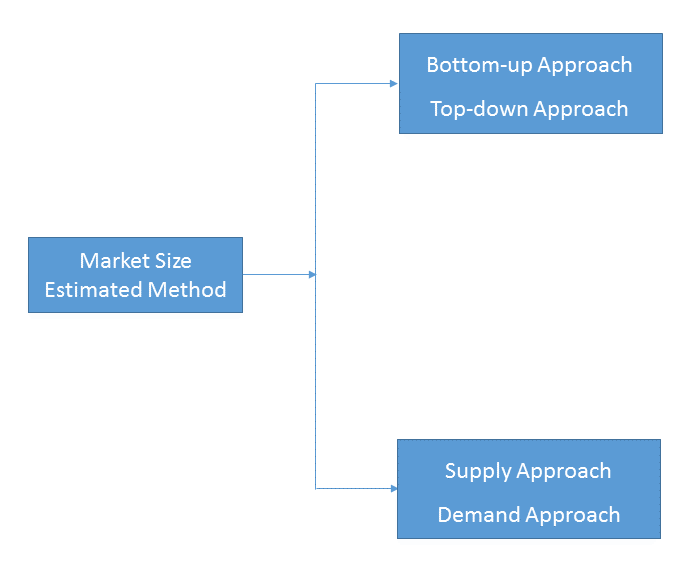
Bottom-up & top-down approach, supply & demand approach are the most important method which is used by HDIN Research to estimate the market size.
1)Top-down & Bottom-up Approach
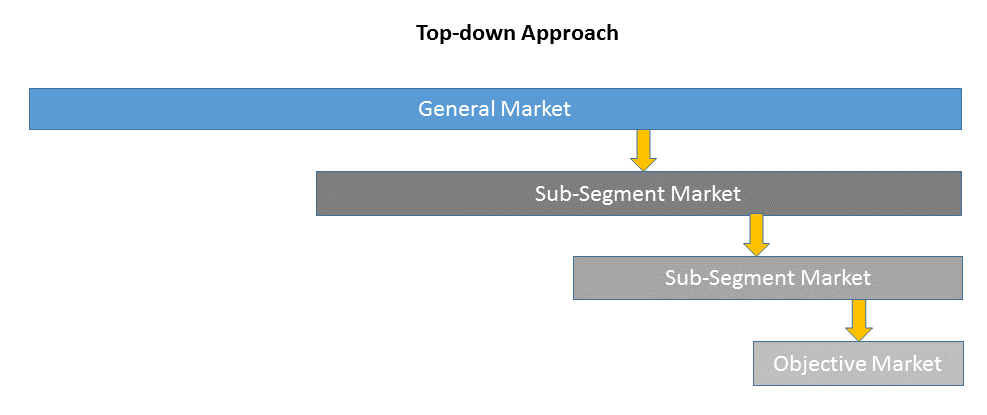
Top-down approach uses a general market size figure and determines the percentage that the objective market represents.
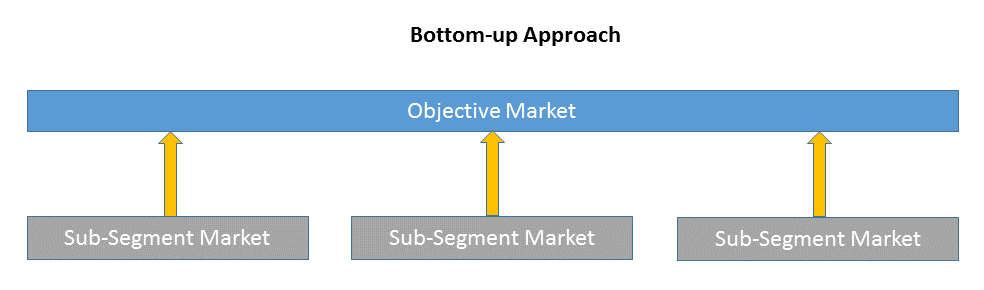
Bottom-up approach size the objective market by collecting the sub-segment information.
2)Supply & Demand Approach
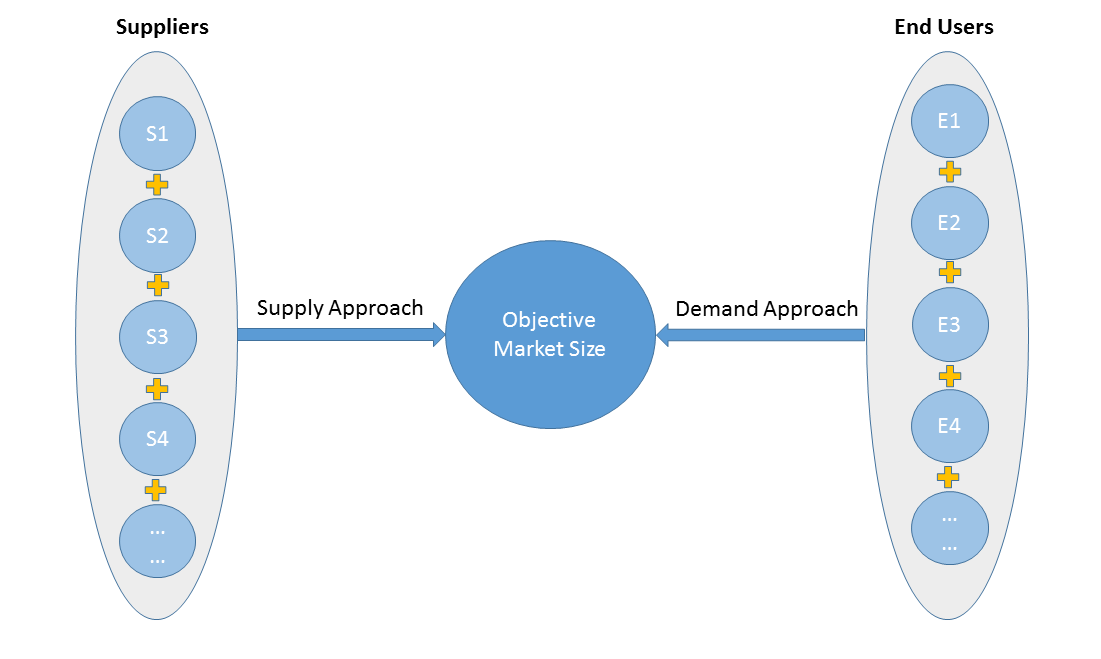
Supply approach is based on assessments of the size of each competitor supplying the objective market.
Demand approach combine end-user data within a market to estimate the objective market size. It is sometimes referred to as bottom-up approach.
- Forecasting Methodology
- Numerous factors impacting the market trend are considered for forecast model:
- New technology and application in the future;
- New project planned/under contraction;
- Global and regional underlying economic growth;
- Threatens of substitute products;
- Industry expert opinion;
- Policy and Society implication.
- Analysis Tools
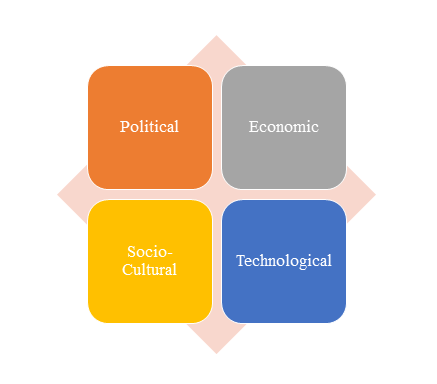
1)PEST Analysis
PEST Analysis is a simple and widely used tool that helps our client analyze the Political, Economic, Socio-Cultural, and Technological changes in their business environment.
- Benefits of a PEST analysis:
- It helps you to spot business opportunities, and it gives you advanced warning of significant threats.
- It reveals the direction of change within your business environment. This helps you shape what you’re doing, so that you work with change, rather than against it.
- It helps you avoid starting projects that are likely to fail, for reasons beyond your control.
- It can help you break free of unconscious assumptions when you enter a new country, region, or market; because it helps you develop an objective view of this new environment.
2)Porter’s Five Force Model Analysis
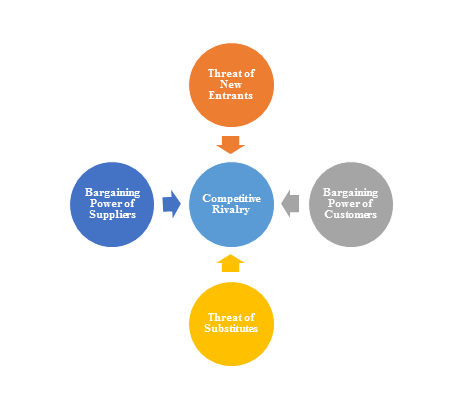
The Porter’s Five Force Model is a tool that can be used to analyze the opportunities and overall competitive advantage. The five forces that can assist in determining the competitive intensity and potential attractiveness within a specific area.
- Threat of New Entrants: Profitable industries that yield high returns will attract new firms.
- Threat of Substitutes: A substitute product uses a different technology to try to solve the same economic need.
- Bargaining Power of Customers: the ability of customers to put the firm under pressure, which also affects the customer's sensitivity to price changes.
- Bargaining Power of Suppliers: Suppliers of raw materials, components, labor, and services (such as expertise) to the firm can be a source of power over the firm when there are few substitutes.
- Competitive Rivalry: For most industries the intensity of competitive rivalry is the major determinant of the competitiveness of the industry.
3)Value Chain Analysis
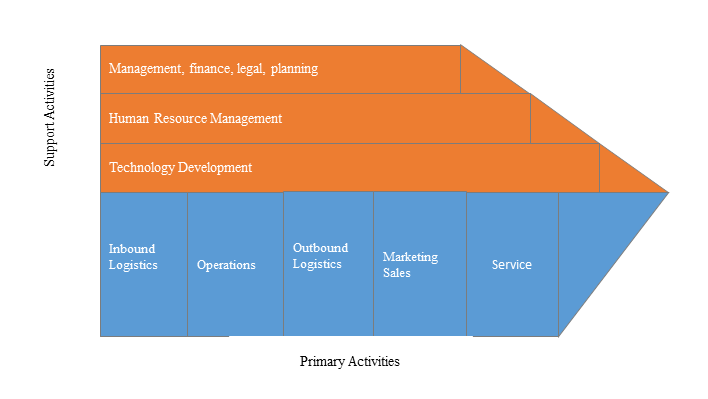
Value chain analysis is a tool to identify activities, within and around the firm and relating these activities to an assessment of competitive strength. Value chain can be analyzed by primary activities and supportive activities. Primary activities include: inbound logistics, operations, outbound logistics, marketing & sales, service. Support activities include: technology development, human resource management, management, finance, legal, planning.
4)SWOT Analysis
SWOT analysis is a tool used to evaluate a company's competitive position by identifying its strengths, weaknesses, opportunities and threats. The strengths and weakness is the inner factor; the opportunities and threats are the external factor. By analyzing the inner and external factors, the analysis can provide the detail information of the position of a player and the characteristics of the industry.
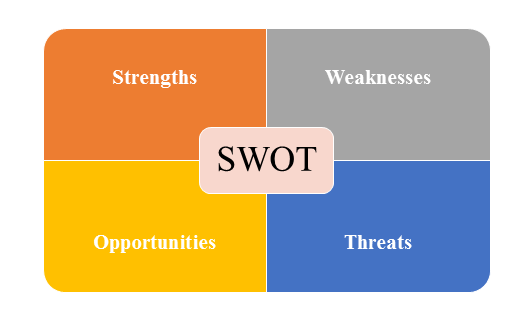
- Strengths describe what the player excels at and separates it from the competition
- Weaknesses stop the player from performing at its optimum level.
- Opportunities refer to favorable external factors that the player can use to give it a competitive advantage.
- Threats refer to factors that have the potential to harm the player.
- Data Sources
| Primary Sources | Secondary Sources |
|---|---|
| Face to face/Phone Interviews with market participants, such as: Manufactures; Distributors; End-users; Experts. Online Survey |
Government/International Organization Data: Annual Report/Presentation/Fact Book Internet Source Information Industry Association Data Free/Purchased Database Market Research Report Book/Journal/News |