Surgical Adhesive and Sealant Market Report: 2021-2031 Trends
- Single User License (1 Users) $ 3,500
- Team License (2~5 Users) $ 4,500
- Corporate License (>5 Users) $ 5,500
The global surgical adhesive and sealant market size is valued between 1.2 billion USD and 1.8 billion USD in 2026 with a compound annual growth rate (CAGR) of 6.2% to 9.2% through 2031. The market is driven by the structural migration toward minimally invasive surgical (MIS) modalities and institutional mandates to reduce postoperative readmissions. Traditional mechanical closure devices—such as metallic tacks, staples, and sutures—induce localized tissue trauma, focal ischemia, nerve entrapment, and fail to eliminate micro-leakages under pulsatile physiological pressures. Surgical adhesives and sealants resolve these clinical deficits by establishing instantaneous watertight or airtight physical barriers, accelerating the physiological coagulation cascade, securing prosthetic meshes atraumaticly, and serving as bioresorbable physical barriers against postoperative fibrotic adhesions.
Market players are heavily consolidated among multinational MedTech conglomerates and specialized biomaterial innovators, notably Baxter International, Johnson & Johnson (Ethicon), Becton Dickinson (BD), Artivion, Advanced Medical Solutions (AMS), B. Braun, Integra LifeSciences, Terumo Corporation, Corza Medical, CELOX Medical, Grena Ltd., and rapidly scaling Asian enterprises including Shanghai Haohai Biological Technology, Guangzhou Maipu Regenerative Medicine (Medprin), and Success Bio-Tech.
North America anchors global revenue generation, commanding over 40% of total market value due to favorable inpatient procedure reimbursement and rapid adoption of high-burst-pressure synthetics. Europe represents the second-largest regional bloc, concentrated across Germany, France, the United Kingdom, Italy, and Spain, while the Asia-Pacific corridor exhibits the steepest volume trajectory, fundamentally reshaped by China's Volume-Based Procurement (VBP) frameworks.
Product Classification & Material Science Architecture
The global surgical adhesive and sealant ecosystem is bifurcated into three distinct technology platforms, each defined by specific polymer chemistry, polymerization kinetics, burst-strength thresholds, and metabolic degradation pathways.
1. Synthetic Polymer Adhesives and Sealants
* Chemical Composition: This category is dominated by monomeric cyanoacrylates—specifically octyl-cyanoacrylate and n-butyl-2-cyanoacrylate—alongside multi-arm Polyethylene Glycol (PEG) hydrogels, aliphatic polyurethanes, and biodegradable polycaprolactone matrices.
* Polymerization Mechanism: Cyanoacrylate formulations undergo rapid anionic polymerization within seconds upon encountering trace water or nucleophilic amine groups present in a moist physiological tissue field, forming a rigid or flexible superficial polymeric crust. Conversely, PEG-based hydrogels rely on dual-component precursor chemistry (typically mixing a trilysine amine solution with an activated PEG ester). Upon concurrent delivery, these precursors form covalently cross-linked, absorbable networks that swell mildly by absorbing surrounding physiological fluid, creating an immediate, compliant watertight seal over delicate internal defects before hydrolyzing over 4 to 8 weeks.
* Clinical Value Proposition and Market Dynamics: Synthetic platforms capture premium pricing due to their superior tensile bond strength, absolute batch-to-batch synthetic purity, zero risk of blood-borne human or zoonotic pathogen transmission, and ambient room-temperature storage stability. Field intelligence indicates a rapid migration of cyanoacrylates from superficial dermal closure into deep-cavity internal mesh fixation.
* Commercial Benchmarks: Advanced Medical Solutions’ LiquiBand and LIQUIFIX platforms, Integra LifeSciences’ DuraSeal Dural Sealant System, Becton Dickinson’s Progel Pleural Air Leak Sealant, B. Braun’s Histoacryl, Johnson & Johnson’s Dermabond Prineo and Omnex, and Success Bio-Tech’s absorbable PEG dural sealants.
2. Natural and Biological-Based Adhesives and Sealants
* Chemical Composition: Formulated from purified biological proteins and complex structural polysaccharides. Primary architectures include human or porcine pooled plasma derivatives—specifically Fibrinogen and Thrombin—alongside native type I and III Collagen, deacetylated marine Chitosan, denatured Gelatin, and plant-derived modified microporous polysaccharide spheres.
* Polymerization Mechanism: Two-component fibrin sealants replicate the terminal phase of the physiological blood coagulation cascade. Thrombin cleaves fibrinogen into fibrin monomers, which subsequently cross-link in the presence of Factor XIII and calcium ions to form a stable, viscoelastic fibrin clot that adheres mechanically and chemically to exposed collagen fibers. Polysaccharide and chitin platforms operate independent of the patient's intrinsic clotting cascade; they rapidly dehydrate the blood field to concentrate endogenous platelets and erythrocytes while positively charged amine groups on chitosan electrostatically bind negatively charged red blood cell membranes, forming an immediate mechanical plug.
* Clinical Value Proposition and Market Dynamics: Biological sealants remain the undisputed clinical gold standard for diffuse soft-tissue parenchymal oozing, hepatic resections, and delicate microvascular anastomoses due to their exceptional tissue biocompatibility, lack of exothermic polymerization heat, and natural enzymatic proteolysis via fibrinolysis or phagocytosis. However, gross margins in this segment face structural compression from complex upstream plasma fractionation requirements, stringent viral inactivation protocols, and costly cold-chain logistics.
* Commercial Benchmarks: Baxter International’s Tisseel, Artiss, FloSeal, and PerClot; Johnson & Johnson’s Evicel; Corza Medical’s TachoSil equine collagen-fibrin patch; Shanghai Haohai’s Kangruijiao (porcine fibrin) and Qitebang (collagen sponge); AMS’s RESORBA collagen lines; and CELOX Medical’s Celox Rapid chitosan trauma matrices.
3. Semisynthetic Adhesives and Sealants
* Chemical Composition: Engineered by combining native biological structural proteins or polysaccharides with aggressive synthetic chemical cross-linking agents, or via the targeted chemical derivatization of natural biopolymers. The foundational architecture in this class combines purified Bovine Serum Albumin (BSA) cross-linked with monomeric Glutaraldehyde. Alternative formulations utilize carboxymethylated chitosan or auto-cross-linked sodium hyaluronate.
* Polymerization Mechanism: Dispensed via a specialized static-mixing tip attached to a dual-chamber syringe, the glutaraldehyde molecules instantly bridge the epsilon-amine groups of lysine residues on both the bovine albumin molecules and the extracellular matrix proteins of the target host tissue. This covalent reaction initiates within 20 to 30 seconds and achieves maximum structural shear and tensile bonding strength within 120 seconds, completely independent of the patient's coagulation status.
* Clinical Value Proposition and Market Dynamics: Semisynthetic sealants deliver burst-pressure resistance and tensile bond performance four to five times greater than human or porcine fibrin sealants. Consequently, they hold an entrenched monopoly in high-pressure cardiovascular interventions, specifically acute Type A aortic dissections and large-vessel anastomoses where pulsatile arterial pressure would instantly delaminate biological clots. Clinical friction remains regarding localized tissue toxicity and nerve injury if glutaraldehyde leaches into adjacent structures, necessitating precise surgical application.
* Commercial Benchmarks: Artivion’s BioGlue Surgical Adhesive, Terumo Aortic’s Aquabrid, Grena Ltd.’s cardiovascular tissue glues, and Shanghai Haohai’s medical chitosan anti-adhesion gels.
Downstream Clinical Application Dynamics
Revenue generation and volumetric consumption across the surgical adhesive and sealant market are stratified across four primary surgical theater verticals, each dictated by specific anatomical burst-pressure requirements and hospital reimbursement economics.
1. Cardiovascular Surgery
* Clinical Scope: Utilized extensively as a structural adjunct to sutures and grafts during open aortic arch reconstruction, abdominal aortic aneurysm (AAA) repair, acute aortic dissection stabilization, coronary artery bypass grafting (CABG), prosthetic cardiac valve replacement, and median sternotomy skin closure.
* Operational Dynamics: Cardiovascular anastomoses are subjected to continuous, high-velocity pulsatile arterial pressures, rendering intraoperative hemostatic failure immediately life-threatening. Furthermore, patients undergoing cardiopulmonary bypass are heavily heparinized, rendering standard coagulation-dependent hemostats suboptimal. Semisynthetic albumin-glutaraldehyde matrices dominate deep-vessel reinforcement by physically sealing needle holes in polytetrafluoroethylene (PTFE) grafts and re-approximating dissected aortic media layers. Concurrently, in the superficial closure phase, long-wound topical cyanoacrylate systems (such as AMS’s LiquiBand XL) are rapidly displacing subcuticular sutures and staples over sternotomy incisions, capturing an addressable global segment estimated at 70.00 million USD by creating an impenetrable microbial barrier against deep sternal wound infections and dehiscence.
2. Neurosurgery
* Clinical Scope: Deployed during supratentorial and posterior fossa craniotomies, transsphenoidal pituitary resections, skull base reconstructions, and intradural spinal tumor excisions to achieve immediate watertight closure of the dura mater.
* Operational Dynamics: Postoperative cerebrospinal fluid (CSF) leakage represents one of the most financially punitive and clinically devastating complications in neurosurgery, precipitating meningitis, pseudomeningoceles, intracranial hypotension, and mandatory revision surgeries that erode hospital operating margins under bundled payment models. Because native dural tissue shrinks during desiccation and electrocautery, primary suture closure frequently leaves micro-gaps. Absorbable synthetic PEG hydrogels (such as Integra’s DuraSeal) and specialized neurosurgical synthetic glues (such as Medprin’s Dural Medical Adhesive) have become standard-of-care adjuncts. Strategic audits reveal intense portfolio consolidation in this segment, exemplified by Integra LifeSciences’ 45.00 million USD acquisition of the Durepair Dural Regeneration Matrix from Medtronic to fortify its neurosurgical dural repair moat.
3. General and Gastrointestinal (GI) Surgery
* Clinical Scope: Minimally invasive laparoscopic and robotic inguinal/ventral hernia mesh fixation, colorectal resections, bariatric sleeve gastrectomies, and solid-organ parenchymal sealing across hepatic and pancreatic resections.
* Operational Dynamics: General surgery represents the fastest-expanding growth frontier for synthetic and hybrid adhesives, bifurcated into two massive clinical value pools:
* Atraumatic Hernia Mesh Fixation: Traditional laparoscopic hernia repair relies on metallic or absorbable mechanical tacks and staples to secure synthetic polypropylene meshes to the abdominal wall. This mechanical penetration frequently entraps the ilioinguinal or genitofemoral nerves, inducing debilitating chronic postoperative neuralgia and foreign body granulomas. Transitioning to laparoscopic cyanoacrylate droplet fixation (such as AMS’s LIQUIFIX / LiquiBandFix8 and IFABOND) eliminates tissue trauma while maintaining equivalent mesh shear resistance. This specific application represents a 400.00 million USD global market opportunity, validated by LIQUIFIX securing contracting approvals across three of the largest United States Group Purchasing Organizations (GPOs) in late 2025.
* Gastrointestinal Anastomotic Leak Mitigation: Anastomotic dehiscence following low anterior colorectal resection carries mortality rates exceeding 15% and requires permanent ostomy diversion. Standard fibrin sealants degrade rapidly when exposed to aggressive pancreatic and biliary digestive enzymes. Second-generation synthetic and reinforced GI sealants—most notably AMS’s SEAL-G platform—have demonstrated transformative clinical efficacy in multicenter trials, compressing postoperative anastomotic leakage rates down to 1.3% compared to 5.7% in standard mechanical control groups.
4. Other Surgical Specialties (Pulmonary, Orthopedics, Gynecological Anti-Adhesion)
* Clinical Scope: Sealing alveolar parenchymal air leaks following pulmonary lobectomies and wedge resections; controlling cancellous osseous bleeding in total joint arthroplasty; and deploying bioresorbable barrier gels to prevent pelvic and intrauterine fibrotic adhesions following myomectomies and cesarean sections.
* Operational Dynamics: Persistent pulmonary air leaks prolong chest tube drainage duration and inpatient length of stay (LOS) by several days. Flexible, high-elongation PEG hydrogels (such as BD’s Progel) and equine collagen-fibrin patches (Corza’s TachoSil) are uniquely engineered to expand and contract synchronously with lung ventilation without delaminating. In gynecological and orthopedic procedures, carboxymethylated chitosan and auto-cross-linked hyaluronic acid gels (dominated in Asia by Shanghai Haohai) serve as temporary mechanical spacers that separate traumatized serosal surfaces during the critical 3-to-5-day mesothelial regeneration window before resorbing completely.
Regional Market Dynamics & Regulatory Arbitrage
The global commercial trajectory of surgical adhesives and sealants is characterized by pronounced geographic divergence in regulatory clearance bottlenecks, hospital procurement centralization, and reimbursement coding architectures.
1. North America (United States and Canada): North America commands over 40% of global market share. The United States ecosystem is anchored by high-acuity procedural volumes across open aortic repair, complex spinal fusions, and robotic-assisted abdominal surgeries, supported by deep private payer coverage and established Ambulatory Surgery Center (ASC) infrastructure.
* Regulatory & Reimbursement Landscape: The US Food and Drug Administration (FDA) regulates internal surgical sealants primarily as high-risk Class III medical devices requiring exhaustive Pre-Market Approval (PMA) clinical trials, while topical cyanoacrylates typically navigate Class II 510(k) pathways. On the reimbursement front, the Centers for Medicare & Medicaid Services (CMS) enacted critical updates effective 2026, establishing Medicare payment rates for skin substitutes and advanced wound constructs at 127.28 USD per square centimeter while preserving favorable reimbursement coverage for advanced extracellular surgical matrices. Simultaneously, the American Medical Association (AMA) CPT Editorial Panel has advanced dedicated reimbursement coding for Endoscopic Submucosal Dissection (ESD) and specialized gastrointestinal tissue closure, unlocking hospital budget allocation for internal GI sealants. Comercial execution in North America is strictly governed by GPO contract tiers (Vizient, Premier, HealthTrust), requiring manufacturers to demonstrate hard health-economic outcomes—such as reduced ICU days and blood transfusion avoidance—to gain hospital Value Analysis Committee (VAC) formulary admittance.
2. Europe: Europe represents the second-largest regional market, with demand heavily concentrated across the EU5 (Germany, France, Italy, Spain) and the United Kingdom. High clinical acceptance of biological fibrin patches (TachoSil, Hemopatch) in hepatobiliary and thoracic surgery, alongside rapid adoption of atraumatic cyanoacrylate hernia fixation due to strict European hernia society clinical guidelines prioritizing chronic pain reduction.
* Regulatory & Reimbursement Landscape: The European competitive landscape is experiencing severe structural friction driven by the transition from the legacy Medical Device Directive (MDD) to the European Union Medical Device Regulation (EU MDR 2017/745). Because surgical sealants are predominantly absorbed internally or contact the central circulatory and nervous systems, they are strictly classified as Class III devices under Rule 6, 7, and 8 of the MDR. This requires exhaustive pre-market clinical investigations, mandatory Post-Market Clinical Follow-up (PMCF) registries, Unique Device Identification (UDI) integration, and annual Summary of Safety and Clinical Performance (SSCP) audits. Although Regulation (EU) 2023/607 extended transitional compliance deadlines to December 31, 2027 for Class III legacy devices, severe capacity bottlenecks among EU-designated Notified Bodies have forced smaller tier-three manufacturers to rationalize and withdraw lower-margin sealant SKUs, creating market share arbitrage for capitalized leaders like Baxter, AMS, and Medprin (which successfully secured EU MDR certification for its dural adhesive). In the post-Brexit United Kingdom, the Medicines and Healthcare products Regulatory Agency (MHRA) extended the recognition of CE-marked devices until June 30, 2028 (for MDD) and June 30, 2030 (for MDR), while enforcing stringent new UK Post-Market Surveillance (PMS) mandates effective June 2025 ahead of comprehensive UK MDR legislation in 2026.
3. Asia-Pacific: The Asia-Pacific region is the fastest-growing region. Massive geriatric population expansion in Japan and China, rapid build-out of tertiary surgical hospital infrastructure in India and Southeast Asia, and aggressive domestic import-substitution mandates in China.
* Regulatory & Reimbursement Landscape: The epicentre of APAC market transformation is China, governed by the National Medical Products Administration (NMPA). The NMPA enforces rigorous Class III medical device and biological drug pathways, though it has accelerated high-acuity innovation—evidenced by granting Class III clearance to Artivion’s BioGlue (commercially launched in H1 2025) and admitting Medprin’s next-generation dural sealant extensions into the coveted Special Review Procedure for Innovative Medical Devices. However, commercial monetization in China is fundamentally dictated by centralized Volume-Based Procurement (VBP) tenders and hospital Diagnosis-Related Group / Diagnosis Intervention Packet (DRG/DIP) bundled payment reforms. Regional procurement coalitions, most notably the Beijing-Tianjin-Hebei ""3+N"" alliance, have systematically incorporated surgical hemostats, anti-adhesion gels, and biological sealants into centralized bidding. While VBP participation triggers severe ex-factory unit price erosion (often 40% to 70% cuts), it guarantees massive, immediate hospital allocation volumes and eliminates intermediary distributor promotion expenses for winning domestic champions. For instance, Shanghai Haohai’s collagen sponge (Qitebang) secured first-sequence selection in the ""3+N"" alliance, triggering rapid volume expansion, while Medprin captured dominant ""3+N"" tender allocations for its artificial dural patches and hemostatic matrices. Elsewhere in APAC, Japan’s Pharmaceuticals and Medical Devices Agency (PMDA) maintains high reimbursement for aortic and neurosurgical sealants (supporting Terumo and Artivion), while advanced healthcare systems in Australia, South Korea, and Taiwan, China demonstrate rapid adoption of synthetic MIS closure technologies.
4. South America: South America represents an emerging growth corridor. Market demand is heavily concentrated in private hospital networks across Brazil (regulated by ANVISA) and Mexico (COFEPRIS), fueled by rising bariatric, plastic/reconstructive, and cardiovascular procedure volumes. Public healthcare procurement remains highly price-sensitive and subject to sovereign budgetary volatility, favoring lower-cost n-butyl cyanoacrylates and basic gelatin/collagen hemostats over premium PEG hydrogels or human fibrin sealants. Multinational manufacturers rely almost exclusively on specialized local distributor networks to navigate complex customs clearance and extended hospital accounts-receivable cycles.
5. Middle East & Africa: The Gulf Cooperation Council (GCC) states—led by Saudi Arabia and the United Arab Emirates—are executing multi-billion-dollar sovereign healthcare modernization programs (such as Saudi Vision 2030), building world-class tertiary cardiac and neurosurgical hubs that procure premium FDA- and CE-approved synthetics and semisynthetics via centralized ministry tenders (e.g., NUPCO in Saudi Arabia). Conversely, broader African territories rely on tender-driven public health procurement and international NGO trauma aid, creating specialized demand for ambient-stable, rapid-acting chitosan hemostatic dressings (such as CELOX Medical’s platforms) and cost-effective synthetic skin adhesives.
Supply Chain & Value Chain Architecture: Bottleneck Resilience and Value Migration
1. Upstream Feedstock Squeeze and Biological Sourcing Vulnerabilities
* Biological Precursor Bottlenecks: Manufacturers of natural and semisynthetic sealants face severe upstream supply chain concentration risks. Human fibrin sealants (Baxter, J&J, Corza) require massive volumes of fractionated, virus-inactivated human blood plasma (cryoprecipitate), exposing production to global plasma collection fluctuations, donor compensation inflation, and stringent FDA/EMA pathogen safety screening (HIV, Hepatitis B/C, Parvovirus B19). Similarly, porcine fibrin and collagen lines (Shanghai Haohai, AMS) and equine collagen matrices (Corza) must source strictly from certified closed-herd, pathogen-free veterinary facilities. For semisynthetics like BioGlue, Artivion is entirely reliant on medical-grade Bovine Serum Albumin (BSA) sourced exclusively from countries certified free of Bovine Spongiform Encephalopathy (BSE / Mad Cow Disease), such as Australia and New Zealand. Any localized epizootic outbreak or regulatory quarantine in these geographic nodes would immediately halt global manufacturing.
* Chemical Monomer Purity: In the synthetic segment, while bulk cyanoacrylate monomers and PEG derivatives are widely available in industrial grades, refining these precursors into ultra-pure, medical-grade monomers free of cytotoxic plasticizers, heavy metal catalysts, and premature polymerization stabilizers requires proprietary distillation capabilities held by a select handful of specialty chemical formulators.
* The Precision Applicator Bottleneck: A critical, frequently overlooked vulnerability in the upstream supply chain is the single-source dependency on specialized mechanical delivery systems. Two-component sealants (fibrin, PEG hydrogels, BSA-glutaraldehyde) cannot be mixed prior to the exact millisecond of tissue contact without clogging the device. Consequently, manufacturers depend on precision-molded dual-chamber syringes, laparoscopic extended-reach articulating cannulas, and gasless aerosolized spray tips. Supply disruptions at third-party precision medical molders or sterilization facilities (specifically Ethylene Oxide [EtO] capacity contractions in the US and Europe) directly bottleneck finished product release.
2. Midstream Biomedical Manufacturing and Regulatory Moats
* Lyophilization and Aseptic Processing: Midstream manufacturing operates under uncompromising ISO 13485 and Pharmaceutical Current Good Manufacturing Practice (cGMP) mandates. Transforming liquid biological proteins into shelf-stable patches (like TachoSil or Hemopatch) or dual-vial kits requires industrial-scale aseptic lyophilization (freeze-drying) cycles and terminal gamma or e-beam irradiation that does not denature delicate thrombin enzymes or cross-link PEG precursors prematurely.
* Capital Intensity of Regulatory Approvals: The midstream phase acts as the primary barrier to entry against generic commoditization. Securing an FDA PMA or NMPA Class III approval for a novel internal sealant requires 5 to 8 years of preclinical toxicology, porcine burst-pressure validation, and multi-center randomized controlled human trials costing upwards of 30.00 million USD to 50.00 million USD. This structural friction insulates incumbents from rapid low-cost disruption in regulated Western markets.
3. Downstream Commercial Omnichannel and Value Migration
* Value Migration from Product to Delivery System: Within the hospital operating room, clinical value and margin capture are actively migrating away from the raw chemical formulation toward the ergonomic performance of the delivery apparatus. Surgeons performing robotic or laparoscopic procedures demand non-clogging, single-handed, articulating applicators that deliver precise micro-doses of adhesive without requiring compressed CO2 or nitrogen gas regulators (which carry clinical risks of fatal gas embolism if held too close to vascular beds).
* Commercial Go-To-Market Bifurcation: In mature markets (North America, EU5), conglomerates deploy high-cost, direct specialized biosurgery sales forces that engage Key Opinion Leaders (KOLs) in operating theaters while corporate national accounts teams negotiate bundled rebate agreements with GPOs. When a company like Baxter or J&J bundles its fibrin sealants with sutures, energy devices, and endo-staplers, standalone single-product competitors face severe commercial lockout unless they possess an indisputable clinical monopoly (such as Artivion in aortic dissection or Integra in dural sealing). In emerging markets and VBP-governed territories like China, the commercial model has shifted toward a hybrid framework: manufacturers maintain lean internal market-access teams to manage provincial tender bidding and academic physician education, while outsourcing physical hospital logistics and inventory stocking to consolidated tier-one regional distributors (such as Sinopharm or Shanghai Pharmaceuticals).
Competitive Landscape
1. Baxter International Inc.: Baxter’s moat is built on end-to-end plasma fractionation scale and an unmatched clinical product continuum spanning mild capillary oozing to brisk arterial hemorrhage. Its flagship fibrin sealants, Tisseel (indicated for tissue sealing and hemostasis) and Artiss (formulated with a lower thrombin concentration to allow surgeons 60 seconds to manipulate skin grafts and flaps before polymerization), are deeply entrenched in global surgical protocols. Baxter complements these with FloSeal (a proprietary bovine gelatin-human thrombin matrix that conforms to irregular wound geometries) and Hemopatch (a NHS-PEG-coated bovine collagen pad).
2. Johnson & Johnson (Ethicon / J&J MedTech): Ethicon dominates the superficial and subcuticular wound closure vertical via Dermabond (2-octyl cyanoacrylate) and Dermabond Prineo (which combines liquid octyl-cyanoacrylate with a self-adhering polyester mesh tape to replace staples in orthopedics and plastic surgery). In internal biosurgery, Ethicon deploys Evicel (a human fibrin sealant free of aprotinin, minimizing anaphylactic risk) and Omnex (a synthetic cyanoacrylate vascular sealant), supported by the Surgiflo and Surgicel oxidized regenerated cellulose franchises.
3. Becton, Dickinson and Company (BD / C. R. Bard): Following its transformative acquisition of C. R. Bard (which had previously integrated Neomend), BD holds a commanding monopoly in thoracic aerostasis via the Progel Pleural Air Leak Sealant. Progel combines human serum albumin with a synthetic cross-linking PEG component, representing the only FDA PMA-approved sealant specifically indicated for intraoperative visceral pleural air leaks.
4. Artivion, Inc. (formerly CryoLife): Artivion’s crown jewel in biosurgery is BioGlue Surgical Adhesive (45% purified bovine serum albumin cross-linked with 10% glutaraldehyde). BioGlue possesses an almost unassailable clinical moat in acute Type A aortic dissection repair and large-vessel anastomotic reinforcement due to its immense tensile burst strength and decades of longitudinal clinical data across FDA, CE Mark, and Japan PMDA jurisdictions.
5. Advanced Medical Solutions Group plc (AMS): AMS possesses world-class polymer formulation capabilities. Its LiquiBand topical cyanoacrylate franchise holds a premier market share in the US and Europe. Crucially, AMS has pioneered the migration of synthetic adhesives into high-value internal applications: LiquiBand XL targets long-wound cardiac sternotomy and orthopedic closures; LiquiBandFix8 and LIQUIFIX utilize precision laparoscopic instruments to fixate hernia meshes with cyanoacrylate drops; IFABOND serves internal tissue fixation; and RESORBA anchors its European collagen biosurgery presence.
6. Integra LifeSciences Holdings Corporation: Integra controls the neurosurgical dural closure theater through its DuraSeal Dural Sealant System (a synthetic absorbable PEG hydrogel dyed blue for intraoperative visualization that swells less than 10% in cranial models) and its DuraGen xenogeneic collagen dural graft matrices.
7. B. Braun SE: B. Braun’s historical anchor in tissue adhesives is Histoacryl and Histoacryl Flexible (monomeric n-butyl-2-cyanoacrylate formulations). Beyond topical skin closure, Histoacryl holds a unique, specialized clinical monopoly in gastroenterology for the endoscopic sclerotherapy obliteration of bleeding gastric and esophageal varices.
8. Terumo Corporation: Operating through its Terumo Aortic division (formed via the integration of Vascutek and Bolton Medical), Terumo markets Aquabrid, a specialized synthetic surgical sealant utilizing a fluorinated isocyanate-functionalized urethane prepolymer that reacts with water in tissue to form an elastic, durable elastomeric film over vascular anastomoses.
9. Shanghai Haohai Biological Technology Co., Ltd.: Haohai is vertically integrated across fermentation, animal tissue extraction, and cross-linking chemistry, commanding the number-one market share in China for surgical anti-adhesion materials and a top-tier position in hemostasis. Its portfolio spans Kangruijiao (porcine-derived fibrin sealant used across cardiothoracic, gynecological, and general surgery), Qitebang (medical collagen sponge), medical chitosan anti-adhesion gels, and sodium hyaluronate barrier gels.
10. Guangzhou Maipu Regenerative Medicine Co., Ltd. (Medprin): Medprin disrupted the multinational monopoly in neurosurgery by developing its proprietary Dural Medical Adhesive (marketed internationally as Immiseal). Engineered from synthetic PEG hydrogel precursors, it represents only the third globally approved and the first non-US manufactured dedicated dural sealant, holding both NMPA Class III registration and full EU MDR certification.
11. Corza Medical: Corza’s biosurgery flagship is the TachoSil Fibrin Sealant Patch—a ready-to-use, dry equine collagen sponge pre-coated with active human fibrinogen and thrombin (originally developed by Nycomed/Takeda and divested by Baxter to satisfy European antitrust regulators). Upon contact with bleeding or leaking tissue, the dry coating dissolves and cross-links, creating an exceptionally strong mechanical and biological seal across hepatic, cardiovascular, and pulmonary parenchyma.
12. CELOX Medical Ltd.: CELOX specializes in proprietary, high-surface-area deacetylated marine chitosan formulations (Celox Rapid, Celox Gauze, and internal surgical applicators). Because chitosan acts via electrostatic attraction to red blood cells rather than enzymatic coagulation, CELOX products successfully arrest lethal high-pressure arterial bleeding even in hypothermic, acidotic, or heavily anticoagulated (heparin/warfarin/DOAC) patients.
13. Grena Ltd. & Success Bio-Tech Co., Ltd.
* Grena Ltd.: A global manufacturer of specialized surgical consumables and ligation systems with entrenched European and Middle Eastern distribution. Grena competes directly in the high-strength cardiovascular and thoracic sealant vertical with specialized synthetic/semisynthetic tissue glues, positioning its platform as a cost-effective clinical alternative to Artivion’s BioGlue in aortic and pulmonary repair.
* Success Bio-Tech (Shandong Success Bio-Tech): A rapidly scaling Chinese biomaterials developer focused on biodegradable synthetic polymers. Success Bio-Tech manufactures absorbable PEG surgical sealants for neurosurgical dural closure alongside composite polysaccharide hemostatic and bio-adhesive systems.
1.1 Executive Summary and Strategic Imperatives 1
1.2 Scope of the Study and Taxonomy of Surgical Adhesive and Sealant 2
1.3 Analytical Methodology and Primary/Secondary Data Triangulation 4
1.4 Macroeconomic Assumptions and Regulatory Compliance Frameworks 5
1.5 Nomenclature and Industry Abbreviations 6
Chapter 2 Global Surgical Adhesive and Sealant Ecosystem and Value Chain Architecture 7
2.1 Upstream Raw Material Sourcing: Monomers, Biopolymers, and Plasma Derivatives 7
2.2 Midstream Formulation Chemistry, Lyophilization, and Sterilization Protocols 10
2.3 Downstream Clinical Distribution Channels: GPOs, Direct Hospital Procurement, and ASCs 13
2.4 Pricing Dynamics, Reimbursement Paradigms (DRG/Ambulatory), and Cost-Structure Decomposition 15
2.5 Intellectual Property Landscape and Biomaterial Patent Filing Trajectory (2021-2026) 18
Chapter 3 Global Market Sizing, Competitive Benchmarking, and Trade Flows 20
3.1 Historical Market Performance and Volume-Value Trajectory (2021-2025) 20
3.2 Global Market Forecast and Growth Catalysts (2026-2031) 22
3.3 Market Concentration (CR5/HHI) and Tiered Competitive Positioning 24
3.4 Cross-Border Trade Dynamics, Tariff Implications, and Cold-Chain Export/Import Flows 27
3.5 Regulatory Pathways: FDA PMA/510(k), EU MDR Class III, and NMPA Approvals 29
Chapter 4 Product Segmentation: Biomaterial Chemistry and Mechanism of Action 31
4.1 Global Revenue and Volume Share by Biomaterial Type (2021-2031) 31
4.2 Natural/Biological-Based Adhesives and Sealants (Fibrin, Collagen, Albumin, Chitosan, Gelatin) 33
4.3 Synthetic Polymer Adhesives and Sealants (Cyanoacrylates, Polyethylene Glycol Hydrogels, Polyurethane) 36
4.4 Semisynthetic Adhesives and Sealants (Glutaraldehyde-Albumin, Cross-Linked Gelatin Matrices) 39
Chapter 5 Downstream Clinical Indications and End-User Verticals 41
5.1 Global Demand Allocation by Clinical Indication (2021-2031) 41
5.2 Cardiovascular and Thoracic Surgery (Aortic Dissection, Anastomotic Sealing) 43
5.3 Neurological and Spine Surgery (Dural Closure and CSF Leak Prevention) 45
5.4 General, Gastrointestinal, and Bariatric Surgery 47
5.5 Orthopedic, Trauma, and Reconstructive/Cosmetic Interventions 49
5.6 Ophthalmic, Urological, and Specialized Microsurgeries 51
5.7 End-User Adoption Dynamics: Inpatient Hospitals, Ambulatory Surgical Centers (ASCs), and Specialty Clinics 52
Chapter 6 North America Market Intelligence: Supply Hubs and Clinical Demand 54
6.1 North America Macroeconomic Healthcare Expenditure and Procedural Volumes (2021-2031) 54
6.2 United States 56
6.3 Canada 58
Chapter 7 Europe Market Intelligence: Regulatory Shifts and Regional Consumption 60
7.1 European Union Medical Device Regulation (MDR) Impact and Regional Market Sizing (2021-2031) 60
7.2 Germany 62
7.3 United Kingdom 64
7.4 France 65
7.5 Italy 67
7.6 Spain 68
7.7 Switzerland & Rest of Europe 69
Chapter 8 Asia-Pacific Market Intelligence: Volume-Based Procurement and Domestic Substitution 71
8.1 Asia-Pacific Surgical Volume Expansion and Local Manufacturing Capabilities (2021-2031) 71
8.2 China 73
8.3 Japan 75
8.4 South Korea 77
8.5 India 78
8.6 Australia 80
Chapter 9 Latin America, Middle East, and Africa Market Intelligence 81
9.1 Regional Healthcare Infrastructure Modernization and Import Dependency (2021-2031) 81
9.2 Brazil 83
9.3 Mexico 84
9.4 Saudi Arabia 85
9.5 United Arab Emirates 86
Chapter 10 Corporate Intelligence and Competitive Profiles 88
10.1 Baxter 88
10.1.1 Corporate Profile and Biomaterial Portfolio Architecture 88
10.1.2 SWOT Analysis and Strategic Positioning 89
10.1.3 Surgical Adhesive and Sealant Revenue, Cost, Gross Margin, and Market Share (2021-2026) 90
10.1.4 Clinical Pipeline and Advanced Hemostat-Sealant Convergence Strategy 91
10.2 Johnson & Johnson 92
10.2.1 Corporate Profile and Ethicon Biosurgery Ecosystem 92
10.2.2 SWOT Analysis and Strategic Positioning 93
10.2.3 Surgical Adhesive and Sealant Revenue, Cost, Gross Margin, and Market Share (2021-2026) 94
10.2.4 Go-to-Market Execution and Robotic-Assisted Surgery Integration 95
10.3 BD 96
10.3.1 Corporate Profile and Interventional Surgery Product Matrix 96
10.3.2 SWOT Analysis and Strategic Positioning 97
10.3.3 Surgical Adhesive and Sealant Revenue, Cost, Gross Margin, and Market Share (2021-2026) 98
10.3.4 Inorganic Growth Trajectory and Sealant Technology Acquisitions 99
10.4 B. Braun 100
10.4.1 Corporate Profile and Aesculap Closure Technologies 100
10.4.2 SWOT Analysis and Strategic Positioning 101
10.4.3 Surgical Adhesive and Sealant Revenue, Cost, Gross Margin, and Market Share (2021-2026) 102
10.4.4 European Manufacturing Footprint and Hospital Supply Integration 103
10.5 Artivion 104
10.5.1 Corporate Profile and BioGlue Cardiovascular Franchise 104
10.5.2 SWOT Analysis and Strategic Positioning 105
10.5.3 Surgical Adhesive and Sealant Revenue, Cost, Gross Margin, and Market Share (2021-2026) 106
10.5.4 Regulatory Expansion in Asia-Pacific and Aortic Repair Synergies 107
10.6 Advanced Medical Solutions 108
10.6.1 Corporate Profile and LiquiBand Cyanoacrylate Formulation Expertise 108
10.6.2 SWOT Analysis and Strategic Positioning 109
10.6.3 Surgical Adhesive and Sealant Revenue, Cost, Gross Margin, and Market Share (2021-2026) 110
10.6.4 US Market Penetration Strategy and OEM Distribution Partnerships 111
10.7 Terumo Corporation 112
10.7.1 Corporate Profile and Vascular Graft-Sealant Solutions 112
10.7.2 SWOT Analysis and Strategic Positioning 113
10.7.3 Surgical Adhesive and Sealant Revenue, Cost, Gross Margin, and Market Share (2021-2026) 114
10.7.4 R&D Expenditure and Next-Generation Synthetic Hydrogel Development 115
10.8 Shanghai Haohai Biological Technology Co.Ltd. 116
10.8.1 Corporate Profile and Polysaccharide/Chitosan Biomaterial Leadership 116
10.8.2 SWOT Analysis and Strategic Positioning 117
10.8.3 Surgical Adhesive and Sealant Revenue, Cost, Gross Margin, and Market Share (2021-2026) 118
10.8.4 Navigation of China Volume-Based Procurement (VBP) and Domestic Consolidation 119
10.9 Integra LifeSciences Holdings Corporation 120
10.9.1 Corporate Profile and DuraSeal Neurosurgical Closure Portfolio 120
10.9.2 SWOT Analysis and Strategic Positioning 121
10.9.3 Surgical Adhesive and Sealant Revenue, Cost, Gross Margin, and Market Share (2021-2026) 122
10.9.4 Manufacturing Remediation, Capacity Expansion, and Neuro-Spine Commercialization 123
10.10 Guangzhou Maipu Regenerative Medicine (Medprin) 124
10.10.1 Corporate Profile and 3D-Printed Biomaterial and Dural Sealant Innovation 124
10.10.2 SWOT Analysis and Strategic Positioning 125
10.10.3 Surgical Adhesive and Sealant Revenue, Cost, Gross Margin, and Market Share (2021-2026) 126
10.10.4 International CE/FDA Commercialization and R&D Allocation 127
10.11 Grena Ltd 128
10.11.1 Corporate Profile and NebuGladh Thoracic/Bariatric Sealant Specialization 128
10.11.2 SWOT Analysis and Strategic Positioning 129
10.11.3 Surgical Adhesive and Sealant Revenue, Cost, Gross Margin, and Market Share (2021-2026) 130
10.11.4 Applicator Delivery Device Innovation and Minimally Invasive Adaptation 131
10.12 Success Bio-tech 132
10.12.1 Corporate Profile and Absorbable Hemostatic and Sealant Bio-Matrices 132
10.12.2 SWOT Analysis and Strategic Positioning 133
10.12.3 Surgical Adhesive and Sealant Revenue, Cost, Gross Margin, and Market Share (2021-2026) 134
10.12.4 Regional Distribution Network and Cost-Competitive Manufacturing 135
10.13 Corza Medical 136
10.13.1 Corporate Profile and TachoSil Fibrin Sealant Patch Franchise 136
10.13.2 SWOT Analysis and Strategic Positioning 137
10.13.3 Surgical Adhesive and Sealant Revenue, Cost, Gross Margin, and Market Share (2021-2026) 138
10.13.4 Private Equity-Backed Portfolio Optimization and Biosurgery Cross-Selling 139
10.14 CELOX Medical Ltd. 140
10.14.1 Corporate Profile and Chitosan-Based Mucoadhesive Trauma Technologies 140
10.14.2 SWOT Analysis and Strategic Positioning 141
10.14.3 Surgical Adhesive and Sealant Revenue, Cost, Gross Margin, and Market Share (2021-2026) 142
10.14.4 Transition from Pre-Hospital Defense Trauma to Inpatient Surgical Sealing 143
Chapter 11 Strategic Market Outlook and Biomaterial Evolution (2026-2031) 144
Table 2 Macroeconomic Indicators and Healthcare Expenditure Assumptions by Region (2021-2031) 5
Table 3 Upstream Raw Material Cost Structure: Medical-Grade Cyanoacrylates, PEG, and Plasma Fractions (2021-2026) 8
Table 4 Average Selling Price (ASP) Benchmarking by Product Class and Applicator Configuration (2021-2026) 16
Table 5 Key Biomaterial Patents and Exclusivity Expirations in Surgical Sealing (2021-2026) 19
Table 6 Global Surgical Adhesive and Sealant Market Value (USD Million) and Volume (Million Units) (2021-2025) 21
Table 7 Global Surgical Adhesive and Sealant Market Value (USD Million) and Volume (Million Units) Forecast (2026-2031) 23
Table 8 Global Top 14 Manufacturers Surgical Adhesive and Sealant Revenue (USD Million) and Share (2021-2026) 25
Table 9 Global Cross-Border Trade Matrix for Surgical Adhesives and Sterile Tissue Sealants (2025-2026) 28
Table 10 Regulatory Classification and Clinical Trial Endpoints Across FDA, EMA, and NMPA 30
Table 11 Global Surgical Adhesive and Sealant Revenue (USD Million) by Biomaterial Type (2021-2031) 31
Table 12 Global Surgical Adhesive and Sealant Volume (Million Units) by Biomaterial Type (2021-2031) 32
Table 13 Natural/Biological-Based Adhesives Revenue by Sub-Type: Fibrin, Collagen, Albumin, Gelatin (2021-2031) 35
Table 14 Synthetic Polymer Adhesives Revenue by Sub-Type: Cyanoacrylates, PEG Hydrogels, Polyurethane (2021-2031) 38
Table 15 Semisynthetic Adhesives and Sealants Revenue and Volume Trajectory (2021-2031) 40
Table 16 Global Surgical Adhesive and Sealant Revenue (USD Million) by Clinical Indication (2021-2031) 41
Table 17 Global Surgical Adhesive and Sealant Volume (Million Units) by Clinical Indication (2021-2031) 42
Table 18 Global Surgical Adhesive and Sealant Revenue (USD Million) by End-User Facility (2021-2031) 53
Table 19 North America Surgical Adhesive and Sealant Market Value and Volume by Country (2021-2031) 55
Table 20 North America Surgical Adhesive and Sealant Revenue by Biomaterial Type and Indication (2021-2031) 55
Table 21 Europe Surgical Adhesive and Sealant Market Value and Volume by Country (2021-2031) 61
Table 22 Europe Surgical Adhesive and Sealant Revenue by Biomaterial Type and Indication (2021-2031) 61
Table 23 Asia-Pacific Surgical Adhesive and Sealant Market Value and Volume by Country (2021-2031) 72
Table 24 Asia-Pacific Surgical Adhesive and Sealant Revenue by Biomaterial Type and Indication (2021-2031) 72
Table 25 China Provincial Volume-Based Procurement (VBP) Price Reductions for Biological Sealants (2023-2026) 74
Table 26 Latin America, Middle East, and Africa Market Value and Volume by Country (2021-2031) 82
Table 27 Latin America, Middle East, and Africa Revenue by Biomaterial Type and Indication (2021-2031) 82
Table 28 Baxter Surgical Adhesive and Sealant Revenue, Cost and Gross Margin (2021-2026) 90
Table 29 Johnson & Johnson Surgical Adhesive and Sealant Revenue, Cost and Gross Margin (2021-2026) 94
Table 30 BD Surgical Adhesive and Sealant Revenue, Cost and Gross Margin (2021-2026) 98
Table 31 B. Braun Surgical Adhesive and Sealant Revenue, Cost and Gross Margin (2021-2026) 102
Table 32 Artivion Surgical Adhesive and Sealant Revenue, Cost and Gross Margin (2021-2026) 106
Table 33 Advanced Medical Solutions Surgical Adhesive and Sealant Revenue, Cost and Gross Margin (2021-2026) 110
Table 34 Terumo Corporation Surgical Adhesive and Sealant Revenue, Cost and Gross Margin (2021-2026) 114
Table 35 Shanghai Haohai Biological Technology Co.Ltd. Surgical Adhesive and Sealant Revenue, Cost and Gross Margin (2021-2026) 118
Table 36 Integra LifeSciences Holdings Corporation Surgical Adhesive and Sealant Revenue, Cost and Gross Margin (2021-2026) 122
Table 37 Guangzhou Maipu Regenerative Medicine (Medprin) Surgical Adhesive and Sealant Revenue, Cost and Gross Margin (2021-2026) 126
Table 38 Grena Ltd Surgical Adhesive and Sealant Revenue, Cost and Gross Margin (2021-2026) 130
Table 39 Success Bio-tech Surgical Adhesive and Sealant Revenue, Cost and Gross Margin (2021-2026) 134
Table 40 Corza Medical Surgical Adhesive and Sealant Revenue, Cost and Gross Margin (2021-2026) 138
Table 41 CELOX Medical Ltd. Surgical Adhesive and Sealant Revenue, Cost and Gross Margin (2021-2026) 142
Figure 1 Surgical Adhesive and Sealant Research Methodology and Bottom-Up/Top-Down Modeling 4
Figure 2 Global Surgical Adhesive and Sealant End-to-End Value Chain and Margin Pool Distribution 7
Figure 3 Manufacturing Process Architecture: Lyophilized Biologicals vs. Dual-Syringe Synthetic Polymers 11
Figure 4 Hospital Value Analysis Committee (VAC) Procurement Decision Tree 14
Figure 5 Global Surgical Adhesive and Sealant Patent Publications by Jurisdiction (2021-2026) 18
Figure 6 Global Surgical Adhesive and Sealant Market Revenue and YoY Growth Rate (2021-2031) 22
Figure 7 Global Market Concentration (CR5 and HHI Index) Evolution (2021 vs. 2026) 24
Figure 8 Competitive Positioning Matrix: Biomaterial Breadth vs. Geographic Penetration (2026) 26
Figure 9 Global Surgical Adhesive and Sealant Revenue Share by Biomaterial Type (2021, 2026, 2031) 32
Figure 10 Polymerization Kinetics and Burst Strength Comparison Across Biomaterial Classes 34
Figure 11 Global Surgical Adhesive and Sealant Revenue Share by Clinical Indication (2021, 2026, 2031) 42
Figure 12 Cardiovascular Anastomotic Sealing Procedural Volume and Sealant Penetration Rate (2021-2031) 44
Figure 13 Neurosurgical Dural Repair Sealant Adoption vs. Suturing Standalone Rates (2021-2031) 46
Figure 14 Minimally Invasive and Robotic Laparoscopic Applicator Demand Trajectory (2021-2031) 48
Figure 15 United States Surgical Adhesive and Sealant Market Size and ASC Channel Shift (2021-2031) 57
Figure 16 Europe Surgical Adhesive and Sealant Market Share by Key Country (2026) 60
Figure 17 China Surgical Adhesive and Sealant Domestic vs. Imported Brand Market Share Shift (2021-2031) 74
Figure 18 Japan Aging Demographics and Cardiovascular/Thoracic Sealant Consumption Correlation (2021-2031) 76
Figure 19 Baxter Surgical Adhesive and Sealant Market Share (2021-2026) 90
Figure 20 Johnson & Johnson Surgical Adhesive and Sealant Market Share (2021-2026) 94
Figure 21 BD Surgical Adhesive and Sealant Market Share (2021-2026) 98
Figure 22 B. Braun Surgical Adhesive and Sealant Market Share (2021-2026) 102
Figure 23 Artivion Surgical Adhesive and Sealant Market Share (2021-2026) 106
Figure 24 Advanced Medical Solutions Surgical Adhesive and Sealant Market Share (2021-2026) 110
Figure 25 Terumo Corporation Surgical Adhesive and Sealant Market Share (2021-2026) 114
Figure 26 Shanghai Haohai Biological Technology Co.Ltd. Surgical Adhesive and Sealant Market Share (2021-2026) 118
Figure 27 Integra LifeSciences Holdings Corporation Surgical Adhesive and Sealant Market Share (2021-2026) 122
Figure 28 Guangzhou Maipu Regenerative Medicine (Medprin) Surgical Adhesive and Sealant Market Share (2021-2026) 126
Figure 29 Grena Ltd Surgical Adhesive and Sealant Market Share (2021-2026) 130
Figure 30 Success Bio-tech Surgical Adhesive and Sealant Market Share (2021-2026) 134
Figure 31 Corza Medical Surgical Adhesive and Sealant Market Share (2021-2026) 138
Figure 32 CELOX Medical Ltd. Surgical Adhesive and Sealant Market Share (2021-2026) 142
Figure 33 Technology Readiness Level (TRL) of Next-Generation Bio-Inspired Surgical Hydrogels (2026-2031) 144
Research Methodology
- Market Estimated Methodology:
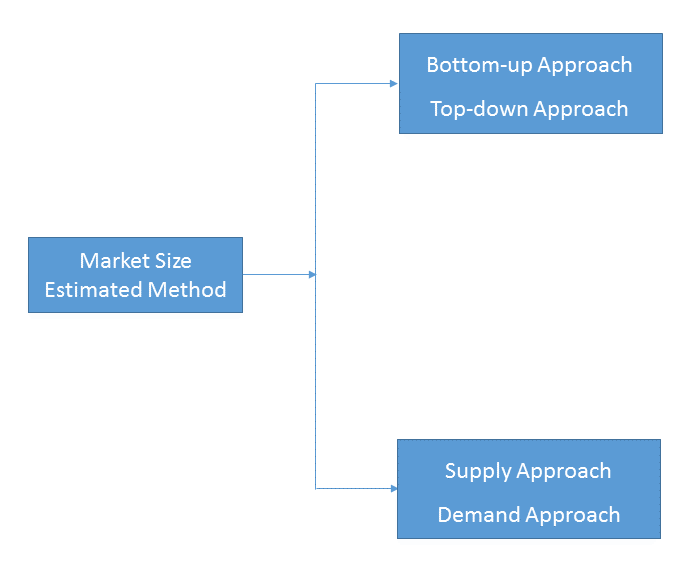
Bottom-up & top-down approach, supply & demand approach are the most important method which is used by HDIN Research to estimate the market size.
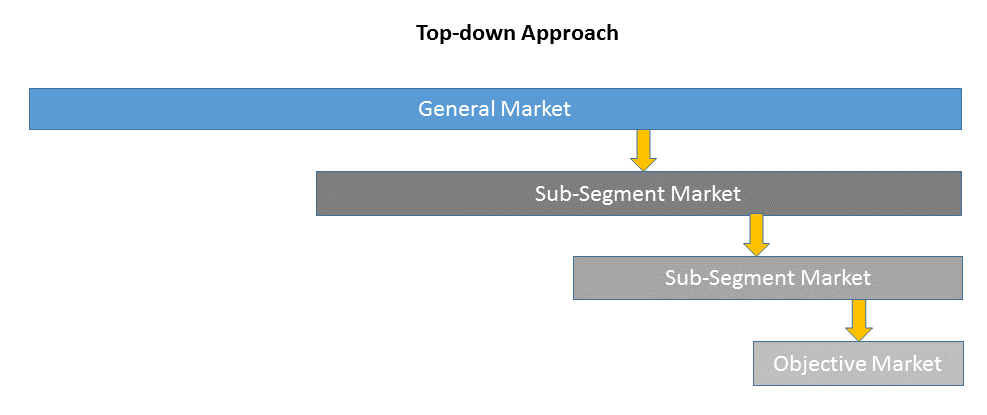
1)Top-down & Bottom-up Approach
Top-down approach uses a general market size figure and determines the percentage that the objective market represents.
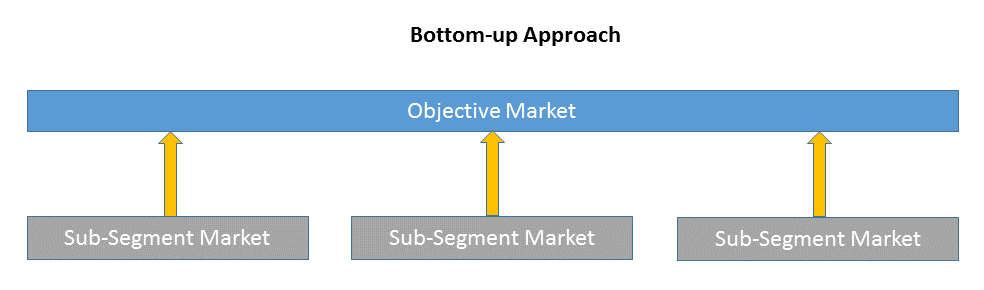
Bottom-up approach size the objective market by collecting the sub-segment information.
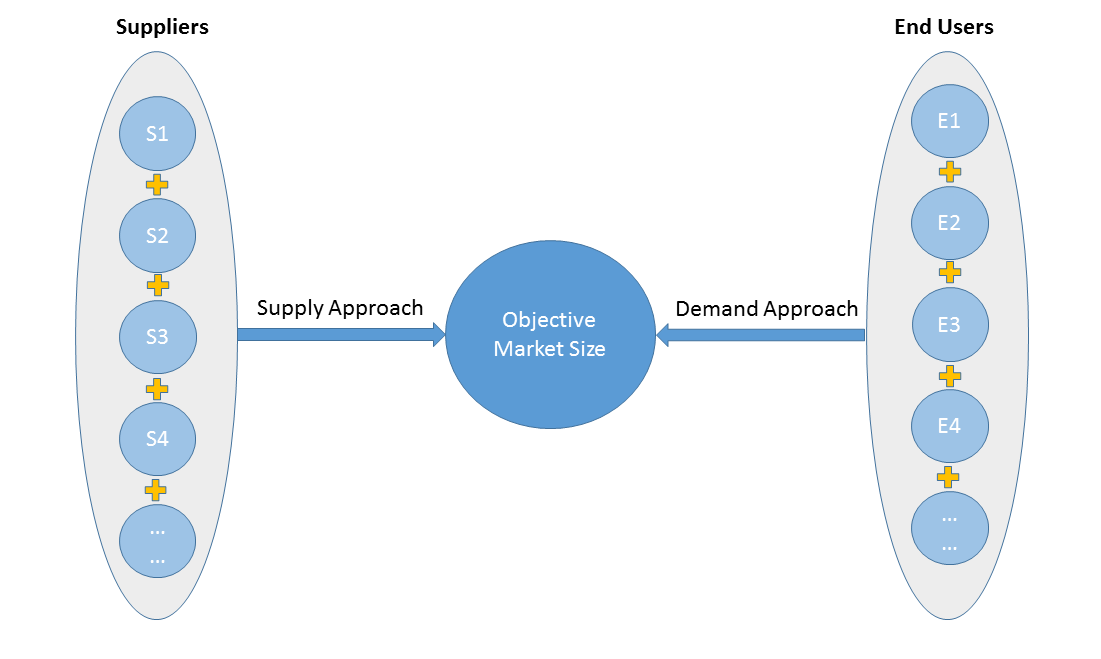
2)Supply & Demand Approach
Supply approach is based on assessments of the size of each competitor supplying the objective market.
Demand approach combine end-user data within a market to estimate the objective market size. It is sometimes referred to as bottom-up approach.
- Forecasting Methodology
- Numerous factors impacting the market trend are considered for forecast model:
- New technology and application in the future;
- New project planned/under contraction;
- Global and regional underlying economic growth;
- Threatens of substitute products;
- Industry expert opinion;
- Policy and Society implication.
- Analysis Tools
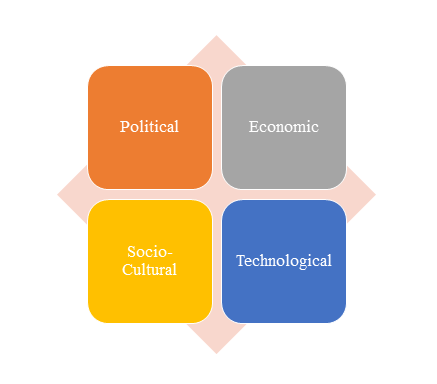
1)PEST Analysis
PEST Analysis is a simple and widely used tool that helps our client analyze the Political, Economic, Socio-Cultural, and Technological changes in their business environment.
- Benefits of a PEST analysis:
- It helps you to spot business opportunities, and it gives you advanced warning of significant threats.
- It reveals the direction of change within your business environment. This helps you shape what you’re doing, so that you work with change, rather than against it.
- It helps you avoid starting projects that are likely to fail, for reasons beyond your control.
- It can help you break free of unconscious assumptions when you enter a new country, region, or market; because it helps you develop an objective view of this new environment.
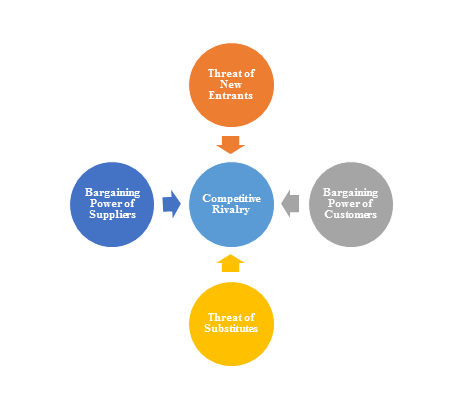
2)Porter’s Five Force Model Analysis
The Porter’s Five Force Model is a tool that can be used to analyze the opportunities and overall competitive advantage. The five forces that can assist in determining the competitive intensity and potential attractiveness within a specific area.
- Threat of New Entrants: Profitable industries that yield high returns will attract new firms.
- Threat of Substitutes: A substitute product uses a different technology to try to solve the same economic need.
- Bargaining Power of Customers: the ability of customers to put the firm under pressure, which also affects the customer's sensitivity to price changes.
- Bargaining Power of Suppliers: Suppliers of raw materials, components, labor, and services (such as expertise) to the firm can be a source of power over the firm when there are few substitutes.
- Competitive Rivalry: For most industries the intensity of competitive rivalry is the major determinant of the competitiveness of the industry.
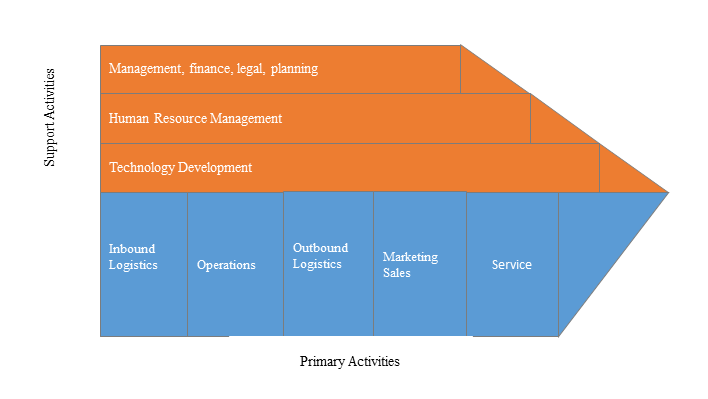
3)Value Chain Analysis
Value chain analysis is a tool to identify activities, within and around the firm and relating these activities to an assessment of competitive strength. Value chain can be analyzed by primary activities and supportive activities. Primary activities include: inbound logistics, operations, outbound logistics, marketing & sales, service. Support activities include: technology development, human resource management, management, finance, legal, planning.
4)SWOT Analysis
SWOT analysis is a tool used to evaluate a company's competitive position by identifying its strengths, weaknesses, opportunities and threats. The strengths and weakness is the inner factor; the opportunities and threats are the external factor. By analyzing the inner and external factors, the analysis can provide the detail information of the position of a player and the characteristics of the industry.
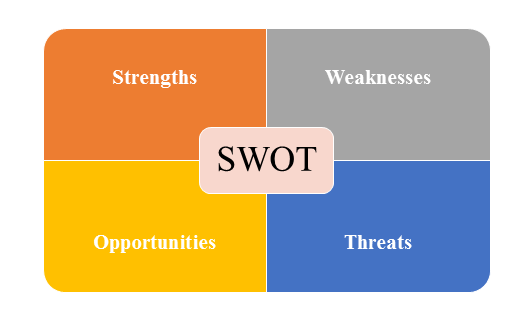
- Strengths describe what the player excels at and separates it from the competition
- Weaknesses stop the player from performing at its optimum level.
- Opportunities refer to favorable external factors that the player can use to give it a competitive advantage.
- Threats refer to factors that have the potential to harm the player.
- Data Sources
| Primary Sources | Secondary Sources |
|---|---|
| Face to face/Phone Interviews with market participants, such as: Manufactures; Distributors; End-users; Experts. Online Survey |
Government/International Organization Data: Annual Report/Presentation/Fact Book Internet Source Information Industry Association Data Free/Purchased Database Market Research Report Book/Journal/News |