Vacuum Blood Collection Tube Market Strategy 2021-2031
- Single User License (1 Users) $ 3,500
- Team License (2~5 Users) $ 4,500
- Corporate License (>5 Users) $ 5,500
In 2026, the global Vacuum Blood Collection Tube (VBCT) market is valued between 3.8 billion USD and 4.8 billion USD, with annual output surpassing 22 billion units. The VBCT industry is projected to expand at a compound annual growth rate (CAGR) of 5.8% to 8.8% through 2031. Global tier-one incumbents including Becton, Dickinson and Company (BD), Greiner Bio-One, Sarstedt, and Terumo are defending market share against vertically integrated, automated Asian manufacturers such as Guangzhou Improve Medical, Zhejiang Gongdong Medical, Shandong Ande Healthcare, and Hebei Xinle. While North America and Europe remain the primary profit pools due to strict safety mandates and molecular diagnostic adoption, Asia-Pacific dictates global unit volume growth and manufacturing scale.
Technical Architecture and Functional Taxonomy
A Vacuum Blood Collection Tube is a single-use, sterile, evacuated in vitro diagnostic (IVD) medical device engineered for the collection, preservation, transport, and pre-analytical processing of venous blood specimens. Operating in tandem with multi-sample needles, safety-engineered winged butterfly sets, and tube holders, the device relies on pre-calibrated internal negative pressure to draw a precise stoichiometric volume of blood directly from the vein. This closed-loop evacuation mechanism eliminates the variable shear forces of manual syringe extraction, minimizes specimen hemolysis, guarantees exact blood-to-additive ratios, and prevents aerosolized biohazard exposure.
The physical architecture of a modern VBCT comprises three precision-engineered subsystems:
* Evacuated Tube Body: The industry has completed a structural migration away from fragile borosilicate glass toward injection-molded medical-grade polyethylene terephthalate (PET) and polypropylene (PP). PET provides optical clarity equivalent to glass for spectrophotometric analysis while delivering superior tensile strength, shatter resistance during high-G centrifugation, and essential gas-barrier properties required to prevent vacuum decay over an 18 to 24-month shelf life.
* Precision Elastomeric Closure: The stopper is compounded from synthetic bromobutyl or chlorobutyl rubber, engineered for ultra-low moisture and gas permeability. The rubber core is surface-treated with medical-grade polydimethylsiloxane (silicone) to ensure low needle-puncture resistance and core-free resealing upon probe withdrawal. An outer color-coded polypropylene safety shield—standardized under ISO 6710 and World Health Organization guidelines—protects laboratory personnel from micro-splatter during automated or manual decapping.
* Chemical Additive Matrix: Internal tube walls undergo ultrasonic atomization or micro-metered liquid dispensing to deposit uniform layers of biochemical reagents, followed by controlled thermal or laminar air-drying. Internal siliconization is frequently applied to minimize erythrocyte adhesion and contact activation.
Market segmentation is dictated by downstream analytical instrumentation and additive chemistry across three functional categories:
A. Serum Separation Tubes (SST)
Designed for clinical chemistry, immunology, and serology panels, these tubes isolate cell-free liquid serum. The inner wall is coated with micronized silica particles or synthetic thrombin to accelerate the intrinsic or extrinsic coagulation cascade. Premium variants incorporate a thixotropic inert polyester or acrylic polymer separation gel at the tube base. Engineered with a specific gravity tightly controlled between 1.040 and 1.050 g/cm³, the gel sits precisely between liquid serum (approx. 1.026 g/cm³) and cellular clots (approx. 1.092 g/cm³). Under centrifugal force, the gel undergoes reversible shear-thinning, migrating upward to establish an impermeable physical barrier that prevents intracellular potassium, lactate dehydrogenase, and glucose from leaching into the serum during post-centrifugation storage. Serum tubes represent the largest revenue and volume segment in routine hospital operations.
B. Plasma Anticoagulation Tubes
Formulated to arrest the coagulation cascade immediately upon venipuncture, preserving whole blood or yielding plasma without the 30-minute clotting delay required for serum:
* K2EDTA and K3EDTA Tubes (Lavender Closure): Utilize dipotassium or tripotassium ethylenediaminetetraacetic acid to chelate divalent calcium ions (Ca2+), preserving erythrocyte, leukocyte, and platelet morphology. This is the mandatory standard for automated Complete Blood Count (CBC) hematology analyzers and immunohematology blood bank cross-matching.
* Sodium Citrate Tubes (Light Blue Closure): Contain buffered 3.2% (0.109 mol/L) trisodium citrate in a strict 1:9 additive-to-blood volumetric ratio. By reversibly binding calcium, these tubes preserve labile coagulation factors V and VIII for Prothrombin Time (PT), activated Partial Thromboplastin Time (aPTT), fibrinogen assays, and Thromboelastography (TEG).
* Lithium and Sodium Heparin Tubes (Green Closure): Coated with lithium heparin or sodium heparin to inhibit thrombin and Factor Xa via Antithrombin III activation. Heavily deployed in emergency department STAT biochemistry panels where rapid turnaround time is critical.
* Glycolytic Inhibitor Tubes (Gray Closure): Formulated with sodium fluoride to inhibit the glycolytic enzyme enolase, combined with potassium oxalate or EDTA as an anticoagulant, stabilizing whole blood glucose and lactate levels for up to 24 hours.
C. Specialized and Molecular Diagnostic Tubes
This segment represents the primary vehicle for margin expansion and research capital allocation:
* Cell-Free DNA (cfDNA) and RNA Stabilization Tubes: Conventional EDTA tubes permit nucleated leukocyte apoptosis and lysis within hours of collection, releasing high-molecular-weight genomic DNA that dilutes scarce target circulating tumor DNA (ctDNA) or cell-free fetal DNA (cffDNA). Specialized molecular tubes utilize proprietary formaldehyde-free preservative matrices and metabolic inhibitors that cross-link or stabilize leukocyte membranes without damaging nucleic acid strands. This enables ambient-temperature specimen transport for 7 to 14 days to centralized next-generation sequencing (NGS) hubs for liquid biopsy, Non-Invasive Prenatal Testing (NIPT), and viral load quantification (HIV, HBV, HCV).
* Arterial Blood Gas (ABG) Collection Devices: Precision-molded syringes containing dry, electrolyte-balanced lithium heparin (~50 IU/mL) that chelates minimal free ionized calcium, engineered for high-pressure arterial puncture, anaerobic bubble-free venting, and immediate Point-of-Care Testing (POCT) in Intensive Care Units (ICUs).
Regional Market Dynamics and Sovereign Procurement Landscapes
● North America (United States and Canada): Commands 38% to 40% of global market share. The North American theater is defined by high per-capita test volumes, defensive medicine practices, and institutional consolidation. Procurement is tightly controlled by national Group Purchasing Organizations (GPOs) such as Vizient, Premier, and HealthTrust, alongside commercial laboratory duopolies (Quest Diagnostics and Labcorp).
* Regulatory and Operational Moats: Strict enforcement of the US Occupational Safety and Health Administration (OSHA) Bloodborne Pathogens Standard (29 CFR 1910.1030) has driven near-100% adoption of passive and active safety-engineered winged collection sets and pre-attached tube holders, sustaining elevated average selling prices (ASPs). Furthermore, the US Food and Drug Administration (FDA) regulates evacuated tubes as Class II medical devices requiring rigorous 510(k) clearance demonstrating zero chemical interference across major analyzer platforms (Roche, Abbott, Siemens, Beckman Coulter). The ongoing transition to the FDA Quality Management System Regulation (QMSR), harmonizing 21 CFR 820 with ISO 13485:2016, further elevates compliance barriers.
* Competitive Landscape: Becton, Dickinson and Company (BD) maintains a dominant position via its Vacutainer franchise, reinforced by Tier-1 distribution alliances with Cardinal Health, McKesson, and Medline. Greiner Bio-One (VACUETTE) and Terumo act as primary secondary suppliers. Asian manufacturers penetrate this corridor via contract OEM/ODM arrangements or onshore manufacturing acquisitions, exemplified by Zhejiang Gongdong Medical's US subsidiary, Trademark Plastics Inc. (TPI) in California.
● Asia-Pacific (APAC): Accounts for approximately 32% of global market share and represents the fastest-expanding geographical corridor.
* China: As the world's second-largest national market by volume, China is the epicenter of structural policy reform. The National Healthcare Security Administration (NHSA) and inter-provincial alliances—most notably the Beijing-Tianjin-Hebei ""3+N"" Alliance and the Nanjing municipal/provincial tenders—have swept routine vacuum blood collection tubes into centralized Volume-Based Procurement (VBP). This mechanism has enforced terminal price reductions of 30% to 60% on standard serum, EDTA, and citrate tubes. Simultaneously, the nationwide rollout of Diagnosis-Related Group (DRG) and Diagnosis-Intervention Packet (DIP) inpatient payment systems has transformed hospital clinical laboratories from revenue centers into cost centers. Hospital administrators now actively mandate domestic substitution, shifting market share from multinational imports toward domestic automated scale leaders (Improve Medical, Gongdong Medical, Shandong Ande, Hebei Xinle, and Shandong Weigao). To protect gross margins (which have compressed to the 30% to 45% range for standard lines), Chinese producers are aggressively commercializing Class III automated decappers, pre-analytical sorting workstations, and high-margin cfDNA tubes.
* Japan: A mature, high-specification market governed by strict Japanese Industrial Standards (JIS) and universal health insurance reimbursement schedules. Domestic giants Terumo (Venoject), Sekisui Medical (Insepack), and Nipro (Neotube) dominate tube supply. Japan is globally unique for its exceptionally high penetration of outpatient pre-analytical automation, pioneered by TechnoMedica's BC-ROBO automated tube preparation systems, which require tight dimensional tolerances on tube geometry and label placement.
* India, Taiwan (China), and ASEAN: Taiwan, China maintains an advanced healthcare system with high utilization of automated core laboratories and specialized molecular diagnostics. Conversely, India and ASEAN represent high-growth greenfield markets transitioning from open syringe-to-vial blood transfer to closed vacuum systems. In India, domestic producers like CML Biotech compete with BD and Chinese imports across expanding private diagnostic chains (Dr. Lal PathLabs, Metropolis Healthcare, Agilus Diagnostics). In Malaysia and Indonesia, regional manufacturers such as TUD Sdn. Bhd. fulfill public health ministry tenders while private medical tourism hubs in Bangkok, Singapore, and Kuala Lumpur procure premium European and US safety-engineered sets.
● Europe: Represents 24% to 26% of global market share. Anchored by universal single-payer healthcare systems (such as the UK NHS and German statutory health insurance) and consolidated pan-European laboratory networks (Sonic Healthcare, Synlab, Cerba HealthCare). The European Council Directive 2010/32/EU mandates sharps injury prevention, ensuring stable demand for safety-shielded consumables.
* Regulatory Bottlenecks: The full operational enforcement of the European Union In Vitro Diagnostic Regulation (IVDR 2017/746) and Medical Device Regulation (MDR 2017/745) has fundamentally altered supply chain economics. Elevated clinical evidence requirements, Post-Market Performance Follow-up (PMPF), EUDAMED Unique Device Identification (UDI) integration, and Notified Body auditing costs have triggered market exits among sub-scale Eastern and Southern European plastic converters, consolidating share among top-tier compliant firms.
* Competitive Landscape: Greiner Bio-One (headquartered in Kremsmünster, Austria) and Sarstedt (headquartered in Nümbrecht, Germany) hold entrenched leadership positions, competing fiercely with BD across DACH, France, the UK, and the Nordics. Sarstedt's proprietary S-Monovette dual-principle aspiration/vacuum system commands a near-monopoly in specific German and Scandinavian clinical segments, while regional players like FL Medical s.r.l. hold niche positions in Southern Europe.
● Latin America: Brazil and Mexico generate over 65% of regional consumption. In Brazil, the public Sistema Unico de Saude (SUS) procures basic vacuum tubes via price-driven public tenders fulfilled by local assemblers and Asian exporters, whereas consolidated private diagnostic conglomerates (DASA, Grupo Fleury, Sabin) demand premium gel-separation and molecular tubes from BD and Greiner Bio-One. In Mexico, procurement is bifurcated between public social security institutes (IMSS, ISSSTE) and private hospital networks serving cross-border medical patients. Currency volatility and import tariff adjustments periodically disrupt distributor working capital cycles across the Southern Cone.
● Middle East and Africa (MEA): The region is sharply divided between the capital-rich Gulf Cooperation Council (GCC) states and donor-dependent Sub-Saharan Africa. Saudi Arabia, the UAE, and Qatar are investing heavily in mega-hospital infrastructure and centralized reference laboratories under Vision 2030 initiatives. GCC procurement is centralized through entities like Saudi Arabia's National Unified Procurement Company (NUPCO), which mandates international FDA/CE certifications, safety-engineered needles, and full electronic medical record (EMR) barcoding compatibility. Conversely, Sub-Saharan Africa relies heavily on multilateral health agencies (WHO, Global Fund, UNICEF) for infectious disease screening (HIV, malaria, tuberculosis). Manufacturers holding World Health Organization Prequalification of In Vitro Diagnostics (WHO-PQS), such as Shandong Ande Healthcare, leverage these global tender catalogues to capture bulk institutional volumes across African health ministries.
Supply Chain and Value Chain Architecture
The VBCT industrial ecosystem operates across a tightly coupled three-tier value chain where value is actively migrating away from midstream plastic conversion toward upstream specialty biochemical formulation and downstream pre-analytical robotic integration.
● Upstream Raw Materials and Precision Tooling (Bottleneck Analysis)
* Medical-Grade Polymer Resins: Tube bodies require high-intrinsic-viscosity PET and medical-grade PP free from heavy metals, plasticizers, and UV-absorbing leachables that could interfere with clinical immunoassays. Pricing is directly exposed to global petrochemical and paraxylene feedstock cycles.
* Elastomeric Compounds: Stopper fabrication relies on halogenated isobutylene-isoprene rubbers (bromobutyl and chlorobutyl). Supply is concentrated among global chemical majors (such as ExxonMobil Chemical, Arlanxeo, and Sinopec), creating potential feedstock squeezes during periods of pharmaceutical vial stopper hoarding.
* Diagnostic Biochemicals and Thixotropic Gels: This is the primary technical bottleneck in the upstream tier. While standard anticoagulants (EDTA, sodium citrate) are commoditized, high-purity electrolyte-balanced lithium heparin depends heavily on crude porcine intestinal mucosa supply chains originating in China, exposing manufacturers to biological contamination risks and livestock disease cycles. Furthermore, formulating thixotropic polyester or acrylic separation gels requires precise rheological engineering. If gel viscosity or cross-linking density drifts, centrifugation results in gel globules floating in the serum, clogging expensive downstream automated analyzer sample probes (e.g., Roche Cobas or Abbott Alinity systems) and triggering catastrophic hospital liability claims.
* High-Cavitation Hot-Runner Molds: Achieving economic scale requires precision injection molds (64 to 128 cavities) engineered from hardened stainless steel with sub-micron tolerances. Mold wear directly degrades tube wall concentricity, leading to tube cracking in high-speed centrifuges (3,000 to 5,000 x g) or vacuum seal failure at the neck interface.
● Midstream Device Manufacturing and Cleanroom Automation
* Process Engineering: Modern VBCT production occurs within ISO Class 7 or Class 8 cleanrooms via fully integrated continuous lines: (1) high-speed injection molding and robotic demolding; (2) automated UDI-compliant 1D/2D barcode label wrapping; (3) internal ultrasonic siliconization; (4) micro-liter precision additive atomization and infrared/laminar drying; (5) vacuum chamber evacuation calibrated to local barometric pressure and target draw volume; (6) automated stopper insertion and safety cap assembly; (7) vision-system inspection and eddy-current/pressure-decay hermetic testing; and (8) terminal sterilization via Cobalt-60 gamma irradiation (typically 15 to 25 kGy) or Electron Beam (E-Beam) processing.
* Operational Moats: The critical midstream barrier is maintaining a line yield exceeding 99.8% at speeds surpassing 20,000 to 30,000 tubes per hour while guaranteeing negative pressure stability across diverse geographic altitudes and temperature extremes. Low-tier manufacturers frequently suffer from silicone surfactant shedding or uneven EDTA spray crystallization, causing micro-clotting in hematology samples.
● Downstream Pre-Analytical Integration and Commercial Channels
* Pre-Analytical Workflow Integration: Over 60% to 70% of all clinical laboratory diagnostic errors occur in the pre-analytical phase (improper patient identification, wrong tube additive selection, incorrect order of draw, hemolysis from turbulent flow, or insufficient fill volume). Consequently, tier-one hospitals are deploying automated phlebotomy tube preparation systems (e.g., TechnoMedica BC-ROBO-9000RFID, Improve Medical IBMS, Greiner Bio-One pre-barcoded systems) and pneumatic transport systems (e.g., Sarstedt Tempus600). These robotic units automatically read electronic physician orders via the Laboratory Information System (LIS), select the appropriate vacuum tubes from internal hoppers, print and affix thermal patient barcodes at the exact optical window required by downstream track scanners, and dispense a patient-specific tray. This hardware lock-in creates formidable switching costs; hospital administrators cannot easily swap in cheap third-party tubes if dimensional variances jam the robotic dispensing chutes or automated decappers.
* Commercial Distribution Channels: In Western markets, manufacturers utilize a hybrid model combining direct corporate contracting with GPOs/IDNs and physical fulfillment through national medical-surgical distributors. In China and emerging markets, manufacturers bifurcated their commercial strategy: utilizing provincial VBP tender bidding paired with localized tier-1 logistics distributors for public Grade II and Grade III hospitals (which now benefit from mandated 30-day government settlement cycles under VBP), while deploying direct technical sales forces to capture Independent Clinical Laboratories (ICLs like KingMed Diagnostics and Dian Diagnostics) and commercial health screening chains (e.g., Meinian Onehealth).
Competitive Landscape
● Becton, Dickinson and Company (BD): Headquartered in Franklin Lakes, New Jersey, USA. Unquestioned global market leader and category creator via the BD Vacutainer brand. BD's defensive moat rests on its end-to-end integration of safety vascular access and specimen management. By bundling BD Vacutainer Push Button and UltraTouch winged blood collection sets (featuring thin-wall penta-bevel needle geometry that reduces shear stress and patient pain) with proprietary Barricor mechanical plasma separation tubes (which use an elastomeric mechanical separator rather than thixotropic gel to eliminate gel-related assay interference and reduce centrifugation time), BD insulates its core portfolio from commodity price wars. BD is also heavily expanding its PAXgene Blood ccfDNA and RNA tube franchises (in partnership with Qiagen) to dominate the oncology liquid biopsy pre-analytical space.
● Greiner Bio-One International GmbH: Headquartered in Kremsmünster, Austria, with manufacturing hubs in Europe, the US, Brazil, and Thailand. The primary global challenger via its VACUETTE portfolio. Pioneer of the world's first plastic PET evacuated blood collection tube. Greiner differentiates through precision safety engineering (VACUETTE EVOPROTECT safety butterfly sets enabling single-handed semi-automatic activation inside the vein) and pre-barcoded tube solutions that eliminate manual labeling errors in European reference labs. The company has aggressively localized manufacturing in Southeast Asia and South America to bypass regional import tariffs and secure public healthcare tenders.
● Sarstedt AG & Co. KG: Headquartered in Nümbrecht, Germany. A fiercely independent, family-owned pre-analytical powerhouse operating predominantly via an Own Brand Manufacturer (OBM) direct sales model. Sarstedt bypasses the standard pre-evacuated tube commoditization trap entirely through its patented S-Monovette platform. The S-Monovette is a hybrid ""2-in-1"" system combining the aspiration technique (gentle syringe-style plunger retraction ideal for fragile geriatric, pediatric, and oncology veins to prevent vein collapse and hemolysis) with the vacuum technique (where the phlebotomist locks and snaps off the plunger rod immediately prior to venipuncture to create a fresh, zero-decay in-situ vacuum). By pairing S-Monovette with its proprietary Tempus600 point-to-point pneumatic tube transport system (which shoots blood tubes directly from hospital wards to the core lab analyzer track within seconds without protective carriers), Sarstedt creates a closed-loop workflow monopoly in major European university hospitals.
● Terumo Corporation, Nipro Corporation, and Sekisui Medical Co., Ltd. (The Japanese Triad): Terumo (Venoject), Sekisui Medical (Insepack), and Nipro (Neotube) dominate the high-margin East Asian clinical theatre. Sekisui leverages deep vertical integration between its vacuum tubes and its proprietary automated coagulometers and clinical chemistry reagents. Nipro utilizes its massive global dialyzer and vascular access distribution network to cross-sell Neotube consumables into Latin America, Europe, and ASEAN. Terumo focuses heavily on integrating venous collection with broader blood bank component processing (Trima Accel and Spectra Optia platforms).
● TechnoMedica Co., Ltd.: Headquartered in Yokohama, Japan. TechnoMedica does not compete primarily as a bulk plastic converter; rather, it controls the downstream gateway via its global monopoly in automated blood collection tube preparation hardware (the BC-ROBO series, culminating in the BC-ROBO-9000RFID). By embedding radio-frequency identification (RFID) and high-speed robotic sorting at the phlebotomy draw station, TechnoMedica dictates physical tube compatibility standards across thousands of high-throughput outpatient clinics in Japan, China, and South Korea.
● Guangzhou Improve Medical Instruments Co., Ltd.: Headquartered in Guangzhou, Guangdong Province, China. The technical leader among Chinese domestic manufacturers, co-author of China's national venous blood collection standards (WS/T224-2018, YY0314-2007), and the first Chinese VBCT producer to secure US FDA 510(k) clearance. Facing domestic VBP price compression on standard IMPROVACUTER tubes, Improve Medical has executed a decisive pivot toward ""Hardware + Software + Specialized Consumables."" It commercializes the Intelligent Blood Collection Management Solution (IBMS), AIM-LIS hospital information software, China's only Class III NMPA-registered automated vacuum tube decapper, and high-margin cfDNA liquid biopsy stabilization tubes, successfully transitioning from a consumable vendor into a smart laboratory systems integrator.
● Zhejiang Gongdong Medical Technology Co., Ltd.: Headquartered in Taizhou, Zhejiang Province, China, with North American manufacturing operations in Riverside, California (via Trademark Plastics Inc. / TPI). Gongdong's core moat lies in ultra-high-scale precision mold engineering and automated cleanroom injection molding. Executing a dual ""Global OEM/ODM + Domestic Branded"" strategy, Gongdong acts as a strategic contract manufacturer for top-tier global IVD analyzer conglomerates while utilizing its US TPI facility to supply North American hospital networks without incurring Section 301 geopolitical tariffs. Domestically, it leverages VBP tender awards to consolidate market share away from sub-scale regional workshops.
● Shandong Ande Healthcare Apparatus Co., Ltd.: Headquartered in Zibo, Shandong Province, China. Ranks second in China by total NMPA medical device registration certificates. Ande has built a formidable competitive moat in high-acuity vascular access and critical care sampling. It ranks first among domestic Chinese manufacturers (and second overall in China behind BD/Radiometer) in Arterial Blood Gas (ABG) samplers. By combining WHO-PQS prequalified safety syringes, safety winged blood collection needles, and evacuated tubes, Ande captures high-margin ICU/emergency department workflows domestically while winning multi-year multilateral tenders across Africa and Latin America.
● Hebei Xinle Science and Technology Co., Ltd.: Headquartered in Shijiazhuang, Hebei Province, China. A focused pure-play specialist in evacuated blood collection systems and intelligent phlebotomy workstations. Xinle has optimized its commercial architecture to dominate northern and central Chinese VBP alliances while building a dominant direct-sales footprint among commercial health checkup chains and third-party independent diagnostic laboratories.
● Shandong Weigao Group, Jiangxi 3L Medical Products Group, and Zhonghong Pulin Medical Products: These industrial giants utilize massive resin purchasing power, internal sterilization capacity, and entrenched hospital procurement relationships (across orthopedics, dialysis, surgical dressings, and nitrile gloves) to bundle vacuum blood collection tubes into comprehensive hospital supply contracts, squeezing out standalone mid-tier competitors.
● Regional Specialists (Cardinal Health, TUD Sdn. Bhd., FL Medical s.r.l., Soyagreentec, CML Biotech): Cardinal Health leverages its massive North American hospital logistics infrastructure to distribute private-label and branded laboratory plasticware. TUD (Malaysia), FL Medical (Italy), Soyagreentec (South Korea), and CML Biotech (India) operate as agile regional champions, utilizing localized regulatory agility and short lead times to service domestic public health clinics and mid-tier diagnostic labs.
Opportunities and Risks
1. The VBP Arbitrage and Consolidation Wave
China's centralized Volume-Based Procurement has permanently destroyed the legacy high-margin distribution model for routine serum, EDTA, and citrate tubes in the world's most populous market. However, viewing VBP purely as a revenue destroyer is a strategic miscalculation. While terminal prices dropped 30% to 60%, intermediate dealer margins were eliminated, commercial bribery and marketing overheads were stripped out, and mandatory 30-day hospital settlement rules repaired manufacturer cash conversion cycles. Tier-one automated producers (Gongdong, Improve, Ande, Xinle) capable of operating 128-cavity molds and automated assembly lines maintain healthy 30% to 45% gross margins on massive guaranteed volumes, while hundreds of sub-scale regional assembly workshops are being forced into liquidation. This domestic consolidation provides surviving Chinese leaders with the cash flow required to subsidize aggressive international expansion into LATAM, ASEAN, and MEA.
2. Value Migration to Liquid Biopsy and Micro-Sampling
As standard tube ASPs compress globally under DRG/DIP hospital budgeting, R&D capital is migrating toward molecular preservation and low-volume collection. The clinical mainstreaming of minimal residual disease (MRD) monitoring, multi-cancer early detection (MCED) liquid biopsies, and NIPT requires specialized cfDNA/cfRNA and circulating tumor cell (CTC) stabilization tubes that command ASPs 10x to 30x higher than standard EDTA tubes, generating gross margins exceeding 50% to 65%. Concurrently, rising hospital focus on iatrogenic anemia in ICU, neonatal, and geriatric cohorts is driving a structural shift toward low-draw (1.0 mL to 2.0 mL) vacuum tubes and automated capillary micro-collection tubes compatible with standard analyzer racks.
3. The Pre-Analytical Automation Lock-In
The most durable competitive moat over the next five years is no longer chemical or polymeric—it is mechatronic. As clinical laboratories face acute global shortages of certified phlebotomists and medical technologists, hospitals are automating the front-end venipuncture station. Manufacturers that successfully deploy proprietary robotic tube selection/labeling dispensers, RFID-embedded tube caps, pneumatic point-to-point transport integration, and high-speed automated decappers establish closed ecosystems. Competitors attempting to sell standalone plastic tubes without hardware and LIS software integration capabilities will be relegated to low-margin contract manufacturing or third-tier rural tenders.
4. Geopolitical Decoupling and Dual-Track Supply Chains
Escalating trade protectionism, Section 301 tariffs in the United States, ""Buy American / Build America"" healthcare procurement mandates, and stringent EU IVDR audit barriers have rendered single-country export models obsolete. Forward-looking manufacturers are executing dual-track capital allocation: maintaining hyper-automated mega-factories in China or India to serve domestic and Global South markets at rock-bottom unit costs, while acquiring or constructing near-shore automated assembly plants in the United States, Mexico, Eastern Europe, or Southeast Asia to guarantee tariff-free access and supply chain resilience for Western GPOs and sovereign health ministries.
1.1 Executive Summary and Strategic Imperatives 1
1.2 Product Definition and Clinical Taxonomy of Vacuum Blood Collection Tubes 2
1.3 Research Methodology and Data Triangulation Framework 3
1.4 Analytical Assumptions and Econometric Modeling Parameters 4
1.5 Glossary of Technical Abbreviations and Regulatory Nomenclature 5
Chapter 2 Global Vacuum Blood Collection Tube Value Chain and Supply Resilience 6
2.1 Global Value Chain Architecture and Margin Distribution 6
2.2 Upstream Raw Material Dynamics (Medical-Grade PET, Borosilicate Glass, Butyl Rubber, Chemical Additives) 8
2.3 Midstream Manufacturing Process Analysis and Cleanroom Automation Standards 10
2.4 Downstream Clinical Integration and Pre-Analytical Automation Compatibility 12
2.5 Global Supply Chain Vulnerabilities and Cost Structure Evolution (2021-2026) 14
Chapter 3 Global Market Dynamics, Regulatory Landscape, and Patent Trajectory 16
3.1 Macroeconomic Drivers and Healthcare Infrastructure Expenditure 16
3.2 Regulatory Compliance Paradigms (FDA, EU IVDR, NMPA, PMDA) 18
3.3 Value Migration from Glass to Polymeric Substrates and Micro-Collection Systems 20
3.4 Global Patent Landscape and Technological Innovation in Additive Formulations 22
Chapter 4 Global Vacuum Blood Collection Tube Market Analysis by Product Type 24
4.1 Global Market Volume and Value Overview by Product Type (2021-2031) 24
4.2 Serum Separation Tube (Clot Activator and Gel Separator) Market Performance 26
4.3 Plasma Anticoagulation Tube (EDTA, Heparin, Sodium Citrate) Market Performance 28
4.4 Specialized & Molecular Diagnostic Tube (Cell-Free DNA, RNA Stabilization, Trace Element) Market Performance 30
Chapter 5 Global Vacuum Blood Collection Tube Market Analysis by Material and Downstream Application 32
5.1 Global Market Segmentation by Tube Material (PET/Plastic vs. Glass) (2021-2031) 32
5.2 Global Market Segmentation by Downstream Application (2021-2031) 34
5.3 Global Distribution Channel Dynamics (Direct Tender vs. Tiered Distribution) 38
Chapter 6 Global Trade Logistics and Import/Export Flow Analysis 39
6.1 Global Trade Balance and Cross-Border Logistics of Vacuum Blood Collection Tubes 39
6.2 Primary Exporting Hubs and Cost Competitiveness Analysis (2021-2026) 41
6.3 Primary Importing Markets and Tariff/Non-Tariff Barrier Implications (2021-2026) 43
Chapter 7 North America Vacuum Blood Collection Tube Market Analysis 45
7.1 North America Market Volume, Value, and Pre-Analytical Automation Penetration (2021-2031) 45
7.2 United States 47
7.3 Canada 49
Chapter 8 Europe Vacuum Blood Collection Tube Market Analysis 50
8.1 Europe Market Volume, Value, and IVDR Transition Impact (2021-2031) 50
8.2 Germany 52
8.3 France 53
8.4 Italy 54
8.5 United Kingdom 55
8.6 Austria & Rest of Europe 56
Chapter 9 Asia-Pacific Vacuum Blood Collection Tube Market Analysis 57
9.1 Asia-Pacific Market Volume, Value, and Volume-Based Procurement Dynamics (2021-2031) 57
9.2 China 59
9.3 Japan 61
9.4 India 62
9.5 South Korea 63
9.6 Southeast Asia 64
Chapter 10 Latin America and Middle East & Africa Vacuum Blood Collection Tube Market Analysis 65
10.1 Latin America Market Volume and Value Analysis (2021-2031) 65
10.1.1 Brazil 66
10.1.2 Mexico 67
10.2 Middle East & Africa Market Volume and Value Analysis (2021-2031) 68
10.2.1 Saudi Arabia 69
10.2.2 South Africa 70
Chapter 11 Global Competitive Landscape and Market Concentration 71
11.1 Global Manufacturer Tiering and Market Share Matrix (2021-2026) 71
11.2 Pricing Architecture and Gross Margin Benchmarking Across Geographies 73
11.3 Strategic M&A, Capacity Expansion, and Localization Initiatives 75
Chapter 12 Global Tier-1 Multinational Corporate Intelligence 76
12.1 BD (Becton, Dickinson and Company) 76
12.1.1 Corporate Profile and Pre-Analytical Portfolio Architecture 76
12.1.2 SWOT Analysis and Strategic Positioning 77
12.1.3 Vacuum Blood Collection Tube Sales Volume, Price, Cost, and Gross Margin (2021-2026) 78
12.1.4 R&D Expenditure and Automation Integration Strategy 79
12.2 Greiner Bio-One 80
12.2.1 Corporate Profile and VACUETTE System Architecture 80
12.2.2 SWOT Analysis and Strategic Positioning 81
12.2.3 Vacuum Blood Collection Tube Sales Volume, Price, Cost, and Gross Margin (2021-2026) 82
12.2.4 Global Manufacturing Footprint and GTM Strategy 83
12.3 Terumo 84
12.3.1 Corporate Profile and Venous Blood Collection Portfolio 84
12.3.2 SWOT Analysis and Strategic Positioning 85
12.3.3 Vacuum Blood Collection Tube Sales Volume, Price, Cost, and Gross Margin (2021-2026) 86
12.4 Sarstedt 87
12.4.1 Corporate Profile and S-Monovette Dual-Mode Technology 87
12.4.2 SWOT Analysis and Strategic Positioning 88
12.4.3 Vacuum Blood Collection Tube Sales Volume, Price, Cost, and Gross Margin (2021-2026) 89
12.5 Cardinal Health 90
12.5.1 Corporate Profile and Clinical Laboratory Supply Chain Integration 90
12.5.2 SWOT Analysis and Strategic Positioning 91
12.5.3 Vacuum Blood Collection Tube Sales Volume, Price, Cost, and Gross Margin (2021-2026) 92
12.6 Nipro 93
12.6.1 Corporate Profile and Vascular Access Synergy 93
12.6.2 SWOT Analysis and Strategic Positioning 94
12.6.3 Vacuum Blood Collection Tube Sales Volume, Price, Cost, and Gross Margin (2021-2026) 95
12.7 Sekisui Medical 96
12.7.1 Corporate Profile and In Vitro Diagnostics Integration 96
12.7.2 SWOT Analysis and Strategic Positioning 97
12.7.3 Vacuum Blood Collection Tube Sales Volume, Price, Cost, and Gross Margin (2021-2026) 98
12.8 Sysmex 99
12.8.1 Corporate Profile and Hematology Pre-Analytical Ecosystem 99
12.8.2 SWOT Analysis and Strategic Positioning 100
12.8.3 Vacuum Blood Collection Tube Sales Volume, Price, Cost, and Gross Margin (2021-2026) 101
Chapter 13 Asia-Pacific and European Specialized Corporate Intelligence 102
13.1 TechnoMedica 102
13.1.1 Corporate Profile and Automated Pre-Analytical Tube Systems 102
13.1.2 SWOT Analysis and Strategic Positioning 103
13.1.3 Vacuum Blood Collection Tube Sales Volume, Price, Cost, and Gross Margin (2021-2026) 104
13.2 FL Medical s.r.l. 105
13.2.1 Corporate Profile and European Disposable Labware Operations 105
13.2.2 SWOT Analysis and Strategic Positioning 106
13.2.3 Vacuum Blood Collection Tube Sales Volume, Price, Cost, and Gross Margin (2021-2026) 107
13.3 Soyagreentec 108
13.3.1 Corporate Profile and South Korean Manufacturing Capabilities 108
13.3.2 SWOT Analysis and Strategic Positioning 109
13.3.3 Vacuum Blood Collection Tube Sales Volume, Price, Cost, and Gross Margin (2021-2026) 110
13.4 TUD Sdn. Bhd. 111
13.4.1 Corporate Profile and ASEAN Regional Supply Strategy 111
13.4.2 SWOT Analysis and Strategic Positioning 112
13.4.3 Vacuum Blood Collection Tube Sales Volume, Price, Cost, and Gross Margin (2021-2026) 113
13.5 CML Biotech 114
13.5.1 Corporate Profile and Indian Domestic Market Penetration 114
13.5.2 SWOT Analysis and Strategic Positioning 115
13.5.3 Vacuum Blood Collection Tube Sales Volume, Price, Cost, and Gross Margin (2021-2026) 116
Chapter 14 Chinese Domestic Leaders Corporate Intelligence 117
14.1 Improve Medical Instruments 117
14.1.1 Corporate Profile and Smart Hospital Pre-Analytical Solutions 117
14.1.2 SWOT Analysis and Strategic Positioning 118
14.1.3 Vacuum Blood Collection Tube Sales Volume, Price, Cost, and Gross Margin (2021-2026) 119
14.1.4 International Export Expansion and R&D Trajectory 120
14.2 Zhejiang Gongdong Medical 121
14.2.1 Corporate Profile and Polymeric Medical Consumables Scale 121
14.2.2 SWOT Analysis and Strategic Positioning 122
14.2.3 Vacuum Blood Collection Tube Sales Volume, Price, Cost, and Gross Margin (2021-2026) 123
14.2.4 OEM/ODM Capabilities and Domestic Tender Performance 124
14.3 Shandong Weigao Group 125
14.3.1 Corporate Profile and Comprehensive Medical Device Ecosystem 125
14.3.2 SWOT Analysis and Strategic Positioning 126
14.3.3 Vacuum Blood Collection Tube Sales Volume, Price, Cost, and Gross Margin (2021-2026) 127
14.3.4 Hospital Channel Bundling Strategy 128
14.4 Hebei Xinle Science and Technology Co. Ltd 129
14.4.1 Corporate Profile and Specialized Blood Collection Manufacturing 129
14.4.2 SWOT Analysis and Strategic Positioning 130
14.4.3 Vacuum Blood Collection Tube Sales Volume, Price, Cost, and Gross Margin (2021-2026) 131
14.5 Shandong Ande Healthcare Apparatus Co. Ltd. 132
14.5.1 Corporate Profile and Vascular Access Product Matrix 132
14.5.2 SWOT Analysis and Strategic Positioning 133
14.5.3 Vacuum Blood Collection Tube Sales Volume, Price, Cost, and Gross Margin (2021-2026) 134
14.6 Zhonghong Pulin Medical Products Co. Ltd. 135
14.6.1 Corporate Profile and Medical Consumables Diversification 135
14.6.2 SWOT Analysis and Strategic Positioning 136
14.6.3 Vacuum Blood Collection Tube Sales Volume, Price, Cost, and Gross Margin (2021-2026) 137
14.7 Jiangxi 3L Medical Products Group 138
14.7.1 Corporate Profile and Clinical Disposable Manufacturing 138
14.7.2 SWOT Analysis and Strategic Positioning 139
14.7.3 Vacuum Blood Collection Tube Sales Volume, Price, Cost, and Gross Margin (2021-2026) 140
Chapter 15 Global Vacuum Blood Collection Tube Market Forecast (2027-2031) 141
Table 1.2 Clinical Taxonomy and Additive Color-Coding Standards (ISO 6710) 2
Table 1.3 Key Econometric Assumptions and Currency Conversion Rates (2021-2026) 4
Table 1.4 Technical Abbreviations and Regulatory Nomenclature 5
Table 2.1 Upstream Raw Material Cost Breakdown for PET vs. Glass Tubes (2026) 8
Table 2.2 Key Suppliers of Medical-Grade PET Resin, Butyl Stoppers, and Separation Gels 9
Table 2.3 Manufacturing Cleanroom Standards and Sterilization Protocols (Irradiation vs. ETO) 11
Table 3.1 Regulatory Approval Pathways for Vacuum Blood Collection Tubes Across Major Jurisdictions 18
Table 3.2 Selected High-Impact Patents in Separation Gel and Nucleic Acid Stabilization (2021-2026) 22
Table 4.1 Global Vacuum Blood Collection Tube Market Volume by Product Type (Million Units, 2021-2026) 24
Table 4.2 Global Vacuum Blood Collection Tube Market Value by Product Type (USD Million, 2021-2026) 25
Table 4.3 Global Serum Separation Tube Market Volume and Value by Region (2021-2026) 26
Table 4.4 Global Plasma Anticoagulation Tube Market Volume and Value by Sub-Type (EDTA, Heparin, Citrate) (2021-2026) 28
Table 4.5 Global Specialized & Molecular Diagnostic Tube Market Volume and Value by Region (2021-2026) 30
Table 5.1 Global Vacuum Blood Collection Tube Market Volume and Value by Material (PET vs. Glass) (2021-2026) 32
Table 5.2 Global Vacuum Blood Collection Tube Market Volume by Downstream Application (Million Units, 2021-2026) 34
Table 5.3 Global Vacuum Blood Collection Tube Market Value by Downstream Application (USD Million, 2021-2026) 35
Table 6.1 Global Vacuum Blood Collection Tube Export Volume and Value by Top Exporting Countries (2021-2026) 41
Table 6.2 Global Vacuum Blood Collection Tube Import Volume and Value by Top Importing Countries (2021-2026) 43
Table 7.1 North America Vacuum Blood Collection Tube Market Volume and Value by Country (2021-2026) 45
Table 7.2 North America Market Volume and Value by Product Type (2021-2026) 46
Table 8.1 Europe Vacuum Blood Collection Tube Market Volume and Value by Country (2021-2026) 50
Table 8.2 Europe Market Volume and Value by Product Type (2021-2026) 51
Table 9.1 Asia-Pacific Vacuum Blood Collection Tube Market Volume and Value by Country (2021-2026) 57
Table 9.2 Asia-Pacific Market Volume and Value by Product Type (2021-2026) 58
Table 9.3 Impact of China Provincial Volume-Based Procurement (VBP) on Tube Pricing (2021-2026) 60
Table 10.1 Latin America Vacuum Blood Collection Tube Market Volume and Value by Country (2021-2026) 65
Table 10.2 Middle East & Africa Vacuum Blood Collection Tube Market Volume and Value by Country (2021-2026) 68
Table 11.1 Global Top 20 Vacuum Blood Collection Tube Manufacturers Sales Volume (Million Units, 2021-2026) 71
Table 11.2 Global Top 20 Vacuum Blood Collection Tube Manufacturers Revenue (USD Million, 2021-2026) 72
Table 11.3 Regional Average Selling Price (ASP) Comparison by Product Tier (2021-2026) 73
Table 12.1 BD Vacuum Blood Collection Tube Sales, Price, Cost and Gross Profit Margin (2021-2026) 78
Table 12.2 Greiner Bio-One Vacuum Blood Collection Tube Sales, Price, Cost and Gross Profit Margin (2021-2026) 82
Table 12.3 Terumo Vacuum Blood Collection Tube Sales, Price, Cost and Gross Profit Margin (2021-2026) 86
Table 12.4 Sarstedt Vacuum Blood Collection Tube Sales, Price, Cost and Gross Profit Margin (2021-2026) 89
Table 12.5 Cardinal Health Vacuum Blood Collection Tube Sales, Price, Cost and Gross Profit Margin (2021-2026) 92
Table 12.6 Nipro Vacuum Blood Collection Tube Sales, Price, Cost and Gross Profit Margin (2021-2026) 95
Table 12.7 Sekisui Medical Vacuum Blood Collection Tube Sales, Price, Cost and Gross Profit Margin (2021-2026) 98
Table 12.8 Sysmex Vacuum Blood Collection Tube Sales, Price, Cost and Gross Profit Margin (2021-2026) 101
Table 13.1 TechnoMedica Vacuum Blood Collection Tube Sales, Price, Cost and Gross Profit Margin (2021-2026) 104
Table 13.2 FL Medical s.r.l. Vacuum Blood Collection Tube Sales, Price, Cost and Gross Profit Margin (2021-2026) 107
Table 13.3 Soyagreentec Vacuum Blood Collection Tube Sales, Price, Cost and Gross Profit Margin (2021-2026) 110
Table 13.4 TUD Sdn. Bhd. Vacuum Blood Collection Tube Sales, Price, Cost and Gross Profit Margin (2021-2026) 113
Table 13.5 CML Biotech Vacuum Blood Collection Tube Sales, Price, Cost and Gross Profit Margin (2021-2026) 116
Table 14.1 Improve Medical Instruments Vacuum Blood Collection Tube Sales, Price, Cost and Gross Profit Margin (2021-2026) 119
Table 14.2 Zhejiang Gongdong Medical Vacuum Blood Collection Tube Sales, Price, Cost and Gross Profit Margin (2021-2026) 123
Table 14.3 Shandong Weigao Group Vacuum Blood Collection Tube Sales, Price, Cost and Gross Profit Margin (2021-2026) 127
Table 14.4 Hebei Xinle Science and Technology Co. Ltd Vacuum Blood Collection Tube Sales, Price, Cost and Gross Profit Margin (2021-2026) 131
Table 14.5 Shandong Ande Healthcare Apparatus Co. Ltd. Vacuum Blood Collection Tube Sales, Price, Cost and Gross Profit Margin (2021-2026) 134
Table 14.6 Zhonghong Pulin Medical Products Co. Ltd. Vacuum Blood Collection Tube Sales, Price, Cost and Gross Profit Margin (2021-2026) 137
Table 14.7 Jiangxi 3L Medical Products Group Vacuum Blood Collection Tube Sales, Price, Cost and Gross Profit Margin (2021-2026) 140
Table 15.1 Global Vacuum Blood Collection Tube Market Volume Forecast by Region (Million Units, 2027-2031) 141
Table 15.2 Global Vacuum Blood Collection Tube Market Value Forecast by Region (USD Million, 2027-2031) 142
Table 15.3 Global Vacuum Blood Collection Tube Market Volume Forecast by Product Type (Million Units, 2027-2031) 143
Table 15.4 Global Vacuum Blood Collection Tube Market Value Forecast by Product Type (USD Million, 2027-2031) 144
Table 15.5 Global Market Volume and Value Forecast by Material and Application (2027-2031) 145
Figure 1.1 Research Methodology and Bottom-Up/Top-Down Data Triangulation 3
Figure 2.1 Global Vacuum Blood Collection Tube Value Chain and Margin Capture by Tier 6
Figure 2.2 Precision Injection Molding and Automated Additive Dosing Process Flow 10
Figure 2.3 Manufacturing Cost Structure Evolution (Raw Materials, Labor, Energy, Depreciation) (2021-2026) 14
Figure 3.1 Global Transition Trajectory from Glass to PET Vacuum Blood Collection Tubes (2021-2031) 20
Figure 3.2 Annual Patent Filings in Pre-Analytical Blood Stabilization Technologies (2016-2026) 23
Figure 4.1 Global Vacuum Blood Collection Tube Market Volume Share by Product Type (2021 vs. 2026 vs. 2031) 25
Figure 4.2 Global Serum Separation Tube Market Growth Dynamics (2021-2031) 27
Figure 4.3 Global Plasma Anticoagulation Tube Market Growth Dynamics (2021-2031) 29
Figure 4.4 Global Specialized & Molecular Diagnostic Tube Market Growth Dynamics (2021-2031) 31
Figure 5.1 Global Market Value Share by Tube Material (2021-2031) 33
Figure 5.2 Global Market Volume Share by Downstream Application (2026) 36
Figure 6.1 Global Trade Flow Map of Vacuum Blood Collection Tubes (2026) 40
Figure 7.1 United States Vacuum Blood Collection Tube Consumption Volume and Growth Rate (2021-2031) 47
Figure 7.2 Canada Vacuum Blood Collection Tube Consumption Volume and Growth Rate (2021-2031) 49
Figure 8.1 Germany Vacuum Blood Collection Tube Consumption Volume and Growth Rate (2021-2031) 52
Figure 8.2 Austria Vacuum Blood Collection Tube Production and Export Dynamics (2021-2026) 53
Figure 8.3 Italy, United Kingdom, and France Market Volume Comparison (2021-2031) 55
Figure 9.1 China Vacuum Blood Collection Tube Production vs. Domestic Consumption (2021-2031) 59
Figure 9.2 Japan, India, South Korea, and Malaysia Market Volume Comparison (2021-2031) 62
Figure 10.1 Brazil and Mexico Vacuum Blood Collection Tube Market Volume (2021-2031) 66
Figure 10.2 Saudi Arabia and South Africa Vacuum Blood Collection Tube Market Volume (2021-2031) 69
Figure 11.1 Global Vacuum Blood Collection Tube Market Concentration (CR3, CR5, CR10) (2021 vs. 2026) 72
Figure 11.2 Competitive Positioning Matrix (Volume Scale vs. Specialized Portfolio Depth) (2026) 74
Figure 12.1 BD Vacuum Blood Collection Tube Market Share (2021-2026) 78
Figure 12.2 Greiner Bio-One Vacuum Blood Collection Tube Market Share (2021-2026) 82
Figure 12.3 Terumo Vacuum Blood Collection Tube Market Share (2021-2026) 86
Figure 12.4 Sarstedt Vacuum Blood Collection Tube Market Share (2021-2026) 89
Figure 12.5 Cardinal Health Vacuum Blood Collection Tube Market Share (2021-2026) 92
Figure 12.6 Nipro Vacuum Blood Collection Tube Market Share (2021-2026) 95
Figure 12.7 Sekisui Medical Vacuum Blood Collection Tube Market Share (2021-2026) 98
Figure 12.8 Sysmex Vacuum Blood Collection Tube Market Share (2021-2026) 101
Figure 13.1 TechnoMedica Vacuum Blood Collection Tube Market Share (2021-2026) 104
Figure 13.2 FL Medical s.r.l. Vacuum Blood Collection Tube Market Share (2021-2026) 107
Figure 13.3 Soyagreentec Vacuum Blood Collection Tube Market Share (2021-2026) 110
Figure 13.4 TUD Sdn. Bhd. Vacuum Blood Collection Tube Market Share (2021-2026) 113
Figure 13.5 CML Biotech Vacuum Blood Collection Tube Market Share (2021-2026) 116
Figure 14.1 Improve Medical Instruments Vacuum Blood Collection Tube Market Share (2021-2026) 119
Figure 14.2 Zhejiang Gongdong Medical Vacuum Blood Collection Tube Market Share (2021-2026) 123
Figure 14.3 Shandong Weigao Group Vacuum Blood Collection Tube Market Share (2021-2026) 127
Figure 14.4 Hebei Xinle Science and Technology Co. Ltd Vacuum Blood Collection Tube Market Share (2021-2026) 131
Figure 14.5 Shandong Ande Healthcare Apparatus Co. Ltd. Vacuum Blood Collection Tube Market Share (2021-2026) 134
Figure 14.6 Zhonghong Pulin Medical Products Co. Ltd. Vacuum Blood Collection Tube Market Share (2021-2026) 137
Figure 14.7 Jiangxi 3L Medical Products Group Vacuum Blood Collection Tube Market Share (2021-2026) 140
Figure 15.1 Global Vacuum Blood Collection Tube ASP Trajectory by Product Type (2021-2031) 146
Research Methodology
- Market Estimated Methodology:
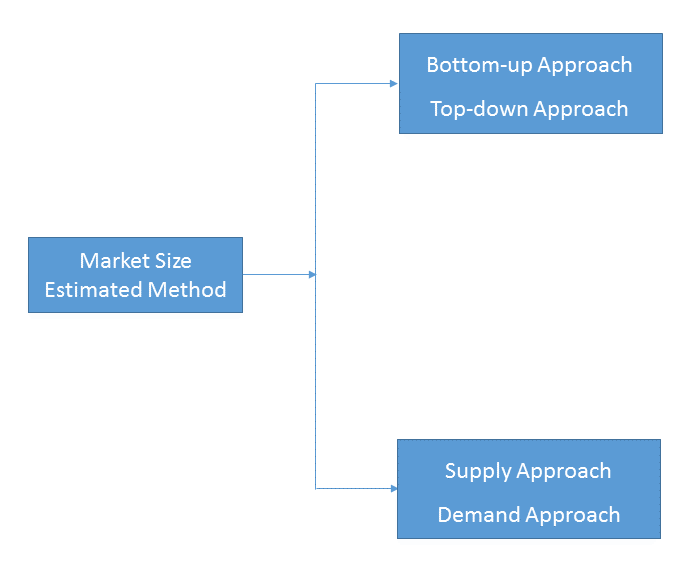
Bottom-up & top-down approach, supply & demand approach are the most important method which is used by HDIN Research to estimate the market size.
1)Top-down & Bottom-up Approach
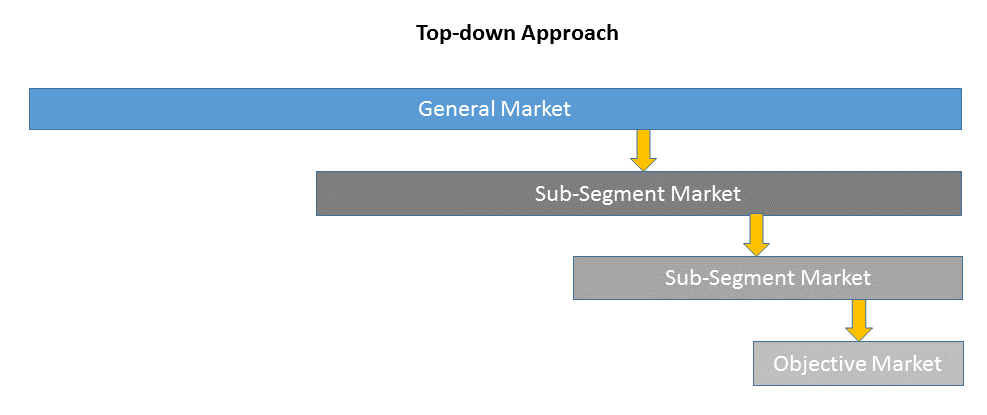
Top-down approach uses a general market size figure and determines the percentage that the objective market represents.
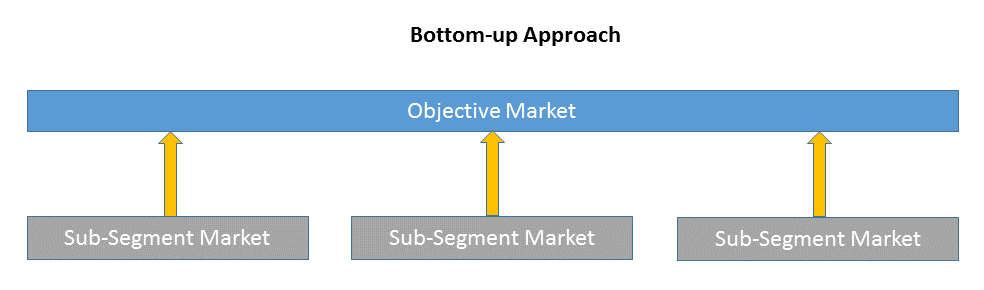
Bottom-up approach size the objective market by collecting the sub-segment information.
2)Supply & Demand Approach
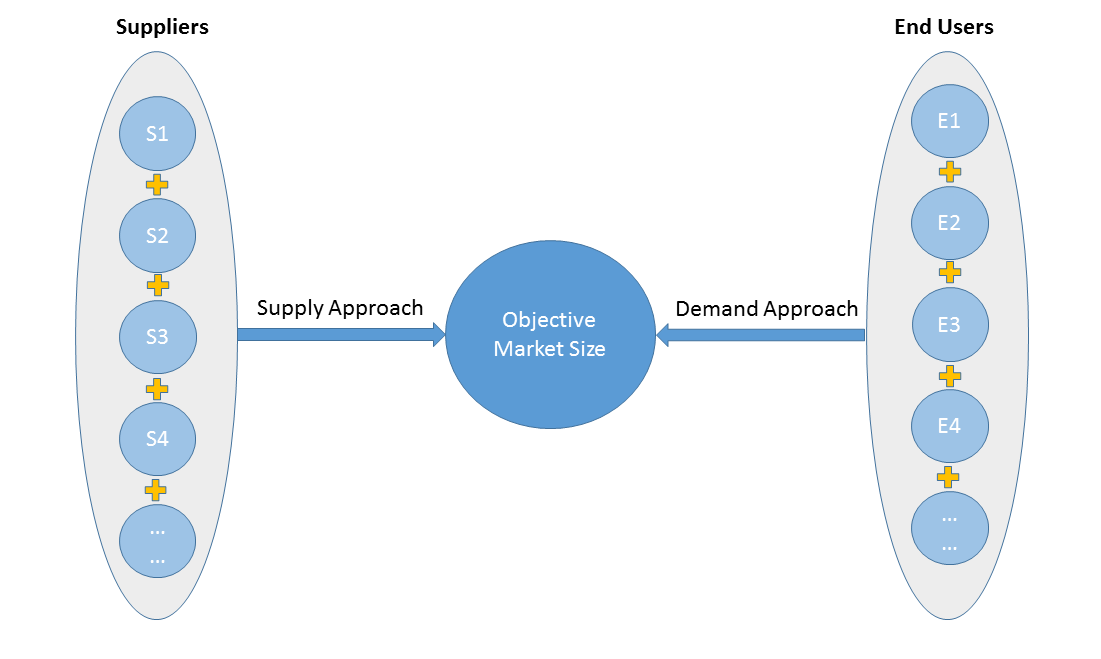
Supply approach is based on assessments of the size of each competitor supplying the objective market.
Demand approach combine end-user data within a market to estimate the objective market size. It is sometimes referred to as bottom-up approach.
- Forecasting Methodology
- Numerous factors impacting the market trend are considered for forecast model:
- New technology and application in the future;
- New project planned/under contraction;
- Global and regional underlying economic growth;
- Threatens of substitute products;
- Industry expert opinion;
- Policy and Society implication.
- Analysis Tools
1)PEST Analysis
PEST Analysis is a simple and widely used tool that helps our client analyze the Political, Economic, Socio-Cultural, and Technological changes in their business environment.
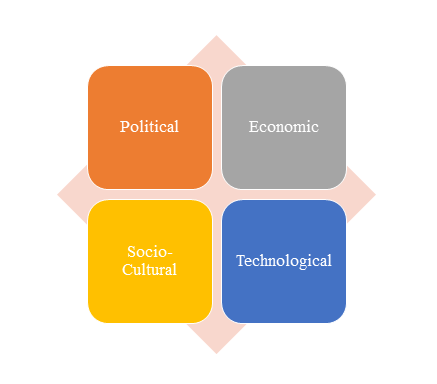
- Benefits of a PEST analysis:
- It helps you to spot business opportunities, and it gives you advanced warning of significant threats.
- It reveals the direction of change within your business environment. This helps you shape what you’re doing, so that you work with change, rather than against it.
- It helps you avoid starting projects that are likely to fail, for reasons beyond your control.
- It can help you break free of unconscious assumptions when you enter a new country, region, or market; because it helps you develop an objective view of this new environment.
2)Porter’s Five Force Model Analysis
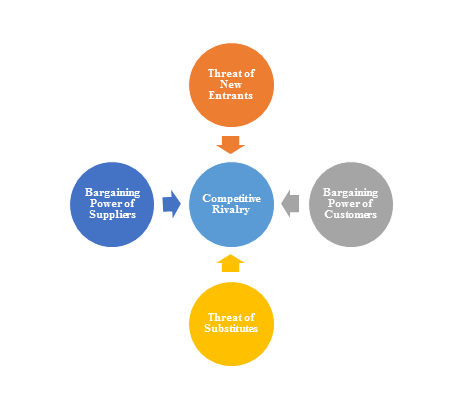
The Porter’s Five Force Model is a tool that can be used to analyze the opportunities and overall competitive advantage. The five forces that can assist in determining the competitive intensity and potential attractiveness within a specific area.
- Threat of New Entrants: Profitable industries that yield high returns will attract new firms.
- Threat of Substitutes: A substitute product uses a different technology to try to solve the same economic need.
- Bargaining Power of Customers: the ability of customers to put the firm under pressure, which also affects the customer's sensitivity to price changes.
- Bargaining Power of Suppliers: Suppliers of raw materials, components, labor, and services (such as expertise) to the firm can be a source of power over the firm when there are few substitutes.
- Competitive Rivalry: For most industries the intensity of competitive rivalry is the major determinant of the competitiveness of the industry.
3)Value Chain Analysis
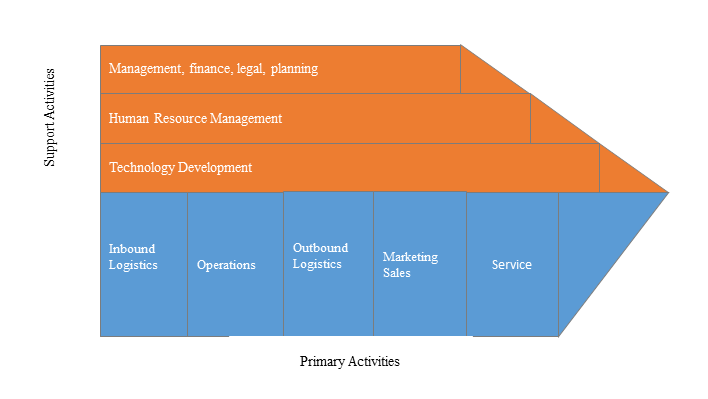
Value chain analysis is a tool to identify activities, within and around the firm and relating these activities to an assessment of competitive strength. Value chain can be analyzed by primary activities and supportive activities. Primary activities include: inbound logistics, operations, outbound logistics, marketing & sales, service. Support activities include: technology development, human resource management, management, finance, legal, planning.
4)SWOT Analysis
SWOT analysis is a tool used to evaluate a company's competitive position by identifying its strengths, weaknesses, opportunities and threats. The strengths and weakness is the inner factor; the opportunities and threats are the external factor. By analyzing the inner and external factors, the analysis can provide the detail information of the position of a player and the characteristics of the industry.
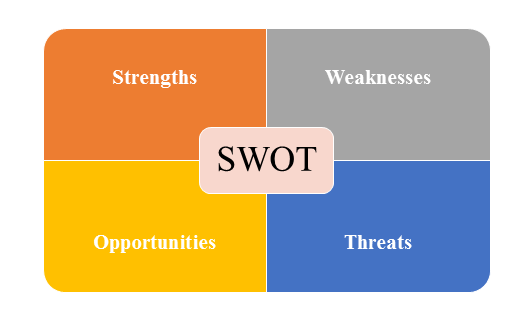
- Strengths describe what the player excels at and separates it from the competition
- Weaknesses stop the player from performing at its optimum level.
- Opportunities refer to favorable external factors that the player can use to give it a competitive advantage.
- Threats refer to factors that have the potential to harm the player.
- Data Sources
| Primary Sources | Secondary Sources |
|---|---|
| Face to face/Phone Interviews with market participants, such as: Manufactures; Distributors; End-users; Experts. Online Survey |
Government/International Organization Data: Annual Report/Presentation/Fact Book Internet Source Information Industry Association Data Free/Purchased Database Market Research Report Book/Journal/News |