Surgical Stapler Market Intelligence Report 2021-2031
- Single User License (1 Users) $ 3,500
- Team License (2~5 Users) $ 4,500
- Corporate License (>5 Users) $ 5,500
The global surgical stapler market size is valued between 10.0 billion USD and 12.0 billion USD in 2026, with a compound annual growth rate (CAGR) of 3.6% to 5.6% through 2031. North America retains over 40% of global revenue value via high-margin robotic procedure conversion, while the Asia-Pacific region serves as the primary volume engine. Simultaneously, Latin America (led by Brazil, Mexico, and Chile) and the Gulf Cooperation Council (GCC) states represent the primary arbitrage corridors for mid-tier and high-tier Asian exporters bypassing North American trade barriers and domestic Chinese price controls.
TECHNICAL ARCHITECTURE AND PRODUCT SEGMENTATION
Surgical staplers operate as precision mechanical and electromechanical substitutes for manual needle-driver suturing. By deploying staggered arrays of biocompatible metallic staples—predominantly medical-grade unalloyed titanium or Ti-6Al-4V ELI (Extra Low Interstitial) alloys—these instruments execute simultaneous tissue transection, vessel ligation, and functional organ reconstruction (anastomosis). Clinical deployment eliminates surgeon-dependent variability in suture tension, substantially reduces operative duration, minimizes intraoperative hemorrhage, and mitigates catastrophic postoperative sequelae such as anastomotic dehiscence and tissue necrosis.
● Segmentation by Anatomical Function
* Surgical Staplers for External Use (Skin Staplers): Designed exclusively for the rapid, superficial mechanical approximation of cutaneous and epithelial margins following orthopedic, cardiothoracic, neurosurgical, and obstetrical interventions. Standard iterations deploy non-absorbable 316L stainless steel or titanium staples across everted skin edges. A notable technological divergence within this segment is subcuticular absorbable stapling (exemplified by CooperSurgical’s INSORB platform), which deploys polylactic-polyglycolic acid copolymer staples beneath the epidermis to eliminate percutaneous metal extraction and reduce surgical site infection (SSI) vectors.
* Surgical Staplers for Internal Use: Internal Visceral and Luminal Reconstruction.
* Linear Cutting Staplers (Endocutters and Open Linear Cutters): Simultaneously deploy multiple parallel, staggered rows of staples (typically triple-row configurations on either side of a central channel) while an internal reciprocally driven knife blade bisects the tissue. Essential for parenchymal transection and visceral resection.
* Linear Closure Staplers (Transverse Approximators): Non-cutting instruments delivering straight staple lines to occlude bronchial stumps, vascular pedicles, or hollow-organ enterotomies prior to manual scalpel division.
* Circular Staplers (End-to-End Anastomosis / Tubular Staplers): Engineered to re-establish luminal continuity in tubular viscera (esophagus, stomach, colon, rectum) via end-to-end, end-to-side, or side-to-side configurations. The firing sequence drives two concentric, staggered rings of titanium staples while an annular cylindrical scalpel excises the inverted tissue diaphragm. Next-generation iterations incorporate enlarged tissue housing chambers and non-extruding anvil geometries (such as Touchstone Medical’s "BarrierFree" CST architecture) to eliminate the mechanical "piston effect" during firing, thereby preserving microvascular perfusion at the anastomotic ring. This category also encompasses specialized Procedure for Prolapse and Hemorrhoids (PPH) anorectal staplers, which execute circumferential resection of rectal mucosa above the dentate line.
● Segmentation by Surgical Approach and Drive Kinematics
* Open Surgical Staplers: Rigid, handheld mechanical frames utilized in conventional laparotomies and thoracotomies. Characterized by sunsetting patent estates, intense price commoditization, and structural volume erosion as global surgical standards migrate toward laparoscopic and robotic access.
* Manual Endoscopic Staplers: Configured with elongated shafts (standard 12 mm diameter, with specialized 5 mm micro-laparoscopic variants) to traverse laparoscopic trocars. Actuation relies on a manual multi-stroke lever mechanism. Field intelligence indicates that manual lever compression induces surgeon hand fatigue and distal tip tremor during thick-tissue firing, leading to erratic blade advancement speeds, uneven tissue compression, and suboptimal "B-shaped" staple formation.
* Powered Endoscopic Staplers: Electromechanical endocutters integrating high-torque coreless micro-motors, planetary gearboxes, embedded microprocessors, and real-time force-sensing arrays.
* Motorized Linear Actuation: Replaces manual leverage with constant-velocity blade traversal, eliminating distal tip deflection.
* Dynamic Tissue Sensing: Systems continuously monitor tissue impedance and compressive resistance (e.g., Medtronic’s Signia platform, Touchstone’s adaptive feedback algorithms), automatically modulating motor speed and enforcing mandatory pre-compression pauses in edematous or fibrotic tissues.
* Extreme Distal Articulation: Advanced mechanical linkages permit left/right jaw deflection reaching 45, 65, or 80 degrees (commercialized by Eaststar Medical and Touchstone Medical), enabling perpendicular staple line placement deep within the narrow bony pelvis or superior thoracic apex.
* Stepped Cartridge Geometries: Asymmetric reload designs (such as Medtronic’s Tri-Staple and domestic Chinese unequal-height cartridges) deploy progressive closed staple heights from the cut line outward, maximizing hemostatic compression centrally while permitting lateral collateral blood flow. Because these devices are indicated for major vascular and visceral transection, they face stringent Class III regulatory classification in jurisdictions like China (NMPA) and rigorous Class II special controls in the United States (FDA).
* Robotic-Wristed Staplers: Fully integrated electromechanical end-effectors mounted directly onto multi-arm surgical robots (e.g., Intuitive Surgical’s da Vinci 5, Xi, X, and SP architectures; Medtronic’s Hugo RAS). Controlled remotely from a 3DHD surgeon console, these instruments leverage software-driven motion scaling and tremor filtration. Flagship lines such as Intuitive’s SureForm 30, 45, and 60 provide up to a 120-degree cone of wristed articulation (passing through 8 mm or 12 mm cannulas) and utilize SmartFire algorithms that execute over 1,000 measurements per second to prevent incomplete firing cycles on excessively thick parenchyma.
DOWNSTREAM CLINICAL APPLICATIONS AND PROCEDURAL ECONOMICS
Clinical demand for surgical stapling is governed by anatomical constraints, tissue biomechanics, and procedural migration pathways. Strategic audits reveal distinct purchasing criteria across six primary surgical sub-disciplines:
● Thoracic Surgery: Encompasses pulmonary lobectomy, anatomical segmentectomy, wedge resection, and esophagectomy, primarily driven by early-stage non-small cell lung cancer (NSCLC) screening programs. Thoracic anatomy presents a dual biomechanical challenge: thin, fragile, high-flow pulmonary arteries/veins require ultra-tight vascular staple closures (typically white or grey cartridges), whereas rigid, cartilaginous bronchial stumps demand high-compression heavy-wire staples (green or black cartridges). The rapid global transition from open thoracotomy to Video-Assisted Thoracoscopic Surgery (VATS) and Robotic-Assisted Thoracic Surgery (RATS) has created acute demand for compact 30 mm curved-tip jaws and 8 mm shaft diameters capable of navigating narrow intercostal spaces without traumatizing perivascular margins.
● Gastrointestinal and General Surgery: Includes total/subtotal gastrectomy, Roux-en-Y gastric bypass, sleeve gastrectomy, and appendectomy. Gastric tissue exhibits variable mural thickness (thickest at the antrum, thinnest at the fundus), requiring robust clamping forces and 60 mm reloads with stepped staple heights to prevent staple line hemorrhage. In Western markets, elective bariatric sleeve gastrectomies have experienced volume turbulence due to the commercial scaling of GLP-1 receptor agonists. However, this has been offset by specialized tool adoption—such as Teleflex’s Titan SGS powered stapler, which deploys a continuous 23 cm anatomy-conforming staple line in a single firing—and the steady conversion of routine appendectomies to powered 30 mm or robotic stapling to reduce operating room turnover times.
● Colorectal and Anorectal Surgery: Driven by Low Anterior Resection (LAR), Total Mesorectal Excision (TME), and hemicolectomies. The clinical standard of care relies heavily on the "double-stapling technique," wherein an articulated 45 mm or 60 mm linear endocutter transects the distal rectal stump deep within the pelvic cavity, followed by transanal insertion of a 28 mm to 33 mm circular stapler to construct the colorectal or coloanal anastomosis. Because multiple intersecting linear staple lines create ischemic "dog-ears" prone to anastomotic leakage, colorectal surgeons aggressively favor high-articulation (60 to 80 degree) powered staplers and large-lumen circular staplers that minimize firing counts.
● Hepatobiliary and Pancreatic Surgery: Covers hemi-hepatectomy, pancreaticoduodenectomy (Whipple procedure), and distal pancreatectomy. Hepatic and pancreatic parenchyma are notoriously dense yet friable; crushing the tissue too rapidly ruptures intrahepatic bile ducts and pancreatic ducts, resulting in lethal postoperative biliary leaks or pancreatic fistulae. Devices utilized in this corridor require explicit regulatory clearance for parenchymal and portal venous transection (a critical moat held by NMPA Class III certificate holders like Ningbo David Medical and Fengh Medical) and rely on programmed pre-compression algorithms and buttressed cartridges.
● Urological and Gynecological Oncology: Includes radical nephrectomy, cystectomy with ileal conduit urinary diversion, and radical hysterectomy. In nephrectomy, endoscopic vascular staplers are mission-critical for rapid, secure ligation of the renal artery and vein at the hilum. In pelvic exenterations and hysterectomies, wristed and articulating cutters divide the uterine vascular bundles and vaginal cuff while maintaining clearance from the ureters.
● Others (Pediatric, Trauma, and Niche Interventions): Congenital gastrointestinal atresias, neonatal tracheoesophageal fistulae, and pediatric oncology resections cannot accommodate standard 12 mm endocutter shafts due to severe abdominal/thoracic workspace constraints. This niche is serviced by ultra-low-profile micro-laparoscopic instruments—specifically Hologic’s JustRight 5 mm surgical stapler and Touchstone Medical’s emerging 5 mm endocutter platform—which deploy smaller titanium staples through miniature 5 mm trocars.
SUPPLY CHAIN & VALUE CHAIN ARCHITECTURE: BOTTLENECK RESILIENCE AND VALUE MIGRATION
● Upstream Bottlenecks and Material Science Constraints
* Metallurgical Feedstock Squeeze: The foundational raw material for staple fabrication is implantable medical-grade titanium wire (ASTM F67 unalloyed titanium or ASTM F136 Ti-6Al-4V ELI, CAS 7440-32-6) and 316LVM stainless steel. The wire must exhibit an exact balance of tensile strength and yield ductility: it must be rigid enough to pierce fibrotic tissue without buckling, yet malleable enough to deform smoothly into a closed "B-shape" or "D-shape" without work-hardening or retaining spring-back memory. Historically, high-purity medical titanium wire drawing was monopolized by specialized Western and Japanese metallurgists (e.g., Fort Wayne Metals, Zapp Group). While Chinese domestic wire drawing has scaled, ultra-fine vascular-grade titanium wire remains a strategic supply chain vulnerability during geopolitical trade frictions.
* Anvil and Drive Metallurgy: The distal anvil and internal I-beam firing knife require precipitation-hardened martensitic stainless steels (specifically 17-4PH / AISI 630 and 440C). Under intense clamping pressures at the distal tip of a 60 mm jaw, inferior steel alloys experience cantilever deflection (jaw gaping), causing distal staples to under-form.
* Engineering Polymers and Electromechanical Sub-Assemblies: Cartridge bodies, ergonomic housings, and internal sled tracks utilize medical-grade polycarbonate (PC), acrylonitrile butadiene styrene (ABS), polyoxymethylene (POM), and polyetheretherketone (PEEK) resins compliant with ISO 10993 biocompatibility standards. For powered staplers, the upstream bottleneck shifts to miniature coreless DC motors, high-reduction planetary gearboxes, flexible printed circuit boards (FPCBs), and hall-effect/strain-gauge sensors capable of surviving Ethylene Oxide (EO) or Cobalt-60 gamma irradiation sterilization inside DuPont Tyvek (HDPE spunbond olefin) blister packaging.
● Midstream Manufacturing: The Vertical Integration Imperative
Midstream fabrication is bifurcated between pure-play Original Equipment Manufacturers (OEMs) relying on external contract manufacturers, and vertically integrated industrial platforms. The fabrication of the anvil is the single most critical machining step: scores of tiny, curved staple-forming pockets must be milled or stamped via multi-axis CNC machining, Electrical Discharge Machining (EDM), or Metal Injection Molding (MIM) with zero burrs.
● Downstream Channel Dynamics and Value Migration
Downstream purchasing authority has migrated away from individual surgeon preference toward centralized institutional economics:
* China: The combination of centralized VBP alliances, the "Two-Invoice System" (eliminating multi-tier distributor markups), and Diagnosis-Related Group (DRG) / Big Data Diagnosis-Intervention Packet (DIP) reimbursement reforms has fundamentally altered hospital behavior. Under DRG/DIP, surgical consumables are no longer profit-generating markups for public Tier 3 Grade A hospitals; they are direct departmental cost deductions from a fixed case-rate payout. Hospital procurement committees now actively enforce domestic substitution, replacing imported Ethicon and Covidien manual endocutters with domestic Class III powered staplers that meet VBP price ceilings.
* United States and Europe: Purchasing is consolidated through Group Purchasing Organizations (GPOs like Vizient, Premier, and HealthTrust) and Integrated Delivery Networks (IDNs) in the U.S., and regional public procurement tenders in the EU5. Here, value migration is captured via bundling strategies: Intuitive Surgical locks in stapler consumable utilization through capital equipment placement (da Vinci enterprise agreements), while Medtronic and J&J bundle endocutters with advanced bipolar/ultrasonic energy devices (LigaSure, Harmonic) to defend operating room shelf space.
REGIONAL MARKET DYNAMICS AND TRADE CORRIDORS
● North America
North America commands over 40% of global market value, anchored by the United States. The market is structurally mature, with minimally invasive surgical penetration exceeding 50% across general, thoracic, and colorectal disciplines.
* Robotic Cannibalization: The primary structural shift is the aggressive displacement of handheld laparoscopic staplers by robotic-wristed staplers. As Intuitive Surgical scaled its da Vinci 5 and Xi installed base through 2025—driving a 15% year-over-year expansion in U.S. robotic procedures—surgical stapler pull-through migrated directly to Intuitive’s SureForm portfolio. This has created acute volume headwinds for Medtronic and J&J in high-acuity academic medical centers and Ambulatory Surgery Centers (ASCs).
* Metabolic Drug Disruption: The widespread clinical uptake of GLP-1 and dual GIP/GLP-1 receptor agonists has dampened growth trajectories in elective bariatric procedures (sleeve gastrectomy and gastric bypass). Manufacturers have counter-pivoted R&D and sales force allocation toward non-discretionary oncological resections (colorectal and thoracic) and specialized single-fire bariatric platforms (e.g., Teleflex’s Titan SGS).
* Regulatory Moat: Following the U.S. FDA’s reclassification of internal surgical staplers from Class I to Class II with special controls—mandating 510(k) clearance backed by closed-staple burst pressure testing, usability engineering, and strict adverse event reporting—the barrier to entry for low-cost importers has solidified, protecting pricing power for established incumbents and FDA-cleared innovators (such as Fengh Medical’s Lunar platform).
● Asia-Pacific
APAC represents the primary volume growth engine globally, characterized by a massive addressable patient pool, accelerating oncological incidence, and rapid catch-up in MIS infrastructure.
* China: The world’s second-largest national market. With overall MIS penetration still hovering near 14.2%, secular volume expansion is robust as laparoscopic training cascades from coastal Tier 3 Grade A academic centers down to county-level Tier 2 hospitals under the "Healthy China 2030" initiative. While VBP has crushed per-unit revenue for open and manual endoscopic staplers, it has accelerated the domestic substitution curve: Chinese manufacturers (Fengh, Touchstone, David Medical, Eaststar, Reach Surgical) have leveraged VBP tender quotas and NMPA "Green Channel" Class III approvals to capture dominant volume shares from multinationals. However, provincial pricing caps on robotic surgery fees continue to restrain the commercial velocity of robotic-wristed staplers in public hospitals.
* Japan: A high-value, conservative market dominated by J&J and Medtronic in visceral stapling, driven by an ultra-aged demographic with high gastric and thoracic cancer prevalence. Domestic precision specialist MANI, INC. maintains a formidable stronghold in skin staplers and ophthalmic/surgical sutures through automated wire-processing facilities in Japan and Vietnam.
* South Korea, India, and Taiwan, China: South Korea and Taiwan, China exhibit advanced healthcare reimbursement systems and high robotic/laparoscopic density, serving as key export markets for smart articulating staplers. India is experiencing rapid private hospital chain consolidation (e.g., Apollo, Fortis, Max Healthcare), driving surging demand for cost-effective powered endocutters and open staplers in tier-1 and tier-2 cities.
● Europe
Europe (anchored by the EU5: Germany, France, the UK, Italy, and Spain) is a mature, regulation-heavy theater driven by demographic aging, colorectal cancer screening mandates, and hospital directives to reduce length-of-stay (LOS) via Enhanced Recovery After Surgery (ERAS) protocols.
* EU MDR Bottlenecks: The enforcement of Regulation (EU) 2017/745 (EU MDR) has severely strained Notified Body capacity, elongating certification timelines and forcing smaller European legacy manufacturers to rationalize low-margin SKUs.
* Public Tender Arbitrage: Budgetary deficits across European national health systems (such as the UK’s NHS and Italy’s SSN) have forced procurement agencies to prioritize cost-per-procedure efficiency. While J&J, Medtronic, and Germany’s B. Braun (Aesculap division, backed by its automated Tuttlingen Technology Factory) anchor the market, MDR-compliant Chinese exporters—specifically Fengh Medical, Touchstone Medical, Ningbo David Medical, and Frankenman—Along with UK-based Purple Surgical and Belgium’s SMI AG, have achieved deep tender penetration across Germany, Italy, Spain, the Netherlands, and the UK by offering powered staplers at manual stapler price points.
● Latin America
South and Central America represent the fastest-growing regional corridor for minimally invasive surgery globally, centered in Brazil, Mexico, Colombia, Chile, and Peru.
* Geopolitical Trade Redirection: Facing tariff friction and GPO lockouts in the United States, leading Chinese stapler manufacturers have designated Latin America as their primary overseas expansion theater.
* Localization of Commercial Models: The competitive landscape is shifting from passive third-party distributorships to direct clinical market development. In 2025, Eaststar Medical established localized corporate offices in Brazil and across Latin America to execute direct academic promotion at regional surgical summits (such as the IFSO Congress in Chile). Similarly, Fengh Medical and Ningbo David Medical hold direct Brazilian ANVISA registrations and maintain deeply entrenched surgical supply chains across Mexico, Ecuador, and Peru, aggressively displacing legacy open stapling in modernizing public and private hospital networks.
● Middle East and Africa
The MEA region operates as a two-speed economy with distinct procurement architectures:
* GCC States (Saudi Arabia, UAE, Qatar): Driven by sovereign wealth healthcare capital expenditure (such as Saudi Vision 2030 medical cities) and some of the highest global prevalence rates of morbid obesity and type-2 diabetes. This creates intense, price-inelastic demand for premium bariatric powered staplers and robotic surgical consumables. U.S. multinationals compete directly against MDR/FDA-certified Asian challengers (Fengh, Eaststar, David Medical) that have secured SFDA (Saudi Food and Drug Authority) and UAE Ministry of Health registrations.
* Sub-Saharan and North Africa (South Africa, Egypt, Kenya): Characterized by constrained public health budgets and high trauma/infectious surgery loads. Market growth is concentrated in foundational open linear cutters, circular staplers, and sterile skin staplers, with Asian manufacturers actively capturing institutional Ministry of Health tenders via regional hubs like Africa Health in Cape Town and Medexpo Kenya.
COMPETITIVE LANDSCAPE AND COMPANY PROFILES
● Johnson & Johnson (Ethicon Endo-Surgery): Commands the deepest historical clinical footprint in open and laparoscopic tissue closure globally, reinforced by comprehensive GPO contracting bundling Ethicon staplers with Harmonic ultrasonic and Enseal bipolar energy instruments.
● Medtronic plc (Covidien / Surgical Innovations): Anchored by its proprietary Tri-Staple cartridge architecture (graduated stepped cartridge faces deploying three distinct staple heights) and the Signia modular powered stapling system, which utilizes reusable motorized handles with intelligent adaptive firing feedback to lower per-procedure environmental waste and hospital acquisition costs.
● Intuitive Surgical, Inc.: Possesses an almost insurmountable ecosystem lock-in via its global installed base of da Vinci 5, Xi, X, and SP robotic systems. By eliminating the need for a bedside surgical assistant to manually fire a handheld endocutter, Intuitive turns the stapling event into a direct, console-controlled surgeon action.
● Jiangsu Fengh Medical Co., Ltd.: NEEQ-listed specialist that achieved the number-one ranking among domestic brands in both Chinese powered endoscopic stapler sales and exports in 2024. Fengh’s flagship Lunar powered platform was the first Chinese-developed powered stapler to secure U.S. FDA 510(k) clearance and the first to obtain an NMPA Class III registration certificate via prospective clinical trials explicitly covering high-risk vascular transection.
● Touchstone Medical Technology Co., Ltd.: Shanghai STAR Market-listed R&D powerhouse fortified by 804 global patents (including 583 invention patents). Known for its CST Circular Stapler with Automatic Safety Lock and "BarrierFree" large-chamber anvil geometry, which prevents tissue crushing and piston-effect extrusion.
● Jiangsu Eaststar Intelligent Medical Co., Ltd.: Shenzhen ChiNext-listed platform holding the ultimate cost-leadership moat in the industry. By owning Changzhou Zihang Precision Machinery (upstream mold design, CNC anvil machining, and blade stamping) alongside Weike Medical (finished stapler assembly), Eaststar captures margin across both its own terminal hospital sales and the component purchases of over 100 domestic competitors.
● Ningbo David Medical Device Co., Ltd. : ChiNext-listed neonatal equipment leader whose surgical subsidiary, Valkyrie Medical, pioneered China’s first Class II disposable powered endocutter and the world’s first Class III smart automatic articulating stapler. Holds nine powered stapler registration certificates, including two critical NMPA Class III approvals for thoracic and abdominal vascular and visceral parenchymal resection.
● Shandong Weigao Group Medical Polymer Co., Ltd.: medical consumable titan with unmatched hospital procurement access across China. Executed a major perioperative platform integration in 2025, bundling its powered endoscopic staplers with ultrasonic bone scalpels, advanced electrosurgical generators, and urological lasers to offer hospital administrators unified, DRG-optimized surgical department turnkey packages.
● B. Braun SE (Aesculap Division): German medical technology leader anchoring European open and laparoscopic closure. Backed by a 90 million EUR investment in its automated Technology Factory in Tuttlingen, Aesculap focuses on integrated surgical instrument sets, vascular clips, and precision laparoscopic stapling for European hospital networks.
● Teleflex Incorporated: Global interventional and surgical specialist holding a distinct procedural moat in bariatric surgery via its Titan SGS powered stapler (acquired via Standard Bariatrics). Titan SGS replaces multiple overlapping 60 mm linear firings with a single, continuous 23 cm anatomy-conforming staple line during sleeve gastrectomy, eliminating intersecting staple-line weak points.
● Hologic, Inc.: Women’s health leader maintaining a specialized surgical stapling foothold via its JustRight 5 mm Laparoscopic Stapler. Passing through a 5 mm trocar, JustRight holds a defensive niche in pediatric surgery, restricted-space general laparoscopy, and gynecological oncology where 12 mm instruments cause excessive port-site trauma.
● CooperSurgical, Inc. (CooperCompanies): Dominates the subcuticular cosmetic closure niche with its INSORB Absorbable Skin Stapler. By deploying bioabsorbable copolymer staples beneath the stratum corneum during Cesarean sections and plastic surgeries, INSORB captures premium pricing by eliminating postoperative metal staple extraction and enhancing cosmetic healing.
● MANI, INC.: Japan micro-metallurgy specialist. Leverages proprietary high-hardness stainless steel drawing and automated assembly lines in Japan and Vietnam to supply precision skin staplers and ophthalmic/surgical needles globally.
● European Regional Specialists (Purple Surgical Manufacturing Ltd & SMI AG): UK-based Purple Surgical supplies cost-effective mechanical and laparoscopic stapling platforms (the Ultimate range of circular, PPH, and linear cutters) tailored for NHS and international public tenders. Belgium-based SMI AG operates as a specialized European wound closure provider, supplying single-use sterile skin staplers (pre-loaded with 35 stainless steel staples) and extractors for orthopedic and emergency trauma suites.
● First-Wave Chinese Export & Clinical Challengers (Panther Healthcare, Reach Surgical, EziSurg Medical, Surgaid Medical, Sinolinks Medical):
* Panther Healthcare (Beijing) and Frankenman International (Hong Kong/Changzhou, marketing the Chex brand) represent early-mover international exporters with deep regulatory footprints in Intelligent powered cutters and PPH/circular staplers across Europe, LatAm, and APAC.
* Reach Surgical (Tianjin) commands strong domestic tertiary hospital share with its Raven powered endoscopic platform and manual articulating cutters.
* EziSurg Medical (Shanghai) competes at the technological frontier with its easyEndo 60-degree articulating linear cutters, powered staplers, and ultrasonic scalpels.
* Surgaid Medical (Xiamen) and Sinolinks Medical Innovation focus on single-use optical trocars, tri-staple compatible multi-height reloads, and electronic tissue-sensing endoscopic cutters.
● The Changzhou Mechanical Stapling Cluster (Waston Medical, Victor Medical, Kangdi Medical, Ankang Medical): Changzhou (Jiangsu Province) functions as the global manufacturing workshop for mechanical anastomosis. Diversified orthopedic player Waston Medical, alongside dedicated stapling specialists Victor Medical, Changzhou Kangdi, and Changzhou Ankang, manufacture high-volume disposable circular staplers, open linear cutters, curved pelvic cutters, PPH hemorrhoidal sets, and skin staplers—serving both domestic county-level hospitals and acting as contract OEM manufacturers for international medical distributors.
● Adjacent Fixation and Consumable Players (TransEasy Medical & Tuoren Medical): Beijing-based TransEasy Medical specializes in hernia repair, marketing the DegraTack absorbable laparoscopic mesh fixation tacker to secure prosthetic meshes without visceral adhesions. Henan-based consumable giant Tuoren Medical integrates disposable skin staplers and extractors into its massive anesthesia and operating room surgical drape kit distribution network.
OPPORTUNITIES AND CHALLENGES
1. The GLP-1 Bariatric Headwind is Overstated Globally and Mispriced Regionally
A prevailing market narrative suggests that metabolic pharmacotherapies (GLP-1 receptor agonists) will permanently impair surgical stapler growth by eradicating bariatric surgery. But this view is geographically myopic. First, GLP-1 impact is heavily concentrated in the United States self-pay and commercial insurance segments; in emerging markets (APAC, LatAm, and even parts of the GCC), high lifelong pharmaceutical costs and supply constraints leave surgical sleeve gastrectomy and gastric bypass as the primary cost-effective interventions for severe metabolic syndrome. Second, clinical cessation of GLP-1 therapy frequently results in weight rebound, creating a delayed funnel of secondary bariatric surgical candidates. Third, globally, oncological resections (thoracic lobectomies for lung cancer and colorectal resections) consume far greater total reload volumes than bariatrics and are completely insulated from metabolic drug trends.
2. The "Merchant Robotic End-Effector" Arbitrage Window
Historically, robotic-wristed staplers were a closed-loop monopoly controlled by Intuitive Surgical. However, between 2026 and 2031, dozens of second-generation soft-tissue surgical robotics companies across China, Europe, and North America are entering clinical commercialization. Most of these robotics startups specialize in mechatronic arms and imaging consoles, lacking the metallurgical and clinical expertise required to engineer a Class III smart-sensing surgical stapler or navigate Ethicon/Covidien patent thickets. This has opened a lucrative B2B strategic arbitrage window for specialized stapler innovators—such as Touchstone Medical (via its "MA" modular robotic end-effector program)—to act as merchant OEM suppliers of smart wristed stapling modules to third-party surgical robotics platforms globally.
3. China VBP Has Shifted from a Margin Destroyer to an Export Subsidy Engine
While initial rounds of Chinese centralized Volume-Based Procurement decimated distributor channels and compressed unit prices by up to 80%, the surviving domestic consolidators (Fengh, Touchstone, Eaststar, David Medical) have emerged with massive, state-guaranteed production volumes in Tier 3 Grade A hospitals. This guaranteed baseline volume allows Chinese factories to fully amortize automated cleanroom assembly lines, CNC machining centers, and R&D expenses domestically. Consequently, these manufacturers can export FDA 510(k) and EU MDR-certified powered endoscopic staplers into Europe, Latin America, and the Middle East at marginal production costs that Western multinationals burdened by legacy SG&A structures cannot match.
4. Navigating the Patent Thicket and Regulatory Up-Classification Trap
The primary inhibitor to mid-tier manufacturer survival is the simultaneous tightening of Intellectual Property (IP) enforcement and clinical regulatory standards. Incumbents (J&J and Medtronic) maintain dense patent walls around cam-bar actuation kinematics, cartridge lockout mechanisms, and asymmetric staple pocket geometries. Challenging these incumbents in high-value jurisdictions requires proprietary mechanical architectures (such as reciprocating dual-blade drives or electronic safety lockouts) backed by prospective, multi-center human clinical trials for high-risk vascular and hepatic parenchymal indications. Under EU MDR and China NMPA Class III mandates, undercapitalized assemblers lacking in-house clinical regulatory teams and vertical component control will be systematically purged from the market through 2031.
1.1 Global Surgical Stapler Market Architecture and Scope 1
1.2 Research Methodology, Data Triangulation, and Econometric Modeling 2
1.3 Core Data Sources and Forecasting Assumptions (2021-2031) 4
1.4 Industry Taxonomy and Abbreviations 5
Chapter 2 Executive Summary and Value Migration Dynamics 6
2.1 Global Surgical Stapler Market Volume and Value Trajectory (2021-2031) 6
2.2 Value Migration from Manual to Powered and Robotic-Wristed Platforms 8
2.3 Reimbursement Frameworks and Volume-Based Procurement (VBP) Impact Analysis 10
2.4 Competitive Landscape Concentration and Tier-1 Margin Resilience 12
Chapter 3 Surgical Stapler Value Chain, Supply Chain Resilience, and Logistics 14
3.1 Upstream Raw Material Sourcing: Medical-Grade Titanium Wire, Stainless Steel, and Biocompatible Polymers 14
3.2 Precision Manufacturing Processes, Cartridge Injection Molding, and Assembly Automation 16
3.3 Supply Chain Resilience, Sterilization Bottlenecks, and Regulatory Compliance (FDA, MDR, NMPA) 18
3.4 Global Trade Flows, Tariff Structures, and Import/Export Dynamics (2021-2026) 20
3.5 Downstream Distribution Channels: Group Purchasing Organizations (GPOs), Direct Hospital Tenders, and Ambulatory Surgical Centers (ASCs) 22
Chapter 4 Global Surgical Stapler Market Segmentation by Anatomical Function 24
4.1 Global Market Overview by Anatomical Function: Volume and Value (2021-2031) 24
4.2 Surgical Stapler for External Use (Skin Stapler) Market Analysis 26
4.3 Surgical Stapler for Internal Use Market Analysis 27
4.3.1 Linear Cutting Stapler 28
4.3.2 Linear Closure Stapler 29
4.3.3 Circular Stapler 30
Chapter 5 Global Surgical Stapler Market Segmentation by Surgical Approach 31
5.1 Global Market Overview by Surgical Approach: Volume and Value (2021-2031) 31
5.2 Open Surgical Stapler Market Analysis 33
5.3 Manual Endoscopic Stapler Market Analysis 34
5.4 Powered Endoscopic Stapler Market Analysis 35
5.5 Robotic-Wristed Stapler Market Analysis 36
Chapter 6 Global Surgical Stapler Market Segmentation by Downstream Application 38
6.1 Global Market Overview by Application: Volume and Value (2021-2031) 38
6.2 Thoracic Surgery 40
6.3 Gastrointestinal and General Surgery 41
6.4 Colorectal and Anorectal Surgery 42
6.5 Hepatobiliary and Pancreatic Surgery 43
6.6 Urological and Gynecological Oncology 44
6.7 Others 45
Chapter 7 North America Surgical Stapler Market Analysis (2021-2031) 46
7.1 North America Market Volume, Value, and Pricing Architecture 46
7.2 United States 48
7.3 Canada 50
7.4 Mexico 51
Chapter 8 Europe Surgical Stapler Market Analysis (2021-2031) 52
8.1 Europe Market Volume, Value, and EU MDR Compliance Costs 52
8.2 Germany 54
8.3 United Kingdom 55
8.4 France 56
8.5 Italy 57
8.6 Spain 58
8.7 Belgium & Rest of Europe 59
Chapter 9 Asia-Pacific Surgical Stapler Market Analysis (2021-2031) 60
9.1 Asia-Pacific Market Volume, Value, and Manufacturing Hub Dynamics 60
9.2 China 62
9.3 Japan 64
9.4 South Korea 65
9.5 India & Southeast Asia 66
9.6 Australia 67
Chapter 10 South America and Middle East & Africa Surgical Stapler Market Analysis (2021-2031) 68
10.1 South America Market Volume and Value Analysis 68
10.1.1 Brazil 69
10.1.2 Argentina 70
10.2 Middle East & Africa Market Volume and Value Analysis 71
10.2.1 Saudi Arabia 72
10.2.2 United Arab Emirates 73
10.2.3 South Africa 74
Chapter 11 Corporate Intelligence and Competitive Benchmarking 75
11.1 Global Surgical Stapler Market Share by Manufacturer (Volume and Revenue, 2021-2026) 75
11.2 Product Portfolio Matrix and Intellectual Property Landscape 77
11.3 Johnson & Johnson 79
11.3.1 Corporate Profile and MedTech Strategic Positioning 79
11.3.2 SWOT Analysis 80
11.3.3 Surgical Stapler Operations: Sales Volume, Price, Cost, Gross Margin, and Market Share 81
11.4 Medtronic 83
11.4.1 Corporate Profile and Surgical Innovations Portfolio 83
11.4.2 SWOT Analysis 84
11.4.3 Surgical Stapler Operations: Sales Volume, Price, Cost, Gross Margin, and Market Share 85
11.5 B. Braun 87
11.5.1 Corporate Profile and Aesculap Division Strategy 87
11.5.2 SWOT Analysis 88
11.5.3 Surgical Stapler Operations: Sales Volume, Price, Cost, Gross Margin, and Market Share 89
11.6 Hologic 91
11.6.1 Corporate Profile and Surgical Business Architecture 91
11.6.2 SWOT Analysis 92
11.6.3 Surgical Stapler Operations: Sales Volume, Price, Cost, Gross Margin, and Market Share 93
11.7 Touchstone Medical Technology 95
11.7.1 Corporate Profile and Domestic Substitution Strategy 95
11.7.2 SWOT Analysis 96
11.7.3 Surgical Stapler Operations: Sales Volume, Price, Cost, Gross Margin, and Market Share 97
11.8 Ningbo David Medical Device 99
11.8.1 Corporate Profile and Subsidiary Integration (Ningbo Viennamed) 99
11.8.2 SWOT Analysis 100
11.8.3 Surgical Stapler Operations: Sales Volume, Price, Cost, Gross Margin, and Market Share 101
11.9 Shandong Weigao Group 103
11.9.1 Corporate Profile and Consumables Ecosystem 103
11.9.2 SWOT Analysis 104
11.9.3 Surgical Stapler Operations: Sales Volume, Price, Cost, Gross Margin, and Market Share 105
11.10 Eaststar Intelligent Medical 107
11.10.1 Corporate Profile and Intelligent Stapling R&D 107
11.10.2 SWOT Analysis 108
11.10.3 Surgical Stapler Operations: Sales Volume, Price, Cost, Gross Margin, and Market Share 109
11.11 Fengh Medical Co. Ltd. 111
11.11.1 Corporate Profile and Powered Stapler Commercialization 111
11.11.2 SWOT Analysis 112
11.11.3 Surgical Stapler Operations: Sales Volume, Price, Cost, Gross Margin, and Market Share 113
11.12 Intuitive Surgical 115
11.12.1 Corporate Profile and SureForm Robotic Stapling Ecosystem 115
11.12.2 SWOT Analysis 116
11.12.3 Surgical Stapler Operations: Sales Volume, Price, Cost, Gross Margin, and Market Share 117
11.13 CooperSurgical 119
11.13.1 Corporate Profile and Specialty Surgical Focus 119
11.13.2 SWOT Analysis 120
11.13.3 Surgical Stapler Operations: Sales Volume, Price, Cost, Gross Margin, and Market Share 121
11.14 Teleflex 123
11.14.1 Corporate Profile and Interventional & Surgical Portfolio 123
11.14.2 SWOT Analysis 124
11.14.3 Surgical Stapler Operations: Sales Volume, Price, Cost, Gross Margin, and Market Share 125
11.15 MANI INC 127
11.15.1 Corporate Profile and Precision Wire Metallurgy Advantages 127
11.15.2 SWOT Analysis 128
11.15.3 Surgical Stapler Operations: Sales Volume, Price, Cost, Gross Margin, and Market Share 129
11.16 Evomed Group 131
11.16.1 Corporate Profile and European Market Penetration 131
11.16.2 SWOT Analysis 132
11.16.3 Surgical Stapler Operations: Sales Volume, Price, Cost, Gross Margin, and Market Share 133
11.17 Panther Healthcare Medical Equipment 135
11.17.1 Corporate Profile and Global Intelligent Stapling Strategy 135
11.17.2 SWOT Analysis 136
11.17.3 Surgical Stapler Operations: Sales Volume, Price, Cost, Gross Margin, and Market Share 137
11.18 Waston Medical Corporation 139
11.18.1 Corporate Profile and Changzhou Manufacturing Base 139
11.18.2 SWOT Analysis 140
11.18.3 Surgical Stapler Operations: Sales Volume, Price, Cost, Gross Margin, and Market Share 141
11.19 TransEasy Medical Tech. Co. Ltd. 143
11.19.1 Corporate Profile and Minimally Invasive Surgical Solutions 143
11.19.2 SWOT Analysis 144
11.19.3 Surgical Stapler Operations: Sales Volume, Price, Cost, Gross Margin, and Market Share 145
11.20 Sinolinks Medical Innovation Inc. 147
11.20.1 Corporate Profile and Endoscopic Stapling Focus 147
11.20.2 SWOT Analysis 148
11.20.3 Surgical Stapler Operations: Sales Volume, Price, Cost, Gross Margin, and Market Share 149
11.21 EziSurg Medical Co. Ltd. 151
11.21.1 Corporate Profile and International Export Strategy 151
11.21.2 SWOT Analysis 152
11.21.3 Surgical Stapler Operations: Sales Volume, Price, Cost, Gross Margin, and Market Share 153
11.22 Reach Surgical (Tianjin) Co. Ltd. 155
11.22.1 Corporate Profile and Genesis Medtech Integration 155
11.22.2 SWOT Analysis 156
11.22.3 Surgical Stapler Operations: Sales Volume, Price, Cost, Gross Margin, and Market Share 157
11.23 Victor Medical Instruments Co. Ltd. 159
11.23.1 Corporate Profile and Surgical Stapling Specialization 159
11.23.2 SWOT Analysis 160
11.23.3 Surgical Stapler Operations: Sales Volume, Price, Cost, Gross Margin, and Market Share 161
11.24 Surgaid Medical (Xiamen) Co. Ltd. 163
11.24.1 Corporate Profile and Optical Trocar & Stapler Synergy 163
11.24.2 SWOT Analysis 164
11.24.3 Surgical Stapler Operations: Sales Volume, Price, Cost, Gross Margin, and Market Share 165
11.25 Purple Surgical Manufacturing Ltd 167
11.25.1 Corporate Profile and UK/European Distribution Network 167
11.25.2 SWOT Analysis 168
11.25.3 Surgical Stapler Operations: Sales Volume, Price, Cost, Gross Margin, and Market Share 169
11.26 Frankenman International Ltd 171
11.26.1 Corporate Profile and Global OEM/Brand Operations 171
11.26.2 SWOT Analysis 172
11.26.3 Surgical Stapler Operations: Sales Volume, Price, Cost, Gross Margin, and Market Share 173
11.27 Changzhou Kangdi Medical Stapler Co. Ltd. 175
11.27.1 Corporate Profile and Production Scale Efficiency 175
11.27.2 SWOT Analysis 176
11.27.3 Surgical Stapler Operations: Sales Volume, Price, Cost, Gross Margin, and Market Share 177
11.28 Changzhou Ankang Medical Instruments Co. Ltd. 179
11.28.1 Corporate Profile and Domestic Tender Performance 179
11.28.2 SWOT Analysis 180
11.28.3 Surgical Stapler Operations: Sales Volume, Price, Cost, Gross Margin, and Market Share 181
11.29 Tuoren Medical 183
11.29.1 Corporate Profile and Broad Medical Consumables Diversification 183
11.29.2 SWOT Analysis 184
11.29.3 Surgical Stapler Operations: Sales Volume, Price, Cost, Gross Margin, and Market Share 185
11.30 SMI AG 187
11.30.1 Corporate Profile and Wound Closure Portfolio 187
11.30.2 SWOT Analysis 188
11.30.3 Surgical Stapler Operations: Sales Volume, Price, Cost, Gross Margin, and Market Share 189
Chapter 12 Strategic Conclusions and Analyst Recommendations 191
Table 2 Global Surgical Stapler Average Selling Price (ASP) Evolution by Product Tier (2021-2031) 9
Table 3 Raw Material Cost Structure: Medical Titanium Wire vs. 316L Stainless Steel vs. PEEK/Polymers 15
Table 4 Global Surgical Stapler Import and Export Volume by Key Manufacturing Hubs (2021-2026) 21
Table 5 Global Surgical Stapler Consumption Volume (Thousand Units) by Anatomical Function (2021-2031) 24
Table 6 Global Surgical Stapler Market Revenue (USD Million) by Anatomical Function (2021-2031) 25
Table 7 Global Surgical Stapler for External Use Market Volume and Value by Sub-Type (2021-2031) 27
Table 8 Global Surgical Stapler Consumption Volume (Thousand Units) by Surgical Approach (2021-2031) 31
Table 9 Global Surgical Stapler Market Revenue (USD Million) by Surgical Approach (2021-2031) 32
Table 10 Global Surgical Stapler Consumption Volume (Thousand Units) by Application (2021-2031) 38
Table 11 Global Surgical Stapler Market Revenue (USD Million) by Application (2021-2031) 39
Table 12 North America Surgical Stapler Market Volume (Thousand Units) and Value (USD Million) by Country (2021-2031) 47
Table 13 Europe Surgical Stapler Market Volume (Thousand Units) and Value (USD Million) by Country (2021-2031) 53
Table 14 Asia-Pacific Surgical Stapler Market Volume (Thousand Units) and Value (USD Million) by Country (2021-2031) 61
Table 15 South America Surgical Stapler Market Volume (Thousand Units) and Value (USD Million) by Country (2021-2031) 68
Table 16 Middle East & Africa Surgical Stapler Market Volume (Thousand Units) and Value (USD Million) by Country (2021-2031) 71
Table 17 Global Surgical Stapler Sales Volume (Thousand Units) by Manufacturer (2021-2026) 75
Table 18 Global Surgical Stapler Revenue (USD Million) by Manufacturer (2021-2026) 76
Table 19 Johnson & Johnson Surgical Stapler Sales, Price, Cost and Gross Profit Margin (2021-2026) 81
Table 20 Medtronic Surgical Stapler Sales, Price, Cost and Gross Profit Margin (2021-2026) 85
Table 21 B. Braun Surgical Stapler Sales, Price, Cost and Gross Profit Margin (2021-2026) 89
Table 22 Hologic Surgical Stapler Sales, Price, Cost and Gross Profit Margin (2021-2026) 93
Table 23 Touchstone Medical Technology Surgical Stapler Sales, Price, Cost and Gross Profit Margin (2021-2026) 97
Table 24 Ningbo David Medical Device Surgical Stapler Sales, Price, Cost and Gross Profit Margin (2021-2026) 101
Table 25 Shandong Weigao Group Surgical Stapler Sales, Price, Cost and Gross Profit Margin (2021-2026) 105
Table 26 Eaststar Intelligent Medical Surgical Stapler Sales, Price, Cost and Gross Profit Margin (2021-2026) 109
Table 27 Fengh Medical Co. Ltd. Surgical Stapler Sales, Price, Cost and Gross Profit Margin (2021-2026) 113
Table 28 Intuitive Surgical Surgical Stapler Sales, Price, Cost and Gross Profit Margin (2021-2026) 117
Table 29 CooperSurgical Surgical Stapler Sales, Price, Cost and Gross Profit Margin (2021-2026) 121
Table 30 Teleflex Surgical Stapler Sales, Price, Cost and Gross Profit Margin (2021-2026) 125
Table 31 MANI INC Surgical Stapler Sales, Price, Cost and Gross Profit Margin (2021-2026) 129
Table 32 Evomed Group Surgical Stapler Sales, Price, Cost and Gross Profit Margin (2021-2026) 133
Table 33 Panther Healthcare Medical Equipment Surgical Stapler Sales, Price, Cost and Gross Profit Margin (2021-2026) 137
Table 34 Waston Medical Corporation Surgical Stapler Sales, Price, Cost and Gross Profit Margin (2021-2026) 141
Table 35 TransEasy Medical Tech. Co. Ltd. Surgical Stapler Sales, Price, Cost and Gross Profit Margin (2021-2026) 145
Table 36 Sinolinks Medical Innovation Inc. Surgical Stapler Sales, Price, Cost and Gross Profit Margin (2021-2026) 149
Table 37 EziSurg Medical Co. Ltd. Surgical Stapler Sales, Price, Cost and Gross Profit Margin (2021-2026) 153
Table 38 Reach Surgical (Tianjin) Co. Ltd. Surgical Stapler Sales, Price, Cost and Gross Profit Margin (2021-2026) 157
Table 39 Victor Medical Instruments Co. Ltd. Surgical Stapler Sales, Price, Cost and Gross Profit Margin (2021-2026) 161
Table 40 Surgaid Medical (Xiamen) Co. Ltd. Surgical Stapler Sales, Price, Cost and Gross Profit Margin (2021-2026) 165
Table 41 Purple Surgical Manufacturing Ltd Surgical Stapler Sales, Price, Cost and Gross Profit Margin (2021-2026) 169
Table 42 Frankenman International Ltd Surgical Stapler Sales, Price, Cost and Gross Profit Margin (2021-2026) 173
Table 43 Changzhou Kangdi Medical Stapler Co. Ltd. Surgical Stapler Sales, Price, Cost and Gross Profit Margin (2021-2026) 177
Table 44 Changzhou Ankang Medical Instruments Co. Ltd. Surgical Stapler Sales, Price, Cost and Gross Profit Margin (2021-2026) 181
Table 45 Tuoren Medical Surgical Stapler Sales, Price, Cost and Gross Profit Margin (2021-2026) 185
Table 46 SMI AG Surgical Stapler Sales, Price, Cost and Gross Profit Margin (2021-2026) 189
Figure 1 Research Methodology and Bottom-Up / Top-Down Data Validation Framework 3
Figure 2 Global Surgical Stapler Value Migration Curve: Open vs. Laparoscopic vs. Robotic (2021-2031) 8
Figure 3 Impact of China Provincial and National VBP Tenders on Ex-Factory Stapler Pricing (2021-2026) 11
Figure 4 Global Surgical Stapler Industry Value Chain and Margin Distribution Across Tiers 14
Figure 5 Global Surgical Stapler Manufacturing Cost Breakdown (Raw Materials, Labor, Depreciation, Overhead) 17
Figure 6 Global Surgical Stapler Trade Flow Matrix: Changzhou/Suzhou Export Cluster to Global Markets 20
Figure 7 Global Surgical Stapler Market Revenue Share by Anatomical Function (2026 vs. 2031) 25
Figure 8 Global Surgical Stapler for Internal Use (Skin Stapler) Consumption Volume (2021-2031) 26
Figure 9 Global Linear Cutting Stapler vs. Circular Stapler Revenue Trajectory (2021-2031) 28
Figure 10 Global Surgical Stapler Market Revenue Share by Surgical Approach (2026 vs. 2031) 32
Figure 11 Powered Endoscopic Stapler Penetration Rate in Minimally Invasive Procedures (2021-2031) 35
Figure 12 Robotic-Wristed Stapler Installed Base Pull-Through Demand Analysis (2021-2031) 37
Figure 13 Global Surgical Stapler Market Volume Share by Downstream Application (2026) 39
Figure 14 Thoracic and Gastrointestinal Surgical Procedure Growth Rates vs. Stapler Cartridge Consumption 41
Figure 15 North America Surgical Stapler Market Size and Volume Forecast (2021-2031) 46
Figure 16 Europe Surgical Stapler Market Size and Volume Forecast (2021-2031) 52
Figure 17 Asia-Pacific Surgical Stapler Market Size and Volume Forecast (2021-2031) 60
Figure 18 Global Surgical Stapler Revenue Market Share Concentration (CR3, CR5, CR10) in 2026 76
Figure 19 Patent Filing Velocity in Powered Articulation and Smart Stapling Technologies (2021-2026) 78
Figure 20 Johnson & Johnson Surgical Stapler Market Share (2021-2026) 82
Figure 21 Medtronic Surgical Stapler Market Share (2021-2026) 86
Figure 22 B. Braun Surgical Stapler Market Share (2021-2026) 90
Figure 23 Hologic Surgical Stapler Market Share (2021-2026) 94
Figure 24 Touchstone Medical Technology Surgical Stapler Market Share (2021-2026) 98
Figure 25 Ningbo David Medical Device Surgical Stapler Market Share (2021-2026) 102
Figure 26 Shandong Weigao Group Surgical Stapler Market Share (2021-2026) 106
Figure 27 Eaststar Intelligent Medical Surgical Stapler Market Share (2021-2026) 110
Figure 28 Fengh Medical Co. Ltd. Surgical Stapler Market Share (2021-2026) 114
Figure 29 Intuitive Surgical Surgical Stapler Market Share (2021-2026) 118
Figure 30 CooperSurgical Surgical Stapler Market Share (2021-2026) 122
Figure 31 Teleflex Surgical Stapler Market Share (2021-2026) 126
Figure 32 MANI INC Surgical Stapler Market Share (2021-2026) 130
Figure 33 Evomed Group Surgical Stapler Market Share (2021-2026) 134
Figure 34 Panther Healthcare Medical Equipment Surgical Stapler Market Share (2021-2026) 138
Figure 35 Waston Medical Corporation Surgical Stapler Market Share (2021-2026) 142
Figure 36 TransEasy Medical Tech. Co. Ltd. Surgical Stapler Market Share (2021-2026) 146
Figure 37 Sinolinks Medical Innovation Inc. Surgical Stapler Market Share (2021-2026) 150
Figure 38 EziSurg Medical Co. Ltd. Surgical Stapler Market Share (2021-2026) 154
Figure 39 Reach Surgical (Tianjin) Co. Ltd. Surgical Stapler Market Share (2021-2026) 158
Figure 40 Victor Medical Instruments Co. Ltd. Surgical Stapler Market Share (2021-2026) 162
Figure 41 Surgaid Medical (Xiamen) Co. Ltd. Surgical Stapler Market Share (2021-2026) 166
Figure 42 Purple Surgical Manufacturing Ltd Surgical Stapler Market Share (2021-2026) 170
Figure 43 Frankenman International Ltd Surgical Stapler Market Share (2021-2026) 174
Figure 44 Changzhou Kangdi Medical Stapler Co. Ltd. Surgical Stapler Market Share (2021-2026) 178
Figure 45 Changzhou Ankang Medical Instruments Co. Ltd. Surgical Stapler Market Share (2021-2026) 182
Figure 46 Tuoren Medical Surgical Stapler Market Share (2021-2026) 186
Figure 47 SMI AG Surgical Stapler Market Share (2021-2026) 190
Research Methodology
- Market Estimated Methodology:
Bottom-up & top-down approach, supply & demand approach are the most important method which is used by HDIN Research to estimate the market size.
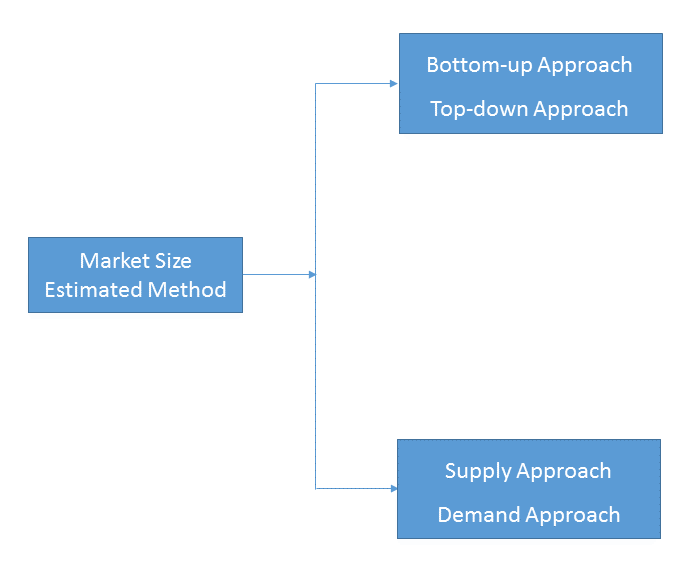
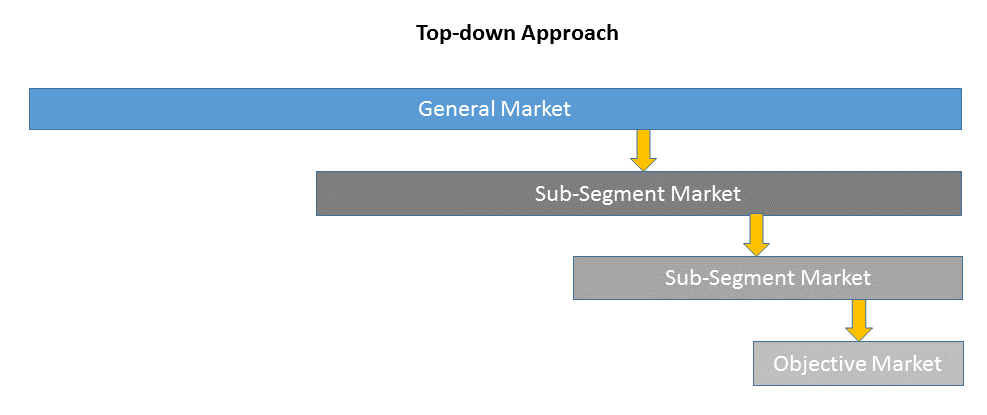
1)Top-down & Bottom-up Approach
Top-down approach uses a general market size figure and determines the percentage that the objective market represents.
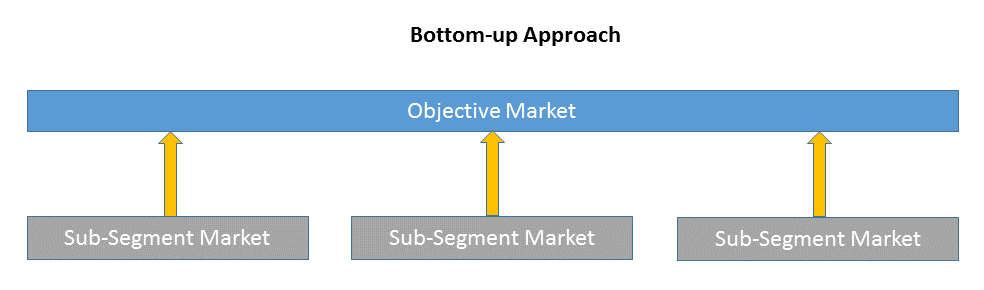
Bottom-up approach size the objective market by collecting the sub-segment information.
2)Supply & Demand Approach
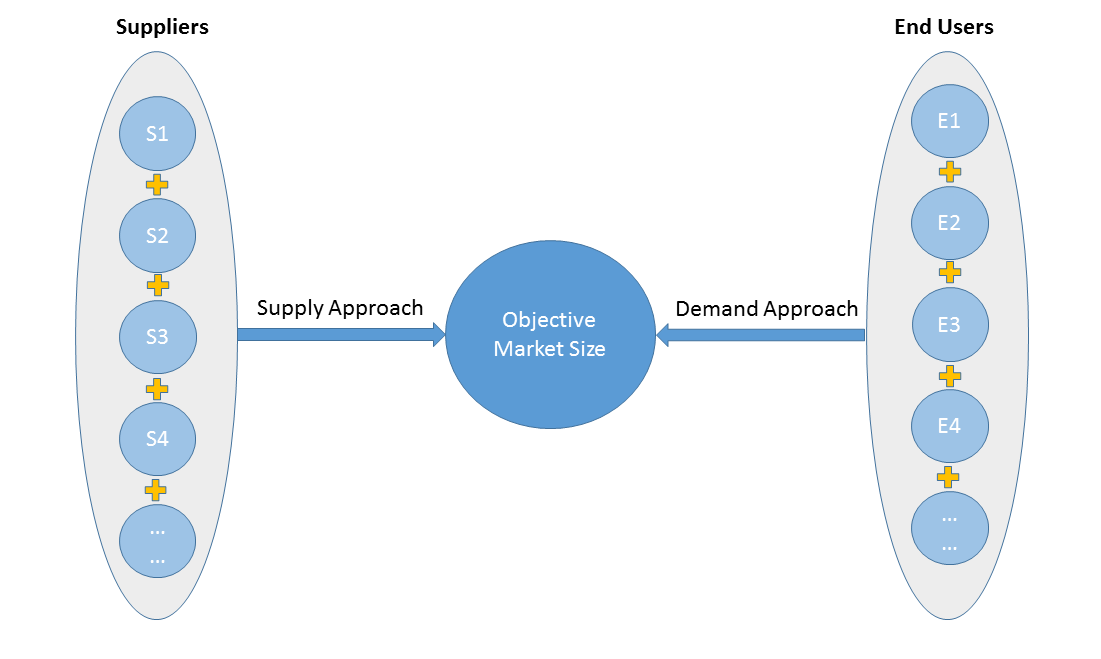
Supply approach is based on assessments of the size of each competitor supplying the objective market.
Demand approach combine end-user data within a market to estimate the objective market size. It is sometimes referred to as bottom-up approach.
- Forecasting Methodology
- Numerous factors impacting the market trend are considered for forecast model:
- New technology and application in the future;
- New project planned/under contraction;
- Global and regional underlying economic growth;
- Threatens of substitute products;
- Industry expert opinion;
- Policy and Society implication.
- Analysis Tools
1)PEST Analysis
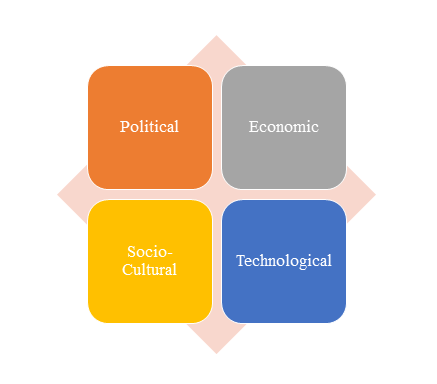
PEST Analysis is a simple and widely used tool that helps our client analyze the Political, Economic, Socio-Cultural, and Technological changes in their business environment.
- Benefits of a PEST analysis:
- It helps you to spot business opportunities, and it gives you advanced warning of significant threats.
- It reveals the direction of change within your business environment. This helps you shape what you’re doing, so that you work with change, rather than against it.
- It helps you avoid starting projects that are likely to fail, for reasons beyond your control.
- It can help you break free of unconscious assumptions when you enter a new country, region, or market; because it helps you develop an objective view of this new environment.
2)Porter’s Five Force Model Analysis
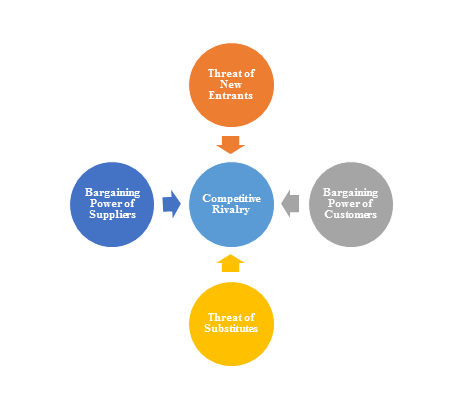
The Porter’s Five Force Model is a tool that can be used to analyze the opportunities and overall competitive advantage. The five forces that can assist in determining the competitive intensity and potential attractiveness within a specific area.
- Threat of New Entrants: Profitable industries that yield high returns will attract new firms.
- Threat of Substitutes: A substitute product uses a different technology to try to solve the same economic need.
- Bargaining Power of Customers: the ability of customers to put the firm under pressure, which also affects the customer's sensitivity to price changes.
- Bargaining Power of Suppliers: Suppliers of raw materials, components, labor, and services (such as expertise) to the firm can be a source of power over the firm when there are few substitutes.
- Competitive Rivalry: For most industries the intensity of competitive rivalry is the major determinant of the competitiveness of the industry.
3)Value Chain Analysis
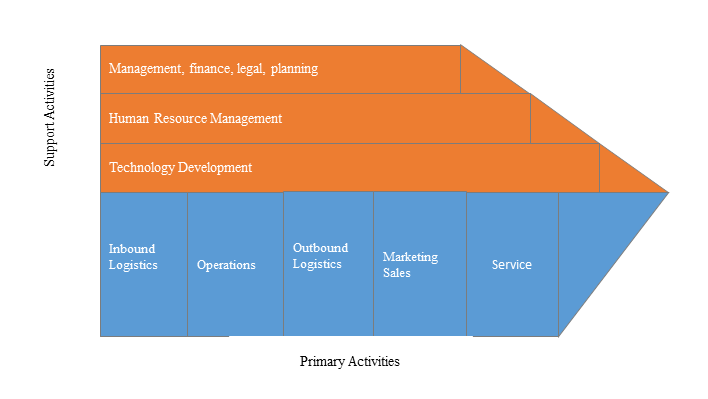
Value chain analysis is a tool to identify activities, within and around the firm and relating these activities to an assessment of competitive strength. Value chain can be analyzed by primary activities and supportive activities. Primary activities include: inbound logistics, operations, outbound logistics, marketing & sales, service. Support activities include: technology development, human resource management, management, finance, legal, planning.
4)SWOT Analysis
SWOT analysis is a tool used to evaluate a company's competitive position by identifying its strengths, weaknesses, opportunities and threats. The strengths and weakness is the inner factor; the opportunities and threats are the external factor. By analyzing the inner and external factors, the analysis can provide the detail information of the position of a player and the characteristics of the industry.
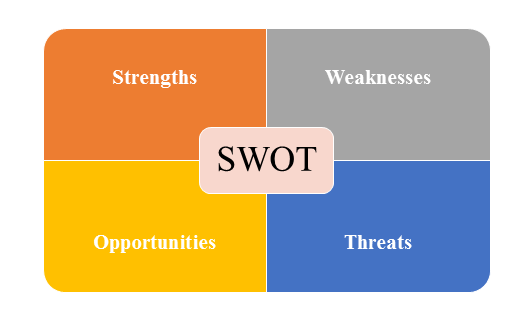
- Strengths describe what the player excels at and separates it from the competition
- Weaknesses stop the player from performing at its optimum level.
- Opportunities refer to favorable external factors that the player can use to give it a competitive advantage.
- Threats refer to factors that have the potential to harm the player.
- Data Sources
| Primary Sources | Secondary Sources |
|---|---|
| Face to face/Phone Interviews with market participants, such as: Manufactures; Distributors; End-users; Experts. Online Survey |
Government/International Organization Data: Annual Report/Presentation/Fact Book Internet Source Information Industry Association Data Free/Purchased Database Market Research Report Book/Journal/News |