Hearing Aid Battery Market Summary & Strategic Outlook
- Single User License (1 Users) $ 3,500
- Team License (2~5 Users) $ 4,500
- Corporate License (>5 Users) $ 5,500
The global hearing aid battery market size is valued at an estimated 720 million to 920 million USD in 2026, projected to expand at a compound annual growth rate (CAGR) of 3.5% to 4.5% through 2031. Merchant supply of primary zinc-air button cells remains consolidated among legacy Western incumbents such as Energizer Holdings (operating the Rayovac and Energizer franchises), Duracell, and Germany-headquartered VARTA AG, alongside high-volume Asian producers including ZeniPower (Zhuhai Zhi Li Battery Co. Ltd.), GP Industries Limited, and Golden Power Group Holdings Limited. Simultaneously, the rapid ascent of rechargeable hearing instruments has elevated specialized lithium-ion micro-cell engineering firms—most notably EVE Energy Co., Ltd. and VARTA Microbattery—into critical tier-1 technology partners for the "Big Five" audiological conglomerates: Sonova, Demant, WS Audiology (WSA), GN Store Nord, and Starkey.
In developed reimbursement economies across North America and Western Europe, rechargeable lithium-ion architectures now command approximately 70% of behind-the-ear (BTE) and receiver-in-canal (RIC) unit sales, transferring battery procurement out of the retail pharmacy and audiology aftermarket directly into B2B OEM assembly plants in China, Vietnam, Malaysia, Singapore, and Taiwan (China). Conversely, primary zinc-air button cells retain indispensable volume anchorage across Latin America, the Middle East and Africa, rural Asia-Pacific, and specialized super-power or disposable-preferred prescription segments.
ELECTROCHEMICAL ARCHITECTURE AND PRODUCT CLASSIFICATION DYNAMICS
A hearing aid battery functions as a micro-scale electrochemical power source engineered to deliver continuous, ultra-low-noise voltage to auditory prosthetic devices operating inside or adjacent to the human ear canal and cranial structures. Because these cells function in intimate biological proximity, production and mechanical tolerances are governed by ISO 13485:2016 medical device quality management systems, US FDA Class I/II/III frameworks, and EU MDR 2017/745 biocompatibility mandates.
● Primary Zinc-Air Button Cells (Disposable Open-Cathode Systems)
- Electrochemical Mechanism: Primary zinc-air cells operate as open chemical systems utilizing granulated high-purity amalgamated or mercury-free zinc powder as the anode reactant, atmospheric oxygen diffused through a microporous polytetrafluoroethylene (PTFE) membrane as the cathode reactant, and an aqueous alkaline potassium hydroxide (KOH) solution as the electrolyte. Prior to clinical deployment, air ingress holes on the cathode can are sealed via a gas-impermeable adhesive tab. Peeling the tab initiates oxygen diffusion, requiring a 60-to-120-second activation latency to stabilize open-circuit voltage near 1.40V to 1.45V before insertion into the hearing instrument.
- Dimensional Standardization: The global industry adheres to four IEC-standardized color-coded micro-coin geometries:
- Size 10 (IEC PR70, Yellow Tab): 5.8 mm diameter by 3.6 mm height; typical capacity of 90 to 105 mAh; deployed in miniature completely-in-the-canal (CIC) and invisible-in-the-canal (IIC) instruments.
- Size 312 (IEC PR41, Brown Tab): 7.9 mm diameter by 3.6 mm height; typical capacity of 160 to 180 mAh; historically the highest-volume form factor powering standard RIC and mini-BTE devices.
- Size 13 (IEC PR48, Orange Tab): 7.9 mm diameter by 5.4 mm height; typical capacity of 290 to 310 mAh; utilized in full-shell in-the-ear (ITE) and standard BTE instruments.
- Size 675 (IEC PR44, Blue Tab): 11.6 mm diameter by 5.4 mm height; typical capacity of 600 to 650 mAh; engineered for super-power BTE prosthetics and high-drain cochlear implant external speech processors.
- Operational Vulnerability and Environmental Exposure: Because atmospheric oxygen serves as the cathode active material, the internal cell cavity accommodates a maximized volume of anodic zinc, yielding exceptional volumetric energy density (often exceeding 1,300 Wh/L). However, the open-port architecture creates severe environmental vulnerability. Once unsealed, ambient relative humidity fluctuations trigger either electrolyte desiccation (in arid climates below 40% relative humidity) or water absorption and carbonate salting (in humid environments or high-CO2 settings), restricting functional shelf life post-activation to 3 to 14 days regardless of acoustic duty cycles.
- Defensive Market Positioning: Despite secular cannibalization by rechargeable systems in affluent healthcare systems, primary zinc-air cells retain resilient baseline demand. Disposable architectures eliminate charging cradle dependencies, making them vital for patients in regions with unstable electrical grids, disaster-readiness scenarios, and elderly cohorts resistant to night-time inductive charging routines. Illustrating this enduring structural niche, Demant expanded its flagship Sirius platform in Q1 2026 by commercializing the Oticon Verit product family specifically engineered for patients and audiologists who mandate disposable zinc-air power. Furthermore, upstream manufacturers continue to optimize cost curves; Golden Power Group Holdings commissioned two fully automated production lines in 2024 dedicated exclusively to disposable hearing aid button cells to capture share as higher-cost Western competitors consolidate capacity.
● Secondary Rechargeable Lithium-Ion Micro-Cells
- Integration and Power Management: Secondary hearing aid batteries utilize sealed miniature cylindrical, coin (button), or custom-contoured pouch architectures integrated permanently or semi-permanently inside the prosthetic housing. Dominant chemistries include Lithium Nickel Manganese Cobalt Oxide (NMC), Lithium Cobalt Oxide (LCO), and specialized Lithium Titanate (LTO) variants, paired with dedicated onboard Power Management Integrated Circuits (PMICs), negative temperature coefficient (NTC) thermistors, and either galvanic contact pins or inductive wireless charging coils.
- Form-Factor Proliferation: Initially restricted to larger BTE and RIC chassis due to volumetric constraints and inductive antenna clearances, lithium-ion penetration has reached approximately 70% of total BTE and RIC unit volume at market leader Sonova. Between 2024 and 2026, miniature cell engineering enabled rechargeable migration into custom canal-level instruments and extreme-output power segments:
- Custom Canal Miniaturization: Sonova commercialized the Phonak Virto R Infinio, while WS Audiology launched the Signia Insio Charge&Go CIC IX, proving that custom completely-in-canal devices can house sealed lithium-ion cells alongside multi-microphone directional arrays and inductive charging receivers.
- Super-Power Acoustic Integration: GN Store Nord introduced the ReSound Enzo IA, bringing all-day rechargeable lithium-ion endurance and Auracast streaming to severe-to-profound hearing loss patients who previously relied exclusively on Size 13 or Size 675 zinc-air cells.
- Extended Runtime Benchmarks: Advanced anode silicon-doping and high-density cathode calendaring allow modern flagship instruments, such as WSA's Signia Pure Charge&Go BCT IX, to deliver up to 36 hours of continuous runtime on a single charge Cycle, including 5 hours of active Bluetooth streaming.
- Lifecycle Synchronization: Hearing aid OEMs engineer integrated lithium-ion cells to match the 5-year clinical design lifetime of the host instrument, demanding 1,500 to 1,800 deep discharge-charge cycles while retaining at least 80% of initial nominal capacity without gas generation or casing swelling.
DOWNSTREAM CLINICAL AND COMMERCIAL SEGMENTATION
The global addressable patient base is characterized by massive clinical underpenetration. World Health Organization (WHO) epidemiological tracking indicates that over 1.5 billion individuals globally experience some degree of hearing loss, including more than 400 million people living with moderate-to-profound disabling impairment requiring clinical rehabilitation. However, fewer than 20% of eligible individuals currently utilize auditory amplification. Downstream battery demand is segmented across two regulatory and commercial pathways.
● Prescription Hearing Prosthetics (HCP-Dispensed Medical Devices)
- Clinical Scope and Demographics: Regulated as Class II medical devices (or Class III for active bone-anchored prosthetics and cochlear implants), prescription instruments address the full audiological spectrum from mild to profound loss, with core commercial concentration among patients aged 70 and older.
- Go-to-Market Architecture: Distribution is strictly gated by licensed audiologists and Hearing Care Professionals (HCPs) operating across hospital audiology wards, independent clinical practices, corporate retail chains, and sovereign health reimbursement frameworks (including the US Department of Veterans Affairs, the UK National Health Service, and France's "100% Santé" universal coverage mandate).
- Battery Specification Mandates: Because prescription instruments carry high out-of-pocket or state-reimbursed price tags (ranging from 1,500 USD to over 6,000 USD per bilateral pair) and comprehensive 3-to-5-year manufacturer warranties, battery reliability is non-negotiable. Field failures require expensive clinical loaner programs, factory RMA dispatches, and audiologist labor reimbursement.
● Over-the-Counter (OTC) Hearing Aids (Consumer-Direct Devices)
- Regulatory Deregulation: Formalized by the US FDA under 21 CFR Parts 800 and 808 (effective October 2022) and subsequently mirrored in regulatory frameworks across Mainland China and Japan, the OTC category permits direct-to-consumer commercialization of medical-grade hearing aids for adults with perceived mild-to-moderate hearing impairment without clinical audiometric exams or licensed professional fitting.
- Commercial Economics and ODM Scaling: OTC instruments bypass traditional audiological dispensing fees, retailing between 150 USD and 1,200 USD per pair across consumer electronics retailers, e-commerce marketplaces (Amazon, Temu, eBay), mass merchandisers (Walmart), and pharmacy chains (CVS Health, Walgreens). While Amplifon and Demant strategic audits confirm that OTC devices have exerted minimal cannibalization on the core moderate-to-profound prescription segment, OTC proliferation is expanding category entry among younger, price-sensitive demographics (aged 50 to 65).
- Battery and Form-Factor Convergence: The OTC segment is heavily dominated by Original Design Manufacturers (ODMs) such as Huizhou JingHao Medical Technology Co., Ltd. and IntriCon. These devices overwhelmingly adopt True Wireless Stereo (TWS) consumer earbud aesthetics, utilizing standard rechargeable lithium-ion coin cells (such as LIR1054, LIR1254, and LIR1454 geometries) paired with portable lithium-ion polymer charging cases equipped with USB-C interfaces and smartphone companion apps for self-fitting audiometry.
● Distribution Channel Mechanics: OEM Factory Integration vs. Retail Aftermarket
The commercial routing of hearing aid batteries operates across two structurally divergent channels:
- The OEM Pre-Installation Market:
- Lithium-Ion Direct Procurement: All secondary lithium-ion cells flow through closed-loop B2B OEM contracts. The "Big Five" hearing aid manufacturers, regional OEMs like Japan's Rion Co., Ltd., and major ODMs execute multi-year technical joint-development agreements (JDAs) with cell producers. Cells undergo automated laser tab welding, ultrasonic bonding, or spring-contact sealing directly on cleanroom assembly lines. Contracting requires strict ISO 13485 compliance audits, Medical Device Single Audit Program (MDSAP) certification, and zero-defect statistical process control (SPC).
- Zinc-Air Starter Kits: OEMs procure bulk primary zinc-air cells to bundle as complimentary starter dial-packs inside new disposable hearing aid retail boxes and clinical trial kits, such as Demant's Demoflex multi-patient demonstration units.
- The Aftermarket and Replacement Channel:
- Professional Audiology Retail Networks: The historic profit center for primary zinc-air cells. Global retail conglomerates—led by Amplifon (operating over 11,000 corporate and affiliate clinics globally), Demant Hearing Care (4,500+ clinics), and Sonova's AudioNova network (3,600+ stores)—dispense private-label and co-branded zinc-air blister packs (typically supplied by Rayovac, VARTA power one, or ZeniPower). Clinics leverage free or subsidized multi-year battery subscription plans as patient-retention mechanisms to drive recurring foot traffic for cleanings, wax-guard replacements, and eventual 4-to-5-year instrument upgrades.
- Mass Merchandisers and Pharmacies: General retail outlets—anchored by Walmart (which accounts for 12.8% of Energizer Holdings' total consolidated corporate revenue), Walgreens, CVS, and European drugstores—capture walk-in consumer replacement volume under flagship consumer brands (Duracell, Energizer, Rayovac, GP).
- Digital Direct-to-Consumer (DTC) and Tele-Audiology: E-commerce platforms (Amazon), online tele-audiology aggregators (such as WSA's Hear.com / Audibene platform), and emerging market digital distributors (such as EarKart Limited in India) have commoditized zinc-air multi-pack pricing through automated recurring postal subscriptions.
REGIONAL MARKET DYNAMICS AND REGULATORY ARBITRAGE
● North America: North America acted as a structural drag on global hearing healthcare volume in 2025, registering a sluggish 1.0% unit expansion. In the United States, commercial private-pay channel sales remained essentially flat as inflationary pressures induced patient consultation deferrals. Conversely, the Canadian market delivered steady wholesale and retail expansion supported by favorable baseline comparisons and clinic network consolidation.
- Channel Friction and Managed Care Clawbacks: The US market is heavily mediated by public procurement via the Department of Veterans Affairs (VA)—which accounts for roughly 18% to 20% of US prescription volume and provides fully subsidized instruments and replacement batteries to military veterans—and private Medicare Advantage managed care plans. In 2025, major US health insurers scaled back supplemental Medicare Advantage hearing benefit allowances to preserve underwriting margins. This benefit compression directly curtailed bundled replacement battery packages and accessory reimbursements.
- Retail Consolidation: Despite macro headwinds, clinical roll-ups continue. In the United States, Amplifon operates approximately 410 corporate clinics under the Miracle-Ear brand alongside 1,210 franchised locations and a vast managed-care network encompassing 5,580 independent credentialed providers. Rechargeability penetration in the US prescription channel exceeds 75%, relegating zinc-air growth to mass-retail OTC replacements and VA legacy device maintenance.
● Europe: Europe served as the primary volume driver for the global hearing aid industry in 2025, achieving a robust 5.0% unit expansion. Demand was propelled by the quadrennial renewal cycle of France's "100% Santé" healthcare reform (which guarantees full reimbursement for Class I hearing aids every four years), steady National Health Service (NHS) tendering in the United Kingdom, and statutory reimbursement frameworks in Germany (GKV) and the Nordic countries.
- Regulatory Redesign Shockwaves (EU MDR & EU Battery Regulation): Europe enforces the world's most stringent compliance regime. Beyond EU MDR 2017/745 Unique Device Identification (UDI) and post-market surveillance mandates, the newly enacted EU Battery Regulation (Regulation (EU) 2023/1542) introduces strict carbon footprint declarations, digital battery passports, and mandatory design-for-removability clauses. Because modern rechargeable hearing aids rely on ultrasonically welded or permanently glued chassis to maintain IP68 water- and sweat-ingress protection, the mandate that batteries be replaceable by end-users or independent professionals without proprietary damage created an engineering crisis. WS Audiology formally disclosed that complying with the EU Battery Regulation forced a comprehensive R&D architectural redesign of its portable charging cases and internal hearing aid power modules.
- Circular Economy and WEEE Take-Back: Under the EU Waste Electrical and Electronic Equipment (WEEE) Directive and national Extended Producer Responsibility (EPR) laws, retail networks like Amplifon and Sonova must maintain certified hazardous-waste collection receptacles across thousands of European clinics to recover spent zinc-air button cells and lithium-ion chargers, preventing mercury, lead, and heavy-metal leaching.
● Asia-Pacific: Asia-Pacific functions as both the fastest-growing downstream consumption region and the undisputed global production base for hearing aid batteries and ODM instruments. Over 80% of global primary zinc-air button cells and miniature medical lithium-ion coin cells are fabricated across industrial clusters in Mainland China (specifically Zhuhai, Huizhou, and Dongguan in Guangdong Province), Vietnam, Malaysia, Singapore, and Taiwan, China.
- Regulatory Standard Setting and VBP Margin Compression: In Mainland China, the National Healthcare Security Administration (NHSA) has expanded Volume-Based Procurement (VBP) tenders across cochlear implants and public hospital audiological devices, compressing OEM hardware margins and accelerating localization of battery supply chains. Simultaneously, domestic regulatory rigor is rising: in March 2025, the Shanghai Institute of Medical Device Testing and EVE Energy officially promulgated association group standard T/CAMDI 152-2025 (Accelerated Test Method for Lifetime Assessment of Rechargeable Lithium-ion Batteries for Active Implantable Medical Devices), establishing unified reliability testing benchmarks across Chinese medical prosthetics. In South Korea, strict import compliance requires Korea Good Manufacturing Practice (KGMP) certification, a milestone successfully renewed by ODM leader JingHao Medical in 2025.
- Form-Factor Nuances: Strong cultural stigma surrounding visible disability in East Asia (notably Japan, South Korea, and urban China) drives disproportionate demand for invisible custom CIC and ITC instruments. The recent breakthrough in custom canal rechargeability (such as Phonak Virto R Infinio) is unlocking rapid value migration across affluent APAC metropolitan clinics.
● South America: South America represents an emerging growth corridor characterized by aggressive retail clinic acquisitions in Brazil, Colombia, Chile, and Argentina. However, wide socioeconomic stratification, tropical humidity extremes, and inconsistent electrical grid stability outside major metropolitan capitals sustain a high structural dependency on primary zinc-air disposable batteries. Distribution is heavily weighted toward retail pharmacies, optical chains, and public ministry of health tenders that prioritize lower upfront hardware costs over integrated lithium-ion charging ecosystems.
● Middle East and Africa: The MEA market remains severely underpenetrated, with commercial activity bifurcated between affluent Gulf Cooperation Council (GCC) states—where private hospitals and sovereign health funds procure flagship rechargeable European and US prescription devices—and the broader African continent, where distribution relies on independent value-added distributors, non-governmental organization (NGO) humanitarian missions, and public hospital tenders. High ambient thermal conditions and limited clinical repair infrastructure in sub-Saharan Africa cement primary zinc-air cells as the dominant power architecture.
SUPPLY CHAIN AND VALUE CHAIN ARCHITECTURE
● Upstream: Feedstock Specifications and Commodity Hedging
- Active Electrochemical Feedstocks:
- Zinc-Air Inputs: Requires battery-grade, zero-mercury alloyed zinc powder engineered with precise particle size distribution and trace bismuth, indium, and aluminum dopants to suppress hydrogen gassing (self-discharge) inside the alkaline potassium hydroxide electrolyte. The air cathode utilizes carbon black blended with catalytic electrolytic manganese dioxide (EMD) laminated onto a nickel-plated woven wire mesh and hydrophobic PTFE gas-diffusion membrane.
- Lithium-Ion Inputs: Relies on high-purity battery-grade lithium carbonate, lithium chloride, and precursor cathode active materials including lithium nickel cobalt manganese oxide (NCM) and lithium cobalt oxide, paired with spherical synthetic graphite anodes, microporous polyolefin separators, and lithium hexafluorophosphate (LiPF6) organic carbonate electrolytes.
- Mechanical Enclosures: Ultra-thin cold-rolled nickel-plated steel strip (drawn into anode caps and cathode cans via multi-stage progressive die stamping), micro-precision brass collector wires, injection-molded polyamide-66 insulating sealing gaskets, and multi-layer acrylic-adhesive oxygen-barrier tabs.
- Financial Hedging Architecture: Because raw zinc, nickel, and cobalt represent a major percentage of unit bill-of-materials (BOM), tier-1 producers actively deploy financial derivatives to insulate gross margins. For example, Energizer Holdings systematically executes cash flow hedging contracts on London Metal Exchange (LME) zinc purchases to smooth commodity price spikes across annual retail and clinical pricing cycles.
● Midstream: Precision Cell Engineering and Quality Assurance
- Automated Micro-Manufacturing: Midstream cell assembly demands cleanroom environmental controls (particularly dry-room dew points below -40 degrees Celsius for lithium-ion electrolyte filling) and high-speed automated optical inspection (AOI). Mechanical tolerances on micro-coin cells are measured in microns; an imperfect crimp seal on a Size 10 zinc-air cell causes KOH electrolyte creep (crystallization on battery terminals that corrodes golden hearing aid contacts), while microscopic metallic burrs inside a lithium-ion coin cell trigger internal short circuits and thermal runaway inside the patient's ear canal.
- Regulatory Compliance and Packaging Transition: Manufacturing plants must maintain dual ISO 9001 and ISO 13485:2016 certifications alongside RoHS and REACH chemical compliance (driving the ongoing elimination of fluorinated PFAS surfactants in cathode membranes). In packaging operations, primary cells are rotary-packed into protective blister dial-cards engineered to prevent premature tab lifting during transit, while European sustainability mandates are forcing a costly midstream re-tooling toward 100% plastic-free, Forest Stewardship Council (FSC)-certified paperboard blister packs.
● Downstream: Value Migration, Reverse Logistics, and Remanufacturing Economics
- Bottleneck Resilience and Value Migration: Over the past five years, economic value has migrated away from midstream zinc-air packaging toward downstream OEM battery management system (BMS) integration and circular reverse logistics. When a zinc-air battery dies, the consumer absorbs the replacement cost in the retail aisle; when an embedded lithium-ion cell degrades prematurely or fails to hold a 24-hour charge, the financial liability rebounds directly onto the hearing aid OEM or clinical dispenser.
- Industrialized Remanufacturing Moats: To mitigate the cost of servicing sealed rechargeable instruments and comply with EU circularity directives, leading OEMs have constructed proprietary reverse-logistics and remanufacturing hubs:
- GN Store Nord established a centralized global remanufacturing facility in Malaysia, achieving an industry-leading 87% remanufacturing rate in 2025 across returned hearing instruments through automated battery replacement, ultrasonic shell cleaning, and acoustic recalibration.
- WS Audiology engineered controlled non-destructive disassembly protocols for its slim-tube rechargeable portfolio, successfully recovering and reusing 89.5% of internal electronic amplifier assemblies across 16,000 returned Signia Styletto units.
- Demant scaled global clinical repair centers equipped with specialized micro-de-soldering and resealing jigs, enabling localized battery module swaps without scrapping the entire acoustic core.
COMPETITIVE LANDSCAPE AND COMPANY PROFILES
● Energizer Holdings, Inc.: Following its historic acquisition of Spectrum Brands' battery division, Energizer controls the Rayovac, Energizer, and Eveready brands. Rayovac is the undisputed global volume leader in primary zinc-air hearing aid batteries within the professional audiology channel, managed via a dedicated Global Professional Sales unit that supplies custom-printed private-label blister packs to major clinic networks alongside branded retail distribution through mass merchandisers like Walmart.
● Duracell Inc. (A Berkshire Hathaway Company): Headquartered in Bethel, Connecticut, United States, operating as a wholly owned subsidiary of Berkshire Hathaway Inc. with global manufacturing and distribution hubs across North America, Europe (Aarschot, Belgium), and Asia. Duracell markets mercury-free primary zinc-air button cells across all four standard industry sizes: Size 10 (Yellow), Size 312 (Brown), Size 13 (Orange), and Size 675 (Blue). The company operates primarily as an Own Brand Manufacturer (OBM), dominating retail pharmacy end-caps, grocery chains, mass supermarkets, and select institutional healthcare channels under the Duracell and Duracell Hearing Aid banners.
● VARTA AG: VARTA is the only Western manufacturer possessing tier-1 technological leadership across both sides of the electrochemical divide. In primary zinc-air cells, it markets standard sizes (10, 312, 13, 675) and high-drain cochlear implant cells under the VARTA consumer brand and its dedicated audiological healthcare brand, power one. In secondary lithium-ion cells, VARTA's CoinPower series represents the industry gold standard for high-energy-density rechargeable micro-cells.
● GP Industries Limited: Produces primary zinc-air button cells, alkaline micro-cells, and specialty medical power systems marketed under the GP Batteries brand and through extensive B2B OEM/ODM contract manufacturing arrangements.
● Golden Power Group Holdings Limited: Specializes in primary alkaline, silver oxide, and mercury-free zinc-air micro-button cells (Sizes A10, A312, A13, A675) distributed via OBM and private-label ODM channels across Asia, Europe, and Latin America.
● EVE Energy Co., Ltd.: Holding comprehensive ISO 13485 medical device quality certifications, EVE Energy is a dominant supplier of miniature rechargeable lithium-ion coin cells (Bean-cell series) and pin-type batteries engineered for TWS hearables, OTC hearing aids, and prescription medical prosthetics.
● ZeniPower (Zhuhai Zhi Li Battery Co., Ltd.): One of the world's largest dedicated manufacturers and exporters of primary zinc-air button batteries. Its portfolio spans standard sizes (A10, A312, A13, A675) alongside specialized high-drain formulations engineered specifically for high-output digital hearing aids and external cochlear implant speech processors.
1.1 Study Scope and Product Definition 1
1.2 Executive Market Snapshot (2021-2031) 2
1.3 Research Methodology and Data Triangulation Framework 3
1.4 Primary and Secondary Data Sources 4
1.5 Macroeconomic Assumptions and Forecasting Baseline 5
1.6 Industry Abbreviations and Technical Nomenclature 6
Chapter 2 Global Hearing Aid Battery Market Dynamics and Value Migration 7
2.1 Global Hearing Aid Battery Capacity and Production Analysis (2021-2026) 7
2.2 Global Hearing Aid Battery Capacity and Production Forecast (2027-2031) 8
2.3 Global Hearing Aid Battery Consumption Volume and Market Size (2021-2026) 9
2.4 Global Hearing Aid Battery Consumption and Revenue Forecast (2027-2031) 10
2.5 Value Migration from Disposable Primary Cells to Rechargeable Micro-Batteries 11
2.6 Global Aging Demographics and Audiology Penetration Drivers 12
2.7 Regulatory Compliance and Mercury-Free Environmental Mandates 13
Chapter 3 Value Chain Architecture, Manufacturing Process and Patent Landscape 14
3.1 Hearing Aid Battery Value Chain Architecture and Margin Distribution 14
3.2 Upstream Raw Material Sourcing and Supply Chain Bottlenecks (Zinc, Lithium, Manganese Dioxide, PTFE) 15
3.3 Cathode, Anode, Separator and Electrolyte Cost Structure Breakdown 16
3.4 Zinc-Air Button Cell Manufacturing Process and Air-Cathode Sealing Technology 17
3.5 Lithium-Ion Micro-Battery Encapsulation and Solid-State Architecture 18
3.6 Global Patent Filing Trends and Intellectual Property Landscape (2021-2026) 19
3.7 Technological Innovations in Energy Density and Wireless Streaming Drain Management 20
3.8 Downstream Integration with Global Hearing Aid OEMs 21
Chapter 4 Global Trade Logistics and Import/Export Analysis 22
4.1 Global Hearing Aid Battery Trade Flow Architecture and Supply Corridors 22
4.2 Major Exporting Countries Volume and Value Analysis (2021-2026) 23
4.3 Major Importing Countries Volume and Value Analysis (2021-2026) 24
4.4 Cross-Border Tariff Structures and UN 3480/3090 Hazardous Transport Regulations 25
4.5 Regional Trade Imbalances and Freight Logistics Bottlenecks 26
Chapter 5 Market Segmentation by Type 27
5.1 Global Hearing Aid Battery Market Overview by Chemistry Type (2021-2031) 27
5.2 Zinc-Air Battery Capacity, Production, Consumption and Market Size (2021-2031) 28
5.3 Zinc-Air Form Factor Analysis (Size 10, Size 312, Size 13, Size 675) 30
5.4 Lithium Battery Capacity, Production, Consumption and Market Size (2021-2031) 31
5.5 Comparative Pricing Dynamics and Total Lifecycle Cost Analysis by Type 33
Chapter 6 Market Segmentation by Market Channel 34
6.1 Global Hearing Aid Battery Market Overview by Market Channel (2021-2031) 34
6.2 OEM Market Consumption, Procurement Contracts and Revenue (2021-2031) 35
6.3 Aftermarket & Replacement Market Consumption and Revenue (2021-2031) 36
6.4 Retail Pharmacy, Audiology Clinics and E-Commerce Sub-Channel Dynamics 38
6.5 Over-The-Counter (OTC) Hearing Aid Proliferation and Channel Shift Implications 39
Chapter 7 North America Hearing Aid Battery Market Analysis 40
7.1 North America Capacity, Production, Consumption and Market Size (2021-2031) 40
7.2 North America Market Breakdown by Type and Market Channel 41
7.3 United States 42
7.4 Canada 43
7.5 Mexico 44
Chapter 8 Europe Hearing Aid Battery Market Analysis 45
8.1 Europe Capacity, Production, Consumption and Market Size (2021-2031) 45
8.2 Europe Market Breakdown by Type and Market Channel 46
8.3 Germany 47
8.4 United Kingdom 48
8.5 Denmark 48
8.6 Switzerland 49
8.7 France 49
8.8 Italy & Rest of Europe 50
Chapter 9 Asia-Pacific Hearing Aid Battery Market Analysis 51
9.1 Asia-Pacific Capacity, Production, Consumption and Market Size (2021-2031) 51
9.2 Asia-Pacific Market Breakdown by Type and Market Channel 52
9.3 China 53
9.4 Japan 54
9.5 South Korea 54
9.6 Southeast Asia 55
9.7 India 55
9.8 Australia 56
Chapter 10 South America Hearing Aid Battery Market Analysis 57
10.1 South America Production, Consumption and Market Size (2021-2031) 57
10.2 South America Market Breakdown by Type and Market Channel 58
10.3 Brazil 59
10.4 Argentina 59
10.5 Colombia 60
Chapter 11 Middle East & Africa Hearing Aid Battery Market Analysis 61
11.1 Middle East & Africa Consumption and Market Size (2021-2031) 61
11.2 Middle East & Africa Market Breakdown by Type and Market Channel 62
11.3 Saudi Arabia 63
11.4 United Arab Emirates 63
11.5 South Africa 64
Chapter 12 Corporate Competitive Landscape and Market Concentration 65
12.1 Global Manufacturer Capacity and Production Share Analysis (2021-2026) 65
12.2 Global Manufacturer Revenue and Market Share Ranking (2021-2026) 66
12.3 Market Concentration Ratios (CR3, CR5 and Herfindahl-Hirschman Index) 67
12.4 Strategic M&A, Long-Term OEM Supply Agreements and Capacity Expansion 68
Chapter 13 Key Market Players Corporate Intelligence Profiles 69
13.1 Energizer 69
13.1.1 Corporate Profile and Hearing Aid Battery Product Portfolio 69
13.1.2 SWOT Analysis 70
13.1.3 Product-Specific Operations: Capacity, Production, Utilization Rate, Price, Cost, Gross Margin and Market Share (2021-2026) 71
13.1.4 Go-To-Market Strategy and Global Retail Distribution Network 72
13.2 Duracell 73
13.2.1 Corporate Profile and Hearing Aid Battery Product Portfolio 73
13.2.2 SWOT Analysis 74
13.2.3 Product-Specific Operations: Capacity, Production, Utilization Rate, Price, Cost, Gross Margin and Market Share (2021-2026) 75
13.2.4 Go-To-Market Strategy and EasyTab Packaging Positioning 76
13.3 GP Industries Limited 77
13.3.1 Corporate Profile and Hearing Aid Battery Product Portfolio 77
13.3.2 SWOT Analysis 78
13.3.3 Product-Specific Operations: Capacity, Production, Utilization Rate, Price, Cost, Gross Margin and Market Share (2021-2026) 79
13.3.4 R&D Expenditure and Asian Manufacturing Footprint 80
13.4 VARTA AG 81
13.4.1 Corporate Profile and Hearing Aid Battery Product Portfolio 81
13.4.2 SWOT Analysis 82
13.4.3 Product-Specific Operations: Capacity, Production, Utilization Rate, Price, Cost, Gross Margin and Market Share (2021-2026) 83
13.4.4 R&D Expenditure and OEM Micro-Battery Innovation 84
13.5 Golden Power Group Holdings Limited 85
13.5.1 Corporate Profile and Hearing Aid Battery Product Portfolio 85
13.5.2 SWOT Analysis 86
13.5.3 Product-Specific Operations: Capacity, Production, Utilization Rate, Price, Cost, Gross Margin and Market Share (2021-2026) 87
13.5.4 Go-To-Market Strategy and Private Label OEM Operations 88
13.6 EVE Energy 89
13.6.1 Corporate Profile and Hearing Aid Battery Product Portfolio 89
13.6.2 SWOT Analysis 90
13.6.3 Product-Specific Operations: Capacity, Production, Utilization Rate, Price, Cost, Gross Margin and Market Share (2021-2026) 91
13.6.4 R&D Expenditure and Rechargeable Lithium Button Cell Roadmap 92
13.7 ZeniPower (Zhuhai Zhi Li) Battery Co. Ltd. 93
13.7.1 Corporate Profile and Hearing Aid Battery Product Portfolio 93
13.7.2 SWOT Analysis 94
13.7.3 Product-Specific Operations: Capacity, Production, Utilization Rate, Price, Cost, Gross Margin and Market Share (2021-2026) 95
13.7.4 R&D Expenditure and Global Export Expansion Strategy 96
Table 2 Global Hearing Aid Battery Market Executive Summary Metrics (2021-2031) 2
Table 3 Research Assumptions, Exchange Rates and Inflation Adjustments (2021-2031) 5
Table 4 Industry Abbreviations and Electrochemical Nomenclature 6
Table 5 Global Hearing Aid Battery Capacity, Production and Utilization Rate (2021-2026) 7
Table 6 Global Hearing Aid Battery Capacity, Production and Utilization Rate Forecast (2027-2031) 8
Table 7 Global Hearing Aid Battery Consumption Volume, Market Size and Average Selling Price (2021-2026) 9
Table 8 Global Hearing Aid Battery Consumption Volume, Market Size and Average Selling Price Forecast (2027-2031) 10
Table 9 Key Raw Material Price Trends and Supply Risk Matrix (2021-2026) 15
Table 10 Hearing Aid Battery Manufacturing Cost Structure Breakdown (Raw Materials, Labor, Overhead, Depreciation) 16
Table 11 Core Hearing Aid Battery Patents and Assignees (2021-2026) 19
Table 12 Global Hearing Aid Battery Export Volume and Value by Top Exporting Countries (2021-2026) 23
Table 13 Global Hearing Aid Battery Import Volume and Value by Top Importing Countries (2021-2026) 24
Table 14 Global Hearing Aid Battery Production and Consumption Share by Type (2021-2031) 27
Table 15 Global Zinc-Air Battery Capacity, Production, Consumption and Market Size (2021-2026) 28
Table 16 Global Zinc-Air Battery Capacity, Production, Consumption and Market Size Forecast (2027-2031) 29
Table 17 Global Zinc-Air Battery Consumption Breakdown by Form Factor (Size 10, 312, 13, 675) (2021-2031) 30
Table 18 Global Lithium Battery Capacity, Production, Consumption and Market Size (2021-2026) 31
Table 19 Global Lithium Battery Capacity, Production, Consumption and Market Size Forecast (2027-2031) 32
Table 20 Global Hearing Aid Battery Consumption Volume by Market Channel (2021-2031) 34
Table 21 Global Hearing Aid Battery Market Size by Market Channel (2021-2031) 34
Table 22 Global OEM Market Hearing Aid Battery Consumption and Revenue (2021-2031) 35
Table 23 Global Aftermarket & Replacement Market Hearing Aid Battery Consumption and Revenue (2021-2031) 36
Table 24 North America Hearing Aid Battery Capacity, Production, Consumption and Market Size (2021-2031) 40
Table 25 North America Hearing Aid Battery Consumption by Type and Market Channel (2021-2031) 41
Table 26 North America Hearing Aid Battery Market Size by Country (2021-2031) 42
Table 27 Europe Hearing Aid Battery Capacity, Production, Consumption and Market Size (2021-2031) 45
Table 28 Europe Hearing Aid Battery Consumption by Type and Market Channel (2021-2031) 46
Table 29 Europe Hearing Aid Battery Market Size by Country (2021-2031) 47
Table 30 Asia-Pacific Hearing Aid Battery Capacity, Production, Consumption and Market Size (2021-2031) 51
Table 31 Asia-Pacific Hearing Aid Battery Consumption by Type and Market Channel (2021-2031) 52
Table 32 Asia-Pacific Hearing Aid Battery Market Size by Country (2021-2031) 53
Table 33 South America Hearing Aid Battery Production, Consumption and Market Size (2021-2031) 57
Table 34 South America Hearing Aid Battery Consumption by Type and Market Channel (2021-2031) 58
Table 35 South America Hearing Aid Battery Market Size by Country (2021-2031) 59
Table 36 Middle East & Africa Hearing Aid Battery Consumption and Market Size (2021-2031) 61
Table 37 Middle East & Africa Hearing Aid Battery Consumption by Type and Market Channel (2021-2031) 62
Table 38 Middle East & Africa Hearing Aid Battery Market Size by Country (2021-2031) 63
Table 39 Global Hearing Aid Battery Capacity by Key Manufacturers (2021-2026) 65
Table 40 Global Hearing Aid Battery Production Volume by Key Manufacturers (2021-2026) 65
Table 41 Global Hearing Aid Battery Revenue by Key Manufacturers (2021-2026) 66
Table 42 Global Hearing Aid Battery Market Share by Key Manufacturers (2021-2026) 66
Table 43 Energizer Hearing Aid Battery Capacity, Production, Price, Cost and Gross Profit Margin (2021-2026) 71
Table 44 Duracell Hearing Aid Battery Capacity, Production, Price, Cost and Gross Profit Margin (2021-2026) 75
Table 45 GP Industries Limited Hearing Aid Battery Capacity, Production, Price, Cost and Gross Profit Margin (2021-2026) 79
Table 46 VARTA AG Hearing Aid Battery Capacity, Production, Price, Cost and Gross Profit Margin (2021-2026) 83
Table 47 Golden Power Group Holdings Limited Hearing Aid Battery Capacity, Production, Price, Cost and Gross Profit Margin (2021-2026) 87
Table 48 EVE Energy Hearing Aid Battery Capacity, Production, Price, Cost and Gross Profit Margin (2021-2026) 91
Table 49 ZeniPower (Zhuhai Zhi Li) Battery Co. Ltd. Hearing Aid Battery Capacity, Production, Price, Cost and Gross Profit Margin (2021-2026) 95
Figure 1 Hearing Aid Battery Product Classification by Chemistry and Size 1
Figure 2 Bottom-Up and Top-Down Market Triangulation Architecture 3
Figure 3 Global Hearing Aid Battery Capacity and Production Volume Growth (2021-2026) 7
Figure 4 Global Hearing Aid Battery Capacity and Production Volume Forecast (2027-2031) 8
Figure 5 Global Hearing Aid Battery Consumption Volume and Market Size Trend (2021-2026) 9
Figure 6 Global Hearing Aid Battery Consumption Volume and Market Size Forecast (2027-2031) 10
Figure 7 Value Migration Curve: Zinc-Air Primary vs. Lithium Rechargeable Revenue Share (2021-2031) 11
Figure 8 Global Hearing Aid Battery Value Chain and Profit Pool Distribution 14
Figure 9 Zinc-Air Button Cell Manufacturing Process Flow Diagram 17
Figure 10 Micro Lithium-Ion Hearing Aid Cell Encapsulation Architecture 18
Figure 11 Global Hearing Aid Battery Patent Publications by Jurisdiction (2021-2026) 19
Figure 12 Global Hearing Aid Battery Trade Flow Map and Net Export Balances (2026) 22
Figure 13 Global Hearing Aid Battery Market Share by Type (2021, 2026, 2031) 27
Figure 14 Global Zinc-Air Battery Market Size and Growth Rate (2021-2031) 29
Figure 15 Global Lithium Battery Market Size and Growth Rate (2021-2031) 32
Figure 16 Average Selling Price Comparison: Zinc-Air vs. Lithium Hearing Aid Batteries (2021-2031) 33
Figure 17 Global Hearing Aid Battery Revenue Share by Market Channel (2021, 2026, 2031) 34
Figure 18 Global OEM Market Hearing Aid Battery Demand Trajectory (2021-2031) 35
Figure 19 Global Aftermarket & Replacement Market Sub-Channel Breakdown (2026) 38
Figure 20 North America Hearing Aid Battery Consumption and Market Size (2021-2031) 40
Figure 21 United States Hearing Aid Battery Market Size (2021-2031) 42
Figure 22 Europe Hearing Aid Battery Consumption and Market Size (2021-2031) 45
Figure 23 Germany, United Kingdom, Denmark and Switzerland Demand Comparison (2021-2031) 47
Figure 24 Asia-Pacific Hearing Aid Battery Consumption and Market Size (2021-2031) 51
Figure 25 China and Japan Hearing Aid Battery Market Size Comparison (2021-2031) 53
Figure 26 South America Hearing Aid Battery Consumption and Market Size (2021-2031) 57
Figure 27 Middle East & Africa Hearing Aid Battery Consumption and Market Size (2021-2031) 61
Figure 28 Global Hearing Aid Battery Production Share by Manufacturer (2026) 65
Figure 29 Global Hearing Aid Battery Revenue Share by Manufacturer (2026) 66
Figure 30 Global Hearing Aid Battery Market Concentration (CR3 and CR5) Evolution (2021-2026) 67
Figure 31 Energizer Hearing Aid Battery Market Share (2021-2026) 71
Figure 32 Duracell Hearing Aid Battery Market Share (2021-2026) 75
Figure 33 GP Industries Limited Hearing Aid Battery Market Share (2021-2026) 79
Figure 34 VARTA AG Hearing Aid Battery Market Share (2021-2026) 83
Figure 35 Golden Power Group Holdings Limited Hearing Aid Battery Market Share (2021-2026) 87
Figure 36 EVE Energy Hearing Aid Battery Market Share (2021-2026) 91
Figure 37 ZeniPower (Zhuhai Zhi Li) Battery Co. Ltd. Hearing Aid Battery Market Share (2021-2026) 95
Research Methodology
- Market Estimated Methodology:
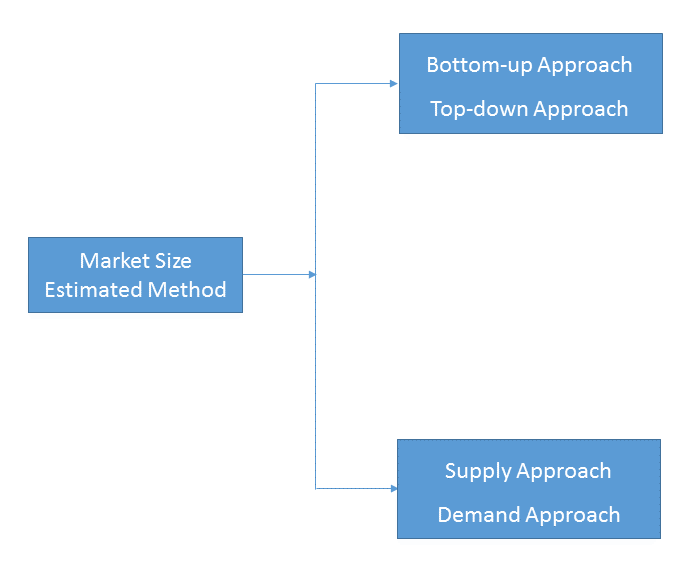
Bottom-up & top-down approach, supply & demand approach are the most important method which is used by HDIN Research to estimate the market size.
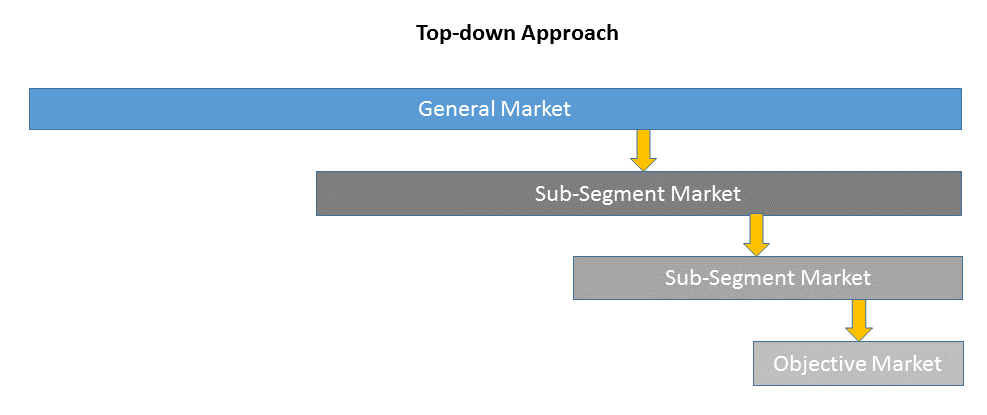
1)Top-down & Bottom-up Approach
Top-down approach uses a general market size figure and determines the percentage that the objective market represents.
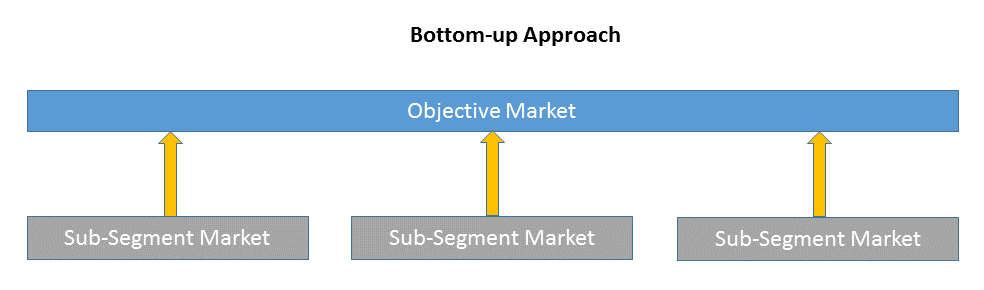
Bottom-up approach size the objective market by collecting the sub-segment information.
2)Supply & Demand Approach
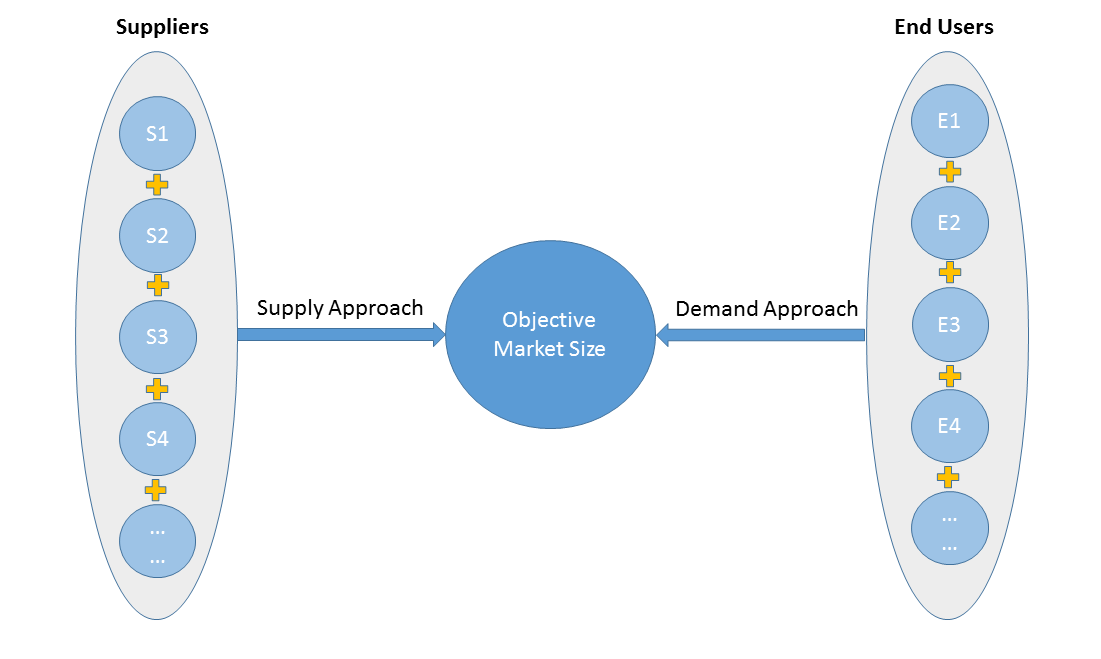
Supply approach is based on assessments of the size of each competitor supplying the objective market.
Demand approach combine end-user data within a market to estimate the objective market size. It is sometimes referred to as bottom-up approach.
- Forecasting Methodology
- Numerous factors impacting the market trend are considered for forecast model:
- New technology and application in the future;
- New project planned/under contraction;
- Global and regional underlying economic growth;
- Threatens of substitute products;
- Industry expert opinion;
- Policy and Society implication.
- Analysis Tools
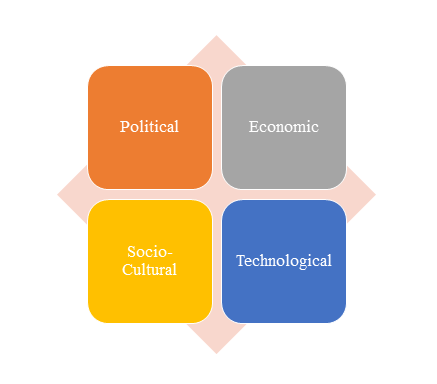
1)PEST Analysis
PEST Analysis is a simple and widely used tool that helps our client analyze the Political, Economic, Socio-Cultural, and Technological changes in their business environment.
- Benefits of a PEST analysis:
- It helps you to spot business opportunities, and it gives you advanced warning of significant threats.
- It reveals the direction of change within your business environment. This helps you shape what you’re doing, so that you work with change, rather than against it.
- It helps you avoid starting projects that are likely to fail, for reasons beyond your control.
- It can help you break free of unconscious assumptions when you enter a new country, region, or market; because it helps you develop an objective view of this new environment.
2)Porter’s Five Force Model Analysis
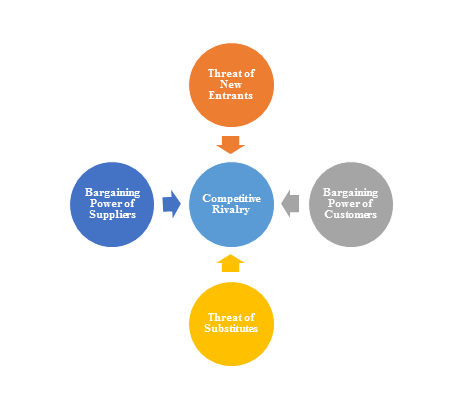
The Porter’s Five Force Model is a tool that can be used to analyze the opportunities and overall competitive advantage. The five forces that can assist in determining the competitive intensity and potential attractiveness within a specific area.
- Threat of New Entrants: Profitable industries that yield high returns will attract new firms.
- Threat of Substitutes: A substitute product uses a different technology to try to solve the same economic need.
- Bargaining Power of Customers: the ability of customers to put the firm under pressure, which also affects the customer's sensitivity to price changes.
- Bargaining Power of Suppliers: Suppliers of raw materials, components, labor, and services (such as expertise) to the firm can be a source of power over the firm when there are few substitutes.
- Competitive Rivalry: For most industries the intensity of competitive rivalry is the major determinant of the competitiveness of the industry.
3)Value Chain Analysis
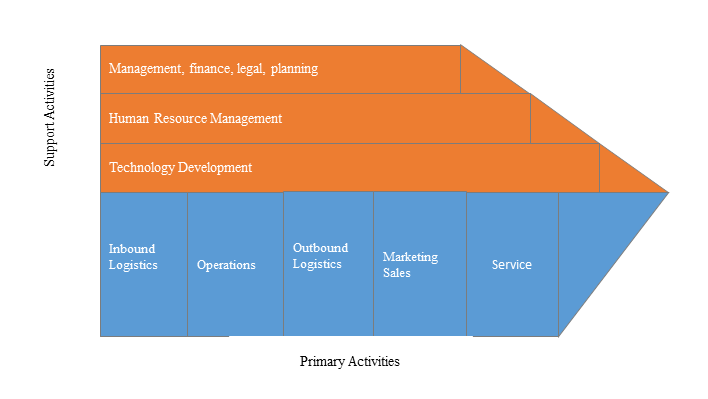
Value chain analysis is a tool to identify activities, within and around the firm and relating these activities to an assessment of competitive strength. Value chain can be analyzed by primary activities and supportive activities. Primary activities include: inbound logistics, operations, outbound logistics, marketing & sales, service. Support activities include: technology development, human resource management, management, finance, legal, planning.
4)SWOT Analysis
SWOT analysis is a tool used to evaluate a company's competitive position by identifying its strengths, weaknesses, opportunities and threats. The strengths and weakness is the inner factor; the opportunities and threats are the external factor. By analyzing the inner and external factors, the analysis can provide the detail information of the position of a player and the characteristics of the industry.
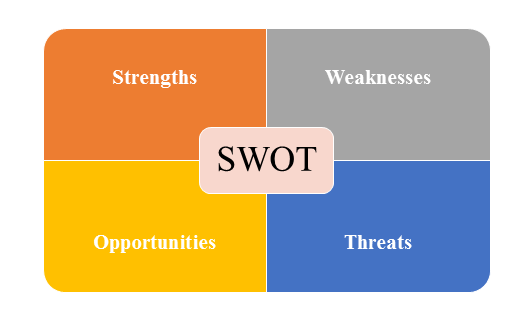
- Strengths describe what the player excels at and separates it from the competition
- Weaknesses stop the player from performing at its optimum level.
- Opportunities refer to favorable external factors that the player can use to give it a competitive advantage.
- Threats refer to factors that have the potential to harm the player.
- Data Sources
| Primary Sources | Secondary Sources |
|---|---|
| Face to face/Phone Interviews with market participants, such as: Manufactures; Distributors; End-users; Experts. Online Survey |
Government/International Organization Data: Annual Report/Presentation/Fact Book Internet Source Information Industry Association Data Free/Purchased Database Market Research Report Book/Journal/News |