Tungsten Oxide Market Summary: 2026-2031 Size, Trade Shifts & Application Outlook
- Single User License (1 Users) $ 3,500
- Team License (2~5 Users) $ 4,500
- Corporate License (>5 Users) $ 5,500
Product and Industry Overview
Tungsten Oxide serves as a foundational intermediate powder within the global tungsten hydrometallurgical and deep-processing ecosystem, functioning as the strategic operational link between upstream Ammonium Paratungstate (APT) and downstream metallic tungsten products, cemented carbides, and advanced specialty materials. Classified under non-ferrous metal smelting and rolling as both a tungsten chemical intermediate and an inorganic non-metallic material, Tungsten Oxide sits at the commercial intersection of traditional heavy engineering and high-growth clean-technology industries.
In 2026, the global Tungsten Oxide market is estimated at USD 0.68 billion to USD 1.43 billion, with projected expansion at a compound annual growth rate (CAGR) of 4.4% to 9.2% through 2031. This wide valuation and growth band reflects the dual structural forces reshaping the industry: acute price volatility triggered by geopolitical trade controls across primary tungsten intermediates, and surging high-margin commercialization of specialty oxide grades in fast-charging batteries, hydrogen energy, emission catalysts, and smart architectural glazing.
Global production capacity remains deeply asymmetric. China accounts for the vast majority of worldwide Tungsten Oxide manufacturing volume across mainstream industrial grades, whereas European and North American operators concentrate heavily on value-added specialty powders, strict regulatory compliance, and closed-loop secondary tungsten scrap recovery. Between late 2024 and 2026, this geographic concentration catalyzed an unprecedented reorganization of international trade flows. Following late 2024 tariff increases under U.S. Section 301(b) provisions raising duties up to 50% on targeted Chinese tungsten imports, China enacted new export controls on specific tungsten products in February 2025. The resulting supply tightness drove sharp price surges across global primary tungsten and oxide markets, elevating supply-chain sovereignty, green smelting, and secondary scrap recycling to boardroom priorities for multinational OEMs and hardmetal producers.
Regional Market Analysis
Regional demand trajectories and capital allocation across the global Tungsten Oxide landscape reflect stark divergences in domestic mineral endowments, manufacturing specialization, and industrial security policy.
Asia-Pacific (Estimated CAGR: 4.8% - 9.5%): Asia-Pacific stands as both the overwhelming production heartland and largest volume consumer of Tungsten Oxide globally. China anchors the vast majority of global calcination capacity, feeding an expansive domestic base of cemented carbide toolmakers, coal-fired power station denitration catalyst manufacturers, and lithium-ion battery supply chains. Following the February 2025 export restrictions, leading Chinese tungsten groups are accelerating international circular-economy hubs to serve overseas customers—exemplified by Xiamen Tungsten commissioning a 1,500-ton-per-year Tungsten Oxide scrap recycling facility in South Korea in 2025. Japan and South Korea sustain intense, specification-driven consumption across precision CNC cutting tools, micro-drills, semiconductor components, and next-generation electric vehicle battery materials. Taiwan, China represents a high-value demand hub concentrated in electronics micro-machining, printed circuit board tooling, and specialty functional coatings, while Vietnam serves as a pivotal non-Chinese primary tungsten processing base supplying allied global buyers.
North America (Estimated CAGR: 5.0% - 9.8%): North America exhibits the strongest policy-driven expansion momentum, underpinned by aerospace production recovery, defense modernization, domestic industrial reshoring, and clean-building innovation. In the United States, the imposition of Section 301 tariffs up to 50% on select Chinese tungsten products in late 2024 accelerated urgent procurement shifts toward domestically processed and allied Tungsten Oxide supply. Federal capital under U.S. Defense Production Act Title III is directly funding mine-to-intermediate tungsten projects in Nevada in the United States alongside New Brunswick and Yukon in Canada. Further reinforcing ex-China feedstock security, the October 2025 announcement of a U.S.-Kazakhstan joint venture to co-develop large-scale tungsten mineral deposits lays groundwork for long-term allied supply. Beyond hardmetals and refining catalysts, the United States leads global commercial adoption of Tungsten Oxide electrochromic coatings across energy-efficient architectural smart glass and dimmable commercial aircraft windows, including widebody jets such as the Boeing 787. Mexico adds steady downstream demand through expanding nearshored automotive and industrial machining networks.
Europe (Estimated CAGR: 4.0% - 8.2%): Europe operates as a mature, precision-driven market led by Germany, Austria, Sweden, France, and the United Kingdom. Consumption is anchored by high-end automotive engineering, civil aviation, underground mining machinery OEMs, stringent diesel exhaust selective catalytic reduction (SCR) emission mandates, and building-envelope energy efficiency codes supporting smart glazing. With limited domestic primary tungsten mining outside Austria, European producers are investing aggressively in circular tungsten metallurgy—underscored by Mitsubishi Materials Corporation's EUR 50 million investment announced on July 31, 2026 to expand tungsten recycling capacity at H.C. Starck Tungsten Powders in Goslar, Germany. Strict European REACH registration thresholds further insulate compliant local recyclers and audited global suppliers from lower-tier spot imports.
South America (Estimated CAGR: 3.8% - 7.5%): Market growth across South America is driven primarily by resource extraction intensity and industrial wear-part replacement rather than local oxide conversion. Brazil, Chile, and Peru represent the principal consuming nations, where world-scale copper, iron ore, gold, and lithium mining operations generate sustained pull-through demand for Tungsten Oxide-derived tungsten carbide rock-drilling bits, tunneling cutters, and crushing wear liners. Brazil additionally supports incremental specialty demand across its aerospace, automotive manufacturing, and ceramic industries. Given minimal regional calcination capacity, South American end-users remain heavily exposed to global tungsten intermediate pricing and imported carbide tooling costs.
Middle East and Africa (Estimated CAGR: 4.2% - 8.4%): Demand across the Middle East and Africa (MEA) is propelled by downstream hydrocarbon refining expansion, upstream oilfield drilling, and heavy mineral excavation. In the Middle East, Saudi Arabia and the United Arab Emirates drive reliable consumption of Tungsten Oxide-based hydrodesulfurization and hydrocracking catalysts supporting stricter fuel-sulfur regulations, alongside wear-resistant tungsten carbide drill bits. Rapid commercial real estate and sustainable urban mega-developments across Gulf states are also fostering emerging demand for solar-control electrochromic smart glass. Across Africa, South Africa and major Sub-Saharan mining jurisdictions provide steady baseline replacement demand for hardmetal excavation tooling.
Market Segmentation Analysis
Commercial value creation in the Tungsten Oxide market spans two tightly interlinked dimensions: product grade differentiation (By Type) and industrial end-use pathways (By Application). As downstream tolerances narrow and clean-energy applications mature, revenue growth is progressively tilting toward engineered specialty grades.
By Type:
Blue Tungsten Oxide: Functioning as the primary commercial workhorse of global tungsten powder metallurgy, Blue Tungsten Oxide is the most widely consumed industrial intermediate grade. Valued for its heightened operational reactivity during downstream furnace reduction, it serves as the mainstream precursor for manufacturing doped tungsten wire as well as coarse- and medium-grain tungsten carbide powders deployed in mining, construction, and heavy metalworking tools.
Yellow Tungsten Oxide: Representing the fully oxidized, stable commercial grade, Yellow Tungsten Oxide maintains dependable volume demand in conventional tungsten metal powder reduction. Beyond metallurgical conversion, it holds a durable commercial niche in ceramic colorants, specialty inorganic pigments, and standard industrial catalytic formulations.
Others (Purple Tungsten Oxide and Brown Tungsten Oxide): Purple Tungsten Oxide stands out as the premier high-margin growth segment across the entire Tungsten Oxide portfolio. Engineered with high internal porosity and superior gas permeability during hydrogen reduction, Purple Tungsten Oxide is the gold-standard precursor for ultrafine and nanoscale tungsten metal and tungsten carbide powders required in precision micro-drills and aerospace-grade cutting inserts. Simultaneously, its strong electronic performance has unlocked rapid commercial adoption as an anode dopant and protective coating in high-rate lithium-ion batteries—markedly improving fast-charging speed and low-temperature operation—while establishing strong momentum as a durable catalyst support in hydrogen fuel cells. Brown Tungsten Oxide serves a much smaller, specialized industrial niche within lower-oxidation metallurgical processing.
By Application:
Tungsten Carbide Powder: Representing the dominant tonnage engine of the global market, Tungsten Oxide is reduced in hydrogen furnaces and carburized into tungsten carbide powder—the core building block of cemented carbides, commonly known as the "industrial teeth" of modern manufacturing. Cemented carbides are irreplaceable in high-speed CNC metal-cutting inserts, mining rock-drilling tools, oilfield downhole equipment, and wear-resistant forming dies. Sustained global machining demand for tough aerospace superalloys, electric vehicle components, and deep mineral deposits anchors long-term replacement cycles.
Tungsten Metal Powders: Direct hydrogen reduction of Tungsten Oxide produces pure tungsten metal powders fabricated into heavy tungsten alloys, tungsten wire, electrical contacts, aerospace engine components and structural counterweights, defense kinetic penetrators, medical radiation shielding, X-ray targets, and advanced semiconductor metallization components.
Coating: A fast-expanding, value-intensive segment centered on electrochromic thin films capable of reversibly shifting between transparent and deep blue states under minimal electrical voltage. Commercialized across energy-saving architectural smart windows and dimmable commercial aircraft cabin windows (such as those deployed on the Boeing 787), this application tier also includes functional protective coatings for next-generation battery electrodes and specialized industrial wear-resistant surfaces.
Others: Encompasses vital environmental, chemical, and clean-energy applications. Tungsten Oxide plays an indispensable role in petrochemical hydrodesulfurization catalysts and selective catalytic reduction (SCR) denitration catalysts controlling nitrogen oxide emissions from coal-fired power plants and heavy-duty diesel vehicles. In parallel, this segment captures accelerating uptake in lithium-ion battery anode doping, hydrogen fuel cell catalyst carriers, gas-sensing electronics, and technical ceramic pigments.
Industry Chain and Value Chain Analysis
The global Tungsten Oxide value chain bridges geographically concentrated upstream mineral extraction with precision-engineered powder metallurgy and advanced functional materials manufacturing.
Upstream Raw Material and Precursor Sourcing: Upstream supply originates from primary tungsten concentrate mining converted via hydrometallurgy into Ammonium Paratungstate (APT), increasingly supplemented by secondary tungsten scrap recovery from spent cemented carbide inserts, grinding sludges, and worn drilling tools. Tight Chinese mining quotas, declining ore grades, and lengthy greenfield mine permitting outside Asia have transformed closed-loop tungsten scrap collection into a decisive upstream strategic asset.
Midstream Controlled Calcination and Compliance Engineering: Midstream conversion transforms APT into specific Tungsten Oxide grades through precisely regulated rotary-kiln or pusher-furnace calcination. Tight control over thermal profiles, furnace atmospheres, and residence times determines whether production yields Yellow, Blue, or Purple Tungsten Oxide, directly dictating downstream powder uniformity. Competitive barriers at this stage include strict trace-impurity elimination, batch-to-batch consistency, energy efficiency, and regulatory qualification—especially comprehensive health and environmental toxicological registration required for European REACH compliance.
Downstream Metallurgy, Coating, and End-Use Channels: Downstream processors reduce Tungsten Oxide into pure metal and carbide powders for hardmetal sintering, or channel ultra-pure specialty grades into electrochromic glazing coaters, SCR and refinery catalyst manufacturers, and battery material formulators. Commercial channels blend direct multi-year OEM qualification contracts across aerospace, defense, automotive, and refining industries with broad industrial tooling distribution networks.
Value Distribution and Core Bottlenecks: Margin profiles across the value chain are distinctly bimodal. Standard Yellow and Blue Tungsten Oxide conversion historically endures narrow processing spreads vulnerable to APT price swings. Conversely, superior profitability concentrates in ultrafine-ready Purple Tungsten Oxide, battery and electrochromic specialty grades, and verified ex-China recycled oxides fulfilling strict Western trade and REACH compliance standards. Structural bottlenecks include constrained non-Chinese APT supply, rising cross-border chemical compliance costs, and technical complexities in maintaining tight specialty oxide uniformity when scaling mixed secondary scrap feedstocks.
Competitive Landscape and Key Players
The global Tungsten Oxide competitive arena is characterized by structural bifurcation between deeply integrated, high-scale Chinese tungsten groups and a revitalized alliance of European, Japanese, North American, and Vietnamese specialty processors expanding closed-loop recycling and allied regional capacity.
H.C. Starck and Japan New Material: H.C. Starck entered a new strategic era on December 18, 2024, when Mitsubishi Materials Corporation Group finalized the 100% acquisition of H.C. Starck Holding (Germany) GmbH from Masan High-Tech Materials for an equity purchase price of USD 134.5 million. Reinforcing its European circular-economy platform, Mitsubishi Materials announced a EUR 50 million investment on July 31, 2026 to expand tungsten recycling capacity at H.C. Starck Tungsten Powders in Goslar, Germany, cementing its status as a premier supplier of sustainable, European-recovered specialty Tungsten Oxides and powders. In Japan, Japan New Material serves as a core domestic manufacturer of high-precision tungsten oxides and metal powders supporting Japan's advanced machine tool, automotive, and electronics sectors.
Wolfram Bergbau und Hütten AG and Global Tungsten & Powders (GTP): These two Western industry anchors provide essential regional supply resilience. Austria-based Wolfram Bergbau und Hütten AG combines European primary tungsten mining with advanced hydrometallurgy, closed-loop scrap recovery, and high-specification Tungsten Oxide and carbide powder production, delivering traceable, REACH-compliant supply across Europe. In North America, Global Tungsten & Powders (GTP) operates as a pivotal U.S.-based converter specializing in Tungsten Oxide, high-purity tungsten powders, and carbide recycling, serving defense, aerospace, and precision tooling buyers navigating tariff barriers on Asian imports.
Xiamen Tungsten and China Tungsten and Hightech Materials Co Ltd: Leading China's vertically integrated tungsten ecosystem, both enterprises integrate upstream mineral access, massive APT-to-oxide calcination scale, and globally competitive downstream cemented carbide businesses. Demonstrating agile global adaptation and circular leadership, Xiamen Tungsten commissioned its South Korea tungsten scrap recycling facility in 2025 with an annual capacity of 1,500 tons of Tungsten Oxide, expanding its ex-China footprint while advancing green smelting and full-chain recycling aligned with European REACH mandates.
Jiangxi Tungsten Holding Group Company Limited, Zhangyuan Tungsten, Guangdong Xianglu, and Jiangxi Yaosheng: Collectively anchoring southern China's premier tungsten industrial belt, this group delivers both scale efficiency and specialized metallurgical depth. Jiangxi Tungsten Holding Group Company Limited and Zhangyuan Tungsten leverage substantial upstream resource integration to ensure reliable, cost-competitive supply of Blue, Yellow, and Purple Tungsten Oxides across market cycles. Guangdong Xianglu and Jiangxi Yaosheng focus on agile intermediate-to-powder integration, tailoring specialty oxides for high-performance cemented carbide tools and wear-resistant industrial components.
Masan High-Tech Materials Corporation: Operating Vietnam's flagship vertically integrated primary tungsten complex, Masan High-Tech Materials remains a critical ex-China source of primary tungsten intermediates and oxides. Following the December 2024 divestment of H.C. Starck for USD 134.5 million, the company has sharpened operational focus on its core Vietnamese resource platform and long-term supply partnerships with global industrial consumers seeking geographic diversification.
Market Opportunities and Challenges
Over the 2026-2031 planning horizon, Tungsten Oxide producers and industrial buyers must balance high-growth emerging applications against complex geopolitical, regulatory, and cost pressures.
Key Market Opportunities:
High-Margin Expansion in Clean Mobility and Energy Storage: Rapid commercialization of Purple Tungsten Oxide as a fast-charging, cold-weather lithium-ion battery anode dopant and hydrogen fuel cell catalyst carrier unlocks a structurally expanding, high-value demand stream beyond cyclical metalworking tools.
Architectural Decarbonization and Emission Control Regulation: Stricter global green-building energy standards, airline fleet modernization (such as dimmable aircraft cabin windows), and tighter power-plant and diesel nitrogen-oxide regulations sustain resilient multi-year demand for electrochromic Tungsten Oxide coatings and SCR catalysts.
Sovereign-Backed Western Supply Chain Revitalization: Direct funding under U.S. Defense Production Act Title III across Nevada, New Brunswick, and Yukon—paired with bilateral strategic resource initiatives such as the October 2025 U.S.-Kazakhstan tungsten joint venture—significantly reduces investment hurdles for allied ex-China oxide capacity.
Circular Economy Differentiation: Scaling closed-loop tungsten scrap recycling insulates converters from primary concentrate shortages while fulfilling corporate decarbonization and traceable sourcing mandates.
Structural Market Challenges:
Escalating Geopolitical Trade Fragmentation: Overlapping Section 301 tariffs up to 50% in the United States and China's February 2025 export controls have disrupted established trade corridors, increasing customs friction, working capital strain, and regional pricing divergence.
Stringent Regulatory and Environmental Entry Barriers: Rigorous European REACH registration protocols requiring exhaustive health and environmental toxicological assessments elevate compliance expenditures and exclude undercapitalized exporters from high-margin European markets.
Upstream Price Volatility and Substitution Exposure: Sharp price spikes across primary tungsten intermediates squeeze hardmetal and catalyst producer margins, raising the risk of partial material substitution toward technical ceramics or cermets in price-sensitive cutting tools and alternative catalyst formulations in select cost-constrained emission systems.
1.1 Study Scope ...... 1
1.2 Research Methodology ...... 2
1.2.1 Data Sources ...... 3
1.2.2 Assumptions ...... 4
1.3 Abbreviations and Acronyms ...... 5
Chapter 2 Global Tungsten Oxide Market Environment and Geopolitical Dynamics ...... 6
2.1 Global Industrial Manufacturing and Advanced Metallurgy Environment ...... 6
2.2 Middle East Geopolitical Conflict and Cascading Supply Chain Disruptions ...... 7
2.2.1 Red Sea Shipping Route Disruptions and Maritime Freight Rate Surges ...... 8
2.2.2 Industrial Natural Gas, Electricity and Chemical Reagent Cost Inflation ...... 9
2.2.3 Strategic Raw Material Protectionism and Supply Chain Regionalization ...... 10
2.3 Critical Mineral Security Strategies and Export Regulatory Frameworks ...... 11
Chapter 3 Tungsten Oxide Industry Chain, Calcination Technologies and Patent Landscape ...... 12
3.1 Tungsten Oxide Industry Chain Structure and Value Addition Flow ...... 12
3.2 Upstream Feedstock Dynamics: Ammonium Paratungstate (APT) and Scrap Feedstock ...... 13
3.3 Tungsten Oxide Thermal Decomposition and Manufacturing Processes ...... 14
3.3.1 Rotary Kiln Calcination and Mild Reduction Processes for Blue Tungsten Oxide (BTO) ...... 15
3.3.2 Oxidative Roasting and Atmospheric Crystallization for Yellow Tungsten Oxide (YTO) ...... 16
3.4 Global Tungsten Oxide Patent Filings, Technological Innovations and Kiln Modernization ...... 17
Chapter 4 Global Tungsten Oxide Market by Type ...... 18
4.1 Product Specification and Stoichiometric Characteristics ...... 18
4.2 Blue Tungsten Oxide (BTO) ...... 19
4.2.1 Global Production Capacity, Smelter Output and Utilization (2021-2026) ...... 20
4.2.2 Market Value and Volume Growth Projections (2027-2031) ...... 21
4.3 Yellow Tungsten Oxide (YTO) ...... 22
4.3.1 Production Volume and Market Size Analysis (2021-2026) ...... 22
4.3.2 Market Value and Growth Projections (2027-2031) ...... 23
4.4 Other Types (Violet Tungsten Oxide and High-Purity Ultrafine Tungsten Oxide) ...... 23
Chapter 5 Global Tungsten Oxide Market by Application ...... 24
5.1 Application Structure and Downstream Conversion Dynamics ...... 24
5.2 Tungsten Metal Powders ...... 25
5.3 Tungsten Carbide Powder (Cemented Carbides, Mining Tools and Wear-Resistant Parts) ...... 26
5.4 Coating (Thermal Spray Coatings, Electrochromic Smart Windows and Optical Films) ...... 28
5.5 Other Applications (SCR Denitrification Catalysts, Energy Storage and Pigments) ...... 29
5.6 Application Demand Comparison and Market Share Evolution (2021-2031) ...... 30
Chapter 6 Global Tungsten Oxide Production, Capacity and Facility Utilization ...... 32
6.1 Global Tungsten Oxide Production Capacity, Output and Utilization Rates (2021-2026) ...... 32
6.2 Regional Production Infrastructure and Smelter Layout ...... 33
6.2.1 China Smelting and Calcination Capacities ...... 34
6.2.2 Asia-Pacific (Excl. China) Processing Facilities ...... 35
6.2.3 North America Industrial Processing Footprint ...... 36
6.2.4 Europe Calcination Capacities and Closed-Loop Recycling Input ...... 37
6.2.5 Latin America, Middle East and Africa Regional Overview ...... 38
Chapter 7 Global Tungsten Oxide Consumption and Market Size by Region ...... 39
7.1 Global Tungsten Oxide Consumption Volume and Market Size (2021-2031) ...... 39
7.2 North America ...... 40
7.2.1 United States ...... 41
7.2.2 Canada and Mexico ...... 42
7.3 Europe ...... 43
7.3.1 Germany, Austria and United Kingdom ...... 44
7.3.2 Rest of Europe ...... 44
7.4 Asia-Pacific ...... 45
7.4.1 China, Japan and South Korea ...... 46
7.4.2 Southeast Asia and Rest of Asia-Pacific ...... 47
Chapter 8 Global Tungsten Oxide International Trade and Logistics ...... 48
8.1 Global Trade Corridors, Export Controls and Logistics Distribution ...... 48
8.2 Major Exporting Countries/Regions and Volume Trends (2021-2026) ...... 49
8.3 Major Importing Countries/Regions and Inbound Logistics (2021-2026) ...... 50
8.4 Tariff Barriers, Strategic Stockpiling Policies and Trade Sanction Exposures ...... 51
8.5 Freight Cost Volatility, Lead Times and Supply Chain Resilience ...... 52
Chapter 9 Industry Dynamics, Environmental Regulations and Pricing Structure ...... 53
9.1 Market Growth Drivers: Hard Metals, Clean Energy and Functional Coating Demands ...... 53
9.2 Industry Restraints, Environmental Compliance and Carbon Emission Standards ...... 54
9.3 Global Tungsten Pricing Mechanism and Historical Price Trends (2021-2026) ...... 55
9.4 Production Cost Analysis (Feedstock APT, Thermal Energy, Ammonia Recovery and Labor) ...... 56
Chapter 10 Competitive Landscape and Market Concentration ...... 57
10.1 Global Market Concentration Ratio (CR3, CR5 and CR10) (2021-2026) ...... 57
10.2 Leading Producers Smelting Matrix and Competitive Benchmarking ...... 58
10.3 Mergers, Corporate Restructuring and Strategic Upstream Partnerships ...... 59
Chapter 11 Key Player Profiles ...... 60
11.1 H.C. Starck ...... 60
11.1.1 Company Overview and Tungsten Metallurgy Footprint ...... 60
11.1.2 Tungsten Oxide Operational Data Analysis (2021-2026) ...... 61
11.1.3 SWOT Analysis ...... 62
11.1.4 Circular Metallurgy and High-Performance Powder Strategy ...... 63
11.2 Global Tungsten & Powders (GTP) ...... 64
11.2.1 Company Overview and Product Portfolio ...... 64
11.2.2 Tungsten Oxide Operational Data Analysis (2021-2026) ...... 65
11.2.3 SWOT Analysis ...... 66
11.2.4 Supply Chain Integration and North American Production Upgrades ...... 67
11.3 China Tungsten and Hightech Materials Co Ltd ...... 68
11.3.1 Company Overview and Resource Integration ...... 68
11.3.2 Tungsten Oxide Operational Data Analysis (2021-2026) ...... 69
11.3.3 SWOT Analysis ...... 71
11.3.4 Production Scale Optimization and Downstream Carbide Linkage ...... 72
11.4 Xiamen Tungsten ...... 73
11.4.1 Company Overview and Industrial Standing ...... 73
11.4.2 Tungsten Oxide Operational Data Analysis (2021-2026) ...... 74
11.4.3 SWOT Analysis ...... 76
11.4.4 Kiln Technology Upgrades and Specialized Material Innovation ...... 77
11.5 Guangdong Xianglu ...... 78
11.5.1 Company Overview and Smelting Infrastructure ...... 78
11.5.2 Tungsten Oxide Operational Data Analysis (2021-2026) ...... 79
11.5.3 SWOT Analysis ...... 80
11.5.4 Advanced Calcination Capabilities and Market Expansion ...... 81
11.6 Zhangyuan Tungsten ...... 82
11.6.1 Company Overview and Mining Asset Profile ...... 82
11.6.2 Tungsten Oxide Operational Data Analysis (2021-2026) ...... 83
11.6.3 SWOT Analysis ...... 84
11.6.4 High-Purity Oxide Development and Vertical Integration ...... 85
11.7 Jiangxi Tungsten Holding Group Company Limited ...... 86
11.7.1 Company Overview and Mineral Asset Base ...... 86
11.7.2 Tungsten Oxide Operational Data Analysis (2021-2026) ...... 87
11.7.3 SWOT Analysis ...... 88
11.7.4 Green Manufacturing Transition and Smelting Efficiency Upgrades ...... 89
11.8 Wolfram Bergbau und Hütten AG ...... 90
11.8.1 Company Overview and Refining Footprint ...... 90
11.8.2 Tungsten Oxide Operational Data Analysis (2021-2026) ...... 91
11.8.3 SWOT Analysis ...... 92
11.8.4 Closed-Loop Scrap Recycling and European Market Positioning ...... 93
11.9 Japan New Material ...... 94
11.9.1 Company Overview and Advanced Materials Division ...... 94
11.9.2 Tungsten Oxide Operational Data Analysis (2021-2026) ...... 95
11.9.3 SWOT Analysis and Niche Powder Specialization ...... 96
11.10 Jiangxi Yaosheng ...... 97
11.10.1 Company Overview and Smelting Capacity ...... 97
11.10.2 Tungsten Oxide Operational Data Analysis (2021-2026) ...... 98
11.10.3 SWOT Analysis and Growth Outlook ...... 99
11.11 Masan High-Tech Materials Corporation ...... 100
11.10.1 Company Overview and Global Resource Presence ...... 100
11.11.2 Tungsten Oxide Operational Data Analysis (2021-2026) ...... 101
11.11.3 SWOT Analysis ...... 102
11.11.4 Industrial Scaling and International Marketing Development ...... 103
Chapter 12 Global Tungsten Oxide Market Forecast and Strategic Development ...... 104
12.1 Global Smelting Capacity, Production and Consumption Forecast (2027-2031) ...... 104
12.2 Global Market Revenue and Growth Projections by Segment (2027-2031) ...... 105
12.3 Regional Market Opportunities and Strategic Expansion Hubs ...... 106
12.4 Strategic Roadmaps for Smelters and Downstream Powder Manufacturers ...... 107
12.5 Supply Chain Security and Geopolitical Risk Mitigation Frameworks ...... 108
12.6 Emerging Functional Oxide Niches and Overall Industry Summary ...... 109
Table 2 Geopolitical Conflict in the Middle East: Smelting Impact and Logistics Disruption Matrix ...... 8
Table 3 Industrial Comparison of Tungsten Oxide Smelting Routes and Calcination Conditions ...... 14
Table 4 Comparative Parameters Between Rotary Kiln and Fluidized Bed Calcination for BTO and YTO ...... 16
Table 5 Global Tungsten Oxide Production by Type (2021-2026) ...... 19
Table 6 Global Tungsten Oxide Production Forecast by Type (2027-2031) ...... 21
Table 7 Global Tungsten Oxide Market Size by Type (2021-2026) ...... 22
Table 8 Global Tungsten Oxide Market Size Forecast by Type (2027-2031) ...... 23
Table 9 Global Tungsten Oxide Consumption Volume by Application (2021-2026) ...... 24
Table 10 Global Tungsten Oxide Consumption Volume Forecast by Application (2027-2031) ...... 29
Table 11 Global Tungsten Oxide Market Size by Application (2021-2026) ...... 30
Table 12 Global Tungsten Oxide Smelting Capacity and Utilization Rate by Region (2021-2026) ...... 32
Table 13 Global Tungsten Oxide Production by Region (2021-2026) ...... 33
Table 14 Global Tungsten Oxide Production Forecast by Region (2027-2031) ...... 38
Table 15 Global Tungsten Oxide Consumption Volume by Region (2021-2026) ...... 39
Table 16 Global Tungsten Oxide Consumption Volume Forecast by Region (2027-2031) ...... 40
Table 17 North America Tungsten Oxide Consumption Volume by Country (2021-2026) ...... 41
Table 18 Europe Tungsten Oxide Consumption Volume by Country/Region (2021-2026) ...... 43
Table 19 Asia-Pacific Tungsten Oxide Consumption Volume by Country/Region (2021-2026) ...... 45
Table 20 Major Global Tungsten Oxide Exporting Countries/Regions by Volume (2021-2026) ...... 49
Table 21 Major Global Tungsten Oxide Importing Countries/Regions by Volume (2021-2026) ...... 50
Table 22 Tariff Schedules and Regulatory Export Restraints Across Major Trading Hubs ...... 51
Table 23 Comprehensive Drivers and Restraints Analysis for the Tungsten Oxide Market ...... 53
Table 24 Smelting Cost Breakdown for Primary Tungsten Oxide Production ...... 56
Table 25 Global Tungsten Oxide Market Share Ranking of Leading Producers (2026) ...... 57
Table 26 Recent Mergers, Acquisitions and Mining-Smelting Asset Consolidations ...... 59
Table 27 H.C. Starck Tungsten Oxide Capacity, Production, Price, Cost and Gross Profit Margin (2021-2026) ...... 61
Table 28 Global Tungsten & Powders (GTP) Tungsten Oxide Capacity, Production, Price, Cost and Gross Profit Margin (2021-2026) ...... 65
Table 29 China Tungsten and Hightech Materials Co Ltd Tungsten Oxide Capacity, Production, Price, Cost and Gross Profit Margin (2021-2026) ...... 69
Table 30 Xiamen Tungsten Tungsten Oxide Capacity, Production, Price, Cost and Gross Profit Margin (2021-2026) ...... 74
Table 31 Guangdong Xianglu Tungsten Oxide Capacity, Production, Price, Cost and Gross Profit Margin (2021-2026) ...... 79
Table 32 Zhangyuan Tungsten Tungsten Oxide Capacity, Production, Price, Cost and Gross Profit Margin (2021-2026) ...... 83
Table 33 Jiangxi Tungsten Holding Group Company Limited Tungsten Oxide Capacity, Production, Price, Cost and Gross Profit Margin (2021-2026) ...... 87
Table 34 Wolfram Bergbau und Hütten AG Tungsten Oxide Capacity, Production, Price, Cost and Gross Profit Margin (2021-2026) ...... 91
Table 35 Japan New Material Tungsten Oxide Capacity, Production, Price, Cost and Gross Profit Margin (2021-2026) ...... 95
Table 36 Jiangxi Yaosheng Tungsten Oxide Capacity, Production, Price, Cost and Gross Profit Margin (2021-2026) ...... 98
Table 37 Masan High-Tech Materials Corporation Tungsten Oxide Capacity, Production, Price, Cost and Gross Profit Margin (2021-2026) ...... 101
Table 38 Global Tungsten Oxide Capacity, Production and Consumption Summary (2027-2031) ...... 104
Table 39 Global Tungsten Oxide Market Value and Growth Rate Forecast by Segment (2027-2031) ...... 105
Figure 1 Energy Benchmark Prices and Reagent Inflation Influencing Calcination Operations (2021-2026) ...... 9
Figure 2 International Supply Chain Routing Shifts in Strategic Tungsten Intermediate Materials ...... 10
Figure 3 Tungsten Oxide Industry Value Chain and Downstream Processing Flow ...... 12
Figure 4 Global Tungsten Oxide Patent Filings and Technology Innovation Trends (2021-2026) ...... 17
Figure 5 Global Tungsten Oxide Production Breakdown by Type in 2026 ...... 20
Figure 6 Global Tungsten Oxide Market Revenue Growth Trend by Type (2021-2031) ...... 23
Figure 7 Global Tungsten Oxide Consumption Share by Application in 2026 ...... 25
Figure 8 Global Tungsten Oxide Consumption in Tungsten Carbide Powder Applications (2021-2031) ...... 27
Figure 9 Global Tungsten Oxide Market Size Forecast by Application (2021-2031) ...... 31
Figure 10 Global Tungsten Oxide Smelting Capacity Utilization Rate Trends (2021-2026) ...... 33
Figure 11 Global Tungsten Oxide Production Breakdown by Region in 2026 ...... 35
Figure 12 Global Tungsten Oxide Consumption Volume Share by Region in 2026 ...... 40
Figure 13 North America Tungsten Oxide Market Size Trend (2021-2031) ...... 42
Figure 14 Europe Tungsten Oxide Market Size Trend (2021-2031) ...... 44
Figure 15 Asia-Pacific Tungsten Oxide Market Size Trend (2021-2031) ...... 46
Figure 16 Global Trade Flow Patterns and Primary Shipping Routes for Tungsten Oxide ...... 48
Figure 17 Ocean Freight Rates and Cross-Border Transit Delays Impacting Tungsten Oxide Deliveries (2021-2026) ...... 52
Figure 18 Historical Global Tungsten Oxide Benchmark Price Fluctuations (2021-2026) ...... 55
Figure 19 Global Average Price Forecast for Blue and Yellow Tungsten Oxide (2027-2031) ...... 56
Figure 20 Global Tungsten Oxide Market Concentration Ratios CR3, CR5 and CR10 (2021-2026) ...... 58
Figure 21 H.C. Starck Tungsten Oxide Market Share (2021-2026) ...... 62
Figure 22 Global Tungsten & Powders (GTP) Tungsten Oxide Market Share (2021-2026) ...... 66
Figure 23 China Tungsten and Hightech Materials Co Ltd Tungsten Oxide Market Share (2021-2026) ...... 70
Figure 24 Xiamen Tungsten Tungsten Oxide Market Share (2021-2026) ...... 75
Figure 25 Guangdong Xianglu Tungsten Oxide Market Share (2021-2026) ...... 80
Figure 26 Zhangyuan Tungsten Tungsten Oxide Market Share (2021-2026) ...... 84
Figure 27 Jiangxi Tungsten Holding Group Company Limited Tungsten Oxide Market Share (2021-2026) ...... 88
Figure 28 Wolfram Bergbau und Hütten AG Tungsten Oxide Market Share (2021-2026) ...... 92
Figure 29 Japan New Material Tungsten Oxide Market Share (2021-2026) ...... 96
Figure 30 Jiangxi Yaosheng Tungsten Oxide Market Share (2021-2026) ...... 99
Figure 31 Masan High-Tech Materials Corporation Tungsten Oxide Market Share (2021-2026) ...... 102
Figure 32 Global Tungsten Oxide Market Size and Volume Trajectory (2021-2031) ...... 106
Figure 33 Raw Material Procurement and Hedging Strategy Model for Tungsten Intermediate Processors ...... 108
Research Methodology
- Market Estimated Methodology:
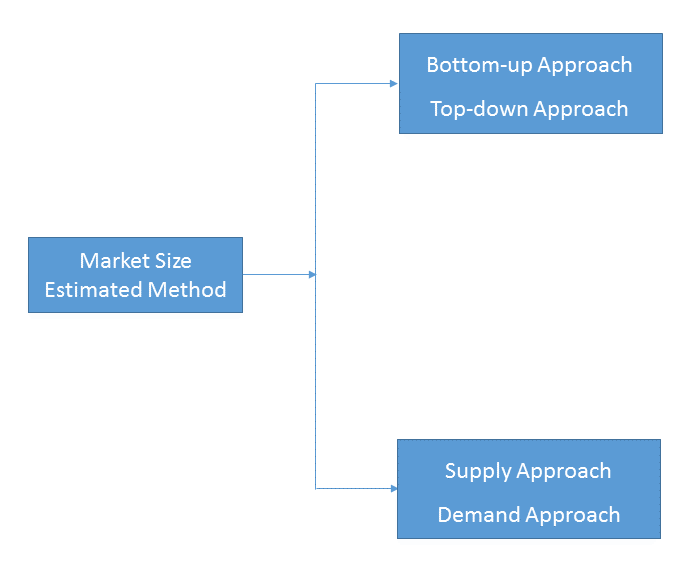
Bottom-up & top-down approach, supply & demand approach are the most important method which is used by HDIN Research to estimate the market size.
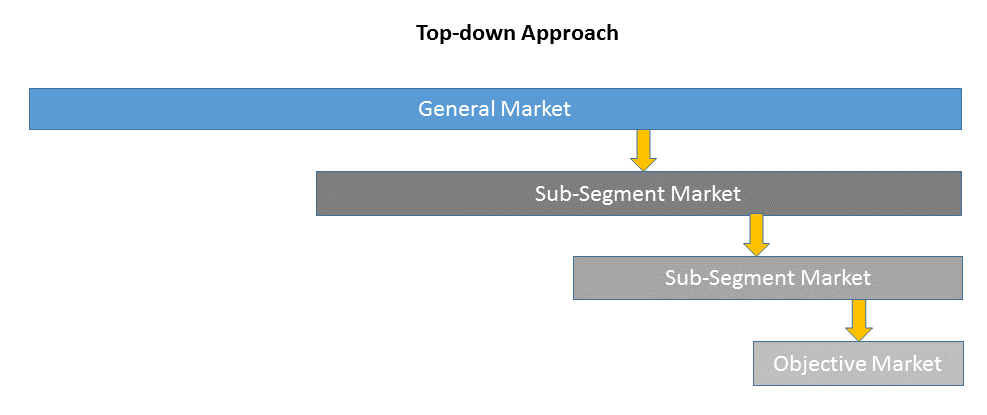
1)Top-down & Bottom-up Approach
Top-down approach uses a general market size figure and determines the percentage that the objective market represents.
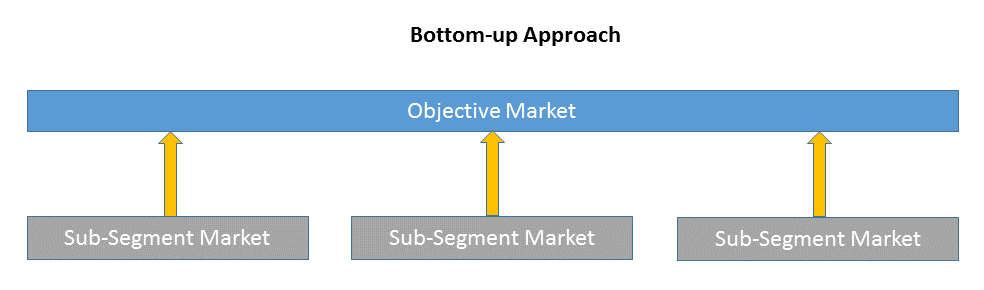
Bottom-up approach size the objective market by collecting the sub-segment information.
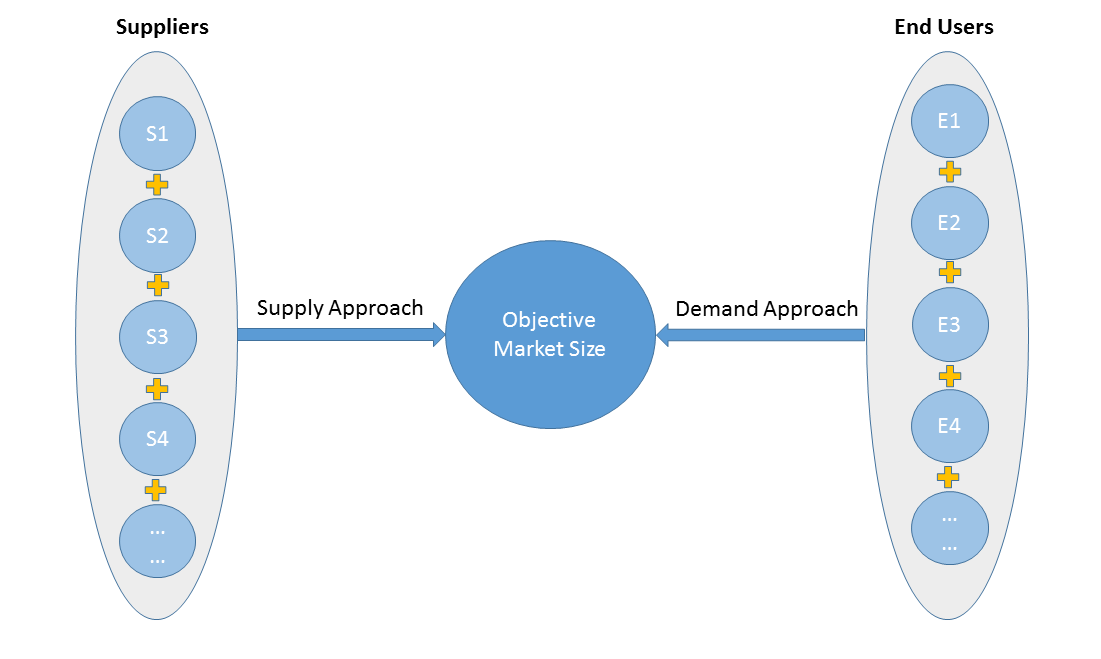
2)Supply & Demand Approach
Supply approach is based on assessments of the size of each competitor supplying the objective market.
Demand approach combine end-user data within a market to estimate the objective market size. It is sometimes referred to as bottom-up approach.
- Forecasting Methodology
- Numerous factors impacting the market trend are considered for forecast model:
- New technology and application in the future;
- New project planned/under contraction;
- Global and regional underlying economic growth;
- Threatens of substitute products;
- Industry expert opinion;
- Policy and Society implication.
- Analysis Tools
1)PEST Analysis
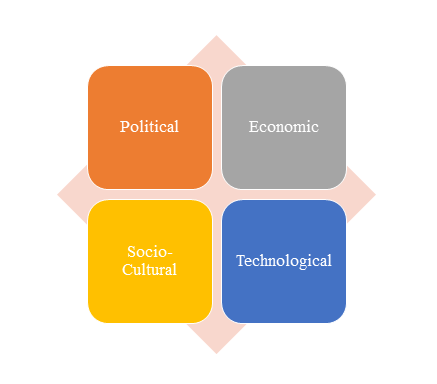
PEST Analysis is a simple and widely used tool that helps our client analyze the Political, Economic, Socio-Cultural, and Technological changes in their business environment.
- Benefits of a PEST analysis:
- It helps you to spot business opportunities, and it gives you advanced warning of significant threats.
- It reveals the direction of change within your business environment. This helps you shape what you’re doing, so that you work with change, rather than against it.
- It helps you avoid starting projects that are likely to fail, for reasons beyond your control.
- It can help you break free of unconscious assumptions when you enter a new country, region, or market; because it helps you develop an objective view of this new environment.
2)Porter’s Five Force Model Analysis
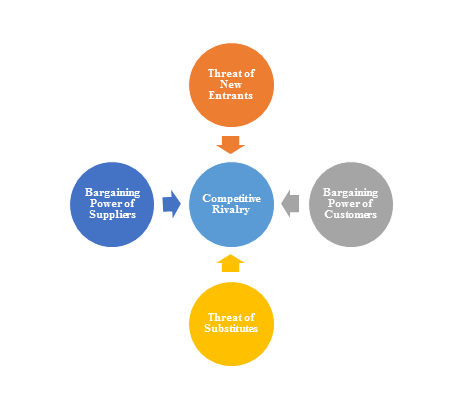
The Porter’s Five Force Model is a tool that can be used to analyze the opportunities and overall competitive advantage. The five forces that can assist in determining the competitive intensity and potential attractiveness within a specific area.
- Threat of New Entrants: Profitable industries that yield high returns will attract new firms.
- Threat of Substitutes: A substitute product uses a different technology to try to solve the same economic need.
- Bargaining Power of Customers: the ability of customers to put the firm under pressure, which also affects the customer's sensitivity to price changes.
- Bargaining Power of Suppliers: Suppliers of raw materials, components, labor, and services (such as expertise) to the firm can be a source of power over the firm when there are few substitutes.
- Competitive Rivalry: For most industries the intensity of competitive rivalry is the major determinant of the competitiveness of the industry.
3)Value Chain Analysis
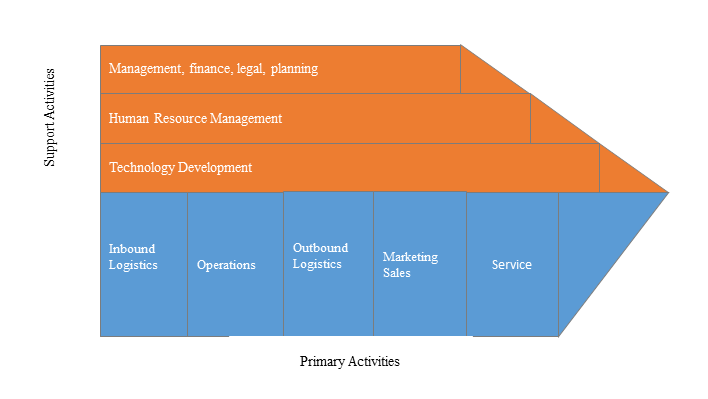
Value chain analysis is a tool to identify activities, within and around the firm and relating these activities to an assessment of competitive strength. Value chain can be analyzed by primary activities and supportive activities. Primary activities include: inbound logistics, operations, outbound logistics, marketing & sales, service. Support activities include: technology development, human resource management, management, finance, legal, planning.
4)SWOT Analysis
SWOT analysis is a tool used to evaluate a company's competitive position by identifying its strengths, weaknesses, opportunities and threats. The strengths and weakness is the inner factor; the opportunities and threats are the external factor. By analyzing the inner and external factors, the analysis can provide the detail information of the position of a player and the characteristics of the industry.
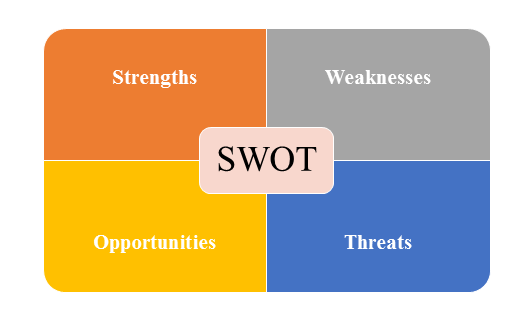
- Strengths describe what the player excels at and separates it from the competition
- Weaknesses stop the player from performing at its optimum level.
- Opportunities refer to favorable external factors that the player can use to give it a competitive advantage.
- Threats refer to factors that have the potential to harm the player.
- Data Sources
| Primary Sources | Secondary Sources |
|---|---|
| Face to face/Phone Interviews with market participants, such as: Manufactures; Distributors; End-users; Experts. Online Survey |
Government/International Organization Data: Annual Report/Presentation/Fact Book Internet Source Information Industry Association Data Free/Purchased Database Market Research Report Book/Journal/News |