Trimethylolpropane Triacrylate (TMPTA) Market Outlook: Strategic Analysis of Radiation-Cured Monomers, Industrial Application Trends, and Global Value Chain Dynamics (2026–2031)
- Single User License (1 Users) $ 3,500
- Team License (2~5 Users) $ 4,500
- Corporate License (>5 Users) $ 5,500
Trimethylolpropane Triacrylate (TMPTA) occupies a critical operational position within the global specialty chemicals architecture, serving as a benchmark trifunctional acrylate monomer across radiation-curable (ultraviolet and electron beam, or UV/EB) formulations. Classified under the fine chemicals sector within specialty acrylic esters, TMPTA is manufactured via the precision esterification of trimethylolpropane (TMP) with acrylic acid. The resulting molecule contains three highly reactive, terminal ethylenically unsaturated acrylic double bonds. Upon exposure to actinic radiation in the presence of appropriate photoinitiators, or via direct electron beam bombardment, these acrylic functionalities undergo rapid free-radical chain-growth polymerization, driving the transition of liquid formulations into solid, crosslinked polymer networks within fractions of a second.
The structural profile of TMPTA provides an optimal balance between solvency behavior and mechanical enhancement. Functioning as a high-efficiency reactive diluent, TMPTA depresses the viscosity of complex oligomeric systems—such as epoxy acrylates, polyurethane acrylates, and polyester acrylates—without necessitating the introduction of volatile organic compounds (VOCs). Concurrently, its trifunctional architecture imparts exceptional crosslink density to cured polymer matrices. This high crosslink density directly correlates with elevated pencil hardness, exceptional scratch and abrasion resistance, superior thermal resistance, and robust barrier properties against aggressive industrial solvents, moisture, and chemical agents.
From a macroeconomic perspective, the global Trimethylolpropane Triacrylate market is valued at an estimated range of USD 60 million to USD 120 million in 2026. Over the strategic forecast period between 2026 and 2031, the market is projected to expand at a compound annual growth rate (CAGR) within the band of 4.8% to 5.5%.
The underlying economic drivers governing this market are intrinsically tied to structural transformations across modern industrial manufacturing. Chief among these is the regulatory-mandated retreat from solvent-borne coatings, inks, and adhesives in favor of 100% solid, zero-VOC radiation-curing platforms. Additionally, the industrial adoption of ultra-fast automated processing lines across packaging, electronics, and automotive manufacturing requires chemistry capable of instantaneous curing at ambient or near-ambient temperatures. While TMPTA faces ongoing technical scrutiny regarding occupational handling, skin sensitization, and regulatory classification, its unmatched balance of reactivity, mechanical hardness, and formulation versatility preserves its status as an indispensable chemical building block across high-performance industrial coatings, graphic arts, additive manufacturing, and electronic packaging.
Regional Market Analysis
North America
The North American market for Trimethylolpropane Triacrylate is defined by advanced regulatory frameworks, high levels of automation across industrial finishing, and a mature graphic arts sector. Over the 2026 to 2031 forecast window, the region is projected to register an estimated growth rate spanning between 4.2% and 5.0%. Demand in the United States represents the dominant commercial volume, supported by strict enforcement of Clean Air Act amendments and localized environmental regulations (such as South Coast Air Quality Management District rules), which continuously push industrial coaters away from solvent-borne finishes.
The region exhibits resilient consumption across the industrial wood finishing sector, where pre-finished parquet, kitchen cabinetry, and architectural moldings demand high-durability UV-cured topcoats formulated with TMPTA. In the automotive arena, Tier-1 suppliers across the Midwest automotive corridor deploy TMPTA-modified clearcoats and interior trim coatings to fulfill demanding scratch, stain, and mar resistance specifications. Canada provides incremental baseline consumption, channeled primarily through graphic packaging conversion facilities and specialized industrial manufacturing hubs in Ontario and Quebec. Across North American supply chains, procurement teams prioritize supply security, regulatory transparency, and the integration of low-irritancy monomer modifications.
Asia-Pacific
The Asia-Pacific region functions as both the primary volume consumption engine and the most dynamic production geography for TMPTA, with an estimated growth rate expanding within the range of 5.4% to 6.3%. This outsized commercial performance is driven by extensive downstream industrial manufacturing, expansive packaging conversion infrastructure, and the continuous migration of global electronics and automotive supply networks into the region. China serves as the dominant structural market, supported by massive internal capacity for upstream feedstock chemicals (acrylic acid and polyols) alongside an immense base of domestic coating, ink, and resin formulators.
Beyond China, other prominent industrial hubs contribute distinct commercial dynamics:
• Japan maintains a sophisticated demand profile centered on ultra-high-purity grades of TMPTA and customized ethoxylated derivatives for semiconductor photoresists, flat-panel optical display films, and precision automotive coatings.
• South Korea exhibits robust consumption across advanced electronics, flexible printed circuit board (PCB) resists, and automotive clearcoat formulations, driven by leading global consumer electronics and vehicle conglomerates.
• India represents a high-growth frontier where rapid urbanization, an expanding middle class, and expanding flexible packaging operations are driving a transition from traditional gravure printing inks toward advanced UV-curable ink systems.
• Taiwan, China remains a vital technological and manufacturing center, with local producers and formulators supplying advanced radiation-cured specialty formulations to the broader Asian electronics, optical substrate, and industrial materials markets.
• Southeast Asian nations, including Vietnam, Thailand, and Indonesia, are absorbing rising volumes of TMPTA as global consumer brands relocate packaging conversion, furniture fabrication, and light industrial manufacturing assets into the ASEAN zone.
Europe
The European TMPTA market is characterized by stringent sustainability directives, rigorous chemical management regulations under REACH, and leading-edge technical development in energy-curable systems. The region is projected to expand at an estimated growth rate of 3.9% to 4.7%. Western European economies, predominantly Germany, France, Italy, and the United Kingdom, command the bulk of industrial consumption. European demand is heavily influenced by the European Green Deal, circular economy roadmaps, and tightening occupational exposure limits.
Consequently, while standard TMPTA remains widely utilized in heavy industrial wood coating and metal container decoration, the European market is at the forefront of adopting chemical modifications. Formulators across the continent frequently specify ethoxylated variants (such as EO-TMPTA) or specialty propoxylated acrylates to lower hazard classifications, suppress skin irritation indices, and meet low-migration criteria for food packaging. Central and Eastern Europe provide supportive growth, driven by localized automotive component production and the expansion of contract printing and packaging converters servicing the broader European single market.
South America
The South American Trimethylolpropane Triacrylate market represents an developing industrial landscape, with an estimated growth rate projected between 3.4% and 4.2%. Regional commercial activity is highly concentrated in Brazil, followed by Argentina and Colombia. Downstream consumption is primarily channeled through the commercial printing, graphic packaging, and localized industrial coating sectors. In Brazil, the packaging sector serves as the primary consumption catalyst, where flexographic and offset UV printing inks are adopted by converters producing labels, folding cartons, and beverage packaging to achieve higher press speeds and superior gloss.
Industrial furniture production in southern Brazil also sustains baseline demand for radiation-cured wood finishes. However, market expansion in South America faces persistent macro hurdles, including foreign exchange fluctuations, import tariff barriers on specialty intermediate chemicals, and uneven technical infrastructure among localized, small-to-mid-sized coating formulators. Despite these constraints, multinational resin and ink producers with local blending footprints continue to drive the steady conversion of traditional solvent-based processes to UV curing.
Middle East and Africa (MEA)
The Middle East and Africa region is positioned for accelerated adoption of radiation-curable technologies, with an estimated growth rate tracking between 4.5% and 5.3%. The GCC countries—particularly Saudi Arabia and the United Arab Emirates—form the nucleus of this regional growth. Under national economic diversification programs, substantial investments are flowing into localized manufacturing, automotive refinish applications, and high-end commercial packaging hubs. The regional shift toward energy-efficient, rapid-cure manufacturing makes UV/EB technology an attractive proposition for new industrial finishing lines.
In Africa, commercial consumption remains concentrated in regional economic centers such as South Africa, Egypt, and Nigeria. Demand is predominantly driven by publication and packaging printing, alongside localized metal decorating applications for food and beverage cans. While the broader African industrial base remains largely dependent on conventional solvent-borne chemistries, ongoing modernization of printing machinery and rising investments by multinational brand owners in sustainable packaging formats provide solid multi-year growth potential.
Market Segmentation Analysis
Packaging
The packaging sector represents the highest-volume end-use category for TMPTA, fundamentally underpinned by the global packaging conversion industry's transition toward radiation-cured inks and overprint varnishes (OPVs). Within high-speed flexographic, offset, and screen printing processes, TMPTA functions as an essential reactive diluent. It dramatically accelerates crosslinking kinetics when the printed web passes beneath UV lamps or electron beam emitters. This instantaneous curing enables packaging printers to operate at maximum press line speeds, prevents ink set-off on downstream rollers, and allows for immediate post-press finishing, cutting, and folding.
Furthermore, TMPTA-infused OPVs impart a high-gloss, premium finish characterized by exceptional scuff resistance, water repellency, and chemical barrier properties against product fill contents. In food and pharmaceutical packaging, standard TMPTA faces regulatory scrutiny regarding the potential migration of low-molecular-weight unreacted monomer fractions through paperboard or plastic films. Consequently, this segment is driving a technical shift toward higher-molecular-weight ethoxylated TMPTA derivatives (e.g., 3-mole ethoxylated TMPTA), which preserve the necessary reactivity and hardness while drastically reducing migration risks and packaging odor profiles.
Automotive
In the automotive market, TMPTA is deployed to satisfy stringent structural specifications regarding mechanical durability, scratch and mar resistance, and chemical resilience against fuels, cleaning solvents, and environmental weathering. The automotive coatings sector incorporates TMPTA primarily into UV-curable topcoats, clearcoats, and specialized finishes for engineered plastics. As automotive manufacturers integrate lightweight thermoplastic polymers (such as polycarbonate, ABS, and polypropylene blends) into exterior panels, headlamp lenses, and interior cockpits, traditional high-temperature thermal baking ovens become non-viable due to thermal substrate distortion.
Radiation-cured formulations containing TMPTA provide a definitive solution by polymerizing instantly at low substrate temperatures. When integrated into clearcoats, TMPTA provides the dense three-dimensional polymeric network required to resist stone-chip impacts, mechanical car-wash brush abrasion, and prolonged exposure to ultraviolet solar radiation. In interior cabin applications, TMPTA formulations ensure that dashboard surfaces, capacitive touchscreens, and decorative door trims maintain aesthetic fidelity without yellowing or suffering degradation from skin oils, hand sanitizers, and cosmetic lotions.
Industrial
The industrial sector encompasses a diverse matrix of heavy-duty finishing and coating applications, with industrial wood and furniture finishing serving as a foundational demand pillar. Factory-applied UV coatings for pre-finished hardwood flooring, luxury vinyl tiles (LVT), engineered boards, and modular office furniture depend on TMPTA to achieve immediate stackability at the end of the finishing line. The resulting cured film provides superior resistance against foot traffic abrasion, impact gouging, household chemical staining, and moisture penetration.
Beyond wood, industrial applications extend to:
• Optical Fiber Coatings: Ultra-pure TMPTA is utilized in UV-curable inner and outer coatings for optical glass fibers, providing mechanical buffering and moisture exclusion critical for long-distance telecommunication reliability.
• Metal Decorating and Coil Coatings: TMPTA-modified systems are applied to metal container packaging (such as aerosol cans, beverage closures, and chemical drums) to provide rapid-curing, formable, and corrosion-resistant protective barriers.
• Plastic Substrates: Industrial housings for power tools, consumer appliances, and industrial instrumentation use TMPTA-based coatings to prevent environmental degradation and mechanical wear.
Others: 3D Printing, Electronics, and Adhesives
The "Others" segment encompasses rapidly emerging, high-margin technological environments where TMPTA's precision reactivity is highly valued:
• Photopolymer 3D Printing Resins: In stereolithography (SLA), digital light processing (DLP), and liquid crystal display (LCD) additive manufacturing, liquid photopolymer formulations rely on TMPTA as a core functional comonomer. Its trifunctional nature accelerates photopolymerization kinetics under laser or LED projection, enabling rapid layer-by-layer printing. Crucially, the resulting high crosslink density imparts green strength and dimensional stability to the printed green body, preventing sagging, warpage, and structural shrinkage during post-cure cycles.
• Microelectronic Photoresists and Solder Masks: In the electronics manufacturing chain, TMPTA is formulated into negative photoresists, liquid photoimageable (LPI) solder masks, and dry-film resists used in printed circuit board (PCB) and semiconductor manufacturing. The monomer's rapid insolubilization upon UV exposure ensures clean image resolution and tight edge definition, while the cured film withstands harsh acid etching baths and subsequent wave-soldering temperatures exceeding 250 degrees Celsius.
• Specialty Adhesives: TMPTA is deployed in UV-curable structural adhesives, optical clear adhesives (OCA), and pressure-sensitive adhesives (PSAs). The monomer allows formulators to precisely calibrate cohesive strength, glass transition temperature (Tg), and lap-shear performance across industrial assembly applications.
Industry Chain & Value Chain Analysis
Upstream Raw Material Dynamics
The upstream tier of the TMPTA value chain relies on two critical chemical feeder streams: acrylic acid and trimethylolpropane (TMP). Acrylic acid is derived via the catalytic gas-phase oxidation of chemical-grade propylene. TMP is synthesized through the base-catalyzed aldol condensation of n-butyraldehyde with formaldehyde, followed by a Cannizzaro reaction or catalytic hydrogenation. Both feedstocks are standard merchant petrochemicals subject to global crude oil, natural gas, and propylene pricing cycles.
For midstream specialty chemical producers, vertical integration or strategic long-term sourcing contracts for glacial acrylic acid (GAA) and high-purity TMP are essential. Supply disruptions in primary petrochemical crackers, turnaround maintenance at acrylic acid units, or supply tight-spots in the butyraldehyde tree immediately cascade down the value chain, impacting monomer margins and production continuity.
Midstream Specialty Esterification and Processing Barriers
The midstream conversion of raw TMP and acrylic acid into commercial-grade TMPTA is an operationally demanding chemical process. The reaction is typically conducted via direct esterification in a batch or semi-continuous reactor utilizing an acid catalyst (such as p-toluenesulfonic acid or methanesulfonic acid) in the presence of an azeotropic solvent (such as cyclohexane or toluene) to continuously entrain and remove reaction water.
Key midstream engineering hurdles include:
• Polymerization Inhibition: Because acrylates undergo rapid, exothermic thermal polymerization at elevated temperatures, maintaining precise concentrations of radical inhibitors (predominantly hydroquinone monomethyl ether, or MEHQ) and dissolved oxygen levels throughout synthesis and distillation is vital to prevent catastrophic reactor fouling.
• Purification and Neutralization: Following esterification, the reaction crude must undergo meticulous washing, alkaline neutralization, and vacuum solvent stripping to remove residual acid catalysts, free acrylic acid, and traces of entrained solvents.
• Color and Impurity Control: Modern optical, electronic, and clearcoat applications mandate water-white monomer color (low APHA color ratings) and ultra-low residual acid numbers (typically below 0.5 mg KOH/g). Unreacted mono- or di-esters, high residual free acid, or catalyst residues will cause premature formulation gelation, substrate corrosion, or film yellowing.
• Chemical Modification Units: Advanced producers operate dedicated downstream alkoxylation reactors to synthesize ethoxylated (EO) or propoxylated (PO) TMPTA derivatives. In these systems, ethylene oxide is grafted onto the TMP backbone prior to esterification, systematically altering molecular weight, viscosity, and biocompatibility.
Midstream gross margins are largely dictated by reaction yield efficiency, solvent recovery rates, minimization of hazardous organic waste, and the technical capability to deliver specialized, highly purified, or modified grades that capture premium pricing over commodity standard monomers.
Downstream Formulation and Formulator Integration
The downstream tier comprises specialized radiation-curing formulators, ink manufacturers, and industrial coating compounders. At this level, TMPTA is rarely utilized in isolation; it is precision-blended with functional prepolymers (epoxy, urethane, or polyester acrylates), photoinitiators (such as hydroxyketones, phosphine oxides, or benzophenones), flow/leveling additives, and pigments. Formulators hold significant market power because industrial end users—such as automotive component coaters, commercial carton printers, or consumer electronics assemblers—purchase fully integrated chemical systems rather than isolated monomers.
Customer switching costs are elevated within the industrial segment due to the extensive line testing required to validate cure speed, adhesion profiles, intercoat flexibility, and chemical durability. Once a specific TMPTA-containing system is qualified on a high-speed automotive or packaging line, manufacturing executives are hesitant to adjust monomer sources unless clear cost savings, regulatory security, or technical performance improvements are proven.
Competitive Landscape & Key Players
The global competitive landscape in the Trimethylolpropane Triacrylate industry is structurally consolidated among a select group of multinational specialty chemical corporations and regionally entrenched performance chemical leaders. Market participants compete across product purity profiles, technical formulation support, reliable feedstock supply integration, and geographic distribution reach.
Arkema / Sartomer
Headquartered in France, Arkema stands as the preeminent global leader in specialty acrylate and radiation-curing technologies through its dedicated Sartomer business line. Arkema’s competitive advantage is anchored in comprehensive vertical integration, broad research and development infrastructure, and an expansive global processing footprint across Europe, North America, and Asia. Sartomer's technical product catalog represents an industry standard; the company supplies standard-grade TMPTA (marketed under trade names such as SR351) alongside an extensive portfolio of ethoxylated and propoxylated derivatives, notably including low-skin-irritation triethoxylated TMPTA (SR454).
Arkema's strategic focus centers on high-value sustainable innovation, delivering advanced bio-attributed monomers, ultra-pure electronics-grade chemistries, and custom low-viscosity diluents designed to assist industrial coaters in meeting stringent European and North American environmental directives.
allnex
allnex represents one of the world’s leading industrial resin and coating chemical enterprises, maintaining an extensive global footprint in energy-curable resins, crosslinking additives, and specialty monomers. The company’s market standing underwent a significant strategic transformation when allnex was acquired by PTT Global Chemical Public Company Limited (GC), a flagship chemical subsidiary of Thailand's state-owned PTT Group. This major transaction completed full integration on December 30, 2021.
Backing from PTT Global Chemical provides allnex with robust upstream petrochemical integration, financial scale, and strategic positioning to accelerate operational investments across Asia-Pacific while reinforcing its historical market presence across Europe and the Americas. allnex’s competitive strategy focuses on delivering integrated system solutions, pairing its extensive portfolio of EBECRYL oligomers directly with precision-manufactured reactive diluents, including standard and modified TMPTA, to offer end-to-end performance guarantees to industrial clients.
BASF
BASF functions as a massive, backward-integrated pillar of the global chemical matrix, possessing unmatched upstream scale economies across the acrylic acid and polyol value chains. Within its industrial coatings and performance chemicals divisions, BASF synthesizes TMPTA (marketed within its Laromer product family) with high continuous process efficiency. The company’s core operational advantage is rooted in its Verbund manufacturing infrastructure, which physically links primary petrochemical crackers with specialty esterification units in Ludwigshafen (Germany), Antwerp (Belgium), and key manufacturing sites in North America and Asia.
BASF focuses on supplying high-volume, exceptionally consistent standard monomer grades to multinational ink, coating, and adhesive formulators. Furthermore, the company is actively expanding its product portfolio with mass-balanced and low-product-carbon-footprint (PCF) certified acrylates to support industrial customers' Scope 3 greenhouse gas reduction commitments.
Miwon Specialty Chemical
Miwon Specialty Chemical, based in South Korea, is an agile, pure-play specialist in the radiation-curing materials arena. The company has steadily expanded its global market footprint, operating high-efficiency synthesis installations across South Korea, Europe, and North America. Miwon's market reputation is built upon focused technical specialization, an expansive catalog of specialty acrylate monomers and oligomers (marketed under trade designations such as Miramer), and rapid customer response times.
Miwon produces both standard TMPTA and high-performance ethoxylated/propoxylated variations, competing aggressively across the global electronics, graphic arts, and industrial wood coating markets. Its commercial strategy relies on close technical collaborations with downstream formulators, delivering tailored monomer blends that address specific cure speed, viscosity, and flexibility challenges.
IGM RESINS
IGM RESINS, headquartered in the Netherlands, occupies a unique market positioning as a comprehensive, dedicated solutions provider exclusively serving the global radiation-curing industry. With integrated capabilities encompassing photoinitiators, radiation-curing oligomers, specialty monomers, and customized additives, IGM provides holistic system-level formulation support.
Through its Photomer product lines, IGM offers high-purity TMPTA tailored for energy-curable printing inks, graphic packaging coatings, and industrial overprint varnishes. IGM’s competitive posture emphasizes total formulation synergy; rather than marketing isolated monomers, the company leverages its photoinitiator expertise to supply pre-optimized monomer-photoinitiator systems that maximize polymerization quantum yields and lower overall curing energy requirements for end-user printing operations.
OSAKA ORGANIC CHEMICAL INDUSTRY LTD
OSAKA ORGANIC CHEMICAL INDUSTRY LTD, based in Japan, is an engineering-focused specialty chemical manufacturer renowned for its synthesis of ultra-high-purity specialty acrylates and functional methacrylates. The company deliberately targets high-specification, technologically advanced niches, particularly within the microelectronics, semiconductor, optical display, and specialized adhesive sectors.
In the TMPTA space, OSAKA ORGANIC CHEMICAL focuses on ultra-low-metal, high-refractive-index, and low-coloration grades designed to fulfill the exacting requirements of photoresist formulations, optical films, and micro-lithography applications. The company’s competitive moat rests on proprietary distillation and purification technologies, advanced analytical chemistry, and collaborative partnerships with leading Japanese and international electronics conglomerates.
Double Bond Chemical
Double Bond Chemical, based in Taiwan, China, operates as an established manufacturer and regional supplier of specialty chemicals, performance polymer additives, and radiation-curable raw materials. The company supplies an integrated portfolio that combines UV-curable monomers and oligomers with proprietary photoinitiators and light stabilizers (such as UV absorbers and hindered amine light stabilizers).
Double Bond Chemical (Taiwan, China) leverages its regional manufacturing footprint and technical synthesis infrastructure to service the dense consumer electronics, optical component, and industrial coating sectors located across Greater China and the broader Southeast Asian manufacturing corridor. The enterprise competes on regional supply agility, cost-competitive formulation chemistry, and tailored technical support designed to assist regional converters in adopting radiation-curable systems.
Jiangsu Baichuan High-Tech New Materials Co. Ltd.
Jiangsu Baichuan High-Tech New Materials Co. Ltd. represents a prominent, publicly listed fine chemical enterprise in China, commanding significant manufacturing scale in specialty plasticizers, environmental solvents, and chemical intermediates. The company possesses deep process engineering capabilities across esterification, polyol handling, and organic synthesis.
In the specialty acrylate sector, Jiangsu Baichuan capitalizes on its domestic supply integration, competitive chemical operating costs, and proximity to China’s massive downstream coating and ink formulation clusters. The organization focuses on supplying high-volume, specification-grade TMPTA into China's burgeoning packaging, industrial wood finishing, and localized manufacturing sectors, playing an influential role in regional price discovery and domestic supply self-sufficiency.
Market Opportunities & Challenges
Strategic Market Opportunities
The ongoing evolution of the global manufacturing sector offers multiple commercial avenues for TMPTA producers:
• Proliferation of LED-UV Curing Technology: The industrial coatings and graphic arts sectors are rapidly migrating from conventional medium-pressure mercury arc lamps to energy-efficient Light Emitting Diode (LED) UV curing systems. LED-UV systems generate narrow-wavelength light without producing ozone or substrate-distorting thermal infrared radiation. However, LED curing frequently suffers from oxygen inhibition at the coating surface. Highly reactive trifunctional monomers like TMPTA, especially when engineered with high double-bond conversion efficiency, play an instrumental role in overcoming oxygen inhibition, driving fresh demand for optimized monomer systems.
• Expansion of Photopolymer Additive Manufacturing: As industrial 3D printing transitions from prototyping to functional end-use parts, demand for high-strength photopolymer resins is accelerating across the automotive, dental, and consumer goods markets. TMPTA's capacity to deliver rapid cure dynamics and high crosslink density makes it an indispensable component for SLA and DLP formulations requiring sharp dimensional tolerances and elevated heat deflection temperatures (HDT).
• Semiconductor and Advanced Packaging Growth: The relentless scaling of microelectronics, advanced wafer-level packaging, and high-density interconnect circuit boards requires photoresists, solder masks, and protective coatings capable of delivering sub-micron resolution and thermal stability during lead-free soldering. Specialty, low-metal TMPTA grades represent essential functional building blocks within these electronic chemical platforms.
Critical Industry Challenges
Conversely, chemical manufacturers and downstream formulators must successfully navigate structural challenges and operational vulnerabilities:
• Toxicological and Regulatory Scrutiny: Standard TMPTA is recognized as a skin sensitizer and can cause severe skin and eye irritation. Regulatory authorities in the European Union (under ECHA/REACH) and other mature jurisdictions continuously evaluate hazard classifications for low-molecular-weight multi-functional acrylates. Reclassifications that introduce more stringent labeling requirements present operational hurdles for industrial coaters, pushing some formulators toward alternative chemistries or higher-cost modified oligomers.
• Migration Limitations in Food Contact Packaging: In the food packaging, cosmetics, and beverage container sectors, brand owners and regulatory bodies enforce strict limits on the migration of monomer residues. Because standard TMPTA has a relatively low molecular weight, unreacted traces can theoretically migrate through substrates and impart off-flavors, odors, or potential health concerns. This dynamic requires producers to either shift capital into ethoxylated variants or risk losing share to alternative low-migration barrier technologies.
• Upstream Price Volatility and Feedstock Concentration: Because TMPTA production relies on volatile petrochemical inputs—primarily propylene-derived acrylic acid and butyraldehyde-derived TMP—unhedged processors are heavily exposed to cyclical feedstock spikes. Raw material cost spikes directly compress operating margins if downstream packaging and industrial coating formulators resist price pass-through mechanisms.
1.1 Study Scope ...... 1
1.2 Research Methodology ...... 2
1.2.1 Data Sources ...... 3
1.2.2 Assumptions ...... 4
1.3 Abbreviations and Acronyms ...... 5
Chapter 2 Global Trimethylolpropane Triacrylate (TMPTA) Market Environment and Geopolitical Dynamics ...... 6
2.1 Global Petrochemical and Specialty Acrylate Monomer Industry Landscape ...... 6
2.2 Middle East Geopolitical Conflict and Supply Chain Bottlenecks ...... 7
2.2.1 Red Sea Maritime Route Disruption and Freight Rate Inflation ...... 8
2.2.2 Upstream Crude Derivatives and Acrylic Acid Cost Volatility ...... 9
2.2.3 Raw Material Insecurity and Sourcing Diversification Strategies ...... 10
2.3 Environmental Regulatory Frameworks and Low-VOC Compliance Mandates ...... 11
Chapter 3 TMPTA Industry Chain, Manufacturing Processes and Patent Landscape ...... 12
3.1 TMPTA Value Chain and Transformation Flow ...... 12
3.2 Upstream Feedstock Dynamics: Trimethylolpropane (TMP) and Acrylic Acid (AA) ...... 13
3.3 Commercial Synthesis and Esterification Technologies ...... 14
3.3.1 Direct Esterification and Azeotropic Distillation Synthesis ...... 14
3.3.2 Neutralization, Washing and Vacuum Stripping Refining Processes ...... 15
3.3.3 Inhibitor Optimization and Polymerization Prevention Systems ...... 16
3.4 Global Patent Landscape, Catalyst Innovations and Continuous Process R&D ...... 17
Chapter 4 Global Trimethylolpropane Triacrylate (TMPTA) Market by Type ...... 18
4.1 Product Classification by Purity and Technical Grade ...... 18
4.2 Standard Industrial Grade TMPTA (Purity 98.0%-99.0%) ...... 19
4.2.1 Production Capacity, Output and Plant Utilization (2021-2026) ...... 19
4.2.2 Market Value and Volume Growth Forecast (2027-2031) ...... 21
4.3 High Purity Grade TMPTA (Purity ≥99.0%, Low Acid and Low Inhibitor) ...... 22
4.3.1 Optical Coatings and Electronics Adoption (2021-2026) ...... 22
4.3.2 Revenue Potential and Volume Projections (2027-2031) ...... 23
Chapter 5 Global Trimethylolpropane Triacrylate (TMPTA) Market by Application ...... 24
5.1 Application Architecture and Cross-Sector Monomer Consumption ...... 24
5.2 Automotive (OEM Clearcoats, Plastic Coatings and Refinish Systems) ...... 25
5.3 Industrial (Wood Coatings, Metal Finishes, Plastic Substrates and Flooring) ...... 26
5.4 Packaging (UV/EB Overprint Varnishes, Flexographic Inks and Lamination Adhesives) ...... 28
5.5 Other Applications (3D Printing Resins, Electronics, Optical Media and Pressure-Sensitive Adhesives) ...... 29
5.6 Application Demand Comparison and Revenue Growth Analysis (2021-2031) ...... 30
Chapter 6 Global Trimethylolpropane Triacrylate (TMPTA) Production, Capacity and Facility Utilization ...... 32
6.1 Global Production Capacity, Output and Utilization Rates (2021-2026) ...... 32
6.2 Regional Manufacturing Infrastructure and Monomer Reactor Footprint ...... 33
6.2.1 China Production Capacity and Scale Economies ...... 34
6.2.2 Asia-Pacific (Excl. China) Processing Facilities ...... 35
6.2.3 North America Industrial Synthesis Operations ...... 36
6.2.4 Europe Specialty Chemical Plants and Circular Feedstock Integration ...... 37
6.2.5 Latin America, Middle East and Africa Overview ...... 38
Chapter 7 Global Trimethylolpropane Triacrylate (TMPTA) Consumption and Market Size by Countries/Regions ...... 39
7.1 Global TMPTA Consumption Volume and Market Size (2021-2031) ...... 39
7.2 North America ...... 40
7.2.1 United States ...... 41
7.2.2 Canada and Mexico ...... 42
7.3 Europe ...... 43
7.3.1 Germany, France and United Kingdom ...... 44
7.3.2 Rest of Europe ...... 44
7.4 Asia-Pacific ...... 45
7.4.1 China, Japan and South Korea ...... 46
7.4.2 Taiwan (China) and Southeast Asia ...... 46
7.4.3 Rest of Asia-Pacific ...... 47
Chapter 8 Global Trimethylolpropane Triacrylate (TMPTA) International Trade and Logistics ...... 48
8.1 International Trade Corridors and Liquid Chemical Transport Regulations ...... 48
8.2 Major Exporting Countries/Regions and Outbound Volumes (2021-2026) ...... 49
8.3 Major Importing Countries/Regions and Inbound Logistics (2021-2026) ...... 50
8.4 Tariff Barriers, Antidumping Duties and Regional Free Trade Agreements ...... 51
8.5 Ocean Freight Volatility, Port Congestion and ISO Tank Logistics Security ...... 52
Chapter 9 Industry Dynamics, Environmental Regulations and Pricing Structure ...... 53
9.1 Market Drivers: Radiation Curing Adoption and Fast-Cure Coating Performance ...... 53
9.2 Market Restraints: Monomer Toxicity Classification and Strict Skin Irritation Standards ...... 54
9.3 Global Monomer Pricing Mechanisms and Historical Price Movements (2021-2026) ...... 55
9.4 Production Cost Analysis (Feedstock TMP, Acrylic Acid, Catalysts and Utilities) ...... 55
9.5 Global TMPTA Price Forecast and Producer Margin Dynamics (2027-2031) ...... 56
Chapter 10 Competitive Landscape and Market Concentration ...... 57
10.1 Global TMPTA Market Concentration Ratio (CR3 and CR5) (2021-2026) ...... 57
10.2 Leading Producer Competitive Matrix and Technical Differentiation ...... 58
10.3 Mergers, Capacity Expansions and Upstream-Downstream Integration Alliances ...... 60
Chapter 11 Key Player Profiles ...... 61
11.1 BASF ...... 61
11.1.1 Company Overview and Specialty Monomer Portfolio ...... 61
11.1.2 TMPTA Operational Data Analysis (2021-2026) ...... 62
11.1.3 SWOT Analysis ...... 63
11.1.4 Verbund Site Integration and Low-Carbon Acrylate Strategy ...... 64
11.2 Arkema ...... 65
11.2.1 Company Overview and Sartomer Business Unit Operations ...... 65
11.2.2 TMPTA Operational Data Analysis (2021-2026) ...... 66
11.2.3 SWOT Analysis ...... 67
11.2.4 Specialty Radiation Curing Materials and Global Supply Network ...... 68
11.3 Allnex ...... 69
11.3.1 Company Overview and Industrial Resin Resins Division ...... 69
11.3.2 TMPTA Operational Data Analysis (2021-2026) ...... 70
11.3.3 SWOT Analysis ...... 71
11.3.4 Sustainable Monomer Solutions and Advanced Formulation Synergy ...... 72
11.4 Miwon Specialty Chemical ...... 73
11.4.1 Company Overview and Monomer Synthesis Capabilities ...... 73
11.4.2 TMPTA Operational Data Analysis (2021-2026) ...... 74
11.4.3 SWOT Analysis ...... 75
11.4.4 High-Purity Diluent Development and Asian Footprint Expansion ...... 76
11.5 IGM RESINS ...... 77
11.5.1 Company Overview and Energy Curing Strategic Focus ...... 77
11.5.2 TMPTA Operational Data Analysis (2021-2026) ...... 78
11.5.3 SWOT Analysis ...... 79
11.5.4 Integrated Solution Sourcing and Technical Client Support ...... 80
11.6 OSAKA ORGANIC CHEMICAL INDUSTRY LTD ...... 81
11.6.1 Company Overview and Specialty Acrylate Technology ...... 81
11.6.2 TMPTA Operational Data Analysis (2021-2026) ...... 82
11.6.3 SWOT Analysis ...... 83
11.6.4 High-Refractive and Ultra-Pure Grade Product Positioning ...... 84
11.7 Double Bond Chemical ...... 85
11.7.1 Company Overview and Specialty Additives Footprint ...... 85
11.7.2 TMPTA Operational Data Analysis (2021-2026) ...... 86
11.7.3 SWOT Analysis ...... 87
11.7.4 Regional Distribution Expansion and High-Performance Customization ...... 88
11.8 Jiangsu Baichuan High-Tech New Materials Co. Ltd. ...... 89
11.8.1 Company Overview and Chemical Intermediate Scale ...... 89
11.8.2 TMPTA Operational Data Analysis (2021-2026) ...... 90
11.8.3 SWOT Analysis ...... 91
11.8.4 Large-Scale Continuous Production and Raw Material Cost Advantages ...... 92
Chapter 12 Global Trimethylolpropane Triacrylate (TMPTA) Market Forecast and Strategic Development ...... 93
12.1 Global Production Capacity, Output and Consumption Balance Forecast (2027-2031) ...... 93
12.2 Global Market Revenue and Volume Projections by Segment (2027-2031) ...... 94
12.3 Regional Market Growth Opportunities and Emerging Manufacturing Clusters ...... 95
12.4 Strategic Roadmaps for Specialty Monomer Manufacturers and Formulators ...... 96
12.5 Supply Chain Security and Upstream Feedstock Hedging Frameworks ...... 97
12.6 Concluding Summary and High-Value Growth Segments ...... 98
Table 2 Middle East Geopolitical Conflict: Petrochemical Disruption and Logistics Impact Matrix ...... 8
Table 3 Technical Comparison of Commercial TMPTA Manufacturing and Esterification Routes ...... 14
Table 4 Quality Specifications: Direct Esterification vs Advanced Azeotropic Stripping Processes ...... 15
Table 5 Global TMPTA Production Volume by Type (2021-2026) ...... 19
Table 6 Global TMPTA Production Volume Forecast by Type (2027-2031) ...... 21
Table 7 Global TMPTA Market Size by Type (2021-2026) ...... 22
Table 8 Global TMPTA Market Size Forecast by Type (2027-2031) ...... 23
Table 9 Global TMPTA Consumption Volume by Application (2021-2026) ...... 24
Table 10 Global TMPTA Consumption Volume Forecast by Application (2027-2031) ...... 29
Table 11 Global TMPTA Market Size by Application (2021-2026) ...... 30
Table 12 Global TMPTA Production Capacity and Operating Rate by Region (2021-2026) ...... 32
Table 13 Global TMPTA Production by Region (2021-2026) ...... 33
Table 14 Global TMPTA Production Forecast by Region (2027-2031) ...... 38
Table 15 Global TMPTA Consumption Volume by Countries/Regions (2021-2026) ...... 39
Table 16 Global TMPTA Consumption Forecast by Countries/Regions (2027-2031) ...... 41
Table 17 North America TMPTA Consumption Volume by Country (2021-2026) ...... 42
Table 18 Europe TMPTA Consumption Volume by Country/Region (2021-2026) ...... 44
Table 19 Asia-Pacific TMPTA Consumption Volume by Country/Region (2021-2026) ...... 46
Table 20 Major Global TMPTA Exporting Countries/Regions by Volume (2021-2026) ...... 49
Table 21 Major Global TMPTA Importing Countries/Regions by Volume (2021-2026) ...... 50
Table 22 Tariff Schedules and Chemical Transport Restraints Across Key Geographies ...... 51
Table 23 Comprehensive Drivers and Restraints Influencing the Global TMPTA Market ...... 53
Table 24 Production Cost Structure Breakdown for Primary TMPTA Synthesis ...... 55
Table 25 Global TMPTA Market Share Ranking of Leading Manufacturers (2026) ...... 57
Table 26 Recent Mergers, Acquisitions and Capacity Expansions in Specialty Acrylate Monomers ...... 60
Table 27 BASF TMPTA Capacity, Production, Price, Cost and Gross Profit Margin (2021-2026) ...... 62
Table 28 Arkema TMPTA Capacity, Production, Price, Cost and Gross Profit Margin (2021-2026) ...... 66
Table 29 Allnex TMPTA Capacity, Production, Price, Cost and Gross Profit Margin (2021-2026) ...... 70
Table 30 Miwon Specialty Chemical TMPTA Capacity, Production, Price, Cost and Gross Profit Margin (2021-2026) ...... 74
Table 31 IGM RESINS TMPTA Capacity, Production, Price, Cost and Gross Profit Margin (2021-2026) ...... 78
Table 32 OSAKA ORGANIC CHEMICAL INDUSTRY LTD TMPTA Capacity, Production, Price, Cost and Gross Profit Margin (2021-2026) ...... 82
Table 33 Double Bond Chemical TMPTA Capacity, Production, Price, Cost and Gross Profit Margin (2021-2026) ...... 86
Table 34 Jiangsu Baichuan High-Tech New Materials Co. Ltd. TMPTA Capacity, Production, Price, Cost and Gross Profit Margin (2021-2026) ...... 90
Table 35 Global TMPTA Capacity, Production and Consumption Overview (2027-2031) ...... 93
Table 36 Global TMPTA Market Revenue and Growth Forecast by Application (2027-2031) ...... 94
Figure 1 Acrylic Acid and Trimethylolpropane Raw Material Price Trends (2021-2026) ...... 9
Figure 2 International Chemical Trade Routing Adjustments and Sourcing Hub Realignment ...... 10
Figure 3 TMPTA Industry Value Chain and Downstream Formulation Pathways ...... 12
Figure 4 Global Patent Publication Trajectory for TMPTA Synthesis and Purification (2021-2026) ...... 17
Figure 5 Global TMPTA Production Breakdown by Type in 2026 ...... 20
Figure 6 Global TMPTA Market Value Growth Trajectory by Type (2021-2031) ...... 23
Figure 7 Global TMPTA Consumption Share by Application in 2026 ...... 25
Figure 8 Global TMPTA Demand Expansion in Industrial Wood and Metal Coatings (2021-2031) ...... 27
Figure 9 Global TMPTA Market Size Forecast by Application (2021-2031) ...... 31
Figure 10 Global TMPTA Capacity Utilization Rate Trend (2021-2026) ...... 34
Figure 11 Global TMPTA Production Breakdown by Region in 2026 ...... 36
Figure 12 Global TMPTA Consumption Volume Share by Region in 2026 ...... 40
Figure 13 North America TMPTA Market Revenue Trend (2021-2031) ...... 43
Figure 14 Europe TMPTA Market Revenue Trend (2021-2031) ...... 45
Figure 15 Asia-Pacific TMPTA Market Revenue Trend (2021-2031) ...... 47
Figure 16 Key Maritime Chemical Shipping Lanes and Trade Corridors for Acrylic Monomers ...... 48
Figure 17 ISO Tank Container Shipping Freight Volatility and Impact on TMPTA Cargoes (2021-2026) ...... 52
Figure 18 Historical Global TMPTA Benchmark Price Fluctuations (2021-2026) ...... 54
Figure 19 Global Average TMPTA Price Forecast (2027-2031) ...... 56
Figure 20 Global TMPTA Market Concentration Ratios CR3 and CR5 (2021-2026) ...... 58
Figure 21 BASF TMPTA Market Share (2021-2026) ...... 63
Figure 22 Arkema TMPTA Market Share (2021-2026) ...... 67
Figure 23 Allnex TMPTA Market Share (2021-2026) ...... 71
Figure 24 Miwon Specialty Chemical TMPTA Market Share (2021-2026) ...... 75
Figure 25 IGM RESINS TMPTA Market Share (2021-2026) ...... 79
Figure 26 OSAKA ORGANIC CHEMICAL INDUSTRY LTD TMPTA Market Share (2021-2026) ...... 83
Figure 27 Double Bond Chemical TMPTA Market Share (2021-2026) ...... 87
Figure 28 Jiangsu Baichuan High-Tech New Materials Co. Ltd. TMPTA Market Share (2021-2026) ...... 91
Figure 29 Global TMPTA Market Size and Volume Growth Trajectory (2021-2031) ...... 95
Figure 30 Strategic Feedstock Hedging and Monomer Supply Chain Risk Management Model ...... 97
Research Methodology
- Market Estimated Methodology:
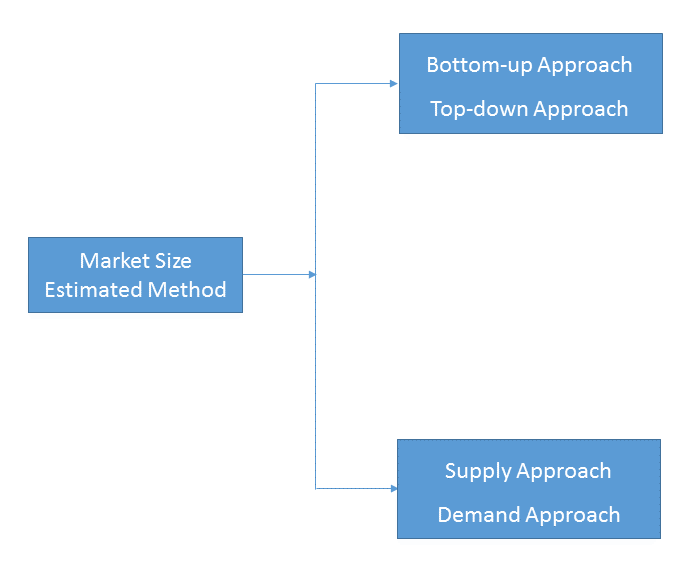
Bottom-up & top-down approach, supply & demand approach are the most important method which is used by HDIN Research to estimate the market size.
1)Top-down & Bottom-up Approach
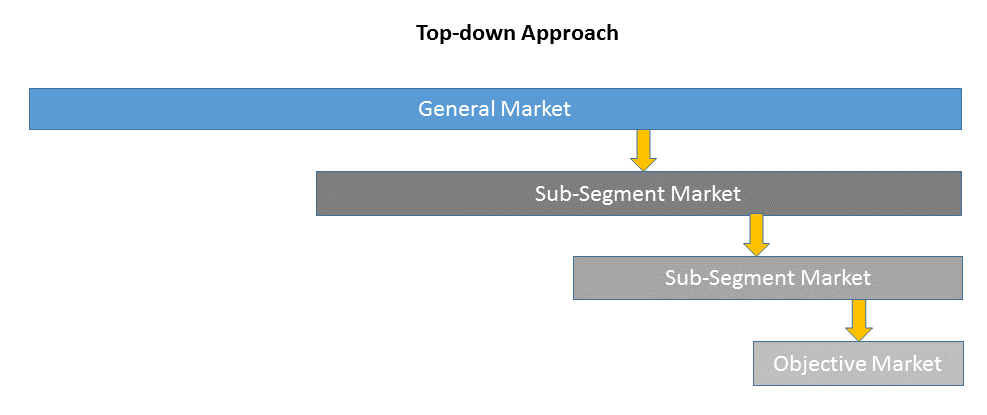
Top-down approach uses a general market size figure and determines the percentage that the objective market represents.
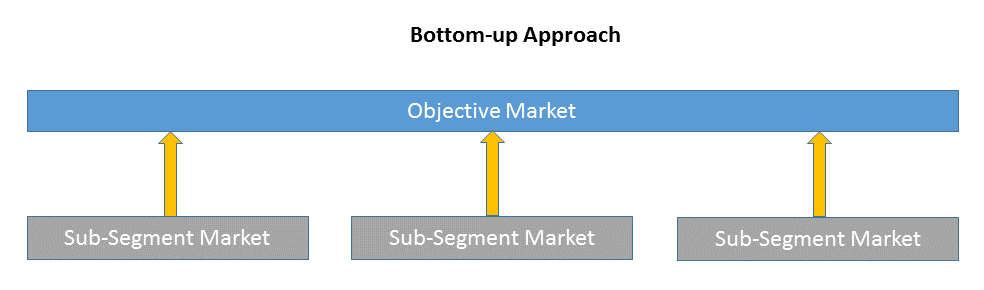
Bottom-up approach size the objective market by collecting the sub-segment information.
2)Supply & Demand Approach
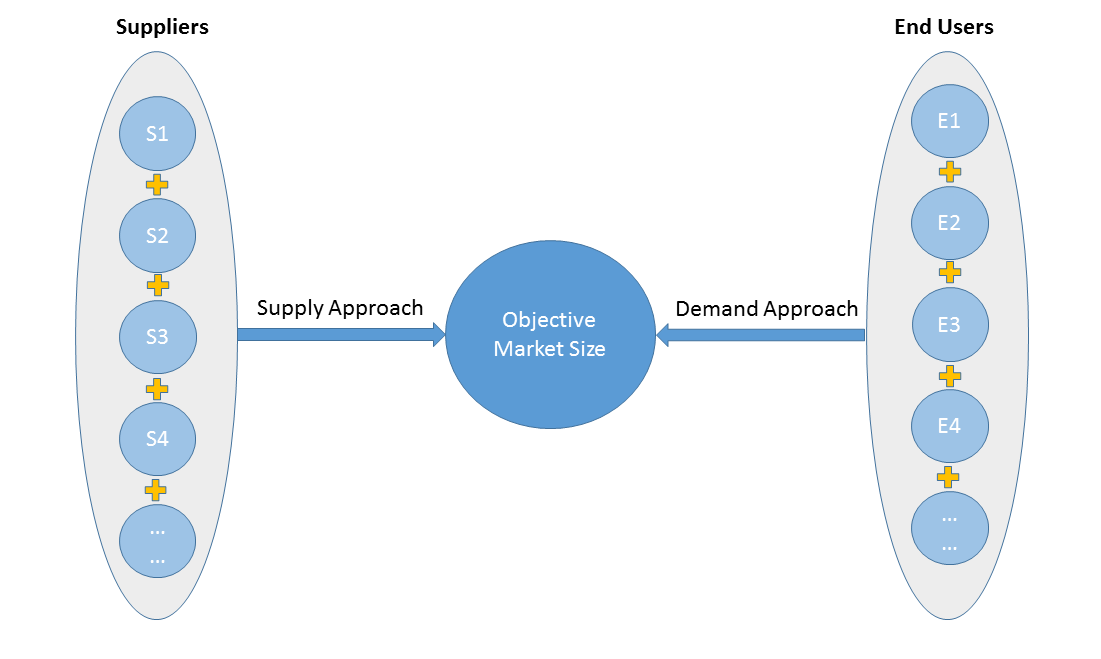
Supply approach is based on assessments of the size of each competitor supplying the objective market.
Demand approach combine end-user data within a market to estimate the objective market size. It is sometimes referred to as bottom-up approach.
- Forecasting Methodology
- Numerous factors impacting the market trend are considered for forecast model:
- New technology and application in the future;
- New project planned/under contraction;
- Global and regional underlying economic growth;
- Threatens of substitute products;
- Industry expert opinion;
- Policy and Society implication.
- Analysis Tools
1)PEST Analysis
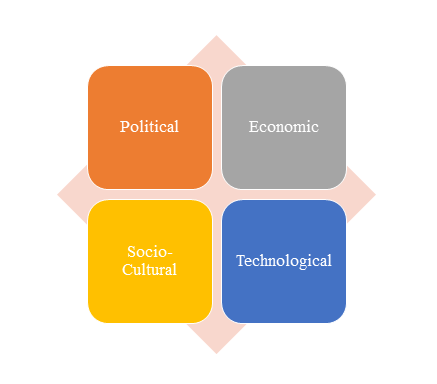
PEST Analysis is a simple and widely used tool that helps our client analyze the Political, Economic, Socio-Cultural, and Technological changes in their business environment.
- Benefits of a PEST analysis:
- It helps you to spot business opportunities, and it gives you advanced warning of significant threats.
- It reveals the direction of change within your business environment. This helps you shape what you’re doing, so that you work with change, rather than against it.
- It helps you avoid starting projects that are likely to fail, for reasons beyond your control.
- It can help you break free of unconscious assumptions when you enter a new country, region, or market; because it helps you develop an objective view of this new environment.
2)Porter’s Five Force Model Analysis
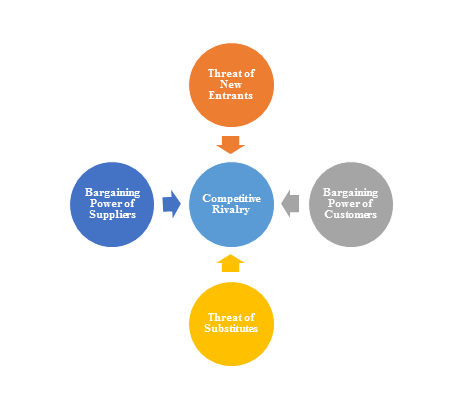
The Porter’s Five Force Model is a tool that can be used to analyze the opportunities and overall competitive advantage. The five forces that can assist in determining the competitive intensity and potential attractiveness within a specific area.
- Threat of New Entrants: Profitable industries that yield high returns will attract new firms.
- Threat of Substitutes: A substitute product uses a different technology to try to solve the same economic need.
- Bargaining Power of Customers: the ability of customers to put the firm under pressure, which also affects the customer's sensitivity to price changes.
- Bargaining Power of Suppliers: Suppliers of raw materials, components, labor, and services (such as expertise) to the firm can be a source of power over the firm when there are few substitutes.
- Competitive Rivalry: For most industries the intensity of competitive rivalry is the major determinant of the competitiveness of the industry.
3)Value Chain Analysis
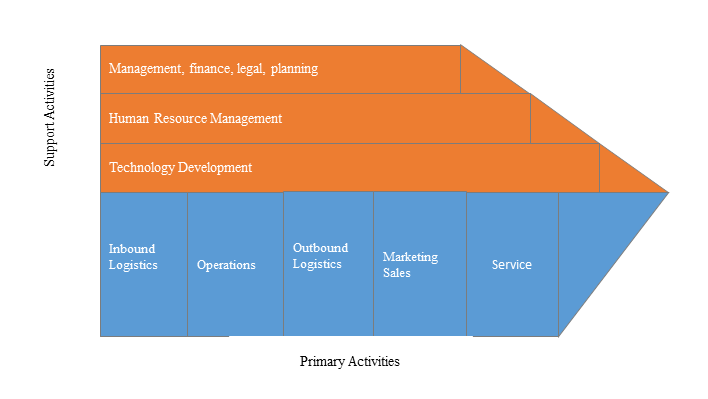
Value chain analysis is a tool to identify activities, within and around the firm and relating these activities to an assessment of competitive strength. Value chain can be analyzed by primary activities and supportive activities. Primary activities include: inbound logistics, operations, outbound logistics, marketing & sales, service. Support activities include: technology development, human resource management, management, finance, legal, planning.
4)SWOT Analysis
SWOT analysis is a tool used to evaluate a company's competitive position by identifying its strengths, weaknesses, opportunities and threats. The strengths and weakness is the inner factor; the opportunities and threats are the external factor. By analyzing the inner and external factors, the analysis can provide the detail information of the position of a player and the characteristics of the industry.
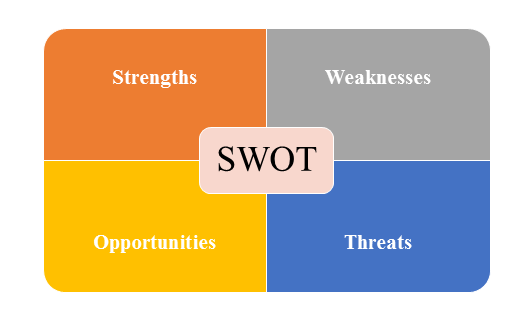
- Strengths describe what the player excels at and separates it from the competition
- Weaknesses stop the player from performing at its optimum level.
- Opportunities refer to favorable external factors that the player can use to give it a competitive advantage.
- Threats refer to factors that have the potential to harm the player.
- Data Sources
| Primary Sources | Secondary Sources |
|---|---|
| Face to face/Phone Interviews with market participants, such as: Manufactures; Distributors; End-users; Experts. Online Survey |
Government/International Organization Data: Annual Report/Presentation/Fact Book Internet Source Information Industry Association Data Free/Purchased Database Market Research Report Book/Journal/News |