Trimethylolethane Market Summary: 2026-2031 Size, Niche Growth & Strategic Outlook
- Single User License (1 Users) $ 3,500
- Team License (2~5 Users) $ 4,500
- Corporate License (>5 Users) $ 5,500
Product and Industry Overview
Trimethylolethane (TME) is a high-barrier, specialty multifunctional polyol occupying a distinct high-performance niche within the global fine chemicals and resin intermediates industry. Positioned commercially above conventional commodity polyols such as glycerol and pentaerythritol—and serving as a more specialized performance tier alongside larger-volume trimethylolpropane (TMP)—TME is engineered for demanding polymer synthesis, pigment dispersion, defense energetics, and advanced thermal energy storage applications where standard building blocks fall short.
In 2026, the global Trimethylolethane market is valued at USD 16 million to USD 30 million, and is projected to expand at a compound annual growth rate (CAGR) of 5.5% to 6.0% through 2031. Although compact in total dollar scale compared with bulk petrochemical intermediates, the TME market exhibits notably resilient margins, strong customer stickiness, and elevated technical entry barriers. Growth over the forecast period is propelled by steady migration toward low-VOC waterborne baking enamels and ultra-weatherable powder coatings, consistent titanium dioxide pigment finishing demand, rising defense propellant requirements, and accelerating commercial interest in leak-free solid-state phase change thermal storage materials.
Unlike mass-produced commodity polyols supported by dozens of global plants, Trimethylolethane represents a quintessential high-barrier, small-scale specialty chemical with extreme supply concentration. Industrial synthesis requires specialized feedstock access, tightly controlled purification, and tailored anti-caking post-processing to meet strict industrial dosing specifications. Historically anchored by U.S. production leadership serving North American and European resin ecosystems, the global supply base has recently broadened through the emergence of China's first industrial-scale TME manufacturing capacity—reshaping global procurement optionality, easing Asian import bottlenecks, and catalyzing new application development worldwide.
Regional Market Analysis
Because global TME manufacturing is concentrated in just two major geographic hubs—the United States and China—regional demand dynamics reflect an interplay of downstream coating sophistication, pigment production density, clean-building innovation, and cross-border logistics accessibility.
Asia-Pacific (Estimated CAGR: 6.2% - 6.9%): Asia-Pacific represents the fastest-expanding regional market for Trimethylolethane, driven by China, Japan, South Korea, India, and Taiwan, China. Historically constrained by reliance on Western imports, China's high-end coatings, saturated polyester, and titanium dioxide pigment sectors have gained substantial momentum following the commissioning of domestic industrial-scale TME production capacity (3,000 metric tons annually), lowering procurement lead times and spurring broader formulation adoption. Japan, South Korea, and Taiwan, China sustain high-specification demand across weather-resistant coil and appliance coatings, high-temperature engineering plastic pigment treatments, and pioneering research into solid-state thermal management for precision electronics. India contributes incremental growth as domestic automotive, industrial metal finishing, and specialty alkyd production modernizes.
North America (Estimated CAGR: 5.2% - 5.8%): North America functions as the foundational production and high-value application center of the global TME industry, anchored by the United States and Canada. Supported by entrenched domestic manufacturing leadership and localized technical service, U.S. consumption is heavily oriented toward water-soluble baking enamels, high-solids alkyd coatings, weather-durable powder coatings, titanium dioxide surface treatment, and defense energetic intermediates for military propellants. Steady aerospace and industrial synthetic lubricant demand, alongside early-stage North American pilot deployments of solid-state phase change materials in energy-efficient building materials, further reinforces stable regional growth. Mexico complements North American consumption through automotive and industrial appliance coating operations.
Europe (Estimated CAGR: 4.8% - 5.4%): Europe operates as a technologically mature, regulation-driven market centered on Germany, the United Kingdom, France, Italy, and the Netherlands. Stringent European volatile organic compound (VOC) emission standards accelerate substitution away from conventional solvent-borne coatings toward TME-based waterborne baking enamels, high-solids industrial alkyds, and long-life architectural powder coatings. Beyond coatings, Europe leads global commercialization efforts in green-building thermal energy storage and temperature-regulating smart textiles leveraging TME's solid-state phase change performance, while heightened European defense modernization budgets sustain steady procurement of specialized energetic precursors.
South America (Estimated CAGR: 5.0% - 5.6%): Regional demand in South America is concentrated in Brazil, Argentina, and Colombia, pulled primarily by industrial metal coatings, automotive refinish and OEM topcoats, heavy equipment finishes, and imported titanium dioxide masterbatches. With no domestic TME synthesis facilities in the region, South American resin and paint formulators depend entirely on imports from North American and Asian producers, focusing TME usage selectively on premium exterior and high-bake formulations where performance justifies elevated landed costs.
Middle East and Africa (Estimated CAGR: 5.3% - 5.9%): Growth across the Middle East and Africa (MEA) is anchored by severe-climate infrastructure protection and rapid urban development in Saudi Arabia, the United Arab Emirates, and South Africa. Extreme solar UV exposure, heat cycling, and corrosive coastal conditions across Gulf economies create compelling performance justification for TME-modified architectural metal coil coatings, petrochemical anti-corrosion enamels, and high-durability outdoor powder coatings. In addition, sustainability targets across Middle Eastern mega-construction projects are generating early exploratory interest in solid-state phase change thermal storage envelopes to reduce building cooling loads.
Market Segmentation Analysis
Commercial demand for Trimethylolethane spans five primary application segments, balancing mature, specification-driven resin and pigment markets against high-margin thermal storage and defense frontiers.
Alkyd resin: Serving as one of TME's foundational commercial pillars, high-performance alkyd resins utilize TME to produce water-soluble baking enamels, high-solids industrial finishes, and durable exterior coatings. Compared with conventional glycerol or pentaerythritol alkyds, TME-based alkyd resins deliver markedly superior heat endurance, hydrolytic stability, alkali resistance, UV weatherability, and color retention—making them preferred choices for demanding automotive topcoats, heavy industrial equipment finishes, and weather-exposed metal substrates.
Polyester resin: Representing a core growth driver aligned with global decarbonization and zero-VOC mandates, TME is extensively incorporated into saturated polyester resins for thermosetting powder coatings, pre-painted metal coil coatings, and appliance enamels. Its elevated thermal durability and resistance to moisture and UV degradation allow coating formulators to achieve extended exterior service warranties, smooth high-bake flow, and minimal yellowing in architectural aluminum extrusions, outdoor furniture, and industrial machinery.
Inorganic pigment: Paralleling specialty polyol usage in mineral finishing, TME serves as an effective organic surface-treatment and coating agent for titanium dioxide and other inorganic pigments. Surface modification with TME substantially enhances pigment wetting, flowability, anti-flocculation, and uniform dispersion within polymer, paint, and plastic matrices. Its heightened thermal stability makes it particularly valuable for pigment grades destined for high-temperature engineering plastics and outdoor-durable masterbatches where lower-stability treatments risk discoloration during extrusion.
Lubricant: Within specialty synthetic lubrication, TME is esterified with selected fatty acids to formulate high-stability polyol ester (POE) base stocks and specialized lubricant additives. These tailored synthetic esters exhibit exceptional thermal-oxidative endurance and deposit resistance, serving niche high-temperature industrial equipment, precision rotary and compressor systems, and demanding specialty mechanical environments where conventional synthetic base oils encounter thermal breakdown.
Others: This dynamic category captures TME's highest-value frontier and strategic applications:
Solid-Solid Phase Change Thermal Energy Storage Materials: TME excels as a solid-phase heat storage medium capable of absorbing and releasing substantial latent thermal energy entirely within the solid state without transitioning to a liquid. Eliminating molten leakage and complex encapsulation hurdles opens compelling commercialization pathways in green-building thermal storage panels, smart thermoregulating textiles, and precision thermal management for high-heat-flux electronics.
Defense and Energetic Materials: Via controlled nitration, TME serves as a critical chemical intermediate for manufacturing nitrate ester precursors deployed in high-performance military propellants and specialized defense explosives—a stable, high-barrier demand stream reinforced by global defense replenishment.
Niche Specialty Resins: Includes specialized high-crosslink-density polyurethane modifiers and custom electronic encapsulating formulations.
Industry Chain and Value Chain Analysis
The Trimethylolethane industry chain is characterized by tight upstream feedstock specificity, specialized midstream physical-handling engineering, and high downstream qualification barriers.
Upstream Feedstock Ecosystem: Unlike mass-volume trimethylolpropane—which draws from abundant global n-butyraldehyde streams—industrial TME production relies on the alkaline condensation of propionaldehyde and formaldehyde. Because commercial propionaldehyde supply is significantly smaller in global scale, more geographically concentrated, and higher in unit cost than n-butyraldehyde, securing dependable, cost-efficient propionaldehyde availability acts as a formidable upstream bottleneck that naturally deters commoditized overbuilding.
Midstream Synthesis, Purification, and Physical Formatting: Midstream manufacturing encompasses precision alkaline condensation, separation, multi-stage purification, and formate co-product recovery. Beyond chemical purity—segregated commercially into standard Technical grades and higher-specification Pure grades—a defining operational hurdle in TME production is managing caking and agglomeration during storage and long-distance transit. Leading producers differentiate sharply through physical-form engineering, converting purified TME into dust-reduced, anti-caking briquettes or tailored granules that ensure uninterrupted flowability in automated customer reactor charging systems.
Downstream Conversion and Commercial Channels: Downstream processors convert TME into baking alkyds, powder-coating polyesters, surface-treated TiO2 pigments, synthetic polyol esters, defense energetic precursors, and phase change thermal composites. Given the relatively small global tonnage and rigorous quality requirements, commercial distribution relies heavily on direct technical sales contracts with multinational coating, pigment, and defense contractors, supplemented by specialized fine-chemical distributors handling regional replenishment for mid-sized resin manufacturers.
Value Distribution and Structural Bottlenecks: Unlike bulk polyols where midstream conversion frequently suffers cyclical margin compression, midstream TME manufacturing captures a disproportionately resilient share of value chain profitability due to severe global supply scarcity and high customer switching costs. Downstream specialty formulators—especially in defense energetics, ultra-weatherable coatings, and emerging solid-state phase change composites—likewise achieve strong margins. Structural bottlenecks include extreme single-plant outage sensitivity, upstream propionaldehyde cost volatility, moisture-control logistics integrity during transoceanic shipping, and extended 6-to-18-month technical re-qualification cycles when customers validate alternative suppliers.
Competitive Landscape and Key Players
The global Trimethylolethane competitive landscape is exceptionally concentrated, functioning effectively as a specialized two-pillar global market dominated by an established Western market leader and a fast-emerging Chinese industrial pioneer. Because total global demand sits in the tens of millions of dollars, major diversified petrochemical conglomerates generally bypass TME in favor of higher-volume polyols, reinforcing durable competitive moats for dedicated specialists.
GEO Specialty Chemicals: Operating under CPS Performance Materials and headquartered in the United States, GEO Specialty Chemicals stands as the undisputed global leader in Trimethylolethane. Through its flagship TRIMET TME brand, the company dominates specialty resin, coating, and pigment supply chains across North America and Europe. GEO Specialty Chemicals sustains strong pricing power and customer loyalty through deep technical application support and differentiated product segmentation—supplying both Technical and Pure grades alongside proprietary anti-caking physical formats, including briquettes and granules engineered specifically to eliminate storage clumping and streamline diverse industrial feeding processes.
Jiangxi Keding Chemical Material Co. Ltd.: Representing a transformative new force in global TME supply, Jiangxi Keding Chemical Material Co. Ltd. filled a longstanding industrial void in China by constructing the nation's first large-scale domestic TME production complex with an annual capacity of 3,000 metric tons. By enabling localized, dependable supply, Jiangxi Keding has substantially reduced Chinese high-end coating and resin manufacturers' historical dependence on imported Western TME. Simultaneously, the company has expanded into international export channels, offering global buyers across Asia-Pacific, Europe, and emerging markets a viable strategic second source to mitigate single-supplier concentration risk.
Competitive Dynamics and Positioning: Competition between established U.S. leadership and rising Chinese capacity centers less on aggressive commodity discounting and more on qualification reliability, physical handling quality, regional delivery speed, and supply security. While Western multinational OEMs value GEO's decades-long brand reliability, specialized anti-caking formats, and North American/European supply proximity, growing adoption of dual-sourcing protocols and Asian manufacturing scale continue to expand Jiangxi Keding's commercial footprint.
Market Opportunities and Challenges
Between 2026 and 2031, Trimethylolethane producers and downstream innovators face compelling high-value expansion pathways balanced against structural supply and cost constraints.
Key Market Opportunities:
Commercialization of Solid-Solid Phase Change Thermal Storage: Accelerating demand for passive energy-saving building materials, temperature-regulating technical apparel, and compact thermal management solutions for high-power electronics and computing hardware positions TME-based solid-state phase change materials as a potentially transformational high-margin growth pillar.
Global Shift to Zero-VOC Powder and Waterborne Coatings: Stricter international environmental regulations restricting solvent emissions favor TME-modified water-soluble baking enamels and ultra-weatherable polyester powder coatings across architectural, automotive, and industrial metal applications.
Elevated Defense and Energetic Material Procurement: Expanding global defense budgets and propellant modernization initiatives provide steady, non-cyclical demand for high-purity TME used in nitrate ester energetic synthesis.
Market Unlocking via Dual-Source Global Supply: The availability of scaled Asian capacity alongside established Western production reduces historical buyer hesitation around single-source dependency, encouraging global resin and pigment formulators to specify TME into newly engineered products.
Structural Market Challenges:
High Supply Concentration and Disruption Vulnerability: With global commercial production heavily reliant on a very small number of active industrial sites, unplanned plant outages, regional trade tariffs, or shipping disruptions can rapidly tighten physical inventories and trigger price spikes.
Cost Premium and Formulation Substitution Pressure: Driven by narrower propionaldehyde feedstock economics and smaller batch scales, TME carries a clear price premium over trimethylolpropane and pentaerythritol—prompting cost-sensitive resin producers to substitute blended commodity polyols whenever strict UV, alkali, or thermal thresholds are not mandatory.
Logistics Handling and Caking Sensitivity: Maintaining dry, free-flowing product consistency across humid maritime shipping routes and varied customer warehouse conditions requires specialized packaging and physical formatting investments, raising delivered supply-chain costs.
1.1 Study Scope ...... 1
1.2 Research Methodology ...... 2
1.2.1 Data Sources ...... 3
1.2.2 Assumptions ...... 4
1.3 Abbreviations and Acronyms ...... 5
Chapter 2 Global Trimethylolethane (TME) Market Environment and Geopolitical Dynamics ...... 6
2.1 Global Specialty Polyol and High-Performance Resin Industry Landscape ...... 6
2.2 Geopolitical Conflict in the Middle East and Petrochemical Supply Chain Volatility ...... 7
2.2.1 Red Sea Shipping Route Disruptions and Marine Freight Inflation ...... 8
2.2.2 Upstream Propionaldehyde, Formaldehyde and Syngas Cost Pressures ...... 9
2.2.3 Raw Material Protectionism and Regional Polyol Sourcing Realignment ...... 10
2.3 Environmental Regulatory Policies and Low-VOC Compliance Frameworks ...... 11
Chapter 3 Trimethylolethane (TME) Industry Chain, Synthesis Technologies and Patent Landscape ...... 12
3.1 TME Industry Value Chain Structure and Transformation Ecosystem ...... 12
3.2 Upstream Feedstock Dynamics: Propionaldehyde and Formaldehyde Sourcing ...... 13
3.3 Commercial Synthesis and Purification Methodologies ...... 14
3.3.1 Aldol Condensation and Cannizzaro Reaction Route ...... 14
3.3.2 Catalytic Hydrogenation Route and Reaction Efficiency ...... 15
3.3.3 Neutralization, Evaporation, Crystallization and Flaking Processes ...... 16
3.4 Global Patent Landscape, Process Innovation and Green Synthesis Trends ...... 17
Chapter 4 Global Trimethylolethane (TME) Market by Type ...... 18
4.1 Product Classification by Purity and Technical Grade ...... 18
4.2 Industrial Grade TME (Purity 98.0%-98.9%) ...... 19
4.2.1 Global Smelter Capacity and Production Volume (2021-2026) ...... 19
4.2.2 Market Value and Volume Growth Projections (2027-2031) ...... 21
4.3 High Purity Grade TME (Purity ≥99.0%, Low Ash and Specialty Grade) ...... 22
4.3.1 High-Performance Resins and Synthetic Lubricants Adoption (2021-2026) ...... 22
4.3.2 Revenue Growth Potential and Forecast (2027-2031) ...... 23
Chapter 5 Global Trimethylolethane (TME) Market by Application ...... 24
5.1 Application Structure and Downstream Polyol Demand Matrix ...... 24
5.2 Alkyd Resin (High-Solids Architectural Paints and Industrial Metal Finishes) ...... 25
5.3 Polyester Resin (Powder Coatings and Coil Coatings) ...... 26
5.4 Inorganic Pigment (Titanium Dioxide Surface Treatment and Particle Dispersion) ...... 28
5.5 Lubricant (Synthetic Ester Base Oils and High-Temperature Aviation Fluids) ...... 29
5.6 Other Applications (Explosives, Rocket Propellants and Phase Change Materials) ...... 29
5.7 Application Demand Comparison and Revenue Growth Analysis (2021-2031) ...... 30
Chapter 6 Global Trimethylolethane (TME) Production, Capacity and Facility Utilization ...... 32
6.1 Global Production Capacity, Output and Utilization Rates (2021-2026) ...... 32
6.2 Regional Manufacturing Infrastructure and Reactor Assets ...... 33
6.2.1 China Manufacturing Base and Capacity Concentration ...... 34
6.2.2 North America Specialty Polyol Smelting Footprint ...... 35
6.2.3 Europe Refining Capacity and Sustainable Chemistry Development ...... 36
6.2.4 Asia-Pacific (Excl. China), Latin America, Middle East and Africa Overview ...... 37
Chapter 7 Global Trimethylolethane (TME) Consumption and Market Size by Countries/Regions ...... 38
7.1 Global TME Consumption Volume and Market Size (2021-2031) ...... 38
7.2 North America ...... 39
7.2.1 United States ...... 40
7.2.2 Canada and Mexico ...... 41
7.3 Europe ...... 42
7.3.1 Germany, France and United Kingdom ...... 43
7.3.2 Rest of Europe ...... 44
7.4 Asia-Pacific ...... 44
7.4.1 China, Japan and South Korea ...... 45
7.4.2 Southeast Asia and Rest of Asia-Pacific ...... 45
Chapter 8 Global Trimethylolethane (TME) International Trade and Logistics ...... 46
8.1 International Trade Corridors and Specialty Solid Chemical Transport Standards ...... 46
8.2 Major Exporting Countries/Regions and Outbound Volumes (2021-2026) ...... 47
8.3 Major Importing Countries/Regions and Inbound Sourcing Dynamics (2021-2026) ...... 48
8.4 Tariff Schedules, Antidumping Measures and Free Trade Agreements ...... 49
8.5 Ocean Freight Inflation, Container Lead Times and Supply Chain Security ...... 50
Chapter 9 Industry Dynamics, Environmental Regulations and Pricing Structure ...... 51
9.1 Market Drivers: Demand for High-Weatherability Resins and Synthetic Ester Lubricants ...... 51
9.2 Market Restraints: Raw Material Price Sensitivity and Niche Production Scale ...... 52
9.3 Global TME Pricing Mechanisms and Historical Price Movements (2021-2026) ...... 53
9.4 Production Cost Analysis (Feedstock Aldehydes, Energy, Crystallization and Labor) ...... 53
9.5 Global TME Price Forecast and Smelting Margins (2027-2031) ...... 54
Chapter 10 Competitive Landscape and Market Concentration ...... 55
10.1 Global TME Market Concentration Analysis (CR2 and Market Structure) (2021-2026) ...... 55
10.2 Leading Producer Matrix and Technical Differentiation ...... 56
10.3 Capacity Expansions, Operational Alliances and Downstream Client Linkages ...... 57
10.4 Barrier to Entry Analysis: Capital Intensity, Safety Regulations and Synthetic Know-How ...... 58
Chapter 11 Key Player Profiles ...... 59
11.1 GEO Specialty Chemicals ...... 59
11.1.1 Company Overview and Specialty Polyol Operations ...... 59
11.1.2 TME Operational Data Analysis (2021-2026) ...... 60
11.1.3 SWOT Analysis ...... 61
11.1.4 Product Commercialization, Western Supply Chains and Customer Technical Support ...... 62
11.2 Jiangxi Keding Chemical Material Co. Ltd. ...... 63
11.2.1 Company Overview and Fine Chemical Synthesis Infrastructure ...... 63
11.2.2 TME Operational Data Analysis (2021-2026) ...... 64
11.2.3 SWOT Analysis ...... 65
11.2.4 Process Optimization, Scale Expansion and Export Strategy ...... 66
Chapter 12 Global Trimethylolethane (TME) Market Forecast and Strategic Development ...... 67
12.1 Global Production Capacity, Output and Consumption Balance (2027-2031) ...... 67
12.2 Global Market Revenue and Volume Projections by Segment (2027-2031) ...... 68
12.3 Regional Expansion Opportunities and High-Value Formulation Hubs ...... 69
12.4 Strategic Roadmaps for Specialty Polyol Manufacturers and Resin Formulators ...... 70
12.5 Supply Chain Risk Management and Feedstock Hedging Architecture ...... 71
12.6 Emerging High-End Technical Niches and Concluding Growth Summary ...... 72
Table 2 Middle East Geopolitical Conflict: Specialty Petrochemical Supply and Freight Impact Matrix ...... 8
Table 3 Technical Comparison Between Cannizzaro and Catalytic Hydrogenation Routes for TME ...... 14
Table 4 Operating Parameters, Catalyst Lifespans and By-Product Separation in TME Refining ...... 15
Table 5 Global TME Production Volume by Type (2021-2026) ...... 19
Table 6 Global TME Production Volume Forecast by Type (2027-2031) ...... 21
Table 7 Global TME Market Size by Type (2021-2026) ...... 22
Table 8 Global TME Market Size Forecast by Type (2027-2031) ...... 23
Table 9 Global TME Consumption Volume by Application (2021-2026) ...... 24
Table 10 Global TME Consumption Volume Forecast by Application (2027-2031) ...... 29
Table 11 Global TME Market Size by Application (2021-2026) ...... 30
Table 12 Global TME Production Capacity and Utilization Rate by Region (2021-2026) ...... 32
Table 13 Global TME Production by Region (2021-2026) ...... 33
Table 14 Global TME Production Forecast by Region (2027-2031) ...... 37
Table 15 Global TME Consumption Volume by Countries/Regions (2021-2026) ...... 38
Table 16 Global TME Consumption Forecast by Countries/Regions (2027-2031) ...... 40
Table 17 North America TME Consumption Volume by Country (2021-2026) ...... 41
Table 18 Europe TME Consumption Volume by Country/Region (2021-2026) ...... 43
Table 19 Asia-Pacific TME Consumption Volume by Country/Region (2021-2026) ...... 45
Table 20 Major Global TME Exporting Countries/Regions by Volume (2021-2026) ...... 47
Table 21 Major Global TME Importing Countries/Regions by Volume (2021-2026) ...... 48
Table 22 Tariff Schedules and Regulatory Restrictions on Specialty Organic Chemical Imports ...... 49
Table 23 Comprehensive Growth Drivers and Market Restraints in the Global TME Industry ...... 51
Table 24 Production Cost Structure Breakdown for Industrial TME Synthesis ...... 53
Table 25 Global TME Market Share Ranking of Leading Manufacturers (2026) ...... 55
Table 26 Historical Capacity Additions and Plant Modernization Projects in the TME Sector ...... 57
Table 27 GEO Specialty Chemicals TME Capacity, Production, Price, Cost and Gross Profit Margin (2021-2026) ...... 60
Table 28 Jiangxi Keding Chemical Material Co. Ltd. TME Capacity, Production, Price, Cost and Gross Profit Margin (2021-2026) ...... 64
Table 29 Global TME Production Capacity, Output and Consumption Overview (2027-2031) ...... 67
Table 30 Global TME Market Revenue and Growth Forecast by Application (2027-2031) ...... 68
Figure 1 Propionaldehyde and Formaldehyde Historical Price Volatility (2021-2026) ...... 9
Figure 2 International Trade Routing Shifts and Regional Polyol Sourcing Patterns ...... 10
Figure 3 Trimethylolethane Industry Value Chain and Downstream Transformation Pathways ...... 12
Figure 4 Global Patent Publication Trajectory for TME Synthesis and Purification (2021-2026) ...... 17
Figure 5 Global TME Production Breakdown by Type in 2026 ...... 20
Figure 6 Global TME Market Value Growth Trajectory by Type (2021-2031) ...... 23
Figure 7 Global TME Consumption Share by Application in 2026 ...... 25
Figure 8 Global TME Consumption Growth in Polyester Resins and Powder Coatings (2021-2031) ...... 27
Figure 9 Global TME Market Size Forecast by Application (2021-2031) ...... 31
Figure 10 Global TME Smelting Facility Utilization Rate Trend (2021-2026) ...... 34
Figure 11 Global TME Production Share by Region in 2026 ...... 35
Figure 12 Global TME Consumption Volume Share by Countries/Regions in 2026 ...... 39
Figure 13 North America TME Market Revenue Growth Trend (2021-2031) ...... 42
Figure 14 Europe TME Market Revenue Growth Trend (2021-2031) ...... 44
Figure 15 Key Maritime Shipping Corridors and Logistics Lanes for Specialty Solid Polyols ...... 46
Figure 16 Ocean Container Freight Volatility and Delivery Lead-Time Impact on TME Shipments (2021-2026) ...... 50
Figure 17 Global Average Historical TME Benchmark Price Fluctuations (2021-2026) ...... 52
Figure 18 Global Average TME Price Forecast (2027-2031) ...... 54
Figure 19 Global TME Market Concentration Share (CR2) (2021-2026) ...... 56
Figure 20 Entry Barrier Matrix for Commercial TME Smelting Facilities ...... 58
Figure 21 GEO Specialty Chemicals TME Market Share (2021-2026) ...... 61
Figure 22 Jiangxi Keding Chemical Material Co. Ltd. TME Market Share (2021-2026) ...... 65
Figure 23 Global TME Market Size and Volume Growth Trajectory (2021-2031) ...... 69
Figure 24 Strategic Risk Management and Sourcing Optimization Architecture for Polyol Consumers ...... 71
Research Methodology
- Market Estimated Methodology:
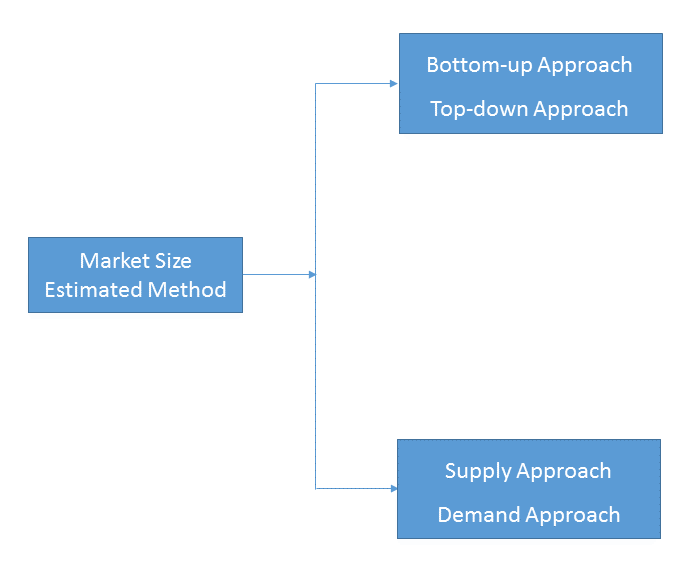
Bottom-up & top-down approach, supply & demand approach are the most important method which is used by HDIN Research to estimate the market size.
1)Top-down & Bottom-up Approach
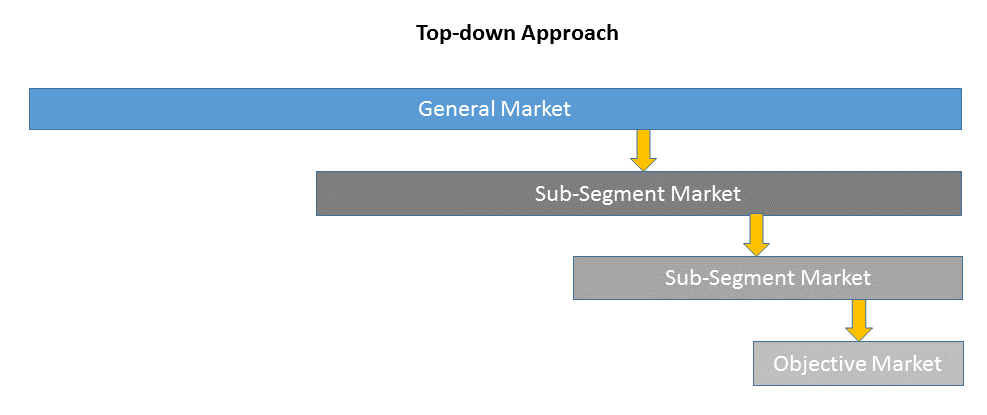
Top-down approach uses a general market size figure and determines the percentage that the objective market represents.
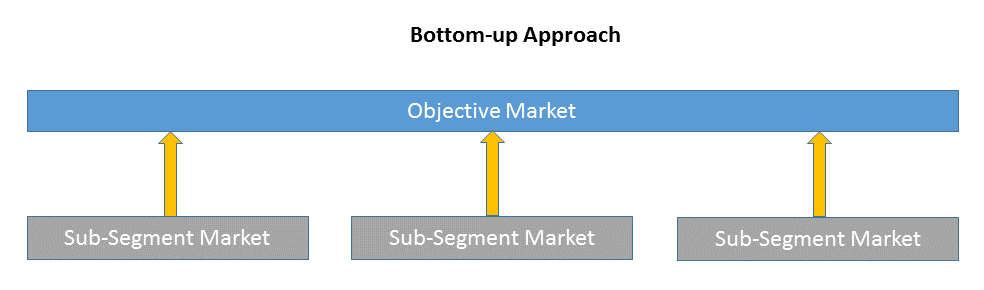
Bottom-up approach size the objective market by collecting the sub-segment information.
2)Supply & Demand Approach
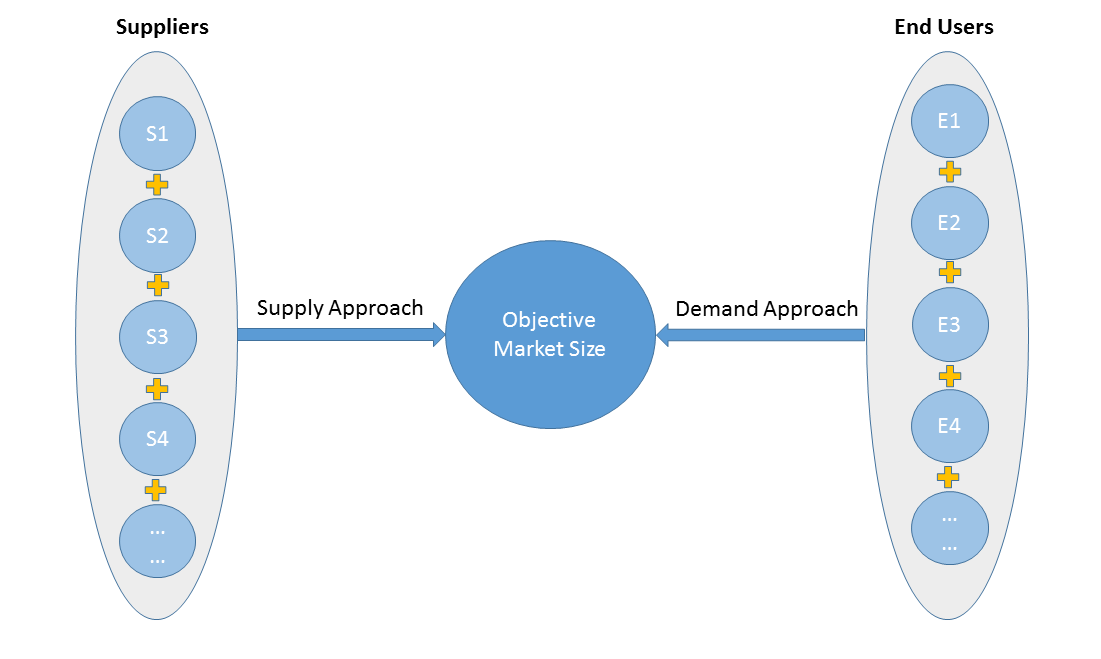
Supply approach is based on assessments of the size of each competitor supplying the objective market.
Demand approach combine end-user data within a market to estimate the objective market size. It is sometimes referred to as bottom-up approach.
- Forecasting Methodology
- Numerous factors impacting the market trend are considered for forecast model:
- New technology and application in the future;
- New project planned/under contraction;
- Global and regional underlying economic growth;
- Threatens of substitute products;
- Industry expert opinion;
- Policy and Society implication.
- Analysis Tools
1)PEST Analysis
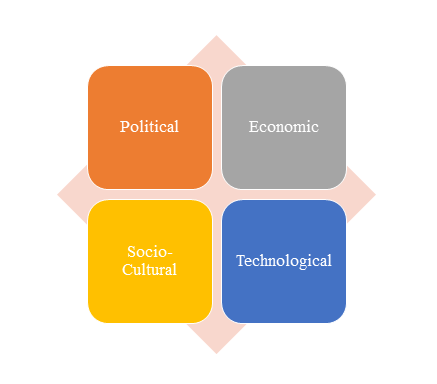
PEST Analysis is a simple and widely used tool that helps our client analyze the Political, Economic, Socio-Cultural, and Technological changes in their business environment.
- Benefits of a PEST analysis:
- It helps you to spot business opportunities, and it gives you advanced warning of significant threats.
- It reveals the direction of change within your business environment. This helps you shape what you’re doing, so that you work with change, rather than against it.
- It helps you avoid starting projects that are likely to fail, for reasons beyond your control.
- It can help you break free of unconscious assumptions when you enter a new country, region, or market; because it helps you develop an objective view of this new environment.
2)Porter’s Five Force Model Analysis
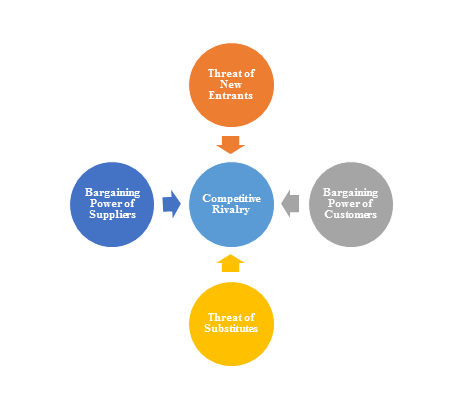
The Porter’s Five Force Model is a tool that can be used to analyze the opportunities and overall competitive advantage. The five forces that can assist in determining the competitive intensity and potential attractiveness within a specific area.
- Threat of New Entrants: Profitable industries that yield high returns will attract new firms.
- Threat of Substitutes: A substitute product uses a different technology to try to solve the same economic need.
- Bargaining Power of Customers: the ability of customers to put the firm under pressure, which also affects the customer's sensitivity to price changes.
- Bargaining Power of Suppliers: Suppliers of raw materials, components, labor, and services (such as expertise) to the firm can be a source of power over the firm when there are few substitutes.
- Competitive Rivalry: For most industries the intensity of competitive rivalry is the major determinant of the competitiveness of the industry.
3)Value Chain Analysis
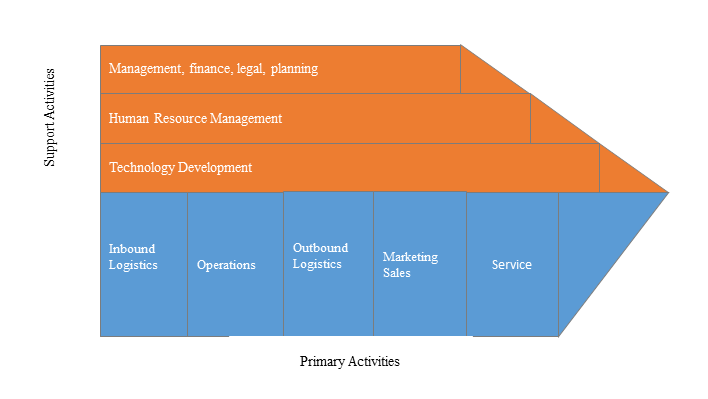
Value chain analysis is a tool to identify activities, within and around the firm and relating these activities to an assessment of competitive strength. Value chain can be analyzed by primary activities and supportive activities. Primary activities include: inbound logistics, operations, outbound logistics, marketing & sales, service. Support activities include: technology development, human resource management, management, finance, legal, planning.
4)SWOT Analysis
SWOT analysis is a tool used to evaluate a company's competitive position by identifying its strengths, weaknesses, opportunities and threats. The strengths and weakness is the inner factor; the opportunities and threats are the external factor. By analyzing the inner and external factors, the analysis can provide the detail information of the position of a player and the characteristics of the industry.
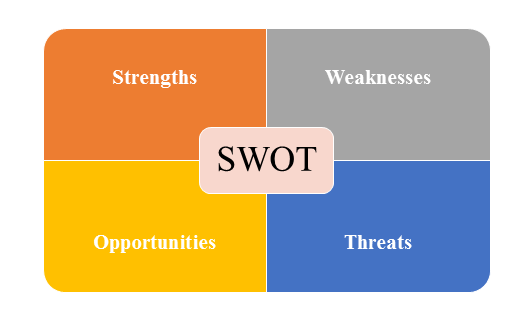
- Strengths describe what the player excels at and separates it from the competition
- Weaknesses stop the player from performing at its optimum level.
- Opportunities refer to favorable external factors that the player can use to give it a competitive advantage.
- Threats refer to factors that have the potential to harm the player.
- Data Sources
| Primary Sources | Secondary Sources |
|---|---|
| Face to face/Phone Interviews with market participants, such as: Manufactures; Distributors; End-users; Experts. Online Survey |
Government/International Organization Data: Annual Report/Presentation/Fact Book Internet Source Information Industry Association Data Free/Purchased Database Market Research Report Book/Journal/News |