Trifluoromethyl Sulfinyl Chloride Market Outlook: Strategic Valuation, Fluorochemical Agrosynthesis Shifts, and Pharmaceutical CDMO Value Dynamics (2026–2031)
- Single User License (1 Users) $ 3,500
- Team License (2~5 Users) $ 4,500
- Corporate License (>5 Users) $ 5,500
Trifluoromethyl Sulfinyl Chloride (also designated in industrial nomenclature as Trifluoromethanesulfinyl Chloride, CF3SOCl) represents a highly specialized, niche intermediate positioned within the fine chemicals sector under the domain of specialty fluorochemicals. Functionally engineered as a reactive agropharmaceutical building block, the compound possesses an operational chemical architecture pairing a strongly electron-withdrawing trifluoromethyl group (-CF3) with a highly electrophilic sulfinyl chloride moiety (-SOCl). This bifunctional configuration establishes the molecule as an efficient synthetic donor for introducing fluorinated sulfur motifs into complex heteroaromatic architectures, directly influencing systemic bioavailability, target affinity, and oxidative metabolic stability in life-science end molecules.
Historically, the commercial production of Trifluoromethyl Sulfinyl Chloride has been linked to large-scale agrochemical manufacturing. Specifically, it serves as the essential pharmacophore-delivering precursor in the multi-step synthesis of fipronil, a broad-spectrum phenylpyrazole insecticide. In this commercial context, CF3SOCl mediates the targeted attachment of the trifluoromethylsulfinyl (-SOCF3) group onto the pyrazole ring, a structural feature that imparts exceptional insecticidal potency through the non-competitive blockade of gamma-aminobutyric acid (GABA)-gated chloride channels in target arthropods. Outside of crop protection, modern organic methodology and medicinal chemistry have transformed the product's identity, repositioning it from a bulk agrochemical intermediate into an electrophilic fluorination and fluoroalkylthiolation reagent within contract development and manufacturing organization (CDMO) pipelines.
From a commercial valuation perspective, the global Trifluoromethyl Sulfinyl Chloride market is estimated to reach between USD 3.5 million and USD 7.1 million in 2026. Looking toward 2031, the market is projected to expand at a compound annual growth rate (CAGR) within the range of 4.0% to 6.0%. While the absolute commercial footprint remains specialized and capital-concentrated, the market is undergoing a structural transformation. The historical volume anchor—outdoor agricultural fipronil synthesis—faces regulatory headwinds across major agronomic jurisdictions due to persistent ecological toxicity concerns regarding non-target pollinators.
Concurrently, a higher-margin, low-volume demand stream is emerging within the pharmaceutical and fine chemical synthesis arenas. Medicinal chemists increasingly leverage the unique liquid-handling safety profile of CF3SOCl as an operational alternative to volatile, gaseous, and hazardous fluorination agents. As global pharmaceutical discovery programs prioritize fluorine-containing drug candidates to enhance blood-brain barrier permeability and metabolic half-lives, the commercial positioning of Trifluoromethyl Sulfinyl Chloride is transitioning from mature agrochemical supply chains toward advanced life-science synthesis platforms.
Regional Market Analysis
Asia-Pacific
The Asia-Pacific region functions as the definitive global manufacturing core and the primary volume consumption territory for Trifluoromethyl Sulfinyl Chloride, with the regional market projected to expand at an estimated growth rate spanning 4.2% to 6.2% through 2031. China operates as the primary supply pillar of this landscape, housing the vast majority of active industrial synthesis capacity. This regional concentration is dictated by integrated access to upstream hydrofluoric acid (HF) supply chains, sulfur chloride raw materials, and specialized chemical industrial parks equipped with high-hazard operational permits.
Within China, domestic consumption has experienced regulatory realignments. Strict policy enforcement by the Ministry of Agriculture and Rural Affairs (MARA) has curtailed open-field agricultural uses of fipronil, reorienting regional volume toward indoor hygienic pest control, non-crop termite mitigation, and closed-system dryland seed treatment. Nevertheless, export-oriented synthesis remains active, supplying active pharmaceutical ingredient (API) manufacturers and licensed formulators across South Asia, Latin America, and Southeast Asia.
In India, an expanding agrochemical formulation base and growing CDMO sector drive consistent merchant demand for specialty fluorochemical intermediates. Japanese and South Korean fine chemical entities maintain specialized procurement lines, focusing on high-purity, low-trace-metal grades of CF3SOCl to support proprietary active drug development programs, veterinary parasiticides, and specialized electronic materials.
North America
The North American market is projected to register an estimated growth rate between 3.8% and 5.5% over the forecast horizon. The commercial dynamics in this region are largely decoupled from primary crop-protection fipronil manufacturing, as domestic chemical synthesis of bulk phenylpyrazoles has largely ceased or relocated offshore. Instead, regional demand in the United States is anchored by advanced pharmaceutical synthesis, biotechnology discovery laboratories, and specialized non-agricultural pest management.
American pharmaceutical innovators and CDMOs utilize CF3SOCl as a precision electrophilic reagent in early-phase medicinal chemistry and clinical-stage synthesis. The demand profile is characterized by rigorous quality specifications, requiring analytical documentation, near-zero moisture content, and high chromatographic purity. In parallel, downstream demand persists in professional veterinary formulations and domestic structural pest management—specifically high-value companion animal flea and tick topicals and commercial termite bait matrices. Canadian consumption provides an incremental contribution, heavily weighted toward specialized pharmaceutical synthesis research and controlled-environment agricultural applications.
Europe
The European market is defined by stringent regulatory intervention, environmental stewardship, and a strategic pivoting of fine chemical processing toward high-value life sciences, with an estimated regional growth rate traversing 3.2% to 4.8%. The regulatory landscape in Europe has reshaped the downstream consumption of Trifluoromethyl Sulfinyl Chloride. Following decisive scientific findings by regulatory agencies linking fipronil to pollinator decline and colony collapse disorder, the European Union implemented comprehensive bans on outdoor agronomic applications of the active substance.
Consequently, traditional agrochemical demand within major agricultural nations such as France, Germany, and Italy has contracted, limited strictly to authorized greenhouse environments or non-food industrial vector control. In contrast, Europe's fine chemical and pharmaceutical manufacturing infrastructure represents a high-value consumer base for the intermediate:
• Swiss, German, and British life-science laboratories utilize CF3SOCl as an alternative to hazardous, gaseous trifluoromethylating agents, integrating it into transition-metal-free synthetic cascades for novel central nervous system (CNS) candidates and oncology drug molecules.
• The regional value proposition centers on low-volume, high-margin, pharmaceutical-grade batches compliant with REACH registrations and closed-loop handling protocols.
South America
The South American market represents an agronomic demand territory, with an estimated growth rate tracking between 4.4% and 6.1%. Regional consumption is centered on agricultural crop protection, industrial cattle farming, and forestry pest mitigation, with Brazil serving as the dominant economic engine, followed by Argentina and Colombia. In Brazil, intense tropical pest pressures across soy, sugarcane, and cotton acreage sustain steady demand for high-potency phenylpyrazole chemistries.
While environmental regulatory bodies in Latin America continuously evaluate pollinator safety guidelines, fipronil-based formulations remain widely deployed under managed application frameworks, particularly for soil pest management, ant control, and seed treatment programs. Because domestic capacity for complex fluorination and sulfochlorination chemistry is limited within South America, regional formulators rely almost entirely on imported active ingredients or intermediate chemical feeds sourced from Asian manufacturers.
Middle East and Africa (MEA)
The Middle East and Africa region demonstrates an estimated growth rate expanding within the range of 3.5% to 5.2%. Commercial activity across this territory is bifurcated between specialized veterinary antiparasitic applications and government-sponsored public health vector control initiatives. In several African agricultural and livestock zones, fipronil and related derivatives serve as tools against ectoparasites in livestock herds and migratory locust swarms.
In the Middle East, particularly within the Gulf Cooperation Council (GCC) member states, industrial demand is limited in volume but expanding in technical focus. Regional petrochemical and fine chemical industrial clusters are investing in downstream diversification programs, exploring specialized fine chemical synthesis and contract manufacturing partnerships. Concurrently, public health authorities deploy targeted pest control formulations within municipal and logistics infrastructure to safeguard commercial assets against structural termite infestation.
Market Segmentation Analysis
Application Segmentation: Agrochemicals (Fipronil) vs. Emerging High-Value Applications
The market for Trifluoromethyl Sulfinyl Chloride is categorized by an asymmetric commercial split between its core application in bulk agrochemical synthesis and an expanding frontier of specialty applications in human pharmaceuticals, veterinary medicine, and green organic synthesis.
Agrochemical Synthesis: The Fipronil Domain
The synthesis of the active ingredient fipronil accounts for the overwhelming majority of global industrial consumption of Trifluoromethyl Sulfinyl Chloride. Within this specialized chemical sequence, CF3SOCl acts as the direct functional carrier that inserts the trifluoromethylsulfinyl group onto the 5-amino-1-(2,6-dichloro-4-(trifluoromethyl)phenyl)-1H-pyrazole-3-carbonitrile intermediate. This conversion requires anhydrous conditions, precise thermal management, and acid-scavenging reagents to suppress secondary sulfoxide degradation.
The insecticidal efficacy of the resulting active substance depends on this specific fluorinated sulfur motif. The presence of the -SOCF3 group provides high lipophilicity, enabling the active ingredient to penetrate insect cuticles while fitting precisely into the allosteric binding pocket of the insect GABA receptor. This molecular interaction destabilizes neural transmission, producing severe neurotoxic paralysis and rapid knockdown in targeted pests.
However, the application landscape for fipronil is undergoing structural contraction:
• Agronomic Restrictions: In response to environmental data on pollinator mortality, outdoor broadcast spraying has faced regulatory restrictions across the European Union, China, and multiple global agronomic markets.
• Formulation Migration: Industrial consumption has shifted toward closed delivery mechanisms, notably modern seed treatments where the chemical is bound directly to the seed coat, minimizing aerial drift and off-target pollinator exposure.
• Non-Crop Applications: Formulation demand is increasingly oriented toward structural termite barrier injections, gel baits for residential and commercial cockroach control, and localized perimeter treatments where environmental runoff risks are mitigated.
Others: Modern Pharmaceuticals, CDMO Reagents, and Green Synthesis
The "Others" segment comprises a dynamic frontier within life sciences and precision organic synthesis. While this segment accounts for a smaller share of physical volume compared to agrochemical manufacturing, it commands higher unit margins and requires elevated chemical purity specifications.
• Innovative Pharmaceutical Drug Design: Fluorine chemistry represents a central tool in modern drug discovery, with approximately 20% to 30% of approved commercial therapeutics containing at least one fluorine atom. The introduction of fluorinated sulfur functionalities—such as trifluoromethylsulfinyl (-SOCF3) and trifluoromethylthio (-SCF3) groups—provides unique physico-chemical enhancements:
o Extreme Lipophilicity: The Hansch lipophilicity parameter for these groups ranks among the highest in medicinal chemistry, enabling small molecules to navigate cellular membranes and penetrate the blood-brain barrier.
o Metabolic Stability: The carbon-fluorine and sulfur-oxygen bonds exhibit resistance to hepatic cytochrome P450 oxidation, preventing rapid metabolic clearance and extending in vivo therapeutic half-lives.
o Electronegativity and Conformation: The strong local dipole modifies the electronic environment of adjacent aromatic systems, locking the active molecule into favored target-binding conformations.
• Frontier Green Synthetic Chemistry: In synthetic methodology, CF3SOCl is emerging as a preferred replacement for trifluoromethylsulfenyl chloride (CF3SCl). While CF3SCl is a toxic gas at room temperature that demands specialized pressurized infrastructure and presents operational risks, CF3SOCl is a liquid at ambient conditions (with a practical handling window that allows standard volumetric measurement in standard lab glassware). Academic and industrial research indicates that CF3SOCl operates as an electrophilic transfer agent under mild, transition-metal-free conditions:
o It reacts with indoles, electron-rich heterocycles, and activated styrenes to achieve electrophilic trifluoromethylthiolation and 1,2-difunctionalization with yields exceeding 90%.
o The avoidance of transition-metal catalysts (such as palladium, copper, or nickel) eliminates toxic heavy metal contamination in downstream active ingredients, streamlining regulatory compliance for pharmaceutical drug candidates.
• Veterinary Medicine: CF3SOCl derivatives remain key intermediates for veterinary formulations, including companion animal spot-on treatments and topical sprays targeting ticks, fleas, and mites. The durability of the active compound within the lipid layers of animal skin ensures sustained protection over multi-week intervals, supporting stable consumer retail demand.
Industry Chain & Value Chain Analysis
Upstream Raw Material Dynamics
The upstream foundation of the CF3SOCl value chain relies on basic commodity petrochemicals and heavy inorganic acids:
• Fluorine Sources: The synthesis depends on Anhydrous Hydrofluoric Acid (AHF), which is derived from the thermal acidolysis of acid-grade fluorspar (calcium fluoride) with sulfuric acid. The supply and pricing of AHF are subject to environmental mining restrictions, mineral reserve management, and energy costs in primary producing hubs.
• Carbon and Sulfur Donors: The industrial sequence utilizes chlorinated methane precursors or carbon disulfide (CS2), which undergo exhaustive chlorination to yield perchloromethyl mercaptan or trichloromethanesulfenyl chloride intermediates.
• Chlorinating Agents: Reagents such as chlorine gas, sulfuryl chloride, and thionyl chloride are utilized across various process variants to establish the reactive sulfinyl chloride functionality.
Price volatility across upstream sulfur, chlorine, and fluorspar markets impacts manufacturing economics. Because handling elemental chlorine and anhydrous HF involves hazards, synthesis operations are restricted to permitted chemical parks featuring direct pipeline access or established hazardous transport infrastructure.
Midstream Manufacturing Complexity and Safety Moats
The conversion of upstream inputs into specification-grade CF3SOCl involves multi-step, highly exothermic reaction chemistry with operational safety barriers:
• Halogen-Exchange Fluorination: The foundational intermediate undergoes halogen exchange (Swarts-type fluorination or catalytic liquid-phase fluorination) utilizing HF or metal fluorides (such as antimony trifluoride) to replace chlorine atoms with fluorine, yielding trifluoromethyl-bearing precursors. Managing HF stoichiometry and preventing runaway thermal excursions requires corrosion-resistant reactor alloys (such as Hastelloy, Monel, or PTFE linings).
• Sulfochlorination and Oxidation Control: The subsequent conversion to the sulfinyl chloride requires precision oxidation and chlorination. Over-oxidation yields trifluoromethanesulfonyl chloride (CF3SO2Cl), an unwanted impurity that degrades product yields and interferes with downstream coupling reactions. Under-chlorination leaves unreacted thioether precursors, complicating isolation.
• Separation and Moisture Exclusion: CF3SOCl is sensitive to ambient moisture, hydrolyzing upon contact with water to produce sulfur dioxide, toxic hydrogen chloride, and corrosive hydrofluoric acid mists. Consequently, fractional distillation, product transfer, and packaging must be conducted under an inert nitrogen blanket within hermetically sealed, specialized chemical containment units.
The capital expenditure required to establish continuous monitoring, scrubbers for acidic off-gases, automated emergency isolation valves, and zero-discharge effluent plants restricts midstream manufacturing to established chemical producers. This dynamic reinforces high operational moats and limits speculative capacity additions.
Downstream Value Capture and Commercial Interface
Value capture within the downstream segment depends on the final application destination:
• Commodity Agrochemical Interface: Intermediate sold for bulk fipronil synthesis operates within a price-sensitive procurement matrix. Major agrochemical synthesis plants prioritize large-batch volume commitments, predictable delivery schedules, and low unit costs. Profit margins for the intermediate manufacturer in this tier are tied to conversion yield, solvent recovery efficiency, and local environmental compliance costs.
• High-Value Life Sciences Interface: When supplying the pharmaceutical CDMO and fine chemical sector, the commercial focus pivots toward product purity, low ppm impurity profiles, and supply-chain transparency. Pharmaceutical developers pay substantial premiums for certified batches accompanied by analytical documentation (including quantitative NMR and GC-MS profiles) demonstrating the complete absence of heavy metal residues and low water content. In this tier, gross margins are significantly higher, reflecting the value delivered to clinical-stage drug synthesis programs.
Competitive Landscape & Key Players
The global competitive environment for Trifluoromethyl Sulfinyl Chloride is characterized by an oligopolistic market structure, high technical specialization, and high geographic concentration. Due to the combination of hazardous chemistry permits, specialized fluorination assets, and downstream integration with agrochemical synthesis, the industrial-scale merchant market is concentrated among specialized fine chemical producers based primarily in China.
Time Chemical
Time Chemical operates as a specialized manufacturer within China's fine chemicals and specialty fluorinated intermediates sector. The enterprise has established a market presence through dedicated investments in multi-purpose fluorination infrastructure and fine chemical synthesis assets. Time Chemical's strategic focus centers on supplying high-purity organofluorine building blocks, including Trifluoromethyl Sulfinyl Chloride, to both domestic research institutions and international life-science procurement channels.
The company's competitive advantage is anchored in its technical capability to handle complex halogenation chemistries while maintaining flexible batch synthesis operations. This flexibility allows Time Chemical to service small-to-medium-scale orders for pharmaceutical CDMOs and specialty agrochemical formulators who require custom packaging, low moisture levels, and tailored analytical certifications. By targeting the intersection between traditional fine chemicals and high-value research reagents, Time Chemical captures commercial margins in the pharmaceutical synthesis segment.
Jiangsu Tuoqiu Agriculture Chemical Co., Ltd.
Jiangsu Tuoqiu Agriculture Chemical Co., Ltd. represents a major, vertically integrated agrochemical enterprise operating within the Chinese crop-protection and intermediate manufacturing sector. The company commands substantial industrial scale, with an operational footprint optimized for the continuous, high-volume production of heterocyclic pesticides, technical active ingredients, and their foundational intermediates.
Jiangsu Tuoqiu's competitive positioning in the Trifluoromethyl Sulfinyl Chloride space is characterized by internal scale economies and backward integration:
• Upstream and Midstream Integration: The organization maintains large-scale synthesis installations for key precursors, allowing it to capture internal efficiencies during the multi-step production of CF3SOCl.
• Downstream Absorption: A substantial portion of the company’s CF3SOCl output is consumed directly by captive production lines to manufacture technical fipronil and related pesticide formulations for domestic agricultural treatment and global export markets.
• Environmental and Safety Infrastructure: Operating within established industrial parks, Jiangsu Tuoqiu has deployed advanced "three-wastes" (wastewater, waste gas, and solid waste) treatment facilities and automated process safety control systems, ensuring operational continuity amid regulatory environmental audits.
Through this integrated manufacturing approach, Jiangsu Tuoqiu exerts influence over the bulk commercial pricing and volume availability of industrial-grade CF3SOCl, functioning as an anchor producer for the global agrochemical trade.
Market Entry Barriers and Consolidation Dynamics
The broader competitive matrix remains inaccessible to general chemical manufacturers due to three operational barriers:
• Regulatory and Permitting Firewalls: Securing government permits for industrial facilities handling hazardous processes (specifically high-hazard fluorination, chlorination, and toxic gas processing) involves multi-year review timelines. In major manufacturing regions, authorities enforce strict quotas on hazardous chemical handling, concentrating production among existing certified incumbents.
• Process Know-How and Safety Management: The risk of violent exothermic runaway reactions and hazardous hydrolysis requires specialized engineering competence that cannot be quickly replicated.
• Customer Switching Costs in Life Sciences: In the pharmaceutical sector, once an intermediate is registered within a drug master file (DMF) or clinical synthesis protocol, transitioning to a secondary supplier triggers re-qualification and regulatory re-filing costs, cementing incumbent supplier relationships.
Market Opportunities & Challenges
Strategic Market Opportunities
The Trifluoromethyl Sulfinyl Chloride market features several growth and repositioning opportunities for agile fine chemical manufacturers:
• Medicinal Chemistry Adoption for Fluorinated Therapeutics: With modern drug discovery pipelines increasingly targeting complex oncology and central nervous system (CNS) indications, the demand for reagents capable of delivering -SOCF3 and -SCF3 pharmacophores is expanding. The positioning of CF3SOCl as a shelf-stable liquid reagent enables CDMOs to conduct safe, high-yield fluorination reactions without specialized high-pressure gaseous reactors, opening commercial revenue streams in the pharmaceutical sector.
• Transition to High-Value Seed Treatments and Structural Pest Applications: While broad-spectrum field spraying of fipronil has been restricted, its high insecticidal potency preserves its utility in micro-dose applications. Manufacturers supplying intermediate inputs for closed-system seed treatments, microencapsulated formulations, and structural termite mitigation products benefit from recurring, non-cyclical demand across commercial sectors.
• Replacement of Gaseous Fluoroalkylating Reagents in Flow Chemistry: As the fine chemicals industry adopts continuous flow reactors to enhance safety and efficiency, the liquid handling profile of CF3SOCl makes it a viable candidate for microreactor synthesis. Flow-based pharmaceutical synthesis platforms can leverage its precise stoichiometry and controlled residence times, unlocking adoption across automated drug-discovery hubs.
Critical Industry Challenges
Conversely, market participants must navigate structural constraints and operational risks:
• Downstream Regulatory Bans on Agrochemicals: The long-term trajectory for field-applied fipronil remains negative across mature agronomic regions. Regulatory reviews targeting pollinator protection continually assess restrictions on remaining outdoor uses. If developing agricultural nations implement comparable outdoor bans, the bulk industrial demand for CF3SOCl could contract, leaving merchant suppliers dependent on specialized pharmaceutical volumes.
• Safety Hazards and Environmental Compliance Pressures: The production of CF3SOCl involves hazardous chemicals, including hydrofluoric acid, sulfur chlorides, and toxic reaction byproducts. Chemical park authorities mandate continuous environmental monitoring and zero-emission scrubbing systems. An operational incident at a single production facility can lead to regulatory shutdowns, operational pauses, and capital expenditures for remediation.
• Extreme Hydrolytic Instability: The high reactivity that makes CF3SOCl useful in organic synthesis also presents operational challenges during handling. Even trace atmospheric moisture initiates rapid hydrolysis, releasing corrosive hydrogen chloride and sulfur dioxide gases while destroying active product yields. This susceptibility requires specialized, moisture-free storage containers and cold-chain logistics, driving up supply chain and shipping expenses.
• Scale Limitations of Specialty Pharmaceutical Demand: While the pharmaceutical CDMO market offers attractive gross profit margins, absolute volume requirements in drug discovery and clinical trials are measured in kilograms to metric tons, rather than the hundreds of metric tons consumed by the agrochemical industry. Producers transitioning from agrochemicals to pharmaceuticals must adapt their business models, shifting from high-throughput operations to low-volume, high-specification batch synthesis.
1.1 Study Scope ...... 1
1.2 Research Methodology ...... 2
1.2.1 Data Sources ...... 3
1.2.2 Assumptions ...... 4
1.3 Abbreviations and Acronyms ...... 5
Chapter 2 Global Trifluoromethyl Sulfinyl Chloride Market Environment and Geopolitical Dynamics ...... 6
2.1 Global Fluorochemical Intermediates and Agrochemical Industry Landscape ...... 6
2.2 Middle East Geopolitical Conflict and Cascading Supply Chain Disruptions ...... 7
2.2.1 Red Sea Shipping Lane Bottlenecks and Maritime Hazardous Freight Surges ...... 8
2.2.2 Energy Volatility and Upstream Basic Chemical Feedstock Inflation ...... 9
2.2.3 Raw Material Security Realignment and Global Sourcing Diversification ...... 10
2.3 Environmental Regulatory Frameworks, Safety Protocols and Hazardous Chemical Mandates ...... 11
Chapter 3 Trifluoromethyl Sulfinyl Chloride Industry Chain, Synthesis Technologies and Patent Landscape ...... 12
3.1 Trifluoromethyl Sulfinyl Chloride Industry Value Chain Structure ...... 12
3.2 Upstream Feedstock Dynamics: Bis(trifluoromethyl) Disulfide, Chlorine and Precursors ...... 13
3.3 Commercial Synthesis and Purification Methodologies ...... 14
3.3.1 Oxidative Chlorination and Catalytic Fluorination Routes ...... 14
3.3.2 Continuous Flow Microchannel Reaction Systems and Thermal Control ...... 15
3.3.3 Low-Temperature Fractional Distillation and Corrosion-Resistant Refining ...... 16
3.4 Global Patent Landscape, Process Innovation and Green Chemistry Trends ...... 17
Chapter 4 Global Trifluoromethyl Sulfinyl Chloride Market by Type ...... 18
4.1 Product Classification by Purity and Assay Grade ...... 18
4.2 Industrial Grade (Purity 98.0%-98.9%) ...... 19
4.2.1 Production Capacity and Output (2021-2026) ...... 19
4.2.2 Market Value and Volume Growth Forecast (2027-2031) ...... 21
4.3 High Purity Grade (Purity ≥99.0%) ...... 22
4.3.1 Downstream Agrochemical and Veterinary Synthesis Demand (2021-2026) ...... 22
4.3.2 Revenue Growth Potential and Forecast (2027-2031) ...... 23
Chapter 5 Global Trifluoromethyl Sulfinyl Chloride Market by Application ...... 24
5.1 Downstream Application Matrix and Intermediate Conversion Pathways ...... 24
5.2 Fipronil (Broad-Spectrum Phenylpyrazole Insecticides and Seed Treatment) ...... 25
5.3 Other Applications (Veterinary Ectoparasiticides, Specialized Pharmaceuticals and Fluorinated Intermediates) ...... 28
5.4 Application Consumption Comparison and Revenue Growth Analysis (2021-2031) ...... 30
Chapter 6 Global Trifluoromethyl Sulfinyl Chloride Production, Capacity and Facility Utilization ...... 32
6.1 Global Production Capacity, Output and Utilization Rates (2021-2026) ...... 32
6.2 Regional Manufacturing Infrastructure and Synthesis Plant Assets ...... 33
6.2.1 China Production Capacity, Regulatory Park Relocation and Scale ...... 34
6.2.2 Asia-Pacific (Excl. China) Specialty Chemical Facilities ...... 35
6.2.3 North America Processing Footprint and Captive Consumption ...... 36
6.2.4 Europe Specialty Intermediates Synthesis and Eco-Compliance ...... 36
6.2.5 Latin America, Middle East and Africa Overview ...... 37
Chapter 7 Global Trifluoromethyl Sulfinyl Chloride Consumption and Market Size by Countries/Regions ...... 38
7.1 Global Consumption Volume and Market Value (2021-2031) ...... 38
7.2 Asia-Pacific ...... 39
7.2.1 China, India and Japan ...... 40
7.2.2 Southeast Asia and Rest of Asia-Pacific ...... 41
7.3 Latin America ...... 41
7.3.1 Brazil and Argentina Crop Protection Demand ...... 42
7.3.2 Rest of Latin America ...... 42
7.4 North America ...... 43
7.4.1 United States ...... 44
7.4.2 Canada and Mexico ...... 44
7.5 Europe ...... 45
7.5.1 Western Europe Agrochemical Manufacturing ...... 45
7.5.2 Rest of Europe ...... 46
Chapter 8 Global Trifluoromethyl Sulfinyl Chloride International Trade and Logistics ...... 47
8.1 International Trade Corridors and Class 8 Hazardous Cargo Transport Regulations ...... 47
8.2 Major Exporting Countries/Regions and Outbound Volumes (2021-2026) ...... 48
8.3 Major Importing Countries/Regions and Inbound Logistics (2021-2026) ...... 49
8.4 Tariff Barriers, Cross-Border Chemical Clearances and International Trade Restrictions ...... 50
8.5 Specialized ISO Tank Availability, Sea Freight Inflation and Transport Safety ...... 51
Chapter 9 Industry Dynamics, Environmental Regulations and Pricing Structure ...... 52
9.1 Market Drivers: Global Insecticide Demand and Advanced Fluorination Synthesis ...... 52
9.2 Market Restraints: Regulatory Scrutiny on Phenylpyrazoles and Severe Safety Barriers ...... 53
9.3 Historical Pricing Trends and Raw Material Cost Pass-Through (2021-2026) ...... 54
9.4 Production Cost Analysis (Feedstock Disulfides, Halogens, Utilities and Safety Maintenance) ...... 54
9.5 Global Price Forecast and Smelting Margins (2027-2031) ...... 55
Chapter 10 Competitive Landscape and Market Concentration ...... 56
10.1 Global Market Concentration Analysis (CR2 and Producer Landscape) (2021-2026) ...... 56
10.2 Leading Producer Matrix and Technical Benchmarking ...... 57
10.3 Entry Barriers: Chemical Process Safety, Capital Expenditure and Waste Disposal Permits ...... 58
10.4 Strategic Supply Agreements and Customer Integration Dynamics ...... 59
Chapter 11 Key Player Profiles ...... 60
11.1 Time Chemical ...... 60
11.1.1 Company Overview and Fluorinated Fine Chemicals Portfolio ...... 60
11.1.2 Trifluoromethyl Sulfinyl Chloride Operational Data Analysis (2021-2026) ...... 61
11.1.3 SWOT Analysis ...... 62
11.1.4 Product Commercialization, Production Modernization and Customer Base ...... 63
11.2 Jiangsu Tuoqiu Agriculture Chemical Co., Ltd. ...... 64
11.2.1 Company Overview and Agrochemical Intermediate Operations ...... 64
11.2.2 Trifluoromethyl Sulfinyl Chloride Operational Data Analysis (2021-2026) ...... 65
11.2.3 SWOT Analysis ...... 66
11.2.4 Vertical Integration with Downstream Pesticides and Capacity Strategy ...... 67
Chapter 12 Global Trifluoromethyl Sulfinyl Chloride Market Forecast and Strategic Development ...... 68
12.1 Global Production Capacity, Output and Consumption Balance (2027-2031) ...... 68
12.2 Global Market Revenue and Volume Projections by Segment (2027-2031) ...... 69
12.3 Regional Expansion Opportunities and Emerging Formulation Hubs ...... 70
12.4 Strategic Roadmaps for Fluorochemical Intermediate Manufacturers ...... 71
12.5 Supply Chain Risk Management and Raw Material Hedging Frameworks ...... 72
12.6 Emerging Specialty Applications and Concluding Market Summary ...... 73
Table 2 Middle East Geopolitical Conflict: Hazardous Cargo Freight and Chemical Logistics Impact Matrix ...... 8
Table 3 Technical Comparison of Commercial Synthetic Routes for Trifluoromethyl Sulfinyl Chloride ...... 14
Table 4 Operating Parameters, Safety Controls and Yield Comparison Across Synthesis Methods ...... 15
Table 5 Global Trifluoromethyl Sulfinyl Chloride Production Volume by Type (2021-2026) ...... 19
Table 6 Global Trifluoromethyl Sulfinyl Chloride Production Volume Forecast by Type (2027-2031) ...... 21
Table 7 Global Trifluoromethyl Sulfinyl Chloride Market Size by Type (2021-2026) ...... 22
Table 8 Global Trifluoromethyl Sulfinyl Chloride Market Size Forecast by Type (2027-2031) ...... 23
Table 9 Global Trifluoromethyl Sulfinyl Chloride Consumption Volume by Application (2021-2026) ...... 24
Table 10 Global Trifluoromethyl Sulfinyl Chloride Consumption Volume Forecast by Application (2027-2031) ...... 29
Table 11 Global Trifluoromethyl Sulfinyl Chloride Market Size by Application (2021-2026) ...... 30
Table 12 Global Trifluoromethyl Sulfinyl Chloride Production Capacity and Utilization Rate by Region (2021-2026) ...... 32
Table 13 Global Trifluoromethyl Sulfinyl Chloride Production by Region (2021-2026) ...... 33
Table 14 Global Trifluoromethyl Sulfinyl Chloride Production Forecast by Region (2027-2031) ...... 37
Table 15 Global Trifluoromethyl Sulfinyl Chloride Consumption Volume by Countries/Regions (2021-2026) ...... 38
Table 16 Global Trifluoromethyl Sulfinyl Chloride Consumption Forecast by Countries/Regions (2027-2031) ...... 40
Table 17 Asia-Pacific Trifluoromethyl Sulfinyl Chloride Consumption Volume by Country (2021-2026) ...... 41
Table 18 Latin America Trifluoromethyl Sulfinyl Chloride Consumption Volume by Country (2021-2026) ...... 43
Table 19 North America Trifluoromethyl Sulfinyl Chloride Consumption Volume by Country (2021-2026) ...... 45
Table 20 Major Global Trifluoromethyl Sulfinyl Chloride Exporting Countries/Regions by Volume (2021-2026) ...... 48
Table 21 Major Global Trifluoromethyl Sulfinyl Chloride Importing Countries/Regions by Volume (2021-2026) ...... 49
Table 22 Tariff Structures and Hazardous Chemical Import Clearances Across Key Markets ...... 50
Table 23 Comprehensive Growth Drivers and Market Restraints in the Global Industry ...... 52
Table 24 Production Cost Structure Breakdown for Industrial Synthesis ...... 54
Table 25 Global Trifluoromethyl Sulfinyl Chloride Market Share Ranking of Leading Producers (2026) ...... 56
Table 26 Technical and Regulatory Barriers to Entry in Commercial Manufacturing ...... 58
Table 27 Time Chemical Trifluoromethyl Sulfinyl Chloride Capacity, Production, Price, Cost and Gross Profit Margin (2021-2026) ...... 61
Table 28 Jiangsu Tuoqiu Agriculture Chemical Co., Ltd. Trifluoromethyl Sulfinyl Chloride Capacity, Production, Price, Cost and Gross Profit Margin (2021-2026) ...... 65
Table 29 Global Trifluoromethyl Sulfinyl Chloride Production Capacity, Output and Consumption Overview (2027-2031) ...... 68
Table 30 Global Trifluoromethyl Sulfinyl Chloride Market Revenue and Growth Forecast by Application (2027-2031) ...... 69
Figure 1 Basic Fluorochemical Precursors and Halogen Feedstock Historical Price Trends (2021-2026) ...... 9
Figure 2 International Trade Routing Shifts and Regional Sourcing Dynamics for Fluorinated Intermediates ...... 10
Figure 3 Trifluoromethyl Sulfinyl Chloride Industry Value Chain and Downstream Synthesis Pathways ...... 12
Figure 4 Global Patent Publication Trajectory for Fluorinated Sulfinyl Chloride Synthesis (2021-2026) ...... 17
Figure 5 Global Trifluoromethyl Sulfinyl Chloride Production Breakdown by Type in 2026 ...... 20
Figure 6 Global Trifluoromethyl Sulfinyl Chloride Market Value Growth Trajectory by Type (2021-2031) ...... 23
Figure 7 Global Trifluoromethyl Sulfinyl Chloride Consumption Share by Application in 2026 ...... 25
Figure 8 Global Trifluoromethyl Sulfinyl Chloride Consumption Trend in Fipronil Manufacturing (2021-2031) ...... 27
Figure 9 Global Trifluoromethyl Sulfinyl Chloride Market Size Forecast by Application (2021-2031) ...... 31
Figure 10 Global Production Facility Utilization Rate Trend (2021-2026) ...... 34
Figure 11 Global Production Share by Region in 2026 ...... 35
Figure 12 Global Consumption Volume Share by Countries/Regions in 2026 ...... 39
Figure 13 Latin America Consumption Revenue Growth Trend (2021-2031) ...... 42
Figure 14 North America Market Revenue Growth Trend (2021-2031) ...... 44
Figure 15 Asia-Pacific Market Revenue Growth Trend (2021-2031) ...... 46
Figure 16 Key Maritime Trade Corridors and Specialty Chemical Shipping Routes ...... 47
Figure 17 Marine Hazardous Freight Volatility and Impact on Cross-Border Lead Times (2021-2026) ...... 51
Figure 18 Global Average Historical Benchmark Price Fluctuations (2021-2026) ...... 53
Figure 19 Global Average Price Forecast (2027-2031) ...... 55
Figure 20 Global Market Concentration Share (CR2) (2021-2026) ...... 57
Figure 21 Capital, Safety and Regulatory Entry Barrier Evaluation Matrix ...... 59
Figure 22 Time Chemical Trifluoromethyl Sulfinyl Chloride Market Share (2021-2026) ...... 62
Figure 23 Jiangsu Tuoqiu Agriculture Chemical Co., Ltd. Trifluoromethyl Sulfinyl Chloride Market Share (2021-2026) ...... 66
Figure 24 Global Trifluoromethyl Sulfinyl Chloride Market Size and Volume Growth Trajectory (2021-2031) ...... 70
Figure 25 Supply Chain Risk Mitigation and Strategic Feedstock Procurement Framework ...... 72
Research Methodology
- Market Estimated Methodology:
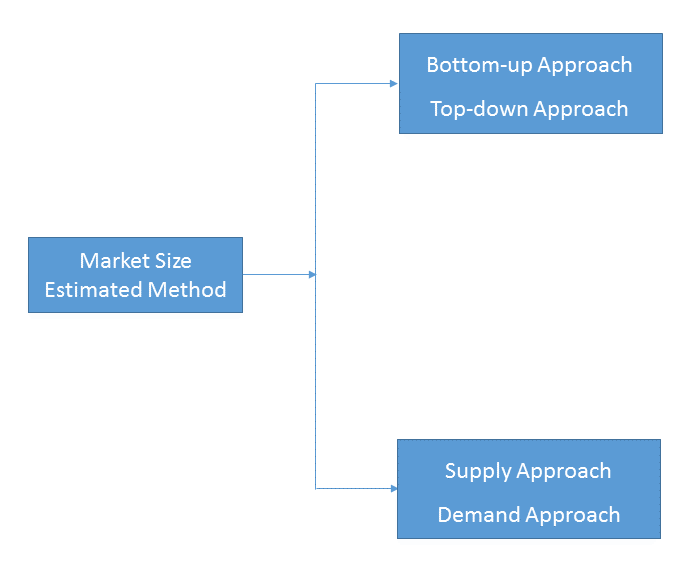
Bottom-up & top-down approach, supply & demand approach are the most important method which is used by HDIN Research to estimate the market size.
1)Top-down & Bottom-up Approach
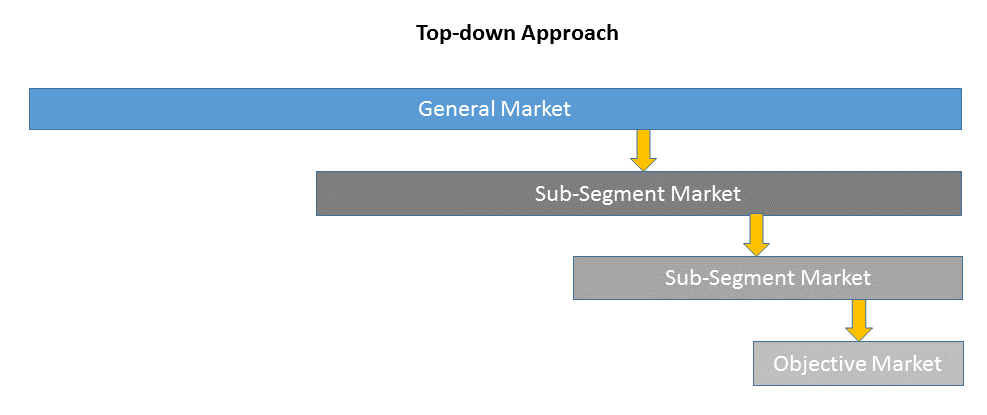
Top-down approach uses a general market size figure and determines the percentage that the objective market represents.
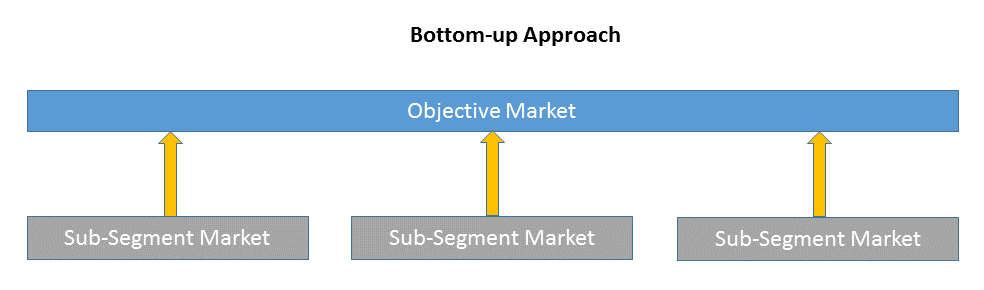
Bottom-up approach size the objective market by collecting the sub-segment information.
2)Supply & Demand Approach
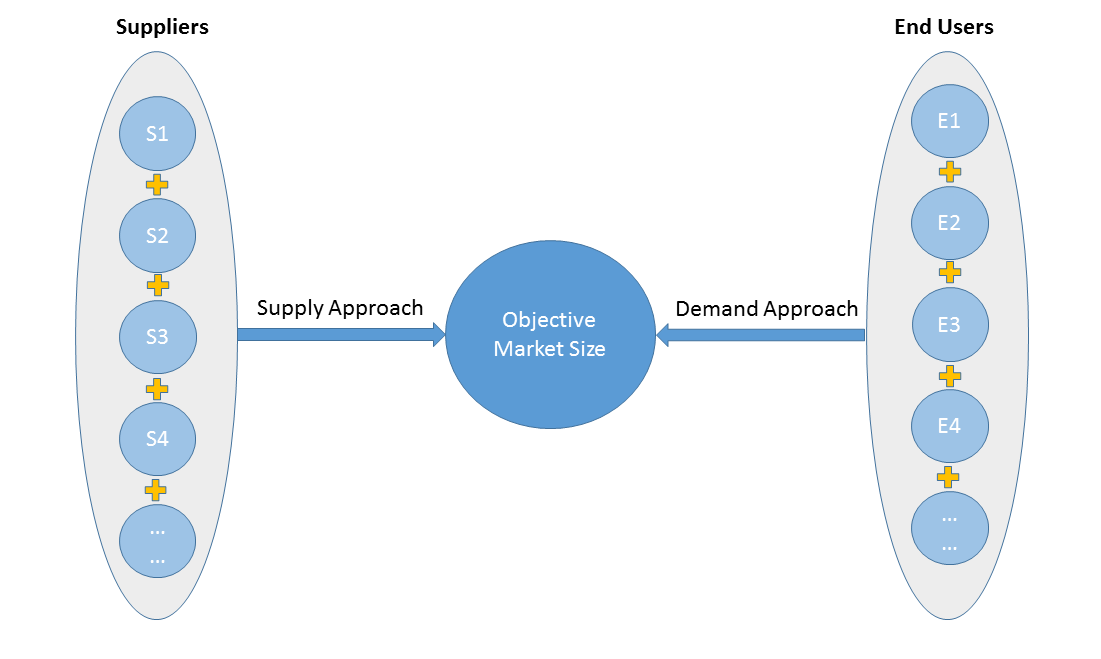
Supply approach is based on assessments of the size of each competitor supplying the objective market.
Demand approach combine end-user data within a market to estimate the objective market size. It is sometimes referred to as bottom-up approach.
- Forecasting Methodology
- Numerous factors impacting the market trend are considered for forecast model:
- New technology and application in the future;
- New project planned/under contraction;
- Global and regional underlying economic growth;
- Threatens of substitute products;
- Industry expert opinion;
- Policy and Society implication.
- Analysis Tools
1)PEST Analysis
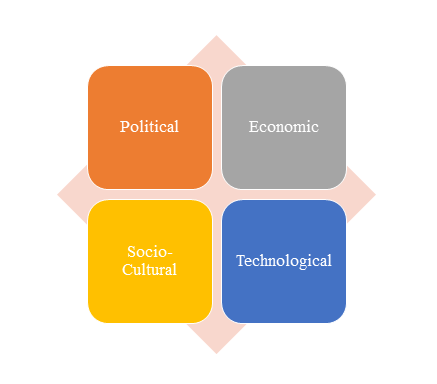
PEST Analysis is a simple and widely used tool that helps our client analyze the Political, Economic, Socio-Cultural, and Technological changes in their business environment.
- Benefits of a PEST analysis:
- It helps you to spot business opportunities, and it gives you advanced warning of significant threats.
- It reveals the direction of change within your business environment. This helps you shape what you’re doing, so that you work with change, rather than against it.
- It helps you avoid starting projects that are likely to fail, for reasons beyond your control.
- It can help you break free of unconscious assumptions when you enter a new country, region, or market; because it helps you develop an objective view of this new environment.
2)Porter’s Five Force Model Analysis
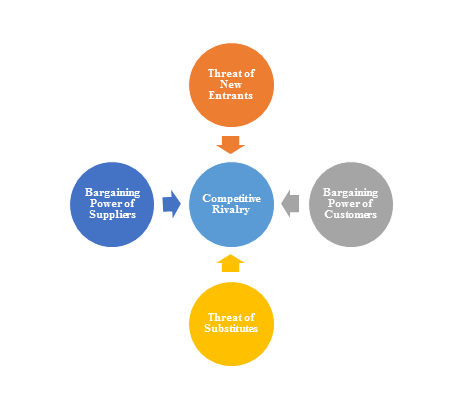
The Porter’s Five Force Model is a tool that can be used to analyze the opportunities and overall competitive advantage. The five forces that can assist in determining the competitive intensity and potential attractiveness within a specific area.
- Threat of New Entrants: Profitable industries that yield high returns will attract new firms.
- Threat of Substitutes: A substitute product uses a different technology to try to solve the same economic need.
- Bargaining Power of Customers: the ability of customers to put the firm under pressure, which also affects the customer's sensitivity to price changes.
- Bargaining Power of Suppliers: Suppliers of raw materials, components, labor, and services (such as expertise) to the firm can be a source of power over the firm when there are few substitutes.
- Competitive Rivalry: For most industries the intensity of competitive rivalry is the major determinant of the competitiveness of the industry.
3)Value Chain Analysis
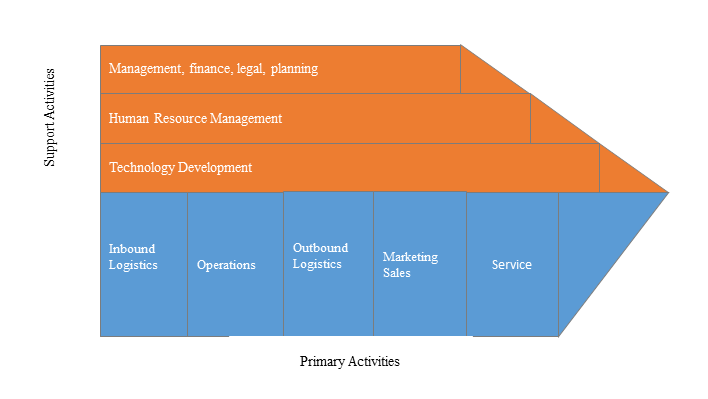
Value chain analysis is a tool to identify activities, within and around the firm and relating these activities to an assessment of competitive strength. Value chain can be analyzed by primary activities and supportive activities. Primary activities include: inbound logistics, operations, outbound logistics, marketing & sales, service. Support activities include: technology development, human resource management, management, finance, legal, planning.
4)SWOT Analysis
SWOT analysis is a tool used to evaluate a company's competitive position by identifying its strengths, weaknesses, opportunities and threats. The strengths and weakness is the inner factor; the opportunities and threats are the external factor. By analyzing the inner and external factors, the analysis can provide the detail information of the position of a player and the characteristics of the industry.
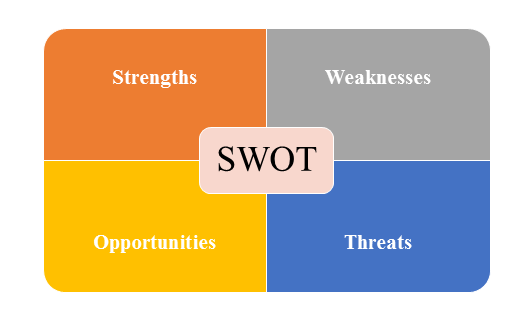
- Strengths describe what the player excels at and separates it from the competition
- Weaknesses stop the player from performing at its optimum level.
- Opportunities refer to favorable external factors that the player can use to give it a competitive advantage.
- Threats refer to factors that have the potential to harm the player.
- Data Sources
| Primary Sources | Secondary Sources |
|---|---|
| Face to face/Phone Interviews with market participants, such as: Manufactures; Distributors; End-users; Experts. Online Survey |
Government/International Organization Data: Annual Report/Presentation/Fact Book Internet Source Information Industry Association Data Free/Purchased Database Market Research Report Book/Journal/News |