Triethylsilane Market Summary: 2026-2031 Size, Pharma Demand & Strategic Outlook
- Single User License (1 Users) $ 3,500
- Team License (2~5 Users) $ 4,500
- Corporate License (>5 Users) $ 5,500
Product and Industry Overview
Triethylsilane (TES) is a high-value specialty hydrosilane monomer situated at the strategic intersection of fine chemicals and organosilicon materials. Rather than competing in bulk industrial silicone markets, Triethylsilane is overwhelmingly oriented toward precision end-markets—functioning primarily as an indispensable high-end pharmaceutical synthesis reagent and secondarily as a specialized electronic chemical and organosilicon modification intermediate.
In 2026, the global Triethylsilane market is estimated at USD 30 million to USD 60 million, and is projected to expand at a compound annual growth rate (CAGR) of 4.0% to 5.5% through 2031. While modest in aggregate dollar size relative to commodity organosilanes, the TES market exhibits resilient demand elasticity, strict technical qualification standards, and steady value accretion. Market expansion over the forecast horizon is anchored by the rising structural complexity of global active pharmaceutical ingredient (API) pipelines—particularly synthetic peptides, targeted oncology drugs, antivirals, and steroidal therapeutics—alongside incremental adoption of ultra-purified grades in advanced semiconductor thin-film deposition and specialty silicone synthesis.
Commercial production of Triethylsilane entails formidable process, safety, and purity hurdles. Manufacturing typically relies on moisture-sensitive organometallic synthesis routes coupled with tightly controlled inert-atmosphere distillation to achieve low-water, ultra-low-impurity specifications demanded by pharmaceutical innovators and electronic fabricators. Consequently, global supply is structured around two distinct operational archetypes: premier Japanese and European specialty chemical leaders serving stringent Western pharmaceutical and semiconductor supply chains, and a focused cluster of scaled Chinese pharmaceutical-chemical manufacturers anchoring global API synthesis volume.
Regional Market Analysis
Regional demand patterns for Triethylsilane mirror the global geography of pharmaceutical API manufacturing, contract development and manufacturing organizations (CDMOs), and advanced semiconductor fabrication.
Asia-Pacific (Estimated CAGR: 4.8% - 6.3%): Asia-Pacific stands as both the fastest-growing consumption hub and the largest volume manufacturing base for Triethylsilane worldwide, anchored by China, India, Japan, South Korea, and Taiwan, China. China hosts a dense network of dedicated pharmaceutical-chemical TES producers across Fujian, Zhejiang, Jiangsu, and Henan provinces, supplying massive domestic API output and export-oriented CDMO synthesis complexes. India represents a major and steadily expanding consumption engine, driven by its globally dominant generic drug and custom API manufacturing industries that rely heavily on TES as a reliable protective and selective synthesis reagent. Meanwhile, Japan, South Korea, and Taiwan, China generate high-margin demand across innovator pharmaceutical R&D as well as ultra-pure electronic specialty silanes supporting leading-edge semiconductor fabrication and display materials.
North America (Estimated CAGR: 3.8% - 5.2%): North America constitutes a high-specification, innovation-led market centered on the United States and Canada. U.S. consumption is heavily weighted toward late-stage clinical drug synthesis, complex small-molecule and synthetic peptide manufacturing, and high-potency active pharmaceutical ingredient (HPAPI) production. Accelerating domestic pharmaceutical reshoring initiatives and bio-supply-chain security policies are prompting North American drugmakers to prioritize audited, traceable TES procurement with robust dual-sourcing protocols. Ongoing investments in domestic U.S. semiconductor fabrication facilities provide an additional, high-margin demand layer for electronic-grade specialty hydrosilanes.
Europe (Estimated CAGR: 3.5% - 4.8%): Europe operates as a mature, quality-focused market led by Germany, Switzerland, Ireland, France, Italy, and the United Kingdom. Anchored by multinational pharmaceutical innovators, specialized European CDMOs, and regional fine-chemical leaders, European procurement prioritizes comprehensive impurity documentation, strict chemical regulatory compliance, and dependable regional supply continuity. Sustained European R&D investment in complex peptide therapies, oncology therapeutics, and precision specialty silicones underpins stable, premium-priced demand across the region.
South America (Estimated CAGR: 3.6% - 4.9%): Regional Triethylsilane consumption across South America is concentrated in Brazil, Argentina, and Colombia, driven primarily by domestic generic pharmaceutical synthesis, specialty fine-chemical laboratories, and niche industrial organosilicon applications. Because indigenous TES production infrastructure is virtually absent, South American pharmaceutical and chemical formulators rely almost entirely on imported reagent-grade and industrial-grade material sourced through global distributors and Asian or European exporters.
Middle East and Africa (Estimated CAGR: 3.7% - 5.0%): Demand across the Middle East and Africa (MEA) remains emerging but steadily expanding, centered on Saudi Arabia, the United Arab Emirates, Egypt, and South Africa. National industrial policies aimed at expanding local pharmaceutical manufacturing, reducing reliance on imported finished medicines, and building regional specialty chemical ecosystems are gradually broadening baseline consumption of fine synthesis reagents, though overall tonnage remains compact relative to major Asia-Pacific, European, and North American drug manufacturing centers.
Market Segmentation Analysis
Commercial demand for Triethylsilane is overwhelmingly concentrated in pharmaceutical organic synthesis—specifically its core role as a drug synthesis protective agent—supplemented by high-margin specialty pathways in electronics and advanced organosilicon engineering.
Drug Synthesis Protective Agent (Core Commercial Pillar): Representing the dominant volume and revenue driver of the global TES market, Triethylsilane plays a critical, multifunctional role in constructing complex active pharmaceutical ingredients. In multi-step API manufacturing, TES is deployed extensively to introduce protective silyl groups shielding sensitive functional sites during harsh reaction sequences, while also operating as a highly selective, mild reducing agent and deprotection scavenger. Its operational selectivity minimizes unwanted side reactions, preserves delicate stereocenters, and elevates overall batch yields across high-value therapeutic classes—including antiviral nucleosides, steroidal hormones, targeted oncology small molecules, antibiotics, and modified peptides.
High-Growth Pharmaceutical Sub-Drivers: Within the broader drug synthesis protective agent segment, two commercial trajectories are reshaping demand intensity:
Synthetic Peptide and Metabolic Therapeutics: Rapid global scaling of synthetic peptide manufacturing—propelled notably by surging demand for next-generation metabolic and endocrine therapies—utilizes TES heavily as a high-efficiency scavenger during solid-phase peptide cleavage and deprotection stages. Because peptide manufacturing requires substantial reagent-to-product ratios and strict purity consistency, this sub-segment is emerging as the fastest-expanding growth catalyst for TES.
Complex Generic and Custom CDMO Pipelines: Ongoing patent expirations of structurally intricate originator drugs expand multi-step generic API synthesis across India and China, while global pharmaceutical outsourcing to CDMOs sustains continuous clinical-to-commercial reagent replenishment.
Electronic Specialty Chemicals and Organosilicon Modification (Complementary High-Margin Frontier): Outside pharmaceutical manufacturing, ultra-purified Triethylsilane serves niche but highly lucrative industrial roles. In semiconductor fabrication, electronic-grade TES is utilized within specialized chemical vapor deposition (CVD) and atomic layer deposition (ALD) precursor workflows to engineer precision silicon-containing dielectric and barrier films. In specialty materials, TES acts as a targeted hydrosilylation reagent for modifying specialty silicone polymers, optical coatings, and high-reliability electronic encapsulants. Although representing a smaller share of global physical tonnage than drug synthesis, ultra-pure electronic grades command substantial unit price premiums due to stringent trace-metal purity thresholds.
Industry Chain and Value Chain Analysis
The global Triethylsilane value chain links upstream chlorosilane and organometallic raw materials with safety-intensive midstream synthesis and tightly audited downstream pharmaceutical and electronic supply chains.
Upstream Raw Material Ecosystem: Industrial TES manufacturing depends primarily on upstream organosilicon intermediates—chiefly trichlorosilane or alkoxysilanes—reacted with ethylating reagents such as ethyl chloride (via magnesium-based Grignard chemistry) or specialized organometallic compounds. Upstream cost dynamics and supply reliability are therefore linked to silicon metal, chlorosilane complexes, magnesium feedstock, and anhydrous hydrocarbon or ether solvents. Securing consistent, low-impurity upstream silane monomers is essential to controlling downstream purification expenses.
Midstream Synthesis, Purification, and Hazard Management: Midstream TES production represents a high-barrier fine-chemical operation governed by strict Environment, Health, and Safety (EHS) engineering. Organometallic Grignard synthesis and hydrosilane handling require rigorous moisture exclusion, inert nitrogen blanketing, precise exothermic reaction control, and multi-stage fractional distillation to remove trace chlorinated impurities, residual metals, and moisture. Beyond reactor economics, managing inorganic magnesium salt byproducts and spent organic solvents requires capital-intensive environmental treatment systems. Furthermore, because TES requires specialized hazardous-material (HazMat) containment in nitrogen-sealed steel drums or specialized cylinders, cross-border freight logistics and dangerous-goods compliance represent significant operational cost components.
Downstream Commercial Channels and Qualification Barriers: Downstream customers—spanning multinational pharmaceutical innovators, global CDMOs, generic API producers, and semiconductor precursor formulators—procure TES through two principal channels. Commercial-scale API manufacturers rely predominantly on direct, long-term supply agreements backed by rigorous quality audits, detailed impurity profiling, and strict change-control covenants. Early-stage clinical developers, academic institutions, and specialty electronics laboratories typically procure smaller packaged quantities through global fine-chemical and laboratory reagent distributors.
Value Distribution and Structural Bottlenecks: Profit pools across the TES value chain are distinctly stratified by purity certification and regulatory credibility. Standard industrial-grade TES experiences cyclical margin pressure driven by raw material swings and regional competition among mid-sized Chinese fine-chemical plants. Conversely, superior margins concentrate in audit-qualified pharmaceutical grades (guaranteed ultra-low moisture and consistent impurity baselines) and electronic-grade ultra-purified TES. Core structural bottlenecks include stringent chemical-park EHS permitting for new Grignard synthesis capacity, international dangerous-goods maritime and air transport restrictions, waste-salt disposal compliance, and extended 6-to-12-month technical qualification periods required when drugmakers validate an alternative reagent supplier.
Competitive Landscape and Key Players
The global Triethylsilane competitive landscape displays a clear structural division between globally renowned Japanese and European specialty chemical conglomerates—anchoring ultra-high-purity electronic and stringent Western pharmaceutical demand—and a concentrated cluster of agile, scaled Chinese pharmaceutical-chemical manufacturers dominating bulk global API reagent supply.
Shin-Etsu Chemical: As one of the world's foremost integrated silicones and semiconductor materials leaders headquartered in Japan, Shin-Etsu Chemical possesses deep upstream chlorosilane integration and industry-leading ultra-purification technology. Its strategic positioning centers on ultra-high-purity organosilanes and specialty hydrosilanes tailored for demanding semiconductor fabrication lines and top-tier innovator pharmaceutical manufacturers requiring uncompromising quality consistency.
Alzchem Group AG and PCC: Representing Europe's premier specialty fine-chemical and organosilicon manufacturing anchors, Germany-headquartered Alzchem Group AG leverages deep custom chemical synthesis capabilities, rigorous European quality systems, and close proximity to major Swiss, German, and broader European pharmaceutical innovators and CDMOs. PCC reinforces regional European chemical supply security through specialized silane and industrial chemical production expertise, addressing Western buyers' growing emphasis on resilient, shorter-lead-time European supply chains.
Nanping Mingzheng Pharmaceutical Chemical: Operating out of Fujian province, China, Nanping Mingzheng Pharmaceutical Chemical stands as one of the largest dedicated commercial producers of Triethylsilane globally, with an established annual production capacity of 500 metric tons. Its scale advantages enable strong unit cost efficiency and dependable bulk contract fulfillment for major domestic Chinese API manufacturers as well as international export customers across India and Europe.
Zhejiang HuTu PharmChem: Strategically positioned within Zhejiang province's globally significant API and pharmaceutical intermediates cluster, Zhejiang HuTu PharmChem operates an annual Triethylsilane production capacity of 400 metric tons. Combining significant plant scale with immediate proximity to leading Chinese CDMOs and drugmakers, the company maintains strong commercial traction in responsive pharmaceutical reagent supply and custom impurity specifications.
Henan Yuchen Pharmaceutical and Haimen Best Fine Chemical: Complementing China's largest bulk producers, Henan Yuchen Pharmaceutical focuses closely on specialized pharmaceutical synthesis reagents and organosilane intermediates supporting domestic API production ecosystems. Haimen Best Fine Chemical, operating an annual Triethylsilane capacity of 100 metric tons in Jiangsu province, caters to targeted fine-chemical and pharmaceutical synthesis clients requiring agile batch execution and tailored specialty-grade delivery.
Market Opportunities and Challenges
Between 2026 and 2031, Triethylsilane producers and pharmaceutical procurement teams will navigate compelling high-value growth catalysts balanced against operational, environmental, and commercial headwinds.
Key Market Opportunities:
Surging Global Peptide and Complex Small-Molecule API Output: Rapid capacity expansions in synthetic peptide manufacturing—notably for high-volume metabolic and endocrine treatments—alongside complex oncology and antiviral pipelines directly increase commercial TES consumption as a protective agent and cleavage scavenger.
Supply Chain Diversification and Dual-Qualification Demand: Western and Indian pharmaceutical companies implementing "China-Plus-One" and regional supply resilience frameworks are actively expanding dual-sourcing agreements across European, Japanese, and top-tier audited Chinese TES producers.
High-Margin Electronic Specialty Chemical Adoption: Ongoing expansion in global wafer fabrication capacity and next-generation semiconductor thin-film deposition architectures creates attractive margin-accretive growth for producers capable of scaling ultra-pure electronic-grade TES.
Value-Added Safe Packaging and Closed-Transfer Logistics: Developing moisture-tight, returnable stainless-steel cylinder systems and closed-loop transfer packaging reduces customer handling hazards in cGMP pharmaceutical plants, strengthening supplier stickiness and contract pricing power.
Structural Market Challenges:
Stringent EHS Regulation and Hazardous Logistics Constraints: Tightening regulatory oversight over organometallic Grignard reactions, flammable hydrosilane storage, and inorganic waste-salt disposal restricts greenfield plant permitting and inflates compliance and dangerous-goods shipping costs.
Upstream Feedstock Volatility and Process Substitution in Mature Generics: Fluctuations in trichlorosilane, ethyl chloride, and magnesium input prices periodically squeeze midstream margins. Simultaneously, cost-conscious generic API manufacturers continually optimize synthesis routes to reduce stoichiometric TES loading or evaluate alternative lower-cost reducing systems for older, margin-compressed drug molecules.
Competitive Pricing Pressure in Standard Pharmaceutical Grades: Concentrated commercial capacity among Chinese fine-chemical plants (spanning facilities from 100 to 500 metric tons annually) periodically intensifies price competition during standard bulk export tenders, pressuring non-differentiated suppliers.
1.1 Study Scope ...... 1
1.2 Research Methodology ...... 2
1.2.1 Data Sources ...... 3
1.2.2 Assumptions ...... 4
1.3 Abbreviations and Acronyms ...... 5
Chapter 2 Global Triethylsilane Market Environment and Geopolitical Dynamics ...... 6
2.1 Global Specialty Organosilicon and Pharmaceutical Intermediates Landscape ...... 6
2.2 Middle East Geopolitical Conflict and Cascading Supply Chain Disruptions ...... 7
2.2.1 Red Sea Shipping Route Disruptions and Marine Freight Rate Inflation ...... 8
2.2.2 Silicon Metal, Reducing Hydrides and Petrochemical Solvent Price Pressures ...... 9
2.2.3 Raw Material Protectionism and Supply Chain Nearshoring Realignment ...... 10
2.3 Environmental Regulatory Frameworks, Solvents Management and Safety Mandates ...... 11
Chapter 3 Triethylsilane Industry Chain, Synthesis Technologies and Patent Landscape ...... 12
3.1 Triethylsilane Industry Value Chain Structure and Downstream Conversion Ecosystem ...... 12
3.2 Upstream Feedstock Sourcing: Triethylchlorosilane, Hydride Reagents and Solvents ...... 13
3.3 Commercial Synthesis and Purification Methodologies ...... 14
3.3.1 Reduction of Chlorosilanes Using Metal Hydrides (LiAlH4 and NaH) ...... 14
3.3.2 Continuous Flow Synthesis, Exothermic Control and Quenching Technologies ...... 15
3.3.3 Precision Fractional Distillation, Moisture Control and Flammable Liquid Packaging ...... 16
3.4 Global Patent Landscape, Process Innovation and Green Chemistry Trends ...... 17
Chapter 4 Global Triethylsilane Market by Type ...... 18
4.1 Product Classification by Purity and Quality Specifications ...... 18
4.2 Industrial Grade Triethylsilane (Purity 98.0%-98.9%) ...... 19
4.2.1 Production Capacity and Smelter Output (2021-2026) ...... 19
4.2.2 Market Value and Volume Growth Forecast (2027-2031) ...... 21
4.3 Pharmaceutical / High Purity Grade Triethylsilane (Purity ≥99.0%, Low Moisture and Metal Traces) ...... 22
4.3.1 Active Pharmaceutical Ingredient (API) Synthesis Demand (2021-2026) ...... 22
4.3.2 Revenue Growth Potential and Forecast (2027-2031) ...... 23
Chapter 5 Global Triethylsilane Market by Application ...... 24
5.1 Application Architecture and Chemical Synthesis Conversion Matrix ...... 24
5.2 Drug Synthesis Protective Agent (Silylating and Hydroxyl Protecting Agent in APIs) ...... 25
5.3 Reducing Agent in Organic Synthesis (Mild Ionic Hydrogenation and Carbonyl Reduction) ...... 26
5.4 Hydrosilylation Reagent in Specialty Polymers and Silicone Formulations ...... 28
5.5 Other Applications (Catalyst Activation, Peptide Synthesis and Electronic Chemicals) ...... 29
5.6 Application Demand Comparison and Revenue Growth Analysis (2021-2031) ...... 30
Chapter 6 Global Triethylsilane Production, Capacity and Facility Utilization ...... 32
6.1 Global Production Capacity, Output and Utilization Rates (2021-2026) ...... 32
6.2 Regional Manufacturing Infrastructure and Synthetic Reactor Assets ...... 33
6.2.1 China Production Capacity, Industrial Park Upgrades and Scale ...... 34
6.2.2 Asia-Pacific (Excl. China) High-End Organosilicon Production Facilities ...... 35
6.2.3 Europe Specialty Chemical Plants and Green Synthesis Assets ...... 36
6.2.4 North America Processing Footprint and Advanced Pharmaceutical Supply ...... 37
6.2.5 Latin America, Middle East and Africa Overview ...... 38
Chapter 7 Global Triethylsilane Consumption and Market Size by Countries/Regions ...... 39
7.1 Global Triethylsilane Consumption Volume and Market Size (2021-2031) ...... 39
7.2 Asia-Pacific ...... 40
7.2.1 China ...... 41
7.2.2 India, Japan and South Korea ...... 42
7.2.3 Rest of Asia-Pacific ...... 42
7.3 Europe ...... 43
7.3.1 Germany, Switzerland and United Kingdom ...... 44
7.3.2 Rest of Europe ...... 44
7.4 North America ...... 45
7.4.1 United States ...... 46
7.4.2 Canada and Mexico ...... 46
7.5 Latin America, Middle East and Africa ...... 47
Chapter 8 Global Triethylsilane International Trade and Logistics ...... 48
8.1 International Trade Routes and Class 3 Flammable Liquid Transport Standards ...... 48
8.2 Major Exporting Countries/Regions and Outbound Volumes (2021-2026) ...... 49
8.3 Major Importing Countries/Regions and Inbound Logistics (2021-2026) ...... 50
8.4 Tariff Barriers, Antidumping Policies and Strategic Chemical Stockpiling ...... 51
8.5 Ocean Freight Volatility, Hazardous Container Lead Times and Supply Chain Resilience ...... 52
Chapter 9 Industry Dynamics, Environmental Regulations and Pricing Structure ...... 53
9.1 Market Drivers: Rapid Growth of Global Small-Molecule APIs and Silylating Reagents ...... 53
9.2 Market Restraints: Stringent Hazardous Reagent Handling and Flammability Protocols ...... 54
9.3 Global Triethylsilane Benchmark Pricing Mechanisms and Historical Trends (2021-2026) ...... 55
9.4 Production Cost Breakdown (Chlorosilane Feedstock, Reducing Agents, Energy and Solvent Recovery) ...... 55
9.5 Global Price Forecast and Producer Margin Dynamics (2027-2031) ...... 56
Chapter 10 Competitive Landscape and Market Concentration ...... 57
10.1 Global Triethylsilane Market Concentration Ratio (CR3 and CR5) (2021-2026) ...... 57
10.2 Leading Producer Competitive Matrix and Technical Differentiation ...... 58
10.3 Entry Barriers: Advanced Safety Licensing, Reaction Heat Engineering and Purity Control ...... 59
10.4 Strategic Partnerships and Long-Term Sourcing Alliances with API Manufacturers ...... 60
Chapter 11 Key Player Profiles ...... 61
11.1 Shin-Etsu Chemical ...... 61
11.1.1 Company Overview and Silicones Operating Segment ...... 61
11.1.2 Triethylsilane Operational Data Analysis (2021-2026) ...... 62
11.1.3 SWOT Analysis ...... 63
11.1.4 Ultrapure Synthesis Capabilities and Global Pharmaceutical Supply Channels ...... 64
11.2 PCC ...... 65
11.2.1 Company Overview and Specialty Silicones Division ...... 65
11.2.2 Triethylsilane Operational Data Analysis (2021-2026) ...... 66
11.2.3 SWOT Analysis ...... 67
11.2.4 European Manufacturing Infrastructure and Customer Technical Support ...... 68
11.3 Alzchem Group AG ...... 69
11.3.1 Company Overview and Fine Chemical Synthesis Assets ...... 69
11.3.2 Triethylsilane Operational Data Analysis (2021-2026) ...... 70
11.3.3 SWOT Analysis ...... 71
11.3.4 Custom Synthesis Integration and Specialty Reagent Leadership ...... 72
11.4 Henan Yuchen Pharmaceutical ...... 73
11.4.1 Company Overview and Pharmaceutical Intermediate Scale ...... 73
11.4.2 Triethylsilane Operational Data Analysis (2021-2026) ...... 74
11.4.3 SWOT Analysis ...... 75
11.4.4 API Protective Agent Specialization and Process Optimization ...... 76
11.5 Zhejiang HuTu PharmChem ...... 77
11.5.1 Company Overview and Organosilicon Product Lines ...... 77
11.5.2 Triethylsilane Operational Data Analysis (2021-2026) ...... 78
11.5.3 SWOT Analysis ...... 79
11.5.4 Domestic Market Penetration and Technical Upgrading Initiatives ...... 80
11.6 Haimen Best Fine Chemical ...... 81
11.6.1 Company Overview and Core Operations ...... 81
11.6.2 Triethylsilane Operational Data Analysis (2021-2026) ...... 82
11.6.3 SWOT Analysis ...... 83
11.6.4 High-Purity Reagents Scaling and Export Growth Strategy ...... 84
11.7 Nanping Mingzheng Pharmaceutical Chemical ...... 85
11.7.1 Company Overview and Production Assets ...... 85
11.7.2 Triethylsilane Operational Data Analysis (2021-2026) ...... 86
11.7.3 SWOT Analysis ...... 87
11.7.4 Fluorinated and Silylated Intermediate Synergy and Capacity Planning ...... 88
Chapter 12 Global Triethylsilane Market Forecast and Strategic Development ...... 89
12.1 Global Production Capacity, Output and Consumption Balance (2027-2031) ...... 89
12.2 Global Market Revenue and Volume Projections by Segment (2027-2031) ...... 90
12.3 Regional Expansion Opportunities and High-Value Pharmaceutical Synthesis Hubs ...... 91
12.4 Strategic Roadmaps for Organosilicon Producers and Fine Chemical Processors ...... 92
12.5 Supply Chain Security and Strategic Feedstock Procurement Frameworks ...... 93
12.6 Emerging High-End API Niches and Concluding Growth Summary ...... 94
Table 2 Middle East Geopolitical Conflict: Supply Chain Disruption Matrix for Specialty Chemical Reagents ...... 8
Table 3 Technical Comparison of Commercial Synthetic Routes for Triethylsilane ...... 14
Table 4 Operating Parameters, Solvents and Hydride Efficiencies Across Reduction Methods ...... 15
Table 5 Global Triethylsilane Production Volume by Type (2021-2026) ...... 19
Table 6 Global Triethylsilane Production Volume Forecast by Type (2027-2031) ...... 21
Table 7 Global Triethylsilane Market Size by Type (2021-2026) ...... 22
Table 8 Global Triethylsilane Market Size Forecast by Type (2027-2031) ...... 23
Table 9 Global Triethylsilane Consumption Volume by Application (2021-2026) ...... 24
Table 10 Global Triethylsilane Consumption Volume Forecast by Application (2027-2031) ...... 29
Table 11 Global Triethylsilane Market Size by Application (2021-2026) ...... 30
Table 12 Global Triethylsilane Production Capacity and Utilization Rate by Region (2021-2026) ...... 32
Table 13 Global Triethylsilane Production by Region (2021-2026) ...... 33
Table 14 Global Triethylsilane Production Forecast by Region (2027-2031) ...... 38
Table 15 Global Triethylsilane Consumption Volume by Countries/Regions (2021-2026) ...... 39
Table 16 Global Triethylsilane Consumption Forecast by Countries/Regions (2027-2031) ...... 41
Table 17 Asia-Pacific Triethylsilane Consumption Volume by Country (2021-2026) ...... 42
Table 18 Europe Triethylsilane Consumption Volume by Country/Region (2021-2026) ...... 44
Table 19 North America Triethylsilane Consumption Volume by Country (2021-2026) ...... 46
Table 20 Major Global Triethylsilane Exporting Countries/Regions by Volume (2021-2026) ...... 49
Table 21 Major Global Triethylsilane Importing Countries/Regions by Volume (2021-2026) ...... 50
Table 22 Tariff Schedules and Hazardous Chemical Handling Regulations Across Key Markets ...... 51
Table 23 Comprehensive Growth Drivers and Market Restraints in the Global Triethylsilane Sector ...... 53
Table 24 Production Cost Structure Breakdown for Industrial Triethylsilane Synthesis ...... 55
Table 25 Global Triethylsilane Market Share Ranking of Leading Producers (2026) ...... 57
Table 26 Technical and Regulatory Barriers to Entry in Commercial Triethylsilane Production ...... 60
Table 27 Shin-Etsu Chemical Triethylsilane Capacity, Production, Price, Cost and Gross Profit Margin (2021-2026) ...... 62
Table 28 PCC Triethylsilane Capacity, Production, Price, Cost and Gross Profit Margin (2021-2026) ...... 66
Table 29 Alzchem Group AG Triethylsilane Capacity, Production, Price, Cost and Gross Profit Margin (2021-2026) ...... 70
Table 30 Henan Yuchen Pharmaceutical Triethylsilane Capacity, Production, Price, Cost and Gross Profit Margin (2021-2026) ...... 74
Table 31 Zhejiang HuTu PharmChem Triethylsilane Capacity, Production, Price, Cost and Gross Profit Margin (2021-2026) ...... 78
Table 32 Haimen Best Fine Chemical Triethylsilane Capacity, Production, Price, Cost and Gross Profit Margin (2021-2026) ...... 82
Table 33 Nanping Mingzheng Pharmaceutical Chemical Triethylsilane Capacity, Production, Price, Cost and Gross Profit Margin (2021-2026) ...... 86
Table 34 Global Triethylsilane Production Capacity, Output and Consumption Overview (2027-2031) ...... 89
Table 35 Global Triethylsilane Market Revenue and Growth Forecast by Application (2027-2031) ...... 90
Figure 1 Silicon Metal and Specialty Hydride Historical Price Trends (2021-2026) ...... 9
Figure 2 International Trade Routing Shifts and Sourcing Realignment for Fine Chemicals ...... 10
Figure 3 Triethylsilane Industry Value Chain and Downstream Synthesis Pathways ...... 12
Figure 4 Global Patent Publication Trajectory for Triethylsilane Synthesis and Purification (2021-2026) ...... 17
Figure 5 Global Triethylsilane Production Breakdown by Type in 2026 ...... 20
Figure 6 Global Triethylsilane Market Value Growth Trajectory by Type (2021-2031) ...... 23
Figure 7 Global Triethylsilane Consumption Share by Application in 2026 ...... 25
Figure 8 Global Triethylsilane Consumption Trend in Drug Synthesis Protective Agents (2021-2031) ...... 27
Figure 9 Global Triethylsilane Market Size Forecast by Application (2021-2031) ...... 31
Figure 10 Global Production Facility Utilization Rate Trend (2021-2026) ...... 34
Figure 11 Global Production Share by Region in 2026 ...... 36
Figure 12 Global Consumption Volume Share by Countries/Regions in 2026 ...... 40
Figure 13 Asia-Pacific Market Revenue Growth Trend (2021-2031) ...... 43
Figure 14 Europe Market Revenue Growth Trend (2021-2031) ...... 45
Figure 15 North America Market Revenue Growth Trend (2021-2031) ...... 47
Figure 16 Key Maritime Shipping Corridors for Flammable Organosilicon Cargoes ...... 48
Figure 17 Marine Freight Volatility and Impact on Cross-Border Lead Times (2021-2026) ...... 52
Figure 18 Global Average Historical Benchmark Price Fluctuations (2021-2026) ...... 54
Figure 19 Global Average Price Forecast for Triethylsilane (2027-2031) ...... 56
Figure 20 Global Market Concentration Share (CR3 and CR5) (2021-2026) ...... 58
Figure 21 Shin-Etsu Chemical Triethylsilane Market Share (2021-2026) ...... 63
Figure 22 PCC Triethylsilane Market Share (2021-2026) ...... 67
Figure 23 Alzchem Group AG Triethylsilane Market Share (2021-2026) ...... 71
Figure 24 Henan Yuchen Pharmaceutical Triethylsilane Market Share (2021-2026) ...... 75
Figure 25 Zhejiang HuTu PharmChem Triethylsilane Market Share (2021-2026) ...... 79
Figure 26 Haimen Best Fine Chemical Triethylsilane Market Share (2021-2026) ...... 83
Figure 27 Nanping Mingzheng Pharmaceutical Chemical Triethylsilane Market Share (2021-2026) ...... 87
Figure 28 Global Triethylsilane Market Size and Volume Growth Trajectory (2021-2031) ...... 91
Figure 29 Supply Chain Risk Management and Strategic Sourcing Framework for API Producers ...... 93
Research Methodology
- Market Estimated Methodology:
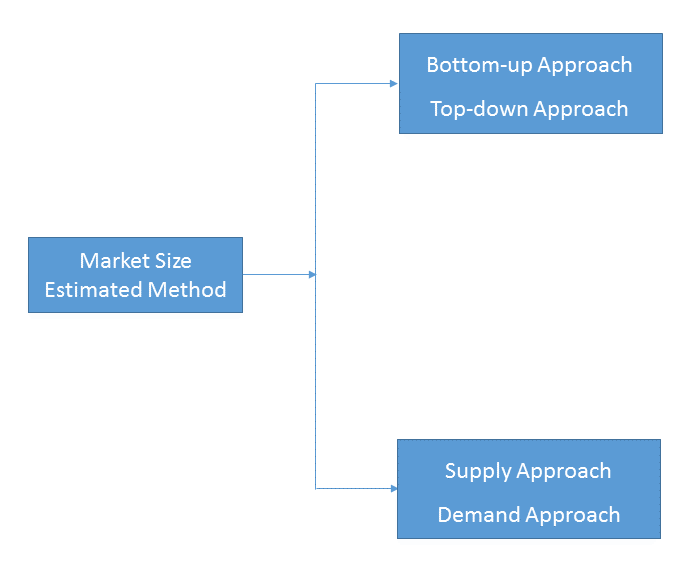
Bottom-up & top-down approach, supply & demand approach are the most important method which is used by HDIN Research to estimate the market size.
1)Top-down & Bottom-up Approach
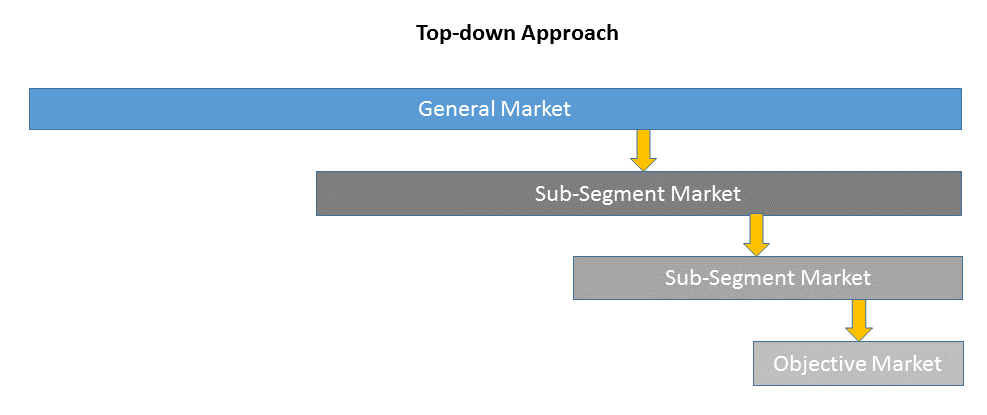
Top-down approach uses a general market size figure and determines the percentage that the objective market represents.
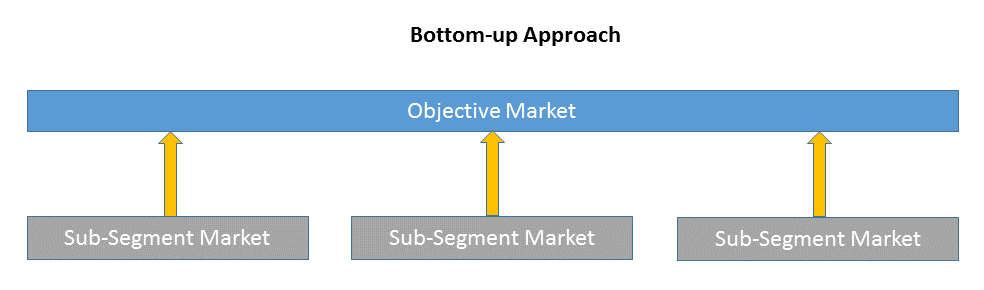
Bottom-up approach size the objective market by collecting the sub-segment information.
2)Supply & Demand Approach
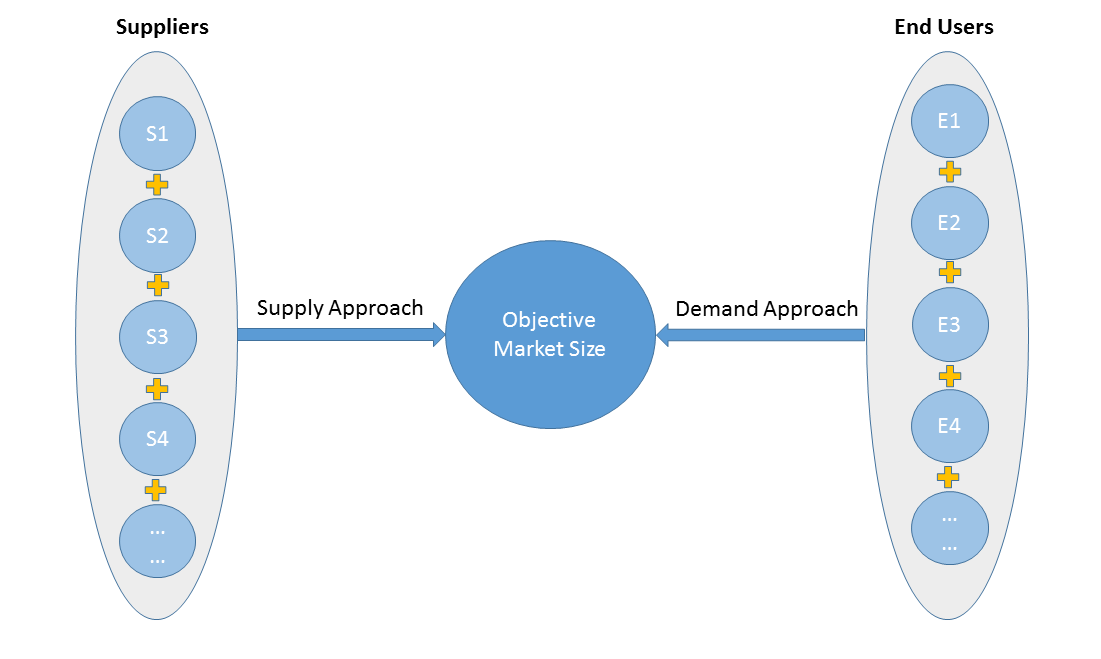
Supply approach is based on assessments of the size of each competitor supplying the objective market.
Demand approach combine end-user data within a market to estimate the objective market size. It is sometimes referred to as bottom-up approach.
- Forecasting Methodology
- Numerous factors impacting the market trend are considered for forecast model:
- New technology and application in the future;
- New project planned/under contraction;
- Global and regional underlying economic growth;
- Threatens of substitute products;
- Industry expert opinion;
- Policy and Society implication.
- Analysis Tools
1)PEST Analysis
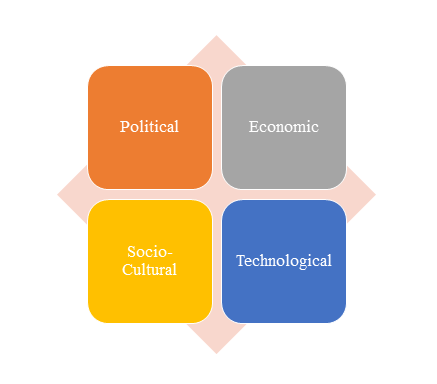
PEST Analysis is a simple and widely used tool that helps our client analyze the Political, Economic, Socio-Cultural, and Technological changes in their business environment.
- Benefits of a PEST analysis:
- It helps you to spot business opportunities, and it gives you advanced warning of significant threats.
- It reveals the direction of change within your business environment. This helps you shape what you’re doing, so that you work with change, rather than against it.
- It helps you avoid starting projects that are likely to fail, for reasons beyond your control.
- It can help you break free of unconscious assumptions when you enter a new country, region, or market; because it helps you develop an objective view of this new environment.
2)Porter’s Five Force Model Analysis
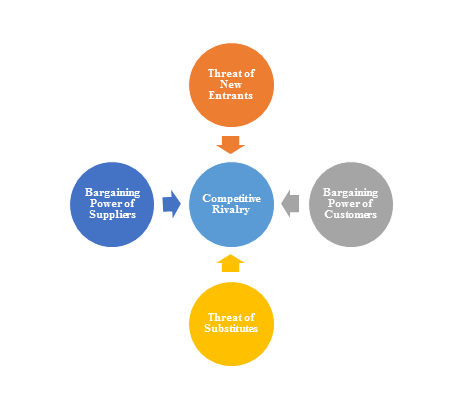
The Porter’s Five Force Model is a tool that can be used to analyze the opportunities and overall competitive advantage. The five forces that can assist in determining the competitive intensity and potential attractiveness within a specific area.
- Threat of New Entrants: Profitable industries that yield high returns will attract new firms.
- Threat of Substitutes: A substitute product uses a different technology to try to solve the same economic need.
- Bargaining Power of Customers: the ability of customers to put the firm under pressure, which also affects the customer's sensitivity to price changes.
- Bargaining Power of Suppliers: Suppliers of raw materials, components, labor, and services (such as expertise) to the firm can be a source of power over the firm when there are few substitutes.
- Competitive Rivalry: For most industries the intensity of competitive rivalry is the major determinant of the competitiveness of the industry.
3)Value Chain Analysis
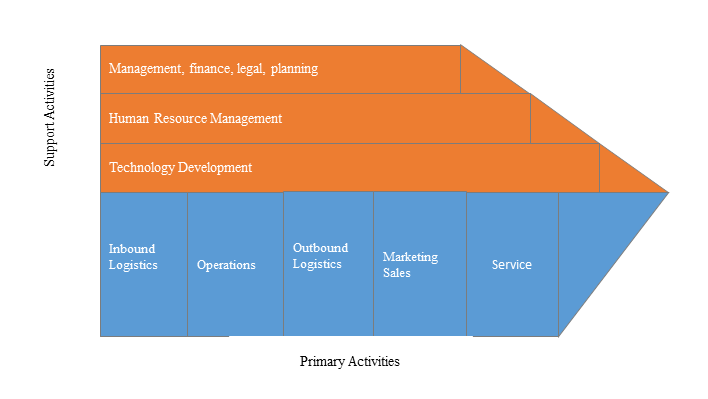
Value chain analysis is a tool to identify activities, within and around the firm and relating these activities to an assessment of competitive strength. Value chain can be analyzed by primary activities and supportive activities. Primary activities include: inbound logistics, operations, outbound logistics, marketing & sales, service. Support activities include: technology development, human resource management, management, finance, legal, planning.
4)SWOT Analysis
SWOT analysis is a tool used to evaluate a company's competitive position by identifying its strengths, weaknesses, opportunities and threats. The strengths and weakness is the inner factor; the opportunities and threats are the external factor. By analyzing the inner and external factors, the analysis can provide the detail information of the position of a player and the characteristics of the industry.
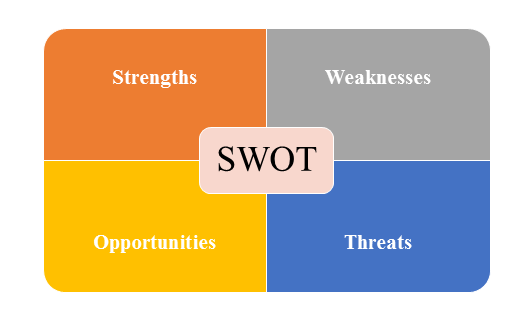
- Strengths describe what the player excels at and separates it from the competition
- Weaknesses stop the player from performing at its optimum level.
- Opportunities refer to favorable external factors that the player can use to give it a competitive advantage.
- Threats refer to factors that have the potential to harm the player.
- Data Sources
| Primary Sources | Secondary Sources |
|---|---|
| Face to face/Phone Interviews with market participants, such as: Manufactures; Distributors; End-users; Experts. Online Survey |
Government/International Organization Data: Annual Report/Presentation/Fact Book Internet Source Information Industry Association Data Free/Purchased Database Market Research Report Book/Journal/News |