Triethyl Phosphite Market Outlook: Global Strategic Supply Constraints, CWC Compliance Frameworks, and Specialty Chemical Intermediates Dynamics (2026–2031)
- Single User License (1 Users) $ 3,500
- Team License (2~5 Users) $ 4,500
- Corporate License (>5 Users) $ 5,500
Triethyl Phosphite (systematically designated as triethoxyphosphane, commonly abbreviated as TEPi or TEP) represents an essential trivalent organophosphorus ester within the international fine chemicals architecture. Engineered through the controlled esterification of phosphorus trichloride (PCl_3) with anhydrous ethanol, Triethyl Phosphite is characterized by a reactive, unshared electron pair on its central phosphorus atom. This specific electronic configuration provides the molecule with potent nucleophilicity, strong reducing capabilities, and exceptional coordination affinity toward transition metals. Consequently, TEPi functions as an indispensable functional building block across life-science synthesis, agrochemical formulation, advanced optical materials, and high-performance polymer stabilization.
In modern synthetic chemistry, Triethyl Phosphite is widely utilized as a key substrate in foundational organic transformation pathways. Chief among these are the Michaelis-Arbuzov and Michaelis-Becker reactions, which convert trivalent phosphites into stable pentavalent alkylphosphonates. These phosphonate derivatives serve as foundational precursors for the Horner-Wadsworth-Emmons (HWE) olefination, a cornerstone methodology for generating stereoselective carbon-carbon double bonds. Beyond olefination cascades, TEPi actively participates in Perkow reactions to generate dialkyl vinyl phosphates, operates as a mild oxygen- and sulfur-scavenging deoxygenating/desulfurizing agent, and serves as an efficient tertiary phosphite ligand in homogeneous transition-metal catalysis.
From a commercial valuation standpoint, the global Triethyl Phosphite market is valued at an estimated range between USD 70 million and USD 140 million in 2026. Over the forecast horizon spanning 2026 through 2031, the market is projected to expand at a compound annual growth rate (CAGR) of 6.0% to 7.0%.
The commercial expansion of the TEPi market is propelled by structural demand trends across high-specification downstream industries. The global pharmaceutical sector's push toward novel antiviral therapeutics, nucleotide reverse transcriptase inhibitors, and semi-synthetic antibiotics has amplified demand for high-purity, low-acid phosphite intermediates. Concurrently, modernization within the commercial agrochemicals space requires dependable phosphite feeds to manufacture targeted crop protection actives.
However, the supply side of the Triethyl Phosphite market operates under strict dual-barrier constraints. First, its synthesis is directly tied to the supply chain of phosphorus trichloride, a toxic and corrosive precursor with significant environmental handling requirements. Second, because of its chemical structure, Triethyl Phosphite is internationally classified under Schedule 3B of the Chemical Weapons Convention (CWC), subjecting commercial operations to strict national quotas, end-user verification protocols, and regulatory oversight. These regulatory frameworks restrict non-compliant market entry and consolidate manufacturing within a concentrated group of licensed chemical enterprises.
Regional Market Analysis
Asia-Pacific
The Asia-Pacific region serves as both the dominant production epicenter and the fastest-growing consumption hub for Triethyl Phosphite, with an estimated regional growth rate expanding at a CAGR of 6.4% to 7.6%. This position is anchored by China's extensive organophosphorus industrial parks, which maintain integrated access to primary elemental yellow phosphorus and localized chlorine production. China accounts for the majority of global operating synthesis capacity, supported by dedicated producers capable of managing large-scale hazardous esterification units.
Domestically, China’s demand is driven by the production of agrochemical actives, the synthesis of fluorescent whitening agents (FWAs) for the paper and textile sectors, and an expanding domestic pharmaceutical manufacturing footprint. However, supply-side consolidation driven by national environmental inspections and chemical park safety zoning continues to direct production volume toward fully licensed industrial platforms.
Beyond China, other prominent industrial economies within the Asia-Pacific region exhibit distinct commercial dynamics:
India stands as a key growth driver, where a well-established agrochemical manufacturing sector and an expanding pharmaceutical contract development and manufacturing organization (CDMO) base create robust demand for high-grade TEPi. Indian domestic synthesizers and formulators actively import and locally process organophosphorus intermediates to supply both domestic agricultural formulations and global active pharmaceutical ingredient (API) supply chains.
Japan maintains a sophisticated, technology-focused market characterized by demand for ultra-pure Triethyl Phosphite grades. These are deployed in electronic-grade photo-curable systems, specialized engineering polymer stabilizers, and proprietary pharmaceutical drug candidates.
South Korea demonstrates consistent demand, driven by downstream fine chemical synthesis, functional plastic additive processing, and specialized coating auxiliary formulation.
North America
The North American market is characterized by high technological sophistication, stringent compliance frameworks, and an estimated growth rate traversing 5.4% to 6.4% over the 2026 to 2031 period. The United States represents the primary volume consumer in the region. The domestic market landscape is heavily oriented toward the innovative pharmaceutical synthesis sector, where TEPi is employed as an essential reagent in the construction of complex phosphonate-bearing drug molecules, antiviral regimens, and specialty clinical candidates.
In the industrial sector, North American demand is supported by the production of high-performance flame-retardant plasticizers, lubricant extreme-pressure additives, and advanced polymer processing aids. Regulatory administration is overseen by the United States Department of Commerce's Bureau of Industry and Security (BIS) under CWC Schedule 3B mandates, alongside environmental controls enforced by the Environmental Protection Agency (EPA). Canada provides incremental baseline demand, centered largely on specialized agrochemical import blending, fine chemical academic research, and localized industrial additive compounding.
Europe
The European Triethyl Phosphite market is defined by high regulatory standards, an emphasis on green chemistry principles, and a projected growth rate tracking between 4.8% and 5.8%. Western European chemical manufacturing centers—predominantly Germany, Switzerland, the United Kingdom, France, and Italy—constitute the core of regional demand. These markets focus on high-value life-science intermediates, advanced agricultural active compounds, and specialty industrial antioxidants.
The European operating landscape is strictly governed by the European Chemicals Agency (ECHA) under REACH protocols, combined with national National Authorities implementing CWC monitoring declarations. As a result, European market participants prioritize high-purity product grades manufactured under transparent, environmentally certified processes. European CDMOs and fine chemical synthesizers frequently utilize TEPi in stereoselective HWE olefinations to access complex APIs, while commodity-scale pesticide synthesis has largely shifted to off-shore contract manufacturing hubs. In Central and Eastern Europe, demand remains anchored to localized polymer processing and industrial chemical blending.
South America
The South American market represents a resource- and agriculture-intensive territory, with an estimated growth rate tracking within the band of 5.2% to 6.2%. The region's commercial activity is heavily concentrated in Brazil, followed by Argentina and Colombia. Downstream consumption is primarily driven by the crop protection industry, which requires extensive supplies of insecticides, acaricides, and crop protection formulations to protect commercial soybean, corn, sugarcane, and coffee acreage.
Because South American domestic synthesis of organophosphorus intermediates is limited by the absence of localized phosphorus trichloride production, the region relies on imports of technical actives or formulated products containing TEPi-derived chemistry. Brazilian agricultural formulators represent an essential commercial endpoint, demanding cost-competitive, reliable intermediate flows from Asian manufacturing corridors to sustain high-volume agricultural export cycles.
Middle East and Africa (MEA)
The Middle East and Africa region demonstrates an estimated growth rate spanning 4.5% to 5.6%. In the Middle East, particularly within the Gulf Cooperation Council (GCC) member states, industrial demand is evolving as regional petrochemical platforms pursue downstream diversification into specialty performance polymers, industrial lubricants, and functional plastic additives. Regional natural gas processing and refinery infrastructure also sustains baseline demand for specialized anti-wear and antioxidant additive packages utilizing phosphite chemistry.
Across Africa, the market is primarily concentrated in regional agricultural and industrial manufacturing hubs, such as South Africa and Egypt. Market demand is dominated by the importation of finished crop protection formulations and basic consumer goods chemicals, including fluorescent brighteners utilized in commercial laundry detergents and commercial paperboard conversion.
Market Segmentation Analysis
The commercial application landscape for Triethyl Phosphite is structured across five primary sectors: Pharmaceutical, Agrochemicals, Plasticizer, Fluorescent Brightener, and Others.
Pharmaceutical Applications
The pharmaceutical sector represents the most technologically demanding and highest-margin commercial outlet for Triethyl Phosphite. Within modern drug design, the introduction of a phosphonate moiety ("-" PO(OR)_2) can alter a drug molecule's biological activity, cell membrane permeability, and resistance to enzymatic cleavage by native phosphatases. TEPi is a foundational reagent in the Michaelis-Arbuzov reaction, where it reacts with alkyl, acyl, or heterocyclic halides to synthesize alkylphosphonates:
Antiviral Therapeutics: These phosphonate intermediates serve as key backbones in the synthesis of nucleotide analogs, including critical reverse transcriptase and polymerase inhibitors used to treat viral infections such as HIV and Hepatitis B.
Antibiotic Synthesis: In semi-synthetic beta-lactam, cephalosporin, and carbapenem chemistry, TEPi is employed to facilitate side-chain couplings and ring-closure sequences via specialized Wittig-type and Arbuzov intermediates.
Advanced Oncology and Metabolic Candidates: The precision deployment of TEPi in non-catalytic deoxygenations and stereoselective functional group conversions allows CDMOs to access complex clinical pipeline molecules with near-zero heavy metal contamination.
Agrochemicals
Agrochemical manufacturing serves as a foundational volume driver for the global Triethyl Phosphite market. TEPi's dual capability to act as an ethyl-donating alkylating agent and an active phosphorus synthon is utilized in the synthesis of numerous organophosphorus insecticides, acaricides, and crop protection actives.
Within these synthesis pathways, TEPi facilitates the introduction of dialkyl phosphorothioate and phosphonate fragments onto heterocyclic aromatic platforms. These structural elements are responsible for inhibiting acetylcholinesterase (AChE) within target agricultural pests, providing rapid knockdown and broad-spectrum crop protection.
Additionally, as modern agrochemical innovation moves toward target-specific herbicides and environmental-profile fungicides, TEPi is utilized in Horner-Wadsworth-Emmons coupling sequences to produce stereochemically pure olefinic functional intermediates that cannot be achieved via traditional synthetic routes.
Fluorescent Brighteners (Optical Whitening Agents)
The fluorescent brightener segment represents a dedicated, high-volume consumer of Triethyl Phosphite. Fluorescent Whitening Agents (FWAs) are chemical compounds that absorb energy in the ultraviolet spectrum (typically 340–370 nm) and re-emit it in the visible blue spectrum (420–470 nm), masking yellow tints and enhancing perceived brightness in consumer substrates:
Synthetic Pathway: The predominant industrial route for synthesizing high-performance stilbene-type optical brighteners (such as 4,4'-bis(diethylphosphonomethyl)biphenyl derivatives) relies directly on the reaction of bis(chloromethyl) aromatic intermediates with Triethyl Phosphite via the Arbuzov transformation.
Application Execution: The resulting bis-phosphonate compounds undergo subsequent condensation with aromatic aldehydes via HWE olefination to generate extended, conjugated trans-stilbene structures.
End-Use Markets: These stilbene-type FWAs are consumed in large quantities by the liquid detergent, modern paper manufacturing, and textile finishing industries. Their high solubility, stability against chlorine bleaching, and affinity for cellulose fibers make them essential for achieving optical whiteness in consumer paper, high-grade fabrics, and laundry packaging.
Plasticizers
In the polymer and materials sector, Triethyl Phosphite is utilized as an intermediate in the production of specialized plasticizers and flame-retardant additives. Through transesterification and addition reactions, TEPi can be modified into complex phosphorus-containing esters and polymeric plasticizers.
When blended into polyvinyl chloride (PVC), cellulose acetate, nitrocellulose, and synthetic rubber formulations, these organophosphorus plasticizers provide a dual benefit:
They lower the polymer glass transition temperature (T_g), improving low-temperature flexibility and processing ductility.
Simultaneously, the organophosphorus backbone functions as an active flame-retardant system, decomposing under thermal stress to form a protective phosphoric acid-based char layer that suppresses flammable gas release and reduces smoke emissions.
Others
The "Others" classification covers several specialized, performance-driven industrial applications:
Homogeneous Catalysis Ligands: TEPi functions as a neutral, electron-donating phosphorus ligand in transition-metal-catalyzed processes, including rhodium- and nickel-catalyzed hydroformylations, isomerizations, and telomerizations.
Lubricant Additives: TEPi derivatives operate as secondary anti-wear, anti-scuff, and extreme-pressure additives within high-load industrial lubricants and gear oils, reacting tribochemically with metal friction surfaces to form micro-protective iron phosphate boundary films.
Precision Organic Synthesis: TEPi is employed as an efficient, mild deoxygenating agent in the conversion of amine oxides to tertiary amines, nitroso compounds to amines, and specialized sulfoxide deoxygenations in fine chemical synthesis.
Industry Chain & Value Chain Analysis
The Triethyl Phosphite industry chain is characterized by hazardous upstream chemical conversions, stringent environmental management, and high capital costs for waste treatment.
Upstream Raw Material Dynamics
The industrial production of Triethyl Phosphite requires two primary chemical inputs: phosphorus trichloride (PCl_3) and anhydrous ethanol. Phosphorus trichloride is synthesized via the direct, highly exothermic liquid-phase chlorination of elemental yellow phosphorus (P_4) in the presence of chlorine gas.
Both raw materials impose operational and economic challenges:
Phosphorus Supply & Volatility: Yellow phosphorus production is an energy-intensive electrothermal smelting process. Supply availability and pricing are linked to regional industrial power tariffs and strict environmental oversight of phosphorus slag and off-gas emissions.
Hazardous Processing: Phosphorus trichloride is a volatile, corrosive, and toxic chemical that reacts violently with atmospheric moisture to release dense clouds of hydrogen chloride (HCl) and phosphorous acid. Consequently, commercial-scale TEPi synthesis is restricted to facilities with direct PCl_3 pipeline integration or licensed hazardous railhead connectivity.
Ethanol Constraints: Ethanol feeds must undergo rigorous azeotropic dewatering to maintain near-zero moisture levels, as water immediately hydrolyzes PCl_3 and TEPi, generating phosphorous acid impurities and lowering synthetic yields.
Midstream Synthesis Routes and Environmental Barriers
The core midstream process involves reacting one molar equivalent of phosphorus trichloride with three molar equivalents of anhydrous ethanol. Because the reaction generates three equivalents of hydrogen chloride, the synthesis requires an active acid-binding or continuous deacidification strategy to prevent the acid from cleaving the newly formed ester bonds:
The Acid-Binding Agent Route: In traditional industrial batch configurations, the esterification is conducted in an organic solvent (such as petroleum ether, hexane, or benzene) in the presence of an acid-binding base, typically liquid ammonia (NH_3) or triethylamine (Et_3 N). The base scavenges the liberated HCl, precipitating solid ammonium chloride (NH_4 Cl) or triethylamine hydrochloride (Et_3 N⋅HCl).
Processing Bottlenecks: This approach generates substantial volumes of solid chemical salts, requiring energy-intensive solid-liquid centrifuge filtration. The salt cake retains entrained solvent and organic phosphites, requiring solvent recovery units and advanced solid-waste incineration.
Amine Recycling: When using triethylamine, facilities must operate an auxiliary closed-loop recovery unit to neutralize the salt with aqueous sodium hydroxide, regenerate free triethylamine, and distill it for internal recycle, adding operating complexity.
The Continuous Falling Film Deacidification Process: To overcome the environmental liabilities of high-salt effluent, advanced manufacturers deploy continuous falling film reaction technology. In this configuration, PCl_3 and excess anhydrous ethanol are introduced into a specialized tubular or falling film reactor under reduced pressure and elevated temperatures:
Operational Advantages: The reaction proceeds rapidly, and the generated hydrogen chloride gas is stripped continuously from the liquid reaction film before secondary cleavage reactions occur.
Byproduct Valorization: This process completely eliminates the need for acid-binding amines and prevents solid salt generation. The stripped, dry HCl off-gas is captured downstream as high-purity anhydrous hydrochloric acid or utilized in auxiliary chlorination lines, lowering "three-wastes" generation.
Purification: The crude ester undergoes continuous neutralization of trace acidity, followed by high-vacuum fractional distillation in packed columns to separate low-boiling diethyl phosphite (DEP) fractions and yield commercial-grade Triethyl Phosphite (>99.5% purity with an acid value below 0.5 mg KOH/g).
Regulatory Compliance and Licensing Barriers
Beyond chemical synthesis, midstream operators face strict regulatory and compliance barriers. Because Triethyl Phosphite contains a direct phosphorus-oxygen-carbon bond linkage and represents a key precursor for dialkyl alkylphosphonates, it is listed on Schedule 3B of the Chemical Weapons Convention (CWC).
In China, this international treaty obligation is codified under the "List of Controlled Chemicals" as a Category 3 Controlled Chemical. Under this framework:
Construction, expansion, or modification of any TEPi synthesis unit requires special administrative licensing, environmental safety reviews, and production approvals from national regulatory authorities.
Operating facilities are subject to regular, unannounced on-site industrial audits by the Organisation for the Prohibition of Chemical Weapons (OPCW) and national compliance inspection teams.
Domestic transfers and international export sales require strict end-user certificates (EUC) verifying non-prohibited, peaceful civilian consumption in pharmaceuticals, optical brighteners, or agrochemicals.
These regulatory requirements prevent unauthorized capacity expansion, creating structural market concentration.
Competitive Landscape & Key Players
The global competitive landscape for Triethyl Phosphite is characterized by high asset concentration, specialized process engineering moats, and regional supply dominance. Industrial manufacturing is concentrated among integrated chemical conglomerates in North America and India, alongside a specialized group of environmental- and safety-licensed organophosphorus producers in China.
Eastman Chemical Company
Eastman Chemical Company, headquartered in the United States, operates as a diversified global specialty chemical corporation with an established position in performance intermediates, plasticizers, and advanced organic synthesis. Eastman leverages its integrated chemical manufacturing infrastructure, process safety management protocols, and global distribution network to supply the high-value end of the Triethyl Phosphite market.
The company's competitive advantage lies in its ability to consistently produce high-purity, tightly analytical-controlled phosphite grades that cater to demanding North American and European pharmaceutical CDMOs and specialty polymer additive markets. Eastman’s strong regulatory compliance frameworks and transparent supply chains insulate its life-science client base from geopolitical supply shocks and regulatory non-compliance risks.
UPL Limited
UPL Limited, headquartered in India, ranks among the world’s largest agricultural solutions and specialty chemical conglomerates. A core element of UPL’s competitive moat is its vertical integration within organophosphorus and elemental phosphorus chemistry across its manufacturing hubs in Gujarat, India.
UPL utilizes its internal synthesis capacity for phosphorus intermediates, including Triethyl Phosphite, to support both its global crop protection active manufacturing lines and external merchant sales. The company's strategic posture emphasizes large-scale volume efficiency, integrated raw material hedging, and deep market penetration across high-volume agricultural markets in Latin America, Asia, and Africa.
Liaoning Taopu Weinong Chemical Co. Ltd.
Liaoning Taopu Weinong Chemical Co. Ltd., located in Northeast China, represents a primary scale leader in the global merchant Triethyl Phosphite market, commanding an operational production capacity of 18,000 metric tons per annum (t/a). The enterprise has consolidated its market position through dedicated capital investments in automated esterification and continuous distillation systems.
With an 18,000 t/a capacity footprint, Liaoning Taopu Weinong achieves significant scale economies, allowing it to supply large-volume merchant intermediate flows into the domestic fluorescent brightener (FWA), pesticide synthesis, and specialty export channels. The company’s scale provides it with considerable pricing power and supply reliability across the East Asian market.
Hubei JinRuiJing
Hubei JinRuiJing operates as a specialized fine chemicals and pharmaceutical intermediate manufacturer situated within Hubei Province, China. The company maintains an operational Triethyl Phosphite production capacity of 5,000 metric tons per annum (t/a). Strategically positioned near central China’s elemental phosphorus and basic chemical manufacturing basins, Hubei JinRuiJing benefits from localized raw material logistics.
The organization focuses on supplying consistent-quality TEPi for fine chemical synthesis, pharmaceutical building blocks, and targeted pesticide actives, competing on process flexibility and responsive customer service for mid-sized domestic synthesis platforms.
Liaoning Topway Agrochemical Co. Ltd.
Liaoning Topway Agrochemical Co. Ltd. functions as an established fine chemical and agrochemical intermediate platform in China, operating an installed Triethyl Phosphite capacity of 5,000 metric tons per annum (t/a). The enterprise's strategic orientation focuses on downstream integration, utilizing its TEPi production to supply captive and partner agrochemical synthesis lines while servicing regional merchant customers.
Topway Agrochemical leverages its specialized chemical park location, automated process safety architecture, and compliance credentials to maintain dependable production output across cyclical market conditions.
Qingdao Changrong Chemical Technology
Qingdao Changrong Chemical Technology, based in Shandong Province, China, commands an operational Triethyl Phosphite capacity of 3,000 metric tons per annum (t/a). The enterprise is positioned around precision fine chemical synthesis, specialized organophosphorus intermediates, and tailored customer technical service.
Qingdao Changrong focuses on delivering high-specification TEPi batches characterized by low acidity and controlled impurity profiles, servicing the specialized requirements of pharmaceutical synthesis laboratories, optical brightener compounders, and regional export markets.
Market Opportunities & Challenges
Strategic Market Opportunities
The global Triethyl Phosphite landscape features multiple high-value commercial channels for capitalized and compliant chemical producers:
Accelerating Demand for Phosphonate-Bearing APIs: The pharmaceutical industry’s development of nucleotide analogs and prodrug platforms for antiviral, oncology, and central nervous system therapeutics presents sustained high-margin growth. As CDMOs seek high-selectivity coupling agents, TEPi’s role as the primary precursor for Horner-Wadsworth-Emmons phosphonate reagents positions advanced chemical producers to secure multi-year supply contracts.
Green Process Innovation via Falling Film Deacidification: Traditional ammonia- and amine-based esterification processes face rising operational costs due to hazardous solid salt waste disposal. Enterprises deploying continuous falling film deacidification systems can capture structural cost advantages. By converting HCl into salable anhydrous hydrochloric acid and eliminating salt filtration, these eco-advantaged producers capture wider gross margins while meeting stringent industrial environmental standards.
Modernization of Fluorescent Brighteners in Eco-Detergents: The global laundry detergent sector is increasingly formulating concentrated liquid detergents and eco-labeled cleaning products that require bis-stilbene fluorescent whitening agents with high water solubility and environmental safety profiles. The continuous production of Arbuzov-derived bis-phosphonates from TEPi directly benefits from this consumer goods packaging and formulation transition.
Critical Industry Challenges
Conversely, chemical manufacturers and commercial procurers must navigate distinct operational and regulatory risks:
Stringent Regulatory Oversight Under CWC Schedule 3B: Operating with Triethyl Phosphite requires full compliance with international disarmament and dual-use chemical regulations. In major manufacturing regions, obtaining permits to build new capacity or expand existing lines is tightly restricted by state authorities under Category 3 controlled chemical frameworks. Extensive administrative reporting, mandatory quota approvals, and detailed export licensing slow market entry and limit capacity additions.
Upstream Price Volatility and Halogenation Hazards: The supply chain is exposed to price volatility in elemental yellow phosphorus, driven by regional electricity tariff adjustments and environmental shutdowns of upstream smelting furnaces. Furthermore, managing the hazards of phosphorus trichloride (PCl_3)—including toxic vapor inhalation hazards and violent moisture reactivity—requires capital-intensive process safety systems that strain the balance sheets of non-integrated producers.
Solid Salt Waste Disposal Liabilities: For producers utilizing traditional acid-binding ammonia or triethylamine processes, the disposal of ammonium chloride or triethylamine hydrochloride salt cakes represents an operational vulnerability. Tighter environmental regulations governing industrial solid waste make salt disposal increasingly expensive, compressing operating margins for legacy batch plants.
Supply Chain Vulnerability to Geopolitical and Trade Disruption: Because world merchant manufacturing capacity is heavily concentrated within China and India, Western industrial consumers are exposed to geopolitical trade friction, ocean freight volatility, and changes in export control licensing. Building inventory resilience requires strategic dual-sourcing architectures that combine volume purchases from primary Asian producers with localized, qualified Western distributors.
1.1 Study Scope ...... 1
1.2 Research Methodology ...... 2
1.2.1 Data Sources ...... 3
1.2.2 Assumptions ...... 4
1.3 Abbreviations and Acronyms ...... 5
Chapter 2 Global Triethyl Phosphite Market Environment and Geopolitical Dynamics ...... 6
2.1 Global Phosphorus Chemistry and Specialty Intermediates Landscape ...... 6
2.2 Middle East Geopolitical Conflict and Cascading Supply Chain Disruptions ...... 7
2.2.1 Red Sea Shipping Route Disruptions and Marine Freight Rate Volatility ...... 8
2.2.2 Yellow Phosphorus, Ethanol and Petrochemical Solvents Cost Pressures ...... 9
2.2.3 Raw Material Insecurity and Sourcing Diversification Strategies ...... 10
2.3 Environmental Regulatory Policies and Hazardous Chemical Safety Mandates ...... 11
Chapter 3 Triethyl Phosphite Industry Chain, Synthesis Technologies and Patent Landscape ...... 12
3.1 Triethyl Phosphite Value Chain Architecture and Material Flow Ecosystem ...... 12
3.2 Upstream Feedstock Dynamics: Phosphorus Trichloride (PCl3) and Anhydrous Ethanol ...... 13
3.3 Commercial Synthesis and Purification Methodologies ...... 14
3.3.1 Esterification of Phosphorus Trichloride with Ethanol and Acid Binding Agents ...... 14
3.3.2 Ammonia Method vs Solvent-Free Continuous Reaction Technologies ...... 15
3.3.3 Vacuum Fractionation, Hydrolysis Prevention and Nitrogen-Sealed Packaging ...... 16
3.4 Global Patent Landscape, Process Innovation and Green Synthesis Trends ...... 17
Chapter 4 Global Triethyl Phosphite Market by Type ...... 18
4.1 Product Classification by Purity Specification and Grade ...... 18
4.2 Industrial Grade Triethyl Phosphite (Purity 98.0%-98.9%) ...... 19
4.2.1 Global Smelter Capacity and Production Volume (2021-2026) ...... 19
4.2.2 Market Value and Volume Growth Projections (2027-2031) ...... 21
4.3 High Purity / Pharmaceutical Grade Triethyl Phosphite (Purity ≥99.0%, Low Acidity) ...... 22
4.3.1 Downstream Pharmaceutical and Fine Chemical Synthesis Demand (2021-2026) ...... 22
4.3.2 Revenue Growth Potential and Forecast (2027-2031) ...... 23
Chapter 5 Global Triethyl Phosphite Market by Application ...... 24
5.1 Application Structure and Downstream Chemical Conversion Matrix ...... 24
5.2 Pharmaceutical (Active Pharmaceutical Ingredients, Antibiotics and Antiviral Intermediates) ...... 25
5.3 Agrochemicals (Organophosphorus Insecticides, Acaricides and Plant Growth Regulators) ...... 26
5.4 Plasticizer (Flame Retardant Plasticizers and Polymer Modifiers) ...... 28
5.5 Fluorescent Brightener (Optical Brighteners for Textiles, Detergents and Paper) ...... 29
5.6 Other Applications (Lubricant Additives, Flame Retardants and Horner-Wadsworth-Emmons Reagents) ...... 29
5.7 Application Demand Comparison and Revenue Growth Analysis (2021-2031) ...... 30
Chapter 6 Global Triethyl Phosphite Production, Capacity and Facility Utilization ...... 32
6.1 Global Production Capacity, Output and Utilization Rates (2021-2026) ...... 32
6.2 Regional Manufacturing Infrastructure and Synthetic Reactor Assets ...... 33
6.2.1 China Manufacturing Base, Chemical Park Relocation and Scale ...... 34
6.2.2 North America Industrial Phosphorus Processing Footprint ...... 35
6.2.3 Europe Specialty Fine Chemical Facilities and Environmental Standards ...... 36
6.2.4 Asia-Pacific (Excl. China) Processing Infrastructure ...... 37
6.2.5 Latin America, Middle East and Africa Overview ...... 38
Chapter 7 Global Triethyl Phosphite Consumption and Market Size by Countries/Regions ...... 39
7.1 Global Triethyl Phosphite Consumption Volume and Market Size (2021-2031) ...... 39
7.2 Asia-Pacific ...... 40
7.2.1 China ...... 41
7.2.2 India, Japan and South Korea ...... 42
7.2.3 Southeast Asia and Rest of Asia-Pacific ...... 42
7.3 North America ...... 43
7.3.1 United States ...... 44
7.3.2 Canada and Mexico ...... 44
7.4 Europe ...... 45
7.4.1 Germany, Switzerland and United Kingdom ...... 46
7.4.2 Rest of Europe ...... 46
7.5 Latin America, Middle East and Africa ...... 47
Chapter 8 Global Triethyl Phosphite International Trade and Logistics ...... 48
8.1 International Trade Corridors and Flammable Liquid Transport Standards ...... 48
8.2 Major Exporting Countries/Regions and Outbound Volumes (2021-2026) ...... 49
8.3 Major Importing Countries/Regions and Inbound Sourcing Dynamics (2021-2026) ...... 50
8.4 Tariff Schedules, Chemical Weapons Convention (CWC) Compliance and Trade Restraints ...... 51
8.5 Ocean Freight Volatility, Port Turnaround and Supply Chain Resilience ...... 52
Chapter 9 Industry Dynamics, Environmental Regulations and Pricing Structure ...... 53
9.1 Market Drivers: Growing Agrochemical Formulation and Novel Pharmaceutical Synthesis ...... 53
9.2 Market Restraints: Phosphorus Emission Limits, By-Product Salts Disposal and Toxicity ...... 54
9.3 Global Pricing Benchmarks and Historical Triethyl Phosphite Price Movements (2021-2026) ...... 55
9.4 Production Cost Analysis (Feedstock PCl3, Ethanol, Utilities and Safety Maintenance) ...... 55
9.5 Global Price Forecast and Smelting Margins (2027-2031) ...... 56
Chapter 10 Competitive Landscape and Market Concentration ...... 57
10.1 Global Triethyl Phosphite Market Concentration Ratio (CR3 and CR5) (2021-2026) ...... 57
10.2 Leading Producer Competitive Matrix and Technical Differentiation ...... 58
10.3 Entry Barriers: Chemical Process Safety, Phosphorus Supply Linkages and Capital Investment ...... 59
10.4 Strategic Partnerships and Long-Term Offtake Contracts with Crop Protection Majors ...... 60
Chapter 11 Key Player Profiles ...... 61
11.1 Eastman ...... 61
11.1.1 Company Overview and Specialty Intermediates Segment ...... 61
11.1.2 Triethyl Phosphite Operational Data Analysis (2021-2026) ...... 62
11.1.3 SWOT Analysis ...... 63
11.1.4 Global Supply Chain Reach and Specialty Polymer Synergies ...... 64
11.2 Hubei JinRuiJing ...... 65
11.2.1 Company Overview and Organophosphorus Chemical Assets ...... 65
11.2.2 Triethyl Phosphite Operational Data Analysis (2021-2026) ...... 66
11.2.3 SWOT Analysis ...... 67
11.2.4 Production Scale Optimization and Upstream Resource Integration ...... 68
11.3 UPL ...... 69
11.3.1 Company Overview and Crop Protection Active Ingredients Business ...... 69
11.3.2 Triethyl Phosphite Operational Data Analysis (2021-2026) ...... 70
11.3.3 SWOT Analysis ...... 71
11.3.4 Vertical Agrochemical Integration and Global Formulation Distribution ...... 72
11.4 Liaoning Taopu Weinong Chemical Co. Ltd. ...... 73
11.4.1 Company Overview and Agrochemical Intermediates Portfolio ...... 73
11.4.2 Triethyl Phosphite Operational Data Analysis (2021-2026) ...... 74
11.4.3 SWOT Analysis ...... 75
11.4.4 Continuous Reactor Technology and Domestic Market Penetration ...... 76
11.5 Qingdao Changrong Chemical Technology ...... 77
11.5.1 Company Overview and Fine Chemical Synthesis Footprint ...... 77
11.5.2 Triethyl Phosphite Operational Data Analysis (2021-2026) ...... 78
11.5.3 SWOT Analysis ...... 79
11.5.4 High-Purity Grade Customization and Regional Supply Linkages ...... 80
11.6 Liaoning Topway Agrochemical Co. Ltd. ...... 81
11.6.1 Company Overview and Industrial Smelting Base ...... 81
11.6.2 Triethyl Phosphite Operational Data Analysis (2021-2026) ...... 82
11.6.3 SWOT Analysis ...... 83
11.6.4 High-Efficiency Refining and Downstream Customer Support ...... 84
Chapter 12 Global Triethyl Phosphite Market Forecast and Strategic Development ...... 85
12.1 Global Production Capacity, Output and Consumption Balance (2027-2031) ...... 85
12.2 Global Market Revenue and Volume Projections by Segment (2027-2031) ...... 86
12.3 Regional Expansion Opportunities and Emerging Formulation Clusters ...... 87
12.4 Strategic Roadmaps for Phosphorus Smelters and Fine Chemical Processors ...... 88
12.5 Supply Chain Security and Strategic Feedstock Hedging Frameworks ...... 89
12.6 Emerging High-End Technical Niches and Concluding Growth Summary ...... 90
Table 2 Middle East Geopolitical Conflict: Specialty Chemical Freight and Supply Disruption Matrix ...... 8
Table 3 Technical and Economic Comparison of Commercial Triethyl Phosphite Synthesis Routes ...... 14
Table 4 Operating Parameters, Acid Binding Efficiencies and By-Product Salt Separation Methods ...... 15
Table 5 Global Triethyl Phosphite Production Volume by Type (2021-2026) ...... 19
Table 6 Global Triethyl Phosphite Production Volume Forecast by Type (2027-2031) ...... 21
Table 7 Global Triethyl Phosphite Market Size by Type (2021-2026) ...... 22
Table 8 Global Triethyl Phosphite Market Size Forecast by Type (2027-2031) ...... 23
Table 9 Global Triethyl Phosphite Consumption Volume by Application (2021-2026) ...... 24
Table 10 Global Triethyl Phosphite Consumption Volume Forecast by Application (2027-2031) ...... 29
Table 11 Global Triethyl Phosphite Market Size by Application (2021-2026) ...... 30
Table 12 Global Triethyl Phosphite Production Capacity and Utilization Rate by Region (2021-2026) ...... 32
Table 13 Global Triethyl Phosphite Production by Region (2021-2026) ...... 33
Table 14 Global Triethyl Phosphite Production Forecast by Region (2027-2031) ...... 38
Table 15 Global Triethyl Phosphite Consumption Volume by Countries/Regions (2021-2026) ...... 39
Table 16 Global Triethyl Phosphite Consumption Forecast by Countries/Regions (2027-2031) ...... 41
Table 17 Asia-Pacific Triethyl Phosphite Consumption Volume by Country (2021-2026) ...... 42
Table 18 North America Triethyl Phosphite Consumption Volume by Country (2021-2026) ...... 44
Table 19 Europe Triethyl Phosphite Consumption Volume by Country/Region (2021-2026) ...... 46
Table 20 Major Global Triethyl Phosphite Exporting Countries/Regions by Volume (2021-2026) ...... 49
Table 21 Major Global Triethyl Phosphite Importing Countries/Regions by Volume (2021-2026) ...... 50
Table 22 Tariff Schedules and Regulatory Restrictions on Specialty Phosphorus Chemical Imports ...... 51
Table 23 Comprehensive Growth Drivers and Market Restraints in the Global Industry ...... 53
Table 24 Production Cost Structure Breakdown for Industrial Triethyl Phosphite Synthesis ...... 55
Table 25 Global Triethyl Phosphite Market Share Ranking of Leading Producers (2026) ...... 57
Table 26 Technical, Environmental and Regulatory Entry Barriers in Commercial Manufacturing ...... 60
Table 27 Eastman Triethyl Phosphite Capacity, Production, Price, Cost and Gross Profit Margin (2021-2026) ...... 62
Table 28 Hubei JinRuiJing Triethyl Phosphite Capacity, Production, Price, Cost and Gross Profit Margin (2021-2026) ...... 66
Table 29 UPL Triethyl Phosphite Capacity, Production, Price, Cost and Gross Profit Margin (2021-2026) ...... 70
Table 30 Liaoning Taopu Weinong Chemical Co. Ltd. Triethyl Phosphite Capacity, Production, Price, Cost and Gross Profit Margin (2021-2026) ...... 74
Table 31 Qingdao Changrong Chemical Technology Triethyl Phosphite Capacity, Production, Price, Cost and Gross Profit Margin (2021-2026) ...... 78
Table 32 Liaoning Topway Agrochemical Co. Ltd. Triethyl Phosphite Capacity, Production, Price, Cost and Gross Profit Margin (2021-2026) ...... 82
Table 33 Global Triethyl Phosphite Production Capacity, Output and Consumption Overview (2027-2031) ...... 85
Table 34 Global Triethyl Phosphite Market Revenue and Growth Forecast by Application (2027-2031) ...... 86
Figure 1 Yellow Phosphorus and Anhydrous Ethanol Historical Price Movements (2021-2026) ...... 9
Figure 2 International Trade Routing Shifts and Sourcing Realignment for Fine Chemicals ...... 10
Figure 3 Triethyl Phosphite Industry Value Chain and Downstream Synthesis Pathways ...... 12
Figure 4 Global Patent Publication Trajectory for Triethyl Phosphite Synthesis and Purification (2021-2026) ...... 17
Figure 5 Global Triethyl Phosphite Production Breakdown by Type in 2026 ...... 20
Figure 6 Global Triethyl Phosphite Market Value Growth Trajectory by Type (2021-2031) ...... 23
Figure 7 Global Triethyl Phosphite Consumption Share by Application in 2026 ...... 25
Figure 8 Global Triethyl Phosphite Consumption Trend in Pharmaceutical and Agrochemical Synthesis (2021-2031) ...... 27
Figure 9 Global Triethyl Phosphite Market Size Forecast by Application (2021-2031) ...... 31
Figure 10 Global Production Facility Utilization Rate Trend (2021-2026) ...... 34
Figure 11 Global Production Share by Region in 2026 ...... 36
Figure 12 Global Consumption Volume Share by Countries/Regions in 2026 ...... 40
Figure 13 Asia-Pacific Market Revenue Growth Trend (2021-2031) ...... 43
Figure 14 North America Market Revenue Growth Trend (2021-2031) ...... 45
Figure 15 Europe Market Revenue Growth Trend (2021-2031) ...... 47
Figure 16 Key Maritime Trade Corridors and Specialty Chemical Shipping Routes ...... 48
Figure 17 Marine Chemical Freight Volatility and Delivery Lead-Time Impacts (2021-2026) ...... 52
Figure 18 Global Average Historical Benchmark Price Fluctuations (2021-2026) ...... 54
Figure 19 Global Average Price Forecast for Triethyl Phosphite (2027-2031) ...... 56
Figure 20 Global Market Concentration Share (CR3 and CR5) (2021-2026) ...... 58
Figure 21 Eastman Triethyl Phosphite Market Share (2021-2026) ...... 63
Figure 22 Hubei JinRuiJing Triethyl Phosphite Market Share (2021-2026) ...... 67
Figure 23 UPL Triethyl Phosphite Market Share (2021-2026) ...... 71
Figure 24 Liaoning Taopu Weinong Chemical Co. Ltd. Triethyl Phosphite Market Share (2021-2026) ...... 75
Figure 25 Qingdao Changrong Chemical Technology Triethyl Phosphite Market Share (2021-2026) ...... 79
Figure 26 Liaoning Topway Agrochemical Co. Ltd. Triethyl Phosphite Market Share (2021-2026) ...... 83
Figure 27 Global Triethyl Phosphite Market Size and Volume Growth Trajectory (2021-2031) ...... 87
Figure 28 Supply Chain Risk Management and Strategic Sourcing Framework for Chemical Consumers ...... 89
Research Methodology
- Market Estimated Methodology:
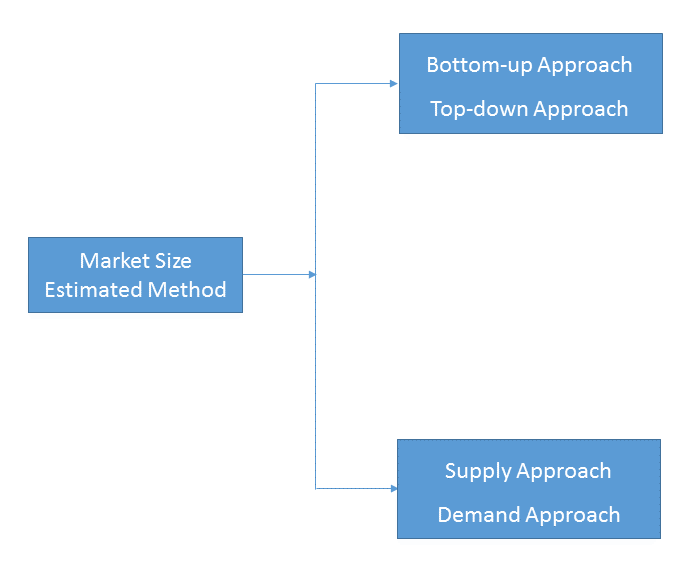
Bottom-up & top-down approach, supply & demand approach are the most important method which is used by HDIN Research to estimate the market size.
1)Top-down & Bottom-up Approach
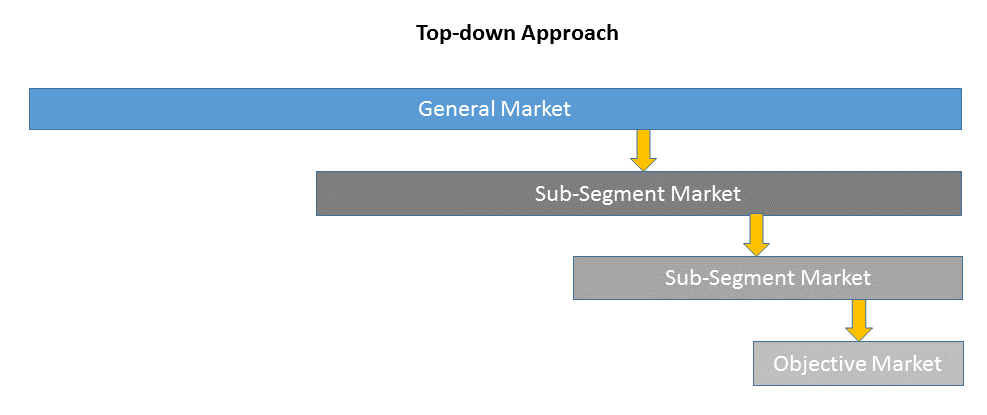
Top-down approach uses a general market size figure and determines the percentage that the objective market represents.
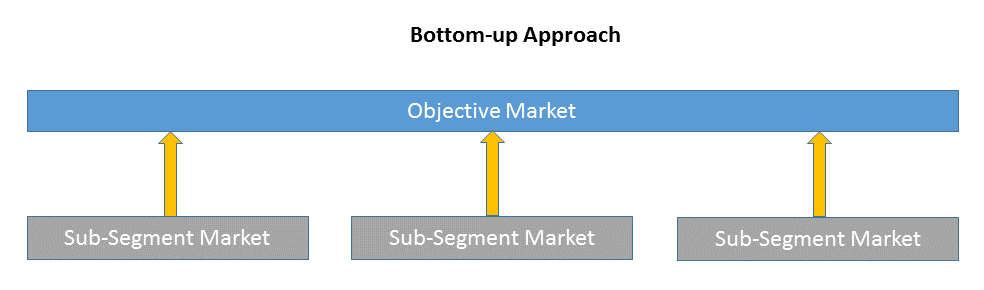
Bottom-up approach size the objective market by collecting the sub-segment information.
2)Supply & Demand Approach
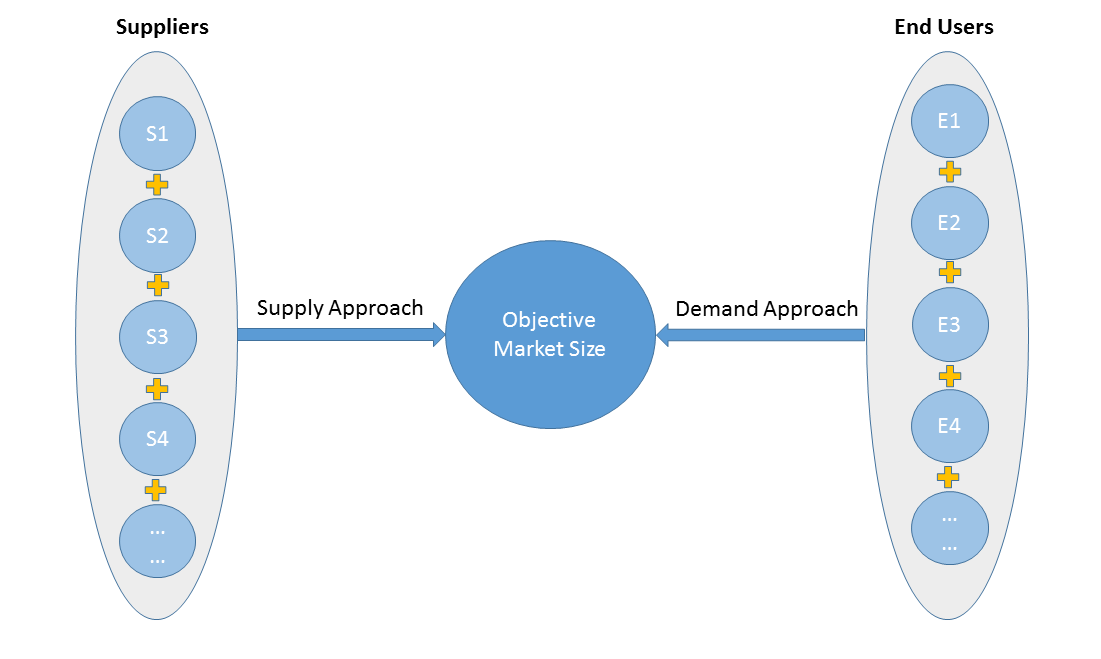
Supply approach is based on assessments of the size of each competitor supplying the objective market.
Demand approach combine end-user data within a market to estimate the objective market size. It is sometimes referred to as bottom-up approach.
- Forecasting Methodology
- Numerous factors impacting the market trend are considered for forecast model:
- New technology and application in the future;
- New project planned/under contraction;
- Global and regional underlying economic growth;
- Threatens of substitute products;
- Industry expert opinion;
- Policy and Society implication.
- Analysis Tools
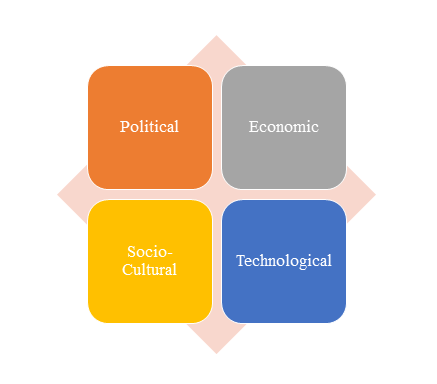
1)PEST Analysis
PEST Analysis is a simple and widely used tool that helps our client analyze the Political, Economic, Socio-Cultural, and Technological changes in their business environment.
- Benefits of a PEST analysis:
- It helps you to spot business opportunities, and it gives you advanced warning of significant threats.
- It reveals the direction of change within your business environment. This helps you shape what you’re doing, so that you work with change, rather than against it.
- It helps you avoid starting projects that are likely to fail, for reasons beyond your control.
- It can help you break free of unconscious assumptions when you enter a new country, region, or market; because it helps you develop an objective view of this new environment.
2)Porter’s Five Force Model Analysis
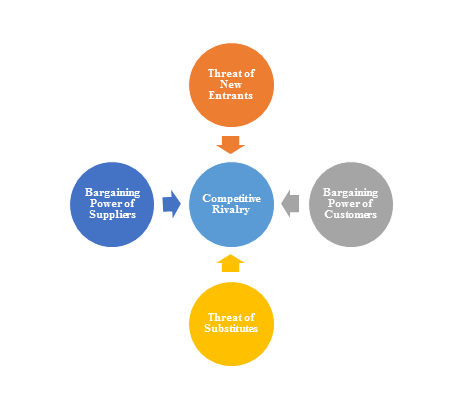
The Porter’s Five Force Model is a tool that can be used to analyze the opportunities and overall competitive advantage. The five forces that can assist in determining the competitive intensity and potential attractiveness within a specific area.
- Threat of New Entrants: Profitable industries that yield high returns will attract new firms.
- Threat of Substitutes: A substitute product uses a different technology to try to solve the same economic need.
- Bargaining Power of Customers: the ability of customers to put the firm under pressure, which also affects the customer's sensitivity to price changes.
- Bargaining Power of Suppliers: Suppliers of raw materials, components, labor, and services (such as expertise) to the firm can be a source of power over the firm when there are few substitutes.
- Competitive Rivalry: For most industries the intensity of competitive rivalry is the major determinant of the competitiveness of the industry.
3)Value Chain Analysis
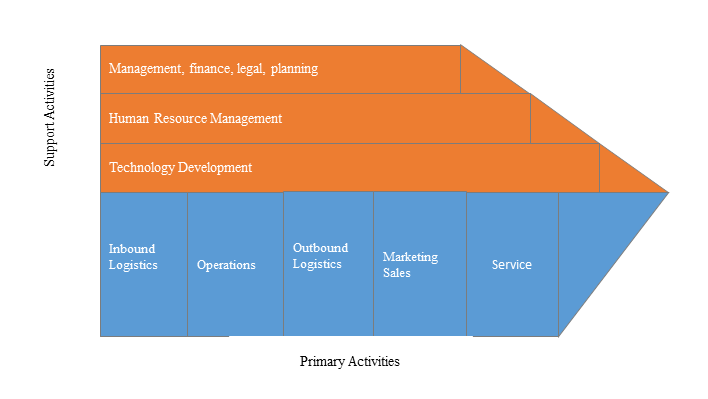
Value chain analysis is a tool to identify activities, within and around the firm and relating these activities to an assessment of competitive strength. Value chain can be analyzed by primary activities and supportive activities. Primary activities include: inbound logistics, operations, outbound logistics, marketing & sales, service. Support activities include: technology development, human resource management, management, finance, legal, planning.
4)SWOT Analysis
SWOT analysis is a tool used to evaluate a company's competitive position by identifying its strengths, weaknesses, opportunities and threats. The strengths and weakness is the inner factor; the opportunities and threats are the external factor. By analyzing the inner and external factors, the analysis can provide the detail information of the position of a player and the characteristics of the industry.
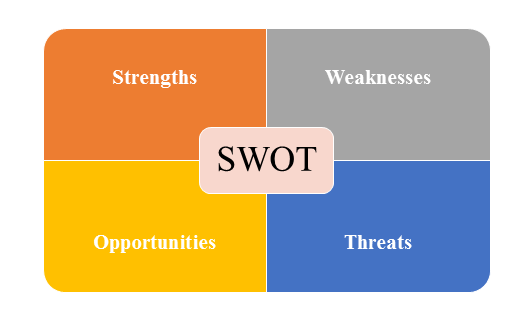
- Strengths describe what the player excels at and separates it from the competition
- Weaknesses stop the player from performing at its optimum level.
- Opportunities refer to favorable external factors that the player can use to give it a competitive advantage.
- Threats refer to factors that have the potential to harm the player.
- Data Sources
| Primary Sources | Secondary Sources |
|---|---|
| Face to face/Phone Interviews with market participants, such as: Manufactures; Distributors; End-users; Experts. Online Survey |
Government/International Organization Data: Annual Report/Presentation/Fact Book Internet Source Information Industry Association Data Free/Purchased Database Market Research Report Book/Journal/News |