Cotton Stuffing Machine Market Summary: 2026-2031 Size, Automation & Outlook
- Single User License (1 Users) $ 3,500
- Team License (2~5 Users) $ 4,500
- Corporate License (>5 Users) $ 5,500
Product and Industry Overview
A Cotton Stuffing Machine is specialized soft-goods and textile automation machinery engineered to open compressed fiber bales, card tangled fibers into uniform loft, calibrate fill weight, and pneumatically blow natural cotton, polyester fiberfill, recycled textiles, or blended fillings evenly into plush toys, decorative cushions, sofa pillows, and upholstered home textiles. Replacing slow, inconsistent, and labor-intensive manual hand stuffing, modern stuffing machinery dramatically improves production throughput, product shape consistency, seam-tension reliability, and factory-floor workplace ergonomics.
In 2026, the global Cotton Stuffing Machine market is estimated at USD 210 million to USD 390 million, and is projected to expand at a steady compound annual growth rate (CAGR) of 4.5% to 5.5% through 2031. Market growth is propelled by rising factory wages across traditional Asian and Latin American soft-goods hubs, surging global demand for licensed collectible plush toys and e-commerce home textiles, rapid expansion of hospitality and residential upholstery, and growing adoption of compact, interactive stuffing stations inside experiential retail venues.
The equipment market operates atop a massive, rapidly modernizing global upstream fiber ecosystem. In 2024, global raw cotton production reached approximately 26 million metric tons—representing an annual output value exceeding USD 75 billion, with international trade surpassing 9 million metric tons and USD 20 billion annually. Production remains heavily concentrated, with the world's top five cotton-producing nations—China, India, Brazil, the United States, and Pakistan—collectively generating over three-quarters of global volume. Concurrently, profound structural convergence and automation are sweeping from farm to factory floor: on May 6, 2025, Swiss textile machinery leader Rieter signed a definitive agreement to acquire Barmag from OC Oerlikon for an upfront equity purchase price of CHF 713 million, forging a global leader spanning both natural short-staple and manmade fibers; shortly thereafter, on July 12, 2025, China unveiled an autonomous laser-based cotton topping robot advancing full mechanization of upstream cotton farming. This industry-wide push toward precision automation and natural-synthetic fiber convergence directly reinforces downstream demand for intelligent, multi-fiber cotton stuffing equipment.
Regional Market Analysis
Regional demand trajectories and equipment manufacturing competitiveness across the Cotton Stuffing Machine market align closely with global soft-toy assembly clusters, upholstered furniture manufacturing corridors, upstream cotton hubs, and experiential retail adoption.
Asia-Pacific (Estimated CAGR: 5.2% - 6.3%): Asia-Pacific stands as both the overwhelming manufacturing center and fastest-expanding demand hub for Cotton Stuffing Machines, anchored by China, India, Vietnam, Indonesia, Pakistan, Japan, and Taiwan, China. China leads worldwide machinery production—clustered tightly across Jiangsu, Guangdong, and Henan provinces—while driving massive local equipment upgrades across global plush-toy OEM factories, Foshan's mega-scale furniture cushion belt, and direct-to-consumer bedding plants. China's July 2025 unveiling of an autonomous laser-based cotton topping robot further exemplifies nationwide momentum toward end-to-end cotton supply-chain automation. India and Pakistan—both ranked among the world's top five raw cotton producers—alongside Vietnam and Indonesia are aggressively scaling automated home-textile, pillow, and soft-toy export capacity as multinational brands diversify sourcing. Meanwhile, Japan and Taiwan, China generate high-specification demand for precision collectible character plush lines and ergonomic specialty cushions.
North America (Estimated CAGR: 4.0% - 4.9%): North America constitutes a high-value, labor-saving and retail-experience-led market centered in the United States, Canada, and Mexico. As one of the world's five largest cotton producers, the United States sustains substantial domestic upholstered furniture, bedding, and pet-bed manufacturing where elevated industrial wage rates and stringent airborne-lint occupational safety standards favor enclosed, automated weighing-and-stuffing lines. Simultaneously, North America anchors a vibrant commercial "build-your-own-plush" retail and theme-park sector sustaining steady demand for safe, transparent-chamber commercial stuffing machines. Mexico's expanding nearshored furniture and home-goods manufacturing hubs add resilient continental demand for industrial cushion-filling equipment.
Europe (Estimated CAGR: 3.6% - 4.5%): Europe operates as a mature, sustainability- and precision-focused market led by Germany, Italy, Poland, France, the United Kingdom, Switzerland, and Turkey. European luxury upholstery and home-textile producers increasingly invest in automated stuffing lines capable of cleanly blending certified organic cotton, recycled polyester, and natural plant fibers under strict European noise and dust-extraction standards. Switzerland's status as a global textile-machinery nerve center—strengthened by Rieter's May 2025 CHF 713 million acquisition agreement for Barmag unifying natural and manmade fiber leadership—reinforces Europe's influence over high-end fiber-processing automation, while Poland and Turkey anchor regional volume manufacturing of cushions and upholstered furniture.
South America (Estimated CAGR: 4.3% - 5.2%): Regional demand in South America is led by Brazil, Argentina, Colombia, and Peru. Ranked among the world's top five cotton-producing nations, Brazil anchors South American home-textile, bedding, and upholstered sofa production, driving steady replacement of manual hand-filling with imported semi-automated and automated cotton opening and stuffing machines across mid-sized regional workshops. Expanding domestic e-commerce furniture and bedding retail across Brazil and Colombia further supports modernization outlays.
Middle East and Africa (Estimated CAGR: 4.6% - 5.6%): Growth across the Middle East and Africa (MEA) is propelled by vigorous residential real-estate development, hospitality and hotel refurbishment megaprojects, and expanding regional textile manufacturing across Saudi Arabia, the United Arab Emirates, Egypt, Morocco, and South Africa. Rising local upholstery workshops and SME pillow and cushion manufacturers across the Gulf, North Africa, and Sub-Saharan Africa are steadily adopting compact, cost-effective fiber-carding and stuffing machines sourced predominantly from Asian export specialists.
Market Segmentation Analysis
Commercial demand for Cotton Stuffing Machines centers on two primary end-use verticals—Plush Toys and Cushions—each encompassing distinct factory-scale versus commercial-retail operational requirements.
Plush Toys: Driven by resilient global spending on children's soft toys, licensed entertainment intellectual-property collectibles, pop-culture "kidult" plushies, and promotional merchandise, this segment splits into two highly distinct commercial formats:
High-Volume OEM Soft-Toy Factories: Large contract manufacturers across China, Southeast Asia, India, and Mexico rely on multi-nozzle, foot-pedal-controlled, and electronically weight-calibrated stuffing machines engineered to fill narrow arms, heads, and intricate body cavities rapidly and uniformly without bursting delicate seams. Consistent fill density directly reduces post-stuffing quality rejections and labor bottlenecks.
Interactive Experiential Retail and Entertainment Venues: Specialty "make-your-own-plush" retail stores, theme parks, zoos, aquariums, and family entertainment centers utilize compact, low-noise, visually transparent commercial stuffing machines designed with rigorous child-safe enclosures and intuitive controls—transforming the stuffing step itself into an engaging, high-margin retail theater experience.
Cushions: Representing the larger continuous fiber-tonnage industrial application, cushions span upholstered sofa seat and back cushions, decorative throw pillows, bed pillows, pet beds, outdoor patio cushions, and ergonomic travel or lumbar bolsters. Demand is propelled by global urbanization, hospitality refurbishment cycles, and booming direct-to-consumer online home-textile brands shipping vacuum-compressed cushions worldwide. Modern cushion and furniture plants increasingly bypass standalone blowers in favor of fully synchronized automated lines integrating raw fiber bale openers, high-speed carding drums, electronic precision weighing hoppers, multi-head pneumatic blowers, and downstream automatic sewing and vacuum-compression packing units—slashing direct factory headcount while guaranteeing identical loft, weight, and rebound resilience across thousands of daily units.
Industry Chain and Value Chain Analysis
The global Cotton Stuffing Machine value chain connects industrial electromechanical hardware and raw natural/synthetic fiber streams with tiered machinery fabrication and global factory or retail distribution networks.
Upstream Electromechanical Components and Fiber Inputs: Machine assembly relies on stainless-steel and powder-coated structural enclosures, variable-frequency-drive (VFD) motors, high-pressure centrifugal air blowers and compressed-air systems, hardened steel carding rollers and licker-in wire, electronic load-cell weighing sensors, PLC touch-screen controllers, and integrated lint-filtration cyclones. Operationally, machine design must accommodate diverse upstream fiber streams—spanning natural carded cotton drawn from the 26-million-ton global cotton market, hollow conjugated polyester fiberfill, shredded memory foam, and recycled post-consumer PET fibers.
Midstream Machine Engineering and System Integration: Midstream manufacturers operate across three technical tiers: (1) compact, visually tailored, safety-certified commercial retail plush stuffers; (2) rugged, affordable single- or dual-nozzle semi-automated industrial stuffing machines serving SME workshops; and (3) high-speed, PLC-controlled computerized weighing-opening-stuffing lines engineered for tier-one upholstery, bedding, and soft-toy factories. Core engineering barriers encompass jam-free carding of entangled natural cotton versus slick synthetic fibers, gram-level electronic dosing precision, static-electricity neutralization, and enclosed dust-containment filtration protecting operator respiratory health.
Downstream Commercial Channels and Aftermarket: High-end automated cushion and toy lines sell primarily via direct B2B OEM engineering contracts, whereas modular SME machines flow heavily through digital B2B trade portals and regional industrial machinery distributors across emerging markets. Experiential retail machines frequently move through turnkey retail-concept and franchise supply partnerships. Recurring aftermarket revenue comes from replacement carding teeth, pneumatic transfer hoses, interchangeable stuffing nozzles, foot-pedal actuators, and dust-collection filter bags.
Value Distribution and Structural Bottlenecks: Entry-level single-nozzle pneumatic blowers endure thin margins amid intense price competition among small machinery fabricators. Conversely, superior profitability concentrates in intelligent computerized weighing-and-filling lines (delivering rapid labor payback), fully integrated opening-to-vacuum-packing e-commerce cushion systems, and proprietary, safety-certified experiential retail plush-stuffing units. Core structural bottlenecks include inconsistent moisture and clumping behavior across blended natural and recycled fibers, high compressed-air electricity consumption in older pneumatic blowers, and stricter workplace cotton-dust and machine-guarding compliance across Western markets.
Competitive Landscape and Key Players
The global Cotton Stuffing Machine competitive landscape exhibits a clear structural segmentation among coastal Chinese intelligent textile-automation leaders, specialized Western commercial retail plush-stuffing pioneers, and an agile Central China export cluster serving global SME factories.
Coastal Chinese Intelligent Automation Leaders (Changshu Bealead Automatic Machine, Foshan Aokai Machinery Technology, SHENZHEN ZHONGLIDA MACHINERY): Anchored inside China's premier coastal textile, furniture, and toy manufacturing ecosystems, these companies lead industrial-grade filling automation. Changshu Bealead Automatic Machine stands as a recognized benchmark in high-precision electronic weighing-filling equipment and intelligent soft-goods robotics serving tier-one global bedding, home-textile, and plush manufacturers. Foshan Aokai Machinery Technology leverages immediate proximity to Guangdong's Foshan furniture capital to engineer integrated fiber-opening, carding, and automated cushion-stuffing lines tailored to upholstered sofa and pillow plants. SHENZHEN ZHONGLIDA MACHINERY builds on Pearl River Delta export-manufacturing depth to supply reliable cotton opening, blending, and multi-nozzle plush and cushion stuffing machinery.
Western Commercial and Experiential Retail Specialists (Schmidt Machine, Bear Factory): Operating predominantly across North America and Western retail channels, Schmidt Machine and Bear Factory command a specialized, high-margin commercial niche distinct from bulk upholstery manufacturing. Both focus on purpose-built, operator-safe, low-noise plush-toy stuffing machines and interactive retail-store solutions engineered for experiential "build-your-own-plush" shops, entertainment venues, gift retailers, and boutique soft-toy producers.
Central China Export-Oriented Machinery Cluster (Shuliy Machinery, Luohe Quality Mechanical Equipment, Zhengzhou Share Machinery, Zhengzhou Yize Machinery, Zhengzhou Honest Machinery): Centered in Henan province, this highly export-driven cohort broadens global mechanization across Asia, Africa, South America, and the Middle East. Shuliy Machinery, Luohe Quality Mechanical Equipment, Zhengzhou Share Machinery, Zhengzhou Yize Machinery, and Zhengzhou Honest Machinery offer accessible, modular turnkey packages combining cotton openers, carders, single- and dual-head stuffing machines, and optional vacuum-compression packaging units—lowering capital entry barriers for emerging-market cushion workshops and regional toy factories.
Market Opportunities and Challenges
Between 2026 and 2031, Cotton Stuffing Machine manufacturers will capitalize on powerful labor-substitution and e-commerce fulfillment tailwinds while navigating intense mid-tier price rivalry and complex multi-fiber handling requirements.
Key Market Opportunities:
Accelerated Labor-to-Automation Migration in Soft-Goods Hubs: Rising assembly wages and chronic skilled-worker turnover across China, Vietnam, India, and Mexico drive compelling 12-to-24-month return-on-investment cases for automated carding, weighing, and multi-nozzle stuffing lines.
Surge in Collectible Plush IP and Online Direct-to-Consumer Home Textiles: Expanding global "kidult" collectible plush markets alongside online pillow, throw-cushion, and pet-bed brands sustain strong recurring equipment purchases and line expansions.
Multi-Fiber Blending for Natural Cotton and Recycled Fillings: Growing consumer preference for breathable natural cotton, organic blends, and recycled post-consumer polyester fillings stimulates upgrade demand for versatile dual-hopper blending and jamming-resistant stuffing machines—aligning with broader natural-and-manmade fiber industry convergence underscored by Rieter's May 2025 acquisition agreement for Barmag.
Expansion of Experiential Retail Entertainment: Continued global rollout of interactive retail workshops, tourist attractions, and family entertainment centers sustains steady high-margin placements for compact commercial plush stuffers.
Structural Market Challenges:
Price Competition in Standardized Entry-Level Machines: Dense concentration of SME machinery fabricators exporting similar basic pneumatic blowers creates persistent price erosion at the lower end of the market, pressuring non-differentiated vendors.
Material Handling Volatility Across Natural and Blended Fibers: Natural cotton exhibits higher moisture sensitivity, lint generation, and clumping tendencies than slick synthetic fiberfill, challenging machine reliability when factories switch fill ratios rapidly to hedge fiber costs.
Rising Workplace Dust, Noise, and Safety Compliance Costs: Stricter occupational safety rules governing airborne cotton dust exposure, acoustic limits, and mechanical guarding in Europe and North America elevate engineering and certification expenses for export-oriented OEMs.
1.1 Study Scope ...... 1
1.2 Research Methodology ...... 2
1.2.1 Data Sources ...... 2
1.2.2 Assumptions ...... 4
1.3 Abbreviations and Acronyms ...... 5
Chapter 2 Global Cotton Stuffing Machine Market Overview and Trends ...... 6
2.1 Market Definition, Fiber Carding and Injection Mechanics, and Scope ...... 6
2.2 Global Market Size and Market Volume Historical Evolution (2021-2025) and Forecast (2027-2031) ...... 7
2.3 Industry Growth Drivers, Restraints, and Textile Automation Trends ...... 9
2.4 Raw Material Price Dynamics, Component Cost Breakdown, and Pricing Trends ...... 10
Chapter 3 Value Chain, Manufacturing Technology, and Distribution Dynamics ...... 12
3.1 Upstream Air Compressors, Blower Motors, Feeding Hoppers, and Nozzle Sourcing ...... 12
3.2 High-Speed Fiber Opening, Electronic Weighing Integration, and Patent Landscape ...... 13
3.3 Downstream Home Textile and Toy Manufacturing Integration and Value Chain Margins ...... 14
3.4 Distribution Channels, Direct Machinery Sales, and Industrial Equipment Agency Networks ...... 15
Chapter 4 Global Cotton Stuffing Machine Market by Type ...... 17
4.1 Product Type Categorization and Automation Degrees ...... 17
4.2 Fully Automatic Cotton Stuffing Machines Market Size and Volume (2021-2031) ...... 18
4.3 Semi-Automatic Cotton Stuffing Machines Market Size and Volume (2021-2031) ...... 19
4.4 Manual and Pneumatic Portable Stuffing Devices Market Size and Volume (2021-2031) ...... 21
Chapter 5 Global Cotton Stuffing Machine Market by Application ...... 23
5.1 Application Hierarchy and Density Uniformity Requirements ...... 23
5.2 Plush Toys Market Size and Volume (2021-2031) ...... 24
5.3 Cushions Market Size and Volume (2021-2031) ...... 26
Chapter 6 Global Cotton Stuffing Machine Trade Flows and Industrial Regulatory Policies ...... 29
6.1 Cross-Border Trade Flows, Tariffs, and Industrial Machinery Freight Logistics ...... 29
6.2 Key Exporting Hubs and Machinery Export Corridors ...... 30
6.3 Major Importing Countries and Textile Factory Procurement Patterns ...... 31
6.4 Machinery Directive Compliance, CE Marking, and Occupational Noise Standards ...... 32
Chapter 7 North America Cotton Stuffing Machine Market Analysis ...... 34
7.1 North America Market Size and Consumption Volume Breakdown (2021-2031) ...... 34
7.2 United States Market Consumption Volume and Revenue Assessment ...... 35
7.3 Canada Market Consumption Volume and Revenue Assessment ...... 37
7.4 Mexico Market Consumption Volume and Revenue Assessment ...... 38
Chapter 8 Europe Cotton Stuffing Machine Market Analysis ...... 40
8.1 Europe Market Size and Consumption Volume Breakdown (2021-2031) ...... 40
8.2 Germany Market Consumption Volume and Revenue Assessment ...... 41
8.3 United Kingdom Market Consumption Volume and Revenue Assessment ...... 42
8.4 France Market Consumption Volume and Revenue Assessment ...... 43
8.5 Italy and Spain Market Consumption Volume and Revenue Assessment ...... 44
Chapter 9 Asia-Pacific Cotton Stuffing Machine Market Analysis ...... 46
9.1 Asia-Pacific Market Size and Consumption Volume Breakdown (2021-2031) ...... 46
9.2 China Market Consumption Volume and Revenue Assessment ...... 48
9.3 Japan Market Consumption Volume and Revenue Assessment ...... 49
9.4 South Korea Market Consumption Volume and Revenue Assessment ...... 50
9.5 India Market Consumption Volume and Revenue Assessment ...... 51
9.6 Southeast Asia Market Consumption Volume and Revenue Assessment ...... 52
Chapter 10 Latin America, Middle East, and Africa Market Analysis ...... 53
10.1 Latin America Regional Consumption Volume and Market Revenue (2021-2031) ...... 53
10.2 Middle East and Africa Regional Consumption Volume and Market Revenue (2021-2031) ...... 55
Chapter 11 Global Competitive Landscape and Market Concentration ...... 57
11.1 Competitive Tiering and Enterprise Categorization ...... 57
11.2 Key Manufacturer Market Share and Revenue Positioning (2021-2026) ...... 58
11.3 OEM Partnerships, Factory Automation Integration, and M&A Dynamics ...... 60
Chapter 12 Key Players Profile ...... 62
12.1 Shuliy Machinery ...... 62
12.1.1 Company Overview ...... 62
12.1.2 SWOT Analysis ...... 63
12.1.3 Cotton Stuffing Machine Sales, Revenue, Price, and Gross Margin (2021-2026) ...... 64
12.1.4 Product Portfolio, Mechanical Engineering Capabilities, and Expansion Plans ...... 65
12.2 Schmidt Machine ...... 66
12.2.1 Company Overview ...... 66
12.2.2 SWOT Analysis ...... 67
12.2.3 Cotton Stuffing Machine Sales, Revenue, Price, and Gross Margin (2021-2026) ...... 68
12.2.4 Product Portfolio, Mechanical Engineering Capabilities, and Expansion Plans ...... 69
12.3 Bear Factory ...... 70
12.3.1 Company Overview ...... 70
12.3.2 SWOT Analysis ...... 71
12.3.3 Cotton Stuffing Machine Sales, Revenue, Price, and Gross Margin (2021-2026) ...... 72
12.3.4 Product Portfolio, Mechanical Engineering Capabilities, and Expansion Plans ...... 73
12.4 Luohe Quality Mechanical Equipment ...... 74
12.4.1 Company Overview ...... 74
12.4.2 SWOT Analysis ...... 75
12.4.3 Cotton Stuffing Machine Sales, Revenue, Price, and Gross Margin (2021-2026) ...... 76
12.4.4 Product Portfolio, Mechanical Engineering Capabilities, and Expansion Plans ...... 77
12.5 Zhengzhou Share Machinery ...... 78
12.5.1 Company Overview ...... 78
12.5.2 SWOT Analysis ...... 79
12.5.3 Cotton Stuffing Machine Sales, Revenue, Price, and Gross Margin (2021-2026) ...... 80
12.5.4 Product Portfolio, Mechanical Engineering Capabilities, and Expansion Plans ...... 81
12.6 Zhengzhou Yize Machinery ...... 82
12.6.1 Company Overview ...... 82
12.6.2 SWOT Analysis ...... 83
12.6.3 Cotton Stuffing Machine Sales, Revenue, Price, and Gross Margin (2021-2026) ...... 84
12.6.4 Product Portfolio, Mechanical Engineering Capabilities, and Expansion Plans ...... 85
12.7 SHENZHEN ZHONGLIDA MACHINERY ...... 86
12.7.1 Company Overview ...... 86
12.7.2 SWOT Analysis ...... 87
12.7.3 Cotton Stuffing Machine Sales, Revenue, Price, and Gross Margin (2021-2026) ...... 88
12.7.4 Product Portfolio, Mechanical Engineering Capabilities, and Expansion Plans ...... 89
12.8 Changshu Bealead Automatic Machine ...... 90
12.8.1 Company Overview ...... 90
12.8.2 SWOT Analysis ...... 91
12.8.3 Cotton Stuffing Machine Sales, Revenue, Price, and Gross Margin (2021-2026) ...... 92
12.8.4 Product Portfolio, Mechanical Engineering Capabilities, and Expansion Plans ...... 93
12.9 Foshan Aokai Machinery Technology ...... 94
12.9.1 Company Overview ...... 94
12.9.2 SWOT Analysis ...... 95
12.9.3 Cotton Stuffing Machine Sales, Revenue, Price, and Gross Margin (2021-2026) ...... 96
12.9.4 Product Portfolio, Mechanical Engineering Capabilities, and Expansion Plans ...... 97
12.10 Zhengzhou Honest Machinery ...... 98
12.10.1 Company Overview ...... 98
12.10.2 SWOT Analysis ...... 99
12.10.3 Cotton Stuffing Machine Sales, Revenue, Price, and Gross Margin (2021-2026) ...... 100
12.10.4 Product Portfolio, Mechanical Engineering Capabilities, and Expansion Plans ...... 101
Chapter 13 Strategic Recommendations and Growth Pathways ...... 102
13.1 Market Penetration Tactics and Modular Fiber Filling Configurations ...... 102
13.2 Smart Sensor Weighing, Recycled Fiber Handling, and Energy Saving Innovations ...... 103
13.3 Actionable Guidance for Equipment Manufacturers and Textile Producers ...... 104
Table 2 Primary and Secondary Information Source Distribution ...... 3
Table 3 Currency Exchange Rates and Modeling Assumptions ...... 4
Table 4 List of Acronyms and Technical Terms ...... 5
Table 5 Global Cotton Stuffing Machine Market Size and Volume (2021-2031) ...... 8
Table 6 Global Cotton Stuffing Machine Average Selling Price Across Key Regions (2021-2026) ...... 10
Table 7 Cost Structure Breakdown for Automated Textile Filling Machinery ...... 11
Table 8 Raw Material and Mechanical Sub-Assembly Sourcing Matrix ...... 12
Table 9 Key Patent Registrations in Fiber Feeding and Pneumatic Filling Technology (2021-2026) ...... 14
Table 10 Direct Equipment Sales vs. Regional Machinery Agency Revenue Share (2021-2026) ...... 16
Table 11 Global Cotton Stuffing Machine Market Size by Type (2021-2031) ...... 17
Table 12 Global Cotton Stuffing Machine Consumption Volume by Type (2021-2031) ...... 18
Table 13 Global Fully Automatic Cotton Stuffing Machines Revenue and Volume by Region (2021-2031) ...... 20
Table 14 Global Semi-Automatic Cotton Stuffing Machines Revenue and Volume by Region (2021-2031) ...... 22
Table 15 Global Cotton Stuffing Machine Market Size by Application (2021-2031) ...... 23
Table 16 Global Cotton Stuffing Machine Consumption Volume by Application (2021-2031) ...... 24
Table 17 Plush Toys Cotton Stuffing Machine Revenue by Region (2021-2031) ...... 26
Table 18 Cushions Cotton Stuffing Machine Revenue by Region (2021-2031) ...... 27
Table 19 Global Cotton Stuffing Machine Cross-Border Trade Flows (2021-2026) ...... 30
Table 20 Major Cotton Stuffing Machine Exporters and Average Export Values (2021-2026) ...... 31
Table 21 Major Cotton Stuffing Machine Importers and Textile Machinery Tariffs (2021-2026) ...... 32
Table 22 North America Cotton Stuffing Machine Market Size and Volume by Type (2021-2031) ...... 34
Table 23 North America Cotton Stuffing Machine Market Size by Application (2021-2031) ...... 35
Table 24 United States Cotton Stuffing Machine Market Size and Volume by Type (2021-2031) ...... 36
Table 25 Canada Cotton Stuffing Machine Market Size and Volume by Type (2021-2031) ...... 38
Table 26 Mexico Cotton Stuffing Machine Market Size and Volume by Type (2021-2031) ...... 39
Table 27 Europe Cotton Stuffing Machine Market Size and Volume by Type (2021-2031) ...... 40
Table 28 Europe Cotton Stuffing Machine Market Size by Application (2021-2031) ...... 41
Table 29 Germany Cotton Stuffing Machine Market Size and Volume by Type (2021-2031) ...... 42
Table 30 United Kingdom Cotton Stuffing Machine Market Size and Volume by Type (2021-2031) ...... 43
Table 31 France Cotton Stuffing Machine Market Size and Volume by Type (2021-2031) ...... 44
Table 32 Italy and Spain Cotton Stuffing Machine Market Size and Volume by Type (2021-2031) ...... 45
Table 33 Asia-Pacific Cotton Stuffing Machine Market Size and Volume by Type (2021-2031) ...... 46
Table 34 Asia-Pacific Cotton Stuffing Machine Market Size by Application (2021-2031) ...... 47
Table 35 China Cotton Stuffing Machine Market Size and Volume by Type (2021-2031) ...... 48
Table 36 Japan Cotton Stuffing Machine Market Size and Volume by Type (2021-2031) ...... 49
Table 37 South Korea Cotton Stuffing Machine Market Size and Volume by Type (2021-2031) ...... 50
Table 38 India Cotton Stuffing Machine Market Size and Volume by Type (2021-2031) ...... 51
Table 39 Southeast Asia Cotton Stuffing Machine Market Size and Volume by Type (2021-2031) ...... 52
Table 40 Latin America Cotton Stuffing Machine Market Size and Volume by Country (2021-2031) ...... 54
Table 41 Middle East and Africa Cotton Stuffing Machine Market Size and Volume by Country (2021-2031) ...... 56
Table 42 Leading Cotton Stuffing Machine Manufacturers Competitive Tiering ...... 57
Table 43 Key Players Cotton Stuffing Machine Global Sales Volume (2021-2026) ...... 58
Table 44 Key Players Cotton Stuffing Machine Revenue and Market Share (2021-2026) ...... 59
Table 45 Strategic Automation Collaborations and Product Introductions (2021-2026) ...... 60
Table 46 Shuliy Machinery Cotton Stuffing Machine Sales, Price, Cost and Gross Profit Margin (2021-2026) ...... 64
Table 47 Schmidt Machine Cotton Stuffing Machine Sales, Price, Cost and Gross Profit Margin (2021-2026) ...... 68
Table 48 Bear Factory Cotton Stuffing Machine Sales, Price, Cost and Gross Profit Margin (2021-2026) ...... 72
Table 49 Luohe Quality Mechanical Equipment Cotton Stuffing Machine Sales, Price, Cost and Gross Profit Margin (2021-2026) ...... 76
Table 50 Zhengzhou Share Machinery Cotton Stuffing Machine Sales, Price, Cost and Gross Profit Margin (2021-2026) ...... 80
Table 51 Zhengzhou Yize Machinery Cotton Stuffing Machine Sales, Price, Cost and Gross Profit Margin (2021-2026) ...... 84
Table 52 SHENZHEN ZHONGLIDA MACHINERY Cotton Stuffing Machine Sales, Price, Cost and Gross Profit Margin (2021-2026) ...... 88
Table 53 Changshu Bealead Automatic Machine Cotton Stuffing Machine Sales, Price, Cost and Gross Profit Margin (2021-2026) ...... 92
Table 54 Foshan Aokai Machinery Technology Cotton Stuffing Machine Sales, Price, Cost and Gross Profit Margin (2021-2026) ...... 96
Table 55 Zhengzhou Honest Machinery Cotton Stuffing Machine Sales, Price, Cost and Gross Profit Margin (2021-2026) ...... 100
Table 56 Operational Efficiency and Filling Precision Benchmarks ...... 103
Table 57 Equipment Selection and Integration Matrix for Downstream Fabricators ...... 105
Figure 1 Cotton Stuffing Machine Research Framework and Econometric Sizing Model ...... 3
Figure 2 Top-Down and Bottom-Up Machinery Market Sizing Approaches ...... 4
Figure 3 Global Cotton Stuffing Machine Market Size (2021-2031) ...... 8
Figure 4 Global Cotton Stuffing Machine Consumption Volume (2021-2031) ...... 9
Figure 5 Market Drivers, Labor Cost Trends, and Restraints Impact Radar ...... 10
Figure 6 Average Selling Price Evolution for Automatic vs. Semi-Automatic Systems (2021-2031) ...... 11
Figure 7 Cotton Stuffing Machine Industry Value Chain and Value Capture Analysis ...... 15
Figure 8 Global Cotton Stuffing Machine Distribution Channel Share (2026) ...... 16
Figure 9 Global Cotton Stuffing Machine Market Share by Type (2026) ...... 18
Figure 10 Fully Automatic Cotton Stuffing Machines Market Revenue Trajectory (2021-2031) ...... 20
Figure 11 Semi-Automatic Cotton Stuffing Machines Market Revenue Trajectory (2021-2031) ...... 22
Figure 12 Global Cotton Stuffing Machine Market Share by Application (2026) ...... 24
Figure 13 Plush Toys Application Revenue Growth Curve (2021-2031) ...... 26
Figure 14 Cushions Application Revenue Growth Curve (2021-2031) ...... 28
Figure 15 Key Inter-Regional Shipping Corridors for Textile Machinery ...... 31
Figure 16 North America Cotton Stuffing Machine Revenue Share by Country (2026) ...... 35
Figure 17 United States Cotton Stuffing Machine Consumption Volume Growth (2021-2031) ...... 37
Figure 18 Europe Cotton Stuffing Machine Revenue Share by Country (2026) ...... 41
Figure 19 Germany Cotton Stuffing Machine Consumption Volume Growth (2021-2031) ...... 43
Figure 20 Asia-Pacific Cotton Stuffing Machine Revenue Share by Country (2026) ...... 47
Figure 21 China Cotton Stuffing Machine Consumption Volume Growth (2021-2031) ...... 49
Figure 22 Latin America, Middle East, and Africa Revenue Contribution Breakdown (2026) ...... 54
Figure 23 Global Cotton Stuffing Machine Market Concentration Ratio CR4 and CR8 (2021-2026) ...... 58
Figure 24 Leading Cotton Stuffing Machine Manufacturers Revenue Benchmark (2026) ...... 60
Figure 25 Shuliy Machinery Cotton Stuffing Machine Market Share (2021-2026) ...... 65
Figure 26 Schmidt Machine Cotton Stuffing Machine Market Share (2021-2026) ...... 69
Figure 27 Bear Factory Cotton Stuffing Machine Market Share (2021-2026) ...... 73
Figure 28 Luohe Quality Mechanical Equipment Cotton Stuffing Machine Market Share (2021-2026) ...... 77
Figure 29 Zhengzhou Share Machinery Cotton Stuffing Machine Market Share (2021-2026) ...... 81
Figure 30 Zhengzhou Yize Machinery Cotton Stuffing Machine Market Share (2021-2026) ...... 85
Figure 31 SHENZHEN ZHONGLIDA MACHINERY Cotton Stuffing Machine Market Share (2021-2026) ...... 89
Figure 32 Changshu Bealead Automatic Machine Cotton Stuffing Machine Market Share (2021-2026) ...... 93
Figure 33 Foshan Aokai Machinery Technology Cotton Stuffing Machine Market Share (2021-2026) ...... 97
Figure 34 Zhengzhou Honest Machinery Cotton Stuffing Machine Market Share (2021-2026) ...... 101
Figure 35 Next-Generation High-Speed Textile Fiber Opening and Electronic Weighing Roadmap (2026-2031) ...... 104
Research Methodology
- Market Estimated Methodology:
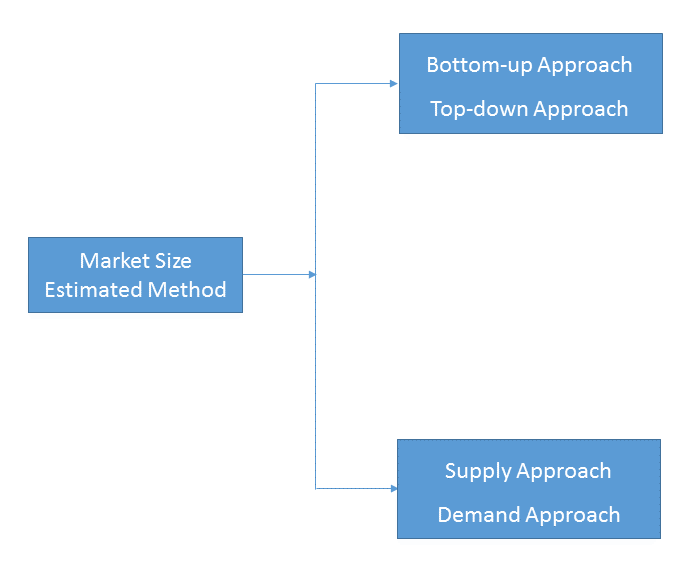
Bottom-up & top-down approach, supply & demand approach are the most important method which is used by HDIN Research to estimate the market size.
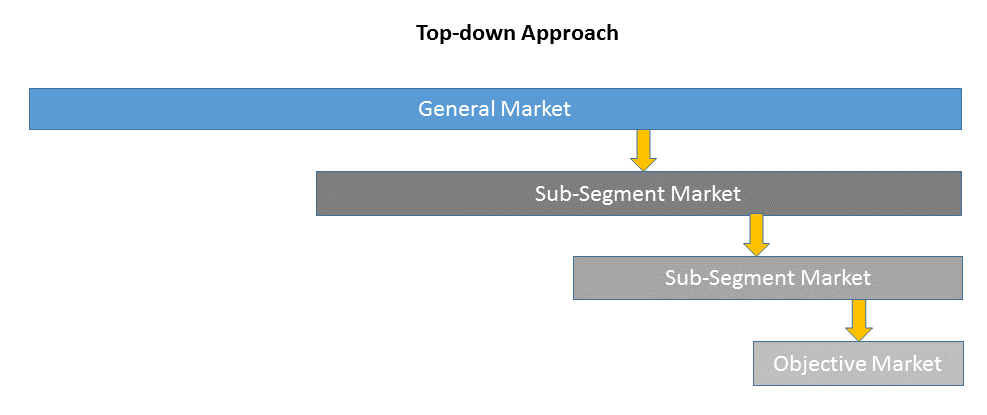
1)Top-down & Bottom-up Approach
Top-down approach uses a general market size figure and determines the percentage that the objective market represents.
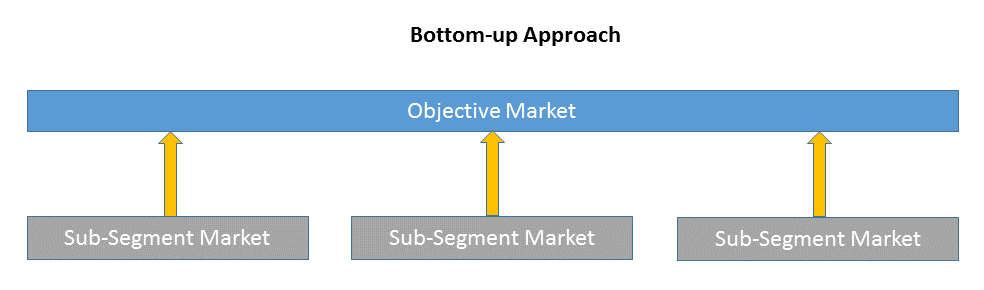
Bottom-up approach size the objective market by collecting the sub-segment information.
2)Supply & Demand Approach
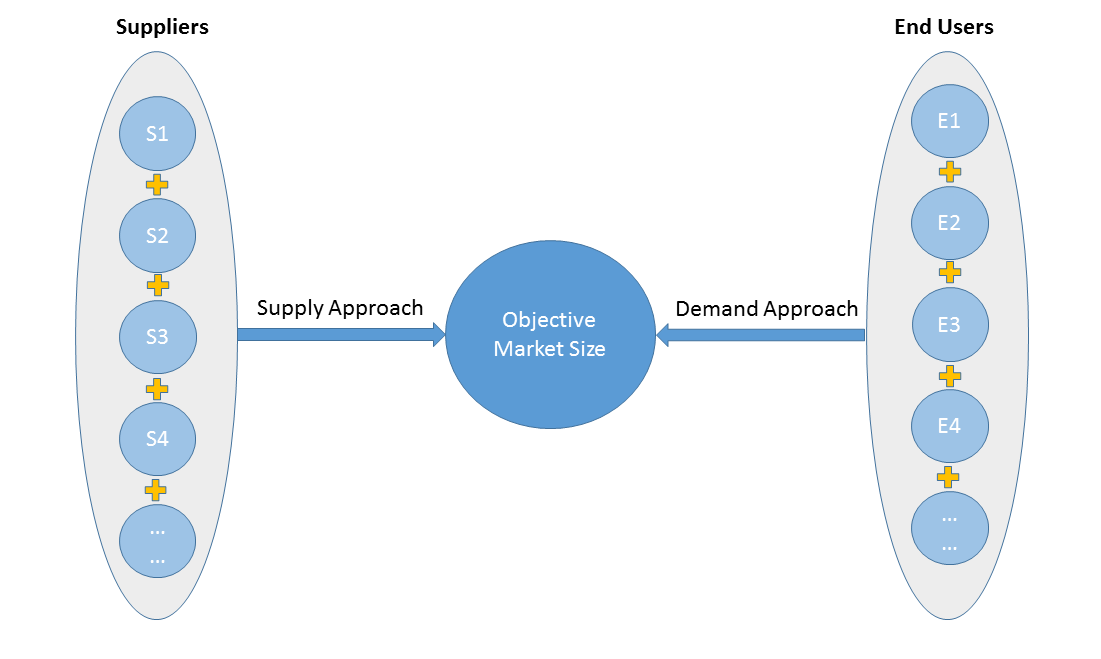
Supply approach is based on assessments of the size of each competitor supplying the objective market.
Demand approach combine end-user data within a market to estimate the objective market size. It is sometimes referred to as bottom-up approach.
- Forecasting Methodology
- Numerous factors impacting the market trend are considered for forecast model:
- New technology and application in the future;
- New project planned/under contraction;
- Global and regional underlying economic growth;
- Threatens of substitute products;
- Industry expert opinion;
- Policy and Society implication.
- Analysis Tools
1)PEST Analysis
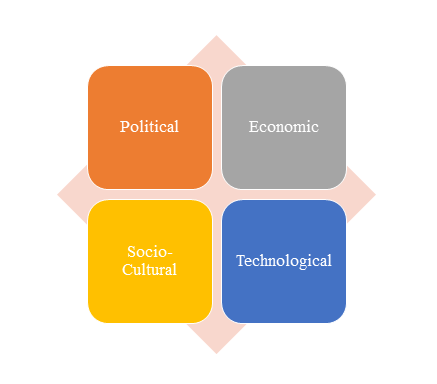
PEST Analysis is a simple and widely used tool that helps our client analyze the Political, Economic, Socio-Cultural, and Technological changes in their business environment.
- Benefits of a PEST analysis:
- It helps you to spot business opportunities, and it gives you advanced warning of significant threats.
- It reveals the direction of change within your business environment. This helps you shape what you’re doing, so that you work with change, rather than against it.
- It helps you avoid starting projects that are likely to fail, for reasons beyond your control.
- It can help you break free of unconscious assumptions when you enter a new country, region, or market; because it helps you develop an objective view of this new environment.
2)Porter’s Five Force Model Analysis
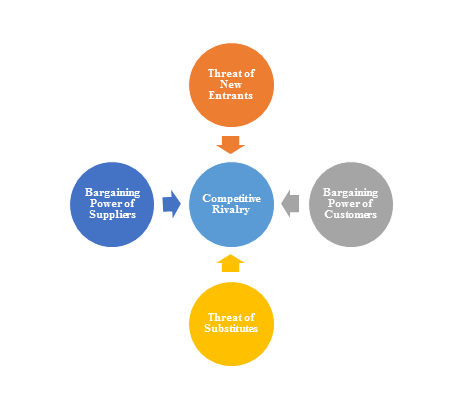
The Porter’s Five Force Model is a tool that can be used to analyze the opportunities and overall competitive advantage. The five forces that can assist in determining the competitive intensity and potential attractiveness within a specific area.
- Threat of New Entrants: Profitable industries that yield high returns will attract new firms.
- Threat of Substitutes: A substitute product uses a different technology to try to solve the same economic need.
- Bargaining Power of Customers: the ability of customers to put the firm under pressure, which also affects the customer's sensitivity to price changes.
- Bargaining Power of Suppliers: Suppliers of raw materials, components, labor, and services (such as expertise) to the firm can be a source of power over the firm when there are few substitutes.
- Competitive Rivalry: For most industries the intensity of competitive rivalry is the major determinant of the competitiveness of the industry.
3)Value Chain Analysis
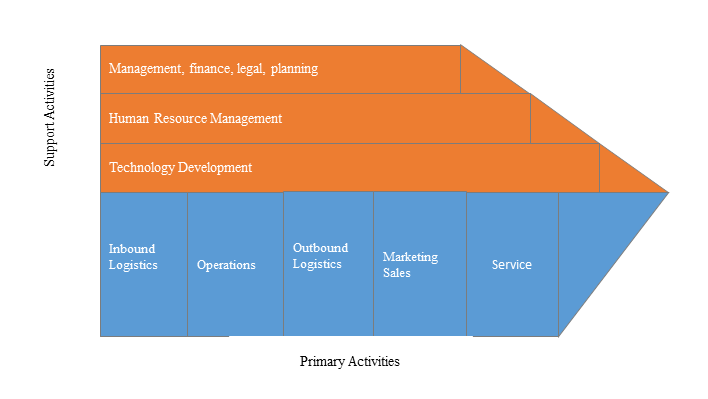
Value chain analysis is a tool to identify activities, within and around the firm and relating these activities to an assessment of competitive strength. Value chain can be analyzed by primary activities and supportive activities. Primary activities include: inbound logistics, operations, outbound logistics, marketing & sales, service. Support activities include: technology development, human resource management, management, finance, legal, planning.
4)SWOT Analysis
SWOT analysis is a tool used to evaluate a company's competitive position by identifying its strengths, weaknesses, opportunities and threats. The strengths and weakness is the inner factor; the opportunities and threats are the external factor. By analyzing the inner and external factors, the analysis can provide the detail information of the position of a player and the characteristics of the industry.
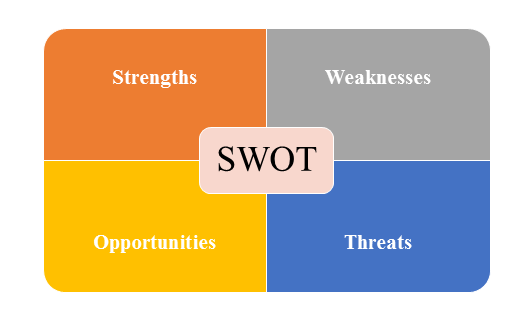
- Strengths describe what the player excels at and separates it from the competition
- Weaknesses stop the player from performing at its optimum level.
- Opportunities refer to favorable external factors that the player can use to give it a competitive advantage.
- Threats refer to factors that have the potential to harm the player.
- Data Sources
| Primary Sources | Secondary Sources |
|---|---|
| Face to face/Phone Interviews with market participants, such as: Manufactures; Distributors; End-users; Experts. Online Survey |
Government/International Organization Data: Annual Report/Presentation/Fact Book Internet Source Information Industry Association Data Free/Purchased Database Market Research Report Book/Journal/News |