Compact Street Sweeper Market Summary: Global Growth, Electrification & Strategic Outlook (2026–2031)
- Single User License (1 Users) $ 3,500
- Team License (2~5 Users) $ 4,500
- Corporate License (>5 Users) $ 5,500
Product & Industry Overview
The global Compact Street Sweeper market is undergoing rapid technological modernization as urban municipalities, transit operators, and industrial campus managers replace manual sweeping crews and oversized diesel sweepers with agile, zero-emission, and increasingly autonomous cleaning fleets. Valued at approximately USD 1.2 billion to USD 2.7 billion in 2026, the global market is projected to grow at a compound annual growth rate (CAGR) of 4.8% to 5.6% through 2031. Designed specifically to navigate narrow historic streets, protected bicycle lanes, pedestrian plazas, multi-level transit stations, and congested factory aisles, compact street sweepers—typically spanning sub-4-ton articulated municipal carriers to ride-on electric industrial units—balance tight turning radii with high-capacity particulate filtration.
Beyond routine aesthetic upkeep, compact street sweepers serve an increasingly regulated environmental mandate. Urban air-quality frameworks targeting respirable fine dust (PM10 and PM2.5), alongside stormwater runoff regulations prohibiting heavy-metal and microplastic accumulation in municipal drains, are compelling buyers to specify multi-stage dust suppression, mechanical-suction-filtering architectures, and certified fine-particulate containment.
Simultaneously, strategic consolidation and automation spillover are reshaping global competition. Major European public-works and road-machinery groups are scaling compact specialty portfolios to capture global infrastructure budgets—illustrated by the Fayat Group's March 2025 agreement to acquire French compact construction equipment leader Mecalac Group and its June 2025 agreement to acquire US road maintenance specialist LeeBoy, strengthening trans-Atlantic synergies around compact specialized machinery. In parallel, cleaning-equipment titans such as Kärcher are accelerating autonomous and robotic platform rollouts across high-growth emerging economies like India, foreshadowing rapid autonomy integration across outdoor municipal sweeping fleets through 2031.
Regional Market Analysis
Regional adoption of compact street sweepers reflects variations in urban street density, municipal labor wage rates, zero-emission zone legislation, and public sanitation privatization models.
Europe (Estimated 2026–2031 CAGR: 4.5% – 5.4%): Europe represents the technological cradle and highest-specification market for compact articulated municipal sweepers. Dense medieval city centers, extensive protected cycling networks, and strict low-emission and noise-abatement rules across Germany, Switzerland, France, the United Kingdom, Italy, and the Netherlands drive continuous replacement of diesel sweepers with battery-electric models capable of early-morning or overnight operation. European municipalities also favor multi-purpose year-round carriers equipped with interchangeable snow-plowing, salt-spreading, and weed-brushing attachments to maximize seasonal fleet utilization.
Asia-Pacific (Estimated 2026–2031 CAGR: 5.5% – 6.8%): Asia-Pacific serves as the fastest-growing regional market by both volume and electrification velocity. China anchors massive procurement via urban sanitation service outsourcing, rapid deployment of pure-electric sidewalk and sub-4-ton road sweepers, and world-leading commercial pilots of autonomous unmanned street sweepers across smart-city districts and industrial parks. India is emerging as a critical growth frontier backed by national urban cleanliness initiatives, metro-rail expansion, and industrial facility automation, prompting multinational leaders like Kärcher to launch localized robotic and cordless cleaning platforms. Japan, South Korea, Singapore, and Taiwan, China sustain steady demand for ultra-quiet, compact, low-dust sweepers addressing aging sanitation workforces and high-density transit hubs.
North America (Estimated 2026–2031 CAGR: 4.4% – 5.3%): Historically anchored by large truck-mounted mechanical and regenerative-air sweepers for wide suburban boulevards, North America is experiencing rising adoption of compact sweepers across the United States and Canada. Growth stems from protected urban bike-lane buildouts, downtown business improvement districts (BIDs), university campuses, airport terminals, and municipal sustainability mandates funding electric compact equipment transitions. Mexico contributes incremental demand via industrial manufacturing parks, logistics corridors, and urban tourist-zone maintenance.
South America (Estimated 2026–2031 CAGR: 3.8% – 4.8%): South American demand is concentrated in metropolitan sanitation contractors, commercial port and logistics hubs, and private industrial campuses. Brazil leads regional purchases across major municipal service concessions and manufacturing plants in Sao Paulo and surrounding states, while Chile, Argentina, and Colombia invest in compact sweepers for metro-station plazas, mining-adjacent logistics yards, and urban pedestrian zones.
Middle East & Africa (Estimated 2026–2031 CAGR: 4.6% – 5.8%): Growth in the Middle East and Africa is propelled by ambitious mega-city infrastructure projects, desert sand and fine-dust control demands, and modern transit expansion. Saudi Arabia and the United Arab Emirates generate high-specification orders for heavy-duty compact sweepers engineered with enhanced engine/battery thermal cooling and dry-filtration PM10 control across smart urban developments, airports, and industrial cities. South Africa and Morocco sustain steady demand across commercial estates, shopping precincts, and municipal urban cores.
Market Segmentation Analysis
The compact street sweeper market is segmented across four primary application environments alongside critical distinctions in propulsion systems, sweeping mechanisms, and automation levels.
By Application:
Municipal: Municipal streets, pedestrian malls, protected bike corridors, and public plazas account for the largest revenue share. Municipal authorities and contracted sanitation service providers require street-legal articulated or four-wheel-steering units capable of climbing curbs, navigating tight bollards, emptying debris cleanly into high-dump skip containers, and operating silently during off-peak hours without disturbing residents.
Transportation Stations: High-footfall transit environments—including railway concourses, metro station plazas, bus rapid transit (BRT) terminals, airport landside walkways/parking garages, and ferry ports—demand ultra-compact, highly maneuverable electric sweepers. Zero tailpipe emissions, minimal water consumption (to prevent slippery pedestrian surfaces), and rapid opportunity-charging capabilities are decisive procurement requirements in this segment.
Industrial: Manufacturing complexes, automotive assembly plants, steel and cement yards, warehousing and e-commerce fulfillment parks, and pharmaceutical campuses utilize ride-on and enclosed-cabin compact sweepers to maintain occupational dust standards, protect forklift tires from debris, and prevent product contamination. Industrial buyers strongly prioritize robust mechanical brushing, high-capacity hopper dumping, and cost-effective lithium-ion or lead-acid electric platforms.
Gardens and Parks: Public parks, botanical gardens, tourist resorts, cemeteries, theme parks, and university grounds require low-ground-pressure sweepers equipped with turf-friendly tires, gentle suction nozzles, and leaf/litter vacuum hoses capable of clearing gravel paths, paved trails, and grassy borders without compacting soil or generating excessive acoustic disruption.
By Propulsion, Sweeping Mechanism, and Autonomy:
Propulsion (Electric vs. Internal Combustion): Lithium-ion pure-electric compact sweepers are rapidly outpacing Stage-V/Tier-4 diesel models, driven by municipal zero-emission procurement mandates, lower maintenance costs (fewer hydraulic hoses and engine wear parts), and multi-shift energy savings.
Sweeping Technology (Vacuum/Suction vs. Mechanical-Suction-Filtering vs. Regenerative Air): Pure vacuum sweepers excel at wet litter and light urban debris; mechanical-suction-filtering systems lead in dry, heavy sand and ultra-fine PM10 dust capture without water dependency; and regenerative-air units balance efficient fine-dust recirculation with broad paved-surface coverage.
Operation Mode (Operator-Driven vs. Autonomous): Traditional cab-operated units remain standard on public roadways, while Level-4 autonomous unmanned sweepers are rapidly scaling inside closed industrial parks, university campuses, transit plazas, and designated smart-city sidewalks.
Industry Chain & Value Chain Analysis
The compact street sweeper value chain links specialized powertrain and hydraulic componentry upstream with precision chassis/hopper engineering midstream and recurring service, rental, and fleet-telematics channels downstream.
Upstream Components and Sub-Assemblies: Key upstream inputs include high-torque electric traction motors, lithium-iron-phosphate (LFP) or NMC battery packs with thermal management systems, hydrostatic pumps and wheel-hub motors, articulated chassis weldments, stainless-steel debris hoppers, high-efficiency radial suction fans, polyester/PTFE fine-dust cartridge filters, and consumable polypropylene/steel-wire gutter brooms. In autonomous models, LiDAR sensors, millimeter-wave radar, RTK-GPS modules, and edge AI compute units represent growing cost components. Supply stability in automotive-grade battery modules and precision hydraulic manifolds strongly affects lead times.
Midstream Manufacturing and System Integration: Midstream OEMs create primary engineering value through compact packaging—fitting large debris hoppers, clean-water dust-suppression tanks, battery packs, ergonomic ROPS/FOPS panoramic cabs, and multi-joint articulated steering within narrow 1.0-to-1.5-meter machine widths. Acoustic insulation, intuitive joystick controls, corrosion-resistant stainless hopper fabrication, and certified PM10/PM2.5 EUnited dust-testing compliance serve as major midstream competitive moats.
Downstream Channels and Lifecycle Economics: Equipment reaches buyers through municipal tender direct sales, private environmental-service fleet contracts, specialized municipal dealer networks, and industrial MRO distributors. Because municipal and industrial sweepers endure abrasive grit and daily mechanical stress, downstream profitability relies heavily on recurring aftermarket consumables—specifically gutter brushes, roller brooms, suction nozzles, wear liners, filter cartridges, and preventive hydraulic/battery servicing—alongside emerging fleet-telematics subscriptions tracking swept kilometers and dust-load metrics.
Competitive Landscape & Key Players
The global compact street sweeper arena exhibits clear regional and tier stratification between premium European and North American municipal engineering pioneers and rapidly scaling Chinese pure-electric sanitation and industrial sweeper specialists.
Bucher (Bucher Municipal) & Aebi Schmidt: Switzerland-headquartered Bucher Municipal sets global benchmarks in compact municipal sweeping with its CityCat series—including the all-electric CityCat V20e and VS20e—combining agile articulated steering, stainless-steel hoppers, and deep global dealer service. Swiss/European specialist Aebi Schmidt competes head-to-head via its Swingo 200+ and all-electric eSwingo 200+ compact sweepers featuring hydro-pneumatic suspension, tight turning kinematics, and multi-season municipal versatility.
Hako & Alfred Kärcher: German cleaning and municipal engineering giants Hako and Alfred Kärcher dominate European and international multi-purpose compact equipment markets. Hako's Citymaster series (spanning Citymaster 650 to electric 1650 ZE and 2250) emphasizes quick-change year-round implement versatility across sweeping, winter maintenance, and green-space care. Alfred Kärcher leverages unmatched global brand distribution and its MC-series municipal sweepers alongside aggressive autonomous cleaning innovation—exemplified by its October 2024 rollout of robotic and cordless cleaning systems in India.
Dulevo & Elgin: Italian manufacturer Dulevo (operating within the Fayat Group, which expanded its global compact and road-machinery footprint in 2025 via agreements to acquire Mecalac Group and LeeBoy) differentiates sharply through proprietary mechanical-suction-filtering technology across its D.zero2 electric and 850/2000 compact sweepers, delivering waterless PM10 containment ideal for arid and urban zones. In North America, Federal Signal subsidiary Elgin Sweeper leads municipal and contractor road sweeping, extending compact and alternative-fuel configurations across urban and transit maintenance.
Exprolink: Canada-based Exprolink focuses specifically on ultra-compact, nimble outdoor litter and street maintenance through its Madvac electric and compact sweeper/vacuum lineup (such as the LN50 and CN100/200 series), capturing municipal sidewalks, transit hubs, campuses, and parks across North America and export markets.
Infore Environment, FULONGMA, Yutong, XCMG & Haide Vehicle: Leading China's massive sanitation electrification wave, Infore Environment, FULONGMA, Yutong, XCMG, and Haide Vehicle deploy vertically integrated commercial EV chassis, LFP battery packs, and AI perception stacks to produce cost-competitive pure-electric sub-4-ton compact sweepers and Level-4 autonomous sidewalk sweepers for urban streets, transit stations, and export markets across Southeast Asia, the Middle East, and Europe.
Anhui Airuite, Mingnuo, Zhuhai EWA, Jinan Baiyi & SATAMZ: Serving fast-growing industrial campus, logistics park, residential estate, and transit-plaza segments, Anhui Airuite, Mingnuo, Zhuhai EWA, Jinan Baiyi, and SATAMZ specialize in agile, battery-powered ride-on and enclosed-cabin compact sweepers delivering attractive acquisition economics and low maintenance complexity across domestic Chinese and emerging global markets.
Market Opportunities & Challenges
Through 2031, the compact street sweeper market benefits from powerful urban sustainability tailwinds while navigating municipal budget cycles and high-voltage electrification hurdles.
Key Market Opportunities:
Urban Zero-Emission Fleet Mandates: Phased bans on diesel municipal utility vehicles inside city centers across Europe, North America, and East Asia compel immediate multi-year fleet replacement toward zero-emission battery-electric compact sweepers.
Autonomous Sweeping in Semi-Closed Environments: Chronic shortages of sanitation workers and rising municipal labor wages accelerate commercial adoption of unmanned autonomous sweepers across industrial parks, airports, university campuses, and designated smart-city sidewalks.
Waterless Fine-Dust Filtration Upgrades: Increasing urban drought restrictions and strict PM2.5 air-quality rules favor advanced dry-filtration mechanical-suction sweepers that minimize potable water usage for dust suppression.
Structural Challenges:
High Upfront Capex for Electric Models: Lithium-ion battery packs and thermal management systems push initial electric sweeper purchase prices well above legacy diesel units, slowing adoption in budget-constrained municipalities lacking green-grant subsidies.
Battery Endurance Under Auxiliary Loads: Powering traction drive alongside high-suction fans, hydraulic brush motors, water pumps, and cab HVAC simultaneously drains batteries rapidly during heavy-debris shifts, demanding careful battery sizing or rapid mid-shift charging infrastructure.
Municipal Tender Cyclicality and Extended Lifecycles: Public-sector procurement delays and austerity pressures can prompt cities to extend existing sweeper service intervals from seven to ten years, temporarily deferring OEM unit deliveries.
1.1 Study Scope ...... 1
1.2 Research Methodology ...... 2
1.2.1 Data Sources ...... 2
1.2.2 Assumptions ...... 4
1.3 Abbreviations and Acronyms ...... 5
Chapter 2 Global Compact Street Sweeper Market Overview and Trends ...... 6
2.1 Market Definition, Sweeping Mechanics, and Hopper Capacity Scope ...... 6
2.2 Global Market Size and Market Volume Historical Evolution (2021-2025) and Forecast (2027-2031) ...... 7
2.3 Industry Growth Drivers, Restraints, and Urban Electrification Trends ...... 9
2.4 Raw Material Price Volatility, Battery Cost Dynamics, and Vehicle Pricing Trends ...... 10
Chapter 3 Value Chain, Manufacturing Technology, and Distribution Dynamics ...... 12
3.1 Upstream Chassis Components, Traction Motors, Hydraulics, and Brush Sourcing ...... 12
3.2 Suction Fan Aerodynamics, PM2.5/PM10 Filtration, and Patent Landscape ...... 13
3.3 Downstream Sanitation Operations and Value Chain Margins ...... 14
3.4 Distribution Channels, Public Municipal Tenders, and Dealership Networks ...... 15
Chapter 4 Global Compact Street Sweeper Market by Type ...... 17
4.1 Product Type Categorization and Powertrain Specifications ...... 17
4.2 Electric Compact Street Sweepers Market Size and Volume (2021-2031) ...... 18
4.3 Diesel Compact Street Sweepers Market Size and Volume (2021-2031) ...... 19
4.4 Hybrid Compact Street Sweepers Market Size and Volume (2021-2031) ...... 21
Chapter 5 Global Compact Street Sweeper Market by Application ...... 23
5.1 Application Hierarchy and Operational Environment Requirements ...... 23
5.2 Municipal Market Size and Volume (2021-2031) ...... 24
5.3 Transportation Stations Market Size and Volume (2021-2031) ...... 25
5.4 Industrial Market Size and Volume (2021-2031) ...... 26
5.5 Gardens and Parks Market Size and Volume (2021-2031) ...... 27
Chapter 6 Global Compact Street Sweeper Trade Flows and Environmental Regulatory Policies ...... 29
6.1 Cross-Border Vehicle Trade Flows, Tariffs, and Specialized Logistics ...... 29
6.2 Key Exporting Hubs and Specialized Vehicle Shipping Routes ...... 30
6.3 Major Importing Countries and Municipal Procurement Frameworks ...... 31
6.4 Urban Low-Emission Zones (LEZ), Noise Abatement Directives, and EUMOS Standards ...... 32
Chapter 7 North America Compact Street Sweeper Market Analysis ...... 34
7.1 North America Market Size and Consumption Volume Breakdown (2021-2031) ...... 34
7.2 United States Market Consumption Volume and Revenue Assessment ...... 35
7.3 Canada Market Consumption Volume and Revenue Assessment ...... 37
7.4 Mexico Market Consumption Volume and Revenue Assessment ...... 38
Chapter 8 Europe Compact Street Sweeper Market Analysis ...... 40
8.1 Europe Market Size and Consumption Volume Breakdown (2021-2031) ...... 40
8.2 Germany Market Consumption Volume and Revenue Assessment ...... 41
8.3 United Kingdom Market Consumption Volume and Revenue Assessment ...... 42
8.4 France Market Consumption Volume and Revenue Assessment ...... 43
8.5 Italy and Spain Market Consumption Volume and Revenue Assessment ...... 44
Chapter 9 Asia-Pacific Compact Street Sweeper Market Analysis ...... 46
9.1 Asia-Pacific Market Size and Consumption Volume Breakdown (2021-2031) ...... 46
9.2 China Market Consumption Volume and Revenue Assessment ...... 48
9.3 Japan Market Consumption Volume and Revenue Assessment ...... 49
9.4 South Korea Market Consumption Volume and Revenue Assessment ...... 50
9.5 India Market Consumption Volume and Revenue Assessment ...... 51
9.6 Southeast Asia Market Consumption Volume and Revenue Assessment ...... 52
Chapter 10 Latin America, Middle East, and Africa Market Analysis ...... 53
10.1 Latin America Regional Consumption Volume and Market Revenue (2021-2031) ...... 53
10.2 Middle East and Africa Regional Consumption Volume and Market Revenue (2021-2031) ...... 55
Chapter 11 Global Competitive Landscape and Market Concentration ...... 57
11.1 Competitive Tiering and Enterprise Categorization ...... 57
11.2 Key Manufacturer Market Share and Revenue Positioning (2021-2026) ...... 58
11.3 Autonomous Sweeping Collaborations, Joint Ventures, and M&A Dynamics ...... 60
Chapter 12 Key Players Profile ...... 62
12.1 Hako ...... 62
12.1.1 Company Overview ...... 62
12.1.2 SWOT Analysis ...... 63
12.1.3 Compact Street Sweeper Sales, Revenue, Price, and Gross Margin (2021-2026) ...... 64
12.1.4 Product Portfolio, R&D Investments, and Expansion Plans ...... 65
12.2 Alfred Kärcher ...... 66
12.2.1 Company Overview ...... 66
12.2.2 SWOT Analysis ...... 67
12.2.3 Compact Street Sweeper Sales, Revenue, Price, and Gross Margin (2021-2026) ...... 68
12.2.4 Product Portfolio, R&D Investments, and Expansion Plans ...... 69
12.3 Bucher ...... 70
12.3.1 Company Overview ...... 70
12.3.2 SWOT Analysis ...... 71
12.3.3 Compact Street Sweeper Sales, Revenue, Price, and Gross Margin (2021-2026) ...... 72
12.3.4 Product Portfolio, R&D Investments, and Expansion Plans ...... 73
12.4 Haide Vehicle ...... 74
12.4.1 Company Overview ...... 74
12.4.2 SWOT Analysis ...... 75
12.4.3 Compact Street Sweeper Sales, Revenue, Price, and Gross Margin (2021-2026) ...... 76
12.4.4 Product Portfolio, R&D Investments, and Expansion Plans ...... 77
12.5 Aebi Schmidt ...... 78
12.5.1 Company Overview ...... 78
12.5.2 SWOT Analysis ...... 79
12.5.3 Compact Street Sweeper Sales, Revenue, Price, and Gross Margin (2021-2026) ...... 80
12.5.4 Product Portfolio, R&D Investments, and Expansion Plans ...... 81
12.6 Dulevo ...... 82
12.6.1 Company Overview ...... 82
12.6.2 SWOT Analysis ...... 83
12.6.3 Compact Street Sweeper Sales, Revenue, Price, and Gross Margin (2021-2026) ...... 84
12.6.4 Product Portfolio, R&D Investments, and Expansion Plans ...... 85
12.7 Anhui Airuite ...... 86
12.7.1 Company Overview ...... 86
12.7.2 SWOT Analysis ...... 87
12.7.3 Compact Street Sweeper Sales, Revenue, Price, and Gross Margin (2021-2026) ...... 88
12.7.4 Product Portfolio, R&D Investments, and Expansion Plans ...... 89
12.8 Elgin ...... 90
12.8.1 Company Overview ...... 90
12.8.2 SWOT Analysis ...... 91
12.8.3 Compact Street Sweeper Sales, Revenue, Price, and Gross Margin (2021-2026) ...... 92
12.8.4 Product Portfolio, R&D Investments, and Expansion Plans ...... 93
12.9 Mingnuo ...... 94
12.9.1 Company Overview ...... 94
12.9.2 SWOT Analysis ...... 95
12.9.3 Compact Street Sweeper Sales, Revenue, Price, and Gross Margin (2021-2026) ...... 96
12.9.4 Product Portfolio, R&D Investments, and Expansion Plans ...... 97
12.10 Infore Environment ...... 98
12.10.1 Company Overview ...... 98
12.10.2 SWOT Analysis ...... 99
12.10.3 Compact Street Sweeper Sales, Revenue, Price, and Gross Margin (2021-2026) ...... 100
12.10.4 Product Portfolio, R&D Investments, and Expansion Plans ...... 101
12.11 XCMG ...... 102
12.11.1 Company Overview ...... 102
12.11.2 SWOT Analysis ...... 103
12.11.3 Compact Street Sweeper Sales, Revenue, Price, and Gross Margin (2021-2026) ...... 104
12.11.4 Product Portfolio, R&D Investments, and Expansion Plans ...... 105
12.12 Yutong ...... 106
12.12.1 Company Overview ...... 106
12.12.2 SWOT Analysis ...... 107
12.12.3 Compact Street Sweeper Sales, Revenue, Price, and Gross Margin (2021-2026) ...... 108
12.12.4 Product Portfolio, R&D Investments, and Expansion Plans ...... 109
12.13 Zhuhai EWA ...... 110
12.13.1 Company Overview ...... 110
12.13.2 SWOT Analysis ...... 111
12.13.3 Compact Street Sweeper Sales, Revenue, Price, and Gross Margin (2021-2026) ...... 112
12.13.4 Product Portfolio, R&D Investments, and Expansion Plans ...... 113
12.14 FULONGMA ...... 114
12.14.1 Company Overview ...... 114
12.14.2 SWOT Analysis ...... 115
12.14.3 Compact Street Sweeper Sales, Revenue, Price, and Gross Margin (2021-2026) ...... 116
12.14.4 Product Portfolio, R&D Investments, and Expansion Plans ...... 117
12.15 Jinan Baiyi ...... 118
12.15.1 Company Overview ...... 118
12.15.2 SWOT Analysis ...... 119
12.15.3 Compact Street Sweeper Sales, Revenue, Price, and Gross Margin (2021-2026) ...... 120
12.15.4 Product Portfolio, R&D Investments, and Expansion Plans ...... 121
12.16 Exprolink ...... 122
12.16.1 Company Overview ...... 122
12.16.2 SWOT Analysis ...... 123
12.16.3 Compact Street Sweeper Sales, Revenue, Price, and Gross Margin (2021-2026) ...... 124
12.16.4 Product Portfolio, R&D Investments, and Expansion Plans ...... 125
12.17 SATAMZ ...... 126
12.17.1 Company Overview ...... 126
12.17.2 SWOT Analysis ...... 127
12.17.3 Compact Street Sweeper Sales, Revenue, Price, and Gross Margin (2021-2026) ...... 128
12.17.4 Product Portfolio, R&D Investments, and Expansion Plans ...... 129
Chapter 13 Strategic Recommendations and Growth Pathways ...... 130
13.1 Market Penetration Tactics and Public Fleet Electrification Opportunities ...... 130
13.2 Autonomous Driving Integration, Lidar Perception, and Smart Fleet Telematics ...... 131
13.3 Actionable Guidance for Vehicle Manufacturers and Municipal Fleet Operators ...... 132
Table 2 Primary and Secondary Information Source Distribution ...... 3
Table 3 Currency Exchange Rates and Modeling Assumptions ...... 4
Table 4 List of Acronyms and Technical Terms ...... 5
Table 5 Global Compact Street Sweeper Market Size and Volume (2021-2031) ...... 8
Table 6 Global Compact Street Sweeper Average Selling Price Across Key Regions (2021-2026) ...... 10
Table 7 Cost Structure Breakdown for Municipal Sweeper Manufacturing ...... 11
Table 8 Chassis, Hydraulic System, and Traction Battery Component Sourcing Matrix ...... 12
Table 9 Key Patent Registrations in Suction Airflow and Filtration Efficiency (2021-2026) ...... 14
Table 10 Public Municipal Tenders vs. Commercial Distributor Revenue Share (2021-2026) ...... 16
Table 11 Global Compact Street Sweeper Market Size by Type (2021-2031) ...... 17
Table 12 Global Compact Street Sweeper Consumption Volume by Type (2021-2031) ...... 18
Table 13 Global Electric Compact Street Sweepers Revenue and Volume by Region (2021-2031) ...... 20
Table 14 Global Diesel Compact Street Sweepers Revenue and Volume by Region (2021-2031) ...... 22
Table 15 Global Compact Street Sweeper Market Size by Application (2021-2031) ...... 23
Table 16 Global Compact Street Sweeper Consumption Volume by Application (2021-2031) ...... 24
Table 17 Municipal Compact Street Sweeper Revenue by Region (2021-2031) ...... 26
Table 18 Transportation Stations Compact Street Sweeper Revenue by Region (2021-2031) ...... 27
Table 19 Global Compact Street Sweeper Cross-Border Trade Flows (2021-2026) ...... 30
Table 20 Major Compact Street Sweeper Exporters and Average Export Values (2021-2026) ...... 31
Table 21 Major Compact Street Sweeper Importers and Tariff Frameworks (2021-2026) ...... 32
Table 22 North America Compact Street Sweeper Market Size and Volume by Type (2021-2031) ...... 34
Table 23 North America Compact Street Sweeper Market Size by Application (2021-2031) ...... 35
Table 24 United States Compact Street Sweeper Market Size and Volume by Type (2021-2031) ...... 36
Table 25 Canada Compact Street Sweeper Market Size and Volume by Type (2021-2031) ...... 38
Table 26 Mexico Compact Street Sweeper Market Size and Volume by Type (2021-2031) ...... 39
Table 27 Europe Compact Street Sweeper Market Size and Volume by Type (2021-2031) ...... 40
Table 28 Europe Compact Street Sweeper Market Size by Application (2021-2031) ...... 41
Table 29 Germany Compact Street Sweeper Market Size and Volume by Type (2021-2031) ...... 42
Table 30 United Kingdom Compact Street Sweeper Market Size and Volume by Type (2021-2031) ...... 43
Table 31 France Compact Street Sweeper Market Size and Volume by Type (2021-2031) ...... 44
Table 32 Italy and Spain Compact Street Sweeper Market Size and Volume by Type (2021-2031) ...... 45
Table 33 Asia-Pacific Compact Street Sweeper Market Size and Volume by Type (2021-2031) ...... 46
Table 34 Asia-Pacific Compact Street Sweeper Market Size by Application (2021-2031) ...... 47
Table 35 China Compact Street Sweeper Market Size and Volume by Type (2021-2031) ...... 48
Table 36 Japan Compact Street Sweeper Market Size and Volume by Type (2021-2031) ...... 49
Table 37 South Korea Compact Street Sweeper Market Size and Volume by Type (2021-2031) ...... 50
Table 38 India Compact Street Sweeper Market Size and Volume by Type (2021-2031) ...... 51
Table 39 Southeast Asia Compact Street Sweeper Market Size and Volume by Type (2021-2031) ...... 52
Table 40 Latin America Compact Street Sweeper Market Size and Volume by Country (2021-2031) ...... 54
Table 41 Middle East and Africa Compact Street Sweeper Market Size and Volume by Country (2021-2031) ...... 56
Table 42 Leading Compact Street Sweeper Manufacturers Competitive Tiering ...... 57
Table 43 Key Players Compact Street Sweeper Global Sales Volume (2021-2026) ...... 58
Table 44 Key Players Compact Street Sweeper Revenue and Market Share (2021-2026) ...... 59
Table 45 Strategic OEM Agreements, Autonomous Piloting, and Technology Launches (2021-2026) ...... 60
Table 46 Hako Compact Street Sweeper Sales, Price, Cost and Gross Profit Margin (2021-2026) ...... 64
Table 47 Alfred Kärcher Compact Street Sweeper Sales, Price, Cost and Gross Profit Margin (2021-2026) ...... 68
Table 48 Bucher Compact Street Sweeper Sales, Price, Cost and Gross Profit Margin (2021-2026) ...... 72
Table 49 Haide Vehicle Compact Street Sweeper Sales, Price, Cost and Gross Profit Margin (2021-2026) ...... 76
Table 50 Aebi Schmidt Compact Street Sweeper Sales, Price, Cost and Gross Profit Margin (2021-2026) ...... 80
Table 51 Dulevo Compact Street Sweeper Sales, Price, Cost and Gross Profit Margin (2021-2026) ...... 84
Table 52 Anhui Airuite Compact Street Sweeper Sales, Price, Cost and Gross Profit Margin (2021-2026) ...... 88
Table 53 Elgin Compact Street Sweeper Sales, Price, Cost and Gross Profit Margin (2021-2026) ...... 92
Table 54 Mingnuo Compact Street Sweeper Sales, Price, Cost and Gross Profit Margin (2021-2026) ...... 96
Table 55 Infore Environment Compact Street Sweeper Sales, Price, Cost and Gross Profit Margin (2021-2026) ...... 100
Table 56 XCMG Compact Street Sweeper Sales, Price, Cost and Gross Profit Margin (2021-2026) ...... 104
Table 57 Yutong Compact Street Sweeper Sales, Price, Cost and Gross Profit Margin (2021-2026) ...... 108
Table 58 Zhuhai EWA Compact Street Sweeper Sales, Price, Cost and Gross Profit Margin (2021-2026) ...... 112
Table 59 FULONGMA Compact Street Sweeper Sales, Price, Cost and Gross Profit Margin (2021-2026) ...... 116
Table 60 Jinan Baiyi Compact Street Sweeper Sales, Price, Cost and Gross Profit Margin (2021-2026) ...... 120
Table 61 Exprolink Compact Street Sweeper Sales, Price, Cost and Gross Profit Margin (2021-2026) ...... 124
Table 62 SATAMZ Compact Street Sweeper Sales, Price, Cost and Gross Profit Margin (2021-2026) ...... 128
Table 63 Energy Efficiency and Carbon Offset Benchmarks for Electric Sweepers ...... 131
Table 64 Fleet Replacement Roadmap and Lifecycle Cost Assessment Guidelines ...... 133
Figure 1 Compact Street Sweeper Research Framework and Sizing Methodology ...... 3
Figure 2 Top-Down and Bottom-Up Municipal Equipment Sizing Logic ...... 4
Figure 3 Global Compact Street Sweeper Market Size (2021-2031) ...... 8
Figure 4 Global Compact Street Sweeper Consumption Volume (2021-2031) ...... 9
Figure 5 Market Drivers, Emission Directives, and Restraints Impact Radar ...... 10
Figure 6 Average Selling Price Evolution for Electric vs. Diesel Sweepers (2021-2031) ...... 11
Figure 7 Sanitation Equipment Industry Value Chain and Value Capture Analysis ...... 15
Figure 8 Global Compact Street Sweeper Distribution Channel Share (2026) ...... 16
Figure 9 Global Compact Street Sweeper Market Share by Type (2026) ...... 18
Figure 10 Electric Compact Street Sweepers Market Revenue Trajectory (2021-2031) ...... 20
Figure 11 Diesel Compact Street Sweepers Market Revenue Trajectory (2021-2031) ...... 22
Figure 12 Global Compact Street Sweeper Market Share by Application (2026) ...... 24
Figure 13 Municipal Application Revenue Growth Curve (2021-2031) ...... 25
Figure 14 Transportation Stations Application Revenue Growth Curve (2021-2031) ...... 27
Figure 15 Key Inter-Regional Shipping Corridors for Specialized Municipal Machinery ...... 31
Figure 16 North America Compact Street Sweeper Revenue Share by Country (2026) ...... 35
Figure 17 United States Compact Street Sweeper Consumption Volume Growth (2021-2031) ...... 37
Figure 18 Europe Compact Street Sweeper Revenue Share by Country (2026) ...... 41
Figure 19 Germany Compact Street Sweeper Consumption Volume Growth (2021-2031) ...... 43
Figure 20 Asia-Pacific Compact Street Sweeper Revenue Share by Country (2026) ...... 47
Figure 21 China Compact Street Sweeper Consumption Volume Growth (2021-2031) ...... 49
Figure 22 Latin America, Middle East, and Africa Revenue Contribution Breakdown (2026) ...... 54
Figure 23 Global Compact Street Sweeper Market Concentration Ratio CR4 and CR8 (2021-2026) ...... 58
Figure 24 Leading Compact Street Sweeper Manufacturers Revenue Benchmark (2026) ...... 60
Figure 25 Hako Compact Street Sweeper Market Share (2021-2026) ...... 65
Figure 26 Alfred Kärcher Compact Street Sweeper Market Share (2021-2026) ...... 69
Figure 27 Bucher Compact Street Sweeper Market Share (2021-2026) ...... 73
Figure 28 Haide Vehicle Compact Street Sweeper Market Share (2021-2026) ...... 77
Figure 29 Aebi Schmidt Compact Street Sweeper Market Share (2021-2026) ...... 81
Figure 30 Dulevo Compact Street Sweeper Market Share (2021-2026) ...... 85
Figure 31 Anhui Airuite Compact Street Sweeper Market Share (2021-2026) ...... 89
Figure 32 Elgin Compact Street Sweeper Market Share (2021-2026) ...... 93
Figure 33 Mingnuo Compact Street Sweeper Market Share (2021-2026) ...... 97
Figure 34 Infore Environment Compact Street Sweeper Market Share (2021-2026) ...... 101
Figure 35 XCMG Compact Street Sweeper Market Share (2021-2026) ...... 105
Figure 36 Yutong Compact Street Sweeper Market Share (2021-2026) ...... 109
Figure 37 Zhuhai EWA Compact Street Sweeper Market Share (2021-2026) ...... 113
Figure 38 FULONGMA Compact Street Sweeper Market Share (2021-2026) ...... 117
Figure 39 Jinan Baiyi Compact Street Sweeper Market Share (2021-2026) ...... 121
Figure 40 Exprolink Compact Street Sweeper Market Share (2021-2026) ...... 125
Figure 41 SATAMZ Compact Street Sweeper Market Share (2021-2026) ...... 129
Figure 42 Autonomous Urban Sanitation and Electrification Technology Roadmap (2026-2031) ...... 132
Research Methodology
- Market Estimated Methodology:
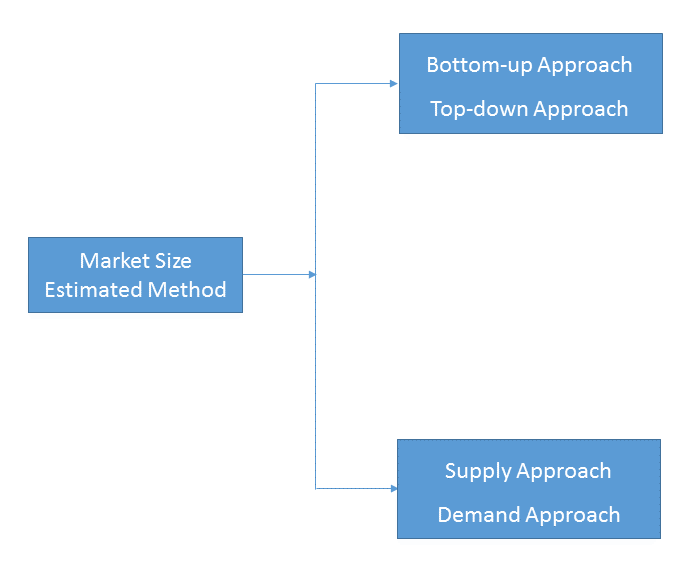
Bottom-up & top-down approach, supply & demand approach are the most important method which is used by HDIN Research to estimate the market size.
1)Top-down & Bottom-up Approach
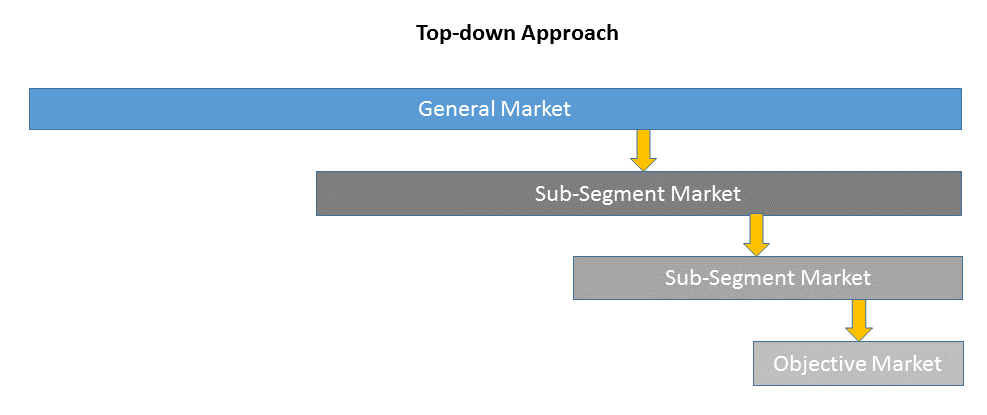
Top-down approach uses a general market size figure and determines the percentage that the objective market represents.
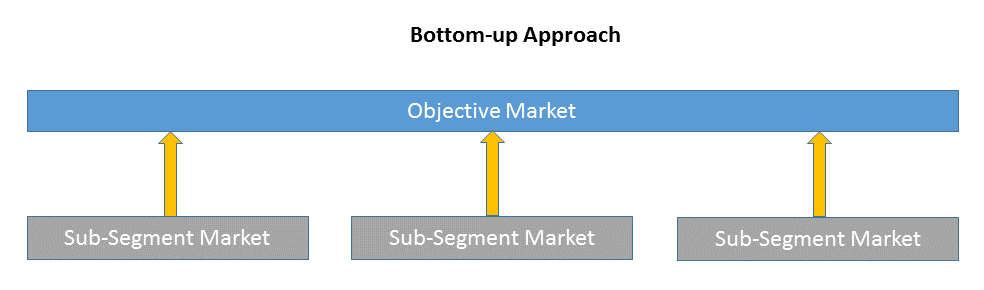
Bottom-up approach size the objective market by collecting the sub-segment information.
2)Supply & Demand Approach
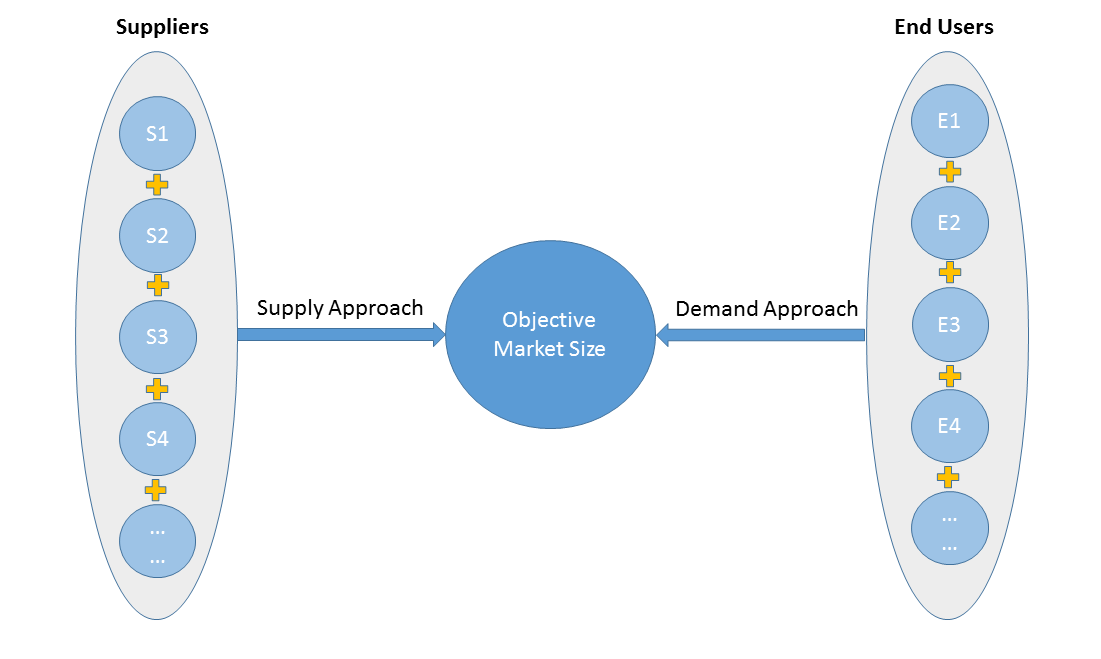
Supply approach is based on assessments of the size of each competitor supplying the objective market.
Demand approach combine end-user data within a market to estimate the objective market size. It is sometimes referred to as bottom-up approach.
- Forecasting Methodology
- Numerous factors impacting the market trend are considered for forecast model:
- New technology and application in the future;
- New project planned/under contraction;
- Global and regional underlying economic growth;
- Threatens of substitute products;
- Industry expert opinion;
- Policy and Society implication.
- Analysis Tools
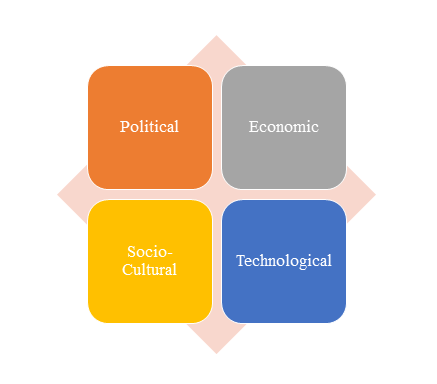
1)PEST Analysis
PEST Analysis is a simple and widely used tool that helps our client analyze the Political, Economic, Socio-Cultural, and Technological changes in their business environment.
- Benefits of a PEST analysis:
- It helps you to spot business opportunities, and it gives you advanced warning of significant threats.
- It reveals the direction of change within your business environment. This helps you shape what you’re doing, so that you work with change, rather than against it.
- It helps you avoid starting projects that are likely to fail, for reasons beyond your control.
- It can help you break free of unconscious assumptions when you enter a new country, region, or market; because it helps you develop an objective view of this new environment.
2)Porter’s Five Force Model Analysis
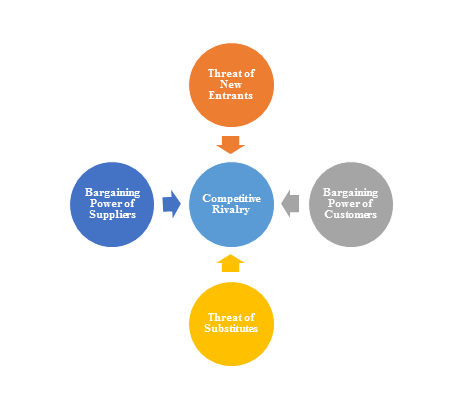
The Porter’s Five Force Model is a tool that can be used to analyze the opportunities and overall competitive advantage. The five forces that can assist in determining the competitive intensity and potential attractiveness within a specific area.
- Threat of New Entrants: Profitable industries that yield high returns will attract new firms.
- Threat of Substitutes: A substitute product uses a different technology to try to solve the same economic need.
- Bargaining Power of Customers: the ability of customers to put the firm under pressure, which also affects the customer's sensitivity to price changes.
- Bargaining Power of Suppliers: Suppliers of raw materials, components, labor, and services (such as expertise) to the firm can be a source of power over the firm when there are few substitutes.
- Competitive Rivalry: For most industries the intensity of competitive rivalry is the major determinant of the competitiveness of the industry.
3)Value Chain Analysis
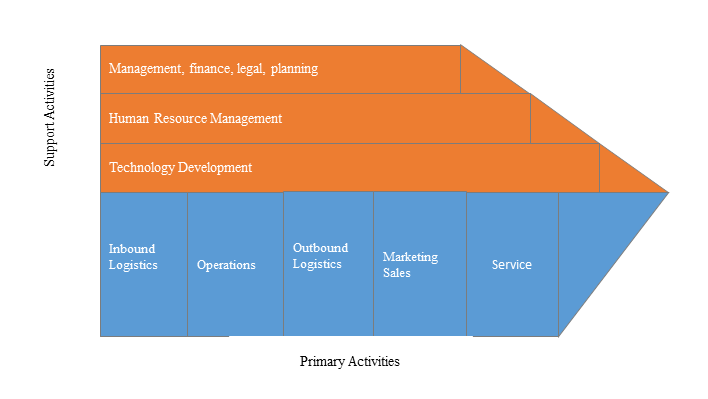
Value chain analysis is a tool to identify activities, within and around the firm and relating these activities to an assessment of competitive strength. Value chain can be analyzed by primary activities and supportive activities. Primary activities include: inbound logistics, operations, outbound logistics, marketing & sales, service. Support activities include: technology development, human resource management, management, finance, legal, planning.
4)SWOT Analysis
SWOT analysis is a tool used to evaluate a company's competitive position by identifying its strengths, weaknesses, opportunities and threats. The strengths and weakness is the inner factor; the opportunities and threats are the external factor. By analyzing the inner and external factors, the analysis can provide the detail information of the position of a player and the characteristics of the industry.
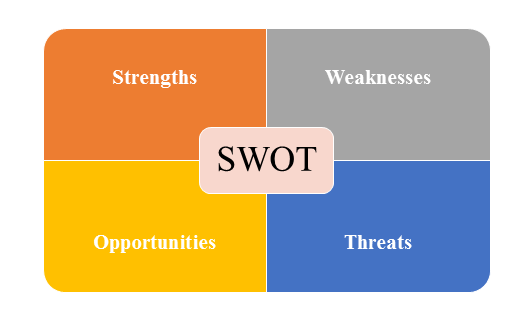
- Strengths describe what the player excels at and separates it from the competition
- Weaknesses stop the player from performing at its optimum level.
- Opportunities refer to favorable external factors that the player can use to give it a competitive advantage.
- Threats refer to factors that have the potential to harm the player.
- Data Sources
| Primary Sources | Secondary Sources |
|---|---|
| Face to face/Phone Interviews with market participants, such as: Manufactures; Distributors; End-users; Experts. Online Survey |
Government/International Organization Data: Annual Report/Presentation/Fact Book Internet Source Information Industry Association Data Free/Purchased Database Market Research Report Book/Journal/News |