Global Dough Chunker Market Strategic Outlook 2026-2031 Industrial Automation and Large Scale Bakery Infrastructure Analysis
- Single User License (1 Users) $ 3,500
- Team License (2~5 Users) $ 4,500
- Corporate License (>5 Users) $ 5,500
The global dough chunker market represents a vital, high-efficiency node within the automated food processing and industrial baking ecosystem. Functioning as the primary interface between bulk dough mixing and the downstream dividing and shaping stages, dough chunkers are engineered to receive large masses of dough (often up to 2,000 lbs or more) and reduce them into consistent, manageable "chunks" or portions. As of 2026, the market is valued between 150 million USD and 260 million USD, underpinned by a structural shift toward full-line automation in the global bakery sector. The industry is projected to expand at a compound annual growth rate (CAGR) of 3.8 percent to 6.6 percent through 2031.
The strategic importance of this market is highlighted by the explosive growth in high-volume bakery consumption, particularly in the Asia-Pacific region. Strategic intelligence for 2026 indicates that the Chinese bakery market—encompassing bread, cakes, and pastries—has reached a staggering total sales volume exceeding 5 million tons. The financial scale of this downstream consumption in China is now valued at over 200 billion CNY. This massive demand surge is forcing food processing plants to abandon traditional manual dough handling in favor of high-throughput chunking systems that ensure consistency and minimize labor-related contamination risks.
Technologically, the 2026 landscape is defined by the integration of "Sanitary-by-Design" principles and advanced material science. Modern dough chunkers are increasingly utilizing high-grade stainless steel with specialized non-stick coatings to manage high-hydration and "sticky" dough profiles without the excessive use of dusting flour or release oils. This shift is not only driven by operational efficiency but also by stringent global food safety mandates that require equipment to be easily cleaned (Clean-In-Place or CIP) to prevent allergen cross-contamination and microbial growth.
Regional Market Analysis
The geographical performance of the dough chunker market is dictated by the divergence between mature, labor-optimized markets in the West and the rapidly industrializing food sectors in the East.
● Asia Pacific is identified as the primary engine of growth, holding an estimated market share between 36 percent and 41 percent. This is largely driven by the 200 billion CNY bakery market in China, where central kitchens and industrial bakeries are scaling up to meet urban consumer demand. Within Taiwan(China), the focus is on high-precision machinery that supports the high-end specialty bread and pastry exports. The regional trend is toward large-scale turnkey automated lines that integrate dough chunking as the first step in a seamless, touchless production process.
● North America remains a core revenue hub with a share ranging from 28 percent to 32 percent. The regional market is characterized by a high degree of consolidation among commercial bread producers and a critical focus on labor cost reduction. US-based manufacturers such as AMF Bakery and Shaffer are leading the development of high-capacity vertical chunking systems that optimize floor space in massive production facilities. The North American market is also seeing a surge in demand from the "Chain Restaurant" segment, which utilizes central dough processing plants to maintain consistency across thousands of retail outlets.
● Europe maintains a sophisticated market presence with a share between 20 percent and 24 percent. The European landscape, centered in Poland, Germany, and Turkey, is the global benchmark for artisan-industrial hybrid equipment. European manufacturers like MECH-MASZ and Sarmaşık focus on versatile chunkers that can handle long-fermentation and highly sensitive doughs common in traditional European bread varieties. The regional dynamics are heavily influenced by the EU’s "Farm to Fork" strategy, which mandates higher energy efficiency and lower waste in food processing machinery.
● The Middle East and Africa (MEA) and South America represent emerging growth sectors, together accounting for 10 percent to 15 percent of the market. In the MEA region, the focus is on large-scale staple bread production for growing populations, where companies like Kammaz Ovens and Ayash provide robust, high-volume hardware. South America’s growth is primarily driven by the expansion of industrial tortilla and flatbread production, where Casa Herrera is a dominant influence.
Application and Segmentation Analysis
The application of dough chunkers is increasingly segmented by the volume of production and the specific rheological properties of the dough being processed.
● Food Processing Plants are the dominant application segment, requiring systems capable of continuous 24/7 operation. In this environment, the chunker is integrated with sophisticated sensors to monitor dough temperature and weight, feeding data into a centralized SCADA system. The primary goal is "Throughput Predictability," ensuring that a consistent volume of dough is delivered to the dividers every minute to maintain line balance.
● Chain Restaurants and central kitchens represent the fastest-growing application niche. As retail brands seek to centralize their dough production to ensure brand consistency, they require smaller-scale but high-precision chunkers that can handle a wide variety of dough types, from pizza to brioche. These units are often designed for "Rapid Changeover," allowing the central kitchen to switch between different product lines with minimal downtime for cleaning and reconfiguration.
Value Chain and Information Gain Analysis
The dough chunker value chain is undergoing a transition from a simple metal-fabrication model to a specialized engineering and software-integrated ecosystem.
Raw Materials and Components: The foundation lies in the procurement of high-grade 304 or 316 stainless steel and food-grade polymers. The high-margin "Value Pool" in 2026 is the development of proprietary non-stick surfaces and precision-engineered cutting blades that reduce dough "bruising"—the mechanical stress that can negatively impact the final crumb structure of the bread.
Design and Engineering Integration: This is a critical "Information Gain" stage. Modern manufacturers are utilizing Computational Fluid Dynamics (CFD) to model the flow of dough through the chunking chamber. This allows for the optimization of the cutting action to minimize "dead zones" where dough could stagnate and ferment, leading to consistency issues and hygiene risks.
OEM Assembly and Quality Control: This stage involves the integration of high-torque motors and automated control systems. The trend is toward "Oil-Free" cutting mechanisms, which utilize ultrasonic vibrations or specialized mechanical geometries to separate dough chunks without the need for lubrication, thereby reducing the cost of consumables and improving product purity.
Distribution and After-Sales Support: In a market where downtime can cost a large bakery tens of thousands of dollars per hour, the final link in the value chain is highly service-dependent. Manufacturers that offer remote diagnostics and 24-hour spare parts availability are capturing higher market shares in the premium industrial segment.
Key Market Player Deep Profiles
● Shaffer: A part of the Bundy Baking Solutions group, Shaffer is a global leader in high-capacity dough processing and mixing technology. Their 2026 strategic layout is focused on "Total Sanitary Integration," providing dough chunkers that are widely recognized for their "No-Tool" disassembly and open-frame designs. Shaffer’s core competency lies in their ability to handle massive batches of dough for high-volume bread and bun lines. Their chunkers are engineered with heavy-duty stainless steel and precision-timed cutting cycles that minimize dough stress. Their strategic dynamic involves a strong focus on the North American market, where they partner with the world’s largest commercial bakeries to provide rugged, long-lasting hardware that withstands the rigors of multi-shift industrial production.
● AMF Bakery: As a global powerhouse in bakery automation, AMF Bakery Systems offers some of the most technologically advanced dough chunking solutions in the market. Their 2026 strategy is centered on "The Digital Bakery," where their chunking units are integrated with the "AMF Connect" IoT platform for real-time monitoring of machine health and dough flow. AMF’s technical edge is in their high-speed vertical chunking systems, which are designed for seamless integration with their world-class dividing and rounding equipment. Their core competency is the ability to provide complete "Mix-to-Pack" automated lines, where the dough chunker acts as the critical first step in a perfectly synchronized production flow. They have a massive presence in the APAC and European markets, catering to high-volume industrial bread and snack producers.
● MECH-MASZ: Based in Poland, MECH-MASZ has established itself as a leading European provider of bakery equipment, characterized by robust engineering and competitive pricing. Their 2026 strategic layout focuses on "Versatile Artisan Automation," catering to mid-to-large scale bakeries that require high output but maintain a variety of traditional bread types. Their chunkers are designed with a focus on durability and simple mechanical maintenance, making them popular in regions with high industrial growth but a premium on ease-of-use. MECH-MASZ’s strategic dynamic involves a heavy expansion into the Eastern European and Asian markets, positioning themselves as a reliable alternative to higher-priced North American incumbents.
● Casa Herrera: Casa Herrera is a specialized leader in the production of equipment for the tortilla and flatbread industry. Their 2026 technical roadmap is built around "High-Throughput Masa and Flour Handling." Unlike standard bread dough, tortilla dough requires specialized chunking action that can handle high density and varying textures. Casa Herrera’s core competency is their deep vertical knowledge of the Latin American and US Hispanic food markets. Their strategic dynamic involves the development of large-scale automated lines for multinational snack and flatbread brands, ensuring that the chunking process is optimized for the specific elasticity and moisture requirements of maize and wheat-based flatbreads.
● FME (Food Machinery Engineering): Based in Canada, FME specializes in custom-engineered solutions for the food processing industry. Their 2026 strategy is centered on "Custom Integration," providing dough chunkers that are tailored to the specific spatial and operational constraints of unique food processing plants. FME’s technical core competency lies in their "Innovative Feeding Systems," which ensure a consistent dough level is maintained for the downstream divider, regardless of the batch size. Their strategic dynamic involves a focus on the premium "Specialty Food" segment, where unique dough formulations require a gentler, more controlled chunking action than what is offered by standard off-the-shelf units.
● Topos Mondial: Topos Mondial occupies a unique position in the market as both a manufacturer of new bakery equipment and a global leader in reconditioned industrial machinery. Their 2026 strategic layout is focused on "Sustainable Lifecycle Management," providing bakeries with the option of high-spec new chunkers or fully remanufactured units that meet modern safety and hygiene standards. Their technical edge is in their deep historical knowledge of various chunker designs, allowing them to provide expert consulting on line optimization. Their core competency is the ability to provide turnkey used-and-new blended lines for emerging bakeries in South America and the Middle East, reducing the initial capital expenditure for new industrial ventures.
● Kammaz Ovens: A major player in the Middle Eastern and North African (MENA) markets, Kammaz Ovens specializes in the equipment required for traditional pita and Arabic bread production. Their 2026 strategy is built on "Regional Staple Security," providing high-volume dough chunkers that can handle the rapid throughput required for national bread supply chains. Their core competency is in the design of robust, heat-resistant machinery that can operate in the challenging ambient temperatures of the MEA region. Their strategic dynamic involves a strong focus on government and large-scale private bakery projects, providing the essential infrastructure for staple food production across the region.
● Bakery Equipment (BakeryEquipment.com): Functioning as both a manufacturer and a massive industrial marketplace, this entity provides a wide range of dough handling solutions. Their 2026 strategy focuses on "Marketplace Accessibility," helping small and medium-sized bakeries source the right chunker for their growth phase. Their technical layout emphasizes a wide variety of designs, from simple gravity-fed units to sophisticated automated systems. Their core competency is in their global distribution and appraisal network, which provides a high degree of liquidity and technical support to the global industrial bakery equipment market.
● Brook: Brook Food & Bakery Equipment is a key player in the UK and European markets, offering a comprehensive range of dough processing machinery. Their 2026 strategic layout is centered on "Precision Craftsmanship," providing chunking systems that are optimized for the high-quality, craft-industrial segment. Their technical edge is in the integration of specialized "Gentle-Cut" technology, which ensures that even highly hydrated sourdoughs are not degassed during the chunking process. Their strategic dynamic involves a strong focus on the UK’s sophisticated artisan-bakery sector, providing the hardware that allows small bakeries to scale up to industrial levels without sacrificing product quality.
● Sarmaşık: Based in Turkey, Sarmaşık is a globally recognized provider of turnkey industrial bakery solutions. Their 2026 strategy is built on "Global Turnkey Excellence," providing dough chunkers as part of massive automated plants in over 60 countries. Their core competency lies in their engineering capacity to design large-scale vertical and horizontal dough handling systems that integrate with complex proofing and baking tunnels. Their strategic dynamic involves a heavy push into the African and Central Asian markets, leveraging their regional proximity and high-standard manufacturing to secure large infrastructure-level bakery projects.
● Ayash: Ayash is a specialized manufacturer focused on the Middle Eastern bakery sector, providing robust and cost-effective dough chunkers for the production of flatbreads and pastries. Their 2026 strategy centers on "Localized Engineering," providing machinery that is specifically tuned for the flour types and dough consistencies common in the Levant and Gulf regions. Their core competency is in the reliability of their mechanical drive systems and their focus on high-volume output. Their strategic dynamic involves expanding their influence into the South Asian market, where similar bread-making traditions are undergoing a rapid transition toward industrialization.
● Qinli Machinery: Representing the high-growth Chinese manufacturing sector, Qinli Machinery has become a critical player in the global "Industrial Value" segment. Their 2026 strategy is focused on "Scale and Speed," providing high-performance dough chunkers for China’s 200 billion CNY bakery market. Their technical core competency is in their rapid R&D and manufacturing cycles, allowing them to bring new features—such as integrated AI weight checking—to market faster than traditional competitors. Their strategic dynamic involves the aggressive expansion of their export business, providing the hardware for the growing chain restaurant and food processing sectors across Southeast Asia and South America.
Opportunities and Challenges
The dough chunker market is navigating a complex landscape of shifting consumer preferences and operational costs.
● Opportunities: The most significant opportunity lies in the "Global Sourdough and Healthy Bread" movement. As consumers demand bread with fewer additives and longer fermentation, bakeries require specialized chunkers that can handle high-hydration, "living" doughs without damaging the delicate gluten network. Furthermore, the massive expansion of the Chinese bakery sector, which reached over 5 million tons in 2026, provides a sustained demand for large-scale automated dough handling systems. There is also a burgeoning opportunity in the "Clean-Label" equipment market, where manufacturers develop oil-free and dust-free chunking systems that help bakeries meet the highest standards of food purity and allergen control.
● Challenges: The primary challenge is the "High Capital Expenditure (CAPEX)" associated with full-line automation. While large enterprises can easily justify the investment, mid-sized bakeries and growing chain restaurants often face significant financial hurdles in adopting advanced chunking technology. Furthermore, the rising cost of high-grade stainless steel and precision sensors—exacerbated by global trade tensions—is putting pressure on manufacturer margins. Additionally, the industry faces a "Skill Gap," where bakeries struggle to find technicians capable of maintaining and optimizing the sophisticated PLC and sensor-integrated systems that define modern 2026-standard dough chunkers.
Macroeconomic and Geopolitical Influences
The 2026 dough chunker market is operating within a volatile global economic context. High interest rates in North America and Europe have led to a tighter focus on "Operational ROI," where bakeries prioritize equipment that offers the fastest payback through labor savings and waste reduction.
Geopolitically, the "Regionalization of Food Supply Chains" is a key driver. As nations seek to improve their food security, there is an increased investment in domestic industrial bakeries. This trend favors regional manufacturers who can provide rapid on-site support and localized spare parts. In the Asia-Pacific region, the 200 billion CNY China bakery market is becoming a self-sustaining ecosystem of innovation, where local firms are increasingly challenging Western incumbents on technical specifications, not just price.
Furthermore, the global "Sustainability and Energy" mandates are impacting equipment design. In 2026, manufacturers are under pressure to reduce the carbon footprint of their machinery, leading to the development of chunkers with high-efficiency motors and minimized material waste. The interaction between large-scale consumer trends—such as the rise of bakery-cafes in China—and the geopolitical realities of steel and technology trade will continue to shape the dough chunker market as it moves toward 2031, with the industry acting as the indispensable mechanical foundation of the global "Modern Bread" economy.
1.1 Study Scope 1
1.2 Research Methodology 2
1.2.1 Data Sources 2
1.2.2 Assumptions 4
1.3 Abbreviations and Acronyms 5
Chapter 2 Global Dough Chunker Market Context and Macroeconomic Impact 6
2.1 Product Development Background 6
2.2 Global Macroeconomic Environment Analysis 7
2.2.1 Global GDP Trends and Commercial Bakery Sector Investment 7
2.2.2 Impact of Inflation and Food-Grade Stainless Steel Price Volatility 8
2.3 Impact of Geopolitical Conflicts on the Dough Chunker Market 9
2.3.1 Supply Chain Disruptions for Pneumatic and Hydraulic Components 9
2.3.2 Global Grain Supply Dynamics and Food Processing Capacity Shifts 10
2.4 Global Dough Chunker Market Volume and Market Size (2021-2026) 11
Chapter 3 Global Dough Chunker Market by Type 12
3.1 Market Volume and Size Analysis by Type (2021-2026) 12
3.2 Guillotine Dough Chunkers 13
3.3 Rotary and Extrusion Dough Chunkers 14
3.4 Conveyor-Integrated Automatic Dough Chunkers 15
Chapter 4 Global Dough Chunker Market by Application 16
4.1 Market Volume and Size Analysis by Application (2021-2026) 16
4.2 Food Processing Plant 17
4.3 Chain Restaurant 18
Chapter 5 Global Dough Chunker Market by Region 20
5.1 Market Volume and Size Analysis by Region (2021-2026) 20
5.2 North America Dough Chunker Market Analysis 21
5.2.1 North America Market Volume and Market Size (2021-2026) 21
5.2.2 North America Market by Key Regions (United States, Canada, Mexico) 22
5.3 Europe Dough Chunker Market Analysis 24
5.3.1 Europe Market Volume and Market Size (2021-2026) 24
5.3.2 Europe Market by Key Regions (Germany, United Kingdom, France, Italy, Spain) 25
5.4 Asia-Pacific Dough Chunker Market Analysis 28
5.4.1 Asia-Pacific Market Volume and Market Size (2021-2026) 28
5.4.2 Asia-Pacific Market by Key Regions (China, Japan, India, South Korea, Taiwan (China)) 29
5.5 Latin America Dough Chunker Market Analysis 31
5.5.1 Latin America Market Volume and Market Size (2021-2026) 31
5.5.2 Latin America Market by Key Regions (Brazil, Argentina) 32
5.6 Middle East & Africa Dough Chunker Market Analysis 33
5.6.1 Middle East & Africa Market Volume and Market Size (2021-2026) 33
5.6.2 Middle East & Africa Market by Key Regions (Turkey, UAE, Saudi Arabia, South Africa) 34
Chapter 6 Dough Chunker Manufacturing Process and Patent Analysis 35
6.1 Production Flow: Sanitary Welding, Blade Machining, and Surface Polishing 35
6.2 Core Technologies: Washdown Safety, Portion Weight Accuracy, and Non-Stick Coatings 36
6.3 Global Dough Chunker Patent Landscape Analysis 38
Chapter 7 Industry Chain and Value Chain Analysis 39
7.1 Value Chain Overview 39
7.2 Upstream Raw Materials and Components (SS 304/316L, Pneumatic Cylinders, PLCs) 40
7.3 Midstream Manufacturing and Line Integration 41
7.4 Downstream Distribution Channels (Turnkey Bakery Integrators, Direct OEM Sales) 42
Chapter 8 Global Dough Chunker Import and Export Analysis 43
8.1 Global Import Volume and Value (2021-2026) 43
8.2 Global Export Volume and Value (2021-2026) 44
Chapter 9 Competitive Landscape and Concentration Rate 46
9.1 Market Concentration Rate (CR3, CR5) 46
9.2 Competitive Ranking of Key Players (2025) 47
9.3 Strategic Mergers, Acquisitions, and Bakery Automation Alliances 49
Chapter 10 Key Players Analysis 50
10.1 Shaffer 50
10.1.1 Company Overview and Product Portfolio 50
10.1.2 SWOT Analysis 51
10.1.3 Shaffer Dough Chunker Sales, Price, Cost and Gross Profit Margin (2021-2026) 52
10.1.4 R&D Investment and Industrial Bakery Strategy 53
10.2 AMF Bakery 54
10.2.1 Company Overview and Product Portfolio 54
10.2.2 SWOT Analysis 55
10.2.3 AMF Bakery Dough Chunker Sales, Price, Cost and Gross Profit Margin (2021-2026) 56
10.2.4 Turnkey Line Integration and Marketing Strategy 57
10.3 MECH-MASZ 58
10.3.1 Company Overview and Product Portfolio 58
10.3.2 SWOT Analysis 59
10.3.3 MECH-MASZ Dough Chunker Sales, Price, Cost and Gross Profit Margin (2021-2026) 60
10.3.4 European Distribution Strategy 61
10.4 Casa Herrera 62
10.4.1 Company Overview 62
10.4.2 SWOT Analysis 63
10.4.3 Casa Herrera Dough Chunker Sales, Price, Cost and Gross Profit Margin (2021-2026) 64
10.5 FME 65
10.5.1 Company Overview 65
10.5.2 SWOT Analysis 66
10.5.3 FME Dough Chunker Sales, Price, Cost and Gross Profit Margin (2021-2026) 67
10.6 Topos Mondial 68
10.6.1 Company Overview and Product Portfolio 68
10.6.2 SWOT Analysis 69
10.6.3 Topos Mondial Dough Chunker Sales, Price, Cost and Gross Profit Margin (2021-2026) 70
10.6.4 Rebuilt vs. New Equipment Marketing Strategy 71
10.7 Kammaz Ovens 72
10.7.1 Company Overview 72
10.7.2 SWOT Analysis 73
10.7.3 Kammaz Ovens Dough Chunker Sales, Price, Cost and Gross Profit Margin (2021-2026) 74
10.8 Bakery Equipment 75
10.8.1 Company Overview and Product Portfolio 75
10.8.2 SWOT Analysis 76
10.8.3 Bakery Equipment Dough Chunker Sales, Price, Cost and Gross Profit Margin (2021-2026) 77
10.8.4 Customer Support and Service Network 78
10.9 Brook 79
10.9.1 Company Overview and Product Portfolio 79
10.9.2 SWOT Analysis 80
10.9.3 Brook Dough Chunker Sales, Price, Cost and Gross Profit Margin (2021-2026) 81
10.9.4 R&D Focus and Artisan Bakery Solutions 82
10.10 Sarmaşık 83
10.10.1 Company Overview and Product Portfolio 83
10.10.2 SWOT Analysis 84
10.10.3 Sarmaşık Dough Chunker Sales, Price, Cost and Gross Profit Margin (2021-2026) 85
10.10.4 Global Export and Expansion Strategy 86
10.11 Ayash 87
10.11.1 Company Overview and Product Portfolio 87
10.11.2 SWOT Analysis 88
10.11.3 Ayash Dough Chunker Sales, Price, Cost and Gross Profit Margin (2021-2026) 89
10.11.4 Regional Market Positioning 90
10.12 Qinli Machinery 91
10.12.1 Company Overview and Product Portfolio 91
10.12.2 SWOT Analysis 92
10.12.3 Qinli Machinery Dough Chunker Sales, Price, Cost and Gross Profit Margin (2021-2026) 93
10.12.4 Cost Optimization and Automation Strategy 94
Chapter 11 Global Dough Chunker Market Forecast (2027-2031) 95
11.1 Market Volume and Size Forecast 95
11.2 Forecast by Type (2027-2031) 96
11.3 Forecast by Application (2027-2031) 98
11.4 Forecast by Key Regions (2027-2031) 99
Chapter 12 Market Dynamics 101
12.1 Industry Drivers (Commercial Bakery Automation, Labor Cost Reduction) 101
12.2 Industry Restraints (High Initial Capital Cost, Sanitation Compliance Costs) 102
12.3 Industry Opportunities and Trends (Vision-Guided Portioning, IoT Diagnostics) 103
Chapter 13 Research Findings and Conclusion 104
Table 2 Global Dough Chunker Market Volume by Type (2021-2026) 12
Table 3 Global Dough Chunker Market Size by Type (2021-2026) 13
Table 4 Global Dough Chunker Market Volume by Application (2021-2026) 16
Table 5 Global Dough Chunker Market Size by Application (2021-2026) 17
Table 6 North America Dough Chunker Market Volume and Size by Key Regions (2021-2026) 23
Table 7 Europe Dough Chunker Market Volume and Size by Key Regions (2021-2026) 27
Table 8 Asia-Pacific Dough Chunker Market Volume and Size by Key Regions (2021-2026) 30
Table 9 Latin America Dough Chunker Market Volume and Size by Key Regions (2021-2026) 32
Table 10 Middle East & Africa Dough Chunker Market Volume and Size by Key Regions (2021-2026) 34
Table 11 Global Dough Chunker Major Patents List 38
Table 12 Global Dough Chunker Import and Export Data (2021-2026) 43
Table 13 Competitive Ranking of Key Players by Revenue (2025) 47
Table 14 Shaffer Dough Chunker Sales, Price, Cost and Gross Profit Margin (2021-2026) 52
Table 15 AMF Bakery Dough Chunker Sales, Price, Cost and Gross Profit Margin (2021-2026) 56
Table 16 MECH-MASZ Dough Chunker Sales, Price, Cost and Gross Profit Margin (2021-2026) 60
Table 17 Casa Herrera Dough Chunker Sales, Price, Cost and Gross Profit Margin (2021-2026) 64
Table 18 FME Dough Chunker Sales, Price, Cost and Gross Profit Margin (2021-2026) 67
Table 19 Topos Mondial Dough Chunker Sales, Price, Cost and Gross Profit Margin (2021-2026) 70
Table 20 Kammaz Ovens Dough Chunker Sales, Price, Cost and Gross Profit Margin (2021-2026) 74
Table 21 Bakery Equipment Dough Chunker Sales, Price, Cost and Gross Profit Margin (2021-2026) 77
Table 22 Brook Dough Chunker Sales, Price, Cost and Gross Profit Margin (2021-2026) 81
Table 23 Sarmaşık Dough Chunker Sales, Price, Cost and Gross Profit Margin (2021-2026) 85
Table 24 Ayash Dough Chunker Sales, Price, Cost and Gross Profit Margin (2021-2026) 89
Table 25 Qinli Machinery Dough Chunker Sales, Price, Cost and Gross Profit Margin (2021-2026) 93
Table 26 Global Dough Chunker Market Volume Forecast by Type (2027-2031) 96
Table 27 Global Dough Chunker Market Size Forecast by Application (2027-2031) 98
Table 28 Global Dough Chunker Market Size Forecast by Key Regions (2027-2031) 100
Figure 1 Global Dough Chunker Market Size Growth Rate (2021-2026) 11
Figure 2 Impact of Geopolitical Conflicts on Food Processing Equipment Supply Chain 10
Figure 3 Global Dough Chunker Market Size Share by Type (2021-2026) 13
Figure 4 Global Dough Chunker Market Size Share by Application (2021-2026) 17
Figure 5 Global Dough Chunker Market Size Share by Region (2021-2026) 20
Figure 6 Dough Chunker Manufacturing Process Flowchart 35
Figure 7 Dough Chunker Industry Chain Mapping 39
Figure 8 Global Market Concentration Rate (CR5) in 2025 46
Figure 9 Shaffer Dough Chunker Market Share (2021-2026) 53
Figure 10 AMF Bakery Dough Chunker Market Share (2021-2026) 57
Figure 11 MECH-MASZ Dough Chunker Market Share (2021-2026) 61
Figure 12 Casa Herrera Dough Chunker Market Share (2021-2026) 64
Figure 13 FME Dough Chunker Market Share (2021-2026) 67
Figure 14 Topos Mondial Dough Chunker Market Share (2021-2026) 71
Figure 15 Kammaz Ovens Dough Chunker Market Share (2021-2026) 74
Figure 16 Bakery Equipment Dough Chunker Market Share (2021-2026) 78
Figure 17 Brook Dough Chunker Market Share (2021-2026) 82
Figure 18 Sarmaşık Dough Chunker Market Share (2021-2026) 86
Figure 19 Ayash Dough Chunker Market Share (2021-2026) 90
Figure 20 Qinli Machinery Dough Chunker Market Share (2021-2026) 94
Figure 21 Global Dough Chunker Market Size Forecast (2027-2031) 95
Research Methodology
- Market Estimated Methodology:
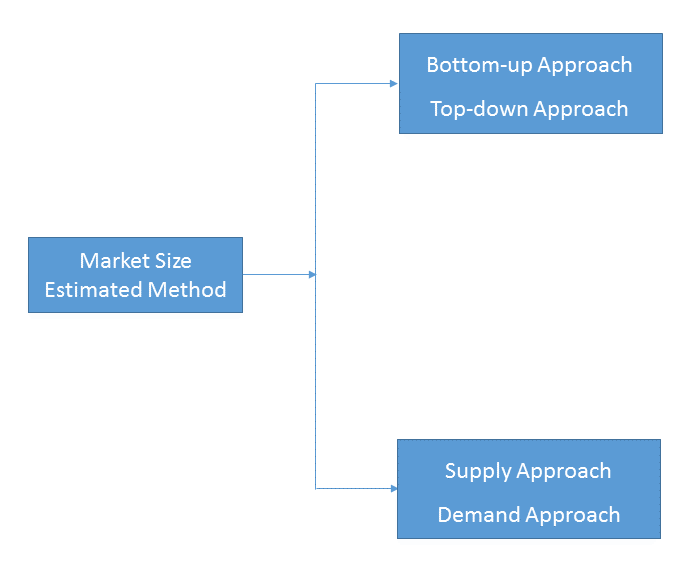
Bottom-up & top-down approach, supply & demand approach are the most important method which is used by HDIN Research to estimate the market size.
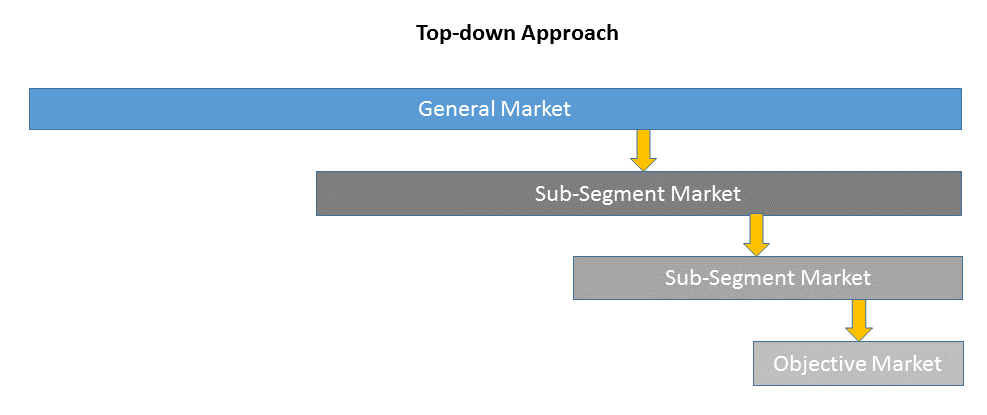
1)Top-down & Bottom-up Approach
Top-down approach uses a general market size figure and determines the percentage that the objective market represents.
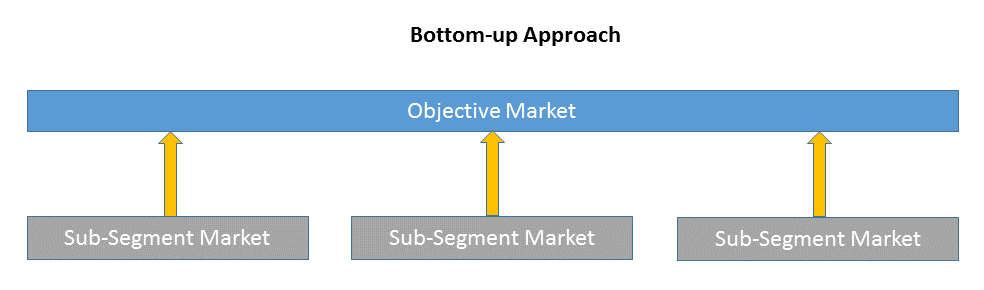
Bottom-up approach size the objective market by collecting the sub-segment information.
2)Supply & Demand Approach
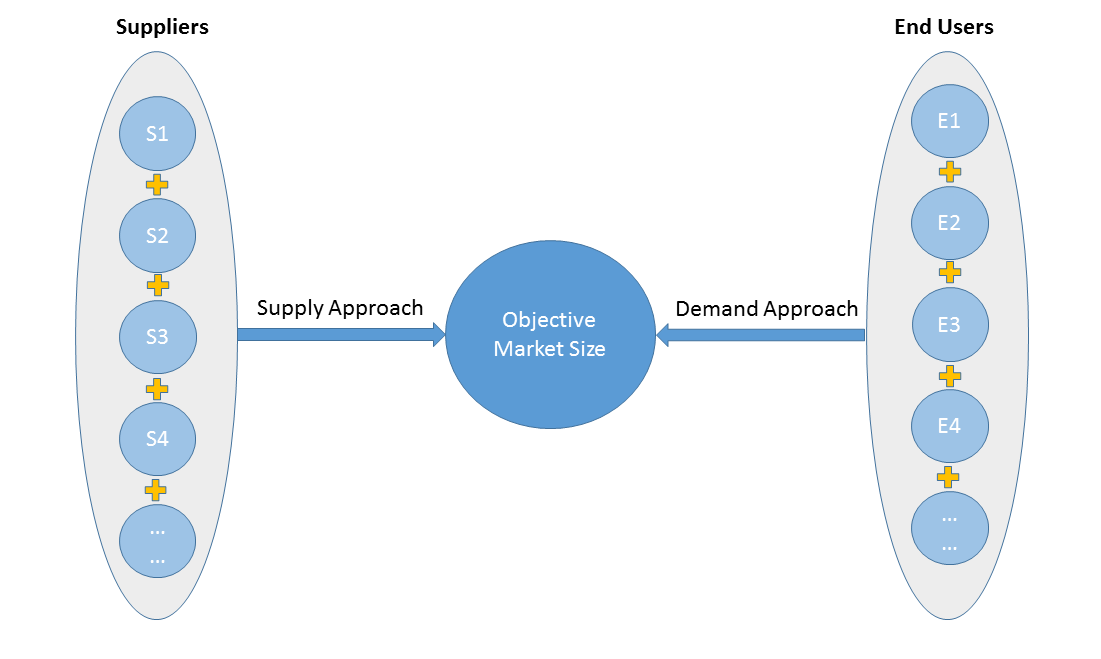
Supply approach is based on assessments of the size of each competitor supplying the objective market.
Demand approach combine end-user data within a market to estimate the objective market size. It is sometimes referred to as bottom-up approach.
- Forecasting Methodology
- Numerous factors impacting the market trend are considered for forecast model:
- New technology and application in the future;
- New project planned/under contraction;
- Global and regional underlying economic growth;
- Threatens of substitute products;
- Industry expert opinion;
- Policy and Society implication.
- Analysis Tools
1)PEST Analysis
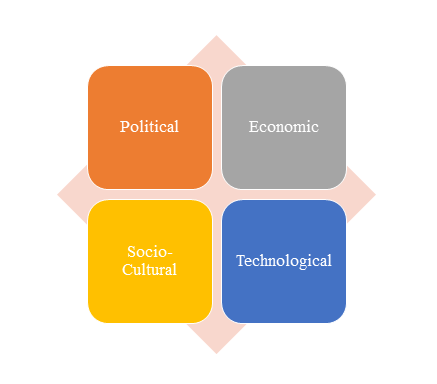
PEST Analysis is a simple and widely used tool that helps our client analyze the Political, Economic, Socio-Cultural, and Technological changes in their business environment.
- Benefits of a PEST analysis:
- It helps you to spot business opportunities, and it gives you advanced warning of significant threats.
- It reveals the direction of change within your business environment. This helps you shape what you’re doing, so that you work with change, rather than against it.
- It helps you avoid starting projects that are likely to fail, for reasons beyond your control.
- It can help you break free of unconscious assumptions when you enter a new country, region, or market; because it helps you develop an objective view of this new environment.
2)Porter’s Five Force Model Analysis
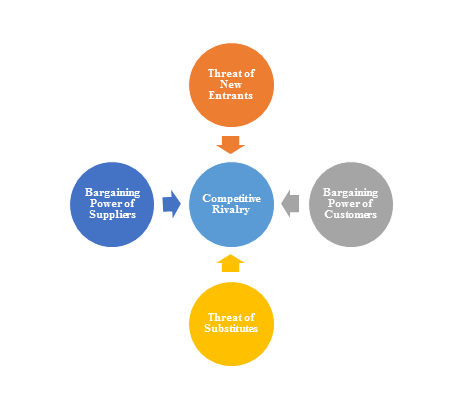
The Porter’s Five Force Model is a tool that can be used to analyze the opportunities and overall competitive advantage. The five forces that can assist in determining the competitive intensity and potential attractiveness within a specific area.
- Threat of New Entrants: Profitable industries that yield high returns will attract new firms.
- Threat of Substitutes: A substitute product uses a different technology to try to solve the same economic need.
- Bargaining Power of Customers: the ability of customers to put the firm under pressure, which also affects the customer's sensitivity to price changes.
- Bargaining Power of Suppliers: Suppliers of raw materials, components, labor, and services (such as expertise) to the firm can be a source of power over the firm when there are few substitutes.
- Competitive Rivalry: For most industries the intensity of competitive rivalry is the major determinant of the competitiveness of the industry.
3)Value Chain Analysis
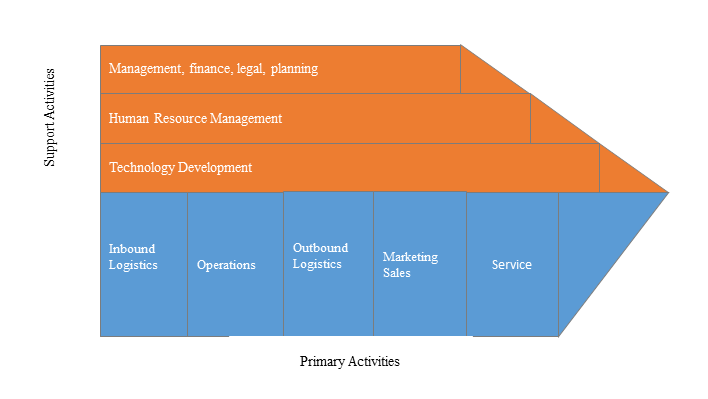
Value chain analysis is a tool to identify activities, within and around the firm and relating these activities to an assessment of competitive strength. Value chain can be analyzed by primary activities and supportive activities. Primary activities include: inbound logistics, operations, outbound logistics, marketing & sales, service. Support activities include: technology development, human resource management, management, finance, legal, planning.
4)SWOT Analysis
SWOT analysis is a tool used to evaluate a company's competitive position by identifying its strengths, weaknesses, opportunities and threats. The strengths and weakness is the inner factor; the opportunities and threats are the external factor. By analyzing the inner and external factors, the analysis can provide the detail information of the position of a player and the characteristics of the industry.
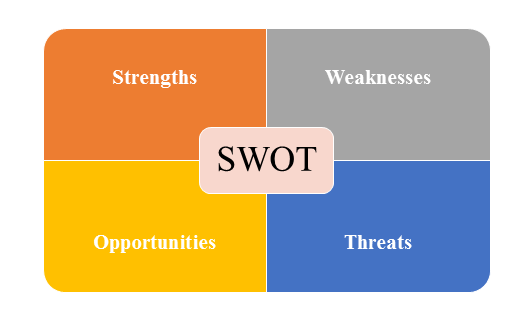
- Strengths describe what the player excels at and separates it from the competition
- Weaknesses stop the player from performing at its optimum level.
- Opportunities refer to favorable external factors that the player can use to give it a competitive advantage.
- Threats refer to factors that have the potential to harm the player.
- Data Sources
| Primary Sources | Secondary Sources |
|---|---|
| Face to face/Phone Interviews with market participants, such as: Manufactures; Distributors; End-users; Experts. Online Survey |
Government/International Organization Data: Annual Report/Presentation/Fact Book Internet Source Information Industry Association Data Free/Purchased Database Market Research Report Book/Journal/News |