Global Nitrocarburizing System Market Strategic Outlook 2026-2031 Thermochemical Surface Engineering and Industrial Infrastructure Analysis
- Single User License (1 Users) $ 3,500
- Team License (2~5 Users) $ 4,500
- Corporate License (>5 Users) $ 5,500
The global nitrocarburizing system market represents a high-precision vertical within the broader thermochemical surface engineering sector. As of 2026, the market is valued between 280 million USD and 460 million USD, reflecting a period of intense technological consolidation and a structural shift toward sustainable, high-performance surface hardening. Nitrocarburizing, which involves the simultaneous diffusion of nitrogen and carbon into the ferritic phase of ferrous materials, is increasingly favored over traditional nitriding due to its superior wear resistance, fatigue strength, and anti-scuffing properties. The market is projected to expand at a compound annual growth rate (CAGR) of 3.6 percent to 7.2 percent through 2031, driven by the exacting demands of the electric vehicle (EV) sector and the global movement to replace environmentally hazardous chrome plating with eco-friendly thermochemical processes.
The strategic landscape in late 2025 and 2026 has been redefined by unprecedented M&A activity and the launch of multi-process modular systems. A watershed moment occurred on October 1, 2025, when the AICHELIN Group, a global titan in heat treatment, finalized the acquisition of Nitrex Metal Inc.’s core divisions: NTS (Turnkey Systems) and UPC (Process Control). This transaction effectively merges Nitrex’s industry-leading expertise in atmosphere control and nitrocarburizing technology with AICHELIN’s massive global manufacturing and service footprint. Furthermore, the industry is witnessing a move toward hybrid technological integration. In October 2026, at the Heat Treatment Congress (HK26) in Cologne, ECM Technologies unveiled its next-generation CCN (Nitriding & Carbonitriding Cell). This modular unit signals a strategic shift for companies previously focused on Low-Pressure Carburizing (LPC), as they pivot to offer multi-functional platforms that integrate nitriding, nitrocarburizing, and dry oxidation into a single automated cell.
The evolution of the market is fundamentally tied to the "Intelligence of the Process." Modern nitrocarburizing systems are no longer just thermal chambers; they are data-driven environments where gas composition, temperature, and potential are monitored in real-time to control the thickness and composition of the "white layer" and the diffusion zone. This level of control is essential for components like EV drivetrain gears and high-precision dies, where even minor metallurgical variations can lead to catastrophic failure. Consequently, the value in 2026 is shifting away from the hardware of the furnace toward the software and sensors that govern the thermochemical reaction.
Regional Market Analysis
The geographical distribution of the nitrocarburizing system market reflects the transition from legacy manufacturing hubs to centers of advanced mobility and precision engineering.
● Europe holds a dominant strategic position, accounting for a market share between 32 percent and 36 percent. The region is the global epicenter for heat treatment innovation, as evidenced by the strategic launch of the ECM CCN system at HK26. Germany, Italy, and France remain the primary consumers, driven by the stringent quality standards of the European automotive and aerospace sectors. The regional market is also benefiting from the rapid phase-out of salt-bath nitrocarburizing in favor of gas and plasma systems due to strict EU environmental mandates.
● Asia Pacific is the largest regional market by volume, with a share ranging from 35 percent to 39 percent. This growth is anchored by the aggressive modernization of the manufacturing sectors in China, India, and Southeast Asia. Within Taiwan(China), the demand for high-precision nitrocarburizing is particularly high for the production of semiconductor manufacturing equipment and high-end automotive components. The rise of domestic Chinese manufacturers like Shandong Paijin and Huamin indicates a shift toward self-sufficiency in vacuum and atmosphere technology.
● North America maintains a robust market share between 18 percent and 22 percent. The regional dynamics are characterized by the "Re-shoring" of critical supply chains and the revitalization of the domestic tooling and die sector. The presence of players like Gasbarre ensures a steady supply of high-standard atmosphere systems, while the integration of UPC (following the AICHELIN-Nitrex deal) is expected to accelerate the adoption of advanced process control across North American captive and commercial heat treaters.
● South America and the Middle East and Africa (MEA) represent emerging sectors, together accounting for 10 percent to 15 percent of the market. In the Middle East, the focus is on developing domestic industrial capacity for mechanical components to support the diversification of national economies. South America’s growth is primarily driven by Brazil’s automotive sector, which is increasingly adopting European and North American nitrocarburizing standards to improve export competitiveness.
Application and Segmentation Analysis
The application of nitrocarburizing systems is increasingly dictated by the material performance requirements of next-generation industrial products.
● Automotive: This segment remains the primary driver of market volume. The transition to EVs has created a new demand for nitrocarburized components. Unlike internal combustion engine parts, EV components often face higher rotational speeds and requires superior fatigue resistance. Nitrocarburizing is being widely adopted for stator hubs, rotor shafts, and specialized fasteners. The process is also critical for brake rotors, where it provides essential corrosion resistance without the environmental footprint of traditional coatings.
● Tooling and Die: In this segment, nitrocarburizing is used to significantly extend the operational life of aluminum extrusion dies, plastic injection molds, and forging tools. The ability of the process to create a hard, lubricating surface layer reduces friction and prevents "soldering" or sticking of the workpiece material. The 2026 trend focuses on "Post-Oxidation" following nitrocarburizing, which creates a black oxide layer that further enhances corrosion resistance and aesthetic appeal.
● Mechanical Components: This broad segment includes gears, hydraulic cylinders, shafts, and bushings. As mechanical systems become more compact and operate under higher loads, the need for deep-case nitrocarburizing becomes paramount. The modularity of systems like the ECM CCN allows manufacturers of these components to switch between different thermochemical treatments depending on the specific wear profile required for the end application.
Chain Analysis and Value Pools
The nitrocarburizing value chain is evolving into a sophisticated ecosystem where "Software-as-a-Service" and "Consumables Management" are becoming high-margin segments.
● Raw Materials and Substrates: The foundation involves the procurement of high-grade alloy steels. However, from a system perspective, the value begins with specialized furnace components, including radiant tubes, high-temperature fans, and refractory materials. The volatility in nickel and chrome prices has led manufacturers to optimize designs for thermal efficiency and longevity.
● Core Component Manufacturing: The highest-margin value pool in 2026 is "Process Control Infrastructure." This includes the hydrogen and ammonia sensors, oxygen probes, and the integrated software platforms (like Nitrex's UPC) that manage the nitriding potential. These components are the "brain" of the system, ensuring repeatable results and compliance with CQI-9 and other international standards.
● OEM Production and Turnkey Systems: Companies like Nitrex and AICHELIN capture value by providing "Integrated Manufacturing Cells." The move toward modularization allows OEMs to offer faster lead times and easier on-site installation. ECM’s CCN cell is a prime example of capturing value through "Process Versatility," allowing a single hardware investment to serve multiple thermochemical needs.
● Distribution and Technical Support: In a market valued up to 460 million USD, the final link is highly service-dependent. Revenue is increasingly generated through remote diagnostics, gas supply management, and metallurgical consulting. Systems that offer cloud-based "Process Auditing" are highly valued by commercial heat treaters who must prove compliance to their automotive and aerospace customers.
Key Market Player Deep Profiles
● Nitrex: Following the strategic acquisition by the AICHELIN Group in October 2025, Nitrex has transitioned into a global center of excellence for nitriding and nitrocarburizing technology. Their core competency lies in the NTS (Turnkey Systems) and the world-renowned UPC (United Process Control) software. Nitrex systems are synonymous with "white layer control," providing the industry’s most precise gas potential regulation. In 2026, the company is leveraging AICHELIN’s global manufacturing centers to reduce lead times for their specialized Nitro-FNC systems. Their technical layout emphasizes the "Nitreg" brand of technologies, which are essential for high-spec automotive and aerospace components. By integrating control, software, and hardware, Nitrex remains the dominant technical influencer in the market, focusing on "Sustainable Hardening" solutions that minimize gas consumption and carbon emissions.
● PVA TePla: This German-based player is a specialist in vacuum and plasma technology, with a strong focus on "Plasma Nitriding and Nitrocarburizing." Their 2026 strategic layout is built on the "Pulsed Plasma" advantage, which allows for precise hardening of complex-shaped parts and blind holes without the risk of "arcing." PVA TePla’s core competency lies in their ability to treat parts at lower temperatures, preventing core softening in sensitive alloys. Their strategic dynamic involves a heavy push into the medical and precision electronics sectors, where their "PlaTeG" brand of systems provides ultra-clean, deformation-free surface hardening. They are increasingly targeting the Asia Pacific market, positioning plasma nitrocarburizing as the premium, zero-emission alternative to traditional gas-based methods.
● Shandong Paijin Vacuum Technology: As a rising star in the Chinese high-tech furnace market, Shandong Paijin has become a critical player in the global "Industrial Value" segment. Their 2026 strategy is focused on "Vacuum Excellence," providing high-performance vacuum nitrocarburizing systems that rival European standards at a competitive price point. Their technical core competency is in their advanced insulation designs and rapid-cooling modules, which significantly improve cycle times for large industrial batches. Their strategic dynamic involves the aggressive expansion of their export business, providing the hardware for the growing automotive and mechanical component sectors in South America and Southeast Asia. They are a primary driver of the technological shift toward vacuum-based thermochemical treatments in the APAC region.
● DONGBO: Based in South Korea, DONGBO is a specialist in atmosphere heat treatment systems with a deep penetration in the regional automotive supply chain. Their 2026 strategy is centered on "Automotive Integration," providing Nitrocarburizing lines that are perfectly synchronized with high-volume production schedules. DONGBO’s technical edge is in their "Multi-Atmosphere" control, allowing for seamless transitions between nitriding and nitrocarburizing cycles. Their core competency is their rugged, high-reliability furnace design that is built for 24/7 operation in harsh industrial environments. Their strategic dynamic involves partnering with major Korean and Japanese automakers to standardize nitrocarburizing protocols across their global manufacturing hubs.
● Hengli Luye: This company is a specialized manufacturer of large-scale industrial furnaces in China, known for its expertise in "Heavy-Duty" nitrocarburizing systems. Their 2026 technical roadmap focuses on the "Deep Case" segment, providing systems capable of treating massive shafts and gears for the wind energy and mining sectors. Hengli Luye’s core competency lies in their sophisticated gas circulation and temperature uniformity designs, which are essential for maintaining metallurgical consistency in large-format workpieces. Their strategic dynamic involves the development of "Eco-Friendly Gas Management" systems that recycle process gases, aligning with China’s domestic carbon neutrality targets.
● Gasbarre: A leader in the North American market, Gasbarre provides a comprehensive range of atmosphere and vacuum nitrocarburizing systems under their Thermal Processing Group. Their 2026 strategic layout is focused on "Modular Flexibility," catering to the needs of commercial heat treaters who require rapid changeovers between different product types. Gasbarre’s core competency is in their "Precision Probes" and integrated control systems that ensure compliance with the latest aerospace and defense standards (NADCAP). Their strategic dynamic involves a strong focus on the "Re-shoring" trend in the United States, providing domestic manufacturers with high-spec, reliable surface hardening infrastructure that reduces their reliance on international service centers.
● Huamin: Huamin is a specialized provider of atmosphere control sensors and integrated nitrocarburizing systems in China. Their 2026 strategy is centered on "The Sensor-Led Process," where their proprietary oxygen and hydrogen probes are the foundational elements of their system design. Huamin’s core competency is in their "Atmosphere Modeling" software, which helps heat treaters optimize their gas potential for different steel grades. Their strategic dynamic involves the integration of their sensors into existing third-party furnaces, acting as a technical bridge for companies looking to upgrade their legacy equipment to modern nitrocarburizing standards. They are a key influencer in the digital transformation of the Chinese heat treatment industry.
Opportunities and Challenges
The nitrocarburizing system market is navigating a complex landscape of shifting industrial paradigms and metallurgical advancement.
● Opportunities: The primary opportunity lies in the "Replacement Cycle" of hazardous surface treatments. As global regulations like REACH become more restrictive regarding hexavalent chromium, nitrocarburizing is being widely adopted as the superior, eco-friendly alternative for corrosion and wear resistance. Furthermore, the expansion of the "Hydrogen Economy" provides a burgeoning market for nitrocarburized components in hydrogen transport and storage systems, where the process helps mitigate hydrogen embrittlement. The move toward "Hybrid Thermochemical Treatments"—integrating nitriding with pre- or post-oxidation—also provides a path for manufacturers to offer higher-value, specialized surface solutions.
● Challenges: The most significant technical challenge is the "Process Complexity" associated with precise epsilon-layer control. Achieving a consistent compound zone across complex geometries requires sophisticated atmosphere sensing and simulation, which increases the initial capital expenditure for end-users. Furthermore, the industry faces a "Metallurgical Skill Gap," where the shortage of experienced heat treatment engineers complicates the operation and maintenance of advanced nitrocarburizing systems. Additionally, the rising cost of process gases like ammonia and nitrogen—exacerbated by energy price volatility—is putting pressure on the operational margins of commercial heat treaters.
Macroeconomic and Geopolitical Influences
The 2026 nitrocarburizing system market is deeply impacted by the global realignment of industrial supply chains and the "Green Energy Pivot." The AICHELIN-Nitrex acquisition is a prime example of "Strategic Interconnectivity," where a European giant seeks to control high-value Canadian technology to ensure its global dominance in the "Carbon-Neutral Hardening" era.
Geopolitically, the "Strategic Decoupling" is affecting the procurement of industrial furnaces. We are seeing a trend toward "Regional Sovereignty," where nations in North America and Europe prioritize nitrocarburizing systems with high local content and domestic service support (benefiting Gasbarre and AICHELIN) to ensure infrastructure security. Conversely, the massive scale of the Chinese manufacturing hub continues to drive a high-volume demand for systems that can handle the rapid output of the world’s largest automotive and tooling sectors.
Macroeconomically, the high-interest-rate environment of 2025-2026 has led to a focus on "Operational ROI." Industrial firms are no longer making decisions based solely on the unit price of a furnace but are evaluating the "Total Cost of Ownership" and the system’s impact on production yield. This economic pressure is what makes the ECM CCN modular system so significant; it creates a flexible entity that can adapt to changing production needs without requiring a complete hardware overhaul. As the industry moves toward 2031, the nitrocarburizing system will be defined by its transition from a "Black Box" utility to a high-precision "Surface Engineering Platform," essential for the fabrication of the next generation of global infrastructure and technology.
1.1 Study Scope 1
1.2 Research Methodology 2
1.2.1 Data Sources 2
1.2.2 Assumptions 4
1.3 Abbreviations and Acronyms 5
Chapter 2 Global Nitrocarburizing System Market Context and Macroeconomic Impact 6
2.1 Product Development Background 6
2.2 Global Macroeconomic Environment Analysis 7
2.2.1 Global GDP Trends and Industrial Manufacturing Investment 7
2.2.2 Impact of Inflation and Energy Costs on Heat Treatment Operations 8
2.3 Impact of Geopolitical Conflicts on the Nitrocarburizing System Market 9
2.3.1 Supply Chain Disruptions for Specialty Alloys and Industrial Gases 9
2.3.2 Manufacturing Reshoring and Automotive/Tooling Supply Security 10
2.4 Global Nitrocarburizing System Market Volume and Market Size (2021-2026) 11
Chapter 3 Global Nitrocarburizing System Market by Type 12
3.1 Market Volume and Size Analysis by Type (2021-2026) 12
3.2 Gas Nitrocarburizing Systems 13
3.3 Plasma (Ion) Nitrocarburizing Systems 14
3.4 Salt Bath Nitrocarburizing Systems 15
3.5 Vacuum Nitrocarburizing Systems 16
Chapter 4 Global Nitrocarburizing System Market by Application 17
4.1 Market Volume and Size Analysis by Application (2021-2026) 17
4.2 Automotive 18
4.3 Tooling and Die 19
4.4 Mechanical Components 20
Chapter 5 Global Nitrocarburizing System Market by Region 21
5.1 Market Volume and Size Analysis by Region (2021-2026) 21
5.2 North America Nitrocarburizing System Market Analysis 22
5.2.1 North America Market Volume and Market Size (2021-2026) 22
5.2.2 North America Market by Key Regions (United States, Canada, Mexico) 23
5.3 Europe Nitrocarburizing System Market Analysis 25
5.3.1 Europe Market Volume and Market Size (2021-2026) 25
5.3.2 Europe Market by Key Regions (Germany, United Kingdom, France, Italy, Poland) 26
5.4 Asia-Pacific Nitrocarburizing System Market Analysis 29
5.4.1 Asia-Pacific Market Volume and Market Size (2021-2026) 29
5.4.2 Asia-Pacific Market by Key Regions (China, Japan, India, South Korea, Taiwan (China)) 30
5.5 Latin America Nitrocarburizing System Market Analysis 32
5.5.1 Latin America Market Volume and Market Size (2021-2026) 32
5.5.2 Latin America Market by Key Regions (Brazil, Argentina) 33
5.6 Middle East & Africa Nitrocarburizing System Market Analysis 34
5.6.1 Middle East & Africa Market Volume and Market Size (2021-2026) 34
5.6.2 Middle East & Africa Market by Key Regions (Turkey, UAE, Saudi Arabia, South Africa) 35
Chapter 6 Nitrocarburizing System Manufacturing Process and Patent Analysis 36
6.1 Production Flow: Vacuum Chamber Fabrication, Heating Elements, and Control Integration 36
6.2 Core Technologies: Ammonia Dissociation Control, Plasma Generation, and Post-Oxidation 37
6.3 Global Nitrocarburizing System Patent Landscape Analysis 39
Chapter 7 Industry Chain and Value Chain Analysis 40
7.1 Value Chain Overview 40
7.2 Upstream Raw Materials and Components (Heat-Resistant Alloys, Refractories, Gas Sensors, PLCs) 41
7.3 Midstream System Manufacturing and Thermal Testing 42
7.4 Downstream Commercial Heat Treaters and Captive Manufacturing Plants 43
Chapter 8 Global Nitrocarburizing System Import and Export Analysis 44
8.1 Global Import Volume and Value (2021-2026) 44
8.2 Global Export Volume and Value (2021-2026) 45
Chapter 9 Competitive Landscape and Concentration Rate 47
9.1 Market Concentration Rate (CR3, CR5) 47
9.2 Competitive Ranking of Key Players (2025) 48
9.3 Strategic Alliances, Mergers, and Technological Upgrades 50
Chapter 10 Key Players Analysis 51
10.1 Nitrex 51
10.1.1 Company Overview and Product Portfolio 51
10.1.2 SWOT Analysis 52
10.1.3 Nitrex Nitrocarburizing System Sales, Price, Cost and Gross Profit Margin (2021-2026) 53
10.1.4 R&D Investment and Turnkey Solutions Strategy 54
10.2 PVA TePla 55
10.2.1 Company Overview and Product Portfolio 55
10.2.2 SWOT Analysis 56
10.2.3 PVA TePla Nitrocarburizing System Sales, Price, Cost and Gross Profit Margin (2021-2026) 57
10.2.4 Vacuum and Plasma Technology Strategy 58
10.3 Shandong Paijin Vacuum Technology 59
10.3.1 Company Overview and Product Portfolio 59
10.3.2 SWOT Analysis 60
10.3.3 Shandong Paijin Vacuum Technology Nitrocarburizing System Sales, Price, Cost and Gross Profit Margin (2021-2026) 61
10.3.4 Domestic and Export Expansion Strategy 62
10.4 DONGBO 63
10.4.1 Company Overview and Product Portfolio 63
10.4.2 SWOT Analysis 64
10.4.3 DONGBO Nitrocarburizing System Sales, Price, Cost and Gross Profit Margin (2021-2026) 65
10.4.4 Automotive Supply Chain Integration Strategy 66
10.5 Hengli Luye 67
10.5.1 Company Overview and Product Portfolio 67
10.5.2 SWOT Analysis 68
10.5.3 Hengli Luye Nitrocarburizing System Sales, Price, Cost and Gross Profit Margin (2021-2026) 69
10.5.4 Manufacturing Cost and Service Strategy 70
10.6 Gasbarre 71
10.6.1 Company Overview and Thermal Processing Systems 71
10.6.2 SWOT Analysis 72
10.6.3 Gasbarre Nitrocarburizing System Sales, Price, Cost and Gross Profit Margin (2021-2026) 73
10.6.4 North American Customer Support Strategy 74
10.7 Huamin 75
10.7.1 Company Overview and Product Portfolio 75
10.7.2 SWOT Analysis 76
10.7.3 Huamin Nitrocarburizing System Sales, Price, Cost and Gross Profit Margin (2021-2026) 77
10.7.4 Technological Upgrading and Marketing Strategy 78
Chapter 11 Global Nitrocarburizing System Market Forecast (2027-2031) 79
11.1 Market Volume and Size Forecast 79
11.2 Forecast by Type (2027-2031) 80
11.3 Forecast by Application (2027-2031) 82
11.4 Forecast by Key Regions (2027-2031) 83
Chapter 12 Market Dynamics 85
12.1 Industry Drivers (Wear Resistance Requirements, Lightweighting in EVs) 85
12.2 Industry Restraints (High Energy Consumption, Environmental Emissions Regulations) 86
12.3 Industry Opportunities and Trends (Zero-Emission Plasma Systems, Automated Industry 4.0 Furnaces) 87
Chapter 13 Research Findings and Conclusion 88
Table 2 Global Nitrocarburizing System Market Volume by Type (2021-2026) 12
Table 3 Global Nitrocarburizing System Market Size by Type (2021-2026) 13
Table 4 Global Nitrocarburizing System Market Volume by Application (2021-2026) 17
Table 5 Global Nitrocarburizing System Market Size by Application (2021-2026) 18
Table 6 North America Nitrocarburizing System Market Volume and Size by Key Regions (2021-2026) 24
Table 7 Europe Nitrocarburizing System Market Volume and Size by Key Regions (2021-2026) 28
Table 8 Asia-Pacific Nitrocarburizing System Market Volume and Size by Key Regions (2021-2026) 31
Table 9 Latin America Nitrocarburizing System Market Volume and Size by Key Regions (2021-2026) 33
Table 10 Middle East & Africa Nitrocarburizing System Market Volume and Size by Key Regions (2021-2026) 35
Table 11 Global Nitrocarburizing System Major Patents List 39
Table 12 Global Nitrocarburizing System Import and Export Data (2021-2026) 44
Table 13 Competitive Ranking of Key Players by Revenue (2025) 48
Table 14 Nitrex Nitrocarburizing System Sales, Price, Cost and Gross Profit Margin (2021-2026) 53
Table 15 PVA TePla Nitrocarburizing System Sales, Price, Cost and Gross Profit Margin (2021-2026) 57
Table 16 Shandong Paijin Vacuum Technology Nitrocarburizing System Sales, Price, Cost and Gross Profit Margin (2021-2026) 61
Table 17 DONGBO Nitrocarburizing System Sales, Price, Cost and Gross Profit Margin (2021-2026) 65
Table 18 Hengli Luye Nitrocarburizing System Sales, Price, Cost and Gross Profit Margin (2021-2026) 69
Table 19 Gasbarre Nitrocarburizing System Sales, Price, Cost and Gross Profit Margin (2021-2026) 73
Table 20 Huamin Nitrocarburizing System Sales, Price, Cost and Gross Profit Margin (2021-2026) 77
Table 21 Global Nitrocarburizing System Market Volume Forecast by Type (2027-2031) 80
Table 22 Global Nitrocarburizing System Market Size Forecast by Application (2027-2031) 82
Table 23 Global Nitrocarburizing System Market Size Forecast by Key Regions (2027-2031) 84
Figure 1 Global Nitrocarburizing System Market Size Growth Rate (2021-2026) 11
Figure 2 Impact of Geopolitical Conflicts on Industrial Heat Treatment Supply Chain 10
Figure 3 Global Nitrocarburizing System Market Size Share by Type (2021-2026) 13
Figure 4 Global Nitrocarburizing System Market Size Share by Application (2021-2026) 18
Figure 5 Global Nitrocarburizing System Market Size Share by Region (2021-2026) 21
Figure 6 Nitrocarburizing System Manufacturing Process Flowchart 36
Figure 7 Nitrocarburizing System Industry Chain Mapping 40
Figure 8 Global Market Concentration Rate (CR5) in 2025 47
Figure 9 Nitrex Nitrocarburizing System Market Share (2021-2026) 54
Figure 10 PVA TePla Nitrocarburizing System Market Share (2021-2026) 58
Figure 11 Shandong Paijin Vacuum Technology Nitrocarburizing System Market Share (2021-2026) 62
Figure 12 DONGBO Nitrocarburizing System Market Share (2021-2026) 66
Figure 13 Hengli Luye Nitrocarburizing System Market Share (2021-2026) 70
Figure 14 Gasbarre Nitrocarburizing System Market Share (2021-2026) 74
Figure 15 Huamin Nitrocarburizing System Market Share (2021-2026) 78
Figure 16 Global Nitrocarburizing System Market Size Forecast (2027-2031) 79
Research Methodology
- Market Estimated Methodology:
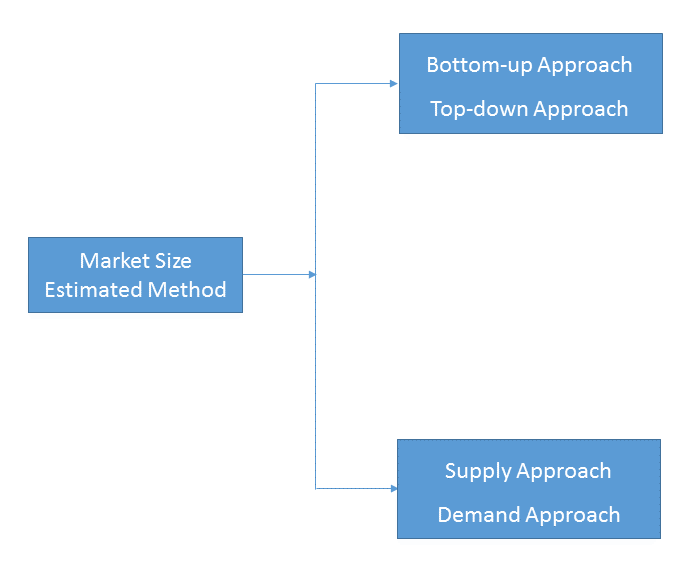
Bottom-up & top-down approach, supply & demand approach are the most important method which is used by HDIN Research to estimate the market size.
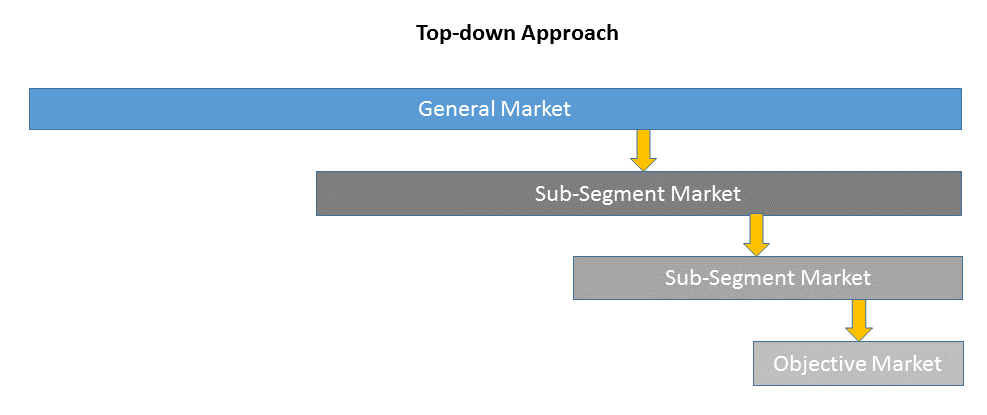
1)Top-down & Bottom-up Approach
Top-down approach uses a general market size figure and determines the percentage that the objective market represents.
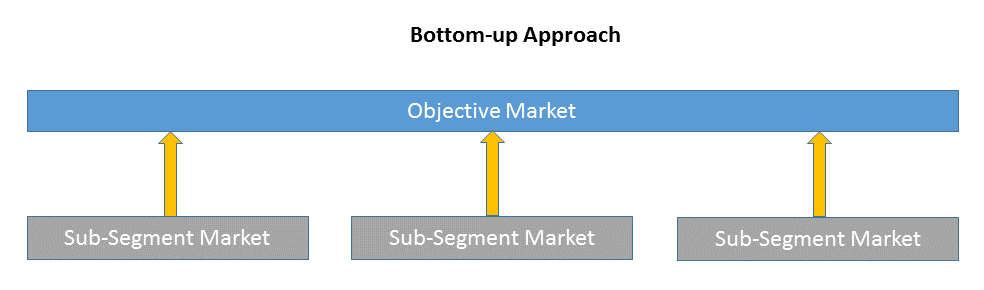
Bottom-up approach size the objective market by collecting the sub-segment information.
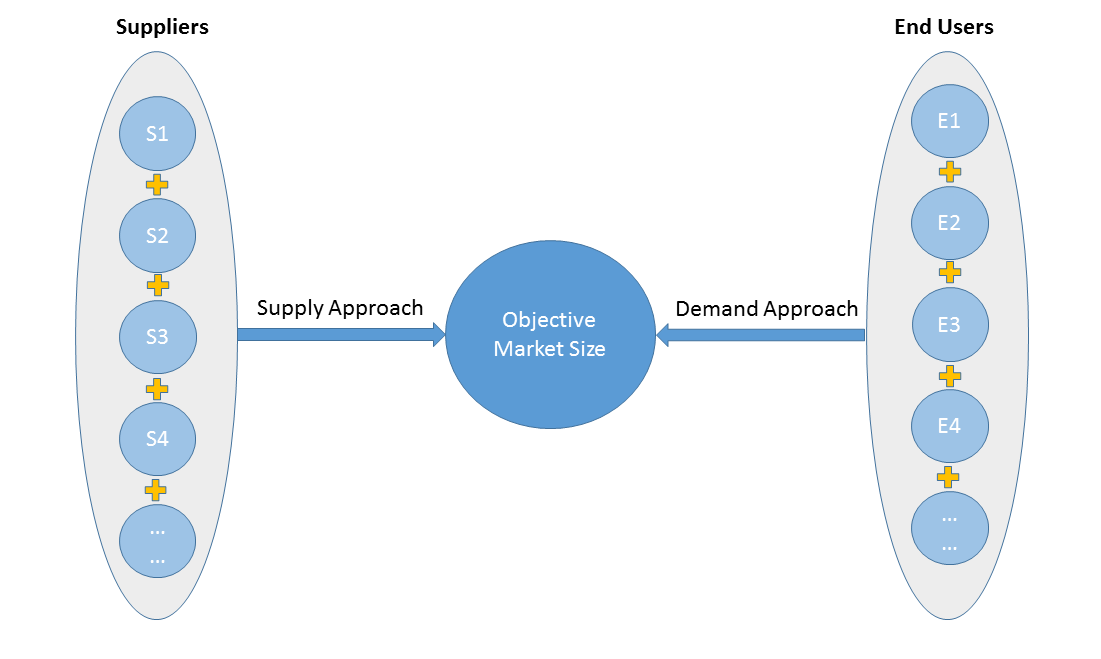
2)Supply & Demand Approach
Supply approach is based on assessments of the size of each competitor supplying the objective market.
Demand approach combine end-user data within a market to estimate the objective market size. It is sometimes referred to as bottom-up approach.
- Forecasting Methodology
- Numerous factors impacting the market trend are considered for forecast model:
- New technology and application in the future;
- New project planned/under contraction;
- Global and regional underlying economic growth;
- Threatens of substitute products;
- Industry expert opinion;
- Policy and Society implication.
- Analysis Tools
1)PEST Analysis
PEST Analysis is a simple and widely used tool that helps our client analyze the Political, Economic, Socio-Cultural, and Technological changes in their business environment.
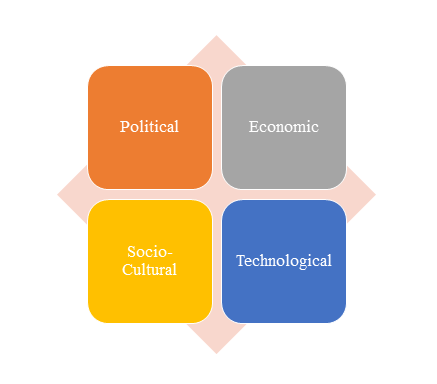
- Benefits of a PEST analysis:
- It helps you to spot business opportunities, and it gives you advanced warning of significant threats.
- It reveals the direction of change within your business environment. This helps you shape what you’re doing, so that you work with change, rather than against it.
- It helps you avoid starting projects that are likely to fail, for reasons beyond your control.
- It can help you break free of unconscious assumptions when you enter a new country, region, or market; because it helps you develop an objective view of this new environment.
2)Porter’s Five Force Model Analysis
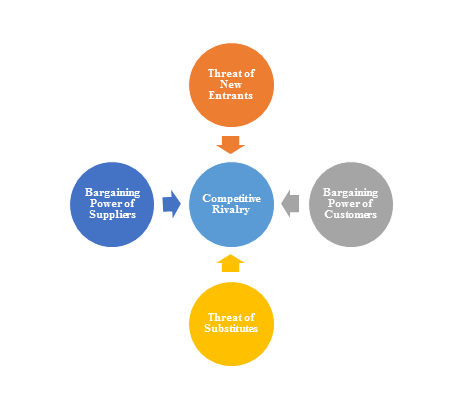
The Porter’s Five Force Model is a tool that can be used to analyze the opportunities and overall competitive advantage. The five forces that can assist in determining the competitive intensity and potential attractiveness within a specific area.
- Threat of New Entrants: Profitable industries that yield high returns will attract new firms.
- Threat of Substitutes: A substitute product uses a different technology to try to solve the same economic need.
- Bargaining Power of Customers: the ability of customers to put the firm under pressure, which also affects the customer's sensitivity to price changes.
- Bargaining Power of Suppliers: Suppliers of raw materials, components, labor, and services (such as expertise) to the firm can be a source of power over the firm when there are few substitutes.
- Competitive Rivalry: For most industries the intensity of competitive rivalry is the major determinant of the competitiveness of the industry.
3)Value Chain Analysis
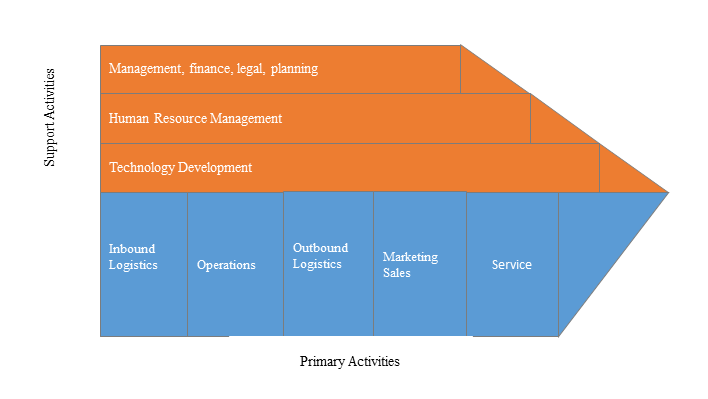
Value chain analysis is a tool to identify activities, within and around the firm and relating these activities to an assessment of competitive strength. Value chain can be analyzed by primary activities and supportive activities. Primary activities include: inbound logistics, operations, outbound logistics, marketing & sales, service. Support activities include: technology development, human resource management, management, finance, legal, planning.
4)SWOT Analysis
SWOT analysis is a tool used to evaluate a company's competitive position by identifying its strengths, weaknesses, opportunities and threats. The strengths and weakness is the inner factor; the opportunities and threats are the external factor. By analyzing the inner and external factors, the analysis can provide the detail information of the position of a player and the characteristics of the industry.
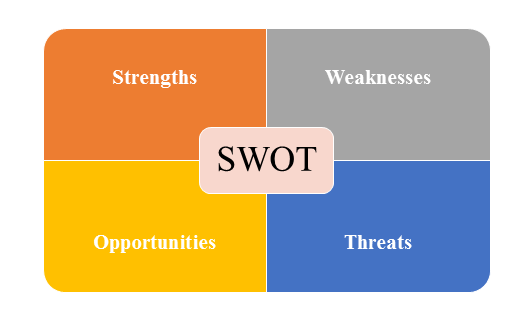
- Strengths describe what the player excels at and separates it from the competition
- Weaknesses stop the player from performing at its optimum level.
- Opportunities refer to favorable external factors that the player can use to give it a competitive advantage.
- Threats refer to factors that have the potential to harm the player.
- Data Sources
| Primary Sources | Secondary Sources |
|---|---|
| Face to face/Phone Interviews with market participants, such as: Manufactures; Distributors; End-users; Experts. Online Survey |
Government/International Organization Data: Annual Report/Presentation/Fact Book Internet Source Information Industry Association Data Free/Purchased Database Market Research Report Book/Journal/News |