Global Resuscitation Device Market Strategic Outlook 2026-2031 Acute Care Infrastructure and Emergency Intervention Technology Analysis
- Single User License (1 Users) $ 3,500
- Team License (2~5 Users) $ 4,500
- Corporate License (>5 Users) $ 5,500
The global resuscitation device market in 2026 represents a critical pillar of acute healthcare infrastructure, encompassing airway management systems, external defibrillators, mechanical cardiopulmonary resuscitation (CPR) units, and convective patient warming technologies. Valued between 5.3 billion USD and 7.2 billion USD as of 2026, the sector is experiencing structural demand expansion, projected to maintain a compound annual growth rate (CAGR) ranging from 4.3 percent to 7.5 percent through 2031. This growth trajectory is fundamentally anchored in the massive baseline volume of global medical emergencies and the accelerating clinical imperative to reduce time-to-intervention during cardiopulmonary arrest and acute respiratory failure.
Macro-epidemiological data underscores the profound scale of demand underpinning this market. According to the OECD Health at a Glance 2025 report, across 26 tracked member nations, emergency departments record an average of 31 visits per 100 residents annually, equating to roughly 0.31 visits per capita. Extrapolating this baseline across a global population of approximately 8 billion—while adjusting for lower clinical accessibility in developing regions—global hospital emergency visits consistently operate at a scale of 1.5 billion to 2.5 billion encounters per year. Concurrently, World Health Organization (WHO) assessments indicate that nearly 30 million deaths occur annually in low- and middle-income countries—representing over half of total mortality in those regions—that could be prevented through timely, effective emergency and resuscitation care. This stark regional disparity defines the dual-track nature of the 2026 market: mature economies are investing heavily in digitally integrated, AI-assisted resuscitation suites, while emerging markets are executing foundational build-outs of pre-hospital Emergency Medical Services (EMS) and acute hospital intake capacity.
Technologically, the 2026 landscape is characterized by the convergence of real-time physiological feedback, cloud telemetry, and infection-control-driven disposables. Resuscitation hardware is no longer isolated to the immediate point of crisis; modern defibrillators and airway visualization devices transmit live electrocardiogram (ECG) waveforms, capnography, and chest compression metrics directly from pre-hospital ambulances to receiving cardiac catheterization labs. Simultaneously, the proliferation of single-use video laryngoscopes and resuscitator bags has reshaped hospital procurement, mitigating hospital-acquired infection (HAI) risks while accelerating turnaround times in high-volume emergency departments.
Regional Market Analysis
The geographical distribution of the resuscitation device market reflects the sharp contrast between technologically saturated acute care networks and regions actively bridging the emergency mortality gap.
● North America holds the leading market share, estimated between 38 percent and 42 percent. Regional demand is propelled by high emergency department utilization rates, robust public-access defibrillation (PAD) mandates, and substantial investments in connected EMS ecosystems. The United States healthcare system prioritizes integrated mechanical CPR systems and smart defibrillators with real-time CPR quality feedback to standardize clinical outcomes and manage emergency room overcrowding. Replacement cycles in North America are increasingly tied to cybersecurity upgrades and seamless electronic health record (EHR) interoperability.
● Europe accounts for a sophisticated market share ranging from 24 percent to 28 percent. European procurement is heavily influenced by the stringent clinical validation and post-market surveillance frameworks of the EU Medical Device Regulation (MDR). Countries such as Germany, the United Kingdom, and France lead in the adoption of advanced emergency transport ventilators and single-use airway management solutions designed to minimize reprocessing labor and cross-contamination. Public health initiatives across Western Europe continue to expand community AED networks integrated with automated drone delivery trials and smartphone responder dispatch platforms.
● Asia Pacific represents the fastest-growing regional market, capturing an estimated share of 20 percent to 24 percent. Rapid urbanization, aging populations in Japan and South Korea, and aggressive hospital infrastructure expansion in China and India serve as primary growth catalysts. Within Taiwan(China), the market is characterized by exceptionally high acute care density, world-class national health insurance coverage, and rapid adoption of video-assisted airway management and advanced cardiac life support (ACLS) monitoring systems. Domestic manufacturing powerhouses in the region are scaling cost-effective, high-spec resuscitation hardware that competes effectively in both regional and international tenders.
● South America and the Middle East and Africa (MEA) collectively represent 10 percent to 14 percent of global revenue, yet harbor the highest unmet clinical demand. Directly reflecting the WHO findings regarding nearly 30 million preventable annual deaths in low- and middle-income nations, governments and multilateral health agencies across Latin America, Sub-Saharan Africa, and parts of the Middle East are prioritizing trauma and emergency care capacity building. In the GCC nations, sovereign wealth investments are establishing ultra-modern trauma centers and air-ambulance fleets, whereas Sub-Saharan Africa and South America focus on ruggedized, battery-resilient, low-maintenance resuscitation devices capable of operating reliably in resource-constrained environments.
Application and Segmentation Analysis
Resuscitation technology deployment is strategically segmented by the clinical setting, which dictates specific engineering priorities regarding durability, connectivity, and clinical sophistication.
● Hospitals, Ambulatory Surgical Centers, and Cardiac Centers represent the largest revenue-generating application segment. Within acute hospital environments—particularly emergency departments, intensive care units (ICUs), and operating rooms—the primary procurement focus in 2026 is on multi-parameter integration. Hospital resuscitation carts increasingly feature synchronized monitor-defibrillators, advanced video laryngoscopes for difficult airway management, and integrated end-tidal CO2 (EtCO2) monitoring. Ambulatory Surgical Centers (ASCs), which are handling an increasing volume of complex outpatient procedures, drive steady demand for compact, intuitive emergency airway and defibrillation kits tailored for rapid crisis intervention.
● Pre-hospital Care Settings constitute the fastest-expanding application vertical. Encompassing municipal EMS fleets, air medical transport, military medics, and public-access environments (airports, stadiums, corporate campuses), this segment demands extreme ruggedization, lightweight form factors, and simplified user interfaces. For professional paramedics, the 2026 standard centers on automated mechanical chest compression devices that maintain uninterrupted CPR during patient transport and wireless telemetry systems that pre-alert hospital trauma teams. In the lay-rescuer sub-segment, connected AEDs equipped with cellular self-monitoring and voice/visual coaching algorithms are transforming public spaces into active resuscitation zones.
Value Chain Analysis
The resuscitation device value chain exhibits distinct profit concentration in proprietary algorithm development, clinical consumables, and integrated ecosystem software rather than basic mechanical assembly.
Upstream Componentry and Sensors: Value creation initiates with specialized medical-grade microelectronics, high-density lithium-ion battery packs, optical micro-cameras for airway visualization, and precision gas flow sensors. Supply chain resilience for biocompatible polymers and medical-grade semiconductors remains a critical operational focus for tier-one manufacturers.
Core Device Engineering and OEM Fabrication: Hardware OEMs capture value through clinical reliability, regulatory approvals (FDA 510(k)/PMA and EU MDR), and proprietary waveform engineering—such as biphasic truncated exponential or rectilinear biphasic defibrillation pulses that maximize cardiac conversion efficacy while minimizing myocardial damage.
High-Margin Consumables and Disposables (Primary Value Pool): A dominant profit pool in 2026 resides in single-use accessories, including defibrillation electrode pads, single-use laryngoscope blades, endotracheal tubes, breathing filters, and disposable manual resuscitator bags. Because emergency departments process between 1.5 billion and 2.5 billion visits globally each year, recurring consumable pull-through generates predictable, high-margin annuity streams that insulate OEMs from cyclical hospital capital expenditure fluctuations.
Digital Ecosystems and Fleet Management: Increasingly, value shifts downstream toward cloud-based device management platforms. Software that tracks AED battery readiness across distributed corporate campuses, aggregates post-event CPR analytics for EMS quality improvement, and automates hospital EHR charting creates high switching costs and deep institutional lock-in.
Key Market Player Deep Profiles
● Koninklijke Philips: Philips remains a foundational leader in the emergency care and resuscitation sector through its HeartStart defibrillator portfolio and integrated acute patient monitoring ecosystems. Their 2026 strategic layout prioritizes the "Connected Resuscitation Continuum," linking pre-hospital monitor-defibrillators directly with hospital IntelliVue information networks. Philips’ technical core competency centers on its SMART Biphasic waveform technology and clinical decision-support software that guides responders through complex cardiac arrest protocols. Strategically, following rigorous regulatory remediation efforts in its broader sleep and respiratory care units, Philips has sharpened its focus on high-margin hospital emergency infrastructure and public-access AED fleet management services across North America and Europe.
● Medtronic: Operating across acute care and monitoring, Medtronic anchors its resuscitation presence in airway management, capnography, and respiratory monitoring technologies, notably through its McGRATH MAC video laryngoscopes, Shiley airway products, and Microstream capnography systems. Their 2026 strategy emphasizes "Airway Safety and Early Deterioration Detection," combining high-definition airway visualization with continuous respiratory compromise monitoring to prevent cardiac arrest before resuscitation is required. Medtronic’s global commercial scale allows it to bundle single-use airway consumables with capital monitoring hardware across major integrated delivery networks (IDNs). Recent strategic initiatives focus on expanding portable, AI-enhanced respiratory analytics tailored for both hospital floors and ambulatory surgical centers.
● ZOLL Medical: A subsidiary of Asahi Kasei, ZOLL Medical is a premier pure-play innovator in resuscitation and acute critical care technologies. Their comprehensive portfolio spans the X Series and R Series monitor-defibrillators, AutoPulse mechanical CPR systems, LifeVest wearable defibrillators, and advanced temperature management solutions. ZOLL’s core competitive advantage lies in its Real CPR Help and See-Thru CPR technologies, which provide real-time audio-visual feedback on compression depth and rate while filtering out CPR artifacts from ECG traces. In 2026, ZOLL is aggressively expanding its RescueNet software suite, creating a unified digital bridge between EMS dispatch, field resuscitation data, and hospital billing and clinical registries worldwide.
● ResMed: While globally renowned for sleep apnea and out-of-hospital respiratory care, ResMed plays an influential role in acute non-invasive ventilation (NIV) and life-support respiratory resuscitation through its Astral and Stellar ventilator platforms. Their 2026 strategic focus leverages cloud connectivity (AirView) to streamline the transition of respiratory-compromised patients from acute hospital resuscitation settings to sub-acute and home care environments. ResMed’s technical competency rests in precision turbine engineering, quiet operation, and highly responsive breath-triggering algorithms that reduce patient-ventilator asynchrony. Their digital health infrastructure positions them as a leader in preventing hospital readmissions among chronic respiratory failure populations.
● Physio-Control: Operating as the Emergency Care division of Stryker, Physio-Control commands immense brand equity in the pre-hospital and hospital resuscitation markets via its iconic LIFEPAK monitor-defibrillators and LUCAS mechanical chest compression systems. Their 2026 strategic dynamic centers on the "Connected EMS Ecosystem," integrating LIFEPAK devices, LUCAS units, and Power-PRO powered ambulance cots with the LIFENET cloud system. This end-to-end physical and digital integration allows paramedics to transmit 12-lead ECGs directly to cardiologists in transit, dramatically shortening door-to-balloon times for STEMI patients. Stryker’s massive capital and global sales force continuously reinforce Physio-Control’s leadership across North American municipal EMS and European emergency networks.
● Drägerwerk: Headquartered in Germany, Dräger is an engineering powerhouse in acute hospital ventilation, neonatal resuscitation, and emergency transport respiratory care. Their portfolio—including the Oxylog emergency transport ventilators, Evita ICU ventilators, and Babylog/Resuscitaire neonatal resuscitation units—defines the clinical benchmark for precision gas delivery and lung-protective ventilation. In 2026, Dräger’s strategic roadmap emphasizes open interoperability via the ISO/IEEE 11073 SDC standard, enabling their acute care devices to exchange data securely and autonomously across multi-vendor hospital networks. Their deep presence in European and Asian tertiary hospitals is underpinned by robust service networks and a reputation for German engineering durability under intensive clinical workloads.
● ICU Medical: Following its transformative acquisition of Smiths Medical, ICU Medical has significantly broadened its footprint in airway management, infusion therapy, and critical care consumables. Through the legacy Portex airway portfolio, ICU Medical supplies essential resuscitation disposables including endotracheal tubes, tracheostomy kits, and manual resuscitators globally. Their 2026 strategic focus centers on operational integration, supply chain optimization, and defending high-volume acute hospital contracts through comprehensive product bundling. Their core competency lies in high-volume, cost-efficient medical manufacturing combined with established group purchasing organization (GPO) relationships across North America and Europe.
● Ambu: This Danish medtech pioneer has fundamentally disrupted the resuscitation and airway management market through its aggressive leadership in single-use endoscopy and visualization. In addition to inventing the original Ambu Bag manual resuscitator, the company dominates the single-use bronchoscope and video laryngoscope segments via its aScope and aView platforms. Ambu’s 2026 strategic dynamic revolves around "Zero-Contamination Acute Care," eliminating the complex reprocessing costs and infection risks associated with reusable airway scopes in high-turnover emergency rooms. Continuous investment in bio-based plastics and circular packaging initiatives further strengthens Ambu’s positioning among sustainability-focused European and North American hospital systems.
● Cardinal Health: As a colossal healthcare services and medical products distributor, Cardinal Health exerts substantial influence over the resuscitation consumables value chain. Through its proprietary brand portfolio and massive global logistics network, the company supplies airway management disposables, resuscitation masks, ECG electrodes, and emergency procedure kits to thousands of hospitals and ASCs. In 2026, Cardinal Health’s strategic focus is centered on predictive supply chain analytics and resilient domestic sourcing to eliminate stockouts of critical acute-care disposables during seasonal respiratory surges. Their core competitive advantage lies in scale-driven cost optimization and turnkey kitting solutions that simplify emergency department inventory management.
● Mindray Medical: Representing the vanguard of Chinese medtech globalization, Mindray has rapidly captured global market share in defibrillation, patient monitoring, and acute ventilation through its BeneHeart defibrillator series and SV-series ventilators. Their 2026 strategic layout leverages superior price-to-performance engineering and rapid R&D cycles to penetrate both emerging markets and tier-one European and North American hospitals. Mindray’s technical competency includes ultra-fast power-on and shock-delivery times (QShock technology) alongside integrated smart resuscitation dashboards. By establishing localized clinical training centers and regional subsidiaries across Latin America, MEA, and Asia Pacific, Mindray is directly capitalizing on the massive emergency care build-out in developing economies.
● Nihon Kohden: As Japan’s premier medical electronics manufacturer, Nihon Kohden excels in high-reliability defibrillators (Cardiolife series), AEDs, and precision physiological monitoring systems. Their 2026 strategy focuses on "ActiBiphasic" waveform efficiency and seamless hospital-wide telemetry integration. Nihon Kohden’s technical core competency lies in ultra-reliable signal processing and proprietary non-invasive hemodynamic monitoring technologies that guide post-resuscitation stabilization. Beyond commanding a dominant share in Japan and Taiwan(China), the company has systematically expanded its footprint in the United States and Southeast Asia, emphasizing long product lifecycles, minimal maintenance downtime, and high clinical precision in cardiac centers.
● Teleflex: Teleflex holds a formidable competitive moat in emergency vascular access and advanced airway management—two non-negotiable pillars of acute resuscitation. Through its flagship Arrow EZ-IO intraosseous vascular access system and LMA (Laryngeal Mask Airway) and Rusch airway brands, Teleflex provides critical tools when peripheral IV access or standard intubation fails during cardiac arrest. Their 2026 strategic dynamic focuses on continuous clinical education and procedural standardization across EMS agencies, military medicine, and trauma centers. High clinical switching costs and strong patent protection around rapid-access procedural kits sustain Teleflex’s superior operating margins within the acute intervention segment.
● Salter Labs: Operating under the SunMed (now AirLife) umbrella following strategic industry consolidation, Salter Labs remains a recognized specialist in respiratory care, oxygen delivery, and capnography sampling lines utilized extensively during resuscitation and post-resuscitation monitoring. Their technical competency centers on ergonomic, high-flow nasal cannulas, non-rebreather oxygen masks, and dual-lumen EtCO2 sampling cannulas that allow simultaneous oxygen administration and ventilation monitoring. In 2026, the integrated commercial platform leverages expanded manufacturing scale to serve hospitals, EMS providers, and homecare networks with a comprehensive suite of essential respiratory consumables designed for reliable performance during acute hypoxic events.
● GE Healthcare: Following its spin-off as an independent medtech leader, GE Healthcare focuses on high-acuity diagnostic and monitoring integration within hospital resuscitation bays and cardiac centers. While its primary strength sits in acute care ventilators (CARESCAPE series), point-of-care ultrasound (Venue and Vscan Air), and multiparameter monitors, GE plays a pivotal role in guiding resuscitation interventions—such as using bedside ultrasound to identify reversible causes of cardiac arrest (cardiac tamponade, tension pneumothorax). Their 2026 strategic roadmap aggressively integrates AI-driven workflow tools into point-of-care imaging and acute monitoring, shortening diagnostic latency during critical code-blue events.
● Roper Technologies: Roper Technologies participates prominently in the airway resuscitation segment through its wholly owned subsidiary Verathon, the global pioneer behind the GlideScope video laryngoscopy platform. Verathon’s 2026 strategic layout centers on the GlideScope Core integrated visualization workstation, which unifies video laryngoscopy and single-use bronchoscopy on a single high-definition screen for rapid, first-pass intubation success in difficult emergency airways. Roper’s asset-light, high-margin software and consumables model drives robust recurring revenue from single-use sterile blades and scopes. Their clinical leadership makes GlideScope a staple fixture in emergency departments, trauma bays, and intensive care units across North America and Europe.
● Vyaire Medical: Historically a dedicated respiratory care specialist spanning ventilation, respiratory diagnostics, and airway consumables, Vyaire Medical has undergone significant strategic portfolio restructuring to focus its core technologies under specialized operational ownerships. Its legacy acute ventilation platforms (such as the bellavista and Avea lines) and airway management consumables remain widely deployed in hospital emergency and critical care settings globally. In 2026, the operational focus surrounding these assets emphasizes reliable aftermarket service, sustained consumable supply continuity, and streamlined distribution to maintain clinical trust across an extensive installed base of hospital respiratory departments.
● Intersurgical: As a premier European privately owned designer and manufacturer of respiratory support products, Intersurgical specializes in complete airway management and breathing system solutions. Their flagship i-gel supraglottic airway has achieved massive global adoption in both hospital and pre-hospital EMS resuscitation due to its non-inflatable gel cuff, which enables rapid, atraumatic insertion during cardiac arrest. In 2026, Intersurgical’s strategic dynamic emphasizes high-automation manufacturing across Europe and Asia, expanding single-use resuscitation kits, high-efficiency viral/bacterial breathing filters, and eco-conscious product designs that reduce clinical plastic waste without sacrificing emergency readiness.
● 3M: Through its spun-off healthcare entity Solventum, 3M’s legacy acute care innovations remain vital to post-resuscitation management and emergency preparedness. Most notably, the Bair Hugger convective temperature management system is an industry standard for preventing inadvertent perioperative hypothermia and supporting targeted temperature management protocols following resuscitation events. Additionally, their high-adhesion medical tapes, securement dressings for endotracheal tubes and vascular lines, and Littmann digital stethoscopes play essential supportive roles in trauma bays and pre-hospital care. The 2026 strategic focus centers on dedicated medtech capital allocation, accelerating innovation in infection prevention and intelligent patient warming technologies.
● Flexicare: Headquartered in the UK, Flexicare is a rapidly growing global specialist in airway management, anesthesia, and resuscitation disposables. Their product matrix includes the BritePro single-use laryngoscopes, manual resuscitators, and comprehensive emergency airway kits. Flexicare’s 2026 strategic layout focuses on aggressive international expansion—particularly into the United States, Middle East, and Asia Pacific—supported by strategic acquisitions in respiratory consumables and continuous investment in automated cleanroom production. Their core competitive edge lies in agile product development, competitive pricing for hospital tender groups, and a relentless focus on reducing cross-infection vectors in emergency airway interventions.
● KARL STORZ: As a globally revered German leader in endoscopy and medical imaging, KARL STORZ commands the premium tier of airway visualization through its C-MAC video laryngoscope and flexible intubation endoscope ecosystems. Their 2026 strategic focus revolves around "Modular Optical Excellence," offering unified imaging platforms that seamlessly connect rigid video laryngoscopes, optical stylets, and flexible scopes for the most complex trauma and pediatric emergency airways. KARL STORZ’s core competency lies in unparalleled optical clarity, robust stainless-steel and hybrid single-use system architectures, and deep institutional partnerships with leading academic trauma centers and air-rescue services worldwide.
Opportunities and Challenges
The resuscitation device market is balancing unprecedented global clinical demand against complex regulatory and economic pressures.
● Opportunities: The single most transformative long-term opportunity lies in closing the emergency care deficit highlighted by the WHO’s assessment of nearly 30 million preventable annual deaths in low- and middle-income countries. Manufacturers developing ruggedized, solar-compatible, and simplified resuscitation devices tailored for emerging markets can unlock immense volume growth. Concurrently, in developed economies, the integration of AI into resuscitation workflows—such as real-time ECG rhythm analysis during active compressions, automated drug-dosing prompts, and predictive airway-difficulty scoring—creates high-margin software revenue streams. Expanding public-access defibrillation laws and the proliferation of ambulatory surgical centers further widen the addressable installation base.
● Challenges: Market expansion faces substantial headwinds from stringent global regulatory compliance, particularly the prolonged transition and high clinical evidence costs associated with EU MDR, which has forced smaller innovators to rationalize product portfolios. In the pre-hospital segment, the high capital cost of equipping entire municipal EMS fleets with mechanical CPR devices and connected monitor-defibrillators strains public municipal budgets. Additionally, device reliability carries absolute zero-tolerance liability; field recalls related to battery degradation, adhesive pad drying, or software glitches can rapidly erode decades of clinical brand equity and trigger severe regulatory sanctions.
Macroeconomic and Geopolitical Influences
The 2026 resuscitation device market operates within a macroeconomic landscape shaped by persistent healthcare labor inflation and elevated capital financing costs. High interest rates have tightened capital expenditure budgets across both public hospital systems and private integrated delivery networks in North America and Europe. In response, leading resuscitation OEMs have pivoted toward flexible commercial structures, including subscription-based "Resuscitation-as-a-Service" contracts, multi-year leasing programs, and consumable-tied hardware placement models that convert heavy upfront capital burdens into predictable operational expenditures.
Geopolitically, the strategic realignment of medical supply chains continues to reshape manufacturing footprints. Trade tariffs, export controls on specialized semiconductors, and "Buy Local" healthcare procurement mandates in the United States, the European Union, and China are driving regionalized manufacturing strategies. Western incumbents are diversifying component sourcing away from single-country dependencies to fortify supply continuity for mission-critical acute care hardware, while Asian manufacturers like Mindray are localizing assembly and clinical support hubs within Europe and Latin America to circumvent trade barriers. Simultaneously, heightened awareness of pandemic preparedness and geopolitical conflict resilience has elevated emergency resuscitation stockpiling to a matter of national security, ensuring sustained governmental investment in trauma, airway, and cardiac intervention capacity across the globe through 2031.
1.1 Study Scope 1
1.2 Research Methodology 2
1.2.1 Data Sources 2
1.2.2 Assumptions 4
1.3 Abbreviations and Acronyms 5
Chapter 2 Global Resuscitation Device Market Context and Macroeconomic Impact 6
2.1 Product Development Background 6
2.2 Global Macroeconomic Environment Analysis 7
2.2.1 Global GDP Trends and Healthcare Expenditure Outlook 7
2.2.2 Impact of Inflation and Medical Component Cost Volatility 8
2.3 Impact of Geopolitical Conflicts on the Resuscitation Device Market 9
2.3.1 Supply Chain Disruptions for Medical Electronics and Semiconductors 9
2.3.2 Emergency Medical Readiness and Cross-Border Regulatory Shifts 10
2.4 Global Resuscitation Device Market Volume and Market Size (2021-2026) 11
Chapter 3 Global Resuscitation Device Market by Type 12
3.1 Market Volume and Size Analysis by Type (2021-2026) 12
3.2 Manual Resuscitators (Bag-Valve-Mask) 13
3.3 Automated External Defibrillators (AEDs) and Defibrillator-Monitors 14
3.4 Mechanical Chest Compression Systems 15
3.5 Resuscitation Ventilators and Airway Management Devices 16
Chapter 4 Global Resuscitation Device Market by Application 17
4.1 Market Volume and Size Analysis by Application (2021-2026) 17
4.2 Hospitals, Ambulatory Surgical Centers, and Cardiac Centers 18
4.3 Pre-hospital Care Settings 19
Chapter 5 Global Resuscitation Device Market by Region 21
5.1 Market Volume and Size Analysis by Region (2021-2026) 21
5.2 North America Resuscitation Device Market Analysis 22
5.2.1 North America Market Volume and Market Size (2021-2026) 22
5.2.2 North America Market by Key Regions (United States, Canada, Mexico) 23
5.3 Europe Resuscitation Device Market Analysis 25
5.3.1 Europe Market Volume and Market Size (2021-2026) 25
5.3.2 Europe Market by Key Regions (Germany, United Kingdom, France, Italy, Netherlands) 26
5.4 Asia-Pacific Resuscitation Device Market Analysis 29
5.4.1 Asia-Pacific Market Volume and Market Size (2021-2026) 29
5.4.2 Asia-Pacific Market by Key Regions (China, Japan, India, South Korea, Taiwan (China)) 30
5.5 Latin America Resuscitation Device Market Analysis 33
5.5.1 Latin America Market Volume and Market Size (2021-2026) 33
5.5.2 Latin America Market by Key Regions (Brazil, Argentina) 34
5.6 Middle East & Africa Resuscitation Device Market Analysis 35
5.6.1 Middle East & Africa Market Volume and Market Size (2021-2026) 35
5.6.2 Middle East & Africa Market by Key Regions (UAE, Saudi Arabia, South Africa) 36
Chapter 6 Resuscitation Device Manufacturing Process and Patent Analysis 37
6.1 Production Flow: Medical Polymer Molding, PCB Assembly, and Sterilization 37
6.2 Core Technologies: Biphasic Waveform Algorithms, Smart Feedback Sensors, and Ergonomics 38
6.3 Global Resuscitation Device Patent Landscape Analysis 40
Chapter 7 Industry Chain and Value Chain Analysis 41
7.1 Value Chain Overview 41
7.2 Upstream Raw Materials and Components (Medical-Grade Silicones, Capacitors, Batteries, Sensors) 42
7.3 Midstream Manufacturing and Regulatory Quality Assurance (FDA, CE) 43
7.4 Downstream Distribution Channels (Hospital GPOs, EMS Agencies, Medical Distributors) 44
Chapter 8 Global Resuscitation Device Import and Export Analysis 45
8.1 Global Import Volume and Value (2021-2026) 45
8.2 Global Export Volume and Value (2021-2026) 46
Chapter 9 Competitive Landscape and Concentration Rate 48
9.1 Market Concentration Rate (CR3, CR5) 48
9.2 Competitive Ranking of Key Players (2025) 49
9.3 Strategic Alliances, Mergers, and Clinical Partnerships 51
Chapter 10 Key Players Analysis 52
10.1 Koninklijke Philips 52
10.1.1 Company Overview and Emergency Care Portfolio 52
10.1.2 SWOT Analysis 53
10.1.3 Koninklijke Philips Resuscitation Device Sales, Price, Cost and Gross Profit Margin (2021-2026) 54
10.1.4 R&D Investment and Connected Care Strategy 55
10.2 Medtronic 56
10.2.1 Company Overview and Medical Devices Portfolio 56
10.2.2 SWOT Analysis 57
10.2.3 Medtronic Resuscitation Device Sales, Price, Cost and Gross Profit Margin (2021-2026) 58
10.2.4 Global Clinical Training and Marketing Strategy 59
10.3 ZOLL Medical 60
10.3.1 Company Overview and Resuscitation Solutions 60
10.3.2 SWOT Analysis 61
10.3.3 ZOLL Medical Resuscitation Device Sales, Price, Cost and Gross Profit Margin (2021-2026) 62
10.3.4 EMS and Hospital Channel Integration Strategy 63
10.4 ResMed 64
10.4.1 Company Overview 64
10.4.2 SWOT Analysis 65
10.4.3 ResMed Resuscitation Device Sales, Price, Cost and Gross Profit Margin (2021-2026) 66
10.5 Physio-Control 67
10.5.1 Company Overview 67
10.5.2 SWOT Analysis 68
10.5.3 Physio-Control Resuscitation Device Sales, Price, Cost and Gross Profit Margin (2021-2026) 69
10.6 Dragerwerk 70
10.6.1 Company Overview and Acute Care Portfolio 70
10.6.2 SWOT Analysis 71
10.6.3 Dragerwerk Resuscitation Device Sales, Price, Cost and Gross Profit Margin (2021-2026) 72
10.6.4 European Hospital Penetration Strategy 73
10.7 ICU Medical 74
10.7.1 Company Overview 74
10.7.2 SWOT Analysis 75
10.7.3 ICU Medical Resuscitation Device Sales, Price, Cost and Gross Profit Margin (2021-2026) 76
10.8 Ambu 77
10.8.1 Company Overview and Single-Use Resuscitators 77
10.8.2 SWOT Analysis 78
10.8.3 Ambu Resuscitation Device Sales, Price, Cost and Gross Profit Margin (2021-2026) 79
10.8.4 Infection Control and High-Volume Production Strategy 80
10.9 Cardinal Health 81
10.9.1 Company Overview 81
10.9.2 SWOT Analysis 82
10.9.3 Cardinal Health Resuscitation Device Sales, Price, Cost and Gross Profit Margin (2021-2026) 83
10.10 Mindray Medical 84
10.10.1 Company Overview and Patient Monitoring Synergy 84
10.10.2 SWOT Analysis 85
10.10.3 Mindray Medical Resuscitation Device Sales, Price, Cost and Gross Profit Margin (2021-2026) 86
10.10.4 Emerging Market Expansion Strategy 87
10.11 Nihon Kohden 88
10.11.1 Company Overview 88
10.11.2 SWOT Analysis 89
10.11.3 Nihon Kohden Resuscitation Device Sales, Price, Cost and Gross Profit Margin (2021-2026) 90
10.12 Teleflex 91
10.12.1 Company Overview 91
10.12.2 SWOT Analysis 92
10.12.3 Teleflex Resuscitation Device Sales, Price, Cost and Gross Profit Margin (2021-2026) 93
10.13 Salter Labs 94
10.13.1 Company Overview 94
10.13.2 SWOT Analysis 95
10.13.3 Salter Labs Resuscitation Device Sales, Price, Cost and Gross Profit Margin (2021-2026) 96
10.14 GE Healthcare 97
10.14.1 Company Overview and Critical Care Solutions 97
10.14.2 SWOT Analysis 98
10.14.3 GE Healthcare Resuscitation Device Sales, Price, Cost and Gross Profit Margin (2021-2026) 99
10.14.4 Digital Health Integration Strategy 100
10.15 Roper Technologies 101
10.15.1 Company Overview 101
10.15.2 SWOT Analysis 102
10.15.3 Roper Technologies Resuscitation Device Sales, Price, Cost and Gross Profit Margin (2021-2026) 103
10.16 Vyaire Medical 104
10.16.1 Company Overview 104
10.16.2 SWOT Analysis 105
10.16.3 Vyaire Medical Resuscitation Device Sales, Price, Cost and Gross Profit Margin (2021-2026) 106
10.17 Intersurgical 107
10.17.1 Company Overview 107
10.17.2 SWOT Analysis 108
10.17.3 Intersurgical Resuscitation Device Sales, Price, Cost and Gross Profit Margin (2021-2026) 109
10.18 3M 110
10.18.1 Company Overview 110
10.18.2 SWOT Analysis 111
10.18.3 3M Resuscitation Device Sales, Price, Cost and Gross Profit Margin (2021-2026) 112
10.19 Flexicare 113
10.19.1 Company Overview 113
10.19.2 SWOT Analysis 114
10.19.3 Flexicare Resuscitation Device Sales, Price, Cost and Gross Profit Margin (2021-2026) 115
10.20 KARL STORZ 116
10.20.1 Company Overview and Airway Management Portfolio 116
10.20.2 SWOT Analysis 117
10.20.3 KARL STORZ Resuscitation Device Sales, Price, Cost and Gross Profit Margin (2021-2026) 118
10.20.4 Video Laryngoscopy and Clinical Integration Strategy 119
Chapter 11 Global Resuscitation Device Market Forecast (2027-2031) 120
11.1 Market Volume and Size Forecast 120
11.2 Forecast by Type (2027-2031) 121
11.3 Forecast by Application (2027-2031) 123
11.4 Forecast by Key Regions (2027-2031) 124
Chapter 12 Market Dynamics 126
12.1 Industry Drivers (Rising Cardiovascular Incidence, Public Access Defibrillation Programs) 126
12.2 Industry Restraints (Stringent Regulatory Approvals, Reimbursement Challenges) 127
12.3 Industry Opportunities and Trends (AI-Assisted CPR Feedback, Connected EMS Telemetry) 128
Chapter 13 Research Findings and Conclusion 129
Table 2 Global Resuscitation Device Market Volume by Type (2021-2026) 12
Table 3 Global Resuscitation Device Market Size by Type (2021-2026) 13
Table 4 Global Resuscitation Device Market Volume by Application (2021-2026) 17
Table 5 Global Resuscitation Device Market Size by Application (2021-2026) 18
Table 6 North America Resuscitation Device Market Volume and Size by Key Regions (2021-2026) 24
Table 7 Europe Resuscitation Device Market Volume and Size by Key Regions (2021-2026) 28
Table 8 Asia-Pacific Resuscitation Device Market Volume and Size by Key Regions (2021-2026) 32
Table 9 Latin America Resuscitation Device Market Volume and Size by Key Regions (2021-2026) 34
Table 10 Middle East & Africa Resuscitation Device Market Volume and Size by Key Regions (2021-2026) 36
Table 11 Global Resuscitation Device Major Patents List 40
Table 12 Global Resuscitation Device Import and Export Data (2021-2026) 45
Table 13 Competitive Ranking of Key Players by Revenue (2025) 49
Table 14 Koninklijke Philips Resuscitation Device Sales, Price, Cost and Gross Profit Margin (2021-2026) 54
Table 15 Medtronic Resuscitation Device Sales, Price, Cost and Gross Profit Margin (2021-2026) 58
Table 16 ZOLL Medical Resuscitation Device Sales, Price, Cost and Gross Profit Margin (2021-2026) 62
Table 17 ResMed Resuscitation Device Sales, Price, Cost and Gross Profit Margin (2021-2026) 66
Table 18 Physio-Control Resuscitation Device Sales, Price, Cost and Gross Profit Margin (2021-2026) 69
Table 19 Dragerwerk Resuscitation Device Sales, Price, Cost and Gross Profit Margin (2021-2026) 72
Table 20 ICU Medical Resuscitation Device Sales, Price, Cost and Gross Profit Margin (2021-2026) 76
Table 21 Ambu Resuscitation Device Sales, Price, Cost and Gross Profit Margin (2021-2026) 79
Table 22 Cardinal Health Resuscitation Device Sales, Price, Cost and Gross Profit Margin (2021-2026) 83
Table 23 Mindray Medical Resuscitation Device Sales, Price, Cost and Gross Profit Margin (2021-2026) 86
Table 24 Nihon Kohden Resuscitation Device Sales, Price, Cost and Gross Profit Margin (2021-2026) 90
Table 25 Teleflex Resuscitation Device Sales, Price, Cost and Gross Profit Margin (2021-2026) 93
Table 26 Salter Labs Resuscitation Device Sales, Price, Cost and Gross Profit Margin (2021-2026) 96
Table 27 GE Healthcare Resuscitation Device Sales, Price, Cost and Gross Profit Margin (2021-2026) 99
Table 28 Roper Technologies Resuscitation Device Sales, Price, Cost and Gross Profit Margin (2021-2026) 103
Table 29 Vyaire Medical Resuscitation Device Sales, Price, Cost and Gross Profit Margin (2021-2026) 106
Table 30 Intersurgical Resuscitation Device Sales, Price, Cost and Gross Profit Margin (2021-2026) 109
Table 31 3M Resuscitation Device Sales, Price, Cost and Gross Profit Margin (2021-2026) 112
Table 32 Flexicare Resuscitation Device Sales, Price, Cost and Gross Profit Margin (2021-2026) 115
Table 33 KARL STORZ Resuscitation Device Sales, Price, Cost and Gross Profit Margin (2021-2026) 118
Table 34 Global Resuscitation Device Market Volume Forecast by Type (2027-2031) 121
Table 35 Global Resuscitation Device Market Size Forecast by Application (2027-2031) 123
Table 36 Global Resuscitation Device Market Size Forecast by Key Regions (2027-2031) 125
Figure 1 Global Resuscitation Device Market Size Growth Rate (2021-2026) 11
Figure 2 Impact of Geopolitical Conflicts on Medical Device Supply Chain 10
Figure 3 Global Resuscitation Device Market Size Share by Type (2021-2026) 13
Figure 4 Global Resuscitation Device Market Size Share by Application (2021-2026) 18
Figure 5 Global Resuscitation Device Market Size Share by Region (2021-2026) 21
Figure 6 Resuscitation Device Manufacturing Process Flowchart 37
Figure 7 Resuscitation Device Industry Chain Mapping 41
Figure 8 Global Market Concentration Rate (CR5) in 2025 48
Figure 9 Koninklijke Philips Resuscitation Device Market Share (2021-2026) 55
Figure 10 Medtronic Resuscitation Device Market Share (2021-2026) 59
Figure 11 ZOLL Medical Resuscitation Device Market Share (2021-2026) 63
Figure 12 ResMed Resuscitation Device Market Share (2021-2026) 66
Figure 13 Physio-Control Resuscitation Device Market Share (2021-2026) 69
Figure 14 Dragerwerk Resuscitation Device Market Share (2021-2026) 73
Figure 15 ICU Medical Resuscitation Device Market Share (2021-2026) 76
Figure 16 Ambu Resuscitation Device Market Share (2021-2026) 80
Figure 17 Cardinal Health Resuscitation Device Market Share (2021-2026) 83
Figure 18 Mindray Medical Resuscitation Device Market Share (2021-2026) 87
Figure 19 Nihon Kohden Resuscitation Device Market Share (2021-2026) 90
Figure 20 Teleflex Resuscitation Device Market Share (2021-2026) 93
Figure 21 Salter Labs Resuscitation Device Market Share (2021-2026) 96
Figure 22 GE Healthcare Resuscitation Device Market Share (2021-2026) 100
Figure 23 Roper Technologies Resuscitation Device Market Share (2021-2026) 103
Figure 24 Vyaire Medical Resuscitation Device Market Share (2021-2026) 106
Figure 25 Intersurgical Resuscitation Device Market Share (2021-2026) 109
Figure 26 3M Resuscitation Device Market Share (2021-2026) 112
Figure 27 Flexicare Resuscitation Device Market Share (2021-2026) 115
Figure 28 KARL STORZ Resuscitation Device Market Share (2021-2026) 119
Figure 29 Global Resuscitation Device Market Size Forecast (2027-2031) 120
Research Methodology
- Market Estimated Methodology:
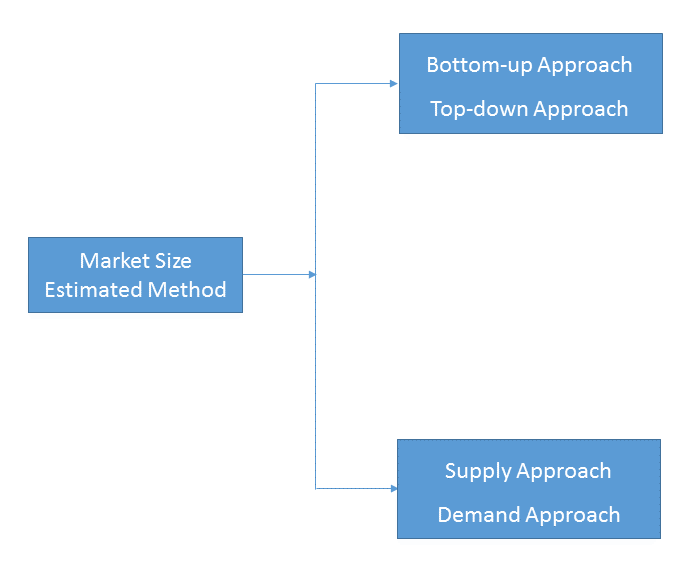
Bottom-up & top-down approach, supply & demand approach are the most important method which is used by HDIN Research to estimate the market size.
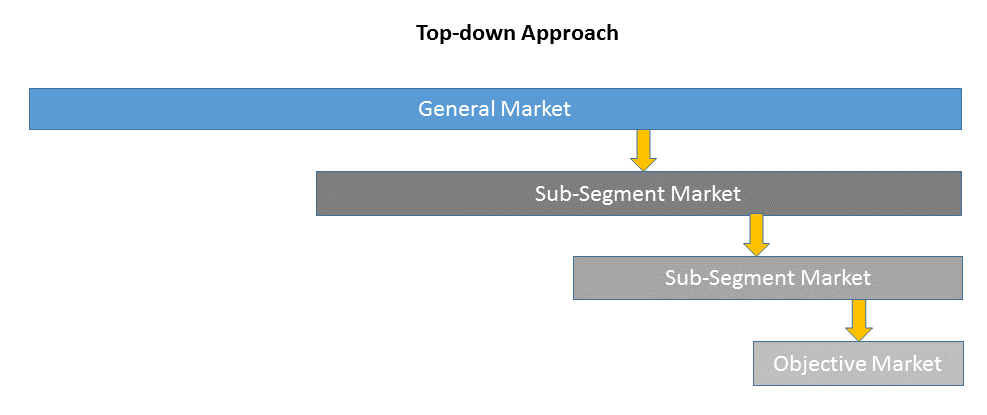
1)Top-down & Bottom-up Approach
Top-down approach uses a general market size figure and determines the percentage that the objective market represents.
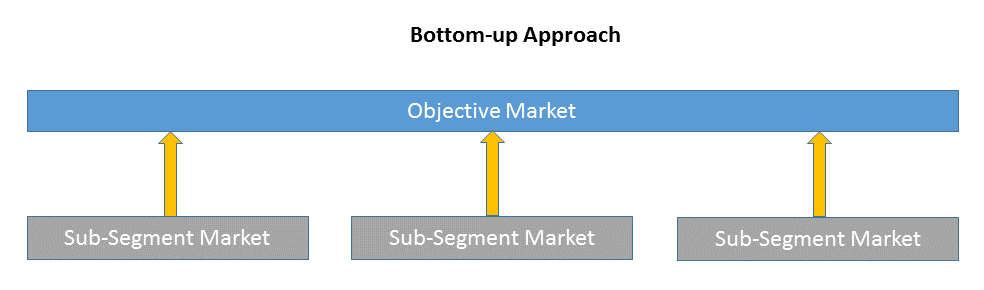
Bottom-up approach size the objective market by collecting the sub-segment information.
2)Supply & Demand Approach
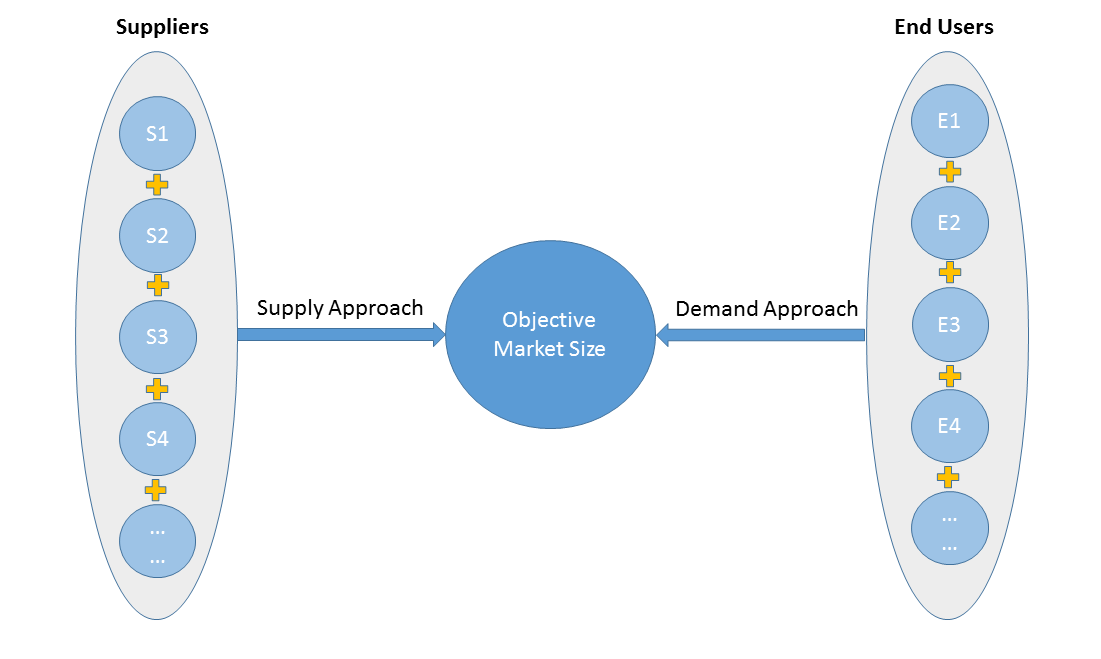
Supply approach is based on assessments of the size of each competitor supplying the objective market.
Demand approach combine end-user data within a market to estimate the objective market size. It is sometimes referred to as bottom-up approach.
- Forecasting Methodology
- Numerous factors impacting the market trend are considered for forecast model:
- New technology and application in the future;
- New project planned/under contraction;
- Global and regional underlying economic growth;
- Threatens of substitute products;
- Industry expert opinion;
- Policy and Society implication.
- Analysis Tools
1)PEST Analysis
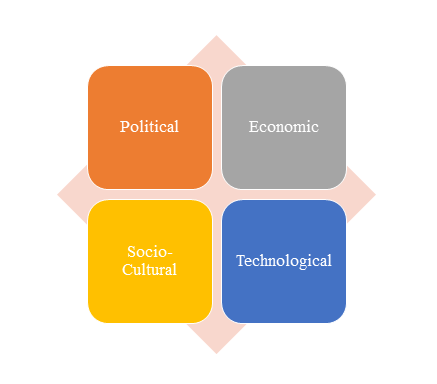
PEST Analysis is a simple and widely used tool that helps our client analyze the Political, Economic, Socio-Cultural, and Technological changes in their business environment.
- Benefits of a PEST analysis:
- It helps you to spot business opportunities, and it gives you advanced warning of significant threats.
- It reveals the direction of change within your business environment. This helps you shape what you’re doing, so that you work with change, rather than against it.
- It helps you avoid starting projects that are likely to fail, for reasons beyond your control.
- It can help you break free of unconscious assumptions when you enter a new country, region, or market; because it helps you develop an objective view of this new environment.
2)Porter’s Five Force Model Analysis
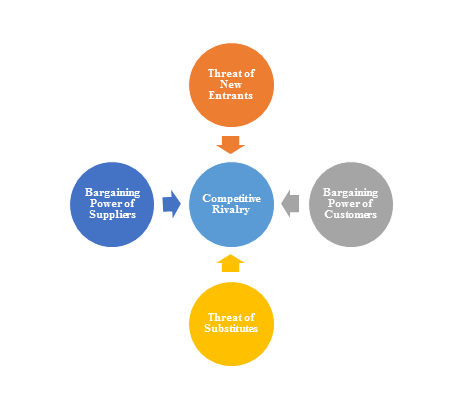
The Porter’s Five Force Model is a tool that can be used to analyze the opportunities and overall competitive advantage. The five forces that can assist in determining the competitive intensity and potential attractiveness within a specific area.
- Threat of New Entrants: Profitable industries that yield high returns will attract new firms.
- Threat of Substitutes: A substitute product uses a different technology to try to solve the same economic need.
- Bargaining Power of Customers: the ability of customers to put the firm under pressure, which also affects the customer's sensitivity to price changes.
- Bargaining Power of Suppliers: Suppliers of raw materials, components, labor, and services (such as expertise) to the firm can be a source of power over the firm when there are few substitutes.
- Competitive Rivalry: For most industries the intensity of competitive rivalry is the major determinant of the competitiveness of the industry.
3)Value Chain Analysis
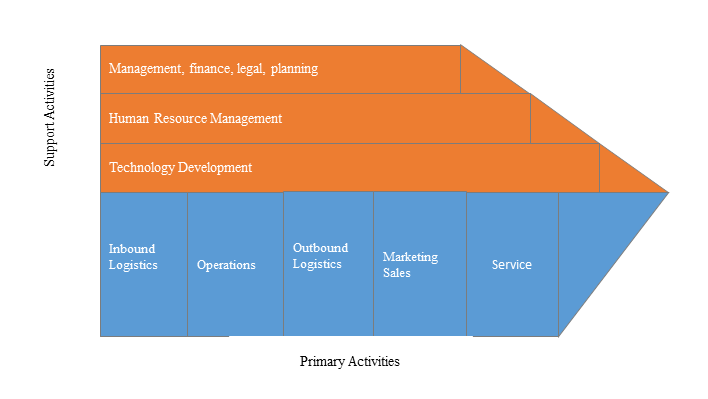
Value chain analysis is a tool to identify activities, within and around the firm and relating these activities to an assessment of competitive strength. Value chain can be analyzed by primary activities and supportive activities. Primary activities include: inbound logistics, operations, outbound logistics, marketing & sales, service. Support activities include: technology development, human resource management, management, finance, legal, planning.
4)SWOT Analysis
SWOT analysis is a tool used to evaluate a company's competitive position by identifying its strengths, weaknesses, opportunities and threats. The strengths and weakness is the inner factor; the opportunities and threats are the external factor. By analyzing the inner and external factors, the analysis can provide the detail information of the position of a player and the characteristics of the industry.
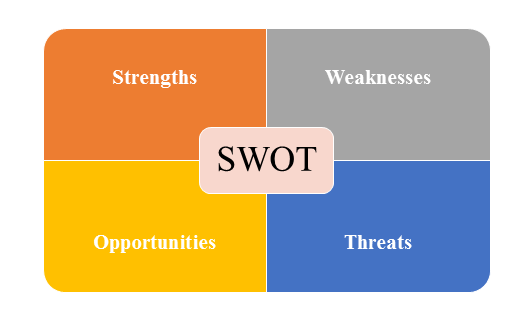
- Strengths describe what the player excels at and separates it from the competition
- Weaknesses stop the player from performing at its optimum level.
- Opportunities refer to favorable external factors that the player can use to give it a competitive advantage.
- Threats refer to factors that have the potential to harm the player.
- Data Sources
| Primary Sources | Secondary Sources |
|---|---|
| Face to face/Phone Interviews with market participants, such as: Manufactures; Distributors; End-users; Experts. Online Survey |
Government/International Organization Data: Annual Report/Presentation/Fact Book Internet Source Information Industry Association Data Free/Purchased Database Market Research Report Book/Journal/News |