Global Vibrating Knife Market Strategic Outlook 2026-2031 Automated Digital Cutting and Composite Material Fabrication Analysis
- Single User License (1 Users) $ 3,500
- Team License (2~5 Users) $ 4,500
- Corporate License (>5 Users) $ 5,500
The global vibrating knife market—encompassing computer numerical control (CNC) high-frequency oscillating knife cutting machines—has solidified its role in 2026 as the premier cold-cutting technology for flexible, semi-rigid, and advanced composite materials. By driving precision tungsten-carbide blades up and down at frequencies exceeding 10,000 to 18,000 strokes per minute, vibrating knife cutters execute intricate geometries without generating thermal heat. This fundamental advantage eliminates edge charring, resin pre-curing, material yellowing, and toxic fume emissions inherent to laser cutting, making oscillating blade technology indispensable across automotive upholstery, aerospace prepregs, and architectural acoustic panels. As of 2026, the global market is valued between 230 million USD and 410 million USD, projected to expand at a compound annual growth rate (CAGR) ranging from 4.4 percent to 6.9 percent through 2031.
The strategic inflection point of late 2025 and 2026 is defined by the rapid evolution from standalone cutting tables into fully automated, lights-out production cells. Leading global ecosystems are aggressively attacking manual material-handling bottlenecks—the primary drag on shop-floor throughput. On October 13, 2025, Kongsberg PCS officially unveiled its Smart Material Handler (SMH), a modular automated sheet loading and unloading platform engineered specifically for its vibrating knife digital cutting systems to enable continuous production across corrugated board, folding cartons, and rigid signage. Two months later, on December 9, 2025, Zünd Skandinavien and robotic integrator Robotfactory broke ground on a dedicated headquarters and automation collaboration hub in Hørning, Denmark—reaching structural topping-out in June 2026—specifically focused on integrating CNC vibrating knife cutting tables with industrial robots for automated parts sorting.
Simultaneously, hybrid multi-process fabrication is elevating precision capabilities for engineered materials. On September 23, 2026, at PRINTING United 2026 in Las Vegas, Kongsberg PCS and its subsidiary MultiCam showcased interconnected production workflows alongside MultiCam’s next-generation modular CNC cutting and routing platform. Designed to enhance high-precision processing of flexible and composite materials, these connected architectures reflect a broader industry reality: competitive differentiation in 2026 no longer rests solely on gantry speed, but on automated material flow, AI-assisted nesting software, and seamless multi-tool integration.
Regional Market Analysis
The geographical landscape of the vibrating knife market exhibits a pronounced division between high-volume manufacturing dominance in Asia Pacific and high-value automated cell integration across Europe and North America.
● Asia Pacific holds the dominant global market share, estimated between 44 percent and 48 percent. China serves simultaneously as the world’s largest manufacturing powerhouse for CNC oscillating cutters—anchored by dense industrial clusters in Jinan (Shandong), Hangzhou (Zhejiang), and Guangzhou/Foshan (Guangdong)—and its largest end-user market, fueled by massive domestic electric vehicle (EV) interior production and technical textiles. Within Taiwan(China), demand centers on ultra-precision vibrating knife platforms supporting aerospace sub-tier composite fabrication, specialized industrial gaskets, and automated footwear R&D centers. High domestic competition has accelerated technological maturation among Asian OEMs, driving rapid export expansion worldwide.
● Europe accounts for a high-margin market share ranging from 24 percent and 28 percent. Europe serves as the global standard-bearer for lights-out cutting automation, exemplified by the Zünd Skandinavien and Robotfactory collaboration base in Denmark. Stringent EU workplace air-quality directives and environmental regulations penalizing laser-induced PVC and polyurethane fume emissions have catalyzed widespread transition toward cold vibrating knife systems. Demand is concentrated in Germany, France, Italy, and the Nordic region across aerospace carbon-fiber layup, luxury automotive leather trimming, and automated folding-carton packaging.
● North America captures an estimated market share of 18 percent to 22 percent. Regional investment is driven by acute manufacturing labor shortages, prompting fabricators to adopt automated loading/unloading platforms and connected multi-process tables—a trend prominently displayed by Kongsberg PCS and MultiCam at PRINTING United 2026 in Las Vegas. The United States aerospace defense base, commercial aviation composite suppliers, and expanding architectural acoustics and signage print-service providers anchor premium machine demand, favoring systems with integrated CAD/CAM workflows and responsive localized field service.
● South America and the Middle East and Africa (MEA) collectively represent 6 percent to 10 percent of global revenue. Growth in Latin America is concentrated in automotive trim manufacturing hubs in Brazil and nearshoring industrial parks in Mexico supplying North American OEMs. In the MEA region, ambitious architectural and hospitality developments across the GCC countries generate rising demand for vibrating knife machines capable of fabricating acoustic PET felt panels, technical sun-shading fabrics, and custom interior upholstery.
Application and Segmentation Analysis
End-user adoption of vibrating knife platforms is shaped by strict material tolerances, nesting yield economics, and environmental compliance across three primary industrial verticals.
● Automotive represents a massive, high-throughput application vertical spanning genuine leather seat upholstery, synthetic microfibers, EV acoustic and thermal insulation foams, trunk carpets, headliners, and rubber sealing gaskets. In 2026, automotive tier-one suppliers rely heavily on conveyorized vibrating knife systems equipped with overhead industrial vision cameras and AI defect-recognition software. These platforms automatically scan natural leather hides, map flaws and grain directions, and dynamically optimize cutting layouts—yielding 5 percent to 15 percent material savings while eliminating thermal edge hardening.
● Aerospace constitutes the highest-precision, zero-tolerance application segment. Modern commercial aircraft, defense platforms, and urban air mobility (eVTOL) structures depend extensively on unidirectional carbon fiber prepregs, aramid (Kevlar) fabrics, fiberglass weaves, and Nomex honeycomb cores. Laser cutting degrades aerospace composites by prematurely curing epoxy resins and creating heat-affected zones (HAZs). High-frequency electric and pneumatic vibrating knives—increasingly paired with modular routing spindles as demonstrated by MultiCam’s 2026 platform—deliver crisp, dust-minimized cold cuts that preserve structural laminate integrity, often integrated with automated inkjet part-labeling and ply-kitting workflows.
● Architecture and Building Interiors represent a rapidly expanding segment driven by modern acoustic engineering and modular interior design. Vibrating knife cutters equipped with specialized V-cut (bevel) tools, pneumatic oscillating blades, and routing heads process thick recycled PET acoustic felt boards, gypsum composites, PVC/ETFE architectural membranes, foam insulation boards, and complex 3D architectural scale models. The ability to execute angled 45-degree acoustic slots and intricate decorative perforations in a single automated pass has made flatbed digital cutters standard equipment for contemporary architectural fabricators.
Value Chain Analysis
The vibrating knife value chain demonstrates a stark margin divide between commoditized mechanical gantry fabrication and high-value motion control, tooling, and automated cell orchestration.
Upstream Precision Motion and Tooling Components: Value originates with high-precision servo motors, Taiwanese or Japanese linear guideways and helical racks, high-frequency oscillating actuators (electric voice-coil/servo or pneumatic), industrial vacuum blowers, CCD vision cameras, and ultra-hard tungsten-carbide specialty blades. Ensuring minimal harmonic vibration and micron-level repeatability at high cutting speeds relies heavily on upstream mechanical component quality.
Midstream Flatbed Fabrication and Assembly: OEMs construct heavy welded, stress-relieved steel frames topped with precision-milled aviation aluminum honeycomb vacuum platens. Zoned automatic vacuum suction systems hold flexible textiles and porous foams completely flat during high-speed blade acceleration.
Software, Modular Tooling, and Robotic Cell Integration (Primary Value Pool): The highest profit margins in 2026 reside outside the bare metal table. Proprietary AI nesting software (for leather hide utilization and composite ply optimization), quick-change multi-tool carriages (combining oscillating knife, bevel V-cut, kiss-cut, creasing wheel, and routing spindle), and peripheral automation—such as Kongsberg’s Smart Material Handler and Robotfactory’s automated robotic sorting arms—command substantial pricing power and drive recurring software subscription revenue.
Downstream Distribution and Consumable Annuities: Market reach spans direct enterprise engineering teams for Tier-1 aerospace/automotive accounts and sprawling global distributor networks for mid-market fabricators. Once installed, every vibrating knife platform generates predictable high-margin aftermarket revenue from replacement tungsten blades, cutting conveyor felt mats, and vacuum filtration consumables.
Key Market Player Deep Profiles
● STARMACNC: Headquartered in Jinan’s prolific CNC manufacturing hub, STARMACNC has built a broad international export footprint across industrial routing, laser, and vibrating knife cutting machinery. Their oscillating knife product line targets mid-market automotive interior workshops, gasket fabricators, and packaging converters seeking versatile, cost-effective flatbeds equipped with multi-tool heads (vibrating knife, pneumatic knife, and V-cut bevel tools). STARMACNC’s core competitive strength lies in agile build-to-order customization—rapidly adapting table dimensions, zoned vacuum layouts, and CCD camera positioning to specific customer workflows across Europe, North America, and Southeast Asia while maintaining aggressive price-to-performance ratios.
● iGOLDENCNC: Operating as a major Shandong-based CNC machinery manufacturer, iGOLDENCNC focuses on delivering reliable, high-throughput vibrating knife digital cutters tailored for leather upholstery, automotive floor mats, EVA packaging foams, and architectural acoustic panels. Their 2026 strategic emphasis centers on upgrading mechanical rigidity through welded stress-relieved gantries and integrating mainstream servo drive packages alongside user-friendly auto-nesting control interfaces. Backed by an expansive multi-lingual digital sales and remote technical support infrastructure, iGOLDENCNC effectively captures growing SME adoption in emerging industrial corridors and cost-conscious Western fabrication shops transitioning from manual die-cutting.
● Shandong Bangzheng Machinery: Unlike generalist CNC vendors, Shandong Bangzheng Machinery focuses intensely on intelligent vibrating knife cutting systems, earning strong specialization credentials across automotive interiors, composite materials, and industrial textiles. Their engineering architecture emphasizes high-frequency servo-driven oscillating heads, precision automatic coil-feeding conveyor tables, and proprietary super-nesting software engineered to maximize raw material utilization on expensive carbon fiber and leather rolls. In 2026, Bangzheng’s strategic dynamic revolves around scaling automated multi-layer cutting solutions and strengthening overseas distributor partnerships to elevate its brand positioning from regional supplier to tier-two global specialist.
● LXSHOW: Widely recognized as a leading Chinese laser equipment manufacturer, LXSHOW has strategically diversified into vibrating knife cutting platforms to address material classes incompatible with thermal laser processing—specifically PVC architectural films, toxic-fume automotive foams, and resin-impregnated aerospace composites. Leveraging its mature global distribution network, automated sheet-metal fabrication facilities, and international service presence, LXSHOW cross-sells oscillating knife tables directly into its existing industrial manufacturing client base. Their 2026 product roadmap stresses hybrid shop-floor synergy, offering manufacturers unified procurement and standardized service support across both metal-laser and non-metal cold-cutting assets.
● Lingxiu Laser: Sharing deep industrial ecosystem roots and export mastery within Jinan’s advanced equipment cluster, Lingxiu Laser integrates vibrating knife digital cutters into its broader non-metal processing portfolio serving packaging, advertising architecture, and automotive trim. Their core competency resides in streamlined manufacturing scale, rapid global shipping logistics, and accessible entry-to-mid-tier flatbed cutters equipped with standard CCD contour-recognition cameras and rotary/oscillating tool swaps. In 2026, Lingxiu focuses on expanding penetration across Latin America, Eastern Europe, and the Middle East by bundling operator training and turnkey tooling starter kits for first-time digital cutting adopters.
● FORSUN: Based in Jinan, FORSUN CNC specializes in heavy-duty woodworking, composite milling, and industrial vibrating knife cutting machines designed for sustained multi-shift workloads. Their vibrating knife offerings excel in processing thick, dense architectural acoustic PET panels, structural honeycomb boards, and heavy industrial rubber gaskets—frequently combining a high-frequency oscillating knife with an integrated air-cooled milling spindle on a single gantry. FORSUN’s competitive advantage lies in structural frame stability, precision rack-and-pinion motion transmission, and high-touch pre-sales material testing that builds confidence among North American and European custom fabricators.
● YOUHAO: YOUHAO CNC targets the agile SME and custom workshop segments with economically engineered vibrating knife cutters designed for sofa upholstery, automotive seat covers, corrugated sample making, and architectural modeling. Emphasizing straightforward maintenance, modular aluminum vacuum tables, and reliable off-the-shelf electronic components, YOUHAO lowers the capital threshold required for traditional manual workshops to digitize cutting operations. In 2026, the company continues expanding direct export channels into Southeast Asia, Africa, and South America, capitalizing on localized textile and furniture manufacturing growth where rapid capital payback governs purchasing decisions.
● Guangdong Ruizhou: Headquartered in Foshan, Guangdong Ruizhou Technology stands as one of China’s oldest and most technically advanced pioneers in flexible material CNC cutting systems. With deep roots in footwear, apparel, automotive leather interiors, and aerospace flexible composites, Ruizhou differentiates itself through extensive proprietary software development—offering advanced genuine leather AI flaw-recognition, automated projection nesting, and ERP-connected smart factory workflows. In 2026, Ruizhou’s strategic layout targets high-end tier-one automotive seat manufacturers and composite fabricators across Asia Pacific and Europe, competing directly on material-yield optimization and precision durability.
● Guangzhou Dragon Diamond: Strategically positioned within Southern China’s high-velocity packaging, signage, and industrial export hub, Guangzhou Dragon Diamond specializes in die-less digital flatbed cutters utilizing oscillating knives, creasing wheels, and kiss-cut blades. Their equipment serves short-run architectural packaging, rigid display graphics, foam inserts, and sealing gasket fabrication. Dragon Diamond’s core competency centers on rapid contour-cutting accuracy via high-speed optical registration systems and compact, easy-to-deploy flatbed architectures suited for space-constrained urban print and design studios across Asia, the Middle East, and Europe.
● Jinan Kang Jia CNC Equipment: Jinan Kang Jia specializes squarely in vibrating knife cutting machinery engineered for the automotive aftermarket and industrial sealing sectors—particularly custom 3D car floor mats, trunk liners, seat upholstery, and asbestos-free industrial gaskets. Their 2026 technical focus emphasizes automated continuous roll-feeding, dual-gantry independent cutting heads that double linear output without doubling floor space, and specialized bevel-cutting modules for acoustic architectural felt. By cultivating deep application databases of pre-digitized automotive vehicle templates, Kang Jia provides turnkey business-in-a-box solutions that accelerate customer adoption globally.
● SAMET Intelligent Manufacturing: Positioned toward intelligent automation and smart-line integration, SAMET Intelligent Manufacturing engineers high-speed vibrating knife platforms incorporating precision vision alignment, automated nesting, and conveyorized material indexing. Their target verticals span automotive interior trim, composite prepreg cutting, and technical architectural textiles. In 2026, SAMET’s strategic roadmap mirrors broader European automation trends—investing in tighter PLC integration, automated tool-depth calibration sensors, and enhanced vacuum zone management to support continuous, low-labor production shifts for mid-to-large Asian and international industrial converters.
● Datu: Datu has established strong brand visibility in the digital cutting and advertising architecture segments, delivering agile flatbed vibrating knife cutters tailored for corrugated board, KT board, acrylic-composite displays, and acoustic wall panels. Their engineering emphasis rests on clean industrial aesthetics, stable optical mark recognition for printed-to-cut workflows, and responsive tool-head switching between oscillating knives, creasing wheels, and V-cutters. In 2026, Datu leverages competitive pricing and widespread regional dealer support to capture expanding commercial signage and architectural interior fabrication markets across Asia Pacific and Europe.
● ACCTEK: As a prominent global CNC equipment exporter from Shandong, ACCTEK commands strong recognition among international small-to-medium machine shops for its reliable multi-purpose CNC routers and dedicated vibrating knife cutting tables. ACCTEK’s competitive edge stems from transparent technical configurations—often incorporating well-known Japanese servo motors, Taiwanese linear rails, and robust pneumatic/electric oscillating heads—paired with responsive English-language after-sales engineering. In 2026, ACCTEK actively targets North American and European specialty packaging, gasket, and architectural foam converters seeking versatile combo machines capable of both spindle routing and cold blade cutting.
● Jinan Senke CNC Machine: Jinan Senke focuses on manufacturing durable CNC vibrating knife plotters and multi-axis industrial cutters serving rubber gasket fabrication, thermal insulation foams, and automotive carpet industries. Their technical layout prioritizes operational simplicity, rugged anti-static conveyor belts, and high-power sectional vacuum adsorption that prevents thin or slick composite sheets from shifting during tight radius turns. In 2026, Senke strengthens its competitive positioning through customized oversize bed engineering—accommodating extra-wide architectural membranes and large-format industrial insulation rolls for export markets.
● TORO TECHNOLOGY: TORO TECHNOLOGY positions itself as a precision-focused digital cutting equipment provider addressing industrial fabrics, technical composites, automotive interiors, and specialized packaging. Emphasizing smooth high-acceleration motion control and refined blade-depth tolerance, TORO engineers vibrating knife systems tailored to minimize material waste and deliver crisp vertical edge quality on multi-layer laminates. In 2026, their strategic focus centers on strengthening modular tooling flexibility—enabling end-users to rapidly reconfigure cutting stations for shifting short-run industrial orders across automotive and architectural supply chains.
● DADI CNC: Dedicated deeply to the vibrating knife machinery vertical, DADI CNC delivers specialized oscillating blade platforms spanning automotive upholstery, aerospace composite prepregs, industrial gaskets, and acoustic architectural boards. Their core competency lies in heavy-duty dual-beam cutting architectures, automated pneumatic/electric blade cooling for high-friction rubber cutting, and precise projection-assisted manual nesting for irregular leather hides. In 2026, DADI CNC is aggressively expanding its international dealer footprint, emphasizing strict quality control, CE/international safety light-curtain compliance, and rapid spare-part fulfillment to compete effectively in European and North American mid-tier industrial markets.
● iECHO Cutter: Headquartered in Hangzhou, iECHO stands as China’s premier global Tier-1 challenger to European leaders Zünd and Kongsberg, boasting an extensive international installed base across over 100 countries. Spanning its flagship BK, TK, SK, and GLS multi-layer series, iECHO excels in ultra-high-precision vibrating knife cutting for aerospace composites, automotive interiors, packaging, and architectural materials. Their 2026 strategic layout prioritizes high-level automation—featuring automated optical knife initialization (AKI), AI vision scanning, automated sheet feeding, and robotic sorting interfaces. Backed by global service subsidiaries, substantial R&D investment, and strong brand equity at international shows like PRINTING United, iECHO captures major global enterprise tenders seeking European-grade precision with superior capital efficiency.
● Shandong SSR CNC Equipment: Shandong SSR CNC Equipment operates as an agile, customization-oriented CNC manufacturer supplying vibrating knife cutting machines for packaging foam inserts, industrial gaskets, automotive mats, and architectural interior boards. Their competitive value proposition combines flexible machine sizing, dependable core motion hardware, and accessible factory-direct pricing for global distributors and OEM partners. In 2026, SSR focuses on integrating simplified touchscreen motion controllers and multi-tool carrier upgrades, enabling regional fabricators in developing economies and cost-sensitive Western workshops to transition smoothly from traditional mechanical punch presses to flexible digital blade cutting.
Opportunities and Challenges
The vibrating knife market is navigating a dynamic transition from hardware-centric machinery sales to holistic factory automation ecosystems.
● Opportunities: The single largest structural growth catalyst is lights-out automated cell integration—explicitly validated by Kongsberg PCS’s Smart Material Handler launch and the Zünd Skandinavien/Robotfactory robotic-sorting venture in Denmark. Bundling vibrating knife tables with automated feeders, vision nesting, and robotic pick-and-place unloaders transforms the cutter from a labor-intensive station into a 24/7 autonomous manufacturing cell. Concurrently, rapid growth in EV acoustic/thermal insulation and aerospace composite airframes (including eVTOL and commercial narrow-body production ramps) creates sustained demand for non-thermal precision cutting. Stricter environmental regulations restricting toxic emissions from laser-cutting PVC and chlorinated foams further accelerate cold-cutting substitution.
● Challenges: Hardware commoditization represents a severe margin threat, particularly in the standard mid-tier flatbed segment where dozens of Shandong-based and Asian CNC exporters compete aggressively on unit price. Technically, cutting ultra-thick, abrasive multi-ply aerospace composites at high speeds accelerates tungsten blade wear and creates mechanical resonance challenges requiring sophisticated active damping and automated blade-wear compensation. Furthermore, integrating third-party robotic sorting arms with legacy ERP and CAD/CAM nesting systems presents high software-engineering complexity that smaller OEMs struggle to support globally.
Macroeconomic and Geopolitical Influences
The 2026 vibrating knife market operates within a macroeconomic framework defined by persistent industrial labor scarcity and elevated borrowing costs across Western economies. Rather than suppressing automation demand, high skilled-operator wages in North America and Europe have sharply shortened payback timelines for automated loading and robotic sorting upgrades—making systems like Kongsberg’s SMH and Zünd’s robotic cells financially compelling despite higher interest rates. Simultaneously, high raw material costs for aerospace carbon prepregs and premium automotive hides elevate the economic value of AI nesting software, allowing fabricators to justify digital cutter capital expenditure purely through 5 percent to 15 percent material-yield savings.
Geopolitically, escalating trade tariffs and strategic industrial policies are reshaping global equipment flows. Western import duties on Chinese-made CNC machinery are pressuring export-heavy Asian OEMs to establish overseas assembly, warehousing, and technical support centers in Europe, North America, and Southeast Asia—mirroring broader "China Plus One" nearshoring dynamics in automotive trim and textile production. Meanwhile, heightened Western defense and commercial aerospace investments—coupled with strict domestic data-security and supply-chain sovereignty requirements—fortify high-margin demand for Western-engineered modular CNC platforms such as Kongsberg/MultiCam and Zünd. Across both hemispheres, the vibrating knife market is steadily evolving from isolated mechanical tables into interconnected, software-governed digital cutting infrastructure essential to modern lightweight and sustainable manufacturing through 2031.
1.1 Study Scope 1
1.2 Research Methodology 2
1.2.1 Data Sources 2
1.2.2 Assumptions 4
1.3 Abbreviations and Acronyms 5
Chapter 2 Global Vibrating Knife Market Context and Macroeconomic Impact 6
2.1 Product Development Background 6
2.2 Global Macroeconomic Environment Analysis 7
2.2.1 Global GDP Trends and Manufacturing Automation Investment 7
2.2.2 Impact of Inflation and Precision Component Price Volatility 8
2.3 Impact of Geopolitical Conflicts on the Vibrating Knife Market 9
2.3.1 Supply Chain Disruptions for Servo Systems, Linear Guides, and Control Chips 9
2.3.2 Cross-Border Trade Policies and Regional Industrial Relocation 10
2.4 Global Vibrating Knife Market Volume and Market Size (2021-2026) 11
Chapter 3 Global Vibrating Knife Market by Type 12
3.1 Market Volume and Size Analysis by Type (2021-2026) 12
3.2 Electric Oscillating Vibrating Knives 13
3.3 Pneumatic Vibrating Knives 14
3.4 Ultrasonic and High-Frequency Vibrating Knives 15
Chapter 4 Global Vibrating Knife Market by Application 16
4.1 Market Volume and Size Analysis by Application (2021-2026) 16
4.2 Automotive (Interiors, Gaskets, Composite Components) 17
4.3 Aerospace (Carbon Fiber Prepregs, Honeycomb Cores) 18
4.4 Architecture (Acoustic Panels, Insulation, Signage) 19
Chapter 5 Global Vibrating Knife Market by Region 20
5.1 Market Volume and Size Analysis by Region (2021-2026) 20
5.2 North America Vibrating Knife Market Analysis 21
5.2.1 North America Market Volume and Market Size (2021-2026) 21
5.2.2 North America Market by Key Regions (United States, Canada, Mexico) 22
5.3 Europe Vibrating Knife Market Analysis 24
5.3.1 Europe Market Volume and Market Size (2021-2026) 24
5.3.2 Europe Market by Key Regions (Germany, United Kingdom, France, Italy, Spain) 25
5.4 Asia-Pacific Vibrating Knife Market Analysis 28
5.4.1 Asia-Pacific Market Volume and Market Size (2021-2026) 28
5.4.2 Asia-Pacific Market by Key Regions (China, Japan, India, South Korea, Taiwan (China)) 29
5.5 Latin America Vibrating Knife Market Analysis 31
5.5.1 Latin America Market Volume and Market Size (2021-2026) 31
5.5.2 Latin America Market by Key Regions (Brazil, Argentina) 32
5.6 Middle East & Africa Vibrating Knife Market Analysis 33
5.6.1 Middle East & Africa Market Volume and Market Size (2021-2026) 33
5.6.2 Middle East & Africa Market by Key Regions (Turkey, UAE, Saudi Arabia, South Africa) 34
Chapter 6 Vibrating Knife Manufacturing Process and Patent Analysis 35
6.1 Production Flow: CNC Gantry Assembly, Tool Head Integration, and Calibration 35
6.2 Core Technologies: Automated Nesting Software, Vision Registration, and Blade Metallurgy 36
6.3 Global Vibrating Knife Patent Landscape Analysis 38
Chapter 7 Industry Chain and Value Chain Analysis 39
7.1 Value Chain Overview 39
7.2 Upstream Raw Materials and Components (Steel Frames, Servo Motors, Vacuum Pumps, Blades) 40
7.3 Midstream Machine Manufacturing and Software Engineering 41
7.4 Downstream Distribution Channels (Direct OEM Sales, Regional Dealers, Online Platforms) 42
Chapter 8 Global Vibrating Knife Import and Export Analysis 43
8.1 Global Import Volume and Value (2021-2026) 43
8.2 Global Export Volume and Value (2021-2026) 44
Chapter 9 Competitive Landscape and Concentration Rate 46
9.1 Market Concentration Rate (CR3, CR5) 46
9.2 Competitive Ranking of Key Players (2025) 47
9.3 Strategic Alliances, Mergers, and Global Distribution Expansions 49
Chapter 10 Key Players Analysis 50
10.1 STARMACNC 50
10.1.1 Company Overview and Product Portfolio 50
10.1.2 SWOT Analysis 51
10.1.3 STARMACNC Vibrating Knife Sales, Price, Cost and Gross Profit Margin (2021-2026) 52
10.1.4 Global Export and Marketing Strategy 53
10.2 iGOLDENCNC 54
10.2.1 Company Overview 54
10.2.2 SWOT Analysis 55
10.2.3 iGOLDENCNC Vibrating Knife Sales, Price, Cost and Gross Profit Margin (2021-2026) 56
10.3 Shandong Bangzheng Machinery 57
10.3.1 Company Overview and Product Portfolio 57
10.3.2 SWOT Analysis 58
10.3.3 Shandong Bangzheng Machinery Vibrating Knife Sales, Price, Cost and Gross Profit Margin (2021-2026) 59
10.3.4 R&D Investment and Automation Focus 60
10.4 LXSHOW 61
10.4.1 Company Overview and Product Portfolio 61
10.4.2 SWOT Analysis 62
10.4.3 LXSHOW Vibrating Knife Sales, Price, Cost and Gross Profit Margin (2021-2026) 63
10.4.4 International Distribution Strategy 64
10.5 Lingxiu Laser 65
10.5.1 Company Overview 65
10.5.2 SWOT Analysis 66
10.5.3 Lingxiu Laser Vibrating Knife Sales, Price, Cost and Gross Profit Margin (2021-2026) 67
10.6 FORSUN 68
10.6.1 Company Overview 68
10.6.2 SWOT Analysis 69
10.6.3 FORSUN Vibrating Knife Sales, Price, Cost and Gross Profit Margin (2021-2026) 70
10.7 YOUHAO 71
10.7.1 Company Overview 71
10.7.2 SWOT Analysis 72
10.7.3 YOUHAO Vibrating Knife Sales, Price, Cost and Gross Profit Margin (2021-2026) 73
10.8 Guangdong Ruizhou 74
10.8.1 Company Overview and Flexible Material Cutting Solutions 74
10.8.2 SWOT Analysis 75
10.8.3 Guangdong Ruizhou Vibrating Knife Sales, Price, Cost and Gross Profit Margin (2021-2026) 76
10.8.4 CAD/CAM Software Integration Strategy 77
10.9 Guangzhou Dragon Diamond 78
10.9.1 Company Overview 78
10.9.2 SWOT Analysis 79
10.9.3 Guangzhou Dragon Diamond Vibrating Knife Sales, Price, Cost and Gross Profit Margin (2021-2026) 80
10.10 Jinan Kang Jia CNC Equipment 81
10.10.1 Company Overview and Product Portfolio 81
10.10.2 SWOT Analysis 82
10.10.3 Jinan Kang Jia CNC Vibrating Knife Sales, Price, Cost and Gross Profit Margin (2021-2026) 83
10.10.4 Cost Efficiency and Domestic Market Strategy 84
10.11 SAMET Intelligent Manufacturing 85
10.11.1 Company Overview 85
10.11.2 SWOT Analysis 86
10.11.3 SAMET Intelligent Manufacturing Vibrating Knife Sales, Price, Cost and Gross Profit Margin (2021-2026) 87
10.12 Datu 88
10.12.1 Company Overview 88
10.12.2 SWOT Analysis 89
10.12.3 Datu Vibrating Knife Sales, Price, Cost and Gross Profit Margin (2021-2026) 90
10.13 ACCTEK 91
10.13.1 Company Overview and Product Portfolio 91
10.13.2 SWOT Analysis 92
10.13.3 ACCTEK Vibrating Knife Sales, Price, Cost and Gross Profit Margin (2021-2026) 93
10.13.4 Global After-Sales and Online Marketing Strategy 94
10.14 Jinan Senke CNC Machine 95
10.14.1 Company Overview and Product Portfolio 95
10.14.2 SWOT Analysis 96
10.14.3 Jinan Senke CNC Machine Vibrating Knife Sales, Price, Cost and Gross Profit Margin (2021-2026) 97
10.14.4 Product Customization Strategy 98
10.15 TORO TECHNOLOGY 99
10.15.1 Company Overview 99
10.15.2 SWOT Analysis 100
10.15.3 TORO TECHNOLOGY Vibrating Knife Sales, Price, Cost and Gross Profit Margin (2021-2026) 101
10.16 DADI CNC 102
10.16.1 Company Overview 102
10.16.2 SWOT Analysis 103
10.16.3 DADI CNC Vibrating Knife Sales, Price, Cost and Gross Profit Margin (2021-2026) 104
10.17 iECHO Cutter 105
10.17.1 Company Overview and Intelligent Cutting Portfolio 105
10.17.2 SWOT Analysis 106
10.17.3 iECHO Cutter Vibrating Knife Sales, Price, Cost and Gross Profit Margin (2021-2026) 107
10.17.4 R&D Leadership and Global Channel Expansion 108
10.17.5 High-Speed Precision Cutting Strategy 109
10.18 Shandong SSR CNC Equipment 110
10.18.1 Company Overview and Product Portfolio 110
10.18.2 SWOT Analysis 111
10.18.3 Shandong SSR CNC Equipment Vibrating Knife Sales, Price, Cost and Gross Profit Margin (2021-2026) 112
10.18.4 Manufacturing Scale and Regional Service Strategy 113
Chapter 11 Global Vibrating Knife Market Forecast (2027-2031) 114
11.1 Market Volume and Size Forecast 114
11.2 Forecast by Type (2027-2031) 115
11.3 Forecast by Application (2027-2031) 117
11.4 Forecast by Key Regions (2027-2031) 118
Chapter 12 Market Dynamics 120
12.1 Industry Drivers (Lightweight Composite Adoption, Eco-Friendly Smoke-Free Cutting vs. Laser) 120
12.2 Industry Restraints (Blade Wear Costs, Competition from Automated Laser Systems) 121
12.3 Industry Opportunities and Trends (AI Nesting Optimization, Automated Conveyor Loading) 122
Chapter 13 Research Findings and Conclusion 123
Table 2 Global Vibrating Knife Market Volume by Type (2021-2026) 12
Table 3 Global Vibrating Knife Market Size by Type (2021-2026) 13
Table 4 Global Vibrating Knife Market Volume by Application (2021-2026) 16
Table 5 Global Vibrating Knife Market Size by Application (2021-2026) 17
Table 6 North America Vibrating Knife Market Volume and Size by Key Regions (2021-2026) 23
Table 7 Europe Vibrating Knife Market Volume and Size by Key Regions (2021-2026) 27
Table 8 Asia-Pacific Vibrating Knife Market Volume and Size by Key Regions (2021-2026) 30
Table 9 Latin America Vibrating Knife Market Volume and Size by Key Regions (2021-2026) 32
Table 10 Middle East & Africa Vibrating Knife Market Volume and Size by Key Regions (2021-2026) 34
Table 11 Global Vibrating Knife Major Patents List 38
Table 12 Global Vibrating Knife Import and Export Data (2021-2026) 43
Table 13 Competitive Ranking of Key Players by Revenue (2025) 47
Table 14 STARMACNC Vibrating Knife Sales, Price, Cost and Gross Profit Margin (2021-2026) 52
Table 15 iGOLDENCNC Vibrating Knife Sales, Price, Cost and Gross Profit Margin (2021-2026) 56
Table 16 Shandong Bangzheng Machinery Vibrating Knife Sales, Price, Cost and Gross Profit Margin (2021-2026) 59
Table 17 LXSHOW Vibrating Knife Sales, Price, Cost and Gross Profit Margin (2021-2026) 63
Table 18 Lingxiu Laser Vibrating Knife Sales, Price, Cost and Gross Profit Margin (2021-2026) 67
Table 19 FORSUN Vibrating Knife Sales, Price, Cost and Gross Profit Margin (2021-2026) 70
Table 20 YOUHAO Vibrating Knife Sales, Price, Cost and Gross Profit Margin (2021-2026) 73
Table 21 Guangdong Ruizhou Vibrating Knife Sales, Price, Cost and Gross Profit Margin (2021-2026) 76
Table 22 Guangzhou Dragon Diamond Vibrating Knife Sales, Price, Cost and Gross Profit Margin (2021-2026) 80
Table 23 Jinan Kang Jia CNC Vibrating Knife Sales, Price, Cost and Gross Profit Margin (2021-2026) 83
Table 24 SAMET Intelligent Manufacturing Vibrating Knife Sales, Price, Cost and Gross Profit Margin (2021-2026) 87
Table 25 Datu Vibrating Knife Sales, Price, Cost and Gross Profit Margin (2021-2026) 90
Table 26 ACCTEK Vibrating Knife Sales, Price, Cost and Gross Profit Margin (2021-2026) 93
Table 27 Jinan Senke CNC Machine Vibrating Knife Sales, Price, Cost and Gross Profit Margin (2021-2026) 97
Table 28 TORO TECHNOLOGY Vibrating Knife Sales, Price, Cost and Gross Profit Margin (2021-2026) 101
Table 29 DADI CNC Vibrating Knife Sales, Price, Cost and Gross Profit Margin (2021-2026) 104
Table 30 iECHO Cutter Vibrating Knife Sales, Price, Cost and Gross Profit Margin (2021-2026) 107
Table 31 Shandong SSR CNC Equipment Vibrating Knife Sales, Price, Cost and Gross Profit Margin (2021-2026) 112
Table 32 Global Vibrating Knife Market Volume Forecast by Type (2027-2031) 115
Table 33 Global Vibrating Knife Market Size Forecast by Application (2027-2031) 117
Table 34 Global Vibrating Knife Market Size Forecast by Key Regions (2027-2031) 119
Figure 1 Global Vibrating Knife Market Size Growth Rate (2021-2026) 11
Figure 2 Impact of Geopolitical Conflicts on CNC Cutting Machinery Supply Chain 10
Figure 3 Global Vibrating Knife Market Size Share by Type (2021-2026) 13
Figure 4 Global Vibrating Knife Market Size Share by Application (2021-2026) 17
Figure 5 Global Vibrating Knife Market Size Share by Region (2021-2026) 20
Figure 6 Vibrating Knife Manufacturing Process Flowchart 35
Figure 7 Vibrating Knife Industry Chain Mapping 39
Figure 8 Global Market Concentration Rate (CR5) in 2025 46
Figure 9 STARMACNC Vibrating Knife Market Share (2021-2026) 53
Figure 10 iGOLDENCNC Vibrating Knife Market Share (2021-2026) 56
Figure 11 Shandong Bangzheng Machinery Vibrating Knife Market Share (2021-2026) 60
Figure 12 LXSHOW Vibrating Knife Market Share (2021-2026) 64
Figure 13 Lingxiu Laser Vibrating Knife Market Share (2021-2026) 67
Figure 14 FORSUN Vibrating Knife Market Share (2021-2026) 70
Figure 15 YOUHAO Vibrating Knife Market Share (2021-2026) 73
Figure 16 Guangdong Ruizhou Vibrating Knife Market Share (2021-2026) 77
Figure 17 Guangzhou Dragon Diamond Vibrating Knife Market Share (2021-2026) 80
Figure 18 Jinan Kang Jia CNC Vibrating Knife Market Share (2021-2026) 84
Figure 19 SAMET Intelligent Manufacturing Vibrating Knife Market Share (2021-2026) 87
Figure 20 Datu Vibrating Knife Market Share (2021-2026) 90
Figure 21 ACCTEK Vibrating Knife Market Share (2021-2026) 94
Figure 22 Jinan Senke CNC Machine Vibrating Knife Market Share (2021-2026) 98
Figure 23 TORO TECHNOLOGY Vibrating Knife Market Share (2021-2026) 101
Figure 24 DADI CNC Vibrating Knife Market Share (2021-2026) 104
Figure 25 iECHO Cutter Vibrating Knife Market Share (2021-2026) 108
Figure 26 Shandong SSR CNC Equipment Vibrating Knife Market Share (2021-2026) 113
Figure 27 Global Vibrating Knife Market Size Forecast (2027-2031) 114
Research Methodology
- Market Estimated Methodology:
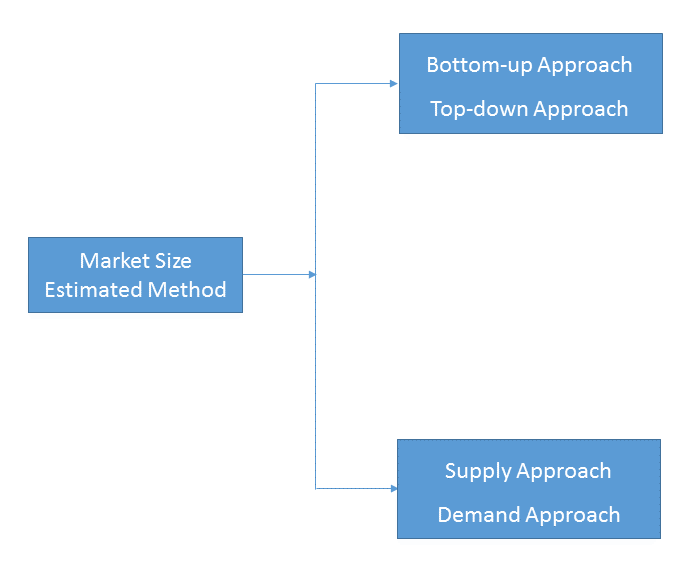
Bottom-up & top-down approach, supply & demand approach are the most important method which is used by HDIN Research to estimate the market size.
1)Top-down & Bottom-up Approach
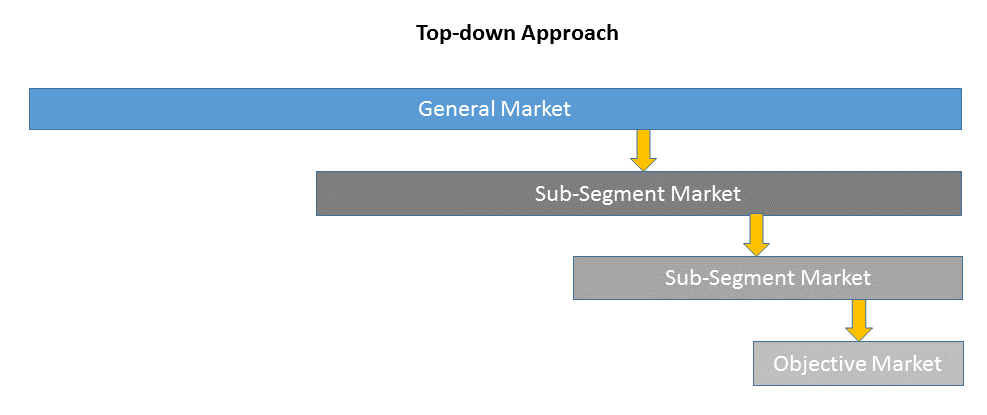
Top-down approach uses a general market size figure and determines the percentage that the objective market represents.
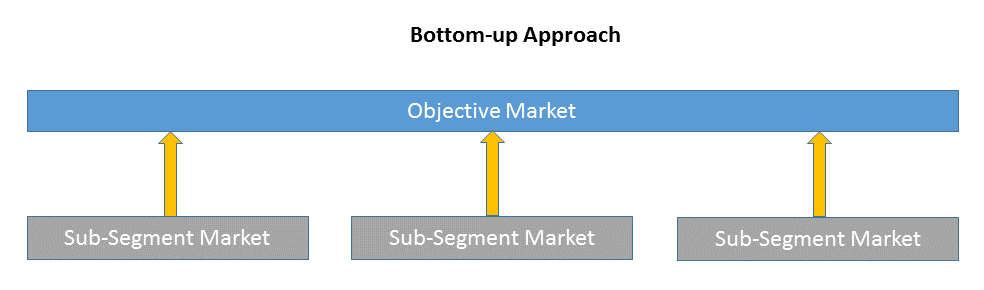
Bottom-up approach size the objective market by collecting the sub-segment information.
2)Supply & Demand Approach
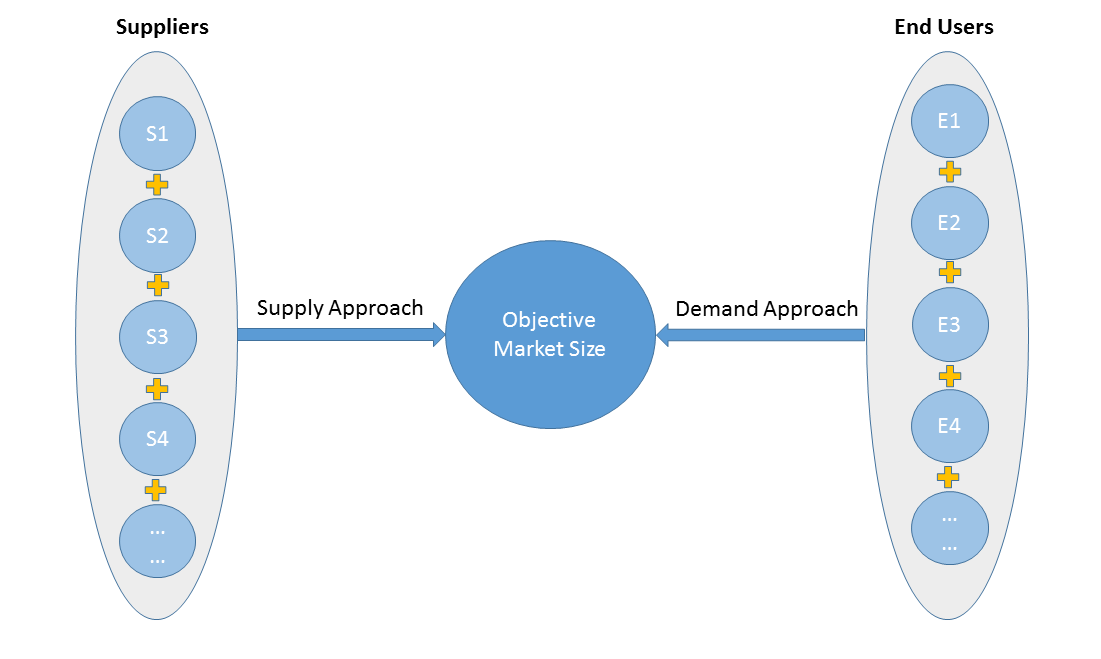
Supply approach is based on assessments of the size of each competitor supplying the objective market.
Demand approach combine end-user data within a market to estimate the objective market size. It is sometimes referred to as bottom-up approach.
- Forecasting Methodology
- Numerous factors impacting the market trend are considered for forecast model:
- New technology and application in the future;
- New project planned/under contraction;
- Global and regional underlying economic growth;
- Threatens of substitute products;
- Industry expert opinion;
- Policy and Society implication.
- Analysis Tools
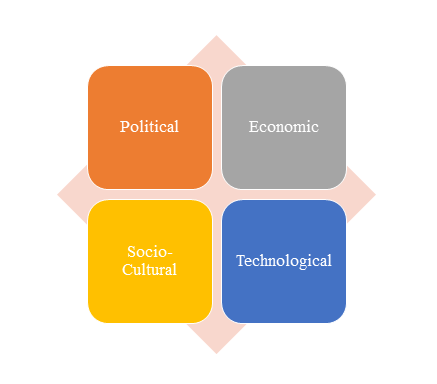
1)PEST Analysis
PEST Analysis is a simple and widely used tool that helps our client analyze the Political, Economic, Socio-Cultural, and Technological changes in their business environment.
- Benefits of a PEST analysis:
- It helps you to spot business opportunities, and it gives you advanced warning of significant threats.
- It reveals the direction of change within your business environment. This helps you shape what you’re doing, so that you work with change, rather than against it.
- It helps you avoid starting projects that are likely to fail, for reasons beyond your control.
- It can help you break free of unconscious assumptions when you enter a new country, region, or market; because it helps you develop an objective view of this new environment.
2)Porter’s Five Force Model Analysis
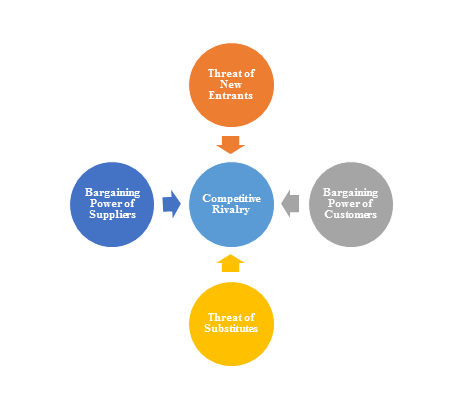
The Porter’s Five Force Model is a tool that can be used to analyze the opportunities and overall competitive advantage. The five forces that can assist in determining the competitive intensity and potential attractiveness within a specific area.
- Threat of New Entrants: Profitable industries that yield high returns will attract new firms.
- Threat of Substitutes: A substitute product uses a different technology to try to solve the same economic need.
- Bargaining Power of Customers: the ability of customers to put the firm under pressure, which also affects the customer's sensitivity to price changes.
- Bargaining Power of Suppliers: Suppliers of raw materials, components, labor, and services (such as expertise) to the firm can be a source of power over the firm when there are few substitutes.
- Competitive Rivalry: For most industries the intensity of competitive rivalry is the major determinant of the competitiveness of the industry.
3)Value Chain Analysis
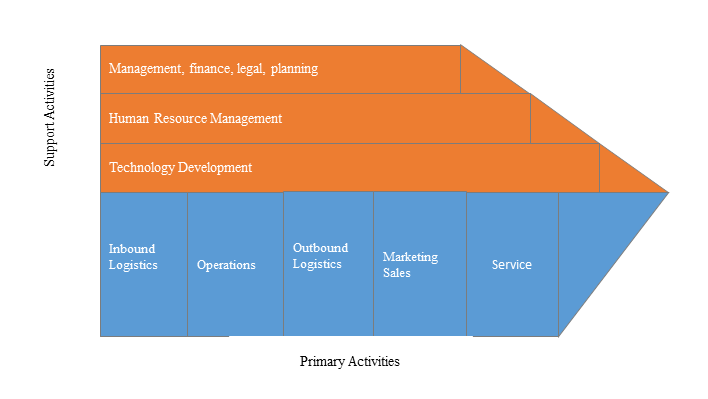
Value chain analysis is a tool to identify activities, within and around the firm and relating these activities to an assessment of competitive strength. Value chain can be analyzed by primary activities and supportive activities. Primary activities include: inbound logistics, operations, outbound logistics, marketing & sales, service. Support activities include: technology development, human resource management, management, finance, legal, planning.
4)SWOT Analysis
SWOT analysis is a tool used to evaluate a company's competitive position by identifying its strengths, weaknesses, opportunities and threats. The strengths and weakness is the inner factor; the opportunities and threats are the external factor. By analyzing the inner and external factors, the analysis can provide the detail information of the position of a player and the characteristics of the industry.
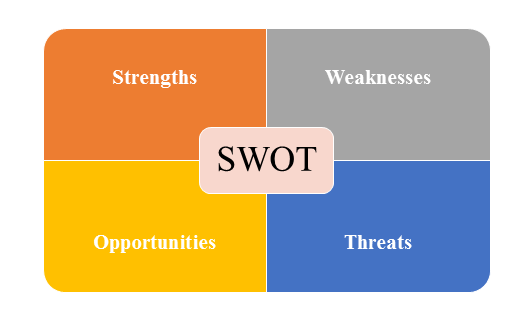
- Strengths describe what the player excels at and separates it from the competition
- Weaknesses stop the player from performing at its optimum level.
- Opportunities refer to favorable external factors that the player can use to give it a competitive advantage.
- Threats refer to factors that have the potential to harm the player.
- Data Sources
| Primary Sources | Secondary Sources |
|---|---|
| Face to face/Phone Interviews with market participants, such as: Manufactures; Distributors; End-users; Experts. Online Survey |
Government/International Organization Data: Annual Report/Presentation/Fact Book Internet Source Information Industry Association Data Free/Purchased Database Market Research Report Book/Journal/News |