Global Tissue Chip Spotter Market Strategic Outlook 2026-2031 AI Digital Pathology and High-Throughput Biomarker Screening Analysis
- Single User License (1 Users) $ 3,500
- Team License (2~5 Users) $ 4,500
- Corporate License (>5 Users) $ 5,500
The global tissue chip spotter market—spanning automated tissue microarray (TMA) arrayers, high-precision micro-core punching instruments, and non-contact biological micro-spotting systems—represents a specialized yet mission-critical bottleneck in translational medicine and precision pathology. By enabling laboratories to extract hundreds of uniform cylindrical tissue cores from donor formalin-fixed paraffin-embedded (FFPE) blocks or dispense picoliter-scale biological reagents onto single glass slides and microplates, tissue chip spotters allow researchers to screen hundreds of patient specimens simultaneously under identical staining and assay conditions. As of 2026, the global market is valued between 38 million USD and 69 million USD. Despite its compact hardware base, the sector sits at the upstream nexus of multi-billion-dollar oncology and diagnostic workflows, projected to expand at a compound annual growth rate (CAGR) ranging from 4.1 percent to 8.0 percent through 2031.
Between late 2025 and late 2026, three major industry catalysts fundamentally redefined the commercial trajectory of tissue chip spotting. First, in November 2025, global automated TMA leader 3DHISTECH accelerated deployment of its next-generation modular all-in-one platform, the TMA molmed, alongside its flagship TMA Grand Master. The breakthrough centers on fusing ultra-dense TMA fabrication—supporting micro-cores down to 0.2 mm and up to 558 cores per recipient block—with laser-microdissection-like (LMD) molecular sampling. By automatically spotting targeted FFPE tissue cores directly into PCR tubes or microplates, these platforms close the historical workflow divide between spatial histopathology and downstream genomic sequencing.
Second, translational biopharma demand surged in April 2026 when Crown Bioscience announced a strategic collaboration with AI drug discovery pioneer Turbine, unveiling an integrated translational platform at AACR 2026 that merges tumor tissue microarrays with organoid validation to accelerate high-throughput biomarker screening for Antibody-Drug Conjugates (ADCs) and radiopharmaceutical targets. Third, in May 2026, Roche agreed to acquire AI digital pathology powerhouse PathAI for 750 million USD upfront plus up to 300 million USD in milestone payments, subsequently releasing comprehensive integration progress on November 5, 2026. By uniting laboratory tissue analysis, AI companion diagnostics, and clinical trial workflows under a single pharmaceutical giant, Roche’s acquisition directly stimulates massive upstream demand for standardized, artifact-free TMA preparation and high-throughput digital slide scanning.
Regional Market Analysis
The geographical distribution of the tissue chip spotter market reflects global clusters of oncology drug development, clinical biobanking density, and precision life-science instrumentation manufacturing.
● North America holds the leading global market share, estimated between 34 percent and 38 percent. Regional demand is propelled by intensive biopharmaceutical R&D targeting ADCs, bispecific antibodies, and radiopharmaceuticals, alongside a dense network of contract research organizations (CROs) and academic cancer centers showcased prominently at AACR 2026. The Roche-PathAI integration has further energized United States pathology labs and clinical trial sponsors to invest heavily in automated tissue chip spotters capable of generating uniform, high-density tissue cohorts essential for training and validating AI companion diagnostic algorithms.
● Europe accounts for a sophisticated market share ranging from 26 percent to 30 percent. Europe serves as the engineering epicenter for automated histopathology and precision micro-dispensing, anchored by global innovators across Germany, Switzerland, and Central Europe (including 3DHISTECH, Microdrop Technologies, QIAGEN, and Roche). Adoption in 2026 is heavily influenced by the EU In Vitro Diagnostic Medical Devices Regulation (IVDR), which enforces strict sample traceability and analytical reproducibility, compelling hospital pathology networks and European biobanks to replace manual arraying tools with barcode-tracked, fully automated spotters.
● Asia Pacific represents the fastest-growing regional market, capturing an estimated share between 24 percent and 28 percent. Growth is anchored by massive national biobank expansions and rapid clinical oncology trial growth across China, Japan, and South Korea. Domestic Chinese life-science hubs in Shanghai, Beijing, Hangzhou, and Wuxi have fostered an agile ecosystem of domestic instrument and clinical lab leaders (including Hangzhou DIAN, Daan Gene, and Raykol Group). Within Taiwan(China), the regional landscape is distinguished by precision biomedical engineering—exemplified by specialized liquid-handling and instrumentation leaders like Blue-Ray Biotech—paired with advanced hospital biobanking networks supporting precision oncology across East Asia.
● South America and the Middle East and Africa (MEA) collectively account for 6 percent to 10 percent of global revenue. Growth is concentrated in centralized tertiary oncology hospitals, sovereign biomedical research institutes across the GCC nations, and expanding agricultural and environmental testing laboratories in Brazil, where modular micro-spotting systems are adopted for multiplexed pathogen and contaminant screening.
Application and Segmentation Analysis
While clinical oncology dominates high-end automated TMA engineering, micro-spotting technology plays an expanding role across industrial and regulatory screening verticals.
● Medical and Health represents the dominant revenue-generating vertical, accounting for over 70 percent of global market value. Core applications encompass oncology tissue biobanking, immunohistochemistry (IHC) antibody validation, spatial transcriptomics, and high-throughput companion diagnostic screening. In 2026, the surge in ADC and radiopharmaceutical pipelines (highlighted by the Crown Bioscience and Turbine alliance) necessitates rapid evaluation of target-antigen heterogeneity across hundreds of tumor subtypes—an analytical task economically feasible only through high-density TMA blocks. Concurrently, direct FFPE-to-PCR molecular spotting bridges traditional morphological pathology with next-generation sequencing (NGS).
● Environmental Protection utilizes precision non-contact micro-spotting systems to fabricate biological and chemical sensor microarrays for rapid ecotoxicology screening. Environmental agencies and testing labs deploy spotted biochips to detect trace endocrine disruptors, heavy metals, waterborne pathogens, and microplastic-induced cellular toxicity across high-volume municipal water and soil monitoring programs.
● Food Safety applications leverage automated microarray spotters to produce multiplexed testing chips capable of simultaneously screening dozens of foodborne pathogens, mycotoxins, veterinary drug residues, and undeclared allergens from a single sample extract. Tightening export-import food safety audits across Asia Pacific and Europe sustain steady institutional procurement of high-throughput spotting workstations.
● Chemical and Industrial Toxicology segments increasingly adopt spotted tissue, cell, and protein microarrays to perform high-throughput toxicogenomics and skin/organ irritation assays. Driven by international regulatory mandates restricting animal testing for cosmetics and industrial chemicals, chemical multinationals invest in automated micro-spotting systems to standardize reproducible in vitro hazard screening.
Value Chain Analysis
Because global unit sales of dedicated tissue chip spotters remain relatively specialized, value capture concentrates heavily in micron-level mechanical reliability, digital pathology software interoperability, and recurring assay workflows.
Upstream Precision Mechanics and Micro-Optics: Value creation originates with piezoelectric non-contact dispensing heads capable of picoliter accuracy, ultra-thin hardened surgical punching needles (down to 0.2 mm inner diameter), motorized XYZ micro-stepping stages, and high-resolution digital cameras capable of overlaying annotated whole-slide images (WSI) onto physical donor paraffin blocks.
Midstream OEM System Integration: Instrument manufacturers establish technical differentiation by preventing tissue core compression, paraffin block cracking, and cross-specimen DNA/RNA carryover. Automated ultrasonic needle washing, precise depth-control sensors, and dual-capability hardware (merging TMA block punching with direct PCR microplate transfer, as pioneered by 3DHISTECH) define top-tier engineering.
Software Interoperability and Workflow Services (Primary Value Pool): The highest and most resilient profit pools in 2026 reside in closed-loop digital orchestration and downstream translational services. Software that seamlessly links digital pathology AI annotations (such as PathAI workflows) directly to robotic punch coordinates—while maintaining an unbroken LIMS/barcode chain of custody from donor block to recipient coordinate to NGS plate—commands premium software licensing and service contracts.
Downstream End-Users and Consumables: Hardware deployment channels through specialized life-science distributors and direct biopharma key-account teams into CROs, hospital pathology suites, and independent clinical laboratories (ICLs). High-precision replacement punching needles, piezoelectric nozzles, surface-functionalized glass slides, and specialized PCR plates generate steady recurring consumable revenue.
Key Market Player Deep Profiles
● Aurora Biomed: Headquartered in Canada, Aurora Biomed is a veteran innovator in automated liquid handling and high-throughput microarray spotting instrumentation. Through its modular VERSA workstation series, Aurora Biomed delivers customizable platforms capable of automated DNA/protein/tissue microarray spotting, nucleic acid purification, and precision reagent dispensing across medical research, environmental screening, and chemical toxicology laboratories. Their technical core competency centers on flexible, open-platform robotics featuring multi-channel pipetting heads and specialized non-contact micro-dispensing modules that accommodate diverse labware formats. In 2026, Aurora Biomed’s strategic focus emphasizes workflow scalability for mid-sized CROs and translational genomics labs across North America and Asia Pacific seeking cost-effective automation without vendor lock-in.
● Shanghai Yajing Biotech: Operating within Shanghai’s premier biomedical innovation ecosystem, Shanghai Yajing Biotech specializes in pathology automation instrumentation, biological chip spotting hardware, and clinical translational research tools. Catering heavily to tertiary hospital biobanks, academic oncology centers, and domestic Chinese biopharma R&D suites, the company focuses on high-precision tissue microarray preparation and localized technical support. Their technical layout addresses the practical pain points of routine FFPE block arraying—improving core positioning stability and minimizing paraffin shattering during high-density spotting. In 2026, Shanghai Yajing Biotech leverages rapid iteration cycles and competitive capital efficiency to capture domestic hospital modernization tenders and emerging ADC biomarker screening projects.
● Beijing Bio-Jingdian Biotech: Based in Beijing’s capital life-science and regulatory testing corridor, Beijing Bio-Jingdian Biotech focuses on biochip arraying systems, tissue microarray instrumentation, and automated molecular preprocessing workflows. Serving major national research institutes, military and public medical centers, and food/environmental testing authorities, the company emphasizes robust mechanical precision paired with localized Chinese-language analytical software. Their 2026 strategic dynamic revolves around integrating traditional TMA spotting workflows with automated sample tracking and downstream PCR compatibility, aligning with national clinical research standardization mandates and China’s broader drive toward domestic life-science instrument self-sufficiency.
● Microdrop Technologies: Headquartered in Germany, Microdrop Technologies is a globally acclaimed engineering pioneer in non-contact piezoelectric micro-dispensing systems. Utilizing precision inkjet-inspired piezo actuators capable of spotting single droplets ranging from picoliters to nanoliters without physical substrate contact, Microdrop supplies mission-critical spotting platforms for diagnostic biochips, tissue/cell microarrays, biosensors, and advanced chemical screening. Their core competitive advantage lies in handling high-viscosity biological fluids, delicate cell suspensions, and volatile chemical reagents with exceptional droplet volume repeatability. In 2026, Microdrop’s strategic focus targets European and North American precision diagnostics developers, organ-on-chip researchers, and industrial micro-printing labs requiring laboratory-to-pilot-scale dispensing consistency.
● Raykol Group: Headquartered in Xiamen, China, Raykol Group is a prominent leader in automated laboratory sample preparation systems spanning medical diagnostics, food safety, environmental monitoring, and chemical analysis. Rather than restricting its footprint to standalone arrayers, Raykol excels in modular automated liquid handling, solid-phase extraction, and precision micro-spotting workstations engineered for high-throughput regulatory and clinical labs. Their 2026 strategic layout prioritizes fully enclosed, contamination-free automated workflows integrated with LIMS traceability—effectively bridging upstream sample preparation with downstream chromatography, mass spectrometry, and multiplexed biochip reading across rapidly expanding Asian and international markets.
● Blue-Ray Biotech: Based in Taiwan(China), Blue-Ray Biotech is a globally respected life-science instrument manufacturer renowned for high-precision liquid handling, automated micro-dispensing, PCR thermal cyclers, and compact benchtop laboratory automation. Leveraging Taiwan(China)’s world-class precision electronics and opto-mechanical engineering ecosystem, Blue-Ray Biotech builds ultra-reliable, space-saving instrumentation deployed widely across academic biotech labs, clinical research centers, and global OEM/ODM partner catalogs. In 2026, their strategic focus centers on agile benchtop liquid-spotting and automated PCR preparation platforms that support decentralized molecular pathology workflows, offering Tier-1 global reliability at highly accessible capital price points across North America, Europe, and Asia Pacific.
● Ascend: Ascend operates as a specialized precision bio-instrumentation and automation provider serving high-throughput sample spotting, liquid arraying, and laboratory workflow integration across healthcare, food testing, and chemical analytics. Their engineering approach emphasizes modular hardware architectures that can be tailored to varied microarray slide densities and microplate geometries. In 2026, Ascend’s strategic dynamic concentrates on bridging automated sample preparation with digital data capture—enabling mid-to-large testing facilities to reduce manual pipetting variance, accelerate turnaround times on multi-analyte biochips, and maintain strict quality-assurance documentation across regulated screening applications.
● QIAGEN: As a global titan in "Sample to Insight" molecular diagnostics and life-science workflows, QIAGEN exerts formidable structural influence over the downstream molecular pathology loop directly connected to modern tissue chip spotters. While renowned for its gold-standard FFPE nucleic acid extraction kits, QIAcube/QIAsymphony automation, and companion diagnostic PCR/NGS panels, QIAGEN is a major beneficiary and ecosystem enabler of integrated FFPE-to-PCR spotting innovations (such as 3DHISTECH’s TMA molmed workflow). In 2026, QIAGEN’s strategic focus emphasizes high-throughput oncology biomarker validation, spatial biology sample preparation, and biopharma companion diagnostic co-development, reinforcing standardized end-to-end sample integrity across global hospital and CRO laboratories.
● Medical Supply: Operating as a specialized clinical instrumentation and diagnostic supply integrator, Medical Supply bridges global pathology automation manufacturers with regional hospital laboratories, academic medical centers, and clinical biobanks. Beyond commercial distribution of automated tissue microarrayers and micro-spotting hardware, their core competitive value rests on turnkey clinical implementation—providing regulatory registration support, laboratory workflow design, cold-chain reagent management, and rapid field-service maintenance. In 2026, Medical Supply capitalizes on increasing hospital outsourcing of pathology procurement by bundling spotting instrumentation with recurring histological slides, punching consumables, and compliance calibration services.
● WUXI TECHSTAR: Situated in Wuxi within China’s densely concentrated Yangtze River Delta biopharmaceutical and CRO corridor, WUXI TECHSTAR focuses on precision biomedical instrumentation, automated sample handling, and microarray/tissue spotting solutions. Serving local biopharma innovators, preclinical CROs, and tertiary research hospitals, the company designs automated platforms optimized for rapid biomarker screening and reproducible sample transfer into standard 96-well and 384-well microplates. In 2026, WUXI TECHSTAR leverages proximity to some of the world’s highest-volume oncology drug discovery clusters to co-develop customized high-throughput spotting tools tailored for emerging ADC and immunotherapy validation pipelines.
● Huachenyang Technology: Headquartered in Shenzhen, Huachenyang Technology has built a formidable vertically integrated enterprise spanning medical sampling consumables, automated molecular specimen processing, and laboratory liquid-handling platforms. Their core strength lies in combining high-volume sterile manufacturing (microplates, sample tubes, precision swabs, and preservation media) with automated benchtop sample-spotting and nucleic acid transfer equipment. In 2026, Huachenyang’s strategic dynamic targets seamless compatibility between physical specimen collection, automated microplate arraying, and high-throughput PCR/sequencing—capturing expanding volume across Chinese clinical laboratories, food safety inspection centers, and international IVD OEM partnerships.
● Daan Gene: As one of China’s foundational molecular diagnostics and in vitro diagnostics (IVD) leaders, Daan Gene wields an extensive nationwide clinical footprint spanning thousands of hospitals and public health testing centers. Integrating automated sample preparation, biochip/microarray detection platforms, and fluorescence PCR instrumentation, Daan Gene anchors high-volume clinical pathology and infectious disease screening workflows. In 2026, Daan Gene’s strategic focus emphasizes automated "sample-in, result-out" workflow consolidation and precision oncology companion diagnostics—driving institutional pull-through for automated spotting and molecular transfer instruments across domestic healthcare networks and Belt-and-Road export markets.
● Hangzhou RuiCheng Instrument: Based in Hangzhou’s thriving biomedical instrumentation hub, Hangzhou RuiCheng Instrument specializes in automated liquid-handling workstations, sample preprocessing modules, and micro-spotting instruments serving clinical diagnostics, food testing, and environmental laboratories. Their technical competency focuses on accurate micro-volume pipetting, anti-cross-contamination tip management, and intuitive open-programming interfaces tailored to multi-protocol laboratories. In 2026, RuiCheng Instrument continues scaling adoption across provincial CDC centers, independent clinical testing labs, and agricultural quality-inspection agencies seeking reliable, domestically engineered alternatives to imported Western liquid-spotting automation.
● BioTeke Corporation: BioTeke Corporation is a well-established Chinese biotechnology and laboratory automation enterprise integrating specialized reagents with automated sample extraction and biochip preparation instruments. Serving hospitals, university medical schools, and forensic/food testing agencies, BioTeke emphasizes cohesive reagent-instrument pairing that simplifies complex biological sample workflows. In 2026, BioTeke’s strategic layout focuses on expanding automated high-throughput processing for challenging FFPE tissue specimens and low-concentration clinical samples, enabling mid-tier hospital labs to execute standardized molecular pathology and tissue-array analyses without extensive manual technician intervention.
● Hangzhou Bigfish Bio-tech: Operating as an agile innovator within Hangzhou’s life-science automation ecosystem, Hangzhou Bigfish Bio-tech develops compact automated nucleic acid extraction systems, precision PCR platforms, and automated liquid/sample spotting workstations. Their engineering philosophy prioritizes miniaturized footprints, rapid thermal and robotic cycle speeds, and cost-efficient operation tailored for decentralized clinical clinics, point-of-care food safety labs, and regional environmental testing hubs. In 2026, Bigfish Bio-tech aggressively expands international distribution across Southeast Asia, Europe, and Latin America by offering turnkey modular benchtop automation suites that streamline biological sample arraying and molecular screening.
● Hangzhou DIAN: Operating as DIAN Diagnostics, Hangzhou DIAN is one of China’s premier independent clinical laboratory (ICL) giants and a leading force in integrated digital pathology and precision medicine services. Functioning simultaneously as a colossal institutional consumer of tissue chip spotters and a comprehensive diagnostic solution provider, DIAN operates nationwide biobanking, histopathology, AI-assisted digital pathology, and molecular oncology platforms. In 2026, mirroring global convergence trends exemplified by Roche-PathAI, Hangzhou DIAN aggressively scales automated TMA construction paired with whole-slide imaging and multi-omics profiling to serve multinational and domestic pharmaceutical companies running complex oncology clinical trials across China.
Opportunities and Challenges
The tissue chip spotter market is navigating a period of exceptional clinical validation balanced against niche hardware economics.
● Opportunities: The convergence of AI digital pathology and targeted oncology represents a historic demand inflection point. Roche’s 1.05 billion USD total potential outlay for PathAI validates AI-driven tissue analytics as a core clinical standard, directly requiring millions of standardized, high-density TMA spots for algorithm training, validation, and companion diagnostic screening. Similarly, the rapid expansion of ADC and radiopharmaceutical pipelines (exemplified by Crown Bioscience and Turbine) intensifies biopharma reliance on high-throughput tumor TMA validation. Technically, hybrid "TMA-to-Sequencing" all-in-one platforms (following 3DHISTECH’s TMA molmed blueprint) unlock entirely new budgets by merging histopathology capital requests with genomics lab funding.
● Challenges: Because the pure-play hardware market remains relatively compact at 38 million USD to 69 million USD, high R&D and precision-engineering costs create steep amortization barriers for smaller instrument vendors. Technically, executing automated punching of ultra-fine 0.2 mm FFPE cores across heterogeneous, brittle, or heavily calcified archival tumor blocks without tissue fragmentation or cross-sample nucleic acid contamination remains a formidable mechanical challenge. Furthermore, transitioning tissue chip spotters from Research Use Only (RUO) environments into regulated clinical companion diagnostic workflows entails costly, protracted FDA and EU IVDR compliance pathways.
Macroeconomic and Geopolitical Influences
The 2026 tissue chip spotter market operates within a macroeconomic environment characterized by disciplined biopharma capital allocation and elevated interest rates. Rather than halting R&D instrumentation purchases, tighter financing conditions have compelled pharmaceutical executives and CRO leaders to concentrate budgets aggressively on high-probability translational bottlenecks—specifically biomarker-guided oncology trials, ADC target selection, and AI-accelerated patient stratification. Because a single 500-core TMA slide reduces expensive antibody reagent consumption by over 90 percent while slashing pathology review timelines, automated tissue chip spotters deliver rapid, quantifiable operational ROI that shields them from broader laboratory CapEx cuts.
Geopolitically, escalating strategic decoupling in biotechnology and cross-border human genomic/tissue data transfer restrictions (including US BIOSECURE legislative dynamics and strict Chinese human genetic resource governance) are structurally bifurcating global translational research supply chains. Multinational pharmaceutical sponsors increasingly maintain parallel, sovereign clinical-trial biobanking and AI pathology pipelines across North America, Europe, and Asia Pacific rather than shipping FFPE specimens across geopolitical borders. This regional duplication acts as a structural demand multiplier for tissue chip spotters—accelerating Western uptake of integrated European/North American suites (such as Roche-PathAI and 3DHISTECH ecosystems) while simultaneously catalyzing rapid domestic instrument substitution and localized CRO capacity expansion across China and Taiwan(China) through 2031.
1.1 Study Scope 1
1.2 Research Methodology 2
1.2.1 Data Sources 2
1.2.2 Assumptions 4
1.3 Abbreviations and Acronyms 5
Chapter 2 Global Tissue Chip Spotter Market Context and Macroeconomic Impact 6
2.1 Product Development Background 6
2.2 Global Macroeconomic Environment Analysis 7
2.2.1 Global GDP Trends and Life Sciences R&D Investment 7
2.2.2 Impact of Inflation and Precision Component Cost Volatility 8
2.3 Impact of Geopolitical Conflicts on the Tissue Chip Spotter Market 9
2.3.1 Supply Chain Disruptions for Piezoelectric Actuators and Micro-Fluidics 9
2.3.2 Cross-Border Biotech Regulations and Technological Sovereignty 10
2.4 Global Tissue Chip Spotter Market Volume and Market Size (2021-2026) 11
Chapter 3 Global Tissue Chip Spotter Market by Type 12
3.1 Market Volume and Size Analysis by Type (2021-2026) 12
3.2 Contact Pin Tissue Chip Spotters 13
3.3 Non-Contact Piezoelectric and Inkjet Spotters 14
3.4 Automated High-Throughput Tissue Microarrayers 15
Chapter 4 Global Tissue Chip Spotter Market by Application 16
4.1 Market Volume and Size Analysis by Application (2021-2026) 16
4.2 Medical & Health 17
4.3 Environmental Protection 18
4.4 Food 19
4.5 Chemical 20
Chapter 5 Global Tissue Chip Spotter Market by Region 21
5.1 Market Volume and Size Analysis by Region (2021-2026) 21
5.2 North America Tissue Chip Spotter Market Analysis 22
5.2.1 North America Market Volume and Market Size (2021-2026) 22
5.2.2 North America Market by Key Regions (United States, Canada, Mexico) 23
5.3 Europe Tissue Chip Spotter Market Analysis 25
5.3.1 Europe Market Volume and Market Size (2021-2026) 25
5.3.2 Europe Market by Key Regions (Germany, United Kingdom, France, Italy, Switzerland) 26
5.4 Asia-Pacific Tissue Chip Spotter Market Analysis 29
5.4.1 Asia-Pacific Market Volume and Market Size (2021-2026) 29
5.4.2 Asia-Pacific Market by Key Regions (China, Japan, India, South Korea, Taiwan (China)) 30
5.5 Latin America Tissue Chip Spotter Market Analysis 33
5.5.1 Latin America Market Volume and Market Size (2021-2026) 33
5.5.2 Latin America Market by Key Regions (Brazil, Argentina) 34
5.6 Middle East & Africa Tissue Chip Spotter Market Analysis 35
5.6.1 Middle East & Africa Market Volume and Market Size (2021-2026) 35
5.6.2 Middle East & Africa Market by Key Regions (UAE, Saudi Arabia, South Africa) 36
Chapter 6 Tissue Chip Spotter Manufacturing Process and Patent Analysis 37
6.1 Production Flow: XYZ Motion Stage Assembly, Printhead Calibration, and Vision Alignment 37
6.2 Core Technologies: Picoliter Dispensing Accuracy and Cross-Contamination Control 38
6.3 Global Tissue Chip Spotter Patent Landscape Analysis 40
Chapter 7 Industry Chain and Value Chain Analysis 41
7.1 Value Chain Overview 41
7.2 Upstream Raw Materials and Components (Piezo Dispensers, Linear Motors, Optical Cameras) 42
7.3 Midstream Instrument Manufacturing and Software Integration 43
7.4 Downstream Distribution Channels (Academic Institutes, Diagnostic Labs, CROs) 44
Chapter 8 Global Tissue Chip Spotter Import and Export Analysis 45
8.1 Global Import Volume and Value (2021-2026) 45
8.2 Global Export Volume and Value (2021-2026) 46
Chapter 9 Competitive Landscape and Concentration Rate 48
9.1 Market Concentration Rate (CR3, CR5) 48
9.2 Competitive Ranking of Key Players (2025) 49
9.3 Strategic Alliances, Mergers, and Diagnostic Partnerships 51
Chapter 10 Key Players Analysis 52
10.1 Aurora Biomed 52
10.1.1 Company Overview and Liquid Handling Portfolio 52
10.1.2 SWOT Analysis 53
10.1.3 Aurora Biomed Tissue Chip Spotter Sales, Price, Cost and Gross Profit Margin (2021-2026) 54
10.1.4 R&D Investment and Automation Strategy 55
10.2 Shanghai Yajing Biotech 56
10.2.1 Company Overview and Product Portfolio 56
10.2.2 SWOT Analysis 57
10.2.3 Shanghai Yajing Biotech Tissue Chip Spotter Sales, Price, Cost and Gross Profit Margin (2021-2026) 58
10.2.4 Domestic Clinical Market Penetration Strategy 59
10.3 Beijing Bio-Jingdian Biotech 60
10.3.1 Company Overview and Biochip Solutions 60
10.3.2 SWOT Analysis 61
10.3.3 Beijing Bio-Jingdian Biotech Tissue Chip Spotter Sales, Price, Cost and Gross Profit Margin (2021-2026) 62
10.3.4 Integrated Reagent and Instrument Strategy 63
10.4 Microdrop Technologies 64
10.4.1 Company Overview and Microdispensing Portfolio 64
10.4.2 SWOT Analysis 65
10.4.3 Microdrop Technologies Tissue Chip Spotter Sales, Price, Cost and Gross Profit Margin (2021-2026) 66
10.4.4 Non-Contact Piezo Technology Innovation 67
10.5 Raykol Group 68
10.5.1 Company Overview 68
10.5.2 SWOT Analysis 69
10.5.3 Raykol Group Tissue Chip Spotter Sales, Price, Cost and Gross Profit Margin (2021-2026) 70
10.6 Blue-Ray Biotech 71
10.6.1 Company Overview and Laboratory Instrument Portfolio 71
10.6.2 SWOT Analysis 72
10.6.3 Blue-Ray Biotech Tissue Chip Spotter Sales, Price, Cost and Gross Profit Margin (2021-2026) 73
10.6.4 Global OEM and Distribution Strategy 74
10.7 Ascend 75
10.7.1 Company Overview 75
10.7.2 SWOT Analysis 76
10.7.3 Ascend Tissue Chip Spotter Sales, Price, Cost and Gross Profit Margin (2021-2026) 77
10.8 QIAGEN 78
10.8.1 Company Overview and Molecular Diagnostics Portfolio 78
10.8.2 SWOT Analysis 79
10.8.3 QIAGEN Tissue Chip Spotter Sales, Price, Cost and Gross Profit Margin (2021-2026) 80
10.8.4 Sample-to-Insight Ecosystem Strategy 81
10.9 Medical Supply 82
10.9.1 Company Overview 82
10.9.2 SWOT Analysis 83
10.9.3 Medical Supply Tissue Chip Spotter Sales, Price, Cost and Gross Profit Margin (2021-2026) 84
10.10 WUXI TECHSTAR 85
10.10.1 Company Overview 85
10.10.2 SWOT Analysis 86
10.10.3 WUXI TECHSTAR Tissue Chip Spotter Sales, Price, Cost and Gross Profit Margin (2021-2026) 87
10.11 Huachenyang Technology 88
10.11.1 Company Overview 88
10.11.2 SWOT Analysis 89
10.11.3 Huachenyang Technology Tissue Chip Spotter Sales, Price, Cost and Gross Profit Margin (2021-2026) 90
10.12 Daan Gene 91
10.12.1 Company Overview and Diagnostic Platform Portfolio 91
10.12.2 SWOT Analysis 92
10.12.3 Daan Gene Tissue Chip Spotter Sales, Price, Cost and Gross Profit Margin (2021-2026) 93
10.12.4 Hospital Network and Regulatory Strategy 94
10.13 Hangzhou RuiCheng Instrument 95
10.13.1 Company Overview 95
10.13.2 SWOT Analysis 96
10.13.3 Hangzhou RuiCheng Instrument Tissue Chip Spotter Sales, Price, Cost and Gross Profit Margin (2021-2026) 97
10.14 BioTeke Corporation 98
10.14.1 Company Overview 98
10.14.2 SWOT Analysis 99
10.14.3 BioTeke Corporation Tissue Chip Spotter Sales, Price, Cost and Gross Profit Margin (2021-2026) 100
10.15 Hangzhou Bigfish Bio-tech 101
10.15.1 Company Overview 101
10.15.2 SWOT Analysis 102
10.15.3 Hangzhou Bigfish Bio-tech Tissue Chip Spotter Sales, Price, Cost and Gross Profit Margin (2021-2026) 103
10.16 Hangzhou DIAN 104
10.16.1 Company Overview and Clinical Diagnostics Integration 104
10.16.2 SWOT Analysis 105
10.16.3 Hangzhou DIAN Tissue Chip Spotter Sales, Price, Cost and Gross Profit Margin (2021-2026) 106
10.16.4 Pathology Lab Service Strategy 107
Chapter 11 Global Tissue Chip Spotter Market Forecast (2027-2031) 108
11.1 Market Volume and Size Forecast 108
11.2 Forecast by Type (2027-2031) 109
11.3 Forecast by Application (2027-2031) 111
11.4 Forecast by Key Regions (2027-2031) 112
Chapter 12 Market Dynamics 114
12.1 Industry Drivers (Precision Oncology, Spatial Transcriptomics, High-Throughput Screening) 114
12.2 Industry Restraints (High Capital Cost, Competition from NGS Technologies) 115
12.3 Industry Opportunities and Trends (AI-Guided Tissue Mapping, Ultra-High-Density Microarrays) 116
Chapter 13 Research Findings and Conclusion 117
Table 2 Global Tissue Chip Spotter Market Volume by Type (2021-2026) 12
Table 3 Global Tissue Chip Spotter Market Size by Type (2021-2026) 13
Table 4 Global Tissue Chip Spotter Market Volume by Application (2021-2026) 16
Table 5 Global Tissue Chip Spotter Market Size by Application (2021-2026) 17
Table 6 North America Tissue Chip Spotter Market Volume and Size by Key Regions (2021-2026) 24
Table 7 Europe Tissue Chip Spotter Market Volume and Size by Key Regions (2021-2026) 28
Table 8 Asia-Pacific Tissue Chip Spotter Market Volume and Size by Key Regions (2021-2026) 32
Table 9 Latin America Tissue Chip Spotter Market Volume and Size by Key Regions (2021-2026) 34
Table 10 Middle East & Africa Tissue Chip Spotter Market Volume and Size by Key Regions (2021-2026) 36
Table 11 Global Tissue Chip Spotter Major Patents List 40
Table 12 Global Tissue Chip Spotter Import and Export Data (2021-2026) 45
Table 13 Competitive Ranking of Key Players by Revenue (2025) 49
Table 14 Aurora Biomed Tissue Chip Spotter Sales, Price, Cost and Gross Profit Margin (2021-2026) 54
Table 15 Shanghai Yajing Biotech Tissue Chip Spotter Sales, Price, Cost and Gross Profit Margin (2021-2026) 58
Table 16 Beijing Bio-Jingdian Biotech Tissue Chip Spotter Sales, Price, Cost and Gross Profit Margin (2021-2026) 62
Table 17 Microdrop Technologies Tissue Chip Spotter Sales, Price, Cost and Gross Profit Margin (2021-2026) 66
Table 18 Raykol Group Tissue Chip Spotter Sales, Price, Cost and Gross Profit Margin (2021-2026) 70
Table 19 Blue-Ray Biotech Tissue Chip Spotter Sales, Price, Cost and Gross Profit Margin (2021-2026) 73
Table 20 Ascend Tissue Chip Spotter Sales, Price, Cost and Gross Profit Margin (2021-2026) 77
Table 21 QIAGEN Tissue Chip Spotter Sales, Price, Cost and Gross Profit Margin (2021-2026) 80
Table 22 Medical Supply Tissue Chip Spotter Sales, Price, Cost and Gross Profit Margin (2021-2026) 84
Table 23 WUXI TECHSTAR Tissue Chip Spotter Sales, Price, Cost and Gross Profit Margin (2021-2026) 87
Table 24 Huachenyang Technology Tissue Chip Spotter Sales, Price, Cost and Gross Profit Margin (2021-2026) 90
Table 25 Daan Gene Tissue Chip Spotter Sales, Price, Cost and Gross Profit Margin (2021-2026) 93
Table 26 Hangzhou RuiCheng Instrument Tissue Chip Spotter Sales, Price, Cost and Gross Profit Margin (2021-2026) 97
Table 27 BioTeke Corporation Tissue Chip Spotter Sales, Price, Cost and Gross Profit Margin (2021-2026) 100
Table 28 Hangzhou Bigfish Bio-tech Tissue Chip Spotter Sales, Price, Cost and Gross Profit Margin (2021-2026) 103
Table 29 Hangzhou DIAN Tissue Chip Spotter Sales, Price, Cost and Gross Profit Margin (2021-2026) 106
Table 30 Global Tissue Chip Spotter Market Volume Forecast by Type (2027-2031) 109
Table 31 Global Tissue Chip Spotter Market Size Forecast by Application (2027-2031) 111
Table 32 Global Tissue Chip Spotter Market Size Forecast by Key Regions (2027-2031) 113
Figure 1 Global Tissue Chip Spotter Market Size Growth Rate (2021-2026) 11
Figure 2 Impact of Geopolitical Conflicts on Life Science Instrument Supply Chain 10
Figure 3 Global Tissue Chip Spotter Market Size Share by Type (2021-2026) 13
Figure 4 Global Tissue Chip Spotter Market Size Share by Application (2021-2026) 17
Figure 5 Global Tissue Chip Spotter Market Size Share by Region (2021-2026) 21
Figure 6 Tissue Chip Spotter Manufacturing Process Flowchart 37
Figure 7 Tissue Chip Spotter Industry Chain Mapping 41
Figure 8 Global Market Concentration Rate (CR5) in 2025 48
Figure 9 Aurora Biomed Tissue Chip Spotter Market Share (2021-2026) 55
Figure 10 Shanghai Yajing Biotech Tissue Chip Spotter Market Share (2021-2026) 59
Figure 11 Beijing Bio-Jingdian Biotech Tissue Chip Spotter Market Share (2021-2026) 63
Figure 12 Microdrop Technologies Tissue Chip Spotter Market Share (2021-2026) 67
Figure 13 Raykol Group Tissue Chip Spotter Market Share (2021-2026) 70
Figure 14 Blue-Ray Biotech Tissue Chip Spotter Market Share (2021-2026) 74
Figure 15 Ascend Tissue Chip Spotter Market Share (2021-2026) 77
Figure 16 QIAGEN Tissue Chip Spotter Market Share (2021-2026) 81
Figure 17 Medical Supply Tissue Chip Spotter Market Share (2021-2026) 84
Figure 18 WUXI TECHSTAR Tissue Chip Spotter Market Share (2021-2026) 87
Figure 19 Huachenyang Technology Tissue Chip Spotter Market Share (2021-2026) 90
Figure 20 Daan Gene Tissue Chip Spotter Market Share (2021-2026) 94
Figure 21 Hangzhou RuiCheng Instrument Tissue Chip Spotter Market Share (2021-2026) 97
Figure 22 BioTeke Corporation Tissue Chip Spotter Market Share (2021-2026) 100
Figure 23 Hangzhou Bigfish Bio-tech Tissue Chip Spotter Market Share (2021-2026) 103
Figure 24 Hangzhou DIAN Tissue Chip Spotter Market Share (2021-2026) 107
Figure 25 Global Tissue Chip Spotter Market Size Forecast (2027-2031) 108
Research Methodology
- Market Estimated Methodology:
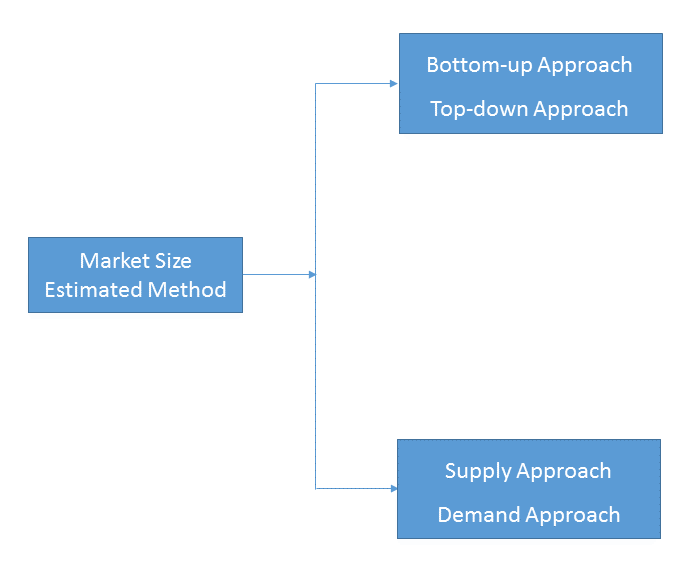
Bottom-up & top-down approach, supply & demand approach are the most important method which is used by HDIN Research to estimate the market size.
1)Top-down & Bottom-up Approach
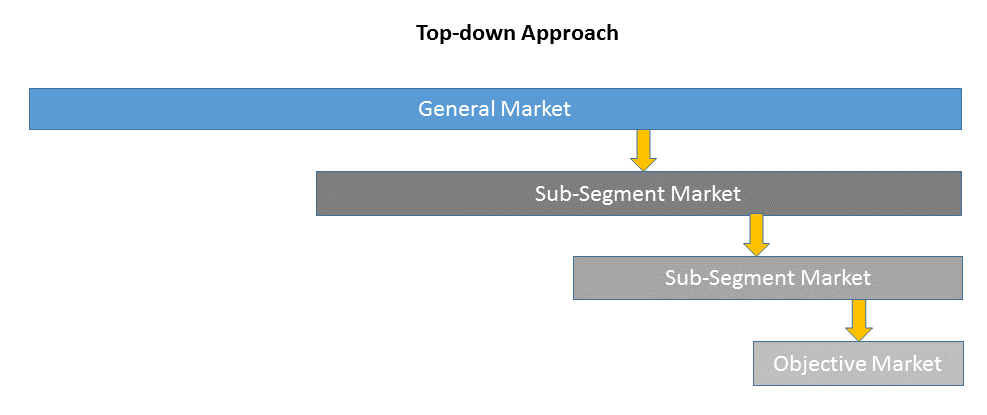
Top-down approach uses a general market size figure and determines the percentage that the objective market represents.
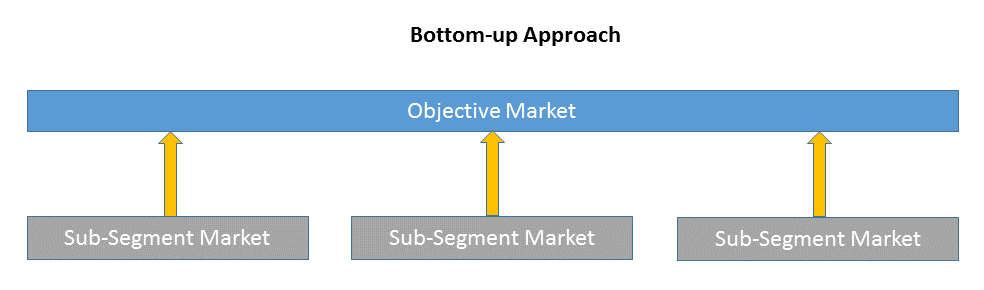
Bottom-up approach size the objective market by collecting the sub-segment information.
2)Supply & Demand Approach
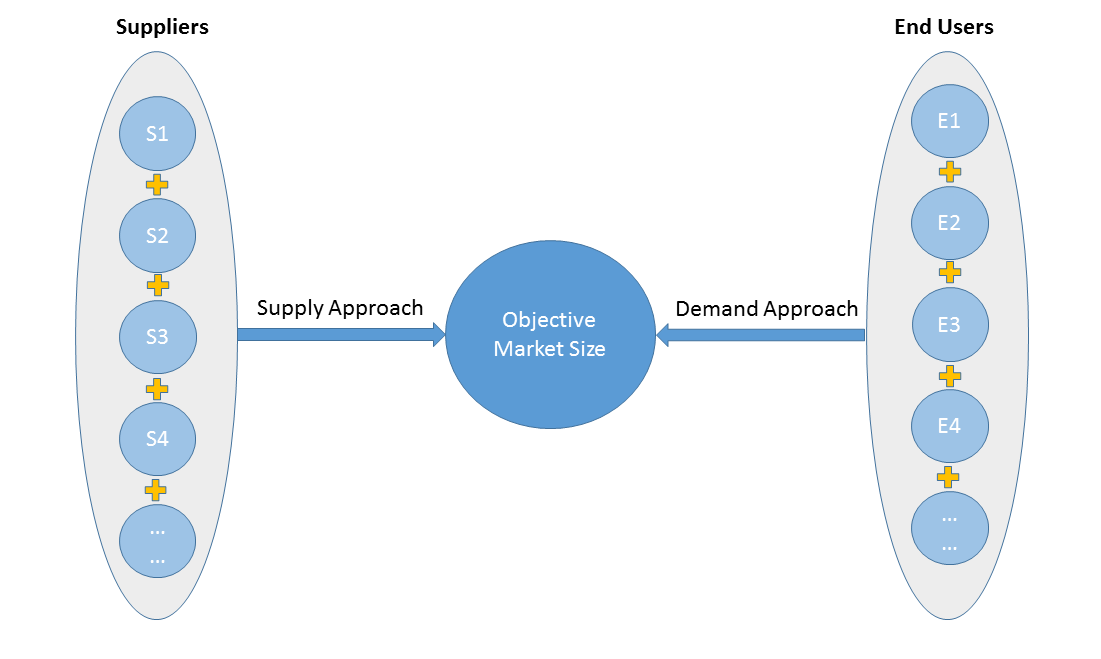
Supply approach is based on assessments of the size of each competitor supplying the objective market.
Demand approach combine end-user data within a market to estimate the objective market size. It is sometimes referred to as bottom-up approach.
- Forecasting Methodology
- Numerous factors impacting the market trend are considered for forecast model:
- New technology and application in the future;
- New project planned/under contraction;
- Global and regional underlying economic growth;
- Threatens of substitute products;
- Industry expert opinion;
- Policy and Society implication.
- Analysis Tools
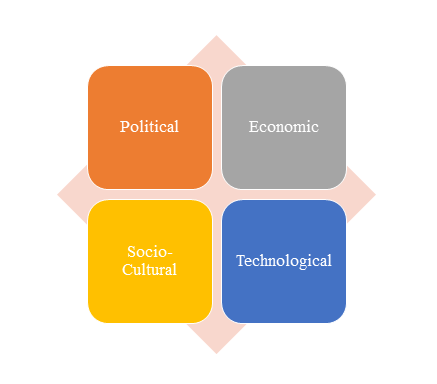
1)PEST Analysis
PEST Analysis is a simple and widely used tool that helps our client analyze the Political, Economic, Socio-Cultural, and Technological changes in their business environment.
- Benefits of a PEST analysis:
- It helps you to spot business opportunities, and it gives you advanced warning of significant threats.
- It reveals the direction of change within your business environment. This helps you shape what you’re doing, so that you work with change, rather than against it.
- It helps you avoid starting projects that are likely to fail, for reasons beyond your control.
- It can help you break free of unconscious assumptions when you enter a new country, region, or market; because it helps you develop an objective view of this new environment.
2)Porter’s Five Force Model Analysis
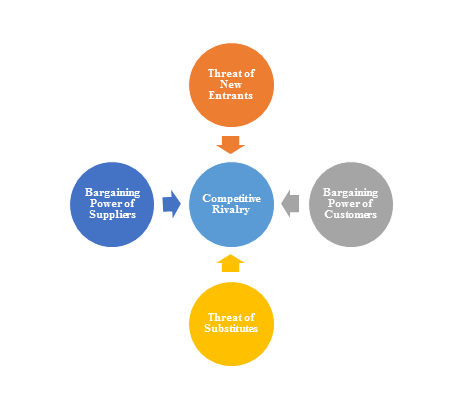
The Porter’s Five Force Model is a tool that can be used to analyze the opportunities and overall competitive advantage. The five forces that can assist in determining the competitive intensity and potential attractiveness within a specific area.
- Threat of New Entrants: Profitable industries that yield high returns will attract new firms.
- Threat of Substitutes: A substitute product uses a different technology to try to solve the same economic need.
- Bargaining Power of Customers: the ability of customers to put the firm under pressure, which also affects the customer's sensitivity to price changes.
- Bargaining Power of Suppliers: Suppliers of raw materials, components, labor, and services (such as expertise) to the firm can be a source of power over the firm when there are few substitutes.
- Competitive Rivalry: For most industries the intensity of competitive rivalry is the major determinant of the competitiveness of the industry.
3)Value Chain Analysis
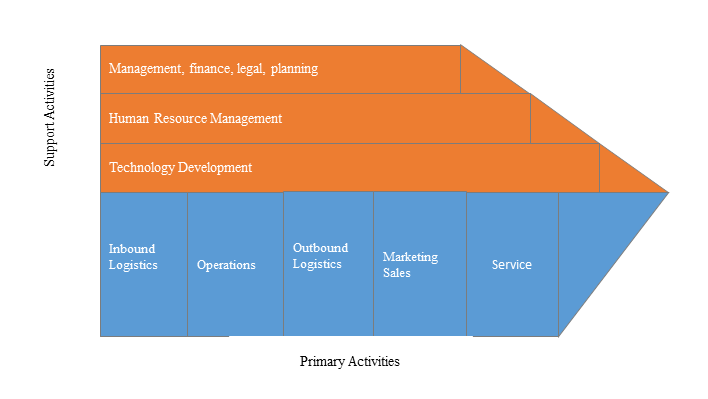
Value chain analysis is a tool to identify activities, within and around the firm and relating these activities to an assessment of competitive strength. Value chain can be analyzed by primary activities and supportive activities. Primary activities include: inbound logistics, operations, outbound logistics, marketing & sales, service. Support activities include: technology development, human resource management, management, finance, legal, planning.
4)SWOT Analysis
SWOT analysis is a tool used to evaluate a company's competitive position by identifying its strengths, weaknesses, opportunities and threats. The strengths and weakness is the inner factor; the opportunities and threats are the external factor. By analyzing the inner and external factors, the analysis can provide the detail information of the position of a player and the characteristics of the industry.
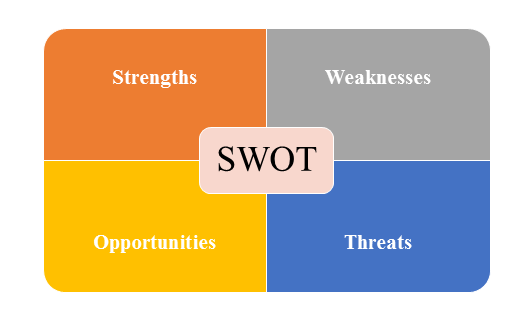
- Strengths describe what the player excels at and separates it from the competition
- Weaknesses stop the player from performing at its optimum level.
- Opportunities refer to favorable external factors that the player can use to give it a competitive advantage.
- Threats refer to factors that have the potential to harm the player.
- Data Sources
| Primary Sources | Secondary Sources |
|---|---|
| Face to face/Phone Interviews with market participants, such as: Manufactures; Distributors; End-users; Experts. Online Survey |
Government/International Organization Data: Annual Report/Presentation/Fact Book Internet Source Information Industry Association Data Free/Purchased Database Market Research Report Book/Journal/News |