Global Graphite Fixture Market Strategic Outlook 2026-2031 Isostatic Graphite Supply Dynamics and High-Temperature Precision Tooling Analysis
- Single User License (1 Users) $ 3,500
- Team License (2~5 Users) $ 4,500
- Corporate License (>5 Users) $ 5,500
The global graphite fixture market in 2026 occupies an indispensable engineering niche within high-temperature thermal processing, precision assembly, and power-electronics manufacturing. Comprising custom CNC-machined jigs, vacuum brazing carriers, glass-to-metal hermetic sealing boats, and sintering trays fabricated from synthetic and ultra-high-purity (UHP) isostatic graphite, these precision tools exploit graphite’s unmatched physical properties: a near-zero coefficient of thermal expansion (CTE), chemical inertness against molten solders and brazing alloys, immunity to thermal shock, and structural rigidity at temperatures exceeding 2,000 degrees Celsius. As of 2026, the global market is valued between 350 million USD and 570 million USD, projected to expand at a compound annual growth rate (CAGR) ranging from 3.5 percent to 5.9 percent through 2031.
The strategic environment of 2025 and 2026 has been defined by simultaneous raw-material inflation and heightened geopolitical supply-chain scrutiny. In 2025, rebounding global semiconductor wafer fabrication paired with aggressive new-energy capacity expansion pushed ultra-high-purity isostatic graphite billet prices to 8 USD to 10 USD per kilogram—a steep 12 percent to 15 percent escalation over 2024 levels. Because high-grade isostatic billet represents a substantial portion of finished fixture cost, this upstream surge has compressed margins for non-integrated machinists and forced aerospace and automotive end-users to demand longer-lasting, surface-coated fixture architectures.
Compounding substrate cost pressure is ongoing regulatory uncertainty surrounding global synthetic graphite trade flows. On November 9, 2026, China’s Ministry of Commerce (MOFCOM) and General Administration of Customs (GACC) announced a two-month extension of the suspension period for export controls on synthetic graphite and related manufacturing equipment and technologies, running from November 11, 2026 through January 10, 2027. While this temporary reprieve alleviated immediate compliance bottlenecks and acute disruption fears heading into year-end 2026, the narrow rolling window has permanently institutionalized supply-chain de-risking across Western aerospace and automotive procurement departments—elevating vertically integrated non-Chinese graphite producers and domestic precision fabricators into strategic priority partners.
Regional Market Analysis
The geographical landscape of the graphite fixture market reflects the tight correlation between domestic synthetic graphitization capacity, aerospace thermal-processing clusters, and electric vehicle (EV) power-module assembly hubs.
● North America commands the leading revenue share, estimated between 36 percent and 40 percent. Regional leadership is anchored by dense aerospace propulsion, defense avionics, and microelectronics packaging corridors across the United States, served by deeply specialized domestic suppliers including Entegris, Palomar Technologies, Semco Carbon, Center Carbon Company, A7 Integration, and GME Carbon. North American demand in 2026 is propelled by multi-year commercial and defense turbine vacuum-brazing backlogs alongside aggressive domestic build-outs of Silicon Carbide (SiC) automotive inverter packaging lines. Sovereign stockpiling policies responding to rolling Chinese synthetic graphite export-control windows further strengthen domestic billet and fixture pricing power.
● Asia Pacific represents the largest volume production base and fastest-growing regional market, capturing an estimated share between 26 percent and 30 percent. Mainland China dominates upstream synthetic graphite processing and hosts massive domestic EV power-semiconductor and aerospace fixture demand, while Japan and South Korea sustain premier isostatic material quality for automotive and electronic thermal tooling. Within Taiwan(China), the ecosystem plays an exceptionally high-value technical role—supporting ultra-precision micro-machined graphite soldering boats, glass-to-metal sealing trays, and wafer-adjacent thermal fixtures deployed across automotive compound semiconductor (SiC/GaN) packaging and aerospace sensor assemblies.
● Europe holds a sophisticated, engineering-intensive market share ranging from 24 percent to 28 percent. Anchored by France’s Mersen Graphite and specialized German, British, and Swiss thermal-processing houses, European procurement emphasizes ultra-low ash purity, strict dimensional repeatability, and compliance with the EU Critical Raw Materials Act. High-volume European automotive tier-one suppliers scaling 800-volt EV power modules—combined with European commercial aviation engine manufacturing—sustain steady demand for precision-machined, CVD-coated graphite fixtures designed to maximize thermal-cycle lifespan.
● South America and the Middle East and Africa (MEA) collectively represent 6 percent to 10 percent of global revenue. Regional demand is concentrated in rapidly expanding aerospace maintenance, repair, and overhaul (MRO) turbine brazing facilities across the GCC states, alongside automotive component sintering and nearshored thermal assembly corridors in Mexico and Brazil integrated into North American OEM supply chains.
Application and Segmentation Analysis
End-user utilization of graphite fixtures is bifurcated across two high-reliability industrial verticals where dimensional distortion during thermal cycling carries severe yield and safety penalties.
● Aerospace represents the highest-precision, zero-defect application vertical. Commercial jet engines, defense turbines, auxiliary power units, and spacecraft propulsion systems rely extensively on vacuum brazing of nickel-based superalloys, titanium honeycomb seals, and intricate heat exchangers. Graphite fixtures maintain micron-level component alignment across 1,000°C to 1,250°C vacuum furnace ramps without warping or reacting metallurgically with braze filler metals. Additionally, aerospace avionics and flight-control sensors depend on precision multi-cavity graphite boats for glass-to-metal hermetic sealing. In 2026, aerospace primes increasingly specify purified, fine-grain isostatic graphite grades (<5 ppm ash) to eliminate volatile outgassing that can contaminate vacuum chambers and induce intergranular brittleness in flight-critical alloys.
● Automotive constitutes the primary volume-expansion engine, undergoing a profound technical transformation driven by powertrain electrification. While legacy internal combustion engine (ICE) plants continue consuming standard graphite trays for powder-metallurgy sintering and exhaust heat-exchanger brazing, growth in 2026 is dominated by Electric Vehicle (EV) power electronics. Manufacturing SiC MOSFET and IGBT inverter modules requires high-throughput vacuum reflow soldering and active metal brazing (AMB) of direct-bonded copper substrates. These automated assembly lines consume tens of thousands of precision-pocketed graphite soldering fixtures annually, which degrade gradually through oxidation and mechanical handling—creating a high-velocity, recurring consumable replacement cycle across global automotive tier-one fabs.
Value Chain Analysis
The graphite fixture value chain is sharply polarized between capital-intensive upstream graphitization—currently experiencing acute pricing and geopolitical leverage—and high-precision downstream CNC engineering.
Upstream Calcined Coke and Isostatic Graphitization: Value initiates with petroleum needle coke, coal-tar pitch binders, cold isostatic pressing (CIP), multi-week baking, pitch re-impregnation, and electric graphitization exceeding 2,800°C, followed by halogen thermal purification. The 2025 surge in UHP isostatic graphite prices to 8 USD to 10 USD per kilogram (+12% to +15% YoY) underscores the acute supply bottleneck and high energy intensity at this tier.
Midstream Precision CNC Machining and Surface Engineering: Converting brittle isostatic blocks into tight-tolerance fixtures (±0.0005 inch flatness and complex micro-cavities) demands high-speed 5-axis CNC centers outfitted with diamond-coated cutting tools and dedicated conductive-dust extraction. Increasingly, midstream specialists apply Chemical Vapor Deposition (CVD) Silicon Carbide (SiC) or Pyrolytic Carbon (PyC) barrier coatings to seal open graphite pores, eliminate carbon particle shedding, and double or triple service life in oxidative reflow furnaces.
Integrated Billet-to-Fixture Engineering and Process Co-Design (Primary Value Pool): The highest and most defensible profit pools in 2026 belong to vertically integrated material titans (Entegris, Mersen) controlling captive non-Chinese graphitization kilns, alongside specialized assembly-equipment integrators (such as Palomar Technologies and A7 Integration) that co-design custom graphite fixture geometries tightly synchronized with automated pick-and-place and vacuum reflow machinery.
Downstream Channels and Scrap Recovery: Distribution flows primarily via direct technical-engineering sales to aerospace primes, EV power-module fabs, and commercial vacuum brazing houses. With UHP billet prices elevated at 8 USD to 10 USD per kilogram, systematic recovery and re-machining of retired large-format fixtures into smaller component boats has emerged as an important margin-preservation practice.
Key Market Player Deep Profiles
● Entegris: Headquartered in Billerica, Massachusetts, Entegris stands as a global specialty materials powerhouse with deep institutional dominance in high-purity synthetic graphite anchored by its legacy POCO Graphite manufacturing franchise. Vertically integrated from proprietary ultra-fine-grain isotropic graphite billet production through purification, precision multi-axis CNC machining, and advanced CVD Silicon Carbide (SiC) and pyrolytic surface coatings, Entegris commands unmatched technical authority across aerospace vacuum brazing, automotive SiC power-module packaging, and semiconductor thermal tooling. In 2026, amid 12 percent to 15 percent UHP graphite price inflation and China’s rolling synthetic graphite export-control suspensions, Entegris’s captive United States graphitization assets position it as the premier sovereign supply partner for Western defense, aerospace, and tier-one EV electronics customers seeking guaranteed material provenance and ultra-low outgassing reliability.
● Palomar Technologies: Operating from Carlsbad, California, Palomar Technologies occupies a uniquely high-leverage strategic position bridging automated microelectronics assembly equipment and precision thermal tooling. Globally renowned for its high-accuracy die bonders, wire bonders, and SST vacuum reflow soldering systems, Palomar engineers custom, ultra-tight-tolerance graphite soldering and brazing fixtures specifically calibrated to its automated production lines. Serving defense aerospace radar/RF modules, satellite avionics, and high-reliability automotive power-electronics packages, Palomar’s core competency lies in process co-optimization—designing pocket tolerances, thermal mass profiles, and venting channels within each graphite boat to eliminate solder voids during vacuum reflow. In 2026, their integrated "Equipment + Custom Fixture + Process Engineering" model yields deep customer lock-in and resilient recurring tooling pull-through across North America, Europe, and Asia.
● Semco Carbon: Headquartered in Lorain, Ohio, Semco Carbon is one of North America’s premier independent precision graphite machining specialists, serving demanding aerospace, automotive, and industrial thermal-processing accounts. Without bearing the fixed overhead of upstream graphitization kilns, Semco Carbon builds its competitive moat on massive multi-grade domestic raw billet inventory, rigorous material-grade matching consultancy, and high-speed multi-axis CNC machining capable of holding micron-level geometric tolerances on complex aerospace brazing jigs and automotive glass-to-metal sealing fixtures. In 2026, Semco Carbon actively mitigates raw-material price volatility (8–10 USD/kg UHP graphite) through advanced near-net-shape billet nesting, agile rapid-prototyping turnarounds, and stringent AS9100/ISO quality traceability tailored to United States aerospace and tier-one automotive thermal facilities.
● Center Carbon Company: Based in the United States, Center Carbon Company focuses intensely on high-precision custom machined carbon and graphite components, holding strong technical credentials in aerospace vacuum brazing fixtures, hermetic sealing boats, and specialized automotive sintering tooling. Their engineering philosophy emphasizes close collaborative design-for-manufacturability (DFM) with customer metallurgical engineers—optimizing wall thicknesses, thermal expansion clearances, and surface finishes to extend fixture durability across hundreds of high-temperature furnace cycles. In 2026, Center Carbon Company leverages lean operational overhead, tight geometric quality assurance, and localized North American supply responsiveness to capture specialized small-to-medium-batch aerospace and high-reliability automotive tooling programs where large multinational conglomerates often impose extended lead times.
● A7 Integration: Operating as a specialized precision tooling and thermal-assembly integration provider, A7 Integration concentrates on bridging automated manufacturing workflows with custom-engineered graphite soldering, brazing, and component-holding fixtures. Targeting high-growth automotive power electronics (IGBT/SiC inverter assembly), aerospace micro-packaging, and high-density hermetic sealing lines, A7 Integration excels in engineering multi-cavity, automation-compatible graphite carriers designed for seamless robotic pick-and-place loading and uniform thermal distribution inside conveyorized and vacuum reflow furnaces. In 2026, as EV manufacturers accelerate automated power-module throughput to offset labor costs, A7 Integration’s ability to deliver repeatable, automation-ready graphite fixture systems directly drives customer yield improvements and strong recurring replenishment demand.
● Mersen Graphite: Headquartered in France, Mersen stands as a global titan in specialty isostatic graphite and high-temperature industrial materials, operating extensive upstream graphitization, halogen purification, and precision CNC machining facilities across Europe, North America, and Asia. Under its renowned Ellor and high-purity isostatic graphite portfolios, Mersen supplies custom-engineered brazing jigs, sintering boats, and CVD-coated fixtures serving European and global aerospace engine primes alongside rapidly scaling automotive SiC power-semiconductor and battery-material fabs. In 2026, Mersen’s vertical integration directly shields its industrial clients from raw billet volatility and geopolitical trade shocks—aligning tightly with the EU Critical Raw Materials Act and United States domestic sourcing incentives as multinationals lock in long-term non-Chinese graphite fixture capacity.
● SI Precision: Operating as a dedicated precision machining and engineered carbon/graphite tooling specialist, SI Precision serves high-tolerance applications spanning automotive electronics packaging, glass-to-metal hermetic sealing, and specialized aerospace thermal assembly. Their technical core competency centers on ultra-clean micro-machining of fine-grain isostatic graphite—producing intricate micro-pockets, thin-walled alignment pins, and low-particle-shedding surfaces essential for delicate sensor and power-module assembly. In 2026, SI Precision capitalizes on heightened customer sensitivity to fixture cycle-life economics following the 12 percent to 15 percent rise in UHP graphite billet pricing, differentiating through tight process consistency, rapid engineering iterations, and strict dimensional inspection protocols.
● GME Carbon: Based in North America, GME Carbon operates as an agile graphite engineering and precision CNC fabrication specialist supplying custom isostatic, molded, and extruded graphite fixtures across aerospace brazing, automotive sintering, and industrial heat-treatment markets. GME Carbon’s competitive value proposition combines broad multi-vendor material sourcing flexibility—matching exact graphite density, shore hardness, and ash purity to customer furnace atmospheres—with rapid turnaround machining and responsive technical engineering support. In 2026, GME Carbon strengthens its market foothold by helping mid-to-large aerospace subcontractors and automotive thermal processors navigate tight global billet availability, offering cost-optimized material substitutions and re-machining services that reduce per-cycle fixture expenditure.
Opportunities and Challenges
The graphite fixture market is navigating a period of intense structural realignment driven by electrification demand and upstream mineral geopolitics.
● Opportunities: Rapid global scaling of 800-volt Electric Vehicle SiC and IGBT power-module manufacturing creates a high-velocity, recurring consumable boom for precision vacuum-reflow and AMB sintering graphite fixtures. Simultaneously, multi-year commercial aviation engine backlogs and defense turbine modernization programs sustain high-margin aerospace vacuum-brazing tooling volume. Technologically, heightened billet prices (8–10 USD/kg) are accelerating adoption of value-added CVD Silicon Carbide (SiC) and Pyrolytic Carbon (PyC) coatings—allowing specialized OEMs to sell higher-margin coated fixtures that double or triple thermal-cycle lifespans while eliminating carbon dust contamination.
● Challenges: Persistent upstream raw-material inflation represents an immediate margin squeeze, particularly for non-integrated CNC fixture machine shops facing 12 percent to 15 percent higher UHP isostatic billet costs without long-term captive supply contracts. Operationally, machining ultra-fine isostatic graphite requires heavy capital investment in specialized diamond tooling and high-efficiency explosion-proof conductive dust filtration to protect CNC electronics and operator health. Furthermore, prolonged geopolitical uncertainty—exemplified by rolling two-month export-control suspension windows—complicates long-term fixed-price contracting across global aerospace and automotive supply chains.
Macroeconomic and Geopolitical Influences
The 2026 graphite fixture market sits squarely within a macroeconomic landscape characterized by disciplined industrial capital allocation and elevated borrowing costs. Faced with 8 USD to 10 USD per kilogram UHP isostatic graphite pricing and persistent skilled-machinist wage inflation, aerospace and automotive procurement teams have shifted decisively from evaluating lowest upfront fixture unit cost toward optimizing "Total Cost per Thermal Cycle." This economic pivot rewards high-density purified graphite grades, automated fixture-handling compatibility, and protective SiC surface coatings that maximize furnace yield and minimize scrap rates on high-value jet engine blades and SiC power modules.
Geopolitically, synthetic graphite has emerged as a front-line strategic resource in global industrial competition. The November 9, 2026 announcement by China’s MOFCOM and GACC extending the suspension of export controls on synthetic graphite and related technologies strictly from November 11, 2026 to January 10, 2027 provided welcome short-term operational breathing room—yet simultaneously reinforced structural urgency among Western and allied governments to eliminate single-country supply dependency. Across North America, Europe, and allied Asia-Pacific ecosystems including Taiwan(China), defense primes and tier-one EV OEMs are aggressively qualifying dual-sourced non-Chinese isostatic graphite producers (such as Entegris and Mersen), expanding strategic billet safety stocks, and regionalizing precision CNC fixture fabrication. Through 2031, competitive leadership in the graphite fixture market will belong to players combining sovereign material resilience with micron-level thermal engineering precision.
1.1 Study Scope 1
1.2 Research Methodology 2
1.2.1 Data Sources 2
1.2.2 Assumptions 4
1.3 Abbreviations and Acronyms 5
Chapter 2 Global Graphite Fixture Market Context and Macroeconomic Impact 6
2.1 Product Development Background 6
2.2 Global Macroeconomic Environment Analysis 7
2.2.1 Global GDP Trends and High-Precision Manufacturing Investment 7
2.2.2 Impact of Inflation and Energy Costs on Graphitization Processing 8
2.3 Impact of Geopolitical Conflicts on the Graphite Fixture Market 9
2.3.1 Export Controls on Synthetic Graphite and Critical Carbon Materials 9
2.3.2 Aerospace and Automotive Supply Chain Resilience Shifts 10
2.4 Global Graphite Fixture Market Volume and Market Size (2021-2026) 11
Chapter 3 Global Graphite Fixture Market by Type 12
3.1 Market Volume and Size Analysis by Type (2021-2026) 12
3.2 Isostatic Graphite Fixtures 13
3.3 Extruded Graphite Fixtures 14
3.4 Molded and Coated Graphite Fixtures 15
Chapter 4 Global Graphite Fixture Market by Application 16
4.1 Market Volume and Size Analysis by Application (2021-2026) 16
4.2 Aerospace (Brazing, Heat Treatment, Composite Tooling) 17
4.3 Automotive (EV Power Electronics Soldering, Sintering Boats) 18
4.4 Electronics and Semiconductor Packaging 19
Chapter 5 Global Graphite Fixture Market by Region 20
5.1 Market Volume and Size Analysis by Region (2021-2026) 20
5.2 North America Graphite Fixture Market Analysis 21
5.2.1 North America Market Volume and Market Size (2021-2026) 21
5.2.2 North America Market by Key Regions (United States, Canada, Mexico) 22
5.3 Europe Graphite Fixture Market Analysis 24
5.3.1 Europe Market Volume and Market Size (2021-2026) 24
5.3.2 Europe Market by Key Regions (Germany, United Kingdom, France, Italy, Spain) 25
5.4 Asia-Pacific Graphite Fixture Market Analysis 28
5.4.1 Asia-Pacific Market Volume and Market Size (2021-2026) 28
5.4.2 Asia-Pacific Market by Key Regions (China, Japan, India, South Korea, Taiwan (China)) 29
5.5 Latin America Graphite Fixture Market Analysis 31
5.5.1 Latin America Market Volume and Market Size (2021-2026) 31
5.5.2 Latin America Market by Key Regions (Brazil, Argentina) 32
5.6 Middle East & Africa Graphite Fixture Market Analysis 33
5.6.1 Middle East & Africa Market Volume and Market Size (2021-2026) 33
5.6.2 Middle East & Africa Market by Key Regions (UAE, Saudi Arabia, South Africa) 34
Chapter 6 Graphite Fixture Manufacturing Process and Patent Analysis 35
6.1 Production Flow: Isostatic Pressing, Graphitization, CNC Machining, and Purification 35
6.2 Core Technologies: Ultra-High Purity Treatments, Thermal Expansion Matching, and SiC Coatings 36
6.3 Global Graphite Fixture Patent Landscape Analysis 38
Chapter 7 Industry Chain and Value Chain Analysis 39
7.1 Value Chain Overview 39
7.2 Upstream Raw Materials (Needle Coke, Petroleum Pitch, High-Purity Graphite Blocks) 40
7.3 Midstream Precision Machining and Surface Coating 41
7.4 Downstream OEMs and Tier-1 Thermal Processing Contractors 42
Chapter 8 Global Graphite Fixture Import and Export Analysis 43
8.1 Global Import Volume and Value (2021-2026) 43
8.2 Global Export Volume and Value (2021-2026) 44
Chapter 9 Competitive Landscape and Concentration Rate 46
9.1 Market Concentration Rate (CR3, CR5) 46
9.2 Competitive Ranking of Key Players (2025) 47
9.3 Strategic Alliances, Mergers, and Custom Tooling Expansions 49
Chapter 10 Key Players Analysis 50
10.1 Entegris 50
10.1.1 Company Overview and Specialty Graphite Portfolio 50
10.1.2 SWOT Analysis 51
10.1.3 Entegris Graphite Fixture Sales, Price, Cost and Gross Profit Margin (2021-2026) 52
10.1.4 R&D Investment and High-Purity Material Strategy 53
10.2 Palomar Technologies 54
10.2.1 Company Overview and Microelectronics Assembly Solutions 54
10.2.2 SWOT Analysis 55
10.2.3 Palomar Technologies Graphite Fixture Sales, Price, Cost and Gross Profit Margin (2021-2026) 56
10.2.4 Precision Soldering and Eutectic Die Attach Strategy 57
10.3 Semco Carbon 58
10.3.1 Company Overview and Custom Machining Portfolio 58
10.3.2 SWOT Analysis 59
10.3.3 Semco Carbon Graphite Fixture Sales, Price, Cost and Gross Profit Margin (2021-2026) 60
10.3.4 Rapid Prototyping and Customer Service Strategy 61
10.4 Center Carbon Company 62
10.4.1 Company Overview and Product Portfolio 62
10.4.2 SWOT Analysis 63
10.4.3 Center Carbon Company Graphite Fixture Sales, Price, Cost and Gross Profit Margin (2021-2026) 64
10.4.4 Aerospace and Defense Market Positioning 65
10.5 A7 Integration 66
10.5.1 Company Overview and Product Portfolio 66
10.5.2 SWOT Analysis 67
10.5.3 A7 Integration Graphite Fixture Sales, Price, Cost and Gross Profit Margin (2021-2026) 68
10.5.4 Turnkey Assembly Integration Strategy 69
10.6 Mersen Graphite 70
10.6.1 Company Overview and Global Carbon Solutions 70
10.6.2 SWOT Analysis 71
10.6.3 Mersen Graphite Graphite Fixture Sales, Price, Cost and Gross Profit Margin (2021-2026) 72
10.6.4 Vertical Integration and Coating Innovation Strategy 73
10.7 SI Precision 74
10.7.1 Company Overview and Product Portfolio 74
10.7.2 SWOT Analysis 75
10.7.3 SI Precision Graphite Fixture Sales, Price, Cost and Gross Profit Margin (2021-2026) 76
10.7.4 High-Tolerance Machining Strategy 77
10.8 GME Carbon 78
10.8.1 Company Overview and Product Portfolio 78
10.8.2 SWOT Analysis 79
10.8.3 GME Carbon Graphite Fixture Sales, Price, Cost and Gross Profit Margin (2021-2026) 80
10.8.4 Cost Optimization and Export Distribution Strategy 81
Chapter 11 Global Graphite Fixture Market Forecast (2027-2031) 82
11.1 Market Volume and Size Forecast 82
11.2 Forecast by Type (2027-2031) 83
11.3 Forecast by Application (2027-2031) 85
11.4 Forecast by Key Regions (2027-2031) 86
Chapter 12 Market Dynamics 88
12.1 Industry Drivers (EV Power Module Packaging, High-Temp Aerospace Brazing) 88
12.2 Industry Restraints (Graphite Brittleness, Raw Material Export Restrictions) 89
12.3 Industry Opportunities and Trends (CVD Silicon Carbide Coatings, Ultra-Fine Grain Graphite) 90
Chapter 13 Research Findings and Conclusion 91
Table 2 Global Graphite Fixture Market Volume by Type (2021-2026) 12
Table 3 Global Graphite Fixture Market Size by Type (2021-2026) 13
Table 4 Global Graphite Fixture Market Volume by Application (2021-2026) 16
Table 5 Global Graphite Fixture Market Size by Application (2021-2026) 17
Table 6 North America Graphite Fixture Market Volume and Size by Key Regions (2021-2026) 23
Table 7 Europe Graphite Fixture Market Volume and Size by Key Regions (2021-2026) 27
Table 8 Asia-Pacific Graphite Fixture Market Volume and Size by Key Regions (2021-2026) 30
Table 9 Latin America Graphite Fixture Market Volume and Size by Key Regions (2021-2026) 32
Table 10 Middle East & Africa Graphite Fixture Market Volume and Size by Key Regions (2021-2026) 34
Table 11 Global Graphite Fixture Major Patents List 38
Table 12 Global Graphite Fixture Import and Export Data (2021-2026) 43
Table 13 Competitive Ranking of Key Players by Revenue (2025) 47
Table 14 Entegris Graphite Fixture Sales, Price, Cost and Gross Profit Margin (2021-2026) 52
Table 15 Palomar Technologies Graphite Fixture Sales, Price, Cost and Gross Profit Margin (2021-2026) 56
Table 16 Semco Carbon Graphite Fixture Sales, Price, Cost and Gross Profit Margin (2021-2026) 60
Table 17 Center Carbon Company Graphite Fixture Sales, Price, Cost and Gross Profit Margin (2021-2026) 64
Table 18 A7 Integration Graphite Fixture Sales, Price, Cost and Gross Profit Margin (2021-2026) 68
Table 19 Mersen Graphite Graphite Fixture Sales, Price, Cost and Gross Profit Margin (2021-2026) 72
Table 20 SI Precision Graphite Fixture Sales, Price, Cost and Gross Profit Margin (2021-2026) 76
Table 21 GME Carbon Graphite Fixture Sales, Price, Cost and Gross Profit Margin (2021-2026) 80
Table 22 Global Graphite Fixture Market Volume Forecast by Type (2027-2031) 83
Table 23 Global Graphite Fixture Market Size Forecast by Application (2027-2031) 85
Table 24 Global Graphite Fixture Market Size Forecast by Key Regions (2027-2031) 87
Figure 1 Global Graphite Fixture Market Size Growth Rate (2021-2026) 11
Figure 2 Impact of Geopolitical Conflicts on Synthetic Graphite Supply Chain 10
Figure 3 Global Graphite Fixture Market Size Share by Type (2021-2026) 13
Figure 4 Global Graphite Fixture Market Size Share by Application (2021-2026) 17
Figure 5 Global Graphite Fixture Market Size Share by Region (2021-2026) 20
Figure 6 Graphite Fixture Manufacturing Process Flowchart 35
Figure 7 Graphite Fixture Industry Chain Mapping 39
Figure 8 Global Market Concentration Rate (CR5) in 2025 46
Figure 9 Entegris Graphite Fixture Market Share (2021-2026) 53
Figure 10 Palomar Technologies Graphite Fixture Market Share (2021-2026) 57
Figure 11 Semco Carbon Graphite Fixture Market Share (2021-2026) 61
Figure 12 Center Carbon Company Graphite Fixture Market Share (2021-2026) 65
Figure 13 A7 Integration Graphite Fixture Market Share (2021-2026) 69
Figure 14 Mersen Graphite Graphite Fixture Market Share (2021-2026) 73
Figure 15 SI Precision Graphite Fixture Market Share (2021-2026) 77
Figure 16 GME Carbon Graphite Fixture Market Share (2021-2026) 81
Figure 17 Global Graphite Fixture Market Size Forecast (2027-2031) 82
Research Methodology
- Market Estimated Methodology:
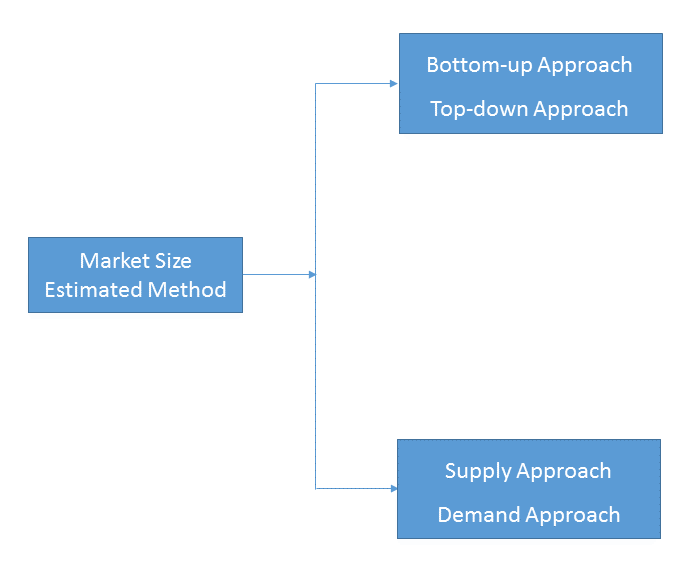
Bottom-up & top-down approach, supply & demand approach are the most important method which is used by HDIN Research to estimate the market size.
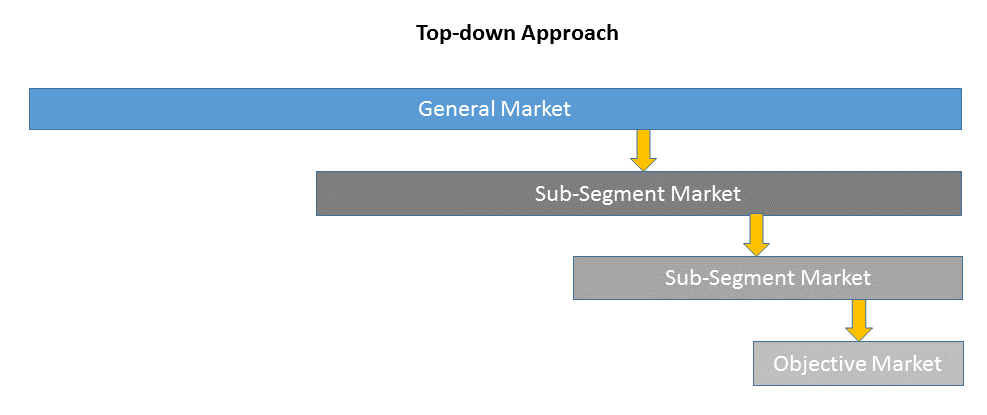
1)Top-down & Bottom-up Approach
Top-down approach uses a general market size figure and determines the percentage that the objective market represents.
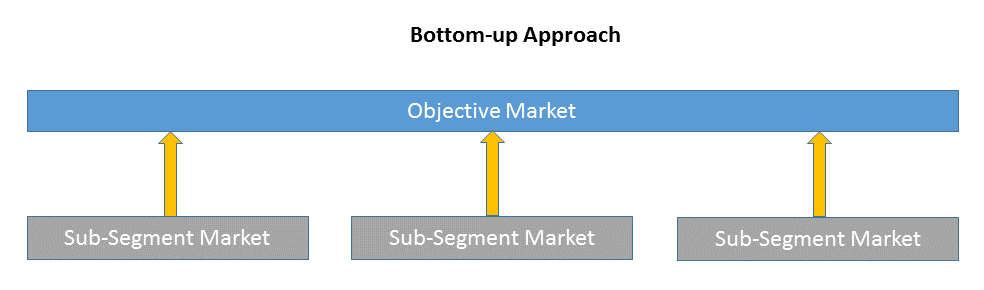
Bottom-up approach size the objective market by collecting the sub-segment information.
2)Supply & Demand Approach
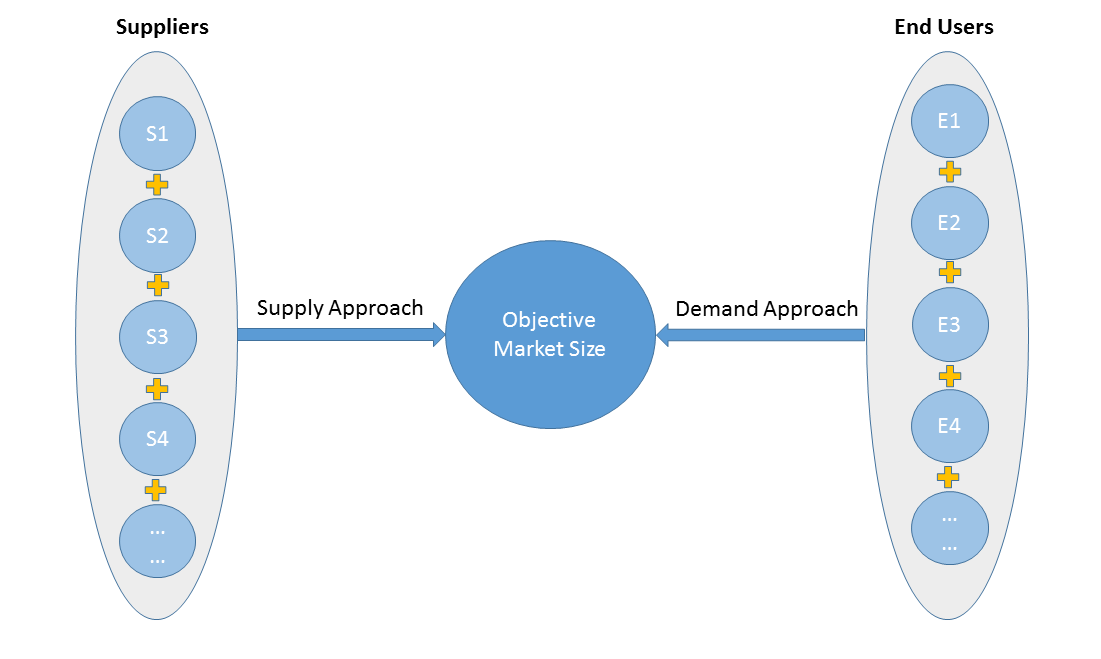
Supply approach is based on assessments of the size of each competitor supplying the objective market.
Demand approach combine end-user data within a market to estimate the objective market size. It is sometimes referred to as bottom-up approach.
- Forecasting Methodology
- Numerous factors impacting the market trend are considered for forecast model:
- New technology and application in the future;
- New project planned/under contraction;
- Global and regional underlying economic growth;
- Threatens of substitute products;
- Industry expert opinion;
- Policy and Society implication.
- Analysis Tools
1)PEST Analysis
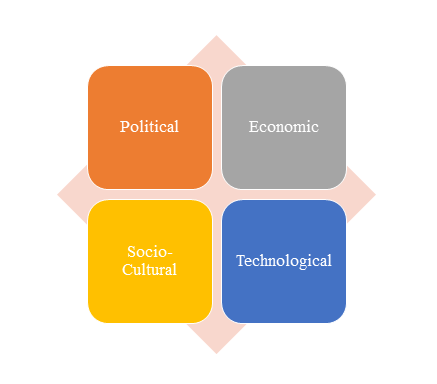
PEST Analysis is a simple and widely used tool that helps our client analyze the Political, Economic, Socio-Cultural, and Technological changes in their business environment.
- Benefits of a PEST analysis:
- It helps you to spot business opportunities, and it gives you advanced warning of significant threats.
- It reveals the direction of change within your business environment. This helps you shape what you’re doing, so that you work with change, rather than against it.
- It helps you avoid starting projects that are likely to fail, for reasons beyond your control.
- It can help you break free of unconscious assumptions when you enter a new country, region, or market; because it helps you develop an objective view of this new environment.
2)Porter’s Five Force Model Analysis
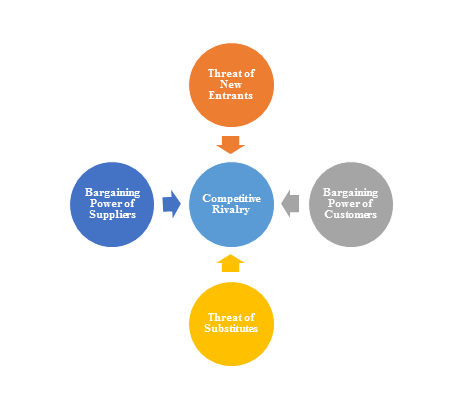
The Porter’s Five Force Model is a tool that can be used to analyze the opportunities and overall competitive advantage. The five forces that can assist in determining the competitive intensity and potential attractiveness within a specific area.
- Threat of New Entrants: Profitable industries that yield high returns will attract new firms.
- Threat of Substitutes: A substitute product uses a different technology to try to solve the same economic need.
- Bargaining Power of Customers: the ability of customers to put the firm under pressure, which also affects the customer's sensitivity to price changes.
- Bargaining Power of Suppliers: Suppliers of raw materials, components, labor, and services (such as expertise) to the firm can be a source of power over the firm when there are few substitutes.
- Competitive Rivalry: For most industries the intensity of competitive rivalry is the major determinant of the competitiveness of the industry.
3)Value Chain Analysis
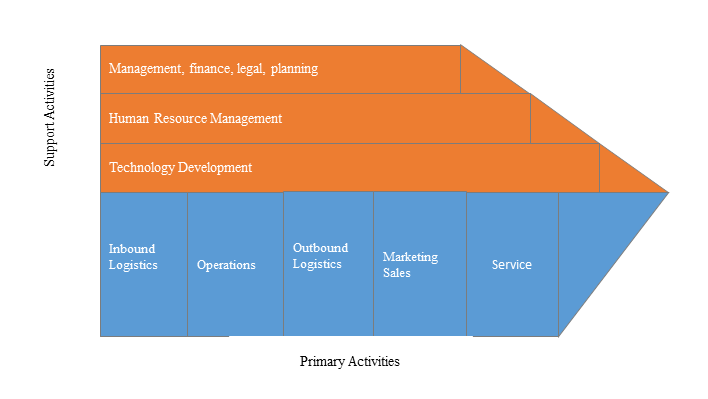
Value chain analysis is a tool to identify activities, within and around the firm and relating these activities to an assessment of competitive strength. Value chain can be analyzed by primary activities and supportive activities. Primary activities include: inbound logistics, operations, outbound logistics, marketing & sales, service. Support activities include: technology development, human resource management, management, finance, legal, planning.
4)SWOT Analysis
SWOT analysis is a tool used to evaluate a company's competitive position by identifying its strengths, weaknesses, opportunities and threats. The strengths and weakness is the inner factor; the opportunities and threats are the external factor. By analyzing the inner and external factors, the analysis can provide the detail information of the position of a player and the characteristics of the industry.
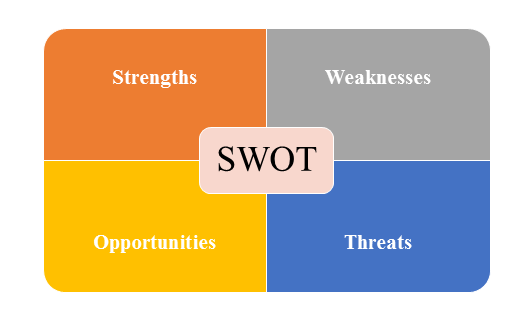
- Strengths describe what the player excels at and separates it from the competition
- Weaknesses stop the player from performing at its optimum level.
- Opportunities refer to favorable external factors that the player can use to give it a competitive advantage.
- Threats refer to factors that have the potential to harm the player.
- Data Sources
| Primary Sources | Secondary Sources |
|---|---|
| Face to face/Phone Interviews with market participants, such as: Manufactures; Distributors; End-users; Experts. Online Survey |
Government/International Organization Data: Annual Report/Presentation/Fact Book Internet Source Information Industry Association Data Free/Purchased Database Market Research Report Book/Journal/News |