Global Organ-on-a-Chip Market Strategic Outlook 2026-2031 Microphysiological Systems and High-Throughput Toxicity Screening Analysis
- Single User License (1 Users) $ 3,500
- Team License (2~5 Users) $ 4,500
- Corporate License (>5 Users) $ 5,500
The global organ-on-a-chip (OoC) market in 2026—widely classified by global pharmaceutical regulators as Microphysiological Systems (MPS) and New Approach Methodologies (NAMs)—has entered a decisive phase of institutional maturation and Big Pharma workflow integration. By lining precision-engineered microfluidic channels with living human primary cells or induced pluripotent stem cell (iPSC)-derived tissues subjected to authentic physiological fluid shear, vascular perfusion, and cyclic mechanical strain, organ-on-a-chip platforms faithfully replicate human organ-level biology far beyond flat 2D cell cultures or poorly predictive animal models. As of 2026, the global market is valued between 190 million USD and 310 million USD, projected to expand steadily at a compound annual growth rate (CAGR) ranging from 4.8 percent to 7.8 percent through 2031 as pharmaceutical developers systematically embed human-relevant tissue models into early toxicology and efficacy screening.
Two landmark commercial milestones across 2026 underscore the market’s transition from academic experimentation into standardized, enterprise-scale drug discovery infrastructure. First, on April 14, 2026, Swiss 3D cell-assay leader InSphero AG commercially launched the 3D InSight Drug-Induced Gastrointestinal Toxicity (DIGIT) platform—a standardized, high-throughput screening solution purpose-built to detect early gastrointestinal liabilities during preclinical drug discovery. Because gastrointestinal toxicity represents one of the most frequent dose-limiting adverse events driving clinical trial attrition, delivering an automation-ready, standardized GI MPS assay directly addresses a critical pharmaceutical pain point.
Second, signaling profound strategic consolidation by tier-one life-science instrumentation titans, Bruker Corporation announced a majority investment in Netherlands-based organ-on-a-chip pioneer MIMETAS B.V. on August 10, 2026. By absorbing MIMETAS’s high-throughput OrganoPlate technology and human disease-model expertise, Bruker directly links Microphysiological Systems with its powerhouse post-genomic spatial biology, proteomics, and mass-spectrometry analytics. Together, InSphero’s standardized high-throughput toxicity launch and Bruker’s majority stake in MIMETAS mark a pivotal industry pivot: future leadership in organ-on-a-chip belongs to scaled platforms uniting biological fidelity, automated laboratory throughput, and deep multi-omic data readout.
Regional Market Analysis
The geographical distribution of the organ-on-a-chip market mirrors global hubs of biopharmaceutical R&D expenditure, progressive regulatory NAMs acceptance, and ultra-precision microfluidic engineering.
● North America commands the largest commercial revenue share, estimated between 40 percent and 44 percent. Regional leadership is propelled by progressive United States regulatory frameworks (following FDA Modernization Act initiatives supporting non-animal IND safety data), massive pharmaceutical R&D concentration in Boston/Cambridge and San Francisco, and deep academic-to-commercial translation led by Emulate, SynVivo, and Bruker’s newly anchored MPS integration of MIMETAS. Big Pharma sponsors across North America represent the primary early adopters of validated liver, gastrointestinal, and immuno-oncology organ chips.
● Europe accounts for an exceptionally dense scientific, multi-organ, and precision microfabrication market share ranging from 32 percent to 36 percent. Continental Europe and the United Kingdom host an extraordinary cluster of category pioneers: MIMETAS B.V. (Netherlands), InSphero AG, AlveoliX AG, and FEMTOprint (Switzerland), TissUse GmbH and LightFab (Germany), CN Bio Innovations (United Kingdom), BiomimX S.r.l. (Italy), and BICO (Sweden). Backed by strict EU policies phasing down animal testing and active European Medicines Agency (EMA) qualification pathways, European players define global standards in multi-organ systemic coupling, cyclic mechanical actuation, and monolithic glass chip fabrication.
● Asia Pacific represents the fastest-growing regional market, capturing an estimated share between 16 percent and 20 percent. Singapore serves as an influential Southeast Asian hub anchored by AIM Biotech’s accessible vascularized 3D tissue chips, while Japan advances national MPS standardization through coordinated academic-pharma consortia and China scales translational CRO organoid/MPS networks. Within Taiwan(China), regional competitiveness leverages world-class semiconductor bio-MEMS fabrication paired with elite academic medical centers engineering high-throughput tumor-on-a-chip and precision oncology drug-sensitivity platforms.
● South America and the Middle East and Africa (MEA) collectively represent 4 percent to 8 percent of global revenue. Adoption remains centered within premier national biomedical universities in Brazil and sovereign precision-medicine and biopharma research institutes expanding across the GCC nations.
Application and Segmentation Analysis
Market value across the organ-on-a-chip industry splits sharply between standardized industrial drug-discovery screening and exploratory mechanistic biomedical research.
● Pharmaceutical and Biotechnology Companies represent the dominant revenue-generating vertical, accounting for roughly 65 percent to 70 percent of global spending. Facing soaring clinical development costs where nearly 90 percent of candidates fail in human trials, biopharma teams deploy MPS aggressively for early ADME-Tox (Absorption, Distribution, Metabolism, Excretion, and Toxicity) de-risking. Leading commercialized assays target Drug-Induced Liver Injury (DILI), Drug-Induced Gastrointestinal Toxicity (newly standardized by InSphero’s April 2026 DIGIT platform), cardiotoxicity, nephrotoxicity, and complex human-specific modalities—such as bispecific antibodies, ADCs, gene therapies, and CAR-T cell therapies—where non-human animal species lack human target cross-reactivity.
● Academic and Research Institutes constitute the foundational innovation vertical, representing roughly 30 percent to 35 percent of market value. Universities and national research centers push frontier capabilities including multi-organ "Body-on-a-Chip" systemic circulation (TissUse), rare genetic disease modeling via patient-derived iPSCs, physiological mechanobiology (AlveoliX breathing lung chips and BiomimX beating heart chips), and custom 3D glass microfluidic bioreactor design (FEMTOprint, LightFab).
● Architectural Bifurcation (High-Throughput Plate-Based vs. Mechanically Actuated Perfusion): A decisive strategic divide in 2026 separates pump-free, SBS-footprint plate-based MPS (such as MIMETAS’s 384-well OrganoPlate and InSphero’s Akura/DIGIT systems), which plug directly into Big Pharma robotic liquid handlers for high-throughput screening, from tubing-perfused, mechanically actuated single- and multi-organ chips (Emulate, AlveoliX, BiomimX, TissUse, CN Bio), which sacrifice raw throughput to capture deep physiological shear stress, air-liquid interfaces, and organ-to-organ metabolite crosstalk.
Value Chain Analysis
The organ-on-a-chip value chain bridges precision semiconductor/glass microfabrication with living human cellular engineering and advanced multi-omic analytics.
Upstream Microfabrication Substrates and Biological Materials: Value initiates with inert, low-drug-absorbing cyclic olefin copolymers (COC/COP), femtosecond-laser 3D-etched fused silica glass (FEMTOprint, LightFab)—rapidly displacing legacy PDMS elastomers notorious for absorbing hydrophobic small-molecule drugs—alongside qualified primary human hepatocytes, intestinal enterocytes, endothelial cells, iPSC lineages, and consistent extracellular matrix (ECM) hydrogels.
Midstream Chip Engineering and Perfusion Instrumentation: Platform developers integrate microfluidic barrier channels, porous stretch membranes, gravity-driven rocking or miniature pneumatic micro-pumps, and embedded transepithelial electrical resistance (TEER) or optical oxygen sensors into sterile, user-friendly consumables.
Validated Assay Services, Pre-Seeded Plates, and Multi-Omic Readout Integration (Primary Value Pool): Bare empty microfluidic plastic chips face steady commoditization. The highest, most defensible profit pools in 2026 reside in validated, turnkey biological assay platforms and specialized CRO screening services (exemplified by InSphero’s DIGIT GI toxicity suite, MIMETAS’s disease-modeling contracts, and CN Bio’s DILI/MASH services) coupled directly with automated high-content imaging and post-genomic proteomics/metabolomics readout—precisely the value-pool convergence driving Bruker’s August 2026 majority investment in MIMETAS.
Downstream Commercialization and Regulatory Qualification: Adoption flows through multi-year Master Service Agreements (MSAs) with Top-20 global pharmaceutical firms, direct hardware/consumable placements into biopharma toxicology suites, and coordinated pre-competitive qualification programs (such as the IQ MPS Affiliate and FDA ISTAND).
Key Market Player Deep Profiles
● Emulate: Headquartered in Boston, Massachusetts as a flagship spin-out from Harvard University’s Wyss Institute, Emulate stands as one of the world’s most globally recognizable organ-on-a-chip pioneers. Its Human Emulation System (anchored by the Zoë culture module) employs mechanically actuated microfluidic chips reproducing physiological cyclic stretch and continuous vascular-epithelial flow across Liver-Chip, Intestine-Chip, Lung-Chip, Kidney-Chip, and Brain-Chip models. Having published landmark benchmark clinical-predictive studies demonstrating 87 percent sensitivity and 100 percent specificity for human Drug-Induced Liver Injury (DILI), Emulate commands entrenched institutional prestige among North American Big Pharma toxicology groups and FDA regulatory evaluation programs in 2026.
● MIMETAS B.V: Headquartered in Leiden, Netherlands, MIMETAS B.V. stands as the global leader in high-throughput, automation-compatible plate-based organ-on-a-chip technology through its patented OrganoPlate platform. By integrating 40 to 96 perfused 3D microfluidic human tissue models inside a standard 384-well SBS microplate utilizing gravity-driven pump-free flow, MIMETAS eliminated tubing complexity and unlocked true high-throughput screening for Big Pharma. Cementing its market dominance, Bruker Corporation executed a majority investment in MIMETAS B.V. on August 10, 2026—integrating MIMETAS’s scalable human tissue and disease models directly into Bruker’s global post-genomic analytical and commercial drug-discovery powerhouse.
● InSphero: Headquartered in Schlieren near Zurich, Switzerland, InSphero AG is a global powerhouse in scalable 3D microtissue engineering and standardized organ-on-a-chip screening assays serving virtually all Top-15 global pharmaceutical companies. Combining its Akura microplate and Akura Flow perfusion platforms with rigorously standardized primary human liver, islet, and tumor spheroids, InSphero achieved a major commercial milestone on April 14, 2026 with the launch of its 3D InSight Drug-Induced Gastrointestinal Toxicity (DIGIT) platform. By delivering a high-throughput, reproducible early GI liability screen, InSphero reinforces its premier value proposition: turning complex human biology into industrial-grade, automation-ready toxicology data.
● SynVivo: Headquartered in Huntsville, Alabama, SynVivo Inc. pioneered realistic, physiologically branched microfluidic microvascular networks fabricated directly from real in vivo vascular geometries. Unlike idealized straight linear channels, SynVivo’s chips accurately reproduce microvascular bifurcations, variable shear gradients, and authentic endothelial cell morphology—making them uniquely powerful for modeling the human Blood-Brain Barrier (BBB), tumor angiogenesis, sickle-cell/thrombosis hemodynamics, and real-time immune-cell transmigration. In 2026, surging biopharma investment in central nervous system (CNS) biologics and next-generation immuno-oncology cell therapies sustains high-margin adoption of SynVivo’s vascularized MPS models across North America and Europe.
● CN Bio Innovations: Headquartered in Cambridge, United Kingdom, CN Bio Innovations is a premier pioneer in single- and multi-organ benchtop MPS via its PhysioMimix platform, utilizing open-well Transwell-compatible formats engineered for seamless compatibility with standard pharmaceutical assays and high-yield omics sampling. Renowned globally for its high-longevity primary human liver models targeting DILI, Metabolic Dysfunction-Associated Steatohepatitis (MASH), and coupled Gut-Liver ADME pharmacokinetics, CN Bio holds landmark multi-year collaborative research agreements with the United States FDA validating MPS reproducibility. In 2026, CN Bio expands dual commercial streams across benchtop instrument/consumable placements and specialized contract research services.
● TissUse GmbH: Headquartered in Berlin, Germany, TissUse GmbH ranks as the world’s leading pure-play pioneer in systemic Multi-Organ-Chip (MOC) technology under its patented HUMIMIC platform. Featuring miniaturized pneumatic on-chip micropumps driving pulsatile closed-loop circulation across two, four, or more interconnected human organ equivalents—such as Liver-Skin, Gut-Liver-Kidney, and Liver-Pancreas-Islet models—TissUse enables pharmaceutical and cosmetic developers to capture complex systemic metabolite toxicity and whole-body PK/PD interactions impossible on single-organ chips. In 2026, TissUse leverages strong European regulatory alignment and global pharma co-development partnerships to advance multi-organ systemic toxicology toward routine IND acceptance.
● BICO: Headquartered in Gothenburg, Sweden, BICO operates as a premier global bio-convergence group encompassing leading bio-automation and bioprinting subsidiaries including CELLINK, CYTENA, and Biosero. Within the organ-on-a-chip ecosystem, BICO provides the indispensable upstream fabrication and automation infrastructure—precision 3D bioprinters depositing structured vascularized cellular constructs directly into microfluidic chips, automated single-cell dispensers, and robotic laboratory orchestration software enabling high-throughput MPS plate handling. In 2026, as pharmaceutical companies scale organ-on-a-chip deployments from boutique manual pilots into automated screening factories, BICO’s integrated bio-automation stack plays a vital enabling role across North America, Europe, and Asia.
● AlveoliX AG: Headquartered in Bern, Switzerland as a spin-off from the University of Bern’s Organs-on-Chip Technologies Laboratory, AlveoliX AG commands global specialization in physiologically breathing Lung-on-Chip systems through its flagship AXLung-on-Chip platform. Incorporating an ultra-thin, biodegradable or porous elastic membrane subjected to authentic three-dimensional cyclic breathing stretch alongside an Air-Liquid Interface (ALI), AlveoliX accurately models human alveolar-capillary barrier transport, inhaled aerosol drug deposition, idiopathic pulmonary fibrosis, and respiratory viral pathology. In 2026, escalating respiratory biopharma pipelines and inhaled biologics development drive strong specialist adoption across European and US pharmaceutical teams.
● BiomimX S.r.l: Headquartered in Milan, Italy as a spin-off from Politecnico di Milano, BiomimX S.r.l. is a dynamic European innovator distinguished by its patented uBeat mechanical actuation platform. By applying precisely controlled, synchronized cyclic uniaxial or multiaxial mechanical strain directly to 3D human micro-tissues inside microfluidic chambers, BiomimX produces functionally mature, beating Heart-on-Chip models for early human cardiotoxicity and cardiac fibrosis screening alongside mechanically loaded Joint/Cartilage-on-Chip models targeting osteoarthritis and Gut-on-Chip platforms. In 2026, BiomimX captures growing European and multinational pharma contracts seeking authentic biomechanical maturation in difficult cardiovascular and musculoskeletal disease models.
● AIM Biotech: Headquartered in Singapore and spun out of the Singapore-MIT Alliance for Research and Technology (SMART), AIM Biotech stands as Asia Pacific’s flagship accessible organ-on-a-chip innovator. Its signature 3D microfluidic culture chips (idenTx and organix) employ precision micropost-stabilized hydrogel channels allowing academic and biotech researchers to establish vascularized 3D tumor microenvironments, Blood-Brain Barrier co-cultures, and real-time CAR-T or NK-cell immunotherapy killing assays inside standard laboratory incubators without complex external pumps. In 2026, AIM Biotech’s low-barrier-to-entry pricing and robust immuno-oncology validation fuel widespread adoption across Asian, North American, and European biotech hubs.
● FEMTOprint: Headquartered in Muzzano, Switzerland, FEMTOprint SA occupies a pivotal upstream enabling tier as a global pioneer in 3D precision glass microfabrication utilizing proprietary femtosecond laser-assisted chemical etching. Unlike traditional PDMS elastomer chips—which notoriously absorb lipophilic small-molecule drug candidates and distort pharmacokinetic dosing—FEMTOprint manufactures monolithic, optically transparent, chemically inert fused-silica 3D organ-on-a-chip devices integrating sub-micron microchannels, embedded optical waveguides, and zero-leak micro-valves. In 2026, pharma’s accelerating migration away from PDMS toward inert glass and thermoplastic MPS chips directly fuels high-margin OEM foundry orders for FEMTOprint across Europe and North America.
● LightFab: Headquartered in Aachen, Germany, LightFab GmbH stands alongside FEMTOprint as a premier European specialist in Selective Laser-Induced Etching (SLE) 3D precision glass micro-machining, supplying both turnkey SLE laser fabrication machines (LightFab 3D Printer) and custom glass microfluidic foundry services. Empowering academic bioengineering labs and commercial MPS vendors to fabricate complex 3D freeform internal microchannels, micro-nozzles, and optically clear quartz/fused-silica organ bioreactors with micrometer precision, LightFab solves persistent material-absorption and high-resolution live-cell imaging limitations. In 2026, expanding global academic and pharma demand for reusable, high-optical-clarity glass organ chips sustains steady specialized growth for LightFab.
Opportunities and Challenges
The organ-on-a-chip market is navigating a transformative transition from proof-of-concept validation toward regulatory-grade pharmaceutical scale.
● Opportunities: Strategic capital absorption by tier-one analytical instrumentation giants—exemplified by Bruker Corporation’s August 2026 majority investment in MIMETAS B.V.—unlocks unprecedented commercial distribution and seamless integration between living MPS human tissue models and downstream spatial proteomics, mass spectrometry, and AI analytics. Simultaneously, launching standardized, high-throughput toxicology suites targeting high-attrition liabilities (such as InSphero’s April 2026 DIGIT gastrointestinal toxicity platform) accelerates routine adoption across early Big Pharma discovery funnels. Furthermore, expanding FDA Modernization Act and EMA NAMs qualification frameworks steadily convert organ-on-a-chip data from supplementary internal insight into formal regulatory IND safety evidence, while 3D-etched glass microfabrication (FEMTOprint, LightFab) eliminates historic PDMS drug-absorption failure modes.
● Challenges: Fragmentation across chip geometries, fluidic flow regimens, and cell sourcing continues to impede cross-platform standardization and regulatory benchmarking. Biologically, maintaining consistent donor-to-donor functional maturity across primary human cells and iPSC-derived tissues—particularly for complex multi-organ immunocompetent models—raises assay cost and operational complexity. Additionally, persistent engineering trade-offs between high-throughput automation (384-well plates compatible with Big Pharma liquid handlers) and deep multi-organ biomechanical actuation prevent any single hardware architecture from dominating all pharmaceutical workflows.
Macroeconomic and Geopolitical Influences
The 2026 organ-on-a-chip market reflects a nuanced macroeconomic dynamic shaped by elevated global interest rates and rigorous pharmaceutical portfolio discipline. While tighter venture capital markets have slowed discretionary equipment purchases among early-stage biotech startups and select academic labs, Top-20 multinational pharmaceutical corporations face intense patent-cliff pressures and soaring late-stage clinical trial costs. Because identifying human-specific liver, cardiac, or gastrointestinal toxicity preclinically (via platforms like InSphero’s DIGIT or MIMETAS’s OrganoPlates) saves hundreds of millions of dollars in doomed clinical trials, high-ROI NAMs screening budgets have remained remarkably resilient. Concurrently, higher cost of capital favors strategic M&A by cash-rich analytical incumbents—mirroring Bruker’s majority acquisition of MIMETAS—over standalone IPO exits for independent MPS developers.
Geopolitically, preclinical testing sovereignty, animal-welfare legislation, and human cellular data governance are emerging as influential structural drivers. North America and Europe currently anchor global regulatory standard-setting through coordinated FDA and EMA NAMs working groups, reinforcing commercial moats for United States and European MPS leaders (Emulate, Bruker/MIMETAS, InSphero, CN Bio, TissUse, AlveoliX, BiomimX) and precision European glass micro-fabricators (FEMTOprint, LightFab). Simultaneously, Asia Pacific economies—including Singapore (AIM Biotech), Japan, mainland China, and Taiwan(China)’s precision bio-MEMS and oncology-modeling ecosystems—are scaling localized human-tissue screening capacity to reduce cross-border biological specimen dependencies and capture regional clinical-trial translation. Through 2031, organ-on-a-chip platforms that seamlessly fuse standardized high-throughput automation, non-absorbing chip materials, and deep post-genomic multi-omic readouts will define the next generation of human-centric drug discovery.
1.1 Study Scope 1
1.2 Research Methodology 2
1.2.1 Data Sources 2
1.2.2 Assumptions 3
1.3 Abbreviations and Acronyms 5
Chapter 2 Global Organ-on-a-Chip Market Dynamics 6
2.1 Market Drivers 6
2.2 Market Restraints 7
2.3 Macroeconomic Factors and Their Impact on Pharmaceutical R&D Budgets 8
2.4 Geopolitical Conflicts and Bio-Material Supply Chain Implications 9
2.5 Industry Trends: Reduction of Animal Testing and Multi-Organ Integration 10
2.6 Regulatory Landscape (FDA Modernization Act, EMA, and Validation Standards) 11
Chapter 3 Global Organ-on-a-Chip Market by Organ Type 12
3.1 Liver-on-a-Chip 12
3.2 Lung-on-a-Chip 13
3.3 Heart-on-a-Chip 14
3.4 Kidney-on-a-Chip 15
3.5 Multi-Organ-on-a-Chip and Others 16
Chapter 4 Global Organ-on-a-Chip Market by Application 18
4.1 Pharmaceutical & Biotechnology Companies 18
4.2 Academic & Research Institutes 20
4.3 Contract Research Organizations (CROs) and Others 21
Chapter 5 Global Organ-on-a-Chip Market by Region 23
5.1 Global Organ-on-a-Chip Market Size by Region (2021-2031) 23
5.2 North America Organ-on-a-Chip Market Share 24
5.3 Europe Organ-on-a-Chip Market Share 25
5.4 Asia-Pacific Organ-on-a-Chip Market Share 26
5.5 Latin America Organ-on-a-Chip Market Share 27
5.6 Middle East & Africa Organ-on-a-Chip Market Share 27
Chapter 6 North America Organ-on-a-Chip Market Analysis 28
6.1 North America Market Overview 28
6.2 North America Market by Organ Type 29
6.3 North America Market by Application 30
6.4 North America Market by Key Regions 31
6.4.1 United States 31
6.4.2 Canada 32
6.4.3 Mexico 32
Chapter 7 Europe Organ-on-a-Chip Market Analysis 33
7.1 Europe Market Overview 33
7.2 Europe Market by Organ Type 34
7.3 Europe Market by Application 35
7.4 Europe Market by Key Regions 36
7.4.1 Germany 36
7.4.2 United Kingdom 36
7.4.3 France 37
7.4.4 Netherlands 37
7.4.5 Switzerland 38
Chapter 8 Asia-Pacific Organ-on-a-Chip Market Analysis 39
8.1 Asia-Pacific Market Overview 39
8.2 Asia-Pacific Market by Organ Type 40
8.3 Asia-Pacific Market by Application 41
8.4 Asia-Pacific Market by Key Regions 42
8.4.1 China 42
8.4.2 Japan 43
8.4.3 India 43
8.4.4 South Korea 44
8.4.5 Taiwan (China) 44
Chapter 9 Latin America & Middle East and Africa Organ-on-a-Chip Market Analysis 45
9.1 Latin America Market Overview 45
9.2 Latin America Market by Key Regions 46
9.2.1 Brazil 46
9.2.2 Argentina 46
9.3 Middle East and Africa Market Overview 47
9.4 Middle East and Africa Market by Key Regions 48
9.4.1 GCC 48
9.4.2 South Africa 48
Chapter 10 Industry Value Chain, Manufacturing Process and Patent Analysis 49
10.1 Organ-on-a-Chip Value Chain Analysis 49
10.2 Microfabrication Process Analysis (PDMS Molding, Glass Etching, 3D Printing) 50
10.3 Patent Landscape and Microphysiological System Innovations 51
10.4 Sales, Research Partnerships, and Distribution Channels 53
Chapter 11 Competitive Landscape 54
11.1 Market Concentration Rate 54
11.2 Global Organ-on-a-Chip Market Share by Company (2021-2026) 55
11.3 Tier 1, Tier 2, and Tier 3 Companies 57
11.4 Mergers, Acquisitions, and Venture Funding Trends 58
Chapter 12 Company Profiles 59
12.1 Emulate 59
12.1.1 Company Introduction 59
12.1.2 Emulate Organ-on-a-Chip Revenue, Cost and Gross Profit Margin (2021-2026) 60
12.1.3 SWOT Analysis 61
12.1.4 R&D Investments and Bio-Platform Marketing Strategies 62
12.2 MIMETAS B.V 64
12.2.1 Company Introduction 64
12.2.2 MIMETAS B.V Organ-on-a-Chip Revenue, Cost and Gross Profit Margin (2021-2026) 65
12.2.3 SWOT Analysis 66
12.2.4 OrganoPlate Technology and Pharmaceutical Partnership Strategies 67
12.3 InSphero 68
12.3.1 Company Introduction 68
12.3.2 InSphero Organ-on-a-Chip Revenue, Cost and Gross Profit Margin (2021-2026) 69
12.3.3 SWOT Analysis 70
12.3.4 3D Spheroid Microtissues and Marketing Strategies 71
12.4 SynVivo 72
12.4.1 Company Introduction 72
12.4.2 SynVivo Organ-on-a-Chip Revenue, Cost and Gross Profit Margin (2021-2026) 73
12.4.3 SWOT Analysis 73
12.4.4 Microvascular Network Platforms and Marketing Strategies 74
12.5 CN Bio Innovations 75
12.5.1 Company Introduction 75
12.5.2 CN Bio Innovations Organ-on-a-Chip Revenue, Cost and Gross Profit Margin (2021-2026) 76
12.5.3 SWOT Analysis 77
12.5.4 PhysioMimix OOC Systems and Commercialization Strategies 78
12.6 TissUse GmbH 79
12.6.1 Company Introduction 79
12.6.2 TissUse GmbH Organ-on-a-Chip Revenue, Cost and Gross Profit Margin (2021-2026) 80
12.6.3 SWOT Analysis 81
12.6.4 Multi-Organ HUMIMIC Platform R&D and Marketing Strategies 82
12.7 BICO 84
12.7.1 Company Introduction 84
12.7.2 BICO Organ-on-a-Chip Revenue, Cost and Gross Profit Margin (2021-2026) 85
12.7.3 SWOT Analysis 86
12.7.4 Bioconvergence Portfolio and Acquisition Strategies 87
12.8 AlveoliX AG 88
12.8.1 Company Introduction 88
12.8.2 AlveoliX AG Organ-on-a-Chip Revenue, Cost and Gross Profit Margin (2021-2026) 89
12.8.3 SWOT Analysis 89
12.8.4 Respiratory Modeling Platforms and Marketing Strategies 90
12.9 BiomimX S.r.l 91
12.9.1 Company Introduction 91
12.9.2 BiomimX S.r.l Organ-on-a-Chip Revenue, Cost and Gross Profit Margin (2021-2026) 92
12.9.3 SWOT Analysis 92
12.9.4 Beating Organs-on-Chip Technology and Marketing Strategies 93
12.10 AIM Biotech 94
12.10.1 Company Introduction 94
12.10.2 AIM Biotech Organ-on-a-Chip Revenue, Cost and Gross Profit Margin (2021-2026) 95
12.10.3 SWOT Analysis 96
12.10.4 3D Cell Culture Chips and Academic Market Strategies 97
12.11 FEMTOprint 98
12.11.1 Company Introduction 98
12.11.2 FEMTOprint Organ-on-a-Chip Revenue, Cost and Gross Profit Margin (2021-2026) 99
12.11.3 SWOT Analysis 100
12.11.4 3D Glass Microfabrication and B2B Foundry Strategies 101
12.12 LightFab 102
12.12.1 Company Introduction 102
12.12.2 LightFab Organ-on-a-Chip Revenue, Cost and Gross Profit Margin (2021-2026) 103
12.12.3 SWOT Analysis 104
12.12.4 Femtosecond Laser Micromachining and Marketing Strategies 105
Chapter 13 Global Organ-on-a-Chip Market Forecast (2027-2031) 106
13.1 Global Organ-on-a-Chip Market Size Forecast (2027-2031) 106
13.2 Global Organ-on-a-Chip Market Forecast by Organ Type (2027-2031) 107
13.3 Global Organ-on-a-Chip Market Forecast by Application (2027-2031) 109
13.4 Global Organ-on-a-Chip Market Forecast by Region (2027-2031) 110
Chapter 14 Research Findings and Conclusion 112
Table 2 Global Organ-on-a-Chip Market Size by Application (2021-2026) 19
Table 3 Global Organ-on-a-Chip Market Size by Region (2021-2026) 24
Table 4 North America Organ-on-a-Chip Market Size by Organ Type (2021-2026) 29
Table 5 North America Organ-on-a-Chip Market Size by Application (2021-2026) 30
Table 6 North America Organ-on-a-Chip Market Size by Key Regions (2021-2026) 31
Table 7 Europe Organ-on-a-Chip Market Size by Organ Type (2021-2026) 34
Table 8 Europe Organ-on-a-Chip Market Size by Application (2021-2026) 35
Table 9 Europe Organ-on-a-Chip Market Size by Key Regions (2021-2026) 36
Table 10 Asia-Pacific Organ-on-a-Chip Market Size by Organ Type (2021-2026) 40
Table 11 Asia-Pacific Organ-on-a-Chip Market Size by Application (2021-2026) 41
Table 12 Asia-Pacific Organ-on-a-Chip Market Size by Key Regions (2021-2026) 42
Table 13 Latin America Organ-on-a-Chip Market Size by Key Regions (2021-2026) 46
Table 14 Middle East and Africa Organ-on-a-Chip Market Size by Key Regions (2021-2026) 48
Table 15 Global Organ-on-a-Chip Revenue by Company (2021-2026) 55
Table 16 Global Organ-on-a-Chip Market Share by Company (2021-2026) 56
Table 17 Emulate Organ-on-a-Chip Revenue, Cost and Gross Profit Margin (2021-2026) 60
Table 18 MIMETAS B.V Organ-on-a-Chip Revenue, Cost and Gross Profit Margin (2021-2026) 65
Table 19 InSphero Organ-on-a-Chip Revenue, Cost and Gross Profit Margin (2021-2026) 69
Table 20 SynVivo Organ-on-a-Chip Revenue, Cost and Gross Profit Margin (2021-2026) 73
Table 21 CN Bio Innovations Organ-on-a-Chip Revenue, Cost and Gross Profit Margin (2021-2026) 76
Table 22 TissUse GmbH Organ-on-a-Chip Revenue, Cost and Gross Profit Margin (2021-2026) 80
Table 23 BICO Organ-on-a-Chip Revenue, Cost and Gross Profit Margin (2021-2026) 85
Table 24 AlveoliX AG Organ-on-a-Chip Revenue, Cost and Gross Profit Margin (2021-2026) 89
Table 25 BiomimX S.r.l Organ-on-a-Chip Revenue, Cost and Gross Profit Margin (2021-2026) 92
Table 26 AIM Biotech Organ-on-a-Chip Revenue, Cost and Gross Profit Margin (2021-2026) 95
Table 27 FEMTOprint Organ-on-a-Chip Revenue, Cost and Gross Profit Margin (2021-2026) 99
Table 28 LightFab Organ-on-a-Chip Revenue, Cost and Gross Profit Margin (2021-2026) 103
Table 29 Global Organ-on-a-Chip Market Size Forecast by Organ Type (2027-2031) 107
Table 30 Global Organ-on-a-Chip Market Size Forecast by Application (2027-2031) 109
Table 31 Global Organ-on-a-Chip Market Size Forecast by Region (2027-2031) 110
Figure 1 Research Methodology Flowchart 2
Figure 2 Global Organ-on-a-Chip Market Size (2021-2031) 6
Figure 3 Macroeconomic Indicators and Drug Discovery R&D Investments 8
Figure 4 Impact of Geopolitical Conflicts on Precision Lab Equipment and Cell Sourcing 9
Figure 5 Global Organ-on-a-Chip Market Share by Organ Type in 2026 12
Figure 6 Global Organ-on-a-Chip Market Share by Application in 2026 18
Figure 7 Global Organ-on-a-Chip Market Share by Region in 2026 23
Figure 8 North America Organ-on-a-Chip Market Size and Growth (2021-2031) 28
Figure 9 Europe Organ-on-a-Chip Market Size and Growth (2021-2031) 33
Figure 10 Asia-Pacific Organ-on-a-Chip Market Size and Growth (2021-2031) 39
Figure 11 Latin America Organ-on-a-Chip Market Size and Growth (2021-2031) 45
Figure 12 Middle East and Africa Organ-on-a-Chip Market Size and Growth (2021-2031) 47
Figure 13 Organ-on-a-Chip Industry Value Chain 49
Figure 14 Global Organ-on-a-Chip Patent Filings by Year (2021-2026) 51
Figure 15 Market Concentration Rate (CR5 and CR10) in 2026 54
Figure 16 Emulate Organ-on-a-Chip Market Share (2021-2026) 60
Figure 17 MIMETAS B.V Organ-on-a-Chip Market Share (2021-2026) 65
Figure 18 InSphero Organ-on-a-Chip Market Share (2021-2026) 69
Figure 19 SynVivo Organ-on-a-Chip Market Share (2021-2026) 73
Figure 20 CN Bio Innovations Organ-on-a-Chip Market Share (2021-2026) 76
Figure 21 TissUse GmbH Organ-on-a-Chip Market Share (2021-2026) 80
Figure 22 BICO Organ-on-a-Chip Market Share (2021-2026) 85
Figure 23 AlveoliX AG Organ-on-a-Chip Market Share (2021-2026) 89
Figure 24 BiomimX S.r.l Organ-on-a-Chip Market Share (2021-2026) 92
Figure 25 AIM Biotech Organ-on-a-Chip Market Share (2021-2026) 95
Figure 26 FEMTOprint Organ-on-a-Chip Market Share (2021-2026) 99
Figure 27 LightFab Organ-on-a-Chip Market Share (2021-2026) 103
Figure 28 Global Organ-on-a-Chip Market Forecast by Organ Type (2027-2031) 107
Figure 29 Global Organ-on-a-Chip Market Forecast by Application (2027-2031) 109
Research Methodology
- Market Estimated Methodology:
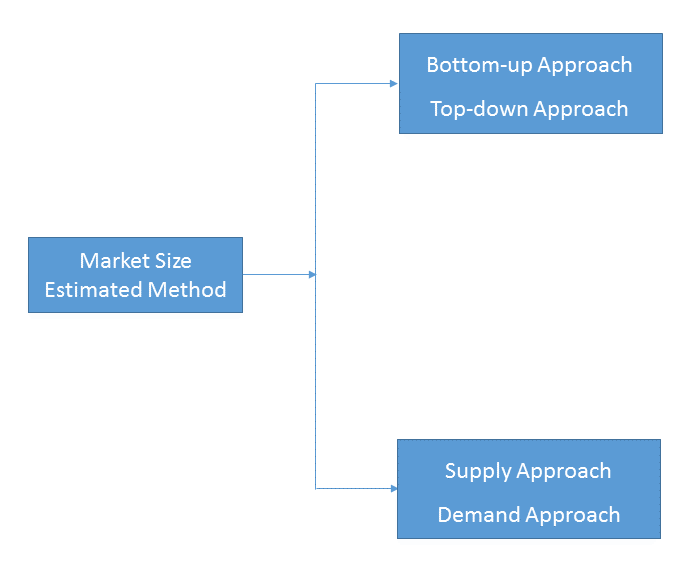
Bottom-up & top-down approach, supply & demand approach are the most important method which is used by HDIN Research to estimate the market size.
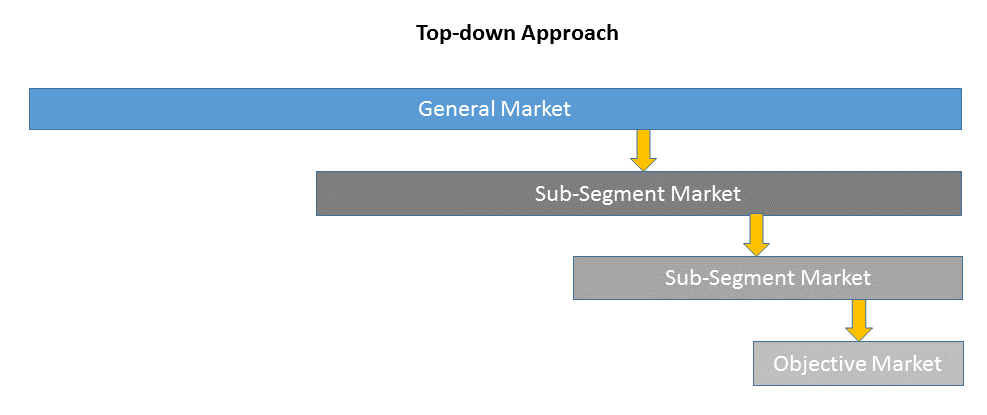
1)Top-down & Bottom-up Approach
Top-down approach uses a general market size figure and determines the percentage that the objective market represents.
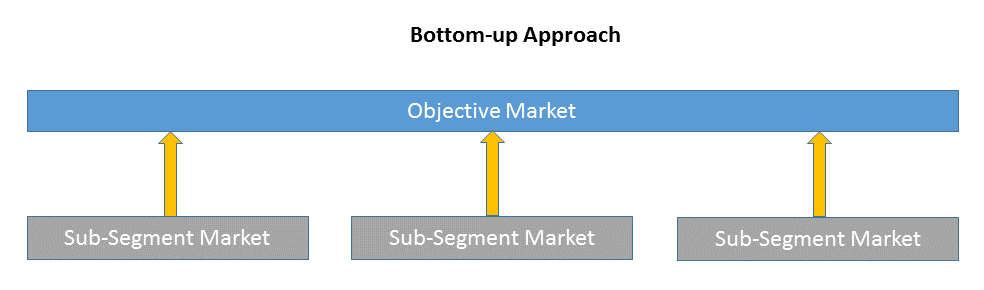
Bottom-up approach size the objective market by collecting the sub-segment information.
2)Supply & Demand Approach
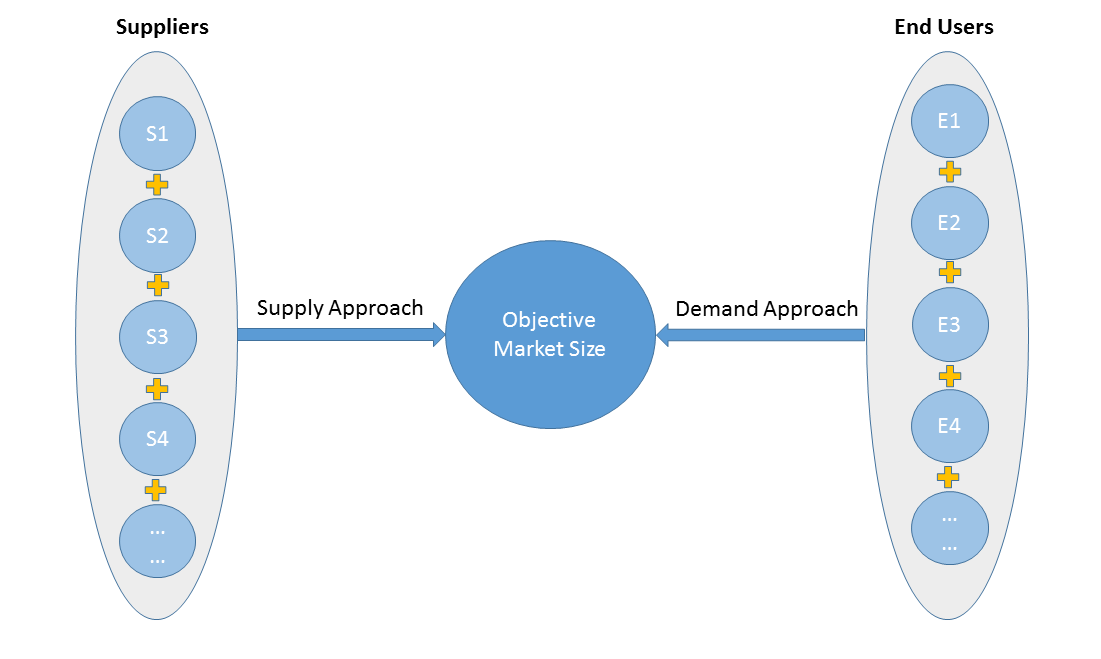
Supply approach is based on assessments of the size of each competitor supplying the objective market.
Demand approach combine end-user data within a market to estimate the objective market size. It is sometimes referred to as bottom-up approach.
- Forecasting Methodology
- Numerous factors impacting the market trend are considered for forecast model:
- New technology and application in the future;
- New project planned/under contraction;
- Global and regional underlying economic growth;
- Threatens of substitute products;
- Industry expert opinion;
- Policy and Society implication.
- Analysis Tools
1)PEST Analysis
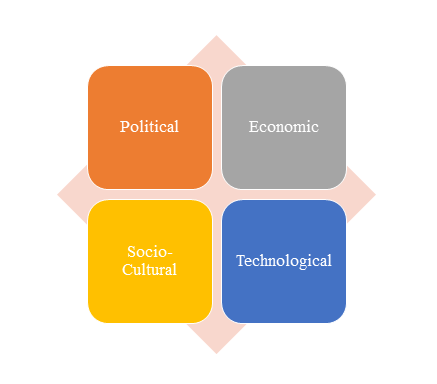
PEST Analysis is a simple and widely used tool that helps our client analyze the Political, Economic, Socio-Cultural, and Technological changes in their business environment.
- Benefits of a PEST analysis:
- It helps you to spot business opportunities, and it gives you advanced warning of significant threats.
- It reveals the direction of change within your business environment. This helps you shape what you’re doing, so that you work with change, rather than against it.
- It helps you avoid starting projects that are likely to fail, for reasons beyond your control.
- It can help you break free of unconscious assumptions when you enter a new country, region, or market; because it helps you develop an objective view of this new environment.
2)Porter’s Five Force Model Analysis
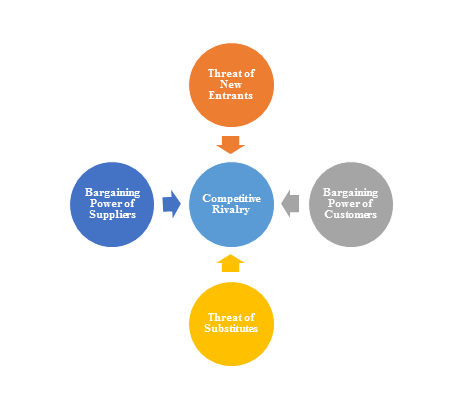
The Porter’s Five Force Model is a tool that can be used to analyze the opportunities and overall competitive advantage. The five forces that can assist in determining the competitive intensity and potential attractiveness within a specific area.
- Threat of New Entrants: Profitable industries that yield high returns will attract new firms.
- Threat of Substitutes: A substitute product uses a different technology to try to solve the same economic need.
- Bargaining Power of Customers: the ability of customers to put the firm under pressure, which also affects the customer's sensitivity to price changes.
- Bargaining Power of Suppliers: Suppliers of raw materials, components, labor, and services (such as expertise) to the firm can be a source of power over the firm when there are few substitutes.
- Competitive Rivalry: For most industries the intensity of competitive rivalry is the major determinant of the competitiveness of the industry.
3)Value Chain Analysis
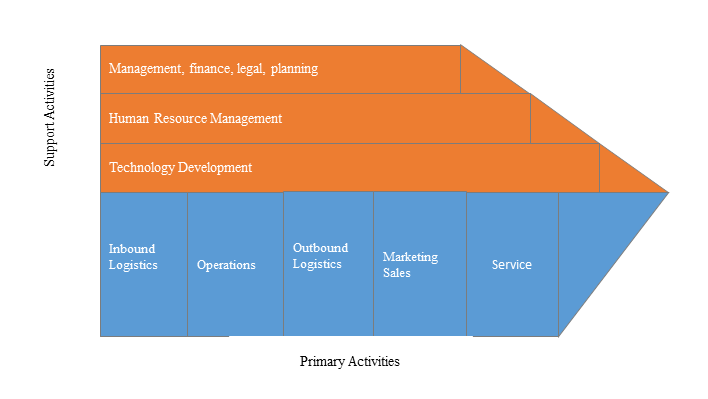
Value chain analysis is a tool to identify activities, within and around the firm and relating these activities to an assessment of competitive strength. Value chain can be analyzed by primary activities and supportive activities. Primary activities include: inbound logistics, operations, outbound logistics, marketing & sales, service. Support activities include: technology development, human resource management, management, finance, legal, planning.
4)SWOT Analysis
SWOT analysis is a tool used to evaluate a company's competitive position by identifying its strengths, weaknesses, opportunities and threats. The strengths and weakness is the inner factor; the opportunities and threats are the external factor. By analyzing the inner and external factors, the analysis can provide the detail information of the position of a player and the characteristics of the industry.
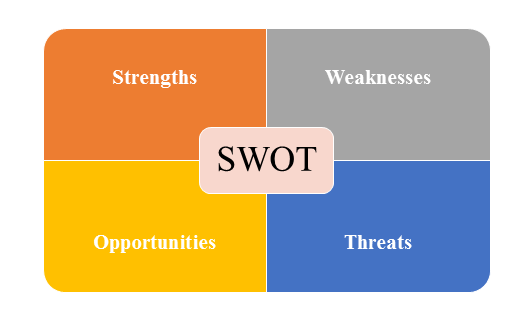
- Strengths describe what the player excels at and separates it from the competition
- Weaknesses stop the player from performing at its optimum level.
- Opportunities refer to favorable external factors that the player can use to give it a competitive advantage.
- Threats refer to factors that have the potential to harm the player.
- Data Sources
| Primary Sources | Secondary Sources |
|---|---|
| Face to face/Phone Interviews with market participants, such as: Manufactures; Distributors; End-users; Experts. Online Survey |
Government/International Organization Data: Annual Report/Presentation/Fact Book Internet Source Information Industry Association Data Free/Purchased Database Market Research Report Book/Journal/News |